Loading

For remodels focused on natural light, ventilation, and outdoor access, folding doors can improve how a home functions when specified for the right space.

Are Folding Doors Worth It for a Home Remodel?

Home / Archive by category "BLOG"

When planning a home remodel, most upgrades fall into two categories: those that improve the appearance of a room, and those that change how the room is used. Folding doors belong to the second group.

Also known as bifold doors or accordion doors, these systems use multiple glass panels that fold and stack to one or both sides of an opening. In the right project, they can replace a conventional wall or patio door with a wider connection to a backyard, terrace, pool area, or outdoor dining space.

For homeowners, the appeal is clear: more usable space, better daylight, improved airflow, and a stronger connection between interior and exterior areas. But folding doors are not automatically the best choice for every remodel. Their performance depends on the opening size, frame material, glass package, threshold, hardware, and installation quality.

Before adding folding doors to a remodeling plan, it is important to understand where they work best, what they require, and when another door system may be a better fit.

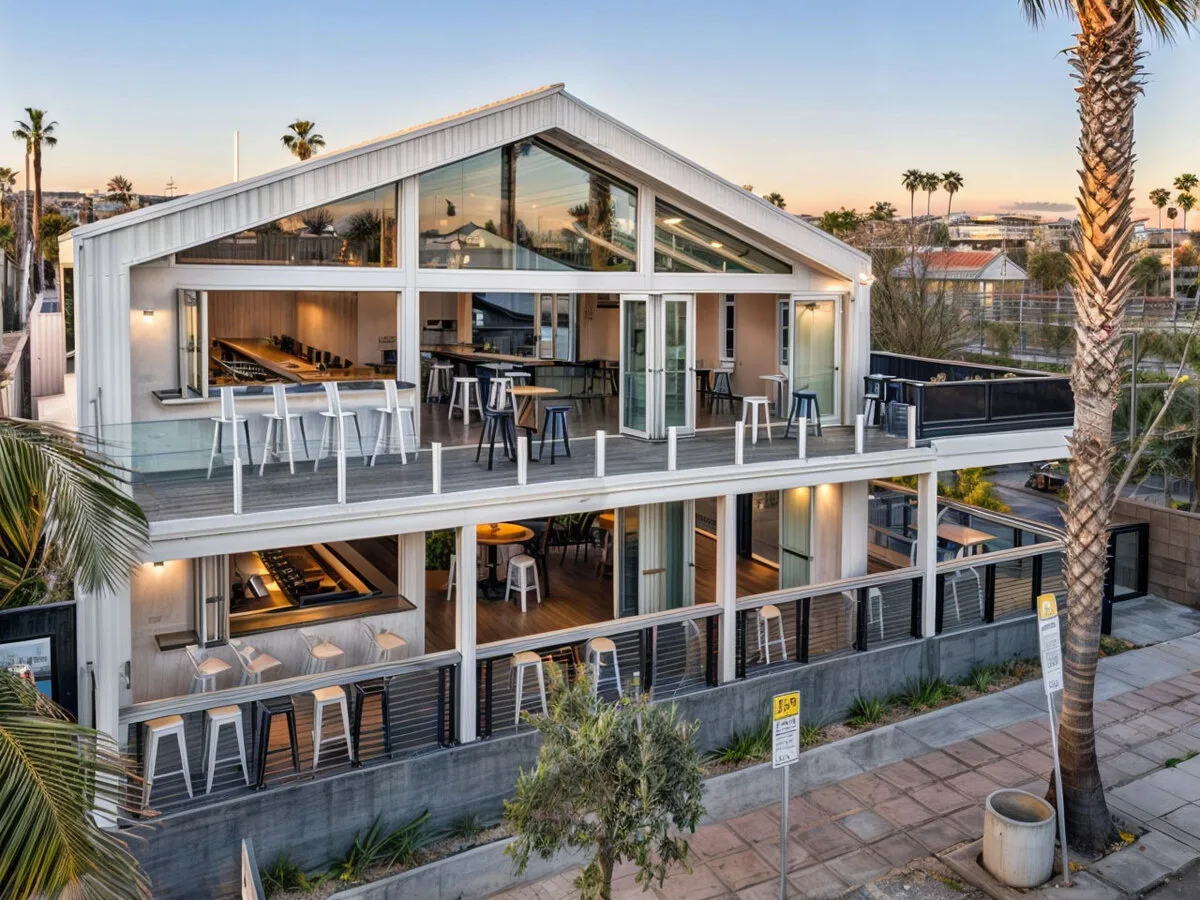
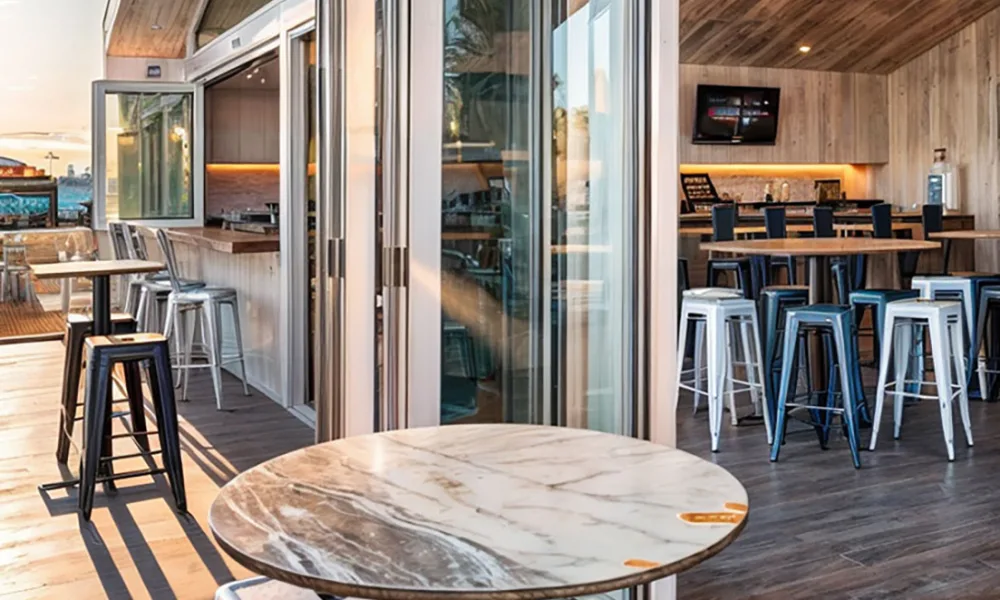
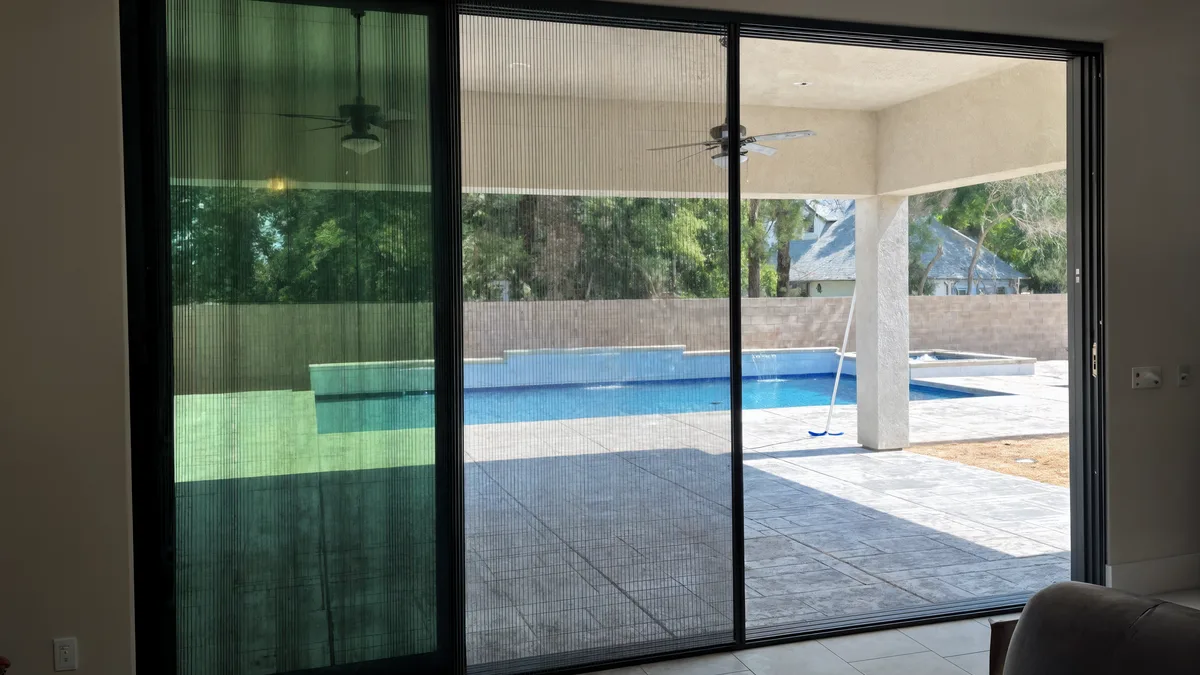
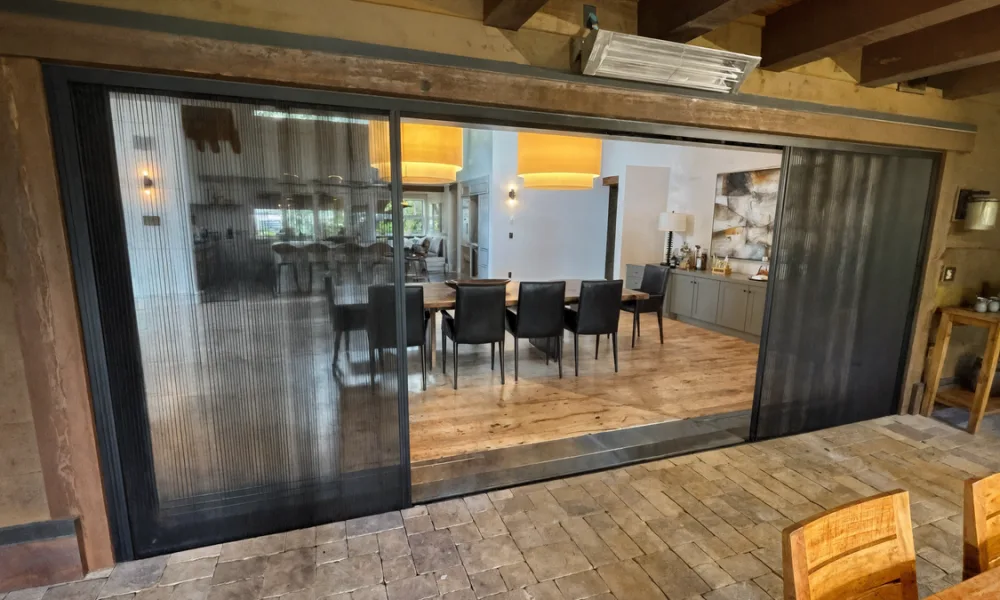
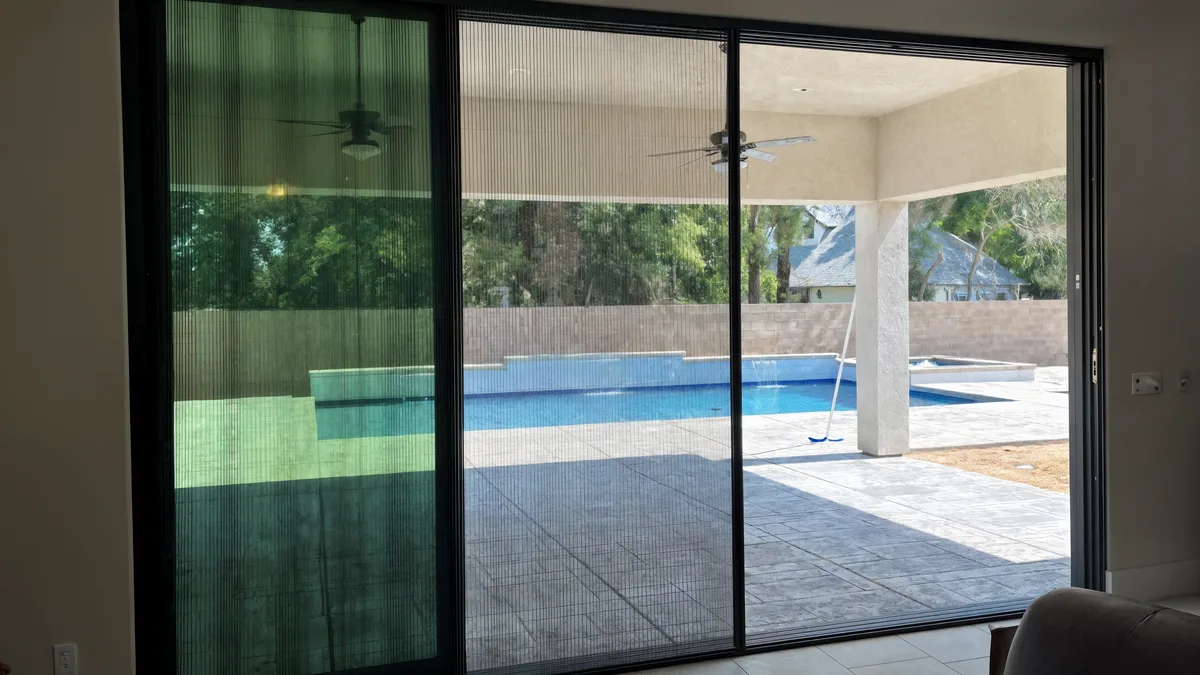
Folding glass doors can help connect interior living areas with patios, terraces, and backyards, creating wider openings than traditional sliding patio doors.

What Are Folding Doors?

Folding doors are made ofo several connected panels that move along a track and fold together as they open. Instead of sliding behind a fixed panel, they stack to the side, leaving most of the opening clear.

This makes them different from traditional sliding patio doors, which usually keep part of the opening covered. Folding systems are often selected when the goal is to create a wide passage between the home and an exterior living area.

They are commonly used in:

  • Living rooms connected to patios or gardens.
  • Kitchens that open to outdoor dining areas.
  • Poolside rooms.
  • Covered terraces.
  • Entertainment spaces.
  • Guest houses or ADUs.

The main advantage is not just the glass itself, but the size and flexibility of the opening.

Why Folding Doors Can Be Valuable in a Remodel

A remodeling project should improve more than finishes. It should make the space work better.

Folding doors can support that goal when they are used in the right location. They can make a closed-off room feel more open, improve access to outdoor areas, and help the home function better for daily use or entertaining.

For example, a kitchen that opens directly to a patio becomes more practical for outdoor dining. A living room with a larger glass opening can feel brighter and less confined. A backyard or terrace can become part of the usable living area instead of feeling separate from the home.

This is where folding doors can add real value: not by promising a fixed return on investment, but by improving the experience and market appeal of key living spaces.

Folding Doors vs. Sliding Doors

Folding doors and sliding doors are often compared because both are used for patio and backyard openings. However, they solve different design problems.

Sliding doors are simple, familiar, and efficient. They are a good option when the project needs a clean glass opening without taking up much side space. They also work well when the homeowner wants large glass panels with fewer vertical divisions.

Folding doors are better suited for projects where the priority is opening as much of the wall as possible. Because the panels fold and stack, they can create a much wider passage than a standard sliding door.

In simple terms:

✅ Sliding doors work well when the goal is simplicity and uninterrupted glass.

✅ Folding doors work well when the goal is a wider opening and stronger access between indoor and outdoor areas.

The right choice depends on the room layout, available wall space, budget, and how the opening will be used.

Where Folding Doors Work Best

Folding doors are most effective in rooms that already have a meaningful relationship with the exterior. They make the most sense when there is something useful on the other side of the opening: a patio, garden, terrace, pool area, or outdoor kitchen.

They are especially useful in kitchen remodels, where the homeowner wants better movement between cooking, dining, and entertaining areas. They also work well in family rooms and living rooms that face a backyard or scenic view.

In smaller spaces, such as ADUs or guest houses, folding doors can help a compact room feel less enclosed. However, the available stacking space must be reviewed carefully, since the folded panels need room to rest when open.

What to Consider Before Choosing Folding Doors

Folding doors require more planning than a basic patio door replacement. The system needs to be selected according to the structure, climate, exposure, and daily use of the space.

Opening Size

The size of the opening determines the number of panels, panel width, track configuration, and hardware requirements.

A larger opening can create a more dramatic result, but it also requires proper structural preparation. The wall, header, and surrounding frame must be able to support the system correctly.

Stacking Space

Because folding doors stack to one or both sides, the design must allow enough room for the panels when the system is open.

This is one of the most important details to review early in the project. If the folded panels interfere with furniture, walkways, exterior walls, or patio elements, another system may be more practical.

Frame Material

Frame material affects appearance, strength, maintenance, and thermal performance.

Aluminum is often used in modern folding door systems because it provides durability, slim profiles, and a clean architectural look. It is also a strong option for projects with larger glass openings.

For projects in hot, cold, or high-exposure climates, thermal performance should be reviewed carefully. Depending on the location, thermally improved frames or insulated glass may be needed to help maintain interior comfort.

Glass Selection

The glass package has a direct impact on safety, comfort, energy performance, and long-term usability.

Depending on the project, folding doors may use:

  • Tempered glass for strength and code compliance.
  • Laminated glass for added safety and security.
  • Low-E glass to help control heat transfer.
  • Insulated glass units for better thermal performance.
  • Tinted or reflective glass for solar control and privacy.

The best option depends on climate, sun exposure, privacy needs, and local building requirements.

Threshold Design

The threshold affects accessibility, drainage, weather protection, and the transition between indoor and outdoor flooring.

A low-profile threshold can create a smoother transition, which is useful for covered patios or protected areas. A more weather-resistant threshold may be better for openings exposed to rain, wind, or water runoff.

This detail should not be treated as secondary. A poorly selected threshold can affect comfort, maintenance, and long-term performance.

Hardware and Operation

Folding doors depend on rollers, hinges, tracks, handles, and locking systems. These components must support the weight of the panels and allow smooth daily operation.

For larger openings, hardware quality becomes even more important. A system that looks good on paper can become frustrating if it is difficult to open, close, align, or lock.

Installation Quality

Installation is one of the most important factors in the performance of folding doors.

The system must be properly aligned, sealed, flashed, and supported. This is especially important for exterior openings, where air leakage, water intrusion, or poor drainage can create long-term problems.

Even a high-quality door system can underperform if the installation is not handled correctly.

The performance of a folding door system depends on more than the opening size; frame material, glass selection, threshold design, and installation quality all matter.

When Folding Doors May Not Be the Best Option

Folding doors can be a strong choice, but they are not ideal for every project.

They may not be the best fit when there is limited stacking space, when the budget calls for a simpler solution, or when the homeowner wants the cleanest possible view through large fixed or sliding glass panels.

They may also require additional planning in areas with heavy weather exposure. In those cases, the frame, glass, threshold, drainage, and installation details need to be reviewed with extra care.

For some projects, a sliding, multi-slide, or fixed glass system may offer a better balance of cost, view, performance, and practicality.

Are Folding Doors Worth It?

Folding doors are worth considering when the remodel is focused on opening a room to the outside, improving how the space is used, and creating a more flexible living area.

They are especially effective in homes where the patio, backyard, pool area, or terrace plays an important role in daily life. In those cases, folding doors can make the transition between spaces feel more natural and functional.

However, they should be treated as a full architectural system, not just as a design feature. The final result depends on the right combination of frame, glass, hardware, threshold, and installation.

Folding doors can be one of the most effective upgrades in a residential remodel when they are used in the right setting. They can make a room feel more open, improve access to outdoor areas, and add a modern architectural element to the home.

The key is choosing the system based on the actual conditions of the project: opening size, climate, exposure, glass performance, stacking space, and installation requirements.

For homeowners, architects, and contractors planning a remodel, folding glass doors are worth evaluating carefully. When specified correctly, they can provide more than a visual upgrade; they can improve the way the home functions every day.

PRL Glass & Aluminum offers architectural glass and aluminum systems designed for projects where durability, performance, and clean design are essential.

A laminated glass catalog can simplify early project planning by organizing glass options around real needs such as security, sound control, color customization, privacy, and hurricane protection.

Laminated Glass Catalog: Explore PRL’s Premium Glass Solutions

Home / Archive by category "BLOG"

If you are looking for a laminated glass catalog, you might not need to start directly with the technical specifications.

First, you may need to understand which type of laminated glass best suits your project: safety, enhanced protection, privacy, color, acoustic control, or structural performance.

PRL’s laminated glass catalog serves as a starting point to compare options before reviewing detailed specifications, blueprints, or quoting requirements. It is designed to help architects, contractors, and owners identify which solution best fits their project’s needs, facilitating the transition to the technical phase of the project.

Explore PRL’s laminated glass catalog to compare solutions, review available options, and request a quote based on your project’s needs. The catalog can help you identify the most appropriate type of glass before moving into technical specifications, fabrication details, or installation requirements.

What Is Laminated Glass?

Laminated glass is a safety glazing solution manufactured by bonding two or more layers of glass with a resilient, transparent interlayer. This structure ensures that, in the event of breakage, the fragments remain adhered to the interlayer, helping to protect both the space and its occupants.

Depending on its composition, laminated glass can also contribute to indoor comfort, acoustic control, impact protection, and reduced UV exposure.

Why Use PRL’s Laminated Glass Catalog?

Instead of reviewing each product page individually, the catalog offers a comprehensive overview of PRL’s complete laminated glass line.

This makes it easier to compare solutions based on project needs, application types, required performance levels, and design intent. For architects, contractors, and builders, it helps save time during the planning phase before moving on to specific specifications, shop drawings, or quotes.

PRL Laminated Glass Products

PRL’s laminated glass solutions are designed to integrate into various architectural systems, prioritizing performance in real-world applications.

Impact Resistant Laminated Glass

Designed for coastal projects, exposed facades, and areas where higher impact performance is a key requirement. It is a useful option for large-format windows, glass doors, and applications that require increased resistance without compromising visibility.

Bullet Resistant Glass

This solution can be considered for commercial, institutional, and high-security environments where additional ballistic resistance is required to protect critical areas. It is commonly used in customer service windows, banks, institutional buildings, and access areas with heightened security demands.

Switch-It Privacy Glass

Switch-It Privacy Glass allows the glass to transition from transparent to opaque at the flip of a switch, offering a practical solution for offices, conference rooms, and residential spaces that require privacy on demand. It can also be integrated into sliding doors, bifold systems, or other interior applications where flexible privacy is part of the design.

Rainbow Laminated Glass

Rainbow Laminated Glass features vibrant colored interlayers for creative designs. It includes 12 base tones that can be combined to create more than 1,000 color possibilities for facades, balconies, staircases, and interiors. This solution is intended for projects where glass serves not only a safety function but also an aesthetic role within the architectural design.

Sound Control Laminated Glass

Sound Control Laminated Glass is designed for hotels, residential buildings, offices, and urban projects where reducing exterior noise can enhance indoor comfort and help create quieter spaces. It is a particularly relevant choice for properties located near avenues, high-traffic areas, airports, commercial zones, or urban environments with high noise exposure.

Decorative Laminated Glass

Decorative Laminated Glass is a versatile option for interiors, main entrances, walls, and partitions where glass plays a decorative role through the incorporation of unique textures, colors, or patterns. It allows for the creation of custom pieces that provide privacy, design, and visual character without losing the functional benefits of laminated glass.

SentryGlas® Laminated Glass

SentryGlas® Laminated Glass is a high-performance option for projects where structural strength, safety, and aesthetics must work together. Its superior rigidity enables applications where the glass can contribute to structural performance, such as glass staircases, frameless railing systems, and high-performance architectural projects.

PRL’s laminated glass solutions help architects and contractors compare performance-driven options for safety, impact resistance, privacy, acoustic comfort, decorative design, and structural applications.

Laminated Glass Options by Project Need

Choosing laminated glass does not always start with the product name. In many cases, the best way to move forward is to first identify the primary need of the project.

  • If You Need Hurricane or Impact Protection: For projects exposed to severe weather conditions, coastal areas, or forced entry risks, Impact Resistant Laminated Glass can be a suitable option. This type of glass is designed to improve impact resistance, helping protect large glazed surfaces without sacrificing visibility or natural light entry.
  • If You Need Higher Security: For projects requiring extra protection, Bullet Resistant Glass can be considered in commercial, institutional, or high-security environments where ballistic resistance is part of the specifications. It is a relevant solution for windows, service areas, public buildings, financial institutions, and spaces where physical security is a priority.
  • If You Need Privacy on Demand: For offices, conference rooms, residential spaces, or projects where privacy needs to be adjusted as needed, Switch-It Privacy Glass allows the glass to change from transparent to opaque via a switch. This solution is useful when looking to maintain light entry and a sense of openness, while having the option to activate privacy when necessary.
  • If You Need Color and Design Flexibility: Rainbow Laminated Glass allows you to work with color without losing the functionality of laminated glass. Its colored interlayers can be integrated into facades, balconies, staircases, interior partitions, and decorative applications. It is an appropriate option for architects and designers looking to customize a project with a visually distinctive solution.
  • If You Need Quieter Interiors: For hotels, residences, offices, or projects located in urban areas, Sound Control Laminated Glass can help reduce exterior noise and improve indoor comfort. This solution is especially useful when the goal is to create quieter spaces without giving up natural light or open design.
  • If You Need Custom Decorative Glass: Decorative Laminated Glass allows for the incorporation of textures, colors, or special materials to create unique pieces in interior partitions, main entrances, decorative walls, and custom architectural applications. It is a useful alternative when the glass needs to serve an aesthetic function in addition to providing safety and durability.
  • If You Need Structural Strength: SentryGlas® Laminated Glass enables applications where the glass can contribute to structural performance, such as glass staircases, frameless railing systems, and high-performance projects. It is a recommended option when strength, rigidity, and aesthetics must be integrated into a single solution.

Complete Glazing Solutions from PRL

Choosing the right laminated glass is only part of the specification process. In many projects, performance also depends on the aluminum system, the door or window configuration, and the installation requirements. In addition to glass, PRL manufactures aluminum systems that can help simplify the process by sourcing glass, frames, and components from a single supplier.

  • Max Aluminum Windows: Robust windows for residential and commercial use, designed for projects that require durability, performance, and a clean integration with different glass solutions.
  • Max Sliders with Hurricane Resistant Glass: Large-format sliding door systems, built to maximize views and offer increased protection in projects exposed to demanding weather conditions.
  • Sunny Lux Residential Aluminum Door: High-end residential systems for spaces looking to leverage natural light, improve the indoor-outdoor connection, and maintain a clean architectural design.

A well-designed casement window helps improve airflow, reduce drafts when closed, and support everyday comfort in rooms such as kitchens, bedrooms, and home offices.

Complete Guide to Casement Windows: Benefits, Uses, Materials, and How to Choose the Right One

Home / Archive by category "BLOG"

Casement windows are one of the most useful window styles for homes that need better airflow, easier operation, and a clean architectural look.

Unlike sliding or double-hung windows, casement windows are hinged on one side and open outward, similar to a door. Most are operated with a crank handle, which makes them especially convenient in areas where reaching the window can be difficult, such as over a kitchen sink or countertop.

Their design also helps create a tight seal when closed, supporting better insulation and reducing unwanted drafts. For homeowners, builders, and designers, casement windows can be a strong option in kitchens, bathrooms, bedrooms, living rooms, home offices, and other spaces where ventilation and usability matter.

In this guide, we explain how casement windows work, where they are most useful, what materials to consider, and how to choose the right option for your project.

Casement windows are especially useful in kitchens and hard-to-reach areas because the crank mechanism allows easy outward opening without lifting or sliding the sash.

What Are Casement Windows?

Casement windows are attached to the frame by hinges on one side. Instead of sliding up, down, or sideways, the sash swings outward to the left or right.

Most current casement windows use a crank handle. When the handle is turned, the sash opens outward. When the window is closed and locked, the sash presses against the frame, helping reduce air leakage.

This opening style gives casement windows two main advantages:

✅ They are easy to operate

✅ They allow strong airflow.

Because the sash opens outward, it can help direct fresh air into the room more effectively than some other window types.

Casement windows are commonly used in:

  • Kitchens
  • Bathrooms
  • Bedrooms
  • Living rooms
  • Home offices
  • Hallways
  • Areas facing patios, gardens, or side yards
  • Hard-to-reach locations, such as above a sink

They are also valued for their simple appearance. With fewer visual interruptions, they can help open the view and give a room a more streamlined look.

Casement Windows Installation: Why Energy Efficiency Matters

Energy efficiency should be one of the main considerations when choosing casement windows.

Windows affect how a home feels throughout the year. If they are poorly sealed or made with low-performing glass, they can allow heat to enter during warm months and escape during colder seasons. This can make the HVAC system work harder and make certain rooms less comfortable.

Casement windows can perform well because of the way they close. When the sash is locked, it presses firmly into the frame. This compression-style seal can help limit drafts more effectively than some windows that operate on sliding tracks.

Several elements influence performance:

  • Frame material
  • Glass package
  • Weatherstripping
  • Locking hardware
  • Installation quality
  • Local climate conditions

Insulated glass units are especially important. These glass systems are designed to reduce heat transfer between the inside and outside of the home. Depending on the project, Low-E glass or other performance glass options may also help control solar heat gain and improve interior comfort.

A well-installed casement window can help keep indoor temperatures more stable, especially in rooms used every day, such as kitchens, bedrooms, living areas, and home offices.

Casement Window Configurations or Styles

Casement windows are simple in operation, but they can be configured in several ways depending on the size of the opening and the needs of the room.

  • Single Casement Window: A single casement window has one operable sash that opens outward from either the left or right side. This is one of the most common options and works well in kitchens, bathrooms, bedrooms, and smaller wall openings.
  • Fixed and Casement Combination: A fixed and casement combination includes one non-operable section and one operable casement window. This layout works well when the goal is to bring in more natural light while still allowing ventilation.
  • Casement-Fixed-Casement Configuration: This configuration places a fixed window in the center with casement windows on both sides. It is often used in larger openings where homeowners want a balanced look, broad visibility, and controlled ventilation.
  • Multiple Casement Units: Casement windows can also be installed in groups to create a wider window system. This can work well in living rooms, dining areas, home offices, and spaces facing outdoor views.

Frame Materials and Finishes

The frame material affects the appearance, durability, maintenance, and performance of a casement window. Common options include wood, vinyl, fiberglass, composite, and aluminum. Each one has advantages depending on the project.

  • Wood Frames: Wood frames offer a warm, traditional appearance and can work well in classic residential designs. However, they usually require more maintenance and may be more vulnerable to moisture, swelling, or decay if not properly protected.
  • Vinyl Frames: Vinyl is common in residential window replacement because it is relatively affordable and low-maintenance. However, vinyl frames can look bulkier and may not always provide the slimmer profile preferred in more contemporary projects.
  • Fiberglass Frames: Fiberglass frames are durable, stable, and generally low-maintenance. They can offer good thermal performance, although they may come at a higher price depending on the product and project requirements.
  • Aluminum Frames: Aluminum is valued for its strength, durability, and clean appearance. Because it can support slimmer profiles, it allows for a larger glass area and a more architectural look.

This makes aluminum casement windows a strong fit for projects where natural light, defined lines, and a contemporary finish are important. Aluminum also works well for window systems that need to balance design with long-term durability.

Max Casement windows follow this approach with aluminum profiles, smooth operation, and a design focused on everyday functionality.

Casement Windows vs. Other Types of Windows

Casement windows are often compared with awning, sliding, double-hung, and fixed windows. Each style serves a different purpose, so the right choice depends on the space and how the window will be used.

Casement Windows vs. Awning Windows

Casement windows are hinged on the side and open outward to the left or right. Awning windows are hinged at the top and open outward from the bottom.

Both can provide ventilation and a tight seal when closed, but they are often used in different situations. Casement windows are usually a good fit for vertical openings, kitchens, bedrooms, and areas where side airflow is useful. Awning windows are often used in smaller openings or spaces where ventilation during light rain is helpful.

Casement Windows vs. Sliding Windows

Sliding windows move horizontally along a track. They are often used in wider openings and are simple to operate.

Casement windows may offer a tighter seal when closed because the sash presses against the frame instead of sliding along a track. For homeowners who care about airtightness and controlled ventilation, casement windows can be a better fit.

Casement Windows vs. Double-Hung Windows

Double-hung windows have two sashes that move vertically. They are common in traditional homes and can provide ventilation from the top or bottom.

Casement windows open outward and can allow more direct airflow. They may also offer a cleaner look, depending on the frame style and home design.

Casement Windows vs. Fixed Windows

Fixed windows do not open. They are used to maximize views, natural light, and insulation.

Casement windows provide ventilation, while fixed windows do not. In many projects, both can be combined: fixed windows for larger views and casement windows for fresh air.

Aluminum casement windows can support slimmer profiles, wider glass areas, and a cleaner architectural look for homes that prioritize natural light and ventilation.

Casement Windows Drawbacks

Casement windows offer many advantages, but they are not ideal for every situation. Understanding their limitations helps homeowners make a better decision.

  • They Need Exterior Clearance: Because casement windows open outward, they need enough space outside to operate properly. They may not be suitable where shrubs, walkways, fences, or nearby walls block the sash.
  • They Should Be Closed During Strong Winds: Since the sash opens outward, strong wind can place pressure on the window if it is left open. During high winds or severe weather, casement windows should remain closed.
  • Hardware Quality Matters: Casement windows rely on hinges, crank mechanisms, locks, and seals. If these components are low quality, the window may become harder to operate over time.
  • They May Not Fit Every Opening: Casement windows are often best for vertical openings. For very wide spaces, a combination of fixed and operable units may work better.
  • Installation Is Important: Even a good window can underperform if it is not installed correctly. Proper measurement, alignment, sealing, and fastening are essential for long-term function.

These drawbacks do not make casement windows a poor choice. They simply mean the window should be selected according to the needs of the space.

Casement Window Parts Explained

Understanding the basic parts of a casement window can help homeowners compare options more confidently.

✅ Frame: The frame is the outer structure that holds the window in place within the wall opening. A strong, well-built frame is essential for durability and proper installation.

✅ Sash: The sash is the movable part of the window that holds the glass. In a casement window, the sash swings outward.

✅ Hinges: The hinges are attached to one side of the sash and allow the window to open. Their quality affects how stable and smooth the operation feels.

✅ Crank Handle: The crank handle opens and closes the window. This feature is especially useful in hard-to-reach areas, such as over a kitchen sink or countertop.

✅ Locking System: The locking system secures the sash against the frame. Multi-point locking systems can help improve sealing and security.

✅ Weatherstripping: Weatherstripping helps seal the space between the sash and frame when the window is closed. It helps reduce drafts, air leakage, and moisture intrusion.

✅ Glass Unit: The glass unit affects energy performance, sound control, daylight, and comfort. Insulated glass units can help reduce heat transfer and improve the way a room feels.

✅ Screen: Casement windows usually have screens installed on the interior side. Since the sash opens outward, the screen can stay in place while allowing fresh air in and helping keep insects out.

Modern Casement Windows: Energy Ratings and Performance

Modern casement windows are designed to support more than basic ventilation. Their performance can affect comfort, energy use, noise, and security. When comparing options, homeowners should consider the following factors.

  • Air Leakage: Refers to how much outside air passes through the window when it is closed. A well-sealed casement window can help reduce drafts.
  • Thermal Performance: Refers to how well a window limits heat transfer. Better performance can help reduce heat gain during warm weather and heat loss during colder months.
  • Solar Heat Control: Some glass options can help manage how much solar heat enters the home. This is especially important in sunny climates or rooms with strong direct exposure.
  • Condensation Resistance: Good window design can help reduce the risk of condensation by improving temperature control around the glass and frame.
  • Sound Reduction: Windows also influence how much exterior noise enters the home. Insulated glass units and proper sealing can help reduce noise from streets, neighbors, and outdoor activity.
  • Security: Casement windows can offer strong security when closed and locked. Because they open from the inside and press tightly into the frame, they can be difficult to force open from the exterior.

Performance should not be treated as a technical detail only. It affects how each room feels, how much outside noise enters the home, and how often the HVAC system has to compensate for heat or drafts.

Casement Window Installation: How to Do It the Right Way

Proper installation is essential to the long-term performance of casement windows.

Even a high-quality window can fail to perform as expected if it is poorly installed. Incorrect measurements, uneven alignment, weak sealing, or improper fastening can lead to air leaks, water issues, and operation problems.

A good installation process should include:

  • Accurate measurement of the opening
  • Proper leveling and alignment
  • Secure fastening
  • Correct sealing around the frame
  • Protection against water infiltration
  • Smooth sash operation
  • Final inspection of locks, cranks, hinges, and weatherstripping

For replacement projects, the existing opening should be inspected before the new window is installed. Any signs of moisture damage, frame deterioration, or structural movement should be addressed first.

For new construction, coordination with the builder or installer helps ensure the window is properly integrated into the wall system. Professional installation is recommended when energy performance, water resistance, and long-term operation are priorities.

Casement Windows Maintenance Guide

Casement windows are generally easy to maintain, but regular care helps preserve smooth operation and extend their lifespan.

  • Clean the Glass Regularly: Use mild soap, water, and a soft cloth or squeegee. Avoid abrasive materials that could scratch the glass or frame.
  • Check the Crank Mechanism: The crank should open and close the window smoothly. If it becomes stiff, loose, or difficult to turn, it may need adjustment.
  • Inspect Hinges and Hardware: Check hinges, locks, and other moving parts from time to time. Make sure they are secure and working properly.
  • Keep the Frame Area Clean: Dust and debris can collect around the frame and sash. Keeping these areas clean helps the window close correctly.
  • Inspect Weatherstripping: Weatherstripping should remain flexible and well-positioned. If it becomes damaged or worn, the window may not seal as effectively.
  • Do Not Force the Window: If the window does not open or close easily, avoid forcing the crank. Check for debris, misalignment, or hardware issues first.
  • Close Windows During Strong Weather: Casement windows should not be left open during strong winds or severe weather. Closing them helps protect the sash, hinges, and crank mechanism.

Why Choose Max Casement Windows?

Max Casement windows are designed for homeowners and professionals who want a window system that looks clean, operates easily, and supports everyday comfort.

Their aluminum construction gives them a sleek profile while providing strength and durability. This makes them a good option for projects where natural light, ventilation, and a contemporary finish are all important.

They are especially useful in spaces where the window needs to be opened often or from a less convenient position, such as over a kitchen sink, countertop, or bathroom fixture.

Key advantages include:

✅ Aluminum profiles with a clean appearance

✅ Smooth crank operation

✅ Strong ventilation control

✅ Interior insect screen compatibility

✅ Tight sealing when closed

✅ Practical use in kitchens, bathrooms, bedrooms, and living areas

✅ A design suited for modern residential spaces

For homeowners looking for a window that is easy to use and visually clean, Max Casement offers a practical solution for daily living.

Final Thoughts

Casement windows are a strong option for homes that need better airflow, easy operation, and a clean visual profile.

Their side-hinged design, crank mechanism, and tight closing system make them useful in kitchens, bathrooms, bedrooms, home offices, and living areas. They are especially helpful in places where a window needs to be opened without lifting or sliding a sash.

For projects that need a more contemporary look, aluminum casement windows offer a good balance of strength, slim profiles, and everyday functionality. Max Casement windows bring these qualities together in a window system designed for homes that need natural light, ventilation, and reliable performance without a bulky appearance.

Frequently Asked Questions About Casement Windows

What is a casement window?

A casement window is hinged on one side and opens outward, usually with a crank handle.

Where are casement windows most commonly used?

They are commonly used in kitchens, bathrooms, bedrooms, living rooms, home offices, and hard-to-reach areas such as over a sink or countertop.

Are casement windows good for kitchens?

Yes. Casement windows are a good option for kitchens because they are easy to open with a crank and can help ventilate cooking odors, steam, and warm air.

Can casement windows be installed over a kitchen sink?

Yes. Casement windows are often used over kitchen sinks because the crank mechanism makes them easier to operate without leaning over the counter.

Do casement windows open inward or outward?

Most casement windows open outward. This allows the screen to remain on the interior side of the frame.

Do casement windows have screens?

Yes. Since casement windows open outward, the insect screen is usually installed on the interior side.

Are casement windows energy efficient?

They can be energy efficient when they are well-designed and properly installed. Their closing system helps create a tight seal.

Are casement windows secure?

Yes, when they include quality locking hardware and are properly closed. Their design makes them difficult to open from the outside without breaking the glass.

What is the difference between casement and awning windows?

Casement windows are hinged on the side and open outward to the left or right. Awning windows are hinged at the top and open outward from the bottom.

Are aluminum casement windows a good option?

Yes. Aluminum casement windows can be a good option for modern homes because they offer durability, slim profiles, and a clean architectural look.

What are the disadvantages of casement windows?

They need exterior clearance, should not be left open during strong winds, and depend on quality hardware for smooth long-term operation.

How do you maintain casement windows?

Basic maintenance includes cleaning the glass, checking the crank and hinges, keeping the frame area clean, inspecting weatherstripping, and avoiding forcing the window if it becomes difficult to operate.

A well-designed folding patio door system can support indoor-outdoor entertaining by improving movement, airflow and the relationship between social spaces.

The Key Benefits of Folding Patio Doors for Modern Homes

Home / Archive by category "BLOG"

A patio door can do much more than provide access to the backyard. In many homes, it defines how the main living areas receive light, connect with outdoor spaces, and adapt to daily use.

Folding patio doors are especially effective because they can open wide and stack neatly to the side, creating a generous transition between the interior and exterior. For homeowners planning a renovation or improving a patio-facing area, they offer a noticeable upgrade in comfort, design, and functionality.

Folding patio doors help transform patio-facing rooms into more flexible living areas by opening wide connections between interior spaces and outdoor environments.

Folding Patio Doors Create a Stronger Connection to the Outdoors

One of the most valuable benefits of folding patio doors is the way they bring outdoor areas into the daily experience of the home. A patio, garden, terrace, pool deck, or outdoor kitchen can feel less like a separate zone and more like an extension of the living space.

When the panels are fully opened, the transition becomes wide and fluid. A dining room can connect directly to an exterior seating area. A kitchen can open toward an outdoor dining setup. A living room can flow naturally into a garden or pool area.

This kind of connection is especially useful in homes where outdoor spaces are part of the lifestyle, not just part of the view.

They Make Rooms Feel More Open

Folding patio doors can change the perception of a room without adding square footage. By replacing a limited opening with a wider glass system, they reduce the sense of enclosure and make interior spaces feel more expansive.

The effect is especially noticeable in living rooms, dining rooms, kitchens, and family areas facing a patio or garden. When the doors are open, the room can function as part of a larger environment. When they are closed, the glass still preserves the visual depth of the exterior.

For homeowners who want a more open feel without a full structural expansion, folding patio doors can make a strong difference.

They Bring More Natural Light Into Everyday Spaces

Large glass panels allow daylight to reach deeper into the home. This can make high-use areas such as kitchens, dining rooms, and living rooms feel warmer, brighter, and more comfortable throughout the day.

Natural light also improves how materials, finishes, and furniture are perceived. A room with better daylight often feels more finished and inviting, even without major decorative changes.

This is one reason folding patio doors are often used in renovation projects: they can noticeably improve the atmosphere of a space while also updating its architectural character.

They Improve Ventilation When the Weather Allows

Because folding patio doors can open across a wide span, they allow fresh air to move more freely through the home. This can be useful during mild weather, when homeowners want to ventilate a room naturally or make social areas feel less closed off.

The benefit is particularly clear in kitchens, dining areas, and living rooms connected to patios or gardens. Opening the doors can help refresh the space and make indoor areas feel more relaxed during everyday use or gatherings.

Of course, ventilation depends on the home’s layout, climate, and surrounding conditions. But when the setting is right, folding patio doors can make airflow feel much more natural.

They Make the Home More Flexible

A major advantage of folding patio doors is that they do not force the space to work in just one way. They can remain closed, open partially, or fold completely to the side depending on the occasion.

That flexibility matters in everyday life. A homeowner may want daylight and views in the morning, a partial opening during lunch, and a full indoor-outdoor transition for a weekend gathering.

Instead of designing the patio-facing area around a fixed barrier, folding doors allow the space to respond to the moment. This makes them useful for both quiet daily routines and larger social events.

Folding Patio Doors Add Architectural Appeal

Folding patio doors can give a home a cleaner and more intentional look. Their large glass areas, slim sightlines, and wide openings work well in homes that aim for a brighter and more open architectural style.

From the inside, they help frame the exterior view. From the outside, they can make the rear façade feel more refined and functional. This is especially valuable in renovations where one high-impact change needs to improve both appearance and usability.

They may also contribute to the perceived value of a property. While value depends on the home, market, installation quality, and overall design, folding patio doors are often viewed as a premium improvement because they combine visual impact with practical use.

Large glass folding doors can improve natural light, visual openness and everyday comfort in kitchens, dining rooms and living areas connected to patios or gardens.

They Create Better Spaces for Entertaining

Folding patio doors are especially effective in homes where people gather. By opening the connection between the interior and exterior, they make it easier for guests to move between the kitchen, dining room, patio, garden, or pool area.

This can make gatherings feel less divided. Food, seating, and conversation can flow more naturally, while the home feels more open and welcoming.

For homes with outdoor kitchens, covered patios, or poolside seating areas, folding patio doors can turn separate spaces into one larger setting for entertaining.

They Offer Design Versatility

Folding patio doors can be adapted to different residential styles. Depending on the system, they may be available in several configurations, panel sizes, frame finishes, and hardware options.

This allows homeowners and designers to match the doors to the architecture of the home rather than treating them as a one-size-fits-all product. In a contemporary home, they can support a clean and minimal look. In a warmer or more traditional setting, the right finish can help the system blend with the existing design.

The important point is that the doors should look good while still operating smoothly and performing reliably. The best result comes from balancing design, function, and proper installation.

They Can Support Interior Comfort

Folding patio doors create large glass openings, so comfort should always be part of the conversation. The right combination of glass, frame, seals, and installation quality can help reduce drafts, manage heat transfer, and support a more comfortable interior environment.

This is especially important in homes with strong sun exposure, seasonal temperature changes, or frequently used patio areas. A well-selected system can help homeowners enjoy openness and daylight without ignoring performance.

In other words, the benefit is not just having a larger opening. It is having a larger opening that still works well for the way the home is used.

Why Folding Patio Doors Are a High-Impact Home Improvement

Folding patio doors can transform a patio-facing area without requiring a complete redesign of the home. They strengthen the relationship between interior rooms and outdoor spaces, bring in more daylight, support natural ventilation, and make social areas more flexible.

Their value comes from the combination of benefits. They are practical, visual, and architectural at the same time. For homeowners looking to make a meaningful upgrade, folding patio doors can change not only how a space looks but also how it feels and functions every day.

FAQs About the Benefits of Folding Patio Doors

Are folding patio doors worth it?

Yes. Folding patio doors can be worth it for homeowners who want a wider connection to outdoor areas, more natural light, better ventilation, and a more flexible living space. They are especially useful in homes with patios, gardens, terraces, pool areas, or outdoor kitchens.

Do folding patio doors make a room feel bigger?

Yes. Folding patio doors can make a room feel bigger by reducing the visual separation between interior and exterior areas. When open, they allow the room to connect with the patio or garden. When closed, the glass still creates a sense of depth and openness.

Do folding patio doors add value to a home?

They can contribute to the perceived value and architectural appeal of a home, especially when they are well designed and properly installed. Their impact depends on the property, location, market, and overall quality of the project.

Are folding patio doors good for natural light?

Yes. Their large glass panels allow more daylight into the home, which can make kitchens, dining rooms, living rooms, and family areas feel brighter and more inviting.

Are folding patio doors good for entertaining?

Yes. Folding patio doors are well suited for entertaining because they connect indoor and outdoor areas. This makes it easier for guests to move between spaces and helps create a more open setting for meals, gatherings, and events.

Aluminum works especially well in stair and guardrail systems that need to combine clean architectural lines with long-term performance

Aluminum Handrail Systems: Why They Work for Modern Stair and Guardrail Projects

Home / Archive by category "BLOG"

In today’s stair and guardrail projects, material selection is not based on appearance alone. It also affects system durability, long-term maintenance, ease of installation, and the way the final solution fits into the overall architectural design. Aluminum has become one of the most practical choices for modern handrail systems in both residential and commercial applications.

Its popularity comes from a combination of advantages that is hard to ignore. Aluminum resists corrosion well, requires relatively little maintenance, weighs less than many other metals, and adapts easily to different design languages. That is why it appears more and more often in interior staircases, balconies, guardrails, and projects that call for a durable solution without adding unnecessary visual weight.

Aluminum handrail systems are valued for their lighter weight, corrosion resistance, and ability to support modern stair and guardrail designs.

What Makes Aluminum a Strong Choice for Handrail Systems

One of aluminum’s biggest advantages is the balance it offers between lightness and performance. It is easier to handle, transport, and install than heavier metals, yet it can still be integrated into well-designed, reliable systems. That quality also affects the overall look of a project, allowing for cleaner and more visually restrained solutions.

Its natural resistance to corrosion adds even more value. Compared with materials that may deteriorate more easily in humid or exposed environments, aluminum tends to perform well in both indoor and outdoor settings, as long as the system is properly specified.

Maintenance is another important factor. In many projects, it matters almost as much as the system’s initial appearance. A solution that preserves its finish and performance with less intervention can offer a clear advantage, especially in commercial, multifamily, or high-use residential properties.

Why Aluminum Works Well in Modern Stair and Guardrail Projects

Contemporary architecture often favors cleaner lines, visually lighter systems, and materials that work well alongside glass, concrete, steel, or wood. Aluminum fits naturally into that approach because it allows for restrained profiles, a wide range of finishes, and a more controlled visual presence than heavier materials.

That versatility makes it especially useful in projects where the handrail system should not feel like an added element but rather like part of the overall design. In modern staircases, balconies, and guardrail applications, aluminum works equally well in minimalist solutions and in more technical or customized configurations.

It also integrates especially well with glass systems. Many contemporary solutions combine aluminum with glass panels to take advantage of the openness of glass railing and the structural practicality of metal. That combination is particularly appealing in projects that aim to preserve clear views without giving up durability or reasonable maintenance.

Key Benefits of Aluminum Handrail Systems

  • Durability: Aluminum is valued for its ability to perform well in different environments and for its strong resistance to corrosion and wear. That consistency is one of the reasons it is frequently used in long-term architectural applications.
  • Low Maintenance: Compared with materials that require sanding, sealing, frequent painting, or more attention to rust, aluminum generally needs less maintenance. This can simplify system upkeep and reduce interventions over time.
  • Lighter Weight and Easier Handling: Its lower weight makes project logistics easier, from transportation to installation. This can be especially useful in jobs where installation efficiency matters or where reducing the complexity of handling components is a priority.
  • Design Flexibility: Aluminum can be manufactured in different profiles, dimensions, and finishes, which makes it adaptable to a wide range of architectural styles. That flexibility is especially valuable in projects that do not want to sacrifice design for practicality.
  • Long-Term Value: Although upfront cost should always be evaluated in the context of the project, aluminum is often seen as a competitive option because of its combination of durability, low maintenance, and good service life. In numerous instances, its real value becomes more evident over time.

Aluminum Compared with Other Common Materials

Comparing aluminum with other materials helps clarify where it makes the most sense.

Compared with wood, aluminum usually offers a clear advantage in maintenance and weather resistance. Wood can bring warmth to a space, but it generally requires more care over time, especially outdoors or in areas with greater exposure.

Compared with steel or wrought iron, aluminum tends to stand out for its lighter weight and its better resistance to corrosion. In many modern projects, it also creates a cleaner, lighter visual impression.

Compared with stainless steel, aluminum can be lighter and, in some cases, more cost-effective while still maintaining a contemporary appearance that works well for today’s stair and guardrail projects. The best choice will ultimately depend on budget, design language, and the expected performance of the system.

In residential and commercial projects, aluminum offers a practical balance of durability, low maintenance, and design flexibility.

Where Aluminum Handrail Systems Make the Most Sense

Aluminum handrail systems work especially well in modern interior staircases, exterior stairs, balconies, terraces, and guardrail applications where both durability and visual clarity matter. They are also a strong option for commercial circulation areas, multifamily buildings, and residential remodels where the goal is to balance performance and design.

In contemporary projects, aluminum becomes even more valuable when it is part of a broader system. It can be integrated with top caps, posts, custom profiles, or glass panels, which expands its possibilities in more specific architectural configurations.

What to Consider Before Choosing an Aluminum System

Although aluminum offers many advantages, that does not mean every system is right for every project. Before choosing one, it is important to evaluate whether the application will be indoors or outdoors, the level of environmental exposure, how the space will be used, the desired finish, and the level of customization required.

It is also important to understand whether the handrail will be part of a simple interior stair, an exposed guardrail, or a combined system with glass. That context affects both the design solution and the way the system should be fabricated and installed.

And while the material is a strong starting point, the final performance of the system still depends on sound design, proper fabrication, and well-executed installation. The material alone does not guarantee that the solution will perform as it should within the project.

Why Custom Fabrication Can Make a Difference

Not every project is well served by a standard solution. Staircases with unusual geometry, specific finishes, glass integration, non-standard heights, or more defined aesthetic requirements often call for a system that is more closely tailored to the actual conditions of the job.

That is where custom fabrication becomes valuable. Working with a manufacturer that understands not only the material but also the logic of the system as a whole can make it much easier to select profiles, finishes, and configurations that truly make sense for the project. In modern work, that ability to adapt is often just as important as the material itself.

Aluminum handrail systems work well in modern stair and guardrail projects because they combine durability, low maintenance, lighter weight, and design flexibility. For many residential and commercial applications, they offer a very attractive balance between practical performance and contemporary appearance.

Beyond the material itself, the key is choosing a system that responds well to the use, the environment, and the design language of the project. In that sense, aluminum stands out not only for how it looks but for how well it can adapt to current, customized solutions designed to last.

Residential, commercial, and workplace stairs are not always evaluated the same way, which is why local code verification remains essential

When Is a Handrail Required for Stairs? Key Safety and Code Considerations

Home / Archive by category "BLOG"

The short answer is that a handrail is often required once a stairway reaches certain safety thresholds under the applicable code. Often, the most commonly cited benchmark is a stairway with at least 4 risers, but that should not be treated as a universal rule for every project.

Requirements can change depending on the type of building, how the space is used, and which code has been adopted locally. OSHA, for example, sets stairway protection requirements for workplace settings, while ADA addresses how handrails must perform in accessible conditions.

For that reason, it is more useful to understand the situations in which a handrail is commonly required—and the features that are typically reviewed once it is—than to rely on a single rule of thumb.

Handrail requirements often depend on factors such as riser count, stair width, open-sided exposure, and the type of project involved.

When Is a Handrail Typically Required on Stairs?

In general, a handrail is usually required when a stairway goes beyond a minor change in level and begins to present a more meaningful circulation risk. In OSHA-regulated settings, that threshold is reached when a stair flight has at least 3 treads and 4 risers. From there, the type of protection required also depends on the width of the stairway and whether it has open or enclosed sides.

That does not mean stairways with fewer steps are automatically exempt in every project. In practice, the requirement may vary depending on how the building is used, whether the route must meet accessibility conditions, and which code applies in that jurisdiction. Even when a handrail is not strictly required, adding one may still be a smart safety decision.

Why Requirements Change from One Project to Another

One of the biggest mistakes in this topic is assuming the same rule applies to every staircase. It does not. Requirements change depending on whether the project is residential, commercial, public-facing, workplace-related, or part of an accessible route. OSHA regulates walking-working surfaces in workplace environments.

ADA, by contrast, sets accessibility criteria for certain spaces and circulation paths. On top of that, model codes must be adopted locally, and that process may include amendments or interpretations specific to a given jurisdiction.

In other words, it is not enough to ask how many steps a staircase has. It also matters what kind of project it is, who will use that circulation path, and which code framework applies in that location.

Considerations for Residential, Commercial, and Workplace Stairs

In residential projects, handrail requirements often depend on stair geometry and the code adopted by the local jurisdiction. Although a general rule based on the number of risers is often repeated, it is safer not to assume that every city or county applies the same threshold in the same way.

In commercial or public-facing projects, the review is usually stricter. Factors such as frequency of use, stair width, open-sided conditions, and the need to maintain safe circulation for a wider range of users tend to carry more weight.

In workplace environments, OSHA becomes especially relevant. Its stairway requirements distinguish between enclosed stairs, stairs with one open side, stairs with two open sides, and wider stairs that may require intermediate handrails. That distinction matters because it makes clear that the requirement is not based only on riser count, but also on the physical configuration of the stairway itself.

What Codes Are Commonly Reviewed Once a Handrail Is Required

Once a handrail is required, the question is no longer just whether one is needed. It also becomes a matter of how that system is designed and installed.

  • Height: Is one of the first things reviewers look at. ADA states that the top of the gripping surface should be placed between 34 and 38 inches above the walking surface, stair nosings, or ramp surface, and it must remain at a consistent height. OSHA uses a different range in certain workplace conditions, which is one more reason these frameworks should not be treated as interchangeable.
  • Continuity: Continuity is also essential. ADA requires the gripping surface to remain continuous along its run. In practical terms, that means a user should not lose support at a critical point along the stairway.
  • Clearance from the Wall or Adjacent Surfaces: The space between the handrail and the wall is another common review point. ADA requires a minimum clearance of 1.5 inches between the gripping surface and adjacent surfaces. OSHA, in some work environments, uses a different finger-clearance requirement from other objects. That difference alone shows why one number should not be presented as universally correct for every situation.
  • Graspability and Profile: A handrail must be easy to grip securely. ADA sets specific dimensions for circular and non-circular profiles to ensure that the rail functions as a true gripping surface rather than just a visual feature. From a project standpoint, profile design directly affects both safety and compliance.
  • Strength and Attachment: System strength is also part of the review. OSHA requires handrails and the top rail of certain stair rail systems to withstand a specified force under use. This is an important reminder that a handrail is not just an accessory. It is a functional safety component that must perform reliably in real conditions.
Once a handrail is required, codes commonly review height, continuity, clearance, graspability, and overall system strength

Is a Handrail Required on Both Sides of the Stairs?

Not always. The answer depends on the width of the stairway, whether the run is enclosed or open on one or both sides, and which code framework applies. Under OSHA, for example, stairway requirements distinguish between situations where one handrail is enough and others where both sides—or even intermediate handrails on wider stairs—may be required.

This is one of those points where absolute answers tend to be misleading. Saying a handrail is always required on both sides would be just as inaccurate as saying one side is always enough. The stair configuration and the project context are what determine the right requirement.

Why Verifying Local Code Still Matters

National standards and model codes are useful references, but they do not replace local verification. The authority having jurisdiction may have adopted a specific code edition, introduced amendments, or interpreted certain requirements in a particular way. A private residence, a commercial stairway, and an accessible route are not always reviewed under the same assumptions.

For that reason, this kind of information should be treated as general guidance rather than final approval. An experienced manufacturer can help teams evaluate system configurations, materials, and practical design options, but the final compliance review should always be completed by the responsible project professional and the local authority.

Conclusion

In many projects, a handrail is required when a stairway reaches certain safety thresholds related to riser count, stair width, open-sided exposure, or accessibility conditions. But the exact answer depends on the type of project and the code that actually applies in that location.

The key is not to rely on a quick rule alone, but to understand which conditions commonly trigger the requirement and what the system must do once it becomes mandatory. In that sense, a good handrail does more than satisfy a code provision. It must also provide real support, continuity, strength, and a solution that fits the design of the project.