Loading

Archives March 2026

Glass and Aluminum Manufacturers in Midtown Houston

Modern Glass & Aluminum Solutions for Homes & Businesses in Midtown Houston

Midtown Houston is one of the city’s fastest-growing urban districts, known for modern apartments, mixed-use developments, restaurants, nightlife, and walkable streets. As a hub for young professionals and urban living, projects here demand glass and aluminum systems that combine contemporary design, durability, and performance.

At PRL Glass & Aluminum, we provide modern architectural solutions engineered for Midtown Houston, supporting multifamily developments, residential upgrades, and high-visibility commercial spaces with precision and premium finishes.

Building or Renovating in Midtown Houston? Connect with PRL Glass & Aluminum Today

Whether you’re developing a multifamily property, upgrading a modern residence, or designing a street-facing retail or hospitality space, PRL delivers custom fabrication, nationwide logistics, and expert technical support from California.

We proudly support projects throughout Midtown Houston, Downtown Houston, Montrose, and the greater Houston metropolitan area.

Service 

Contact Number 

Aluminum Division 

📞 877-775-2586 

Glass Division 

📞 800-433-7044 

📍 Visit our locations in City of Industry, California and explore our wide range of innovative, high-quality aluminum and glass solutions!

Premium Glass & Aluminum Designs for Midtown Houston Residences

Midtown Houston residences emphasize modern layouts, open spaces, and urban living. PRL’s premium residential systems are designed to enhance these environments while ensuring long-term performance.

All residential systems meet ASTM and NFRC standards, ensuring top-tier durability and performance for upscale Manhattan homes.

Glass & Aluminum Solutions for Midtown Houston Businesses

Midtown Houston’s commercial environment, restaurants, bars, retail, and offices, requires architectural systems that balance visibility, durability, and style.

  • Curtain Wall Systems: Ideal for mixed-use developments and mid-rise commercial buildings
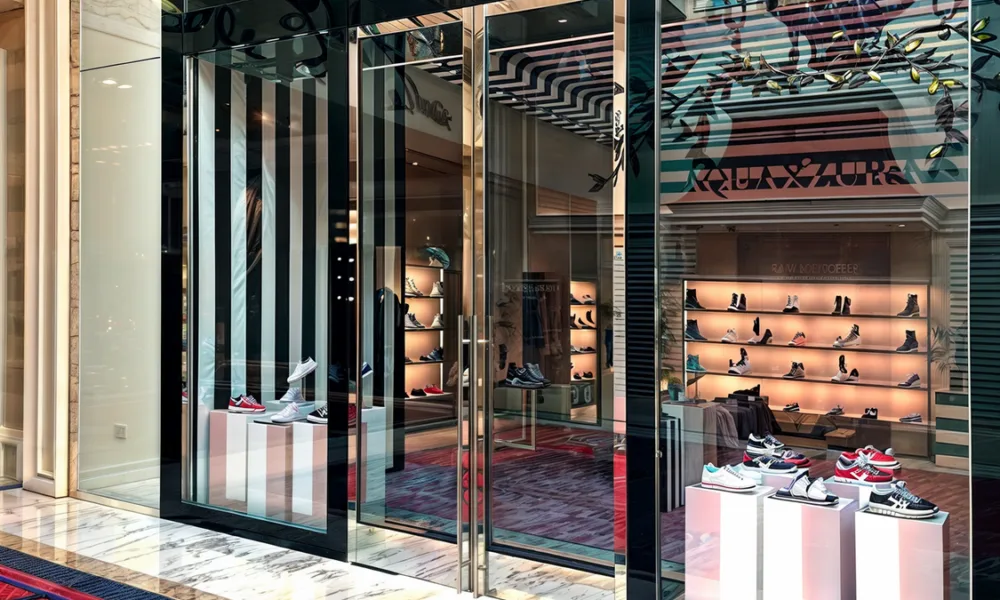
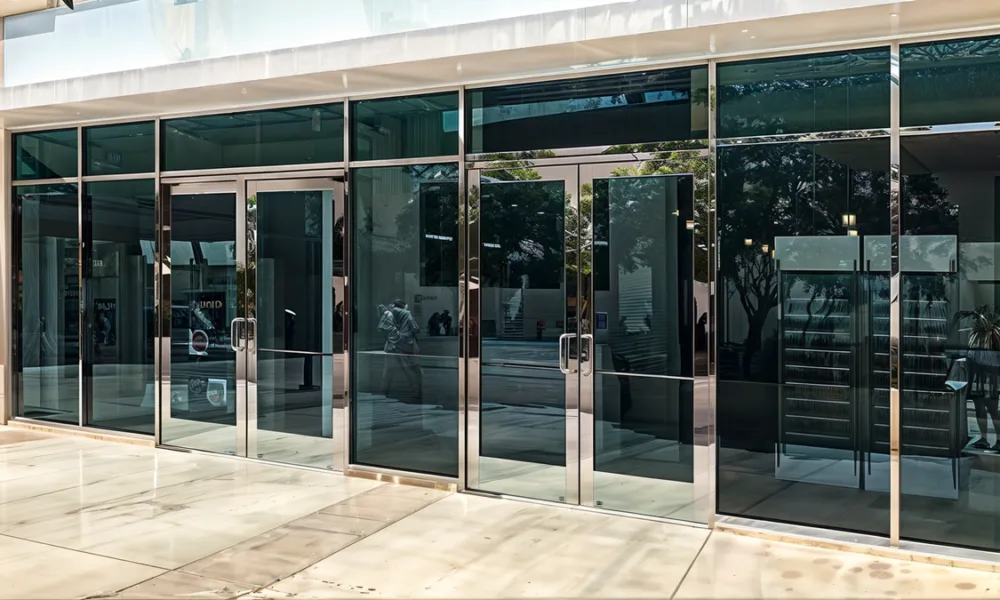
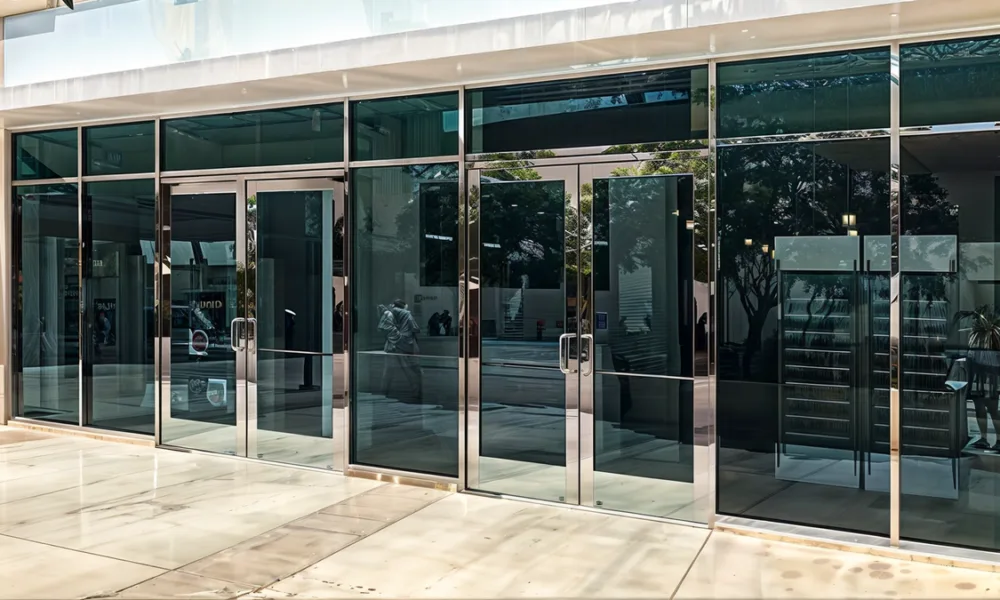
  • Storefront Systems: Modern glass façades for street-facing retail and hospitality spaces
  • Architectural Glass Solutions: Laminated and tempered glass for safety, acoustic control, and energy performance

PRL systems support both new developments and renovation projects in this high-growth urban district.
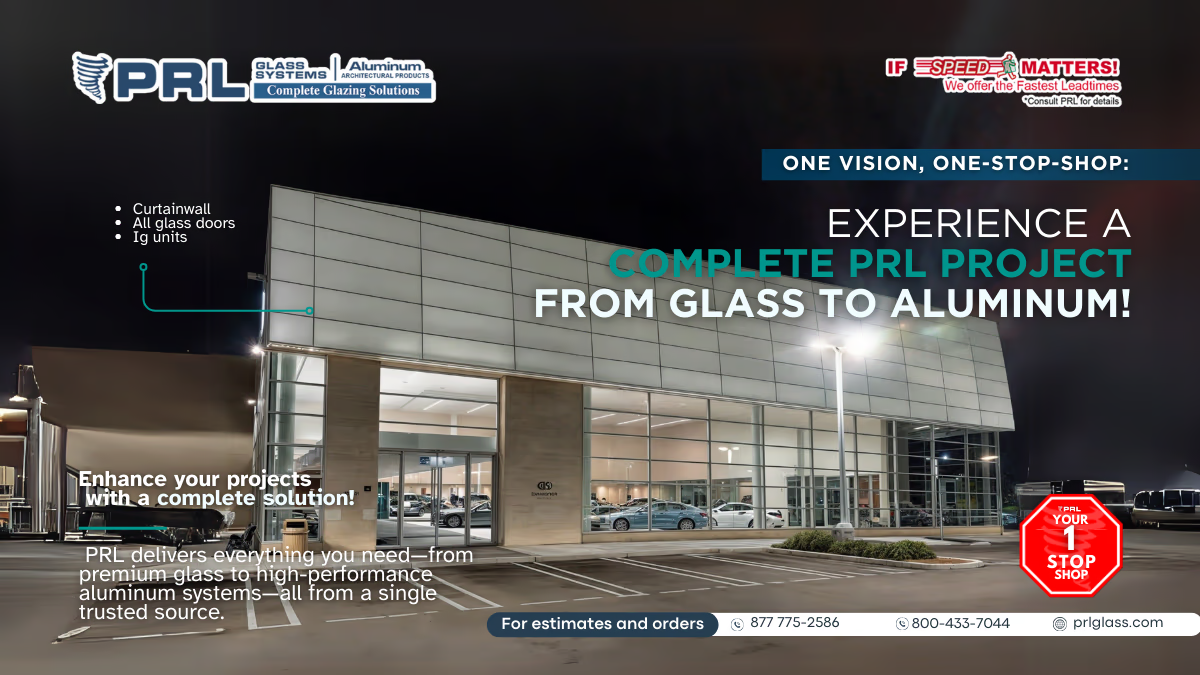
PRL Glass Aluminum Midtown Houston

Why Midtown Houston Developers and Property Owners Trust PRL Glass & Aluminum

Midtown projects require speed, flexibility, and performance, PRL delivers across all fronts.

  • Custom fabrication for multifamily and mixed-use developments
  • Large-format glazing systems suited for modern urban living
  • Nationwide manufacturing with reliable delivery timelines
  • Technical support for architects, developers, and builders
  • Proven experience in fast-growing metropolitan markets

Benefits of Glass and Aluminum Systems in Midtown Houston

Midtown Houston architecture thrives on density, modern design, and urban energy, glass and aluminum systems support these qualities.

  • Thermal Performance for comfort in Houston’s hot climate
  • Noise Reduction, important in active residential and nightlife areas
  • Modern Architectural Appeal aligned with contemporary urban development
  • Durability suitable for high-traffic residential and commercial use
  • Eco-Friendly Materials, supporting sustainable construction practices
  • Battle Door Capability, offering reinforced security against break-ins, vandalism, or protests—especially important for street-facing retail, bars, and restaurants

Transform Your Space with PRL Glass & Aluminum

Based in California and trusted nationwide, PRL serves Texas and all 50 states with luxury-grade architectural glass and aluminum systems.

From custom sliding doors to boutique storefronts, we deliver craftsmanship designed to elevate your next project.

We are present in the most important neighborhoods in the United States, offering the highest quality service.

Oak Lawn/Turtle Creek

Deep Ellum

River Oaks

University Park

Uptown Dallas

Follow us on social media ✅

Stay tuned for news, events, discounts and new products through the different social media channels.
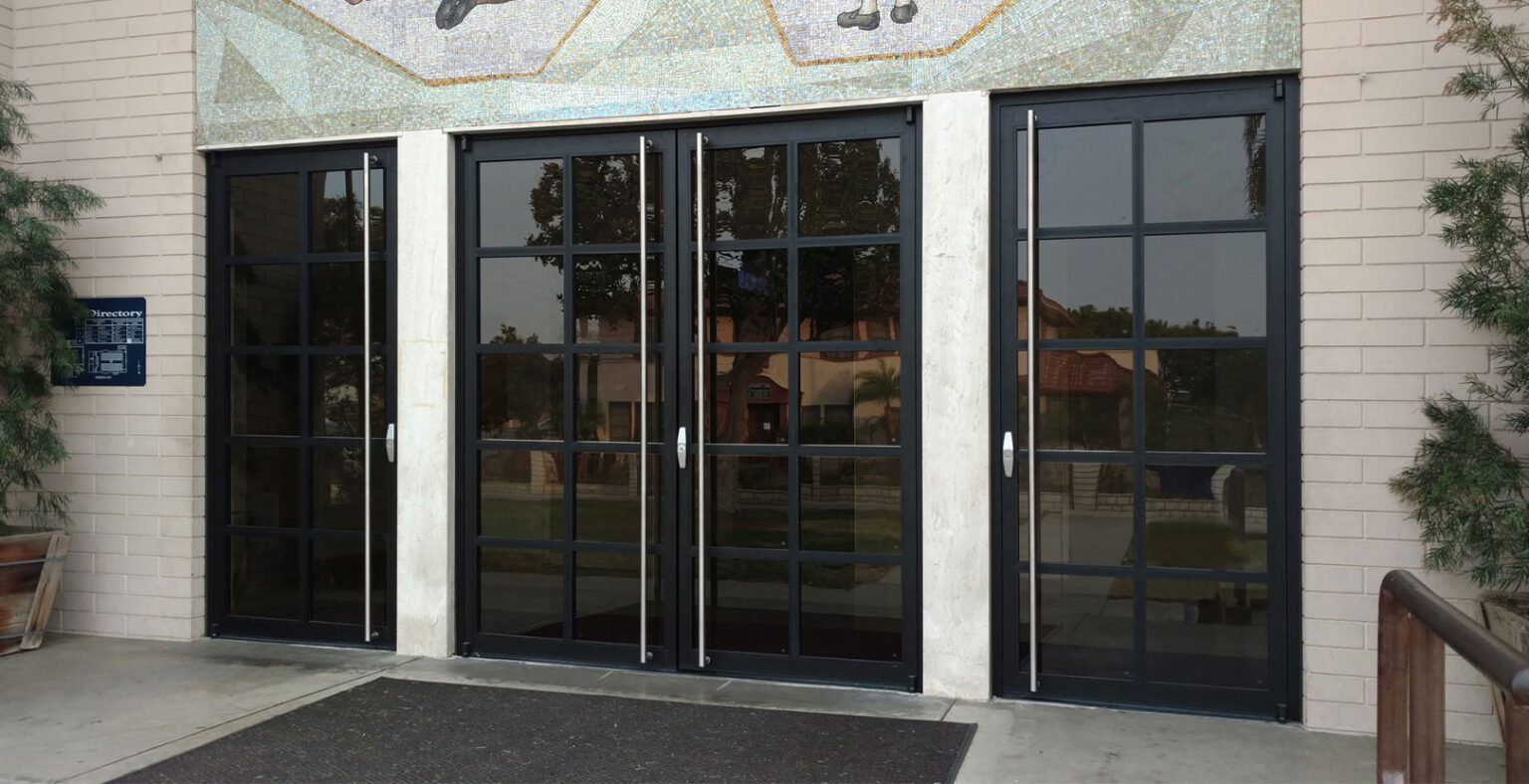
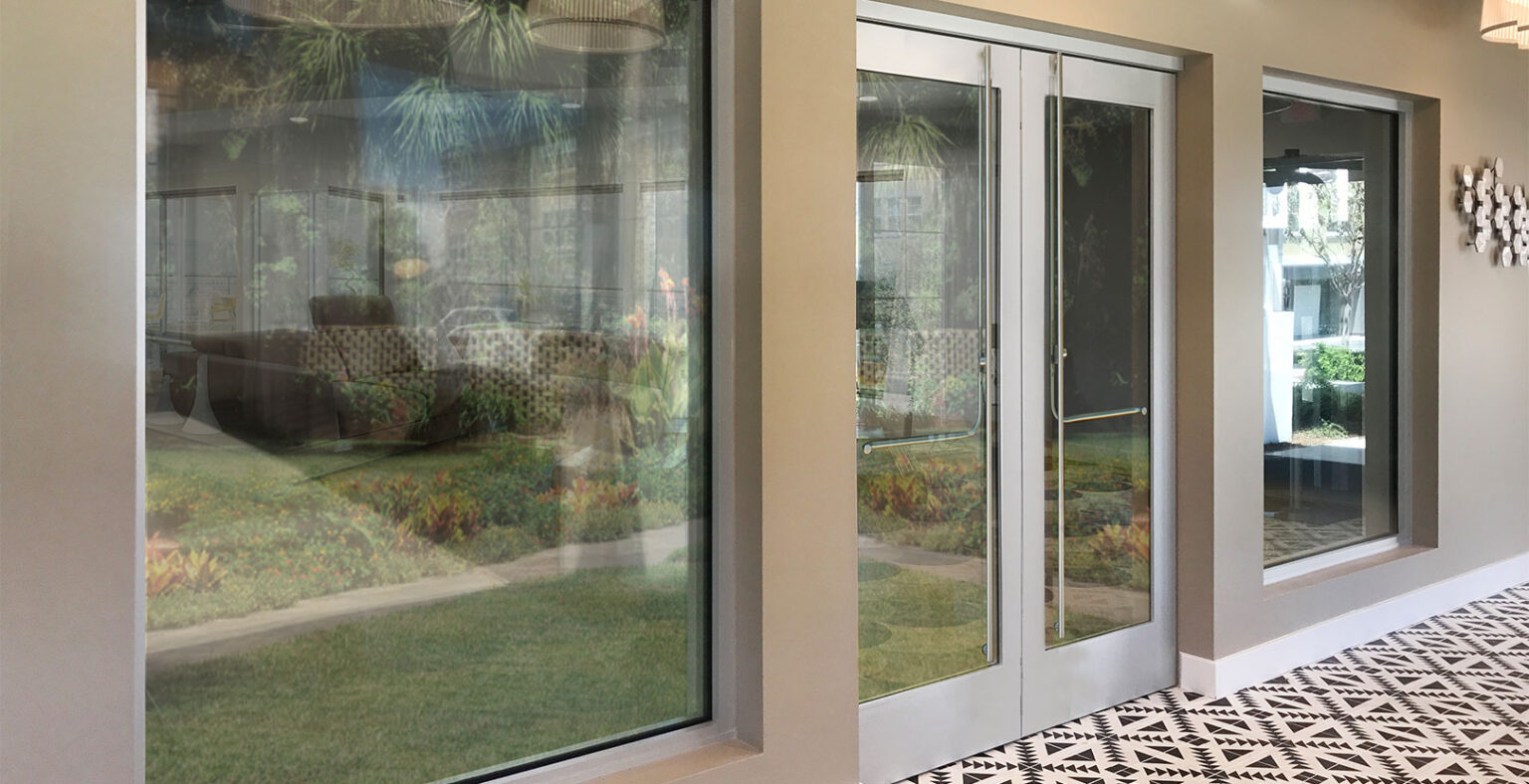
Glass and Aluminum Manufacturers in The Galleria / Uptown

Modern Glass & Aluminum Solutions for Homes & Businesses in The Galleria / Uptown

The Galleria/Uptown is one of Houston’s most prominent luxury and commercial districts, home to high-end retail, luxury hotels, upscale residential towers, and major office developments. Projects in this area require glass and aluminum systems that combine prestige, performance, and long-term durability in a dense, high-visibility environment.

At PRL Glass & Aluminum, we provide modern architectural solutions engineered for The Galleria/Uptown, supporting luxury residences, flagship retail, hospitality, and commercial projects with premium finishes and precision fabrication.

Building or Renovating in The Galleria/Uptown? Connect with PRL Glass & Aluminum Today

Whether you’re upgrading a luxury condominium, developing a retail façade, or refining a hospitality or office project, PRL delivers custom fabrication, nationwide logistics, and expert technical support from California.

We proudly support projects throughout The Galleria/Uptown, River Oaks, Highland Village, and the greater Houston metropolitan area.

Service 

Contact Number 

Aluminum Division 

📞 877-775-2586 

Glass Division 

📞 800-433-7044 

📍 Visit our locations in City of Industry, California and explore our wide range of innovative, high-quality aluminum and glass solutions!

Premium Glass & Aluminum Designs for The Galleria/Uptown Homes

Residential projects in Uptown emphasize skyline views, open layouts, and refined finishes. PRL’s premium residential systems are designed to complement luxury towers and upscale multifamily developments while delivering long-term performance.

All residential systems meet ASTM and NFRC standards, supporting energy efficiency and code compliance.

Glass & Aluminum Solutions for The Galleria/Uptown Businesses

This district’s commercial environment—luxury retail, corporate offices, hotels, and restaurants—demands architectural systems that combine visibility, security, and visual impact.

  • Curtain Wall Systems: Ideal for office towers, hotels, and mixed-use developments
  • Storefront Systems: Modern glass facades for high-end retail and hospitality
  • Architectural Glass Solutions: Laminated and tempered glass for safety, acoustics, and solar control

PRL systems support both new construction and premium renovations in one of Houston’s most competitive commercial corridors.

PRL Glass Aluminum in The Galleria/Uptown

Why The Galleria/Uptown Developers and Property Owners Trust PRL Glass & Aluminum

Projects in Uptown require systems that deliver performance at scale while maintaining a luxury appearance; PRL provides both.

  • Custom fabrication for luxury residential and high-profile commercial projects
  • Large-format glazing systems designed for urban density and modern development
  • Nationwide manufacturing with dependable delivery timelines
  • Technical support for architects, developers, builders, and designers
  • Proven experience in hospitality, retail, and mixed-use environments

Benefits of Glass and Aluminum Systems in The Galleria/Uptown

The Galleria/Uptown architecture thrives on modern luxury and commercial visibility; glass and aluminum systems support these demands seamlessly.

  • Thermal Performance for comfort in Houston’s hot, humid climate
  • Noise Reduction, important in high-traffic retail and residential corridors
  • Elegant Architectural Appeal aligned with luxury towers and flagship storefronts
  • Durability suitable for high-use residential, hospitality, and commercial applications
  • Eco-Friendly Materials, supporting sustainable construction practices
  • Battle Door Capability, offering reinforced security against break-ins, vandalism, or protests—especially critical for street-facing retail, hospitality, and office entrances

Transform Your Space with PRL Glass & Aluminum

Based in California and trusted nationwide, PRL serves Texas and all 50 states with luxury-grade architectural glass and aluminum systems.

From custom sliding doors to boutique storefronts, we deliver craftsmanship designed to elevate your next project.

We are present in the most important neighborhoods in the United States, offering the highest quality service.

Oak Lawn/Turtle Creek

Deep Ellum

River Oaks

University Park

Uptown Dallas

Follow us on social media ✅

Stay tuned for news, events, discounts and new products through the different social media channels.
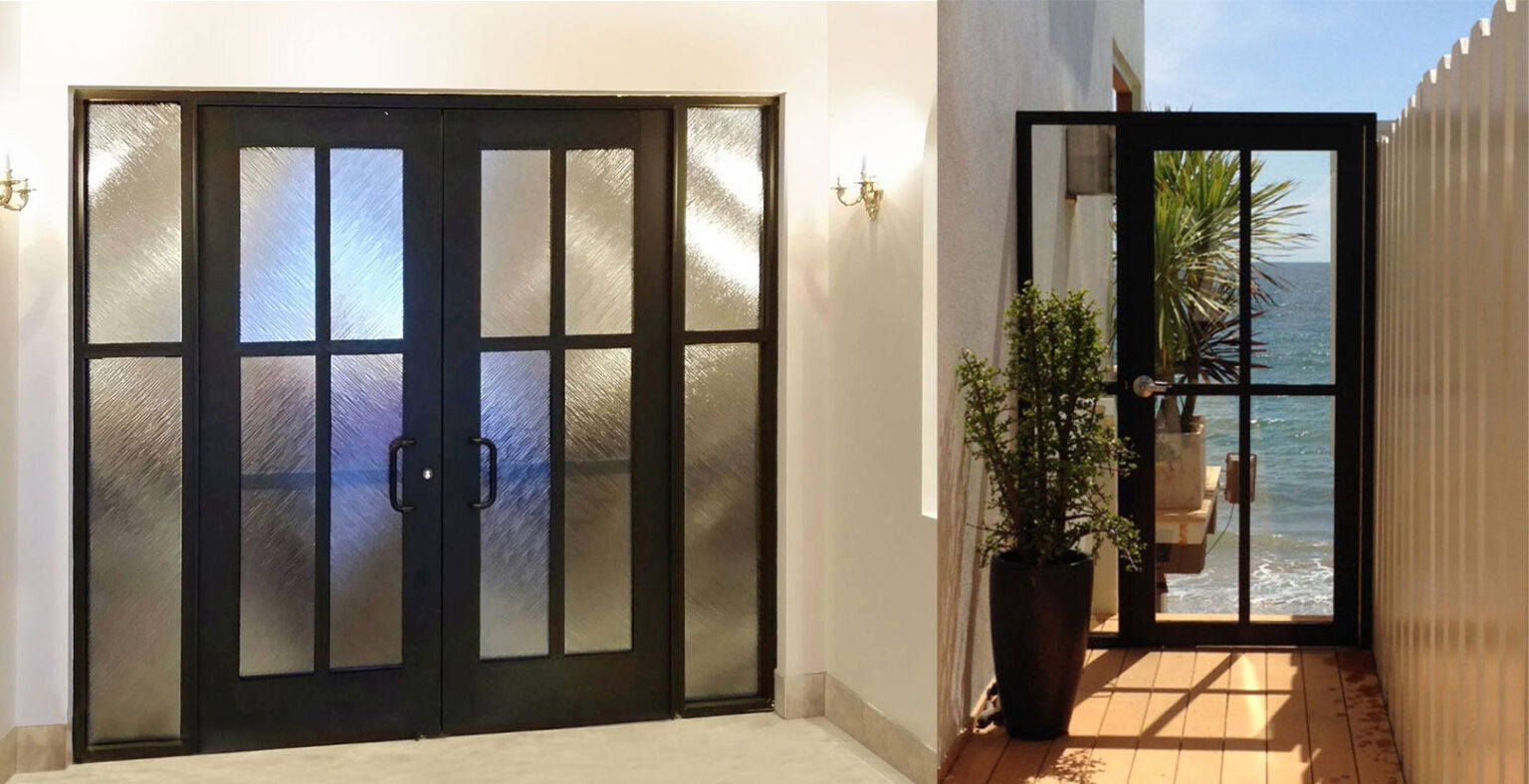
Understanding the language around exit hardware helps avoid confusion when comparing products, reviewing specifications, or discussing door systems more precisely.

Panic Device vs Panic Bar vs Exit Device: What’s the Difference?

Home / 2026 / March

When someone starts looking into this type of door hardware, it is easy to run into different names for what seems, at first, to be the same thing. Panic device, panic bar, and exit device often appear in catalogs, product pages, and commercial conversations as if they were interchangeable, and in numerous instances they are used that way.

Still, they do not always mean the same thing. In the construction industry, one term may work as a broader label, while another may point to a more specific form of the hardware or a more technical way of describing it. Understanding how these names are used can make product searches, specifications, and everyday conversations much clearer.

In this guide, we’ll break down what each term usually means, when they overlap, and when the difference is actually worth paying attention to.

Panic device, panic bar, and exit device are often used for similar hardware, but the terminology becomes more important in catalogs, specifications, and technical discussions.

Why Do These Terms Get Mixed Up So Often?

The confusion comes from the way the market uses the language. Manufacturers, distributors, contractors, and buyers do not always refer to this hardware in the same way, so the terms often get blended in catalogs, product pages, and commercial conversations.

Part of the issue is that these names describe things that are closely related. Sometimes the term refers to the overall category of the system. Other times it points to the visible bar that activates the opening. In other situations, it reflects a more technical or specification-driven way of describing the hardware.

Online search behavior adds even more overlap. Someone looking for the same product may search for a panic bar, then a panic device, then an exit device, without really changing what they want. Over time, that reinforces the habit of treating the terms as interchangeable, even when a more precise distinction would help.

What Is a Panic Device?

A panic device usually refers to the mechanism installed on a door that releases the latch from the inside with a single push. In simple terms, it is the device that makes quick and straightforward egress possible when a door is part of an egress system.

The term is often used almost the same way as panic hardware. It tends to sound a little more technical, especially when the focus is on how the system works or the role it plays in the safety of the door rather than on what the hardware looks like.

So when someone refers to a panic device, they are usually talking about more than just the visible bar. They mean the working device as a whole, the mechanism that allows the door to open from the inside.

What Is a Panic Bar?

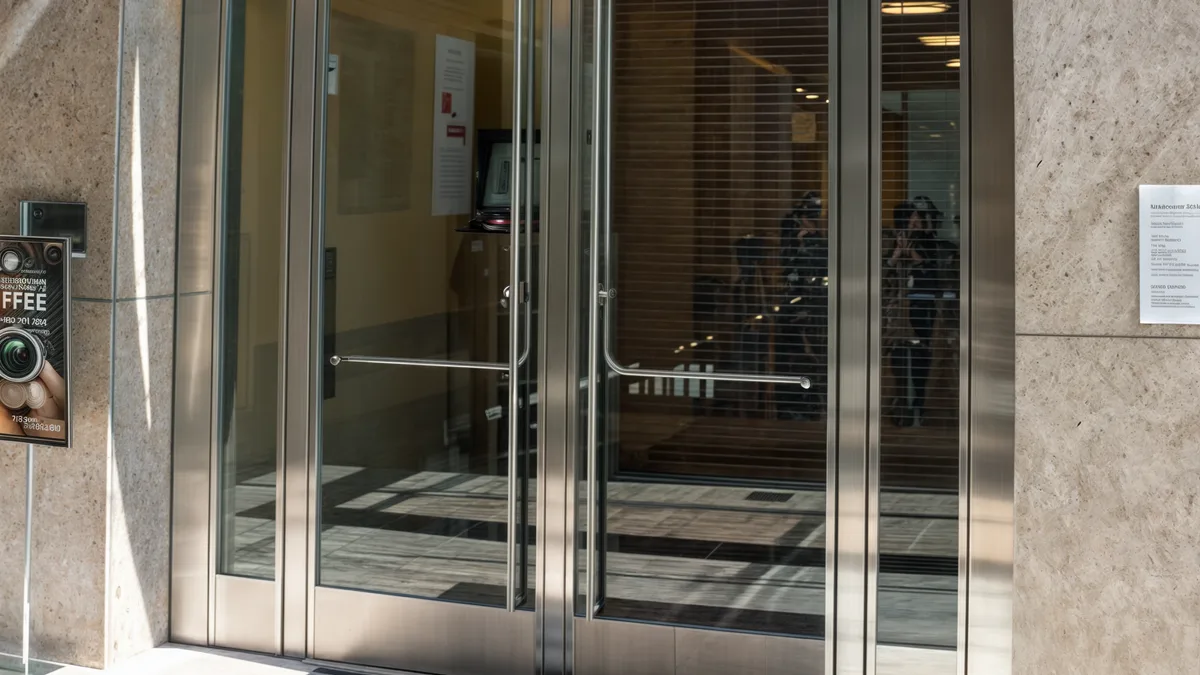
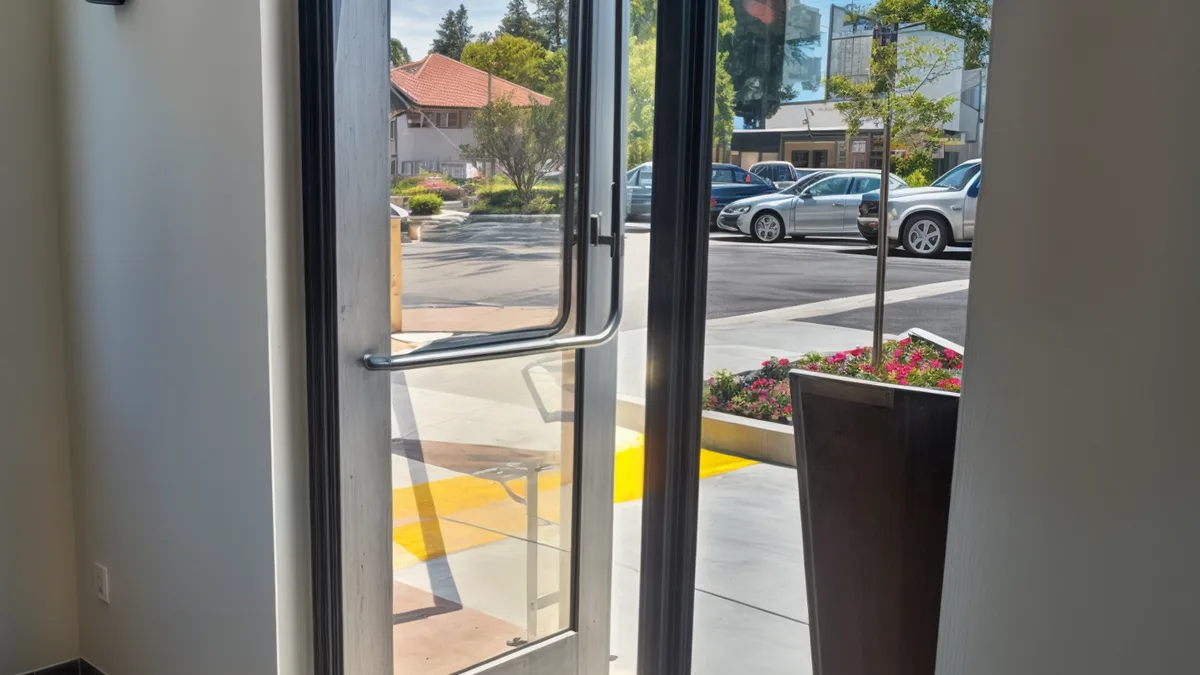
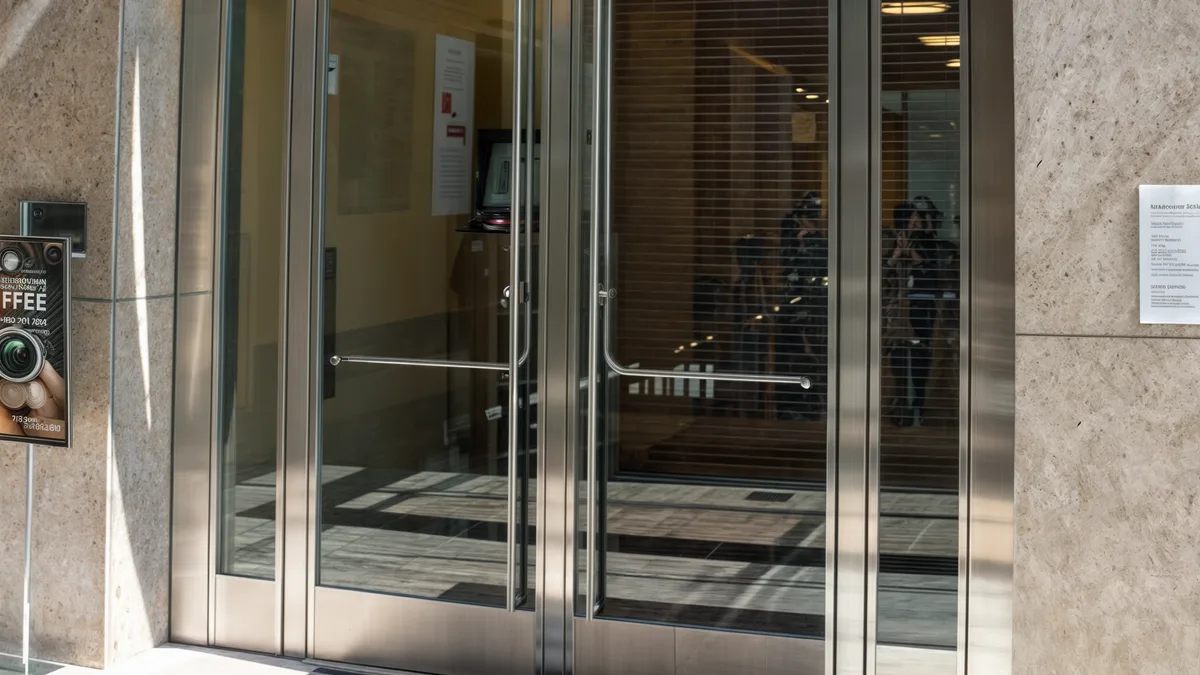
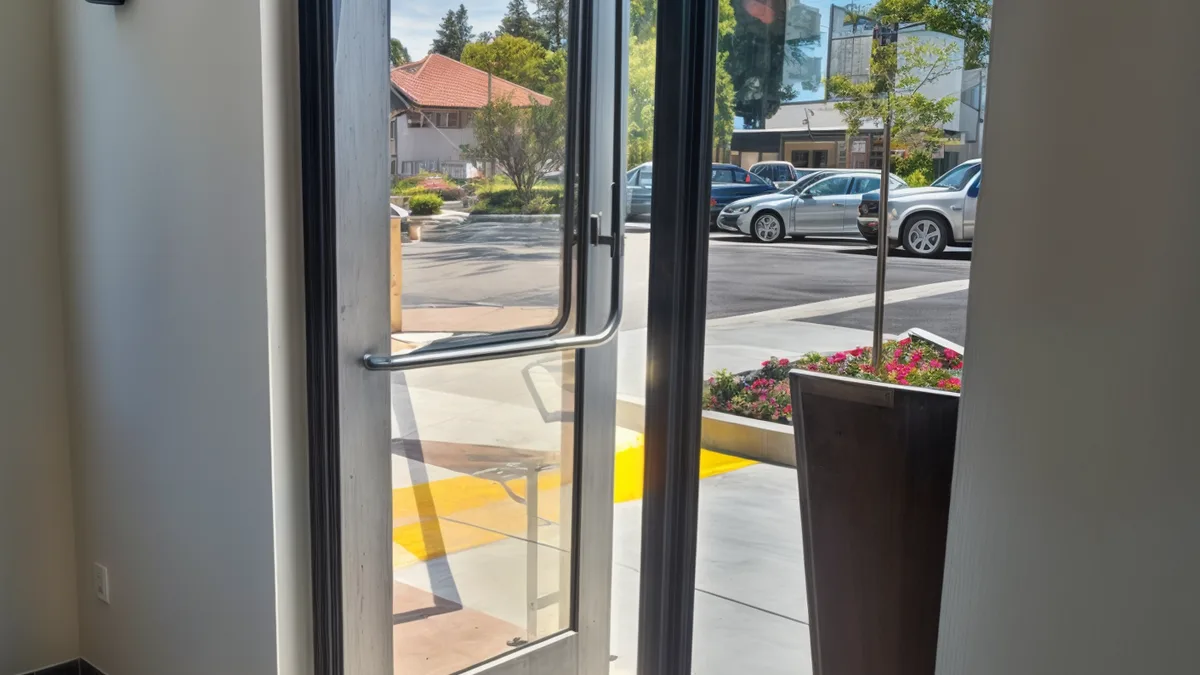
Panic bar is one of the most common and easiest-to-visualize names for this type of hardware. It usually refers to the horizontal bar a person pushes to open the door from the inside.

For that reason, the term shows up often in casual conversations, online searches, and user-facing product descriptions. It is the name many people naturally use when they picture an emergency exit.

Compared with a panic device, a panic bar feels more visual and a little less technical. In many situations, both terms point to nearly the same thing, but panic bar puts more emphasis on the hardware people actually see and touch.

What Is an Exit Device?

Exit device is usually the broadest and most technical term of the three. Rather than focusing on the visible bar or the word “panic,” it describes the door-opening system as a category of hardware.

That is why it appears so often in catalogs, specifications, and commercial documentation. In practice, many people use it to describe the same kind of mechanism that others call a panic device or panic bar, but the tone is more neutral and more professional.

If the goal is to speak about the category as a whole, an exit device is often the clearest option. It does not necessarily mean a different product, but it does frame the hardware in a broader way.

In commercial door hardware, the difference between panic bar and exit device is not always about a different product, but about how the system is being described.

Are They the Same in Practice?

Often, yes. In everyday conversations, online searches, and general product descriptions, “panic device,” “panic bar,” and “exit device” are often used for very similar hardware or even the same product.

The difference becomes more noticeable when the context is more precise. In a casual conversation, a panic bar may be enough. In a specification, technical sheet, or manufacturer catalog, “panic device” or “exit device” may be the better fit depending on how the product is being presented.

So the issue is not that these are always three entirely different products. More often, there are three ways of naming the same type of system from different angles: visual, functional, or technical.

When Does the Difference Between These Terms Start to Matter More?

The distinction matters more when the conversation moves beyond general language and into technical documentation. That usually happens in manufacturer catalogs, product sheets, project specifications, or compliance-related discussions.

In those situations, the wording can affect how a product is categorized, how clearly it is understood, and how accurately a selection is communicated between designers, contractors, suppliers, and buyers.

That is why the terms can be mixed freely in casual searches, but in technical documentation it helps to look closely at what the manufacturer is actually naming. At that point, the difference is no longer just semantic; it becomes practical.

How Can You Use These Terms More Clearly?

If you are speaking about the overall category, exit device is usually the broadest and most neutral term. If you want to emphasize the mechanism and its safety function, panic device often sounds more precise. If you are referring to the visible bar someone pushes to open the door, a panic bar is usually the most natural choice.

That does not mean only one of them is correct. It simply means each term works better in a different context. In a quick search or a casual conversation, the three can often coexist without much trouble. In a catalog, product sheet, or project specification, it helps to use the one that best matches what is actually being described.

A good rule is not to rely on the name alone. It is always worth checking what the product does, how the manufacturer labels it, and where it sits in the documentation. That helps avoid confusing a difference in wording with a real difference in the hardware itself.

From assembly spaces to electrical rooms, panic hardware becomes a code issue when safety, risk, and egress conditions intersect.

When Is Panic Hardware Required? A Simple Guide to Code and Safety

Home / 2026 / March

Not every door needs panic hardware, but there are many situations where it becomes a code-driven requirement tied to safety, occupancy type, and egress conditions. In commercial buildings, schools, assembly spaces, and areas with higher-risk uses, this type of hardware may be mandatory to help ensure fast and safe exit from the inside.

Part of the confusion is that there is no single trigger. Whether a door needs panic hardware usually depends on how the space is used, how many people it serves, whether the door is part of a means of egress, and which code is being enforced in that jurisdiction. In some projects, requirements for electrical rooms or other technical spaces can also come into play.

This guide breaks down when panic hardware is typically required, when it is not, and what factors are worth checking before assuming a door does or does not need it.

Panic hardware requirements are not triggered by the door alone, but by a combination of occupancy type, occupant load, egress function, and applicable code.

Is Panic Hardware Required on Every Door?

No. Panic hardware is neither required on every door nor even on every door in a commercial building. Whether it is mandatory depends on a mix of factors tied to life safety, occupancy, and the role the door plays in the egress path.

In most cases, the requirement shows up more often on doors that are part of the means of egress and that also have a lock or latch. If a door is not part of an exit route, or if it operates without a latching or locking system that needs to be released, the answer may be different.

The type of building matters, but so does the number of people using the space. That is why panic hardware should not be treated as a universal requirement for every commercial exit. The right answer depends on the specific opening and the surrounding conditions.

What Factors Usually Trigger the Need for Panic Hardware?

Even though codes vary by jurisdiction and adopted edition, the same core factors tend to come up again and again when determining whether panic hardware is required.

One of the most important is occupancy type. A door serving a private office is not evaluated the same way as one serving an educational space, a public assembly area, or a high-hazard use.

Another major factor is occupant load. In numerous instances, the requirement appears once a space reaches a certain number of occupants and the door serves as part of the egress route for that area. The more people depend on that exit, the more important it becomes for the door to open quickly and clearly.

It also matters whether the door has a lock or latch. If a door is part of the egress system but operates as a push/pull opening without a latching mechanism, the requirement may not apply in the same way.

Then there are more specialized scenarios, including certain electrical rooms, technical spaces, and high-hazard areas, where the requirement can be triggered by the risk profile of the room rather than by occupancy alone.

Put together, these factors show that panic hardware is not determined by the door itself so much as by the way the space is used, who it serves, and what the code requires for that specific condition.

IBC Requirements: When Panic Hardware Is Typically Required

Under the International Building Code (IBC), panic hardware is typically required on doors serving certain occupancy groups when specific use and occupant-load conditions are met. In general, the code most often requires it in assembly occupancies, educational occupancies, and high-hazard occupancies, provided the door is part of the means of egress and is equipped with a lock or latch.

For assembly and educational spaces, the threshold most commonly referenced in modern IBC editions is an occupant load of 50 people or more. So it is not enough for a building to be commercial or institutional in a general sense. What matters is the type of space, how many people it serves, and whether the door functions as part of the egress path.

For high-hazard occupancies, the requirement is usually stricter. In those cases, panic hardware may be required even with a lower occupant load because the level of risk is tied to the use of the space or the materials involved.

That said, the IBC is only part of the picture. The adopted edition, local amendments, and how the code is enforced in the field can all affect the final answer. The safest approach is always to confirm which version applies in the project’s jurisdiction.

NFPA 101 Requirements: What Changes?

When a project is governed by NFPA 101, the overall logic stays similar, but the thresholds and some occupancy categories are different.

In general, NFPA 101 typically requires panic hardware on doors with a lock or latch serving assembly occupancies, educational occupancies, and day care occupancies when the occupant load reaches 100 people or more. It also addresses high-hazard spaces, where the requirement may apply even with a much smaller number of occupants.

This difference matters because the same project can be reviewed differently depending on which code has been adopted by the jurisdiction. A door that might trigger the requirement under the IBC at 50 occupants could fall under a different threshold under NFPA 101.

So rather than memorizing one number and applying it everywhere, it is better to understand that the requirement depends on the adopted code, the occupancy type, and the load served by the opening.

When May Panic Hardware Be Required for Electrical Rooms?

Beyond assembly, education, and other familiar occupancy-based scenarios, panic hardware may also be required because of the technical function of the room the door serves.

A common example is certain electrical rooms, where the requirement depends less on the general occupancy of the building and more on the equipment inside the room and the risk associated with it.

In these cases, the analysis often looks at whether the door serves a room with electrical equipment of a certain voltage, amperage, or control function, and whether the opening is located within the required working distance of that equipment. When those conditions are met, the code may call for listed panic hardware or even fire exit hardware, even if the rest of the building would not trigger the same requirement.

This is important because panic hardware is often associated only with schools, auditoriums, or public exits, when in reality it may also be mandatory on technical openings with a very different risk profile. In projects that include electrical rooms, battery rooms, or similar spaces, those room-specific rules need to be reviewed separately.


In many projects, understanding when panic hardware is required starts with reading the opening in context, not assuming every commercial door follows the same rule.

When Is Panic Hardware Not Usually Required?

Not every commercial door needs panic hardware, and assuming otherwise can lead to unnecessary specifications or a rigid reading of the code.

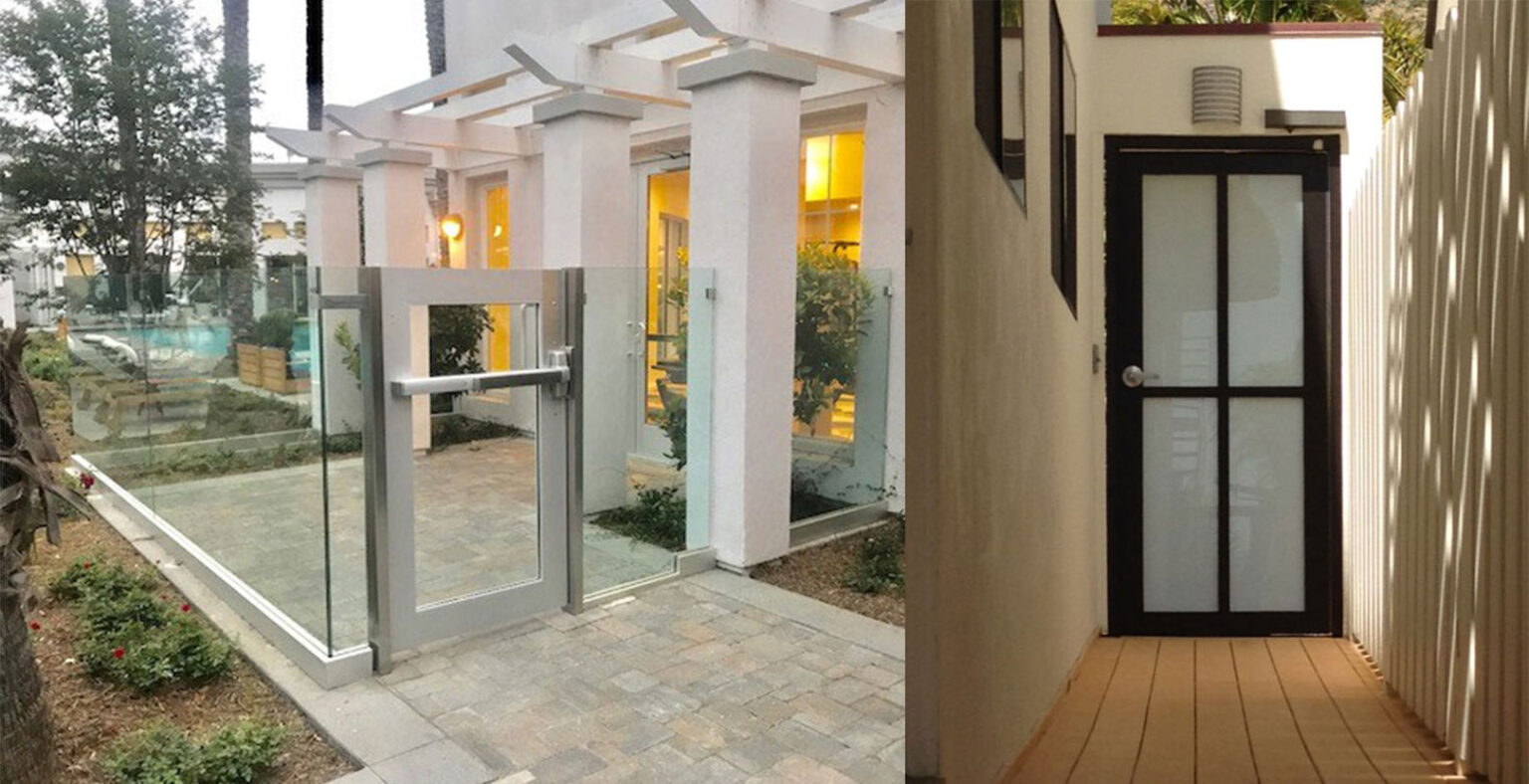
A common example is a door that does not have a lock or latch. If the opening functions as a push/pull door without a latching system that needs to be released, panic hardware may not be required.

The same can be true in some lower-occupancy spaces, secondary interior doors, or openings that are not part of the main egress route for the area they serve.

There are also many commercial buildings where panic hardware is not required on every exit simply because the conditions that trigger the rule are not present. The fact that a building is commercial does not automatically mean every door must have panic hardware. Occupancy type, space use, door function, and code adoption still control the answer.

Other Code Considerations Worth Keeping in Mind

The question is often framed as whether panic hardware is required, but once the answer is yes, the discussion does not stop there. The hardware also has to meet the code requirements that apply to its operation, installation, and performance.

These considerations often include the size of the actuating portion, the mounting height, the amount of force needed to release the latch, and restrictions on additional locks or devices that could interfere with quick egress. In other words, it is not enough to install just any exit bar. The device has to meet the requirements tied to that opening.

It is also worth checking whether the door is fire-rated. If it is, the conversation may shift from panic hardware in general to fire exit hardware and other door-assembly requirements that apply to rated openings.

Once a door has been identified as one that requires panic hardware, the next step is choosing the product and making sure the complete setup is appropriate for that application.

Why Local Codes and the AHJ Matter

Even when the IBC, NFPA 101, or other national standards provide the general framework, panic hardware requirements are not enforced the same way everywhere. The adopted edition, local amendments, and the interpretation of the Authority Having Jurisdiction (AHJ) can all influence the final decision.

That is why two similar projects in different cities or states may not be reviewed under the same criteria. A requirement that is straightforward in one jurisdiction may be applied differently in another, especially when local amendments or project-specific safety concerns are involved.

For that reason, code compliance should never rest on a rule of thumb alone. Verifying the adopted code, confirming the occupancy classification, and checking with the local AHJ when needed are all part of making the right hardware decision.

Final Thoughts

Panic hardware is not required on every door, but it becomes essential in many projects where life safety, egress conditions, and code compliance all intersect. Whether the requirement applies usually comes down to a combination of occupancy type, occupant load, door function, and the code framework governing the project.

Once those triggers are understood, it becomes much easier to evaluate whether a door truly needs panic hardware, whether additional requirements apply, and how to approach the opening with more confidence and accuracy.


Glass and Aluminum Manufacturers in River Oaks

Modern Glass & Aluminum Solutions for Homes & Businesses in River Oaks

River Oaks is one of Houston’s most prestigious neighborhoods, known for luxury estates, refined residential architecture, private developments, and upscale commercial spaces. Projects in River Oaks require glass and aluminum systems that combine elegance, performance, and long-term durability in one of Texas’s most exclusive markets.

At PRL Glass & Aluminum, we provide modern architectural solutions engineered for River Oaks’ high-end residential and boutique commercial environments, supporting custom homes, luxury renovations, and design-forward projects with premium materials and precision fabrication.

Building or Renovating in River Oaks? Connect with PRL Glass & Aluminum Today

Whether you’re building a luxury residence, renovating a private estate, or upgrading a boutique commercial property, PRL delivers custom fabrication, nationwide logistics, and expert technical support from California.

We proudly support projects throughout River Oaks, Upper Kirby, The Galleria / Uptown, and the greater Houston metropolitan area.

Service 

Contact Number 

Aluminum Division 

📞 877-775-2586 

Glass Division 

📞 800-433-7044 

📍 Visit our locations in City of Industry, California and explore our wide range of innovative, high-quality aluminum and glass solutions!

Premium Glass & Aluminum Designs for River Oaks Homes

River Oaks homes emphasize architectural distinction, natural light, privacy, and seamless indoor–outdoor living. PRL’s premium residential systems are designed to enhance these qualities while delivering strength and performance.

All residential systems meet ASTM and NFRC standards.

Glass & Aluminum Solutions for River Oaks Businesses

River Oaks’ boutique commercial environment—luxury retail, professional offices, hospitality, and lifestyle spaces—requires architectural systems that balance prestige and durability.

  • Curtain Wall Systems: Suitable for low-rise office buildings and mixed-use developments
  • Storefront Systems: Elegant glass façades for street-facing retail and high-end commercial spaces
  • Architectural Glass Solutions – Laminated and tempered glass for safety, acoustic comfort, and solar control

PRL systems support both new construction and premium renovations in this exclusive Houston district.

PRL Glass and Aluminum in River Oaks

Why River Oaks Developers and Homeowners Trust PRL Glass & Aluminum

Projects in River Oaks demand craftsmanship, customization, and consistent performance, PRL delivers at every level.

  • Custom fabrication for luxury estates and boutique commercial projects
  • Premium aluminum finishes and large-format glazing systems
  • Nationwide manufacturing with dependable delivery timelines
  • Technical support for architects, builders, designers, and developers
  • Proven experience in high-end residential environments

Benefits of Glass and Aluminum Systems in River Oaks

River Oaks architecture thrives on elegance, openness, and long-term value, glass and aluminum systems support these qualities seamlessly.

  • Thermal Performance for comfort in Houston’s hot, humid climate
  • Noise Reduction, enhancing privacy in residential streets and luxury interiors
  • Elegant Architectural Appeal aligned with estate-level home design and refined commercial spaces
  • Durability suitable for long-term residential and boutique commercial use
  • Eco-Friendly Materials, supporting sustainable construction practices
  • Battle Door Capability, offering reinforced security against break-ins, vandalism, or protests, especially valuable for luxury homes and street-facing retail

Transform Your Space with PRL Glass & Aluminum

Based in California and trusted nationwide, PRL serves Texas and all 50 states with luxury-grade architectural glass and aluminum systems.

From custom sliding doors to boutique storefronts, we deliver craftsmanship designed to elevate your next project.

We are present in the most important neighborhoods in the United States, offering the highest quality service.

Oak Lawn / Turtle Creek

Deep Ellum

Highland Park

University Park

Uptown Dallas

Follow us on social media ✅

Stay tuned for news, events, discounts and new products through the different social media channels.
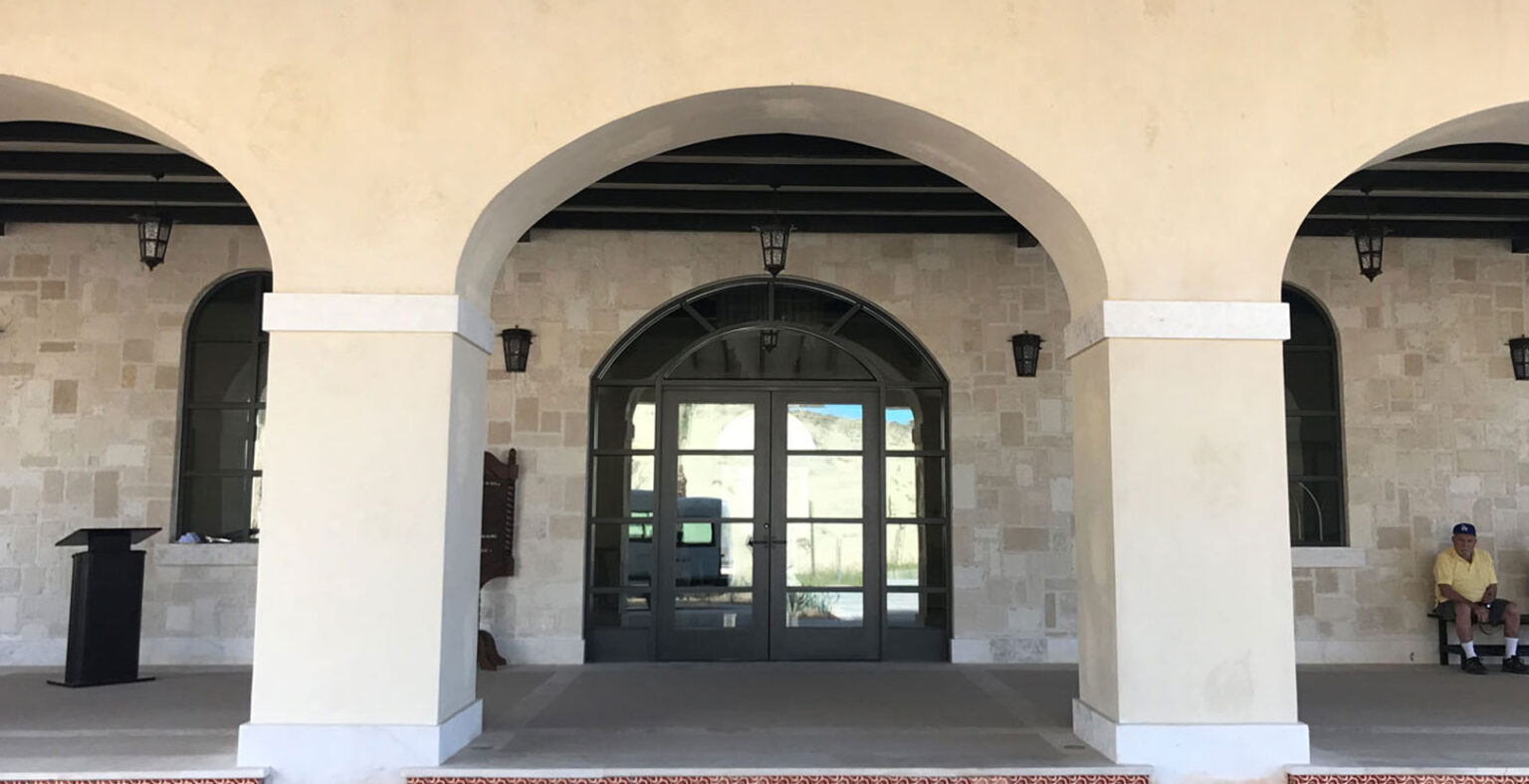
Glass and Aluminum Manufacturers in Deep Ellum

Modern Glass & Aluminum Solutions for Homes & Businesses in Deep Ellum

Deep Ellum is one of Dallas’s most creative and fast-evolving neighborhoods, known for adaptive reuse, street-facing retail, music venues, loft residences, restaurants, and modern mixed-use development. In a district where architecture is expected to feel bold, urban, and design-forward, projects need glass and aluminum systems that deliver durability, visibility, and contemporary appeal.

At PRL Glass & Aluminum, we provide modern architectural solutions engineered for Deep Ellum’s unique character, supporting boutique commercial spaces, hospitality concepts, and modern residential projects with premium materials and precision fabrication.

Building or Renovating in Deep Ellum? Connect with PRL Glass & Aluminum Today

Whether you’re upgrading a retail façade, designing a restaurant or hospitality concept, or modernizing a loft-style residence, PRL delivers custom fabrication, nationwide logistics, and expert technical support from California.

We proudly support projects throughout Deep Ellum, Downtown Dallas, Uptown Dallas, and the greater Dallas metropolitan area.

Service 

Contact Number 

Aluminum Division 

📞 877-775-2586 

Glass Division 

📞 800-433-7044 

📍 Visit our locations in City of Industry, California and explore our wide range of innovative, high-quality aluminum and glass solutions!

Premium Glass & Aluminum Designs for Deep Ellum Homes

Deep Ellum residences emphasize open layouts, industrial-modern aesthetics, and custom design details. PRL’s premium residential systems are built to complement that style while delivering long-term performance.

All residential systems meet ASTM and NFRC standards.

Glass & Aluminum Solutions for Deep Ellum Businesses

Deep Ellum’s commercial environment—boutique retail, bars, restaurants, studios, and creative offices—demands architectural systems that combine branding, transparency, and resilience.

  • Curtain Wall Systems: Ideal for mixed-use developments and modern commercial buildings
  • Storefront Systems: High-clarity façades for street-facing retail, hospitality, and entertainment spaces
  • Architectural Glass Solutions – Laminated and tempered glass for safety, acoustics, and energy performance

These systems enhance visibility, elevate brand presence, and meet the demanding requirements of Manhattan’s architectural landscape.

PRL Glass and Aluminum in Deep Ellum

Why Deep Ellum Developers and Homeowners Trust PRL Glass & Aluminum

Deep Ellum projects require flexibility, speed, and strong visual design, PRL delivers consistently.

  • Custom fabrication for modern residential and high-visibility commercial projects
  • Large-format glazing and premium aluminum finishes
  • Nationwide manufacturing with reliable delivery timelines
  • Technical support for architects, developers, builders, and designers
  • Proven experience in adaptive reuse and urban mixed-use environments

Benefits of Glass and Aluminum Systems in Deep Ellum

Deep Ellum architecture thrives on urban energy, industrial character, and modern reinvention, glass and aluminum systems support this perfectly.

  • Thermal Performance for comfort in Dallas’s hot climate
  • Noise Reduction, essential in an active entertainment and nightlife district
  • Modern Architectural Appeal aligned with industrial and contemporary design
  • Durability suitable for high-traffic retail, hospitality, and residential applications
  • Eco-Friendly Materials, supporting sustainable construction practices
  • Battle Door Capability, offering reinforced security against break-ins, vandalism, or protests—especially critical for street-facing retail, bars, restaurants, and creative spaces

Transform Your Space with PRL Glass & Aluminum

Based in California and trusted nationwide, PRL serves Dallas and all 50 states with luxury-grade architectural glass and aluminum systems.

From custom sliding doors to boutique storefronts, we deliver craftsmanship designed to elevate your next project.

We are present in the most important neighborhoods in the United States, offering the highest quality service.

Oak Lawn / Turtle Creek

South Congress (SoCo)

Highland Park

University Park

Uptown Dallas

Follow us on social media ✅

Stay tuned for news, events, discounts and new products through the different social media channels.