

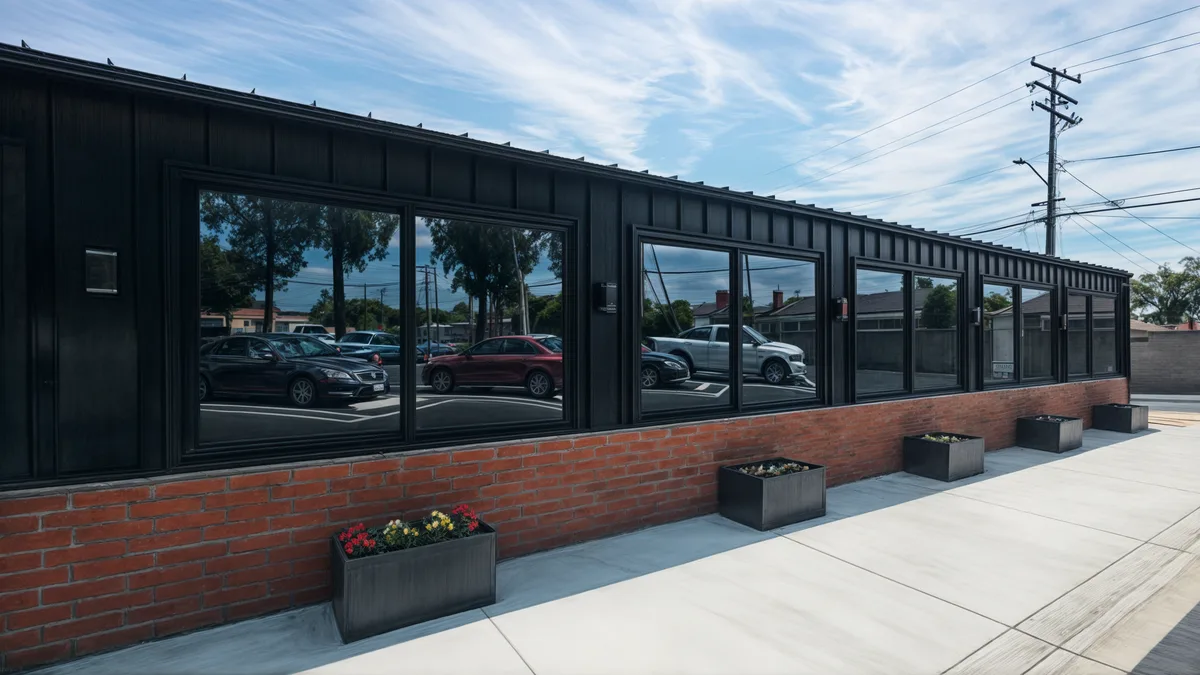

Complete Guide to Casement Windows: Benefits, Uses, Materials, and How to Choose the Right One
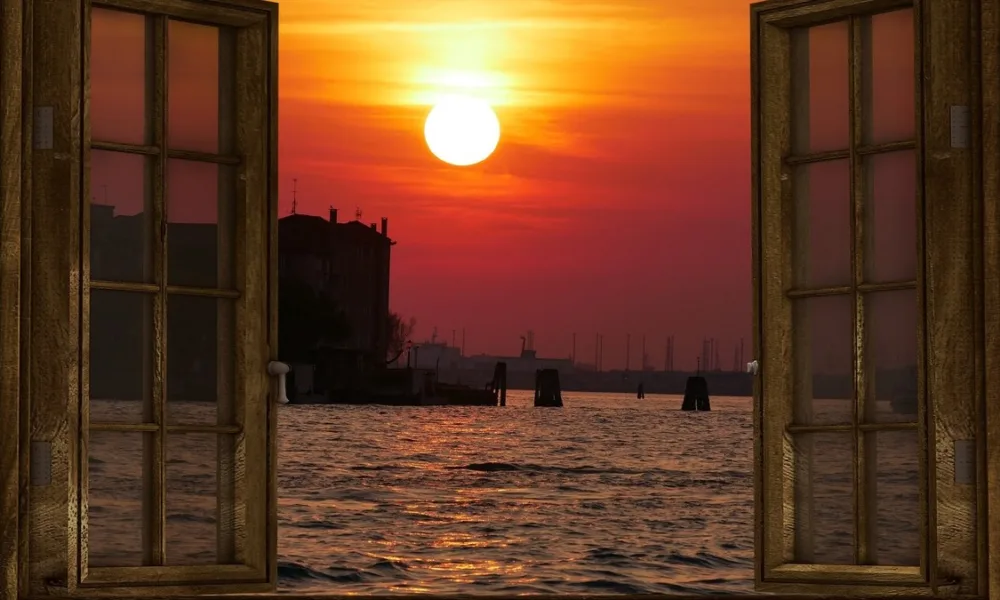
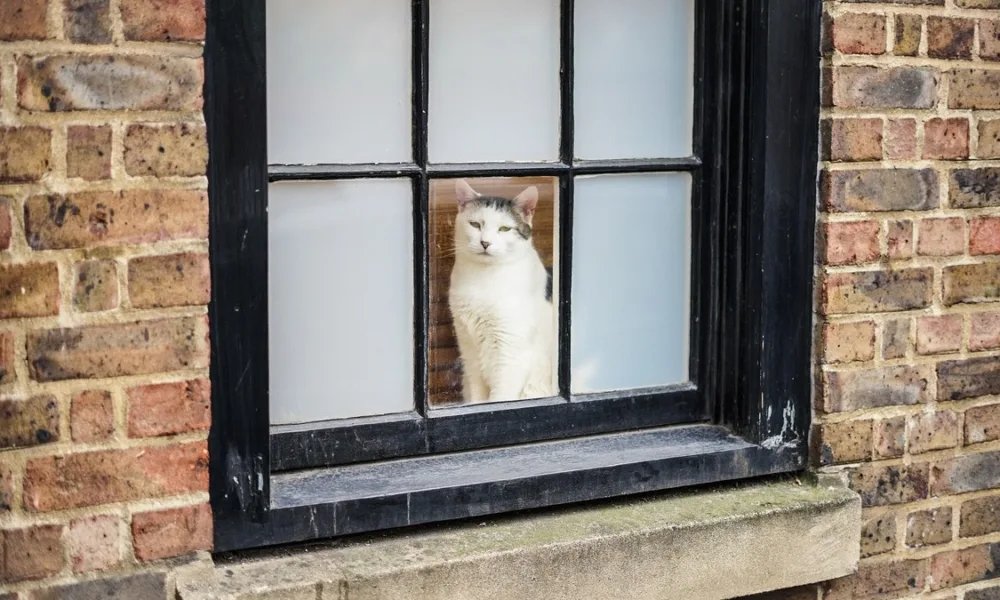
Casement Windows Drawbacks
Casement windows offer many advantages, but they are not ideal for every situation. Understanding their limitations helps homeowners make a better decision.
- They Need Exterior Clearance: Because casement windows open outward, they need enough space outside to operate properly. They may not be suitable where shrubs, walkways, fences, or nearby walls block the sash.
- They Should Be Closed During Strong Winds: Since the sash opens outward, strong wind can place pressure on the window if it is left open. During high winds or severe weather, casement windows should remain closed.
- Hardware Quality Matters: Casement windows rely on hinges, crank mechanisms, locks, and seals. If these components are low quality, the window may become harder to operate over time.
- They May Not Fit Every Opening: Casement windows are often best for vertical openings. For very wide spaces, a combination of fixed and operable units may work better.
- Installation Is Important: Even a good window can underperform if it is not installed correctly. Proper measurement, alignment, sealing, and fastening are essential for long-term function.
These drawbacks do not make casement windows a poor choice. They simply mean the window should be selected according to the needs of the space.
Casement Window Parts Explained
Understanding the basic parts of a casement window can help homeowners compare options more confidently.
 Frame: The frame is the outer structure that holds the window in place within the wall opening. A strong, well-built frame is essential for durability and proper installation.
Sash: The sash is the movable part of the window that holds the glass. In a casement window, the sash swings outward.
Hinges: The hinges are attached to one side of the sash and allow the window to open. Their quality affects how stable and smooth the operation feels.
Crank Handle: The crank handle opens and closes the window. This feature is especially useful in hard-to-reach areas, such as over a kitchen sink or countertop.
Locking System: The locking system secures the sash against the frame. Multi-point locking systems can help improve sealing and security.
Weatherstripping: Weatherstripping helps seal the space between the sash and frame when the window is closed. It helps reduce drafts, air leakage, and moisture intrusion.
Glass Unit: The glass unit affects energy performance, sound control, daylight, and comfort. Insulated glass units can help reduce heat transfer and improve the way a room feels.
Screen: Casement windows usually have screens installed on the interior side. Since the sash opens outward, the screen can stay in place while allowing fresh air in and helping keep insects out.
Modern Casement Windows: Energy Ratings and Performance
Modern casement windows are designed to support more than basic ventilation. Their performance can affect comfort, energy use, noise, and security. When comparing options, homeowners should consider the following factors.
- Air Leakage: Refers to how much outside air passes through the window when it is closed. A well-sealed casement window can help reduce drafts.
- Thermal Performance: Refers to how well a window limits heat transfer. Better performance can help reduce heat gain during warm weather and heat loss during colder months.
- Solar Heat Control: Some glass options can help manage how much solar heat enters the home. This is especially important in sunny climates or rooms with strong direct exposure.
- Condensation Resistance: Good window design can help reduce the risk of condensation by improving temperature control around the glass and frame.
- Sound Reduction: Windows also influence how much exterior noise enters the home. Insulated glass units and proper sealing can help reduce noise from streets, neighbors, and outdoor activity.
- Security: Casement windows can offer strong security when closed and locked. Because they open from the inside and press tightly into the frame, they can be difficult to force open from the exterior.
Performance should not be treated as a technical detail only. It affects how each room feels, how much outside noise enters the home, and how often the HVAC system has to compensate for heat or drafts.
Casement Window Installation: How to Do It the Right Way
Proper installation is essential to the long-term performance of casement windows.
Even a high-quality window can fail to perform as expected if it is poorly installed. Incorrect measurements, uneven alignment, weak sealing, or improper fastening can lead to air leaks, water issues, and operation problems.
A good installation process should include:
- Accurate measurement of the opening
- Proper leveling and alignment
- Secure fastening
- Correct sealing around the frame
- Protection against water infiltration
- Smooth sash operation
- Final inspection of locks, cranks, hinges, and weatherstripping
For replacement projects, the existing opening should be inspected before the new window is installed. Any signs of moisture damage, frame deterioration, or structural movement should be addressed first.
For new construction, coordination with the builder or installer helps ensure the window is properly integrated into the wall system. Professional installation is recommended when energy performance, water resistance, and long-term operation are priorities.
Casement Windows Maintenance Guide
Casement windows are generally easy to maintain, but regular care helps preserve smooth operation and extend their lifespan.
- Clean the Glass Regularly: Use mild soap, water, and a soft cloth or squeegee. Avoid abrasive materials that could scratch the glass or frame.
- Check the Crank Mechanism: The crank should open and close the window smoothly. If it becomes stiff, loose, or difficult to turn, it may need adjustment.
- Inspect Hinges and Hardware: Check hinges, locks, and other moving parts from time to time. Make sure they are secure and working properly.
- Keep the Frame Area Clean: Dust and debris can collect around the frame and sash. Keeping these areas clean helps the window close correctly.
- Inspect Weatherstripping: Weatherstripping should remain flexible and well-positioned. If it becomes damaged or worn, the window may not seal as effectively.
- Do Not Force the Window: If the window does not open or close easily, avoid forcing the crank. Check for debris, misalignment, or hardware issues first.
- Close Windows During Strong Weather: Casement windows should not be left open during strong winds or severe weather. Closing them helps protect the sash, hinges, and crank mechanism.
Why Choose Max Casement Windows?
Max Casement windows are designed for homeowners and professionals who want a window system that looks clean, operates easily, and supports everyday comfort.
Their aluminum construction gives them a sleek profile while providing strength and durability. This makes them a good option for projects where natural light, ventilation, and a contemporary finish are all important.
They are especially useful in spaces where the window needs to be opened often or from a less convenient position, such as over a kitchen sink, countertop, or bathroom fixture.
Key advantages include:
Aluminum profiles with a clean appearance
Smooth crank operation
Strong ventilation control
Interior insect screen compatibility
Tight sealing when closed
Practical use in kitchens, bathrooms, bedrooms, and living areas
A design suited for modern residential spaces
For homeowners looking for a window that is easy to use and visually clean, Max Casement offers a practical solution for daily living.
Final Thoughts
Casement windows are a strong option for homes that need better airflow, easy operation, and a clean visual profile.
Their side-hinged design, crank mechanism, and tight closing system make them useful in kitchens, bathrooms, bedrooms, home offices, and living areas. They are especially helpful in places where a window needs to be opened without lifting or sliding a sash.
For projects that need a more contemporary look, aluminum casement windows offer a good balance of strength, slim profiles, and everyday functionality. Max Casement windows bring these qualities together in a window system designed for homes that need natural light, ventilation, and reliable performance without a bulky appearance.
Frequently Asked Questions About Casement Windows
What is a casement window?
A casement window is hinged on one side and opens outward, usually with a crank handle.
Where are casement windows most commonly used?
They are commonly used in kitchens, bathrooms, bedrooms, living rooms, home offices, and hard-to-reach areas such as over a sink or countertop.
Are casement windows good for kitchens?
Yes. Casement windows are a good option for kitchens because they are easy to open with a crank and can help ventilate cooking odors, steam, and warm air.
Can casement windows be installed over a kitchen sink?
Yes. Casement windows are often used over kitchen sinks because the crank mechanism makes them easier to operate without leaning over the counter.
Do casement windows open inward or outward?
Most casement windows open outward. This allows the screen to remain on the interior side of the frame.
Do casement windows have screens?
Yes. Since casement windows open outward, the insect screen is usually installed on the interior side.
Are casement windows energy efficient?
They can be energy efficient when they are well-designed and properly installed. Their closing system helps create a tight seal.
Are casement windows secure?
Yes, when they include quality locking hardware and are properly closed. Their design makes them difficult to open from the outside without breaking the glass.
What is the difference between casement and awning windows?
Casement windows are hinged on the side and open outward to the left or right. Awning windows are hinged at the top and open outward from the bottom.
Are aluminum casement windows a good option?
Yes. Aluminum casement windows can be a good option for modern homes because they offer durability, slim profiles, and a clean architectural look.
What are the disadvantages of casement windows?
They need exterior clearance, should not be left open during strong winds, and depend on quality hardware for smooth long-term operation.
How do you maintain casement windows?
Basic maintenance includes cleaning the glass, checking the crank and hinges, keeping the frame area clean, inspecting weatherstripping, and avoiding forcing the window if it becomes difficult to operate.