Loading

Archives May 2026

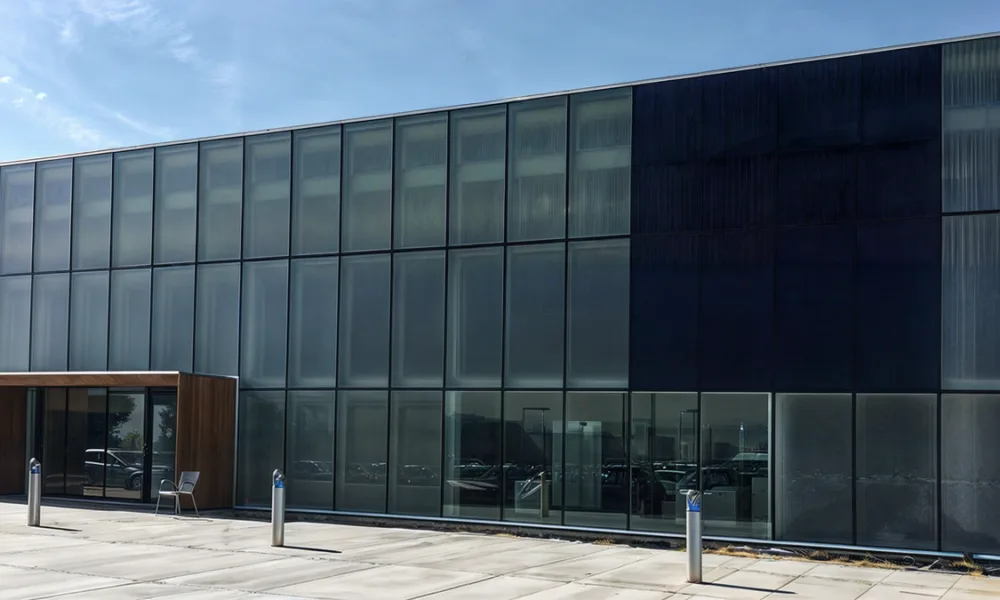
Laminated glass helps maintain the integrity of the building envelope by keeping the glazing assembly in place even after impact, which is critical in high-wind conditions.

Curtain Walls and the Engineering Shift in Hurricane-Exposed Buildings

Home / 2026 / May

In coastal architecture, storm protection is no longer treated as an external add-on. In many modern buildings, it is built directly into the envelope system itself.

That shift is especially visible in cities such as Miami and Houston, where large glazed façades are expected to meet demanding wind and impact requirements without relying on visible shutters or secondary panels. What makes that possible is not the absence of protection, but the fact that performance is built into the façade from the start.

From External Protection to Integrated Systems

For many years, storm protection depended on exterior shutters, metal panels, or other secondary elements added after the primary façade was designed. While those solutions could be effective, they often disrupted the appearance of the building and depended on being deployed correctly when needed.

Today, many high-performance buildings rely instead on curtain wall and window systems engineered to resist wind loads and impact as part of the building envelope. Rather than depending on a single visible protective layer, performance is distributed across multiple components, including laminated glass, aluminum framing, anchorage, gaskets, and sealants designed to work together as a complete system.

Why Laminated Glass Matters

In hurricane-exposed conditions, laminated glass plays a critical role in maintaining the integrity of the envelope. Its purpose is not only to resist impact, but also to help prevent breaches that could affect pressure conditions inside the building.

Even when the outer lite is damaged, the interlayer helps keep the glazing assembly in place. That continuity matters because once the envelope is compromised, pressure changes can place additional stress on other parts of the structure.

For that reason, laminated glass is not simply an upgrade for impact resistance. It is a core part of how modern façade systems are designed to perform under severe weather conditions.

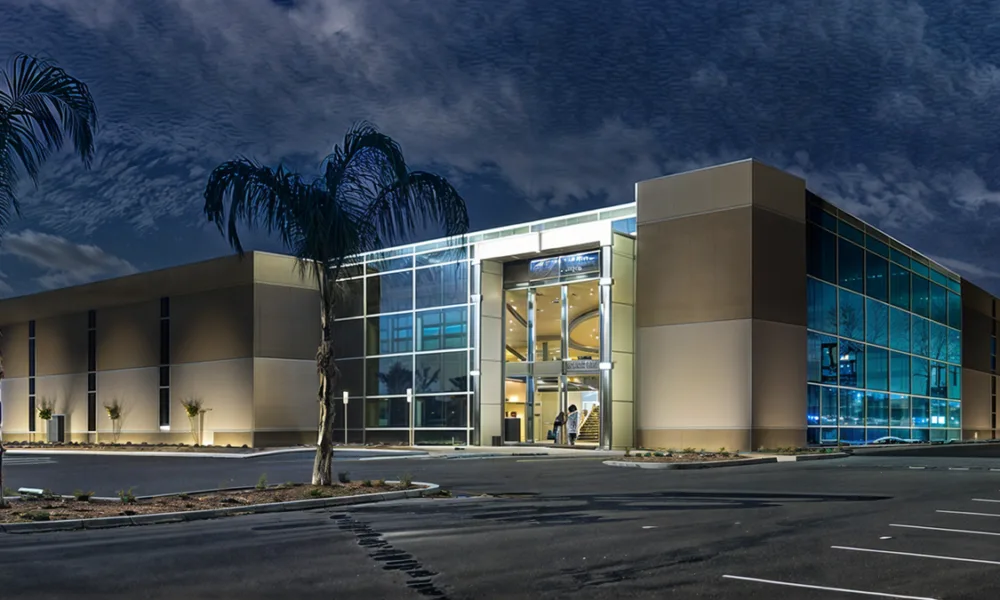
In hurricane-exposed buildings, curtain wall performance depends on the full envelope system, including laminated glass, framing, anchors, gaskets, and sealants working together under load.

The Role of Aluminum Framing

Glass alone is not enough. The framing system also has to perform under load while maintaining the support and retention required by the façade.

Aluminum is widely used in these systems because it offers the strength, dimensional control, and fabrication flexibility needed for high-performance façades. In hurricane-rated applications, the framing must be designed to accommodate wind pressure, building movement, and long-term exposure without compromising glazing retention or weather resistance.

That is why façade performance depends on the full system, not on any one material by itself.

Performance Without Sacrificing Design

One of the most important advances in modern façade engineering is that impact resistance no longer has to come at the expense of architectural clarity. With the right combination of interlayers, framing design, and tested system components, buildings can maintain large expanses of glass, slim sightlines, and clean façades while still meeting strict code requirements.

This has expanded the design possibilities for coastal and high-wind construction. Protection is no longer defined only by visible hardware. It is built into the engineering of the façade itself.

A New Standard for High-Wind Building Envelopes

In hurricane-prone regions, façade performance is now judged by how well the envelope works as a coordinated system. Glass, framing, anchors, gaskets, sealants, and interlayers all contribute to the building’s ability to remain secure under demanding conditions.

That is what defines the current standard. The goal is no longer to add protection after the fact, but to design it into the envelope from the beginning.

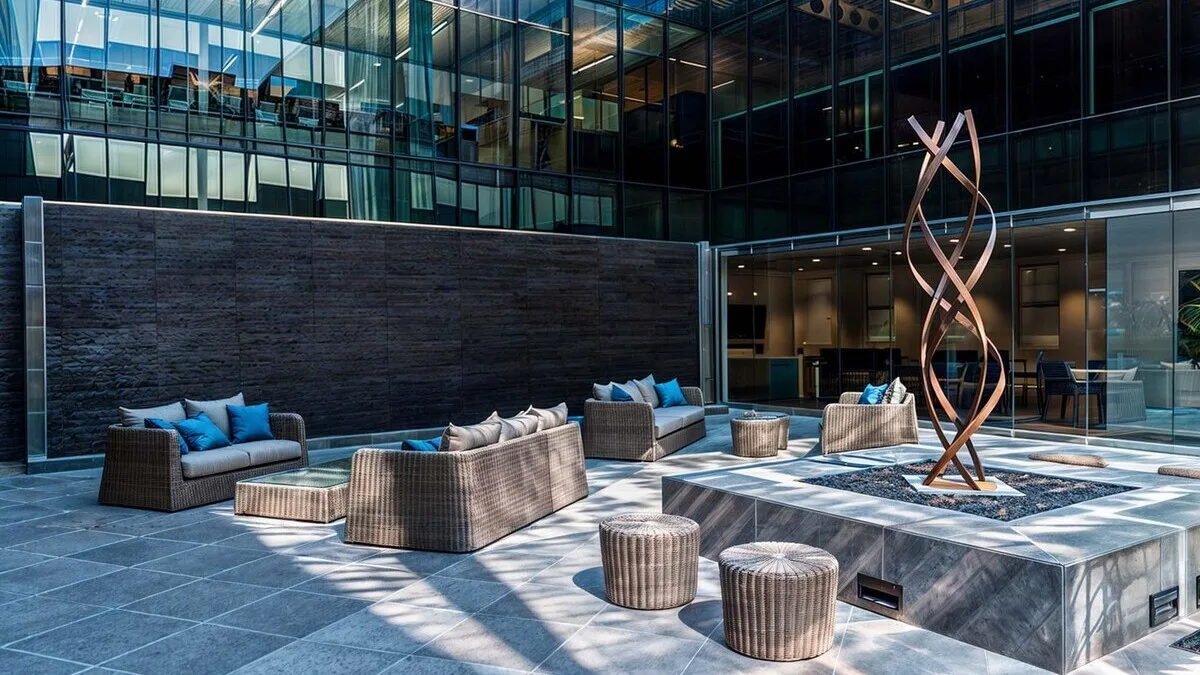
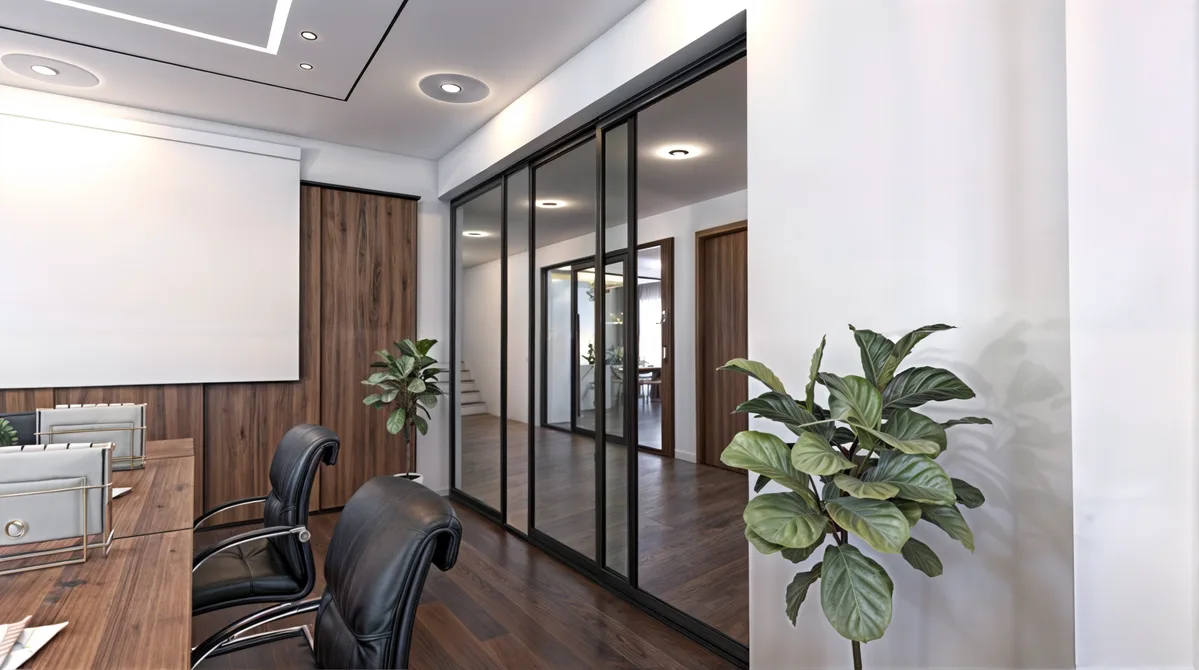
Curtain walls differ from traditional windows because they function as part of the building envelope, creating a more continuous glazed surface rather than isolated wall openings.

Why Curtain Walls Are Replacing Traditional Windows in Luxury Homes

Home / 2026 / May

In residential architecture, the definition of luxury has shifted. Today, it is not only about finishes or square footage, but about openness, natural light, and the quality of the connection between the interior and the surrounding environment.

For decades, most homes followed a familiar formula: solid walls with windows placed where light, ventilation, or views were needed. That approach still works, but in many high-end residential projects, it is no longer the preferred one.

More architects are now turning to curtain wall systems to create broader views, cleaner façades, and a more continuous relationship between indoor and outdoor space.

Why Curtain Walls Are Different From Large Windows

Large windows can improve a view, but they still function as individual openings within a wall. A curtain wall works differently. It is part of the building envelope, creating a more continuous glazed surface rather than a series of separated openings.

That distinction matters. A curtain wall changes not only the appearance of the façade, but also the way light enters the home and how the surrounding landscape is experienced from inside.

In luxury residential design, that level of continuity has become increasingly valuable, especially in properties where views, daylight, and architectural clarity are central to the project.

How Aluminum Engineering Makes These Systems Possible

A glass-heavy façade only works when the supporting system is engineered with precision. In residential curtain walls, aluminum plays a critical role by providing the structural support needed to hold large areas of glass while maintaining a clean and narrow visual profile.

That balance is what makes these systems so effective. The framing must be slim enough to preserve the openness of the design, but strong enough to meet performance demands related to wind load, weather exposure, and long-term durability.

When properly specified, aluminum curtain wall systems can also support better thermal performance and help reduce exterior noise, which is especially important in demanding settings such as coastal properties or homes in dense urban environments.

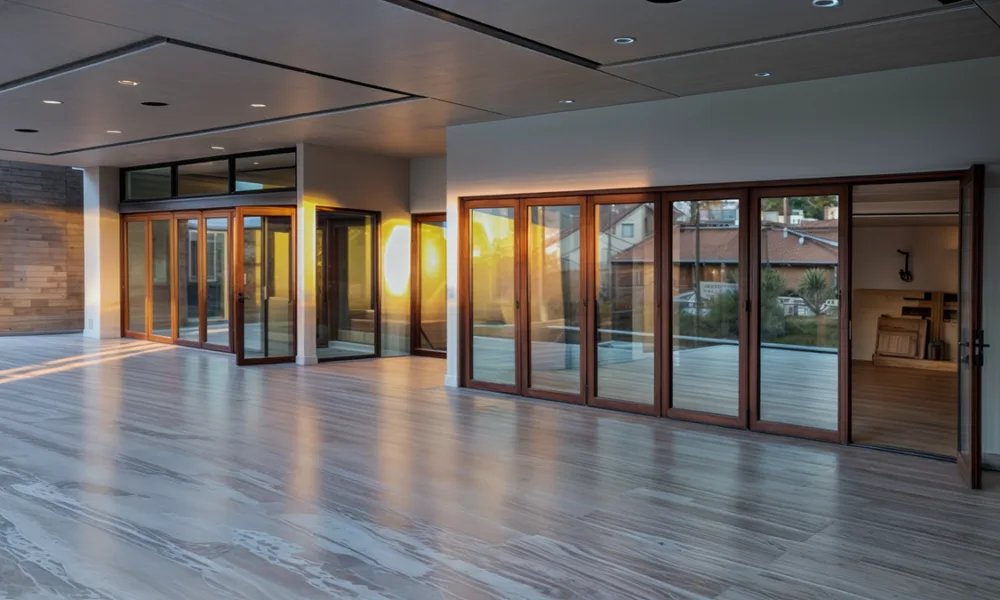
In luxury residential architecture, aluminum curtain wall systems help support large areas of glass while maintaining slim sightlines, structural performance, and long-term durability.

Why Curtain Walls Change the Experience of a Home

One of the main reasons curtain walls have gained attention in luxury homes is the way they affect the feel of interior space. By expanding views and reducing visual interruption, they can make a home feel lighter, more open, and more connected to its setting.

This is particularly relevant in projects where the landscape is part of the design intent. Instead of treating the exterior as something seen only through framed openings, curtain walls allow it to play a more active role in the daily experience of the house.

At the same time, modern systems are designed to support comfort as well as visibility. High-performance glazing and well-engineered framing help maintain interior control without giving up the openness that defines this type of architecture.

A New Standard in Residential Architecture

In the high-end market, large windows alone are no longer enough to set a property apart. What increasingly defines architectural value is how the envelope itself is designed and how effectively it supports light, views, comfort, and visual continuity.

That is why curtain walls are becoming more common in luxury residences. They offer more than transparency. When designed and specified correctly, they help create homes that feel more open, more refined, and more closely tied to their surroundings

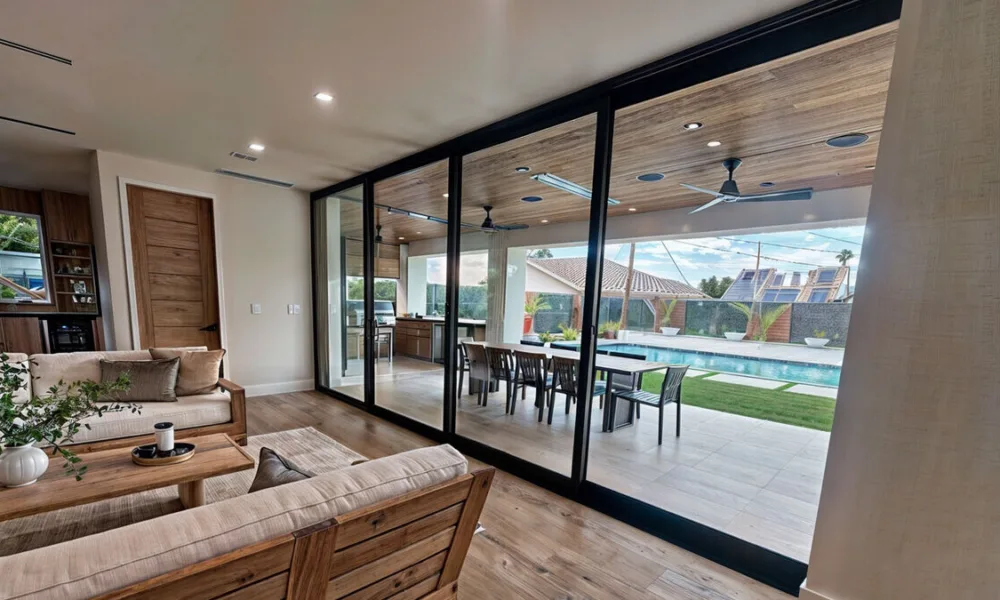
Close-up of a large residential glass sliding door with sunlight entering the room, illustrating how advanced glazing can support indoor comfort, UV protection, and a seamless indoor-outdoor connection.

Why Your Bright Living Room Feels Too Hot and How the Right Glass Can Fix It

Home / 2026 / May

Do you find yourself closing the blinds just when the afternoon sun is at its brightest? It’s the great contradiction of modern homes: we invest in large windows to enjoy the view, only to spend half the year living behind a wall of fabric to escape the heat.

If you must hide in a dark room at 3:00 PM just to feel comfortable, your home may not have a light problem — it may have a heat-control problem. You shouldn’t have to choose between a view and a manageable temperature.

Here is how to reclaim your living room’s brightness without sacrificing comfort.

The Science of Solar Heat Gain

Heat buildup in many living rooms is not caused by sunlight alone. It often comes from glass that was not designed to manage solar heat effectively. Standard glass can allow a significant amount of solar heat to enter the room, especially during long afternoon exposure.

The typical fix is heavy curtains or blackout shades, but that is simply treating the symptom rather than the cause. In many homes, the answer is not simply more shade, but better-performing glass.

Why Your Bright Living Room Feels Too Hot — and How the Right Glass Can Fix It

Low-E Technology: The Invisible Shield

Today’s architectural solutions include what is known as Low-Emissivity (Low-E) glass. Think of it as an invisible filter: it helps bring visible light into the home while reducing the amount of heat that passes through the glass.

In the right system, glass becomes part of the home’s comfort strategy, not just part of the view. Here are three ways this technology changes how you experience your home:

Protecting Your Interiors from Fading The sun doesn’t just bring heat; it also brings UV rays that can “bleach” the color out of your favorite sofa and damage hardwood floors. High-performance glass systems block a large percentage of these harmful rays, protecting your investment in furniture and decor without forcing you to live in the shadows.

Large Glass Systems Should Feel Effortless Performance is not just about temperature; large glass systems also need to feel effortless in daily use. Modern sliding door systems are engineered so that even floor-to-ceiling panels can glide open with minimal effort. Quality design ensures that the transition to your outdoor space is as seamless as the view itself.

A Break for Your Energy Bill Improving glass performance can help reduce cooling demand and support lower long-term energy use. When your windows effectively manage solar heat, your air conditioning doesn’t have to work overtime to compensate for “hot spots” near the glass. It’s about creating a home that stays at a comfortable temperature more naturally.

Design with Intent

True comfort means never having to choose between a beautiful view and a cool room. Designing with intent allows you to pull back the curtains, enjoy your garden, and sit by the window even on the warmest afternoons.

The goal is not to block the sun completely. It is to control how light and heat enter your home, so the brightest room in the house can also be one of the most comfortable.