Loading

Archives June 2025

Bifold Doors Guide: Types, Materials & Benefits

What Do You Need to Know About Bifold Doors?

Home / 2025 / June

Bifold doors—also known as folding doors or accordion doorshave become a popular choice for homeowners, builders, architects and commercial project teams looking to create wider, more flexible openings without sacrificing design.

Unlike traditional swing doors or standard sliding doors, bifold doors use multiple panels that fold and stack neatly to one side. This allows them to open up large areas, connect indoor and outdoor spaces, bring in more natural light and create a cleaner transition between environments.

For residential projects, they can transform patios, gardens, terraces and open-concept living areas. For commercial spaces, they can support storefronts, restaurants, offices, showrooms and hospitality environments where visibility, access and flexibility matter.

Before choosing a bifold door system, however, it is important to understand how they work, what materials are available and which features can affect long-term performance.

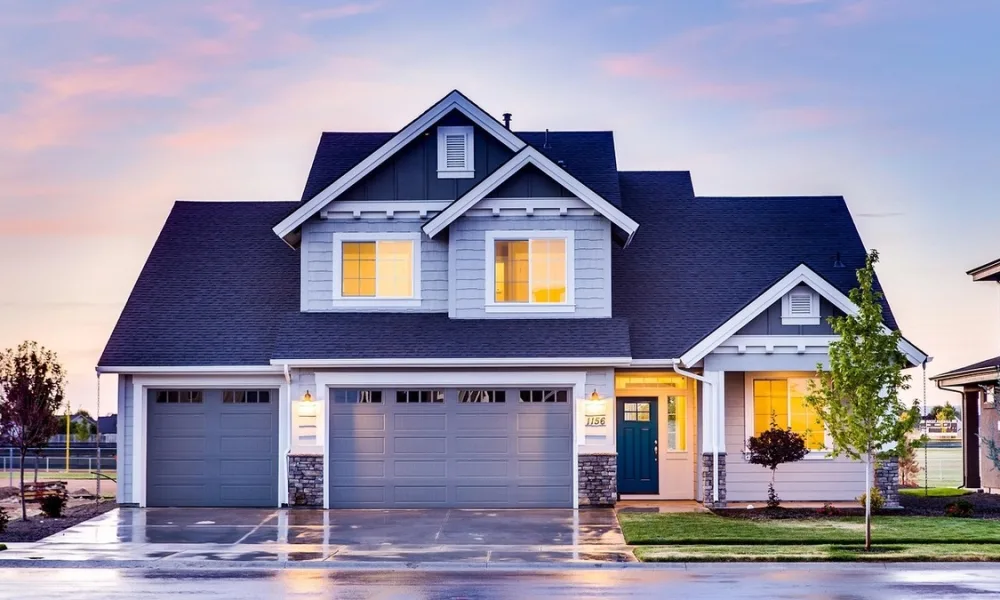
bifold doors can become a very good aesthetic and protective element for the home.

Thinking About Installing Bifold Doors? Here’s What You Should Know

Bifold doors are often selected for their visual impact, but their performance depends on more than appearance. The right system should match the size of the opening, the location of the installation, the structural conditions of the project and the level of use the doors will receive.

A well-designed bifold system can help create a wide, open entrance while still offering the stability, security and weather resistance needed for daily operation.

Before specifying or installing bifold doors, these are the main factors to consider.

Types and Materials

Bifold doors can be used in both interior and exterior applications. They are commonly installed to:

  • Connect living rooms with patios, gardens or terraces.
  • Divide interior areas without building permanent walls.
  • Open restaurants, offices or commercial spaces to outdoor areas.
  • Bring more natural light into a room.
  • Create a more modern and flexible layout.

The material you choose will affect the door’s appearance, durability, maintenance needs and long-term performance.

Aluminum is one of the most common options for modern bifold systems because it is strong, lightweight, durable and visually clean. It works especially well for contemporary residential and commercial projects where slimmer profiles and long-term resistance are important.

Wood offers a warmer, more traditional appearance, but it usually requires more maintenance, especially in exterior applications exposed to moisture, sun and temperature changes.

uPVC can be a more affordable and low-maintenance option, although it may not offer the same structural strength, finish quality or architectural look as aluminum.

For the panels, glass is the preferred option in high-quality bifold systems. Tempered glass, laminated glass or insulated glass units can improve safety, performance and comfort depending on the needs of the project. Lower-end systems may use plastic panels, but these are generally less durable and may reduce clarity over time.

Space Requirements

Before choosing a bifold door system, it is important to evaluate the available space. Bifold doors are designed to fold and stack, so they require a clear area where the panels can move without obstruction.

There are three key points to review:

  • Opening size: Larger openings may require multiple panels, stronger hardware and a more carefully engineered track system.
  • Stacking space: When the door is open, the panels fold to one or both sides. The project must have enough room for the panels to stack properly.
  • Track configuration: Depending on the design, bifold doors may use top tracks, bottom tracks or a combination of both. The right choice depends on the size, weight and structural needs of the system.

Custom sizing is often the best option for architectural projects because it allows the door system to match the exact dimensions and performance requirements of the opening.

Operation and Key Features

The folding mechanism is what makes bifold doors different from other door systems. Each panel is connected by hinges and moves along a track, allowing the panels to fold together as the door opens.

A reliable bifold system should operate smoothly, align correctly and feel stable during daily use. This depends on the quality of the tracks, rollers, hinges, handles, locks and glass.

There are two common support systems:

  • Top-hung systems carry most of the door weight from the top track. They are often used in modern designs because they can provide smoother operation and reduce the amount of load placed on the floor track.
  • Bottom-rolling systems support the weight from the lower track. These can be useful in certain structural conditions, but they require proper floor preparation and regular maintenance to keep the track clean and functional.

Handles and locks are also important. Since bifold doors often cover large openings, the locking system should be secure, durable and designed for repeated use.

Security Features

Bifold doors are not only about openness and aesthetics. For many projects, security is also a priority.

A quality bifold system should include strong locking hardware, durable frames and reliable panel alignment. Multi-point locking systems can help improve security by engaging the door at multiple points rather than relying on a single lock.

Glass selection also matters. Tempered glass improves safety by reducing the risk of sharp fragments if breakage occurs. Laminated glass can add another layer of protection because it is designed to remain bonded to an interlayer when broken.

Energy Efficiency

Modern bifold doors can do more than create a beautiful opening. When properly specified, they can also contribute to better thermal performance.

Large glass openings can affect indoor comfort if the system is not designed to manage heat transfer. This is especially important in warm climates, areas with strong solar exposure or buildings where HVAC efficiency matters.

That is why glass type, frame design and thermal performance should be considered before choosing a bifold system.

One of the strongest options for energy-conscious projects is a thermally broken aluminum system. A thermal break helps reduce heat transfer through the frame, supporting more stable indoor temperatures and reducing the strain on heating and cooling systems.

For residential and commercial buildings, this can help improve comfort while preserving the open, transparent design that makes bifold doors so appealing.

Installation and Maintenance

Bifold doors should be installed by trained professionals. Because these systems include multiple moving panels, tracks, rollers, hinges and locking points, proper alignment is essential for smooth operation.

A poorly installed bifold system can lead to dragging panels, difficult movement, uneven gaps, water infiltration or premature hardware wear.

Routine maintenance is also important. To keep a bifold door system working properly, property owners should:

  • Keep tracks clean and free of debris.
  • Inspect rollers and hinges periodically.
  • Lubricate moving hardware when needed.
  • Clean glass and aluminum frames with appropriate products.
  • Check locks and handles for proper operation.

With the right installation and basic maintenance, aluminum and glass bifold doors can deliver long-term performance with a clean, modern appearance.

Ready to Add Bifold Doors to Your Next Project?

Bifold doors are a strong option for projects that need wider openings, more natural light, flexible access and a modern architectural look. But choosing the right system requires more than selecting a style. The material, glass type, hardware, track configuration, thermal performance and security features all play an important role.

At PRL Glass & Aluminum, we manufacture aluminum and glass bifold door systems designed for residential and commercial applications. Our solutions combine clean design, durable materials, custom sizing and performance-focused options, including thermally broken systems and advanced glass configurations for projects that require additional protection.

Whether you are designing a modern home, an open-concept office, a storefront, a restaurant or a commercial space, PRL can help you specify a bifold door system that fits the needs of your project.

Contact PRL today to learn how our bifold doors can help transform your space with strength, transparency and modern performance.

Benefits of Choosing Aluminum Doors for Homes

Benefits of Choosing Aluminum Doors for Homes

Home / 2025 / June

Choosing the right doors for your home is a significant decision that affects both the aesthetics and functionality of your living space. Aluminum doors have gained immense popularity among homeowners and builders alike, thanks to their numerous benefits.

In this article, we’ll explore the advantages of using aluminum doors, particularly aluminum patio doors and aluminum door frames, and why they might be the perfect addition to your home.

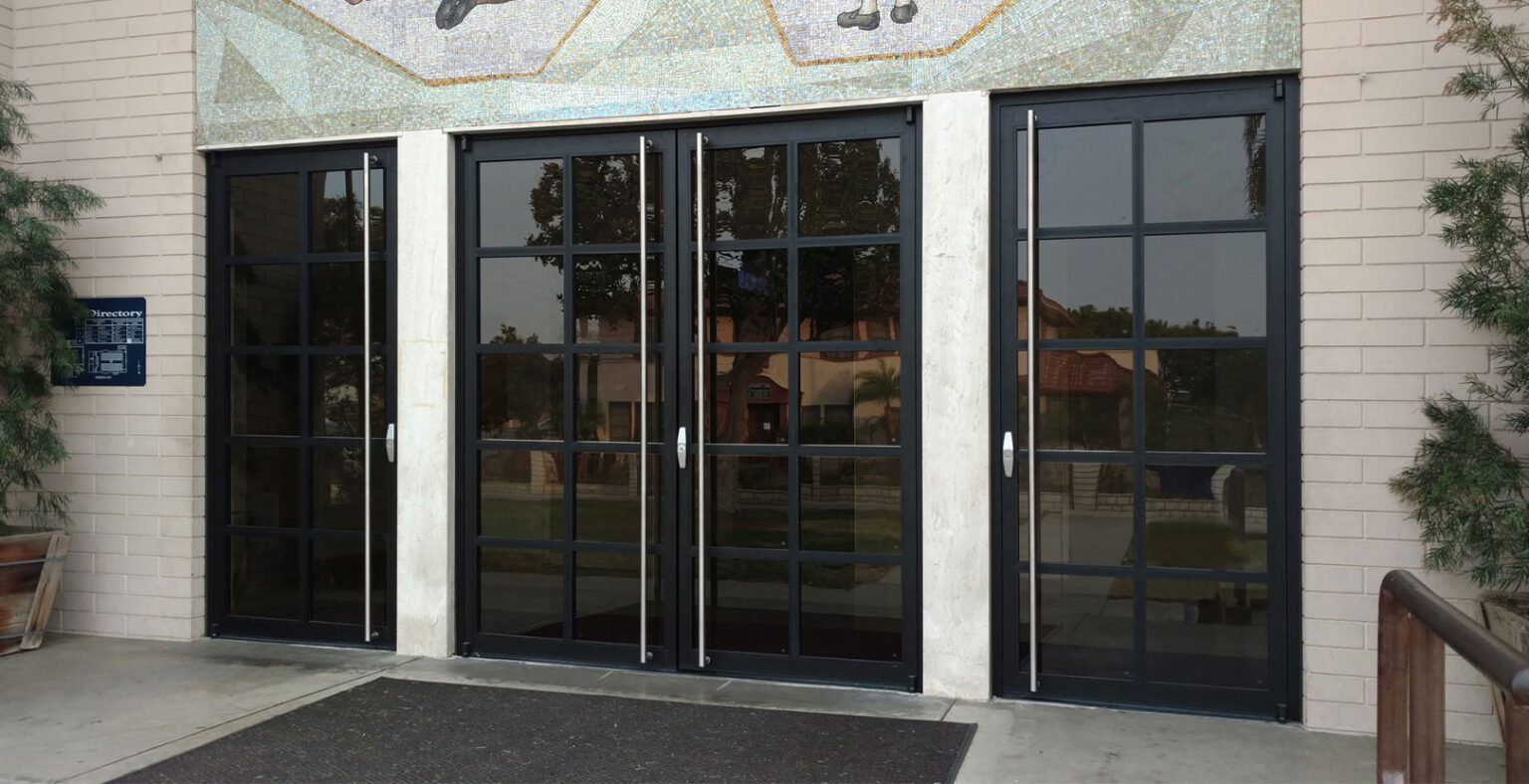
Aluminum is one of the most beneficial materials for the doors of your next project.

Why choose aluminum doors for your home? These are the most important benefits

In the market you can find very good materials to make a reliable door: wood, steel or even plastic. But aluminum is a great option in places with climatic problems or for those who require more security.

These are the most important benefits of choosing this material for your next projects.

Durability and Strength

One of the most compelling reasons to choose aluminum doors is their exceptional durability and strength. Aluminum is a robust material that can withstand harsh weather conditions, making it ideal for both exterior and interior applications.

Unlike wood, which can warp or rot over time, or steel, which may rust, aluminum remains resilient and requires minimal maintenance.

Resistance to Corrosion

Aluminum doors are highly resistant to corrosion, a significant advantage for homes in coastal areas or regions with high humidity. The natural oxide layer on aluminum prevents it from rusting, ensuring that your doors remain in pristine condition for years to come.

Low Maintenance

Aluminum doors require very little upkeep compared to other materials. A simple cleaning with mild soap and water is usually sufficient to keep them looking new. This low maintenance requirement makes aluminum doors a cost-effective choice in the long run.

Versatility and Design Flexibility

Aluminum doors offer unparalleled design flexibility, allowing homeowners to choose from a wide range of styles, colors, and finishes. Whether you’re looking for sleek, modern aesthetics or a more traditional look, aluminum doors can be customized to suit your preferences.

Customizable Options

With aluminum doors, you have the freedom to personalize aspects such as the color, finish, and hardware. This level of customization ensures that your doors complement your home’s existing décor and architectural style.

Slim Profiles and Larger Glass Panels

Aluminum’s inherent strength allows for slim door profiles, which means larger glass panels can be used. This design feature not only enhances the visual appeal of your doors but also maximizes natural light, creating a brighter and more welcoming home environment.

Energy Efficiency

Energy efficiency is a critical consideration for any homeowner, and aluminum doors deliver on this front. Modern aluminum doors are designed with thermal breaks and advanced glazing options that help reduce heat transfer, contributing to better insulation and lower energy bills.

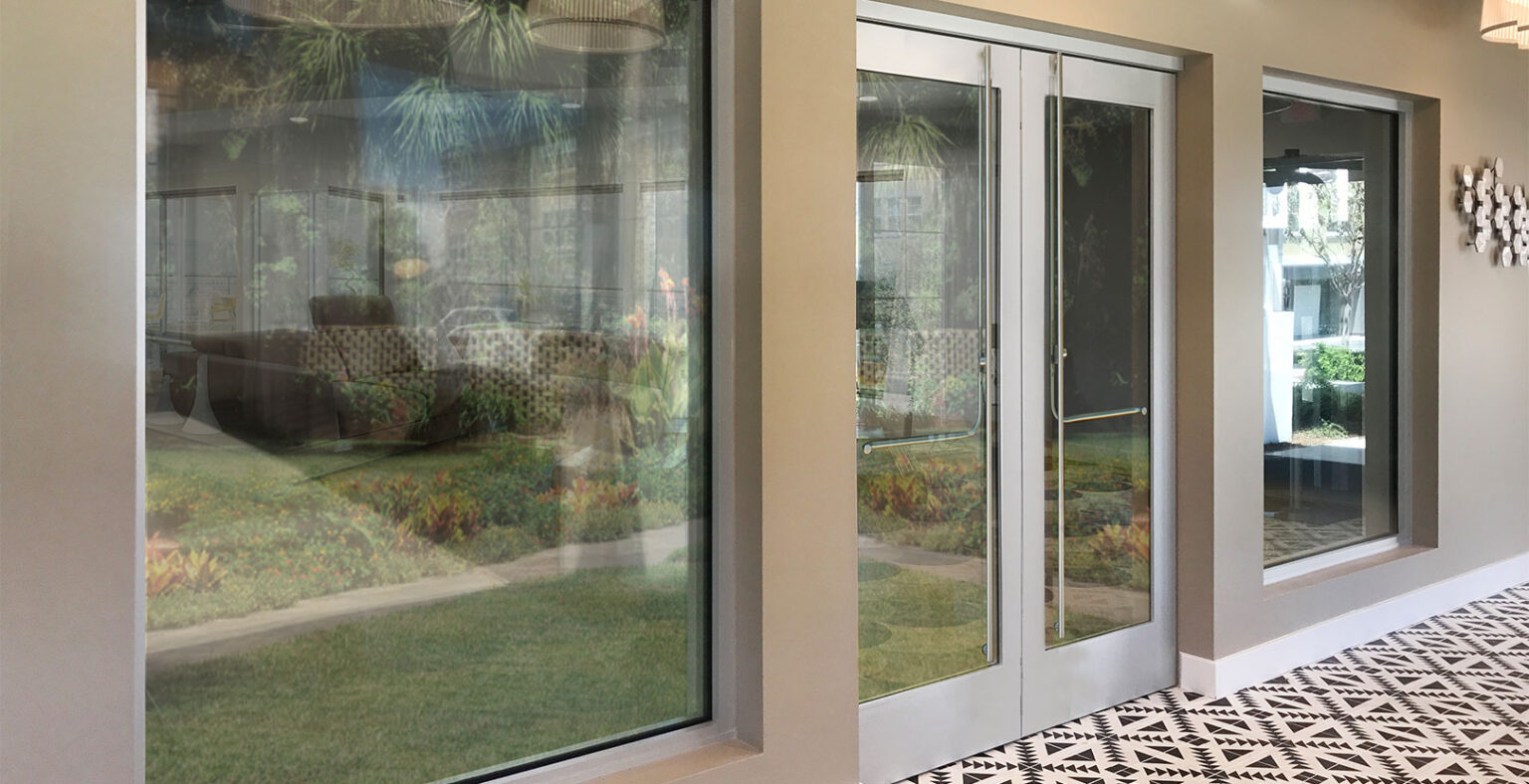
Durability, energy efficiency and thermal efficiency are some of the best benefits of aluminum doors.

Thermal Efficiency

The inclusion of thermal breaks in aluminum door frames minimizes heat loss during the winter and heat gain in the summer. This improved thermal efficiency helps maintain a comfortable indoor temperature year-round, reducing the need for excessive heating or cooling.

Eco-Friendly Material

Aluminum is a sustainable material that is 100% recyclable. Choosing aluminum doors means you’re making an environmentally responsible choice that reduces your carbon footprint. Additionally, the energy efficiency of aluminum doors contributes to lower energy consumption in your home.

Security Features

Security is a top priority for homeowners, and aluminum doors excel in providing peace of mind. Their robust construction and design can accommodate various security features to keep your home safe.

Enhanced Locking Systems

Aluminum doors can be equipped with advanced locking mechanisms, including multi-point locking systems that offer superior protection against break-ins. This added security feature makes aluminum doors an excellent choice for exterior applications, such as patio doors.

Impact Resistance

In addition to their strength, aluminum doors are highly resistant to impact, making them a reliable choice for protecting your home against potential intruders or extreme weather conditions.

Cost-Effectiveness

While aluminum doors may have a higher initial cost compared to some other materials, their long-term benefits make them a wise investment. The durability, low maintenance, and energy efficiency of aluminum doors contribute to significant cost savings over time.

Long-Term Value

The longevity and performance of aluminum doors ensure that you won’t need to replace them frequently, reducing the overall cost of ownership. Their ability to withstand the test of time means you can enjoy beautiful and functional doors for many years.

Aesthetic Appeal

Aluminum doors are known for their sleek and contemporary appearance, making them a popular choice for modern homes. Their clean lines and minimalist design can enhance the overall aesthetic of your home, adding a touch of elegance and sophistication.

Modern and Stylish

The modern appeal of aluminum doors makes them a perfect fit for contemporary homes, but they can also be adapted to complement more traditional settings. With a variety of finishes and colors available, aluminum doors can seamlessly integrate into any design scheme.

Increased Curb Appeal

By choosing aluminum doors, you can boost your home’s curb appeal, potentially increasing its market value. The attractive appearance and functionality of aluminum doors make them an appealing feature for prospective buyers.

Aluminum doors offer a multitude of benefits that make them an excellent choice for homeowners seeking durable, stylish, and energy-efficient solutions. From their remarkable strength and low maintenance requirements to their design flexibility and security features, aluminum doors are a smart investment for any home.

Whether you’re upgrading your existing doors or building a new home, consider aluminum patio doors and aluminum door frames to enhance your living space with lasting beauty and performance.

Glass and Aluminum Manufacturers in Delaware

Glass and Aluminum Manufacturers in Delaware – PRL Glass & Aluminum

If you’re looking for durable, high-performance glass and aluminum systems in Delaware, PRL Glass & Aluminum is your nationwide provider for custom architectural solutions. Whether you’re developing commercial spaces in Wilmington, institutional projects in Dover, or retail centers in Newark, PRL delivers precision-engineered products built for energy efficiency, coastal weather, and modern design.

We fabricate and ship custom storefronts, aluminum doors, curtainwall systems, and architectural glass across Delaware to support both public and private sector construction.

Are You in Delaware? Get in Touch with PRL Glass & Aluminum 

Whether your project is in healthcare, education, residential, or commercial construction, PRL supports developers and contractors across the state with expert service and fast delivery.

We proudly serve Wilmington, Dover, Newark, Middletown, and other areas throughout Delaware.

Service 

Contact Number 

Aluminum Division 

📞 877-775-2586 

Glass Division 

📞 800-433-7044 

📍 Visit our locations in City of Industry, California and explore our wide range of innovative, high-quality aluminum and glass solutions!

High-Quality Glass and Aluminum Solutions in Delaware

PRL’s systems are ideal for Delaware’s architectural styles and seasonal weather—providing performance, durability, and visual impact.

All systems are certified to meet ASTM, NFRC, and LEED criteria, ensuring compliance and quality.

Why Choose PRL Glass & Aluminum in Delaware?

Delaware’s construction projects require adaptable, reliable systems—especially in urban and coastal zones. PRL helps meet those needs with fast service and long-lasting solutions.

Why Delaware contractors trust PRL:

  • Nationwide delivery with quick lead times
  • Custom fabrication to fit any design specification
  • Energy-efficient systems for commercial and residential use
  • Expert support for planning, code compliance, and installation

From Wilmington’s high-rises to Newark’s campus buildings, PRL helps projects succeed from start to finish.

PRL in Delaware

Why Aluminum and Glass Are a Smart Choice in Delaware

Aluminum and glass systems are ideal for Delaware’s mix of coastal climate, historical charm, and modern construction.

Here’s why:

  • Weather Resistance – Built to handle humidity, rain, and temperature changes
  • Thermal Performance – Supports energy goals and local building codes
  • Low Maintenance – Resistant to corrosion and warping
  • Sleek Design – Clean lines suit both traditional and modern structures
  • Environmentally Friendly – Recyclable materials support LEED and green building standards

Whether you’re restoring a civic building or launching a new retail development, PRL provides the aluminum and glass systems Delaware builders can trust. 

PRL glass and Aluminum Available throughout the United States 

PRL Glass are in Delaware and all the country. With project customization and fast shipping, PRL is a leader in manufacturing and project design in the United States, delivering high quality glass solutions and aluminum systems.  

We service all 50 states in the United States. 

Connecticut

Kansas

West Virginia 

Idaho

Michigan 

Follow us on social media ✅

Stay tuned for news, events, discounts and new products through the different social media channels.

Glass and Aluminum Manufacturers in west Virginia

Glass and Aluminum Manufacturers in West Virginia – PRL Glass & Aluminum

If you’re searching for high-quality glass and aluminum systems in West Virginia, PRL Glass & Aluminum is your nationwide partner for advanced architectural products. From infrastructure upgrades in Charleston to educational facilities in Morgantown and residential development in Huntington, PRL delivers durable, energy-efficient systems tailored for the Mountain State’s climate and topography.

We offer custom fabrication and direct nationwide shipping of storefronts, aluminum doors, curtainwall systems, and specialty glass for commercial, residential, and public-sector construction projects.

Are You in West Virginia? Get in Touch with PRL Glass & Aluminum 

Whether you’re developing a civic building, healthcare facility, or mixed-use space, PRL is here to support your project from planning to delivery.

We serve customers in Charleston, Morgantown, Huntington, Parkersburg, and across the state.

Service 

Contact Number 

Aluminum Division 

📞 877-775-2586 

Glass Division 

📞 800-433-7044 

📍 Visit our locations in City of Industry, California and explore our wide range of innovative, high-quality aluminum and glass solutions!

High-Quality Glass and Aluminum Solutions in West Virginia

PRL manufactures architectural systems designed to meet West Virginia’s construction standards—resistant to temperature swings, moisture, and heavy usage.

All PRL systems are tested to meet or exceed ASTM, NFRC, and LEED standards, making them ideal for long-term, code-compliant performance in West Virginia.

Why Choose PRL Glass & Aluminum in West Virginia?

West Virginia’s construction sector is evolving, and PRL supports that growth with adaptable systems and responsive service from coast to coast.

Why West Virginia builders choose PRL:

  • Quick turnaround and reliable shipping across the U.S.
  • Custom-engineered systems for public and private projects
  • Thermal and structural performance built for Appalachian weather
  • Expert assistance from concept to completion

From Morgantown universities to Charleston commercial centers, PRL empowers builders with systems that perform.

PRL in West Virginia

Why Aluminum and Glass Are a Smart Choice in West Virginia

Glass and aluminum provide long-term efficiency, resilience, and style—perfect for West Virginia’s architectural needs and natural environment.

Here’s why:

  • Weather-Resistant – Stands up to rain, snow, and humidity without degradation
  • Energy Efficiency – Reduces heating and cooling demands year-round
  • Low Maintenance – Non-corrosive and warp-resistant materials
  • Modern Appeal – Matches both historic renovations and contemporary builds
  • Sustainable – Recyclable materials meet LEED and green building standards

From civic infrastructure to mountain resorts, PRL delivers architectural glass and aluminum systems West Virginia can rely on.

PRL glass and Aluminum Available throughout the United States 

PRL Glass are in West Virginia and all the country. With project customization and fast shipping, PRL is a leader in manufacturing and project design in the United States, delivering high quality glass solutions and aluminum systems.  

We service all 50 states in the United States. 

Connecticut

Kansas

Nebraska 

Idaho

Michigan  

Follow us on social media ✅

Stay tuned for news, events, discounts and new products through the different social media channels.

LEED Certification

LEED Certification: What Is and Why It Matters in Modern Sustainable Construction

Home / 2025 / June

LEED (Leadership in Energy and Environmental Design) is the world’s most recognized green building certification. Developed by the U.S. Green Building Council (USGBC), it serves as a globally recognized benchmark for designing, constructing, and operating buildings that deliver higher energy efficiency, healthier indoor environments, and lower environmental impact.

More than a certification, LEED is a framework that guides better decision-making throughout a building’s lifecycle. For architects, developers, and owners, it functions as a symbol of sustainability leadership and a powerful indicator of commitment to ESG standards, operational efficiency, and long-term building performance.

Whether you’re developing a new commercial building, renovating interiors, or optimizing an existing property, understanding LEED can help you improve sustainability outcomes, and leverage building performance as a competitive advantage.

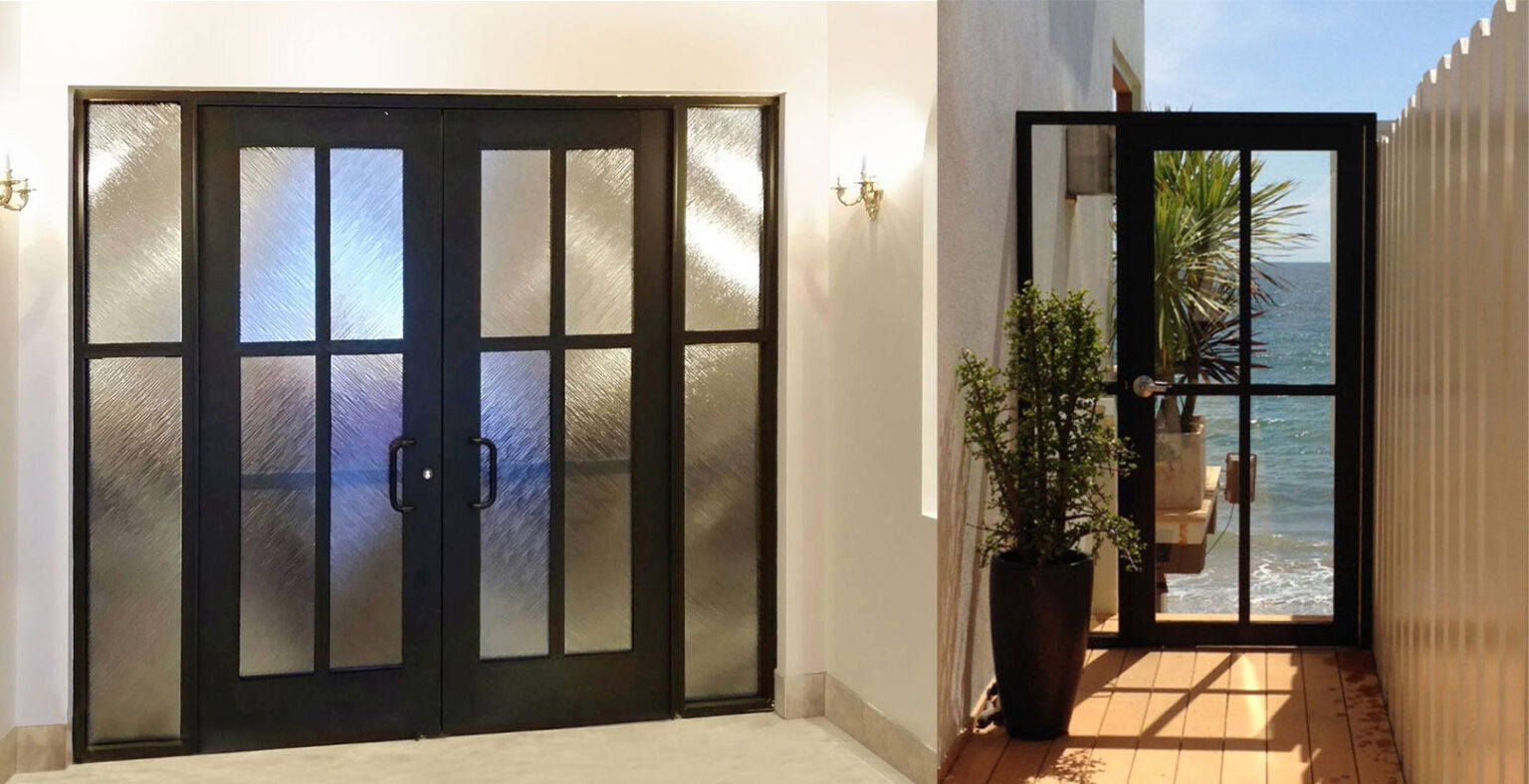
LEED certification measures how green your building or construction is, being an important part of this new era.

What LEED Certification Means

A LEED-certified project demonstrates compliance with rigorous environmental criteria across categories such as:

  • Energy performance and carbon reduction
  • Water efficiency
  • Material responsibility and waste reduction
  • Indoor air quality and occupant well-being
  • Sustainable site and community integration

LEED is also evolutionary: its rating systems continue to update (LEED v4, v4.1, v5) in response to new technologies, scientific evidence, and global sustainability targets.

With tens of thousands of certified buildings worldwide, LEED is today’s leading indicator of green building excellence.

LEED Rating Systems: Which Projects Can Get Certified?

One of LEED’s strengths is its flexibility. It adapts to nearly every building typology and development phase. The main rating systems include:

  1. Building Design & Construction (BD+C): For new buildings or major renovations: Commercial, mixed-use, core & shell, healthcare, hospitality, schools, warehouses, data centers.
  2. Interior Design & Construction (ID+C): For interior build-outs and fit-outs, ideal for: Corporate offices, retail, commercial interiors.
  3. Building Operations & Maintenance (O+M): For existing buildings seeking performance improvements with minimal construction.
  4. Neighborhood Development (ND): For community-scale projects integrating residential, retail, public space, and infrastructure.
  5. Residential (Homes): For single-family homes and low-rise or mid-rise multifamily buildings.
  6. Cities & Communities: For citywide programs measuring water, energy, waste, mobility, and quality of life metrics.

How LEED Works: Categories and Credit System

LEED uses a point-based system. Projects must meet mandatory prerequisites and then earn points across core environmental categories:

LEED Credit Categories

  • Integrative Process – Early-stage coordination to optimize performance.
  • Location & Transportation – Walkability, public transit, reduced vehicle impact.
  • Sustainable Sites – Site protection, open space, heat island mitigation.
  • Water Efficiency – Low-flow fixtures, irrigation reduction, water reuse.
  • Energy & Atmosphere – Energy modeling, commissioning, high-performance building envelope, renewable energy.
  • Materials & Resources – Recycled content, durability, low-emitting products, waste minimization.
  • Indoor Environmental Quality – Ventilation, air quality, daylighting, acoustics, occupant comfort.
  • Innovation – New sustainability strategies or industry-leading practices.
  • Regional Priority – Credits addressing local environmental needs.

Level

Points Required

Certified

40–49

Silver

50–59

Gold

60–79

Platinum

80–110

Benefits of LEED Certification for Builders, Owners & Occupants

LEED certification delivers measurable advantages throughout the life of a building:

Economic & Financial Benefits

  • Reduced operating costs: Lower energy, water, and maintenance expenses.
  • Higher asset value: LEED-certified buildings command sales premiums up to 11%.
  • Higher occupancy rates: Up to 4% increase in tenant demand.
  • Stronger long-term ROI: Durable materials and efficient systems reduce lifecycle costs.

ESG, Compliance & Brand Reputation

  • Tangible proof of environmental stewardship.
  • Supports ESG reporting for investment portfolios.
  • Helps companies demonstrate climate responsibility.
  • Aligns with global sustainability targets.

Health & Productivity Benefits

  • Improved indoor air quality and reduced pollutants.
  • More daylight access, better comfort, and reduced absenteeism.
  • Higher workplace satisfaction and employee retention.

Environmental Impact

  • Lower carbon emissions and energy consumption.
  • Reduced water use and waste diversion.
  • Protection of local ecosystems through responsible site design.
Many people need LEED verification to buy or lease a building, so it is also a very important way to increase business.

LEED Requirements: What Every Project Must Meet

Each rating system includes prerequisites that all projects must satisfy:

Core LEED Categories

  • Sustainable Sites – Erosion control, habitat preservation, responsible land use.
  • Water Efficiency – Indoor and outdoor efficiency strategies.
  • Energy & Atmosphere – High-efficiency HVAC, thermal envelope, commissioning.
  • Materials & Resources – Reuse, recycling, and low-impact materials.
  • Indoor Environmental Quality – Ventilation, low-emitting materials, daylighting.
  • Innovation & Regional Priority – Additional performance pathways.

Additional Categories for Homes

  • Location & Linkages
  • Awareness & Education
  • Innovation in Design

How to Achieve LEED Certification: Step-by-Step

  1. Define Your Target Level: Choose whether your project aims for Certified, Silver, Gold, or Platinum.
  2. Select the Appropriate Rating System: Based on building type and scope.
  3. Register the Project: Registration typically ranges from $900–$5,000 depending on size.
  4. Design Sustainability Strategies: Energy models, efficient glazing, recycled materials, air quality measures, water savings.
  5. Document Requirements & Credits: Submit documentation to USGBC/GBCI for verification.
  6. Certification Review: Review typically takes 20–25 business days before awarding certification.

How PRL Glass & Aluminum Helps Projects Earn LEED Credits

High-performance glass and aluminum systems play a critical role in LEED compliance. PRL contributes to key credit categories, including:

Energy & Atmosphere

  • Thermal performance through insulated and high-efficiency glass.
  • Low-E coatings to reduce solar heat gain and improve envelope efficiency.
  • Aluminum systems engineered for durability and long-term performance.

Indoor Environmental Quality

  • Solutions that enhance natural light and visual comfort.
  • Reduced need for artificial lighting through optimized daylighting.
  • Low-emitting materials available for interior applications.

Materials & Resources

  • Aluminum with recycled content.
  • Long-lasting systems that reduce replacement frequency and waste.

Sustainable Sites & Heat Island Reduction

  • Glass options that support shading strategies and solar control.
  • Façade systems compatible with green roofs and sustainable site design.

Other Architectural Certifications to Consider

In addition to LEED certification, several complementary standards can help ensure the performance and efficiency of your architectural project:

  • ASTM: develops standardized testing methods used to evaluate structural strength, air and water infiltration, impact resistance, and finish durability.
  • AAMA: means the system has been tested for air infiltration, water penetration, structural loading, and extended UV, humidity, and heat exposure that simulates years of real environmental conditions.
  • NFRC: provides independent energy-performance ratings for windows, doors, and curtainwalls.

By integrating PRL’s advanced glazing and aluminum systems, project teams can improve energy modeling outcomes and gain LEED points across multiple categories.

LEED certification is more than a recognition, it’s a commitment to designing healthier, more efficient and environmentally responsible spaces.

At PRL Glass & Aluminum, we manufacture high-performance glass and aluminum systems that support energy efficiency, daylighting, durability, and sustainable material use, key components of LEED-certified design.

Our engineering team can help you specify the right systems to meet your project’s LEED goals from concept to construction. 👉 Contact PRL Glass & Aluminum to support your sustainable building project.