Loading

Archives June 2026

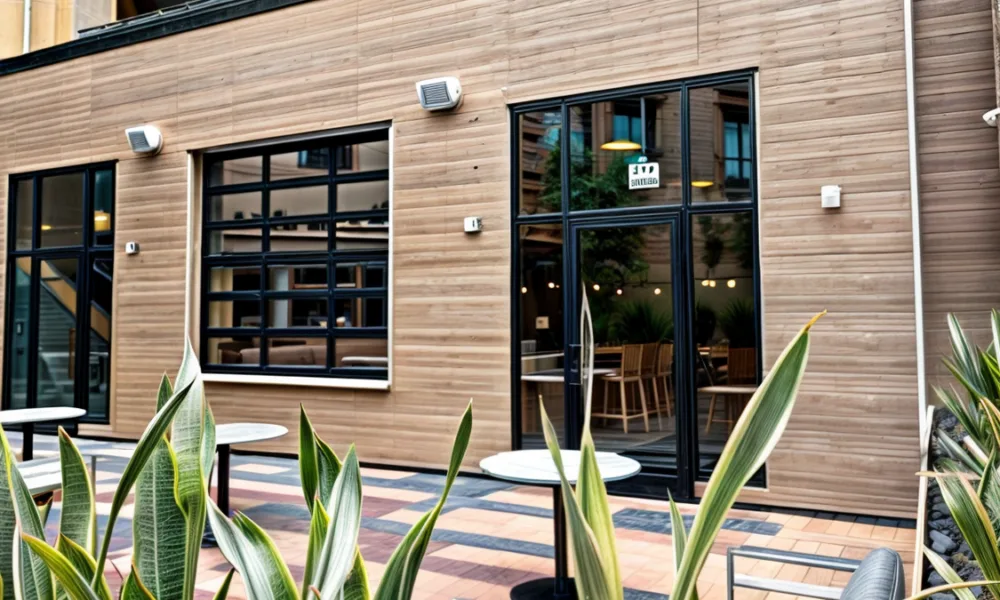
A premium home-safety image that reinforces the article’s message: preparing a property before traveling through practical technology, design, and prevention measures.

4 practical security considerations before summer vacation

Home / 2026 / June

Planning a vacation is an exciting process that involves packing, choosing destinations, and looking forward to some time off. However, it is common to wonder about the safety of one’s home during an extended absence.

Leaving a property unattended for a few days often brings peace-of-mind concerns. Fortunately, modern home security offers various options to help monitor households remotely.

Today, different security components are frequently designed to work together, as cameras alone might not prevent every type of incident. While surveillance helps monitor who approaches a property, integrating other elements can provide a more comprehensive approach.

For those organizing an upcoming trip, here are four practical tips that combine simple daily habits with technology and residential design.

1. Cameras with remote mobile access

Visual prevention is often a helpful first step. Installing security cameras or a video doorbell at the main entrance allows homeowners to review their surroundings from a smartphone, which can assist in deterring unexpected visitors.

Many modern devices are compact and designed to be placed discreetly by the door or in the garden without significantly altering the front facade.

  • A useful tip: Before heading out, checking the mobile application can help verify that the camera lenses are clean and the Wi-Fi connection is operating correctly.
A polished visual focused on modern residential security, combining the idea of smart monitoring, reinforced entry design, and vacation preparation in a clean editorial style

2. Reinforced doors with integrated design

There is a common perception that a secure entrance must look heavy or industrial, but contemporary residential design offers alternative options. It is possible to find tall, stylized doors with glass panels that allow natural light into the home during the day.

Security does not necessarily require sacrificing aesthetics or brightness. Entryways can feature large windows to keep foyers looking spacious and well-lit.

Reinforced options, such as the Sunny Lux line, combine aluminum and glass structures with anti-burglary features. In the event of a heavy impact, the glass is engineered to fragment while remaining held within the frame rather than falling apart. This type of structure generally requires more time and effort to bypass compared to standard doors.

3. Scheduled lighting systems

An entirely dark house can indicate that no one is home, while a light left on continuously for 24 hours may convey a similar message. Automation is often considered a practical alternative.

Smart bulbs can be managed via mobile apps to set specific schedules. Instead of keeping the entire house illuminated, timers can be set to mimic a standard daily routine—such as turning on the living room light at dusk, lighting hallways later in the evening, and turning everything off at a typical bedtime.

This regular variation can help suggest occupancy from the outside.

4. Pre-travel utility checks

General prevention also includes reviewing internal infrastructure to help avoid domestic accidents. Spending a few minutes checking utilities before departure can be beneficial.

Unplugging non-essential appliances helps protect them from potential power surges. Similarly, turning off the main water and gas valves can mitigate the risk of leaks or related issues while the home is empty.

A secure home layout does not have to appear completely closed off. By combining monitoring options, automated lighting schedules, and reinforced entry entryways, homeowners can travel with an added layer of preparation.

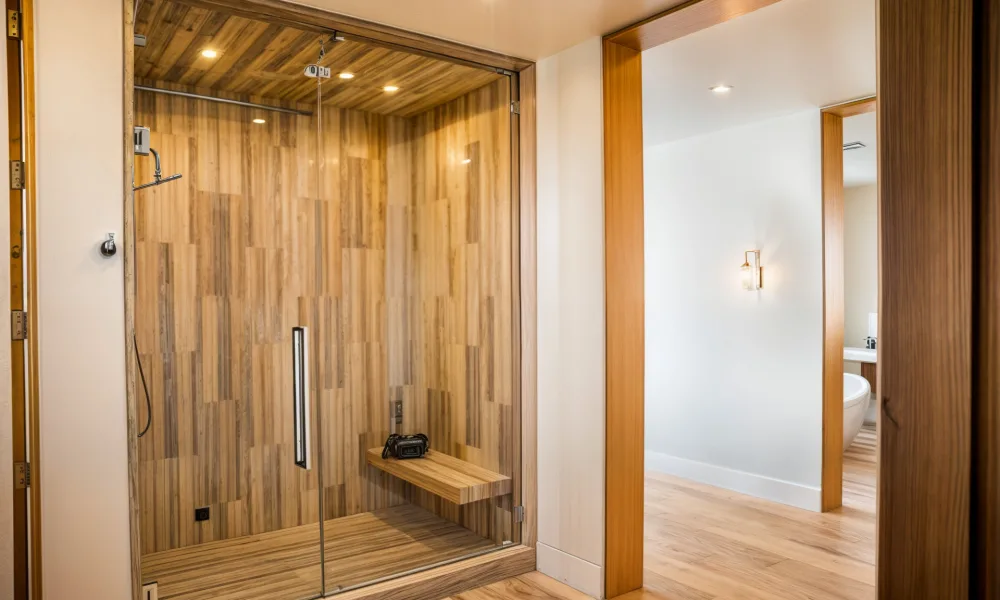
From offices to residential interiors, privacy glass supports flexible design by allowing glass surfaces to shift between clear and opaque

How Does Privacy Glass Work? A Simple Guide to Switchable Glass

Home / 2026 / June

Glass brings daylight, openness and visual connection into a space. The challenge is that clear glass does not always provide the privacy that offices, conference rooms, clinics, storefronts, bathrooms or residential interiors may need.

Privacy glass solves that problem by allowing the same panel to shift between transparent and opaque. Instead of adding blinds, curtains or permanent frosted glass, users can control visibility with a switch, remote, smartphone or automated system.

Switchable privacy glass helps create adaptable spaces where openness and privacy can coexist without relying on traditional coverings.

What Is Privacy Glass?

Privacy glass is a switchable glass solution that can move between two visual states: clear and opaque. In its clear state, it works much like regular glass. In its opaque state, it limits direct visibility while still allowing light to pass through.

This makes it useful in spaces where openness and privacy are both important. A room can remain bright and visually clean, but become private when needed.

In commercial projects, privacy glass is often used in conference rooms, private offices, healthcare environments, storefront interiors and hospitality spaces. In residential projects, it can be considered for bathrooms, front doors, interior partitions, sliding doors and other framed glass applications.

How Does Privacy Glass Work?

Most electric privacy glass systems use switchable technology inside the glass. One common option is PDLC, or polymer dispersed liquid crystal. In simple terms, the glass contains liquid crystal molecules that respond to electricity.

When power is applied, the molecules align and the glass appears clear. When power is off, the molecules scatter light and the glass takes on an opaque or frosted appearance.

For the user, the process is simple: turn privacy on when a space needs discretion, then switch back to clear glass when visibility is preferred.

Depending on the project, the glass may be controlled through a wall switch, remote control, smart device or building automation system.

Does Privacy Glass Still Let Natural Light In?

Yes. Privacy glass is designed to create privacy without fully blocking daylight.

When opaque, it limits direct views through the surface, but light can still enter the space in a softer, diffused way. This is one of the main differences between privacy glass and traditional coverings such as curtains or blinds, which can make a room feel darker or more enclosed.

For offices, bathrooms, meeting rooms and interior glass openings, this balance can be especially useful. The space can feel more private without losing the benefits of glass.

Privacy Glass vs. Frosted Glass, Tinted Glass and Privacy Film

Privacy glass is often compared with frosted glass, tinted glass and privacy film. Each option has a place, but they solve privacy in different ways.

  • Frosted glass provides privacy at all times. That can be useful, but it does not offer flexibility. Once installed, the glass remains frosted.
  • Tinted glass can reduce glare and make visibility more difficult from certain angles or lighting conditions, but it usually does not provide the same level of privacy as an opaque surface.
  • Privacy film can be applied to existing glass and may work for basic coverage. However, it is usually a surface-applied solution. Switchable privacy glass is different because the privacy function is built into the glass system itself.

The main advantage of electric privacy glass is control. The same opening can stay transparent when visibility is needed and become opaque when privacy is required.

lectric privacy glass offers a clean way to manage visibility while preserving the natural light and architectural clarity of glass

Where Is Switchable Privacy Glass Commonly Used?

Switchable privacy glass is useful in spaces where privacy needs change throughout the day.

Common applications include:

  • Conference rooms
  • Private offices
  • Healthcare spaces
  • Hospitality interiors
  • Bathroom windows
  • Residential bathrooms
  • Front doors
  • Glass entrance doors
  • Interior partitions
  • Storefront interiors
  • Sliding glass door systems
  • Framed aluminum and glass systems

In commercial settings, privacy glass can help create flexible spaces for meetings, consultations, client interactions or private work. In residential projects, it can provide privacy for bathrooms, entries and interior glass openings without adding separate coverings.

When to Consider Electric Privacy Glass for a Project

Electric privacy glass is worth considering when a project needs both transparency and privacy in the same opening.

It can be a strong option when:

  • Privacy is only needed at certain times
  • Curtains or blinds would interrupt the design
  • Natural light is important
  • A permanent frosted surface feels too limiting
  • The project requires a cleaner alternative to film or shades
  • The glass is part of a door, window, storefront or framed system

For architects, builders and property owners, switchable glass can simplify the design by placing the privacy function directly inside the glass system.

Learn More About PRL’s Switch-It Privacy Glass

PRL’s Switch-It Privacy Glass is designed for framed systems that combine aluminum and glass. It can be used in doors, windows, storefronts, sliding systems, partitions and other commercial or residential applications.

With the flip of a switch, the glass changes from transparent to opaque, helping create privacy when needed without covering the opening.

Learn more about PRL’s Switch-It Privacy Glass and explore options for your next project.