Loading

Aluminum doors and how to clean them

How to Clean Your Aluminum Door: Tips & Tricks

Home / Articles posted byEduardo Savin

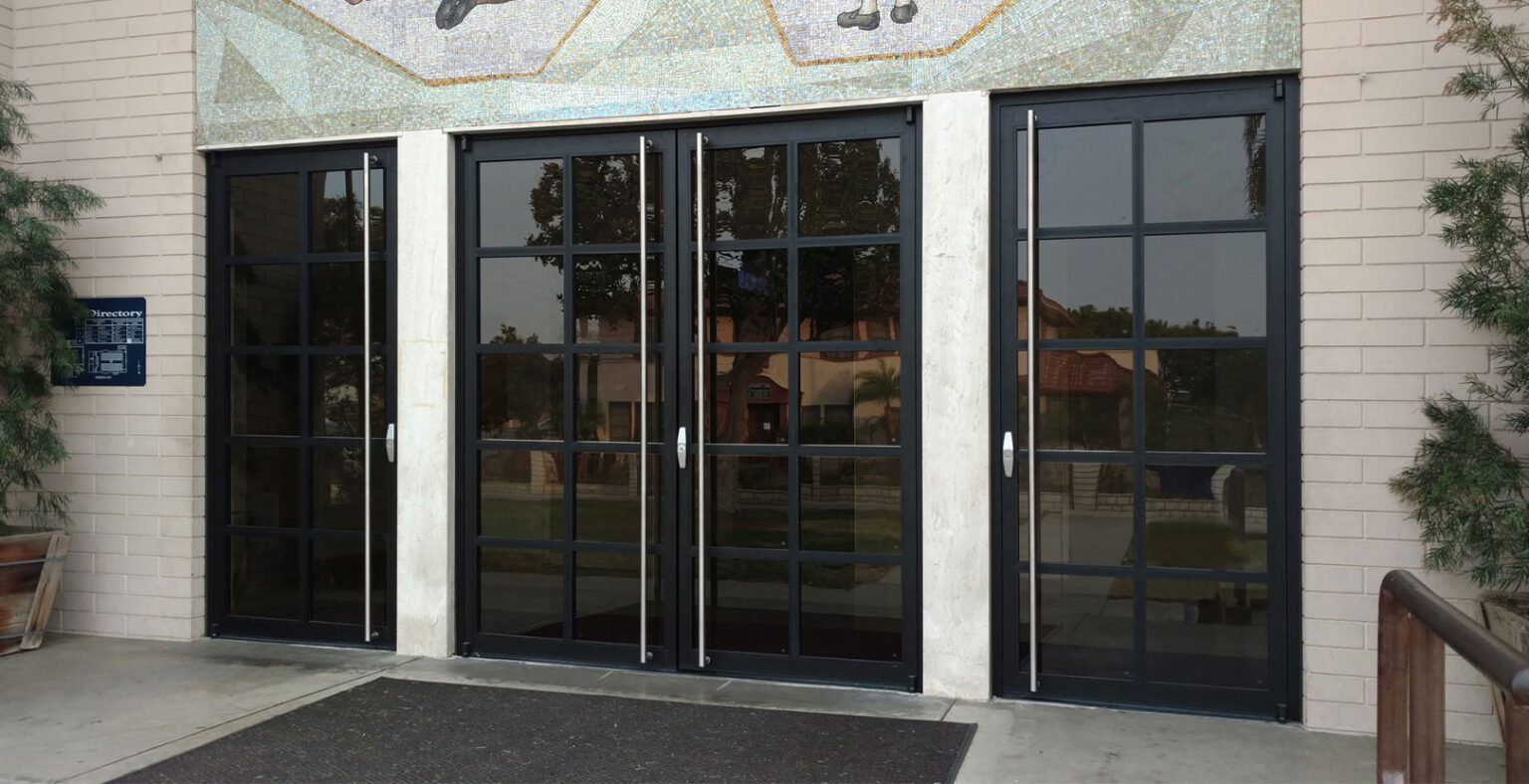
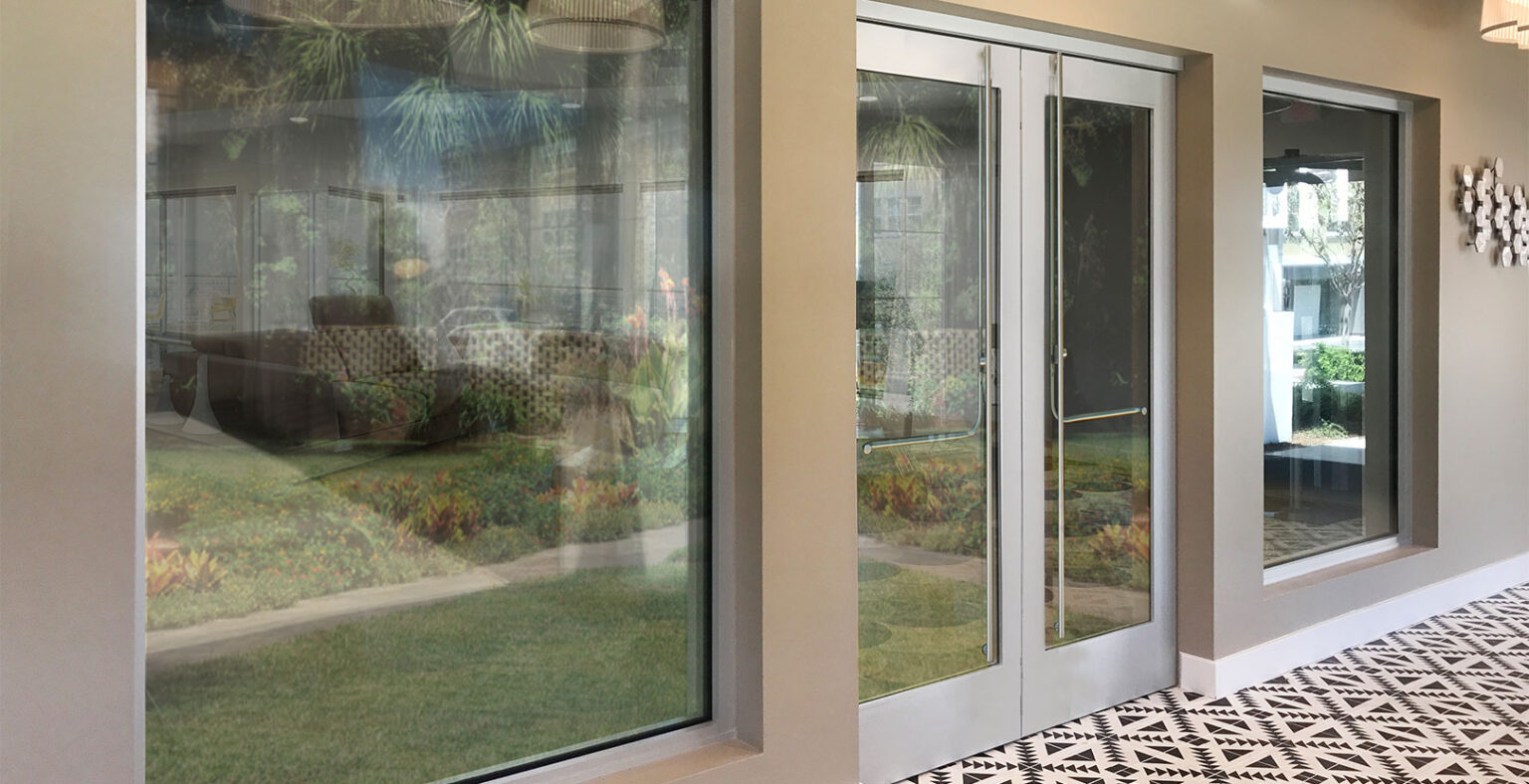
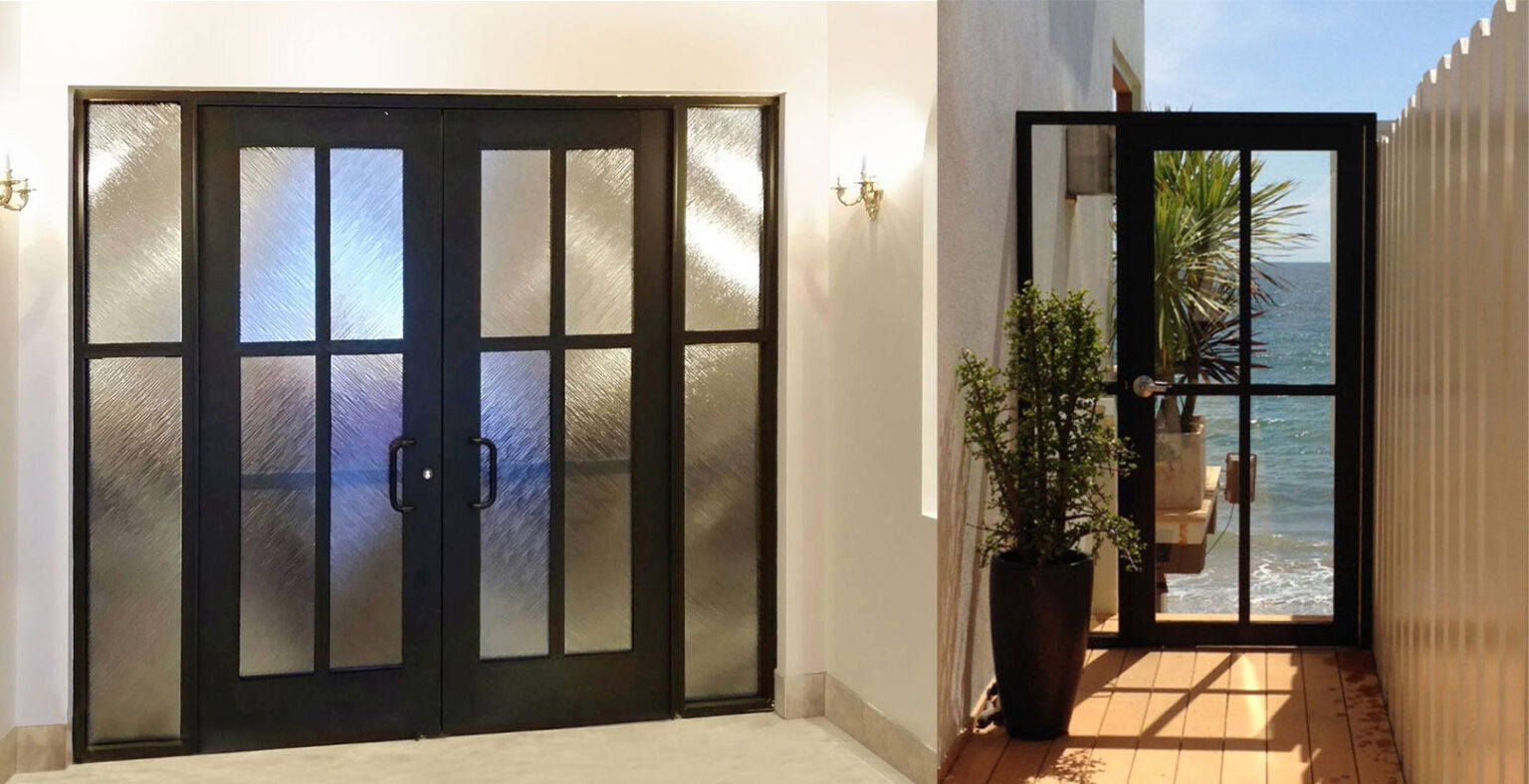
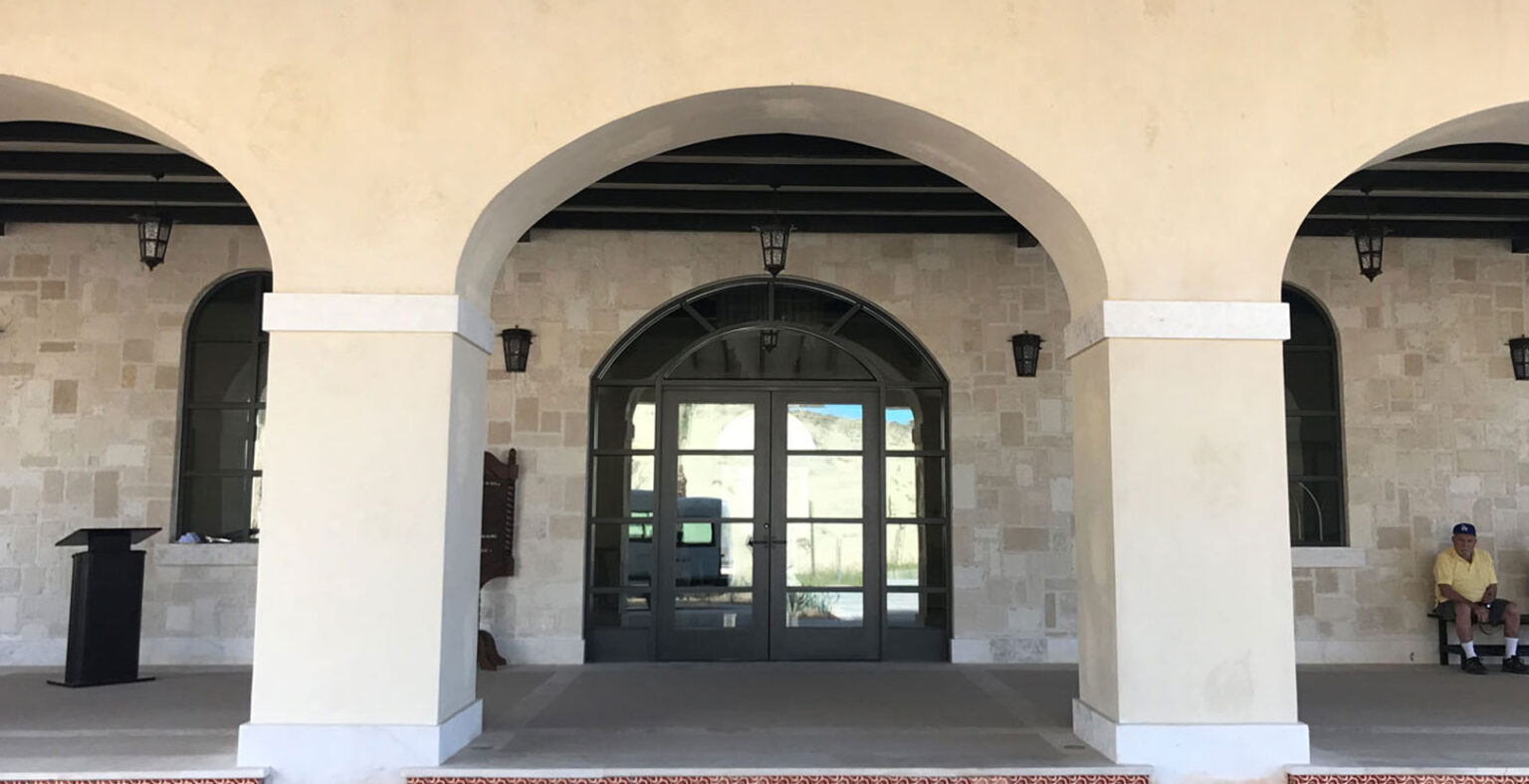
Aluminum doors are an ideal choice for both homes and businesses due to their strength, durability and modern aesthetics. However, to keep them in perfect condition, it’s important to perform proper maintenance and avoid the accumulation of dirt, stains or corrosion.  

Here are 8 steps to effectively clean and protect your aluminum door, ensuring it looks impeccable and prolonging its lifespan. 

Why is it Important to Clean Our Aluminum Doors? 

Aluminum doors are designed to last for many years, but their constant exposure to external agents such as dust, moisture, grease and contamination can deteriorate them over time 

Maintaining a cleaning routine not only contributes to the aesthetics of the home or business, but also brings the following benefits: 

Greater durability: Regular cleaning prevents the accumulation of dirt and debris that can generate corrosion or wear on aluminum. 

Prevents rust and corrosion: Although aluminum is a tough material, lack of maintenance can lead to staining or corrosion in humid climates. 

Improve appearance: Clean, shiny doors make any space look more modern and cared for. 

Improved functionality: Dust and dirt-free frames and hinges allow the door to function properly without obstructions. 

Hygiene and safety: Keeping doors clean prevents the accumulation of bacteria and germs, especially in high-traffic areas. 

Now that we know the importance of maintenance, let’s continue with the steps to properly clean and protect our aluminum doors. 

8 Steps to Clean & Protect Your Aluminum Doors 

Aluminum is one of the most widely used building materials because it is cheap, strong and stylish. But this does not mean that they don’t have to be cared for, as we have already mentioned. 

Here are some steps, tips and tricks to keep them clean. Of course, it all depends on your product, so we suggest you ask your installer for specific care, since bifolds may need more than products with glass, for example.

1. Remove Dust & Loose Dirt

Before applying any cleaning solution, remove dust and dirt to prevent scratches. 

  • Use a dry cloth or vacuum cleaner with a brush attachment to remove dust. 
  • For exterior doors, rinse the surface with a garden hose or a bucket of water. 
  • For interior doors, wipe with a damp microfiber cloth to lift dirt without scratching. 

💡 Tip: Avoid using wire brushes or abrasive sponges, as they can scratch the aluminum surface.

2. Wash the Frames with Mild Soap & Water

To clean aluminum without damaging its finish: 

  1. Mix warm water with a few drops of mild dish soap. 
  2. Use a soft sponge or microfiber cloth to gently wipe the door. 
  3. Pay extra attention to corners and edges where dirt accumulates. 
  4. Use a soft-bristle brush for stubborn spots. 
  5. Rinse with clean water to remove any soap residue. 
  6. This method keeps aluminum looking pristine without causing wear or fading. 
Cleaning aluminum doors (and more products) is an essential part of door care.

3. Remove Grease & Stubborn Stains

If your aluminum door has grease spots or stubborn dirt, try this natural cleaning method: 

  1. Mix ¼ cup of baking soda with ½ cup of lemon juice to create a paste. 
  2. Apply the paste to the stains using a sponge and let it sit for 5-10 minutes. 
  3. Gently scrub with a cloth and rinse with clean water. 

🍋 Bonus: This mixture not only cleans but also restores aluminum’s natural shine.

4. Rinse the Frames &Glass Panels Thoroughly

After applying cleaning products, it’s important to rinse off any residue: 

Use a hose for exterior doors or a damp cloth for interior doors. 

Repeat rinsing until all cleaning solutions are removed. 

Dry with a clean microfiber cloth to prevent water spots. 

💡 Tip: If your aluminum door has glass panels, use a streak-free glass cleaner for a crystal-clear finish.

5. Clean Interior Aluminum Frames

Interior aluminum doors require a slightly different approach since they don’t face exterior weather conditions: 

  1. Wipe down the surface with a damp cloth to remove dust. 
  2. Apply a mild soap solution with a sponge. 
  3. Use a soft-bristle brush for tight corners and grooves. 
  4. Dry thoroughly to prevent moisture buildup. 

This method ensures that sliding doors and other interior aluminum frames remain free of dust and grime.

6. Use a Specialized Cleaner for Heavy Dirt

If grime persists, a commercial aluminum cleaner may be necessary: 

Choose a biodegradable, non-toxic cleaner to avoid harsh chemicals. 

Follow the manufacturer’s instructions carefully. 

Wear gloves and ensure proper ventilation when using chemical cleaners. 

💡 Tip: Always test the cleaner on a small, hidden section first to check for compatibility with your aluminum finish.

7. Dry the Door to Prevent Water Damage

Once the cleaning is complete, drying is essential to avoid water stains and oxidation: 

  • Use a dry microfiber cloth to absorb excess moisture. 
  • For exterior doors, let them air dry in the sun. 
  • Avoid using hot air dryers, as they can damage the aluminum coating. 

💡 Tip: Proper drying also prevents mold and mildew from forming in humid areas. 

Remember to ask your supplier about the best options for cleaning your aluminum door. In some cases it is different depending on the technology you have.

Polish & Protect the Aluminum Finish

For a long-lasting shine and extra protection: 

Use fine steel wool with a bit of water for a polished look. 

Apply a specialized aluminum polish or wax to protect against dirt and moisture buildup. 

If there’s any oxidation, use a rust remover suitable for aluminum, testing it on a small area first. 

This step helps maintain the aluminum’s sleek, modern appearance while adding an extra layer of protection. 

Conclusion 

Aluminum doors offer exceptional durability, low maintenance, and a sleek modern look, but they require regular cleaning to stay in top condition. By following these 8 simple steps, you can keep them free of dirt, stains, and corrosion while ensuring their long-term functionality. 

🔹 Clean at least once a month to maintain the best appearance. 
🔹 Use protective wax for added durability in outdoor environments. 
🔹 For glass doors, pair with a high-quality glass cleaner to prevent streaks. 

When you purchase a PRL product, our experts can inform you step-by-step on how to care for your product, as there may be other steps to keep your product in excellent condition. 

PRL, glass & aluminum manufacturers in California

Glass and Aluminim Manufacturers in California – PRL Glass & Aluminum

If you are looking for high-quality aluminum and glass doors in California, PRL Glass & Aluminum is your top choice. With decades of experience, we provide custom architectural solutions that blend aesthetics, durability, and efficiency for both residential and commercial projects. 

Are You in California? Get in Touch with PRL Glass & Aluminum 

If you need aluminum and glass doors in California, trust PRL Glass & Aluminum for premium solutions. 

We serve in Los Angeles, San Diego, San Francisco, San Jose, Fresno, Sacramento and more. 

Service 

Contact Number 

Aluminum Division 

📞 877-775-2586 

Glass Division 

📞 800-433-7044 

📍 Visit our locations in City of Industry, California, and explore our wide range of innovative, high-quality aluminum and glass solutions!

High-Quality Aluminum and Glass Solutions in California 

At PRL Glass & Aluminum, we specialize in manufacturing and distributing a wide range of products, including: 

  • Aluminum doors – Modern, durable, and stylish solutions for businesses and homes. 
  • Glass Doors – Various styles and indescribable beauty

Our in-house production ensures precision and premium quality, meeting the highest industry standards while delivering customized solutions tailored to your needs. 

Why Choose PRL Glass & Aluminum in California? 

Strategically located in City of Industry, CA, we serve clients across Los Angeles, San Diego, San Francisco, Sacramento, San Jose, Oakland, Fresno, Long Beach, Anaheim, Bakersfield, and beyond. 

  • Fast and reliable manufacturing – We design and fabricate locally, ensuring quick turnaround times. 
  • Premium-grade materials – Our glass and aluminum products are built to last, offering superior resistance to wear and weather conditions. 
  • Custom solutions for every project – Tailored dimensions, finishes, and styles to match any architectural design. 
  • Expert customer support – Our experienced team is ready to assist you in selecting the best products for your project. 


PRL is present in California with fast deliveries and our full guarantee.

Why Aluminum and Glass Are a Growing Trend in California 

California’s architecture is shifting towards modern, energy-efficient, and sustainable designs, making aluminum and glass the go-to materials for new construction and renovation projects. Their popularity is driven by: 

  • Sustainability – Aluminum is 100% recyclable, and glass maximizes natural light, reducing energy consumption. 
  • Modern Aesthetic – Sleek, contemporary designs that enhance the look of residential and commercial properties. 
  • Durability & Low Maintenance – Both materials withstand harsh weather conditions and require minimal upkeep. 
  • Energy Efficiency – Glass facades and aluminum frames help regulate indoor temperatures, improving insulation and reducing costs. 

These benefits make aluminum and glass an ideal choice for businesses, luxury homes, and commercial buildings across California. 

PRL glass and Aluminum Available throughout the United States 

PRL Glass are in California and all the country. With project customization and fast shipping, PRL is a leader in manufacturing and project design in the United States, delivering high quality glass solutions and aluminum systems.  

We service all 50 states in the United States. 

Texas 

Florida 

Nevada 

Arizona 

New York 

PRL, glass & aluminum manufacturers in California
Advantages and Disadvantages of Aluminum Doors

Advantages (and Some Disadvantages) of Aluminum Doors for Your Project

Home / Articles posted byEduardo Savin

Do you know the advantages of aluminum doors?  When selecting doors for your home or business, choosing the right material can significantly impact energy efficiency, durability, and aesthetics. Among the many options available, aluminum doors stand out as the smartest investment due to their unmatched strength, sleek design, and long-term savings. 

Here’s why aluminum doors are the go-to choice for modern architecture and sustainable buildings. 

🔹 Did you know? Buildings with thermally broken aluminum doors can reduce energy loss by up to 40%, leading to lower utility bills and improved indoor comfort. 

7 Key Advantages of Aluminum Doors 

Aluminum doors, due to their great value for the money, are a great option for most projects. Do you know the most important advantages? Here we’ll tell you about them. 

1 – Built to Last: Durability & Weather Resistance 

Unlike wood that warps over time or steel that rusts, aluminum doors are corrosion-resistant and withstand harsh weather conditions. Whether it’s heavy rain, high humidity, or scorching sun, they maintain their integrity for decades. 

2 – Low Maintenance, High Longevity 

Forget about frequent repainting or rustproofing! A simple wipe with soap and water keeps aluminum doors looking brand new. No cracking, no fading—just lasting beauty and performance. 

👉 Here some cleaning tips for aluminum doors

3 – Energy Efficiency: Save on Heating & Cooling 

Modern thermally broken aluminum doors feature insulating barriers that prevent heat transfer. This means: 

✅ Cooler interiors in summer (no excessive heat gain) 
✅ Warmer spaces in winter (no unnecessary heat loss) 
✅ Lower energy bills year-round 

4 –  Contemporary & Customizable Aesthetics 

If you want modern elegance, aluminum doors deliver! With slim profiles and customizable finishes, they maximize natural light and visual appeal. Powder-coated or anodized finishes provide endless color options to match any design. 

5 – Advanced Security for Ultimate Protection 

Safety matters! Aluminum doors offer reinforced frames that are resistant to forced entry. Paired with high-tech locking mechanisms, they provide top-tier security for homes, offices, and commercial buildings. 

6 – Eco-Friendly & Sustainable Choice 

Aluminum is 100% recyclable, reducing carbon footprints and promoting sustainable construction. By choosing eco-friendly doors, you contribute to a greener planet while benefiting from energy efficiency. 

7 – Long-Term Savings & Cost Efficiency 

While the initial investment may be slightly higher, aluminum doors pay for themselves with: 

💰 Fewer replacements (they last decades!) 
💰 Lower maintenance costs (zero rust or deterioration) 
💰 Reduced energy bills (better insulation means less heating/cooling use) 


The aluminum door has many advantages such as being an eco-friendly material.

Some Disadvantages of Aluminum Doors 

Although aluminum doors offer exceptional durability, energy efficiency and modern aesthetics, it’s important to mention their potential drawbacks before making a final decision, as no material is perfect. Here are some key factors to consider: 

Susceptibility to Water Staining 

Although aluminum doors do not rust, they can develop stains when exposed to constant moisture, especially in rainy or humid environments.  

Over time, these stains can increase in visibility, affecting the overall appearance. Periodic cleaning and protective coatings can help mitigate this problem and maintain the door’s elegant finish. 

Higher Initial Cost 

Aluminum is a premium material, and its price fluctuates due to market conditions. This means aluminum doors tend to be more expensive than those made from wood or PVC. However, their long lifespan, minimal maintenance needs, and energy-saving properties often make them a cost-effective investment in the long run. 

Professional Installation Required 

Unlike some other door materials, aluminum requires expert installation to ensure a proper fit and optimal performance. The precision needed for sealing and alignment makes hiring experienced professionals essential to maximize durability and insulation benefits. 

Despite these considerations, aluminum doors remain a top choice for residential and commercial projects thanks to their superior strength, versatility, and modern appeal. With the right maintenance and professional installation, they provide lasting performance and value for any space. 

Savings and protection with Thermally Broken System

Thermally Broken Systems: The Key to Superior Energy Efficiency

Home / Articles posted byEduardo Savin

When it comes to windows and doors, energy efficiency is a top priority in modern construction. One of the most effective ways to improve insulation and thermal performance is to use thermally broken systems.  

This advanced technology significantly reduces heat transfer, improving comfort and reducing energy costs in homes and commercial buildings.  

Don’t know what our thermally broken system is? Here, we’ll tell you all about it and why you should add it to your project.   

What does Thermally Broken System mean? 

The thermally broken term refers to a window or door frame that includes an insulating barrier between its inner and outer sections. This barrier, usually reinforced, helps minimize the transfer of heat and cold through the frame, significantly improving the energy efficiency of the window.  

Likewise, this reinforcement between the frames prevents outside temperature changes from affecting the inside 

How the Thermally Broken System Works 

In traditional systems, heat and cold pass easily through the material, making it a poor insulator. This causes heat loss in winter and heat gain in summer, reducing the efficiency of even high-performance glazing.  

Thermally broken systems include an insulating strip that separates the inner and outer profiles, forming a thermal barrier. This band drastically reduces heat and cold conductivity, helping to maintain a stable interior temperature.  

Combined with double glazing or low-emissivity glass, thermally broken systems provide superior insulation, reducing the need for excessive heating or cooling, and are a great ally for the environment.  

The Thermally Broken System is designed to maintain a warm temperature.

Why is the Installation of a Thermally Broken System Important? 

In addition to looking stylish by combining glass or aluminum (like Storefront systems), thermally broken systems are important for virtually every type of project. Here are 5 reasons to consider them. 

  • Reducing heat loss and heat gain: Up to 49% of a home’s heat loss in winter escapes through windows. In summer, 87% of the outside heat enters through untreated windows and something similar happens in winter. This is significantly reduced with thermally broken systems.    
  • Lower energy costs: By maintaining a stable indoor temperature, thermally broken systems help reduce reliance on heating and cooling systems, resulting in lower energy bills.  
  • Increased comfort and prevention of condensation: Thermally broken systems can prevent condensation buildup, resulting in no mold and mildew and interior damage to the interior. It also improves indoor air quality and protects your home from moisture-related problems.   
  • Increased durability and strength: These systems can be anodized or powder coated for added durability, making them resistant to UV exposure, salt corrosion and extreme weather conditions. Ideal for harsh climates, they maintain their performance over time.  
  • Environmentally friendly and sustainable: By reducing energy consumption, thermally broken systems help reduce the carbon footprint, making it a sustainable option for green buildings. They contribute to meeting modern energy efficiency standards and certifications.  


Thermally Broken Systems also helps to protect against dust or snow

PRL Glass Offers the Best Thermally Broken Systems 

At PRL Glass, we specialize in temperature insulation solutions. Thanks to our experience working in California, where extreme climates are common, we have developed systems that will help you maintain even temperatures in your home, building or store.   

PRL’s thermally broken systems offer a range of advantages designed to enhance energy efficiency, installation convenience, and overall performance for your projects. 

🔹 All-in-One Solutions: Our systems come fully equipped with all necessary components, hardware, and materials, ensuring a seamless installation process. 
🔹 Exceptional Thermal Insulation: Designed to minimize heat transfer, our thermally broken frames improve energy efficiency, lower operational costs, and create a more comfortable indoor environment. 
🔹 Industry-Leading Lead Times: With our streamlined in-house manufacturing, PRL delivers faster than the competition, keeping your projects on schedule. 
🔹 Adaptability Across Industries: Whether for retail, office buildings, educational institutions, or commercial spaces, our solutions cater to a variety of architectural needs. 

At PRL, we stand out by providing premium aluminum solutions with the fastest turnaround times in the industry. Our commitment to efficiency and quality is backed by: 

Complete In-House Manufacturing & Extrusions – Full control over production ensures precision and consistency. 
Stringent Quality Control – Every system undergoes rigorous inspection to guarantee top-tier performance. 
Immediate Stock Availability – Standard-length materials are always ready to ship, reducing wait times. 

For projects that demand superior insulation, durability, and efficiency, PRL’s thermally broken systems are the smart choice. Contact us today to get started! 

Energy savings in buildings

Energy Efficiency in Buildings. An Increasingly Important Trend

Home / Articles posted byEduardo Savin

A building’s energy performance depends on more than its heating and cooling equipment. Walls, roofs, windows, doors and framing systems determine how easily heat moves between indoor and outdoor environments.

When the building envelope performs poorly, HVAC systems must compensate for heat loss, solar heat gain and air leakage. During colder months, heat moves through poorly insulated surfaces, while conditioned air may escape through gaps around windows, doors and joints. In warmer conditions, direct sunlight and high outdoor temperatures can increase cooling demand.

High-performance glazing, effective seals and properly designed aluminum frames can limit these exchanges. Technologies such as insulating glass, Low-E coatings and thermally broken framing can improve indoor comfort while reducing the energy required to maintain stable temperatures.

Energy efficiency is one of the new architectural trends in 2025

What Is Energy Efficiency in a Building?

Building energy efficiency refers to the ability to maintain comfortable and functional indoor spaces without consuming more energy than necessary.

It depends on the interaction between several elements:

  • Building design and orientation.
  • Performance of walls, roofs and exterior openings.
  • Heating, ventilation and air-conditioning systems.
  • Air leakage around doors, windows and joints.
  • Glass and framing specifications.
  • Local climate and seasonal temperature changes.

Thermal performance is one part of energy efficiency. It describes how well the building envelope controls heat transfer between the interior and exterior.

A building with better thermal performance experiences fewer temperature fluctuations around its perimeter. This can reduce the workload placed on heating and cooling systems and improve comfort near windows, entrances and glazed walls.

How the Building Envelope Controls Heat Transfer

The building envelope separates conditioned interior areas from the outdoor environment. It includes roofs, walls, floors, windows, skylights, storefronts and exterior doors.

Heat commonly moves through the envelope in three ways:

  • Conduction: Heat passes through materials such as glass, aluminum, concrete and framing components.
  • Solar heat gain: Solar radiation enters through glazing and raises indoor temperatures.
  • Air infiltration: Outdoor air passes through gaps, joints or poorly sealed openings.

A storefront, for example, may conduct heat through its aluminum frame while also allowing air to pass through worn seals or improperly finished perimeter joints.

Exterior openings require particular attention because several materials and connection points meet within a relatively small area. Glass, framing, gaskets, thresholds and surrounding construction must work together to control heat transfer and air leakage.

Exterior entrances

Commercial entrances are opened frequently and remain exposed to changing outdoor conditions. Gaps around door panels, thresholds and frames may allow unwanted airflow, particularly when seals are damaged or incorrectly fitted.

Glazed openings

Large glass areas provide daylight, visibility and an open architectural appearance. Their energy performance, however, depends on the glass composition, coatings, sealed airspace and framing system.

Aluminum frames

Aluminum offers strength, durability and narrow profiles, making it suitable for storefronts, entrances and other architectural systems. Because it conducts heat efficiently, exterior aluminum framing may require a thermal break to separate its indoor and outdoor surfaces.

Joints and transitions

Connections between glass, frames, walls and adjacent materials must be sealed correctly. Even a well-designed glazing system can underperform when installation gaps permit uncontrolled airflow.

How Windows and Doors Affect Building Performance

The performance of a window or door depends on the complete assembly rather than one material considered in isolation.

Important factors include:

  • Number and type of glass panes.
  • Width and condition of the sealed airspace.
  • Low-E or reflective coatings.
  • Thermal performance of the frame.
  • Quality of gaskets and perimeter seals.
  • Size and orientation of the opening.
  • Direct solar exposure.
  • Fabrication and installation quality.

A system designed for the building’s climate and orientation can limit heat loss during colder periods and reduce unwanted solar heat gain in warmer weather. It can also improve interior surface temperatures, reducing uncomfortable hot or cold zones near exterior openings.

A west-facing commercial storefront, for example, may require greater solar control than a shaded entrance. An opening in a colder climate may place more emphasis on insulating performance and interior surface temperature.


Aluminum and glass provide first-rate thermal insulation

Energy-Efficient Glass Options

Glass selection affects thermal performance, daylight, glare, appearance and occupant comfort. The appropriate configuration depends on the location of the opening and the priorities of the project.

Insulating Glass Units

Insulating glass units, or IG units, consist of two or more panes separated by a sealed airspace.

Compared with single-pane glass, this construction reduces heat transfer through the glazed area. IG units may also incorporate tempered, laminated, tinted or coated glass, depending on the application.

Their performance is influenced by:

  • Glass composition.
  • Airspace width.
  • Spacer system.
  • Perimeter seal.
  • Low-E coatings.
  • Framing system.

Insulating glass is widely used in exterior windows, entrances, storefronts and other applications where thermal performance is a design priority.

Low-E Glass

Low-emissivity glass includes a thin coating that controls the movement of infrared energy through the glazing.

Depending on the coating and its placement within the glass assembly, Low-E glass can reduce heat loss, limit solar heat gain or balance both requirements. It allows projects to improve thermal performance without eliminating natural light or exterior visibility.

Low-E coatings are commonly incorporated into insulating glass units to improve the performance of the complete assembly.

Reflective Glass

Reflective glass is designed to reflect part of the solar energy reaching the building. It can reduce glare and solar heat gain while creating a distinct exterior appearance.

This option is often considered for commercial facades and large glazed openings exposed to strong sunlight. Its use should account for building orientation, desired visible light levels and the appearance of the surrounding facade.

Why Thermally Broken Aluminum Systems Matter

Aluminum is frequently used in storefronts and exterior entrances because it combines structural performance, durability and clean architectural lines. Its conductivity, however, can allow exterior temperatures to move through the frame.

A thermally broken system separates the interior and exterior aluminum sections with a less conductive material. This interruption limits direct heat transfer through the frame.

Depending on the complete system and project conditions, thermal breaks can provide:

  • Better frame thermal performance.
  • More stable interior surface temperatures.
  • Improved compatibility with insulating glass.
  • Greater comfort near exterior openings.
  • Better condensation control under appropriate indoor and outdoor conditions.

Using high-performance glass with a conventional conductive frame may limit the improvement achieved by the glazing. For this reason, the glass and aluminum system should be specified together.

  • Benefits Beyond Lower Energy Use: Improved thermal performance can affect more than utility consumption.
  • Greater comfort near exterior openings: Better-performing glass and frames reduce extreme interior surface temperatures. This can limit hot and cold zones near windows, storefronts and entrances.
  • Lower heating and cooling loads: When the envelope limits heat transfer and air leakage, HVAC equipment has fewer temperature changes to compensate for. The actual reduction in energy use depends on the climate, building design, existing equipment and installation quality.
  • Improved condensation control: Higher interior surface temperatures can reduce the likelihood of condensation in colder conditions. Indoor humidity, ventilation and exterior temperature must also be considered.
  • Acoustic improvement: Insulating glass may contribute to better sound control, particularly when combined with laminated glass, different glass thicknesses or asymmetric configurations. Acoustic performance should be evaluated separately from thermal performance because the best solution for one objective is not always the best for the other.

What to Consider Before Selecting a System

The appropriate glass and aluminum configuration changes with the building, climate and intended application. Before specifying an exterior system, project teams should evaluate:

  • Local climate and seasonal temperature ranges.
  • Orientation and solar exposure.
  • Size and location of glazed openings.
  • Applicable building and energy codes.
  • Required U-factor and solar heat gain performance.
  • Safety, security and impact requirements.
  • Desired daylight and exterior appearance.
  • Interior humidity and potential condensation.
  • Compatibility between glazing, framing, seals and hardware.
  • Fabrication and installation requirements.

These factors help determine whether the project requires insulating glass, a Low-E or reflective coating, thermally broken framing or a combination of several technologies.

Energy-Efficient Glass and Aluminum Solutions from PRL

PRL Glass & Aluminum fabricates coordinated glass and aluminum systems for residential, commercial and industrial projects.

Available options include insulating glass units, Low-E and reflective coated glass, as well as thermally broken aluminum systems for storefronts, entrances and bifold doors. Glass configurations can be selected according to the thermal, safety and architectural requirements of the application.

PRL can also provide complete pre-glazed systems with specified hardware and materials. Coordinating the glass and aluminum within the same fabrication process can reduce compatibility issues and simplify installation at the project site.

For buildings that require improved thermal performance, PRL can help architects, contractors and property owners evaluate glass and framing options based on the opening, climate and intended use.

Thermally Broken System at Storefront

Thermally Broken Systems Storefronts from PRL: high Performance and Fast Delivery

Home / Articles posted byEduardo Savin

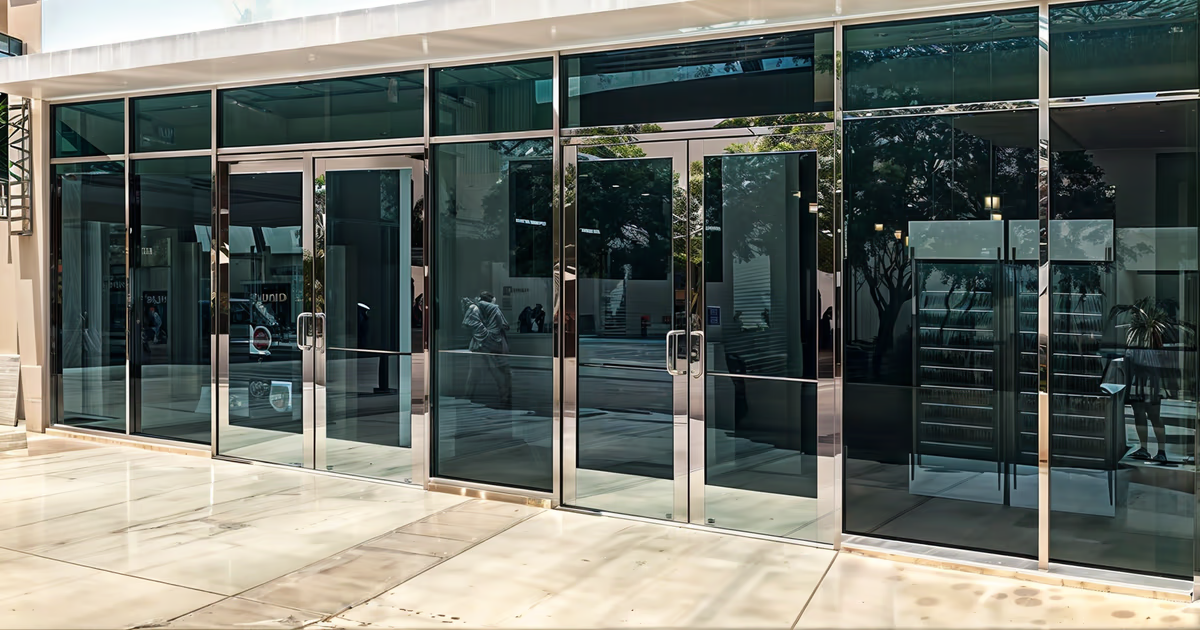
PRL Glass offers complete solutions in Aluminum Storefronts, designed to maximize performance, simplify installation and ensure flawless aesthetics.

Thermally Broken System Storefronts are gaining popularity in modern commercial projects due to their advantages in thermal insulation and energy efficiency. Our system stores and retains natural heat to prevent the build-up of heat in the building.

At PRL, we manufacture five series of center and offset glazing systems, in addition to a wide variety of aluminum extrusions to customize each project.

Thermally Broken System Storefronts: Turnkey Solutions

PRL’s complete storefront systems with our Thermally Broken include tempered glass or insulating glass (IG) units to improve the energy efficiency of any building. Each entrance and commercial storefront is shipped pre-screened and ready to install, incorporating all customer-specified hardware and materials.

Offset Glazed Systems:

  • 251: 1“ Glazing | Sections: 2” x 4 ½”
  • 251DT: 1“ Thermally Breakable Glazing | Sections: 2” x 4 ½”

Center Glazed Systems:

  • 400: ¼“ Glazing | Cross Sections: 1 ¾” x 4”
  • 450: ¼“ Glazing | Cross-sections: 1 ¾” x 4 ½”
  • 250DT: 1“ Thermally Broken Glazing | Sections: 2” x 4 ½”
All about the Thermally Broken System Storefronto by PRL Glass

Key Features of Aluminum Storefronts

Both our regular Storefront and our new Thermally Broken System, the main features are:

Glazing Options: Center or Offset Glazing
Standard Stock Lengths: 24 ft.
✔ Aluminum Finishes: Clear Anodized or Dark Bronze or Powder Coatings and Kynar Paints.

Benefits of PRL Glass Thermally Broken Systems Storefronts

Thermally Broken Systems from PRL have many benefits for your business:

🔹 Complete and Customized Systems: include all parts, hardware and materials for easy installation.
🔹 Superior Insulation: Thermally broken versions improve energy efficiency and reduce operating costs.
🔹 Express Delivery: we manufacture and ship orders in faster lead times than the competition.
🔹 Versatility for Different Projects: options for retail, office, school and other commercial spaces.

Why Choose Thermally Broken System Storefronts by PRL Glass?

At PRL, we differentiate ourselves by offering aluminum solutions with the fastest lead times in the market. Thanks to our in-house production control, we guarantee:

✅ Manufacturing and extrusion in our facilities.
✅ Exhaustive quality control in each system.
✅ Immediate stock availability for standard lengths.

Storefronts with thermal system

Request a Quote for Aluminum Storefronts Today

If you’re looking for ready-to-install aluminum storefronts with high efficiency and quality, PRL Glass has the ideal solution for your project.

📞 Phone: 800-433-7044
📍 Address: PRL Glass Systems, Inc. – 13644 Nelson Ave, City of Industry, CA 91746

🚀 Request your quote and receive aluminum storefronts in record time!