Loading

Archives 2026

Different glass stair railing systems work better under different project conditions, which is why mounting type and usability should be considered early.

How to Choose the Right Glass Stair Railing System for Your Project: Design, Safety, and Handrail Height Considerations

Home / 2026

Choosing a glass stair railing system is not only about finding the option that looks best. The right choice also depends on how the system will be mounted, how open the final design should feel, what level of support the space requires, and which dimensional decisions need to be resolved early. A successful system is not defined by appearance alone, but by how well it works in the real conditions of the project.

That is especially true when the railing plays a central role in the architectural design. In a modern interior stair, the priority may be to create a cleaner, more open look. In other cases—such as balconies, exterior transitions, or more technically demanding stair runs—the better choice may be a system that offers more visible support, easier installation, or greater flexibility in its configuration. The strongest selection process looks at all of those factors together.

The right glass stair railing system should be chosen according to design intent, mounting conditions, and the way the stair will actually be used.

What to Evaluate Before Choosing a Glass Stair Railing System

The first question is not which system looks better, but which one fits the project better. That usually starts with a few basics: whether the application is residential or commercial, whether the system will be installed indoors or outdoors, how minimal or structured the final design should feel, and how much customization the project is likely to require.

Usage matters too. A system for a private interior stair does not need to solve the same problems as one intended for a busier circulation area. Some projects are driven by the goal of preserving open views. Others benefit more from a configuration that simplifies installation, allows later adjustments, or introduces a more defined top edge.

Practical considerations also come into play early: maintenance expectations, budget, edge conditions, available supporting structure, and finish requirements. The sooner those variables are understood, the easier it becomes to choose a system that will work as well on site as it does in concept.

How Design Goals Shape the Right Glass Railing System

Design is often the starting point, and for good reason. With glass stair railing systems, visual impact is one of the main reasons people choose them in the first place. But even within that category, the design direction can vary a great deal.

Some projects aim for a frameless look with as little visible hardware as possible. Others need a stronger outline, a more defined top edge, or a system that feels more anchored within the architecture. A stair meant to feel light and almost transparent will not call for the same solution as one that needs more visible structure or stronger visual framing.

That is where the system itself starts to matter more. A side-mounted frameless approach may be ideal when openness and a more refined architectural feel are the main priorities. A modular aluminum solution may make more sense when durability, efficiency, and a clearer structural rhythm matter more. And in stairs with unusual angles or more specific technical conditions, a more adaptable post-based system may simply be the better fit.

The clearer the design intent is from the beginning, the easier it becomes to narrow the field and avoid choosing a system that looks right in theory but feels wrong once installed.

What Safety Features Buyers Should Not Overlook

Even in highly design-driven projects, safety should not be treated as a separate conversation. A glass stair railing system has to do more than preserve views or improve the look of a stair. It also has to feel stable, support user confidence, and make sense for the way the space will actually be used.

That starts with the system itself. The type of glass, the way the panels are supported, the presence or absence of a defined gripping element, and the continuity of the railing line all affect how the system performs in everyday use. A cleaner look is not always the same as a better fit. Some projects benefit from a more minimal edge, while others work better with a more defined handrail or top treatment that improves comfort and usability.

This matters even more on stairs, where the railing is not just part of the visual composition but part of the experience of moving through the space. A system that looks elegant in elevation still has to feel right when people actually use it.

How Mounting Conditions Affect the Right System

Mounting conditions are one of the most practical parts of the selection process, and often one of the most decisive. They affect not only the appearance of the system, but also the installation method, maintenance logic, and overall feasibility of the design.

Some projects are better suited to side-mounted systems, where the glass is secured directly to the side of the stair or deck structure. This approach is often chosen when the goal is to preserve a frameless look and keep the walking surface visually clean. In that kind of application, Elegante is a strong fit. Its standoff-based design creates a more open and refined result by eliminating the need for a base shoe and allowing the glass to connect directly to the side structure.

Other projects call for a base shoe system. In those cases, the design may still aim for a minimal appearance, but the mounting logic is different. A solution like Rapid Dryset makes particular sense when installation efficiency matters or when the project benefits from a more practical approach to maintenance and finish changes over time. Its dryset design, lighter profile, and interchangeable covers make it especially useful where speed and future flexibility both matter.

There are also projects that need more adaptability in post layout or support geometry. In those situations, Flex Posts can be the better answer, particularly for stairs and railing conditions with custom angles, project-specific heights, or layouts that do not fit neatly into a more standardized system.

Mounting should never be treated as a technical detail to solve later. It is one of the factors that most directly determines which system truly fits the project.


lass railing selection is not only about appearance. Safety, dimensional planning, support method, and customization all influence the best choice.

Why Handrail Height and Dimensions Should Be Considered Early

Handrail height is one of those decisions that often gets pushed too far down the process. But once a system has already been selected, changing the relationship between the glass, the top edge treatment, the handrail, and the surrounding structure can become much harder than expected.

That does not mean every project needs to turn into a code exercise at this stage. It does mean, however, that height, grip, and overall dimensional coordination should be considered early. These choices affect comfort, usability, and how naturally the system works with the stair. They also influence whether a project is better suited to a frameless edge, a top cap, a more defined handrail component, or a system with visible posts.

This is especially important when a stair needs to balance architectural openness with everyday practicality. A system may look clean in concept, but if the dimensional planning is incomplete, the finished result can feel less comfortable or less resolved than expected. That is why handrail height should be treated as part of the selection process rather than something to check at the end.

Final dimensional requirements, of course, still need to be verified according to the applicable local code and the actual project conditions.

Which Type of Glass Stair Railing System Fits Your Project Best?

At this stage, the right direction usually starts to become clearer.

Elegante is the strongest fit for projects that want a premium frameless look and a more refined architectural feel. Because the glass is mounted directly to the side structure through standoffs, it works especially well when openness and minimal visual interruption are top priorities.

Rapid Dryset is a smart choice when the project calls for a base shoe system with a more practical installation logic. It is particularly useful where clean installation, lighter handling, and easier future cover replacement are all part of the value of the system.

Infinity makes sense when the project needs a modular, durable, and more economical aluminum guardrail solution. It works well across both residential and commercial applications and is especially attractive when the goal is to balance visual clarity, structural reliability, and installation efficiency.

Top Caps are a strong addition when the project benefits from a more defined top line, a clearer edge treatment, or better visual continuity across the system. In some cases, they also improve comfort and usability by giving the railing a more resolved upper edge.

Flex Posts are the better fit when the project involves special angles, custom conditions, or a less conventional layout. Their adaptability makes them especially useful when a standard post configuration would be too limiting.

Seen this way, the question is not which system is best in general, but which one best supports the design intent, mounting method, dimensional needs, and everyday use of the project.

When a Custom Solution Makes More Sense

Not every stair can be solved with a standard configuration. Some projects involve unusual geometry, non-standard support conditions, transitions between interior and exterior areas, custom finishes, or a need to coordinate closely with surrounding architectural elements.

In those situations, custom fabrication can make a meaningful difference. It allows the system to respond more precisely to the actual conditions of the project instead of forcing the design into a limited set of standard options. That may involve custom post heights, specific top cap profiles, unique glass support conditions, or details that help tie the railing more closely to the rest of the stair design.

For projects with stronger design requirements or more complex technical conditions, it often makes sense to work with a manufacturer that can support more than one system path rather than offering a single fixed solution.

Conclusion

The right glass stair railing system is the one that fits the project visually, structurally, and functionally. Design matters, but so do mounting conditions, safety expectations, dimensional planning, and the level of customization the project calls for.

That is why choosing the right system means looking beyond appearance alone. A frameless side-mounted solution, a base shoe system, a modular aluminum guardrail, a top cap configuration, or a custom post layout can all be the right answer depending on the stair and the goals of the project.

When those decisions are made early—and with the right system in mind—the final result is far more likely to feel resolved, practical, and aligned with the way the space is actually meant to be used.

For remodels focused on natural light, ventilation, and outdoor access, folding doors can improve how a home functions when specified for the right space.

Are Folding Doors Worth It for a Home Remodel?

Home / 2026

When planning a home remodel, most upgrades fall into two categories: those that improve the appearance of a room, and those that change how the room is used. Folding doors belong to the second group.

Also known as bifold doors or accordion doors, these systems use multiple glass panels that fold and stack to one or both sides of an opening. In the right project, they can replace a conventional wall or patio door with a wider connection to a backyard, terrace, pool area, or outdoor dining space.

For homeowners, the appeal is clear: more usable space, better daylight, improved airflow, and a stronger connection between interior and exterior areas. But folding doors are not automatically the best choice for every remodel. Their performance depends on the opening size, frame material, glass package, threshold, hardware, and installation quality.

Before adding folding doors to a remodeling plan, it is important to understand where they work best, what they require, and when another door system may be a better fit.

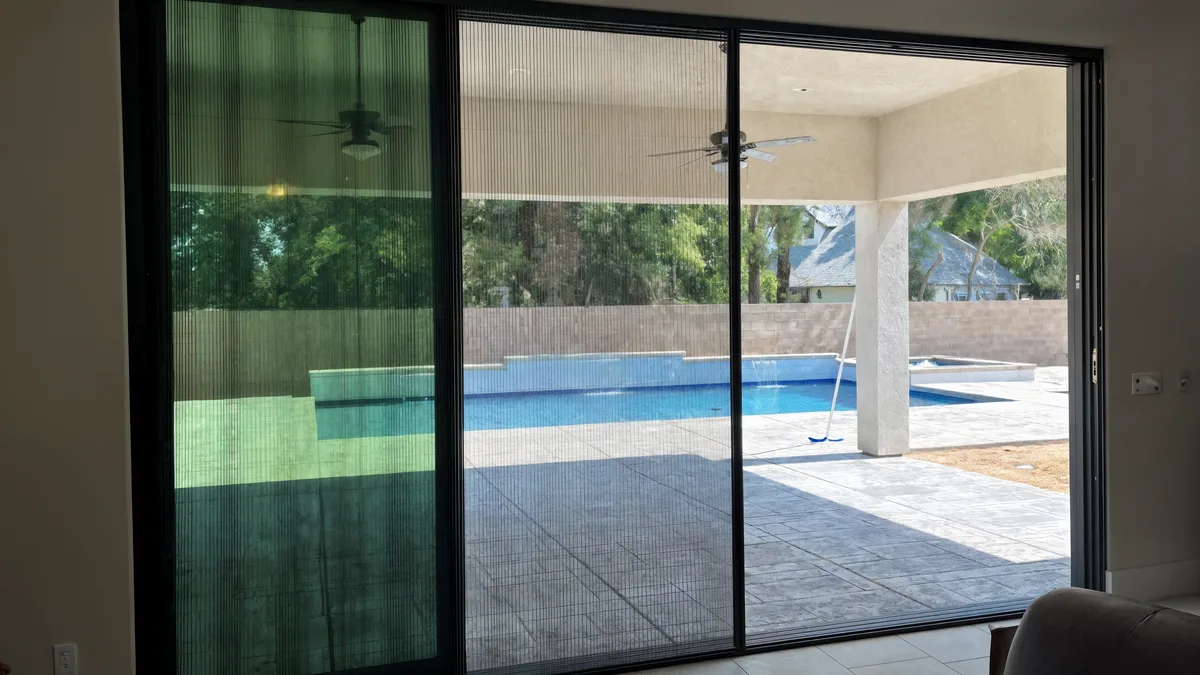
Folding glass doors can help connect interior living areas with patios, terraces, and backyards, creating wider openings than traditional sliding patio doors.

What Are Folding Doors?

Folding doors are made ofo several connected panels that move along a track and fold together as they open. Instead of sliding behind a fixed panel, they stack to the side, leaving most of the opening clear.

This makes them different from traditional sliding patio doors, which usually keep part of the opening covered. Folding systems are often selected when the goal is to create a wide passage between the home and an exterior living area.

They are commonly used in:

  • Living rooms connected to patios or gardens.
  • Kitchens that open to outdoor dining areas.
  • Poolside rooms.
  • Covered terraces.
  • Entertainment spaces.
  • Guest houses or ADUs.

The main advantage is not just the glass itself, but the size and flexibility of the opening.

Why Folding Doors Can Be Valuable in a Remodel

A remodeling project should improve more than finishes. It should make the space work better.

Folding doors can support that goal when they are used in the right location. They can make a closed-off room feel more open, improve access to outdoor areas, and help the home function better for daily use or entertaining.

For example, a kitchen that opens directly to a patio becomes more practical for outdoor dining. A living room with a larger glass opening can feel brighter and less confined. A backyard or terrace can become part of the usable living area instead of feeling separate from the home.

This is where folding doors can add real value: not by promising a fixed return on investment, but by improving the experience and market appeal of key living spaces.

Folding Doors vs. Sliding Doors

Folding doors and sliding doors are often compared because both are used for patio and backyard openings. However, they solve different design problems.

Sliding doors are simple, familiar, and efficient. They are a good option when the project needs a clean glass opening without taking up much side space. They also work well when the homeowner wants large glass panels with fewer vertical divisions.

Folding doors are better suited for projects where the priority is opening as much of the wall as possible. Because the panels fold and stack, they can create a much wider passage than a standard sliding door.

In simple terms:

✅ Sliding doors work well when the goal is simplicity and uninterrupted glass.

✅ Folding doors work well when the goal is a wider opening and stronger access between indoor and outdoor areas.

The right choice depends on the room layout, available wall space, budget, and how the opening will be used.

Where Folding Doors Work Best

Folding doors are most effective in rooms that already have a meaningful relationship with the exterior. They make the most sense when there is something useful on the other side of the opening: a patio, garden, terrace, pool area, or outdoor kitchen.

They are especially useful in kitchen remodels, where the homeowner wants better movement between cooking, dining, and entertaining areas. They also work well in family rooms and living rooms that face a backyard or scenic view.

In smaller spaces, such as ADUs or guest houses, folding doors can help a compact room feel less enclosed. However, the available stacking space must be reviewed carefully, since the folded panels need room to rest when open.

What to Consider Before Choosing Folding Doors

Folding doors require more planning than a basic patio door replacement. The system needs to be selected according to the structure, climate, exposure, and daily use of the space.

Opening Size

The size of the opening determines the number of panels, panel width, track configuration, and hardware requirements.

A larger opening can create a more dramatic result, but it also requires proper structural preparation. The wall, header, and surrounding frame must be able to support the system correctly.

Stacking Space

Because folding doors stack to one or both sides, the design must allow enough room for the panels when the system is open.

This is one of the most important details to review early in the project. If the folded panels interfere with furniture, walkways, exterior walls, or patio elements, another system may be more practical.

Frame Material

Frame material affects appearance, strength, maintenance, and thermal performance.

Aluminum is often used in modern folding door systems because it provides durability, slim profiles, and a clean architectural look. It is also a strong option for projects with larger glass openings.

For projects in hot, cold, or high-exposure climates, thermal performance should be reviewed carefully. Depending on the location, thermally improved frames or insulated glass may be needed to help maintain interior comfort.

Glass Selection

The glass package has a direct impact on safety, comfort, energy performance, and long-term usability.

Depending on the project, folding doors may use:

  • Tempered glass for strength and code compliance.
  • Laminated glass for added safety and security.
  • Low-E glass to help control heat transfer.
  • Insulated glass units for better thermal performance.
  • Tinted or reflective glass for solar control and privacy.

The best option depends on climate, sun exposure, privacy needs, and local building requirements.

Threshold Design

The threshold affects accessibility, drainage, weather protection, and the transition between indoor and outdoor flooring.

A low-profile threshold can create a smoother transition, which is useful for covered patios or protected areas. A more weather-resistant threshold may be better for openings exposed to rain, wind, or water runoff.

This detail should not be treated as secondary. A poorly selected threshold can affect comfort, maintenance, and long-term performance.

Hardware and Operation

Folding doors depend on rollers, hinges, tracks, handles, and locking systems. These components must support the weight of the panels and allow smooth daily operation.

For larger openings, hardware quality becomes even more important. A system that looks good on paper can become frustrating if it is difficult to open, close, align, or lock.

Installation Quality

Installation is one of the most important factors in the performance of folding doors.

The system must be properly aligned, sealed, flashed, and supported. This is especially important for exterior openings, where air leakage, water intrusion, or poor drainage can create long-term problems.

Even a high-quality door system can underperform if the installation is not handled correctly.

The performance of a folding door system depends on more than the opening size; frame material, glass selection, threshold design, and installation quality all matter.

When Folding Doors May Not Be the Best Option

Folding doors can be a strong choice, but they are not ideal for every project.

They may not be the best fit when there is limited stacking space, when the budget calls for a simpler solution, or when the homeowner wants the cleanest possible view through large fixed or sliding glass panels.

They may also require additional planning in areas with heavy weather exposure. In those cases, the frame, glass, threshold, drainage, and installation details need to be reviewed with extra care.

For some projects, a sliding, multi-slide, or fixed glass system may offer a better balance of cost, view, performance, and practicality.

Are Folding Doors Worth It?

Folding doors are worth considering when the remodel is focused on opening a room to the outside, improving how the space is used, and creating a more flexible living area.

They are especially effective in homes where the patio, backyard, pool area, or terrace plays an important role in daily life. In those cases, folding doors can make the transition between spaces feel more natural and functional.

However, they should be treated as a full architectural system, not just as a design feature. The final result depends on the right combination of frame, glass, hardware, threshold, and installation.

Folding doors can be one of the most effective upgrades in a residential remodel when they are used in the right setting. They can make a room feel more open, improve access to outdoor areas, and add a modern architectural element to the home.

The key is choosing the system based on the actual conditions of the project: opening size, climate, exposure, glass performance, stacking space, and installation requirements.

For homeowners, architects, and contractors planning a remodel, folding glass doors are worth evaluating carefully. When specified correctly, they can provide more than a visual upgrade; they can improve the way the home functions every day.

PRL Glass & Aluminum offers architectural glass and aluminum systems designed for projects where durability, performance, and clean design are essential.

Awning-style openings tilt outward from the bottom, creating airflow for moisture control while helping protect privacy in bathrooms facing neighbors or walkways.

The Bathroom Window Style That Lets Steam Out Without Letting Neighbors Look In

Home / 2026

After a long, hot shower, the mirror fogs up, the walls start sweating, and the quickest fix seems obvious: open the window.

But in many homes, that window faces right into a neighbor’s yard, a side walkway, or the street. To protect their privacy, most people prefer to keep it closed

The problem is that trapping that steam every day has consequences: over time, the built-in moisture ends up peeling the ceiling paint or leaving mold in the corners.

In many cases, the solution isn’t just about adding more mechanical ventilation. It can also come down to two simple design choices: where the window sits and how it opens.

The Ideal Height: Letting the Heat Escape from the Top

Bathroom windows are almost always installed at the same height as those in the living room or bedrooms. However, when you think about how air moves, this isn’t ideal. Steam and heat naturally rise toward the ceiling, so the best way to get them out of the room is to place an exit right at the top.

To achieve this, awning windows (the ones that push outward from the bottom) are an excellent choice. Since they don’t need side clearance to open, they can be designed as long, horizontal strips placed right against the ceiling.

That simple shift makes a noticeable difference. By being so high up, the window sits well above the line of sight of anyone passing by outside, allowing the steam to clear out immediately.

High-placed awning windows allow steam and warm air to escape near the ceiling while keeping the bathroom interior away from outside lines of sight.

The “Awning Effect” and Why This Design Protects Your Privacy

Placing the window right against the ceiling already helps a lot, but the opening style is what makes this setup especially useful.

Because the window pushes outward from the bottom, the glass tilts at an angle that acts like a visual shield. If someone walks down the path or is in the yard next door, the only thing they will see from the outside is the reflection on the glass, not the inside of the bathroom. The steam has plenty of room to escape from the sides and bottom, but your privacy stays inside.

Additionally, this design offers a practical benefit on gloomy days: you can leave the window open to let the bathroom air out even if it’s drizzling, since the slant of the glass keeps the rain from coming in and wetting the floor.

Frames Built for Everyday Moisture

Finally, you have to consider the materials. The bathroom is the area of the house where windows suffer the most from water and temperature changes. If you choose wood or metals without the right treatment, the mechanisms can rust over the months, lose their smooth motion, and trap dirt that is hard to clean.

That is why the frame material matters. In a bathroom, aluminum with a durable protective finish is usually much easier to live with than wood, because it doesn’t absorb moisture, warp from the heat of the shower, or require complex maintenance. Choosing a quality aluminum profile is the most practical decision to ensure the window opens smoothly every morning, year after year.

A Small but Important Difference. There is nothing quite like finishing your shower, opening the window all the way, and enjoying the peace of mind that comes with knowing no one can see inside. It is surprising how a detail so simple, yet well-planned, can completely transform the comfort and well-being of your daily routine.

A laminated glass catalog can simplify early project planning by organizing glass options around real needs such as security, sound control, color customization, privacy, and hurricane protection.

Laminated Glass Catalog: Explore PRL’s Premium Glass Solutions

Home / 2026

If you are looking for a laminated glass catalog, you might not need to start directly with the technical specifications.

First, you may need to understand which type of laminated glass best suits your project: safety, enhanced protection, privacy, color, acoustic control, or structural performance.

PRL’s laminated glass catalog serves as a starting point to compare options before reviewing detailed specifications, blueprints, or quoting requirements. It is designed to help architects, contractors, and owners identify which solution best fits their project’s needs, facilitating the transition to the technical phase of the project.

Explore PRL’s laminated glass catalog to compare solutions, review available options, and request a quote based on your project’s needs. The catalog can help you identify the most appropriate type of glass before moving into technical specifications, fabrication details, or installation requirements.

What Is Laminated Glass?

Laminated glass is a safety glazing solution manufactured by bonding two or more layers of glass with a resilient, transparent interlayer. This structure ensures that, in the event of breakage, the fragments remain adhered to the interlayer, helping to protect both the space and its occupants.

Depending on its composition, laminated glass can also contribute to indoor comfort, acoustic control, impact protection, and reduced UV exposure.

Why Use PRL’s Laminated Glass Catalog?

Instead of reviewing each product page individually, the catalog offers a comprehensive overview of PRL’s complete laminated glass line.

This makes it easier to compare solutions based on project needs, application types, required performance levels, and design intent. For architects, contractors, and builders, it helps save time during the planning phase before moving on to specific specifications, shop drawings, or quotes.

PRL Laminated Glass Products

PRL’s laminated glass solutions are designed to integrate into various architectural systems, prioritizing performance in real-world applications.

Impact Resistant Laminated Glass

Designed for coastal projects, exposed facades, and areas where higher impact performance is a key requirement. It is a useful option for large-format windows, glass doors, and applications that require increased resistance without compromising visibility.

Bullet Resistant Glass

This solution can be considered for commercial, institutional, and high-security environments where additional ballistic resistance is required to protect critical areas. It is commonly used in customer service windows, banks, institutional buildings, and access areas with heightened security demands.

Switch-It Privacy Glass

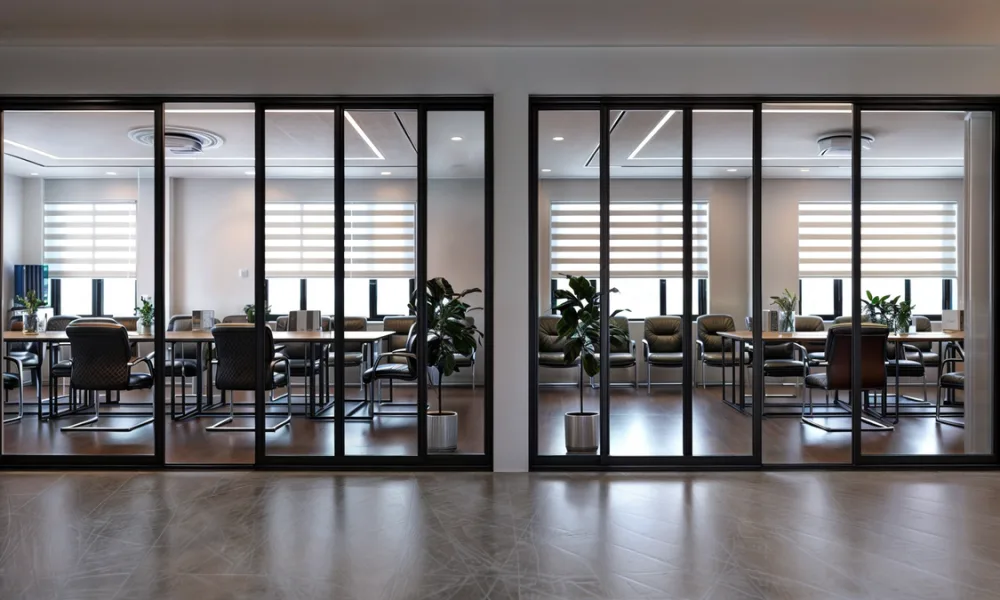
Switch-It Privacy Glass allows the glass to transition from transparent to opaque at the flip of a switch, offering a practical solution for offices, conference rooms, and residential spaces that require privacy on demand. It can also be integrated into sliding doors, bifold systems, or other interior applications where flexible privacy is part of the design.

Rainbow Laminated Glass

Rainbow Laminated Glass features vibrant colored interlayers for creative designs. It includes 12 base tones that can be combined to create more than 1,000 color possibilities for facades, balconies, staircases, and interiors. This solution is intended for projects where glass serves not only a safety function but also an aesthetic role within the architectural design.

Sound Control Laminated Glass

Sound Control Laminated Glass is designed for hotels, residential buildings, offices, and urban projects where reducing exterior noise can enhance indoor comfort and help create quieter spaces. It is a particularly relevant choice for properties located near avenues, high-traffic areas, airports, commercial zones, or urban environments with high noise exposure.

Decorative Laminated Glass

Decorative Laminated Glass is a versatile option for interiors, main entrances, walls, and partitions where glass plays a decorative role through the incorporation of unique textures, colors, or patterns. It allows for the creation of custom pieces that provide privacy, design, and visual character without losing the functional benefits of laminated glass.

SentryGlas® Laminated Glass

SentryGlas® Laminated Glass is a high-performance option for projects where structural strength, safety, and aesthetics must work together. Its superior rigidity enables applications where the glass can contribute to structural performance, such as glass staircases, frameless railing systems, and high-performance architectural projects.

PRL’s laminated glass solutions help architects and contractors compare performance-driven options for safety, impact resistance, privacy, acoustic comfort, decorative design, and structural applications.

Laminated Glass Options by Project Need

Choosing laminated glass does not always start with the product name. In many cases, the best way to move forward is to first identify the primary need of the project.

  • If You Need Hurricane or Impact Protection: For projects exposed to severe weather conditions, coastal areas, or forced entry risks, Impact Resistant Laminated Glass can be a suitable option. This type of glass is designed to improve impact resistance, helping protect large glazed surfaces without sacrificing visibility or natural light entry.
  • If You Need Higher Security: For projects requiring extra protection, Bullet Resistant Glass can be considered in commercial, institutional, or high-security environments where ballistic resistance is part of the specifications. It is a relevant solution for windows, service areas, public buildings, financial institutions, and spaces where physical security is a priority.
  • If You Need Privacy on Demand: For offices, conference rooms, residential spaces, or projects where privacy needs to be adjusted as needed, Switch-It Privacy Glass allows the glass to change from transparent to opaque via a switch. This solution is useful when looking to maintain light entry and a sense of openness, while having the option to activate privacy when necessary.
  • If You Need Color and Design Flexibility: Rainbow Laminated Glass allows you to work with color without losing the functionality of laminated glass. Its colored interlayers can be integrated into facades, balconies, staircases, interior partitions, and decorative applications. It is an appropriate option for architects and designers looking to customize a project with a visually distinctive solution.
  • If You Need Quieter Interiors: For hotels, residences, offices, or projects located in urban areas, Sound Control Laminated Glass can help reduce exterior noise and improve indoor comfort. This solution is especially useful when the goal is to create quieter spaces without giving up natural light or open design.
  • If You Need Custom Decorative Glass: Decorative Laminated Glass allows for the incorporation of textures, colors, or special materials to create unique pieces in interior partitions, main entrances, decorative walls, and custom architectural applications. It is a useful alternative when the glass needs to serve an aesthetic function in addition to providing safety and durability.
  • If You Need Structural Strength: SentryGlas® Laminated Glass enables applications where the glass can contribute to structural performance, such as glass staircases, frameless railing systems, and high-performance projects. It is a recommended option when strength, rigidity, and aesthetics must be integrated into a single solution.

Complete Glazing Solutions from PRL

Choosing the right laminated glass is only part of the specification process. In many projects, performance also depends on the aluminum system, the door or window configuration, and the installation requirements. In addition to glass, PRL manufactures aluminum systems that can help simplify the process by sourcing glass, frames, and components from a single supplier.

  • Max Aluminum Windows: Robust windows for residential and commercial use, designed for projects that require durability, performance, and a clean integration with different glass solutions.
  • Max Sliders with Hurricane Resistant Glass: Large-format sliding door systems, built to maximize views and offer increased protection in projects exposed to demanding weather conditions.
  • Sunny Lux Residential Aluminum Door: High-end residential systems for spaces looking to leverage natural light, improve the indoor-outdoor connection, and maintain a clean architectural design.

A well-designed casement window helps improve airflow, reduce drafts when closed, and support everyday comfort in rooms such as kitchens, bedrooms, and home offices.

Complete Guide to Casement Windows: Benefits, Uses, Materials, and How to Choose the Right One

Home / 2026

Casement windows are one of the most useful window styles for homes that need better airflow, easier operation, and a clean architectural look.

Unlike sliding or double-hung windows, casement windows are hinged on one side and open outward, similar to a door. Most are operated with a crank handle, which makes them especially convenient in areas where reaching the window can be difficult, such as over a kitchen sink or countertop.

Their design also helps create a tight seal when closed, supporting better insulation and reducing unwanted drafts. For homeowners, builders, and designers, casement windows can be a strong option in kitchens, bathrooms, bedrooms, living rooms, home offices, and other spaces where ventilation and usability matter.

In this guide, we explain how casement windows work, where they are most useful, what materials to consider, and how to choose the right option for your project.

Casement windows are especially useful in kitchens and hard-to-reach areas because the crank mechanism allows easy outward opening without lifting or sliding the sash.

What Are Casement Windows?

Casement windows are attached to the frame by hinges on one side. Instead of sliding up, down, or sideways, the sash swings outward to the left or right.

Most current casement windows use a crank handle. When the handle is turned, the sash opens outward. When the window is closed and locked, the sash presses against the frame, helping reduce air leakage.

This opening style gives casement windows two main advantages:

✅ They are easy to operate

✅ They allow strong airflow.

Because the sash opens outward, it can help direct fresh air into the room more effectively than some other window types.

Casement windows are commonly used in:

  • Kitchens
  • Bathrooms
  • Bedrooms
  • Living rooms
  • Home offices
  • Hallways
  • Areas facing patios, gardens, or side yards
  • Hard-to-reach locations, such as above a sink

They are also valued for their simple appearance. With fewer visual interruptions, they can help open the view and give a room a more streamlined look.

Casement Windows Installation: Why Energy Efficiency Matters

Energy efficiency should be one of the main considerations when choosing casement windows.

Windows affect how a home feels throughout the year. If they are poorly sealed or made with low-performing glass, they can allow heat to enter during warm months and escape during colder seasons. This can make the HVAC system work harder and make certain rooms less comfortable.

Casement windows can perform well because of the way they close. When the sash is locked, it presses firmly into the frame. This compression-style seal can help limit drafts more effectively than some windows that operate on sliding tracks.

Several elements influence performance:

  • Frame material
  • Glass package
  • Weatherstripping
  • Locking hardware
  • Installation quality
  • Local climate conditions

Insulated glass units are especially important. These glass systems are designed to reduce heat transfer between the inside and outside of the home. Depending on the project, Low-E glass or other performance glass options may also help control solar heat gain and improve interior comfort.

A well-installed casement window can help keep indoor temperatures more stable, especially in rooms used every day, such as kitchens, bedrooms, living areas, and home offices.

Casement Window Configurations or Styles

Casement windows are simple in operation, but they can be configured in several ways depending on the size of the opening and the needs of the room.

  • Single Casement Window: A single casement window has one operable sash that opens outward from either the left or right side. This is one of the most common options and works well in kitchens, bathrooms, bedrooms, and smaller wall openings.
  • Fixed and Casement Combination: A fixed and casement combination includes one non-operable section and one operable casement window. This layout works well when the goal is to bring in more natural light while still allowing ventilation.
  • Casement-Fixed-Casement Configuration: This configuration places a fixed window in the center with casement windows on both sides. It is often used in larger openings where homeowners want a balanced look, broad visibility, and controlled ventilation.
  • Multiple Casement Units: Casement windows can also be installed in groups to create a wider window system. This can work well in living rooms, dining areas, home offices, and spaces facing outdoor views.

Frame Materials and Finishes

The frame material affects the appearance, durability, maintenance, and performance of a casement window. Common options include wood, vinyl, fiberglass, composite, and aluminum. Each one has advantages depending on the project.

  • Wood Frames: Wood frames offer a warm, traditional appearance and can work well in classic residential designs. However, they usually require more maintenance and may be more vulnerable to moisture, swelling, or decay if not properly protected.
  • Vinyl Frames: Vinyl is common in residential window replacement because it is relatively affordable and low-maintenance. However, vinyl frames can look bulkier and may not always provide the slimmer profile preferred in more contemporary projects.
  • Fiberglass Frames: Fiberglass frames are durable, stable, and generally low-maintenance. They can offer good thermal performance, although they may come at a higher price depending on the product and project requirements.
  • Aluminum Frames: Aluminum is valued for its strength, durability, and clean appearance. Because it can support slimmer profiles, it allows for a larger glass area and a more architectural look.

This makes aluminum casement windows a strong fit for projects where natural light, defined lines, and a contemporary finish are important. Aluminum also works well for window systems that need to balance design with long-term durability.

Max Casement windows follow this approach with aluminum profiles, smooth operation, and a design focused on everyday functionality.

Casement Windows vs. Other Types of Windows

Casement windows are often compared with awning, sliding, double-hung, and fixed windows. Each style serves a different purpose, so the right choice depends on the space and how the window will be used.

Casement Windows vs. Awning Windows

Casement windows are hinged on the side and open outward to the left or right. Awning windows are hinged at the top and open outward from the bottom.

Both can provide ventilation and a tight seal when closed, but they are often used in different situations. Casement windows are usually a good fit for vertical openings, kitchens, bedrooms, and areas where side airflow is useful. Awning windows are often used in smaller openings or spaces where ventilation during light rain is helpful.

Casement Windows vs. Sliding Windows

Sliding windows move horizontally along a track. They are often used in wider openings and are simple to operate.

Casement windows may offer a tighter seal when closed because the sash presses against the frame instead of sliding along a track. For homeowners who care about airtightness and controlled ventilation, casement windows can be a better fit.

Casement Windows vs. Double-Hung Windows

Double-hung windows have two sashes that move vertically. They are common in traditional homes and can provide ventilation from the top or bottom.

Casement windows open outward and can allow more direct airflow. They may also offer a cleaner look, depending on the frame style and home design.

Casement Windows vs. Fixed Windows

Fixed windows do not open. They are used to maximize views, natural light, and insulation.

Casement windows provide ventilation, while fixed windows do not. In many projects, both can be combined: fixed windows for larger views and casement windows for fresh air.

Aluminum casement windows can support slimmer profiles, wider glass areas, and a cleaner architectural look for homes that prioritize natural light and ventilation.

Casement Windows Drawbacks

Casement windows offer many advantages, but they are not ideal for every situation. Understanding their limitations helps homeowners make a better decision.

  • They Need Exterior Clearance: Because casement windows open outward, they need enough space outside to operate properly. They may not be suitable where shrubs, walkways, fences, or nearby walls block the sash.
  • They Should Be Closed During Strong Winds: Since the sash opens outward, strong wind can place pressure on the window if it is left open. During high winds or severe weather, casement windows should remain closed.
  • Hardware Quality Matters: Casement windows rely on hinges, crank mechanisms, locks, and seals. If these components are low quality, the window may become harder to operate over time.
  • They May Not Fit Every Opening: Casement windows are often best for vertical openings. For very wide spaces, a combination of fixed and operable units may work better.
  • Installation Is Important: Even a good window can underperform if it is not installed correctly. Proper measurement, alignment, sealing, and fastening are essential for long-term function.

These drawbacks do not make casement windows a poor choice. They simply mean the window should be selected according to the needs of the space.

Casement Window Parts Explained

Understanding the basic parts of a casement window can help homeowners compare options more confidently.

✅ Frame: The frame is the outer structure that holds the window in place within the wall opening. A strong, well-built frame is essential for durability and proper installation.

✅ Sash: The sash is the movable part of the window that holds the glass. In a casement window, the sash swings outward.

✅ Hinges: The hinges are attached to one side of the sash and allow the window to open. Their quality affects how stable and smooth the operation feels.

✅ Crank Handle: The crank handle opens and closes the window. This feature is especially useful in hard-to-reach areas, such as over a kitchen sink or countertop.

✅ Locking System: The locking system secures the sash against the frame. Multi-point locking systems can help improve sealing and security.

✅ Weatherstripping: Weatherstripping helps seal the space between the sash and frame when the window is closed. It helps reduce drafts, air leakage, and moisture intrusion.

✅ Glass Unit: The glass unit affects energy performance, sound control, daylight, and comfort. Insulated glass units can help reduce heat transfer and improve the way a room feels.

✅ Screen: Casement windows usually have screens installed on the interior side. Since the sash opens outward, the screen can stay in place while allowing fresh air in and helping keep insects out.

Modern Casement Windows: Energy Ratings and Performance

Modern casement windows are designed to support more than basic ventilation. Their performance can affect comfort, energy use, noise, and security. When comparing options, homeowners should consider the following factors.

  • Air Leakage: Refers to how much outside air passes through the window when it is closed. A well-sealed casement window can help reduce drafts.
  • Thermal Performance: Refers to how well a window limits heat transfer. Better performance can help reduce heat gain during warm weather and heat loss during colder months.
  • Solar Heat Control: Some glass options can help manage how much solar heat enters the home. This is especially important in sunny climates or rooms with strong direct exposure.
  • Condensation Resistance: Good window design can help reduce the risk of condensation by improving temperature control around the glass and frame.
  • Sound Reduction: Windows also influence how much exterior noise enters the home. Insulated glass units and proper sealing can help reduce noise from streets, neighbors, and outdoor activity.
  • Security: Casement windows can offer strong security when closed and locked. Because they open from the inside and press tightly into the frame, they can be difficult to force open from the exterior.

Performance should not be treated as a technical detail only. It affects how each room feels, how much outside noise enters the home, and how often the HVAC system has to compensate for heat or drafts.

Casement Window Installation: How to Do It the Right Way

Proper installation is essential to the long-term performance of casement windows.

Even a high-quality window can fail to perform as expected if it is poorly installed. Incorrect measurements, uneven alignment, weak sealing, or improper fastening can lead to air leaks, water issues, and operation problems.

A good installation process should include:

  • Accurate measurement of the opening
  • Proper leveling and alignment
  • Secure fastening
  • Correct sealing around the frame
  • Protection against water infiltration
  • Smooth sash operation
  • Final inspection of locks, cranks, hinges, and weatherstripping

For replacement projects, the existing opening should be inspected before the new window is installed. Any signs of moisture damage, frame deterioration, or structural movement should be addressed first.

For new construction, coordination with the builder or installer helps ensure the window is properly integrated into the wall system. Professional installation is recommended when energy performance, water resistance, and long-term operation are priorities.

Casement Windows Maintenance Guide

Casement windows are generally easy to maintain, but regular care helps preserve smooth operation and extend their lifespan.

  • Clean the Glass Regularly: Use mild soap, water, and a soft cloth or squeegee. Avoid abrasive materials that could scratch the glass or frame.
  • Check the Crank Mechanism: The crank should open and close the window smoothly. If it becomes stiff, loose, or difficult to turn, it may need adjustment.
  • Inspect Hinges and Hardware: Check hinges, locks, and other moving parts from time to time. Make sure they are secure and working properly.
  • Keep the Frame Area Clean: Dust and debris can collect around the frame and sash. Keeping these areas clean helps the window close correctly.
  • Inspect Weatherstripping: Weatherstripping should remain flexible and well-positioned. If it becomes damaged or worn, the window may not seal as effectively.
  • Do Not Force the Window: If the window does not open or close easily, avoid forcing the crank. Check for debris, misalignment, or hardware issues first.
  • Close Windows During Strong Weather: Casement windows should not be left open during strong winds or severe weather. Closing them helps protect the sash, hinges, and crank mechanism.

Why Choose Max Casement Windows?

Max Casement windows are designed for homeowners and professionals who want a window system that looks clean, operates easily, and supports everyday comfort.

Their aluminum construction gives them a sleek profile while providing strength and durability. This makes them a good option for projects where natural light, ventilation, and a contemporary finish are all important.

They are especially useful in spaces where the window needs to be opened often or from a less convenient position, such as over a kitchen sink, countertop, or bathroom fixture.

Key advantages include:

✅ Aluminum profiles with a clean appearance

✅ Smooth crank operation

✅ Strong ventilation control

✅ Interior insect screen compatibility

✅ Tight sealing when closed

✅ Practical use in kitchens, bathrooms, bedrooms, and living areas

✅ A design suited for modern residential spaces

For homeowners looking for a window that is easy to use and visually clean, Max Casement offers a practical solution for daily living.

Final Thoughts

Casement windows are a strong option for homes that need better airflow, easy operation, and a clean visual profile.

Their side-hinged design, crank mechanism, and tight closing system make them useful in kitchens, bathrooms, bedrooms, home offices, and living areas. They are especially helpful in places where a window needs to be opened without lifting or sliding a sash.

For projects that need a more contemporary look, aluminum casement windows offer a good balance of strength, slim profiles, and everyday functionality. Max Casement windows bring these qualities together in a window system designed for homes that need natural light, ventilation, and reliable performance without a bulky appearance.

Frequently Asked Questions About Casement Windows

What is a casement window?

A casement window is hinged on one side and opens outward, usually with a crank handle.

Where are casement windows most commonly used?

They are commonly used in kitchens, bathrooms, bedrooms, living rooms, home offices, and hard-to-reach areas such as over a sink or countertop.

Are casement windows good for kitchens?

Yes. Casement windows are a good option for kitchens because they are easy to open with a crank and can help ventilate cooking odors, steam, and warm air.

Can casement windows be installed over a kitchen sink?

Yes. Casement windows are often used over kitchen sinks because the crank mechanism makes them easier to operate without leaning over the counter.

Do casement windows open inward or outward?

Most casement windows open outward. This allows the screen to remain on the interior side of the frame.

Do casement windows have screens?

Yes. Since casement windows open outward, the insect screen is usually installed on the interior side.

Are casement windows energy efficient?

They can be energy efficient when they are well-designed and properly installed. Their closing system helps create a tight seal.

Are casement windows secure?

Yes, when they include quality locking hardware and are properly closed. Their design makes them difficult to open from the outside without breaking the glass.

What is the difference between casement and awning windows?

Casement windows are hinged on the side and open outward to the left or right. Awning windows are hinged at the top and open outward from the bottom.

Are aluminum casement windows a good option?

Yes. Aluminum casement windows can be a good option for modern homes because they offer durability, slim profiles, and a clean architectural look.

What are the disadvantages of casement windows?

They need exterior clearance, should not be left open during strong winds, and depend on quality hardware for smooth long-term operation.

How do you maintain casement windows?

Basic maintenance includes cleaning the glass, checking the crank and hinges, keeping the frame area clean, inspecting weatherstripping, and avoiding forcing the window if it becomes difficult to operate.

Thermally broken aluminum frames help reduce heat transfer in bifold glass doors by separating the exterior and interior metal sections with an insulating polyamide barrier.

How to Enjoy Bifold Glass Doors Without Overheating Your Home

Home / 2026

Integrating indoor and outdoor spaces with bifold glass doors has become a frequent choice in modern architecture. Unlike standard sliding doors, these systems fold multiple panels like an accordion, opening the space almost completely to one or both sides.

The result is a wider opening, more daylight, and a stronger visual connection between the living area and the terrace, patio, or garden.

However, in sun-drenched regions, a valid concern often arises: could all that glass and aluminum make a room harder to cool?

Understanding Thermal Performance in Bifold Systems

From a practical perspective, a folding door is more complex than a fixed window or a simple sliding system. Because multiple panels connect through hinges, tracks, hardware, and compression seals, the system naturally requires more aluminum profiles.

When the doors are closed, those profiles may create a larger exposed metal surface compared with other types of openings. Under direct sunlight, that matters. Aluminum is strong, lightweight, and durable, but it is also a highly conductive material.

On a hot afternoon, the interior profile can feel warm to the touch. That heat can then radiate into the room, causing the air conditioning system to work harder during peak sunlight hours.

So why is aluminum still widely used in these systems? Mainly because its strength-to-weight ratio allows for tall, heavy glass panels that can fold, glide, and stack with stability. The key is not avoiding aluminum altogether, but improving how the frame manages heat.

Bifold glass doors can increase natural light and create wide indoor-outdoor openings, but their thermal performance depends on the frame design, sealing system, and quality of the aluminum profiles.

The Engineering Solution: Thermal Breaks

To help bifold doors perform better in intense climates, manufacturers often use a thermally broken design. Instead of allowing the frame to behave like one continuous piece of metal, the system separates the exterior aluminum from the interior aluminum.

Between both sections, engineers place a polyamide barrier, an insulating material that does not conduct heat the way metal does.

This barrier creates a physical interruption in the path of heat. As a result, the interior side of the profile can maintain a more moderate temperature, even when the exterior is exposed to direct sunlight.

In daily use, this can help reduce the radiant heat felt near large-format glass installations, making the space more comfortable without sacrificing the open, transparent look that makes bifold doors so appealing.

Efficiency and Thermal Load

Choosing a thermally broken bifold system is one of the most practical ways to make large glass openings more comfortable in hot climates. It allows homeowners to enjoy expansive views, natural light, and indoor-outdoor living without placing unnecessary stress on the home’s cooling system.

The lesson is simple: large glass doors do not have to turn a room into a heat trap. With the right frame design, proper sealing, and thermal break technology, bifold doors can offer both openness and performance.