Loading

How Wide Is a Sliding Glass Door? Standard & Custom Sizes

How Wide Is a Sliding Aluminum Glass Door? Standard Sizes, Dimensions & Rough Openings

Home / Archive by category "BLOG"

A standard sliding aluminum glass door in the U.S. typically ranges from 60 to 96 inches wide (5 to 8 feet) for two-panel systems. Larger configurations expand to 108 to 144 inches (9 to 12 feet) for three panels and up to 192 inches (16 feet) for four-panel layouts. The listed width refers to the total unit size, not the clear walking opening.

Choosing the correct width involves more than selecting a standard size. Panel configuration, rough opening dimensions, structural framing, and glass specifications all influence how wide a sliding aluminum door can be in a real-world installation.

In this guide, we break down standard widths, height options, rough opening requirements, and when a custom aluminum sliding system may be necessary for your project.

👉 You may also be interested in reading: Advantages of Using Aluminum Sliding Doors in U.S. Homes 

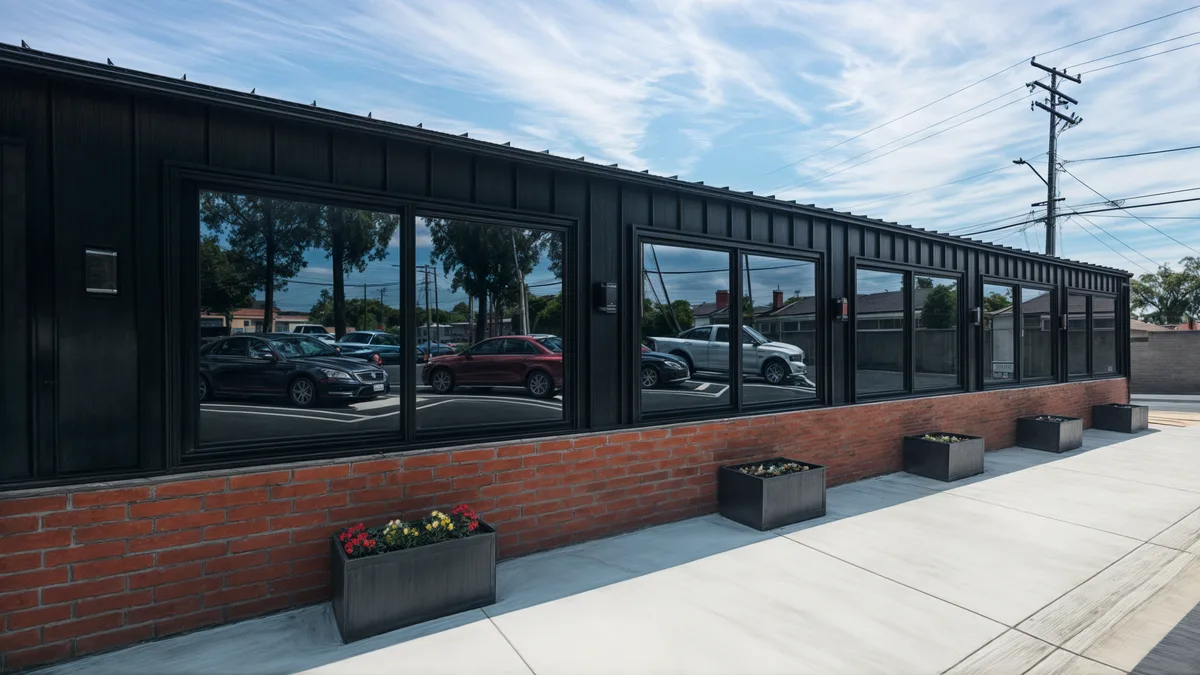
Aluminum sliding doors can be incorporated into any standard project.

Standard Sliding Door Widths in the U.S.

In the United States, standard sliding aluminum glass door widths depend on the number of panels. The measurements below refer to the total unit width (including the frame):

ConfigurationCommon Widths (inches)Width (feet)Typical Use
2-Panel60″, 72″, 96″5′, 6′, 8′Most common patio doors
3-Panel108″, 144″9′, 12′Wider openings & panoramic views
4-Panel144″, 192″12′, 16′Large-format residential projects

The stated width refers to the full door unit, not the clear walking opening. In most two-panel systems, the actual clear opening is slightly less than half of the total width due to panel overlap and frame components.

Standard Sliding Aluminum Door Sizes by Panel Configuration

While standard widths provide a quick reference, the practical performance and clear opening of a sliding aluminum door depend on the panel layout and track configuration. Below is a breakdown of the most common systems used in U.S. residential construction.

2-Panel Sliding Aluminum Doors (Most Common Configuration)

Two-panel systems are the most widely used sliding patio doors in residential projects. They consist of one fixed panel and one operable panel, typically installed on a two-track system.

Common total unit widths:

  • 60″ (5 ft)
  • 72″ (6 ft)
  • 96″ (8 ft)

Standard heights:

  • 80″
  • 82″
  • 96″

In a standard 72″ two-panel configuration, the clear walking opening is usually slightly under half of the total width due to panel overlap and frame components. This makes 6-foot sliders a practical choice for everyday patio access without major structural modifications.

Two-panel aluminum systems are ideal for:

  • Replacement projects
  • Standard framed openings
  • Remodels where maintaining the existing header is preferred

3-Panel Sliding Aluminum Doors (Wider Openings)

Three-panel sliding doors are commonly used when homeowners want a broader view or increased natural light without moving into fully custom wall systems.

Common total unit widths:

  • 108″ (9 ft)
  • 144″ (12 ft)

Typical heights:

  • 80″
  • 96″

Most three-panel systems operate with one fixed center panel and two operable side panels, although multi-track configurations are also available depending on the manufacturer.

These systems are often selected for:

  • Large patios
  • Open-concept living spaces
  • Homes with extended exterior views

Because the overall span increases, structural header capacity and hardware load ratings become more important considerations.

4-Panel Sliding Aluminum Doors (Large-Format Systems)

Four-panel sliding doors are typically used in luxury residential projects or homes designed for expansive indoor-outdoor transitions.

Common total unit widths:

  • 144″ (12 ft)
  • 192″ (16 ft)

Typical heights:

  • 80″
  • 96″

In standard layouts, the two center panels are fixed and the outer panels slide open. However, multi-track aluminum systems can allow additional operable configurations for larger clear openings.

As door width increases:

  • Panel weight increases significantly
  • Glass thickness may need to increase
  • Hardware capacity becomes critical
  • Structural framing must support the span

At widths approaching 16 feet, professional consultation and engineered specifications are strongly recommended to ensure long-term performance.

Sliding Door Height Options (Standard vs. Tall Systems)

While width is often the primary focus, height plays an equally important role in performance, proportions, and structural requirements.

Standard Sliding Aluminum Door Heights

In most U.S. residential construction, sliding aluminum glass doors are available in the following standard heights:

  • 80 inches (6’8″) – Most common residential height
  • 82 inches (6’10”) – Slightly taller replacement option
  • 96 inches (8 feet) – Popular in homes with higher ceilings

These standard heights are designed to align with typical framing dimensions, making replacement and new construction more straightforward.

For most two-, threeand four-panel configurations, 80″ and 96″ remain the most widely specified heights.

When Taller Doors Become a Structural Consideration

Sliding doors exceeding 96 inches in height move beyond standard framing conditions and typically require engineered planning.

Custom heights of 100 to 120 inches (8’4″ to 10 feet) are increasingly requested in modern residential design to create floor-to-ceiling openings and maximize natural light. However, as height increases:

  • Glass panels become significantly heavier
  • Aluminum profiles may require reinforcement
  • Hardware load capacity must be verified
  • Wind load and building code compliance become critical

Unlike standard patio replacements, tall sliding aluminum systems should always be evaluated based on structural framing, header design, and local building codes.

For projects approaching 10 feet in height or greater, consultation with the manufacturer and construction professional is strongly recommended to confirm system capacity and performance ratings.

👉 You may also be interested in reading: Aluminum, Wood or uPVC Doors? Which Lasts Longer and Saves More Energy? 

Max slider is one of the best products, as it is a sliding door but with wide views.

Unit Width vs. Clear Opening (What You Actually Walk Through)

When reviewing sliding aluminum glass door sizes, it’s important to understand that the listed width refers to the full unit dimension, including the frame and panel overlap, not the actual walking space.

The clear opening is the usable passage width once the door is fully open.

Example: How Much Opening Do You Get From a 6-Foot Sliding Door?

A standard 72-inch (6-foot) two-panel sliding door does not provide a full 36-inch opening.

Because one panel remains fixed and the operable panel slides behind it, the typical clear opening is:

  • Slightly less than half of the total width
  • Reduced by panel overlap
  • Reduced by frame components

In most standard systems, the usable opening for a 72″ door is generally several inches less than 36 inches, depending on the manufacturer and frame design.

For projects where clear passage width is critical (for accessibility, moving furniture, or high-traffic areas), verifying the exact clear opening dimension with the manufacturer’s technical drawings is essential.

Why Clear Opening Matters

Understanding clear opening is especially important when:

  • Designing for accessibility requirements
  • Replacing a hinged door with a sliding system
  • Planning furniture flow or large item movement
  • Complying with local building codes

For example, replacing a 36-inch hinged door with a sliding door requires careful planning, since even a 60-inch sliding unit may not provide equivalent walking clearance.

Rough Opening vs. Actual Unit Size (And Why It Matters)

When specifying a sliding aluminum glass door, three different measurements are involved and confusing them is one of the most common installation mistakes.

Understanding the difference between nominal size, actual unit size, and rough opening ensures proper fit, structural alignment, and long-term performance.

Here some key definitions

  • Nominal Size: The advertised door size (for example, 72″ x 80″). This typically represents the intended rough opening size in standard construction.
  • Actual Unit Size: The physical measurement of the manufactured door unit, including the frame. This is usually slightly smaller than the nominal size to allow for installation adjustments.
  • Rough Opening (RO): The framed structural opening in the wall where the door will be installed. It must accommodate the actual unit size plus space for leveling, shimming, and insulation.

Typical Rough Opening Allowances

While exact requirements vary by manufacturer and system, most sliding door installations follow a general industry guideline:

  • The rough opening is slightly larger than the actual unit size
  • Clearance is needed on all sides for shimming and alignment
  • Finished floor height must be considered before ordering

Below is a simplified example of how these measurements typically relate:

Nominal Door SizeTypical Actual Unit Size*Typical Rough Opening Target*
60″ x 80″Slightly under nominalSlightly larger than unit
72″ x 80″Slightly under nominalSlightly larger than unit
96″ x 80″Slightly under nominalSlightly larger than unit
108″ x 96″Slightly under nominalSlightly larger than unit

*Always verify exact dimensions using manufacturer shop drawings and system specifications.

Why Rough Opening Precision Is Critical

Incorrect rough opening dimensions can lead to:

  • Frame misalignment
  • Air and water infiltration
  • Hardware strain
  • Structural stress on the header

For wider systems (9 to 16 feet), rough opening accuracy becomes even more critical due to increased weight and structural load distribution.

Before finalizing framing, reviewing manufacturer specifications and confirming tolerances with the door supplier is strongly recommended.

When to Choose a Custom Sliding Aluminum Door Width

Standard sliding aluminum glass door sizes cover most residential applications. However, certain projects require custom dimensions to meet architectural, structural, or performance goals.

Choosing a custom width is not simply about aesthetics, it often involves engineering considerations and system selection.

Renovations With Non-Standard Openings

Older homes or remodeled properties frequently have framed openings that do not align with modern nominal door sizes.

In these cases, a custom aluminum sliding system can:

  • Reduce the need for structural reframing
  • Preserve existing header conditions
  • Provide a cleaner retrofit solution

Custom manufacturing allows the door to fit the opening, rather than forcing the opening to fit a standard door.

Large-Format and Panoramic Designs

Modern residential architecture increasingly favors wide, uninterrupted openings that connect indoor and outdoor spaces.

Projects may require:

  • 12-foot to 16-foot spans
  • Multi-panel or multi-track configurations
  • Corner sliding systems without fixed center mullions

In these situations, standard two- or three-panel systems may not provide the desired clear opening or visual impact. Custom aluminum systems allow greater flexibility in panel width, track layout, and structural integration.

Accessibility and Functional Requirements

When designing for increased accessibility or high-traffic flow, clear opening width becomes more important than total unit width.

Custom sizing may be necessary to:

  • Achieve specific minimum clear passage requirements
  • Improve furniture movement clearance
  • Enhance usability in open-concept layouts

Because aluminum frames can support larger glass panels compared to some alternative materials, they are often selected for projects requiring wider operable sections.

Projects With Taller or Non-Standard Proportions

Custom widths are frequently paired with:

  • 8-foot or taller door heights
  • Floor-to-ceiling openings
  • Integrated transoms or fixed side panels

As proportions change, engineering coordination becomes essential to ensure proper weight distribution, hardware capacity, and structural support.

What Limits the Maximum Width in Aluminum Sliding Systems?

While standard sizes provide useful benchmarks, the maximum width of a sliding aluminum glass door is ultimately determined by engineering constraints, not just design preference.

As overall width increases, structural load, glass weight, and hardware performance all become critical factors.

Panel Weight and Hardware Capacity

Each sliding panel carries significant weight, especially as width and height increase. Larger panels require:

  • Higher-capacity roller systems
  • Reinforced tracks
  • Precision alignment to prevent long-term sagging

If hardware load ratings are exceeded, the system may experience premature wear, difficult operation, or track deformation.

For wide-span doors, hardware capacity often becomes the primary limiting factor before frame size does.

Glass Type and Thickness

As panel size increases, glass thickness must often increase to maintain structural integrity and safety compliance. Common considerations include:

  • Tempered or laminated safety glass
  • Increased thickness for larger spans
  • Impact-resistant glazing in wind-prone regions
  • Energy-efficient Low-E or insulated glass units

Heavier glazing significantly increases total panel weight, directly affecting hardware requirements and operability.

Structural Header and Framing Support

The wall opening must support the load transferred by the sliding system. For doors exceeding 8 feet in width (and especially beyond 12 feet) header design becomes increasingly important. Considerations include:

  • Properly sized structural beams
  • Load distribution across studs
  • Deflection limits over wider spans
  • Compliance with local building codes

Insufficient header capacity can lead to structural movement, affecting door alignment and long-term performance.

Wind Load and Code Compliance

In certain regions, particularly coastal or high-wind zones, sliding aluminum doors must meet specific performance standards.

As door width increases:

  • Wind load pressure increases
  • Frame deflection must remain within code limits
  • Anchoring requirements may become more demanding

Wide-span sliding systems should always be evaluated against local building codes to ensure safety and compliance.

Measurement Checklist (Pro Tips Before Ordering)

Accurate measurements are essential when specifying a sliding aluminum glass door. Even small discrepancies in width, height, or framing conditions can affect installation, alignment, and long-term performance.

Before ordering or manufacturing a system, professionals typically follow this checklist:

Measure Width at Three Points: Measure the opening at the top, middle, and bottom. Use the smallest measurement to account for irregular framing.

Measure Height at Multiple Points: Measure from the subfloor or finished floor level to the header at the left, center, and right side of the opening. If flooring will be installed later, factor in the final floor height before confirming door dimensions.

Check Plumb and Level: Verify that the sides of the opening are vertical and the sill area is level. Uneven framing can cause: Improper panel alignment, increased roller wear and Air and water infiltration

Confirm Structural Support: For wider openings (9 feet and above), verify that the header and framing are designed to support the system’s weight. This is especially important for multi-panel or tall configurations.

Review Manufacturer Specifications: Always confirm: Actual unit dimensions, required rough opening, anchor spacing requirements and Performance ratings.

Selecting the correct sliding aluminum glass door width involves more than choosing a standard size. Panel configuration, clear opening requirements, structural framing, and performance specifications must all align with the realities of the project.

Whether you’re working within a standard framed opening or planning a large-format multi-panel system, confirming exact dimensions through manufacturer documentation is essential to ensure smooth installation and long-term durability.

For projects requiring:

  • Custom widths
  • Tall configurations
  • Multi-track layouts
  • Structural performance verification

Consulting directly with the door manufacturer allows you to confirm unit sizing, rough opening requirements, hardware capacity, and system ratings before fabrication begins.

If you are designing or specifying a sliding aluminum system and need guidance on standard or custom sizing, reviewing technical drawings and system specifications early in the process can prevent framing adjustments and installation delays.

FAQ: Sliding Aluminum Door Width & Sizing

What is the standard width of a sliding aluminum glass door?

In the U.S., standard two-panel sliding aluminum doors are typically 60″, 72″, or 96″ wide. Three-panel systems commonly measure 108″ or 144″, while four-panel doors range from 144″ to 192″ wide.

How wide is a 6-foot sliding door?

A 6-foot sliding door is 72 inches wide in total unit width. However, the clear walking opening is usually slightly less than half of that measurement due to panel overlap and frame components.

What is the rough opening for a 72″ x 80″ sliding door?

The rough opening must accommodate the actual unit size plus installation clearance. Exact dimensions vary by manufacturer, so always verify required tolerances using official system specifications before framing.

Does the listed width include the frame?

Yes. The listed width refers to the entire door unit, including the frame. It does not represent the clear opening or walking space.

What is the maximum width for a sliding aluminum door?

Standard configurations typically reach 192 inches (16 feet) in four-panel layouts. Wider openings may require custom multi-track or engineered systems, depending on structural and hardware capacity.

Are 8-foot-tall (96″) sliding doors considered standard?

Yes. While 80 inches remains common in many homes, 96-inch (8-foot) sliding doors are widely available and frequently specified in modern residential construction.

Can sliding aluminum doors be custom-sized?

Yes. Custom widths and heights are available for non-standard openings, large-format designs, and accessibility requirements. Custom systems should be reviewed for structural support and performance compliance.

Can I replace a hinged patio door with a sliding door?

Yes, but the wall opening will likely need to be widened. A standard hinged door opening (36 inches) is significantly narrower than most sliding door configurations, which typically start at 60 inches.

Why many luxury homes in the United States use aluminum sliding doors.

Advantages of Using Aluminum Sliding Doors in U.S. Homes

Home / Archive by category "BLOG"

In the design of luxury homes in the United States, every detail matters. Architects and contractors look for solutions that not only provide modern aesthetics but also deliver efficiency, strength, and long-term durability. That’s why aluminum sliding doors have become one of the most valued options for residential projects. 

Unlike other materials, aluminum offers a unique balance of style, structural performance, and low maintenance. This makes it the ideal choice for demanding clients who seek wide openings, clean lines, and superior comfort in their homes. In addition, when combined with high-performance glass, these doors can meet the most rigorous thermal and acoustic insulation requirements, even in coastal or urban climates. 

In this article, we’ll explore the main advantages of aluminum sliding doors and why they‘re the best option for those who want to transform a residential space into a high-level architectural experience. 

👉 You may also be interested in reading: Why Is Aluminum Used In Construction? 

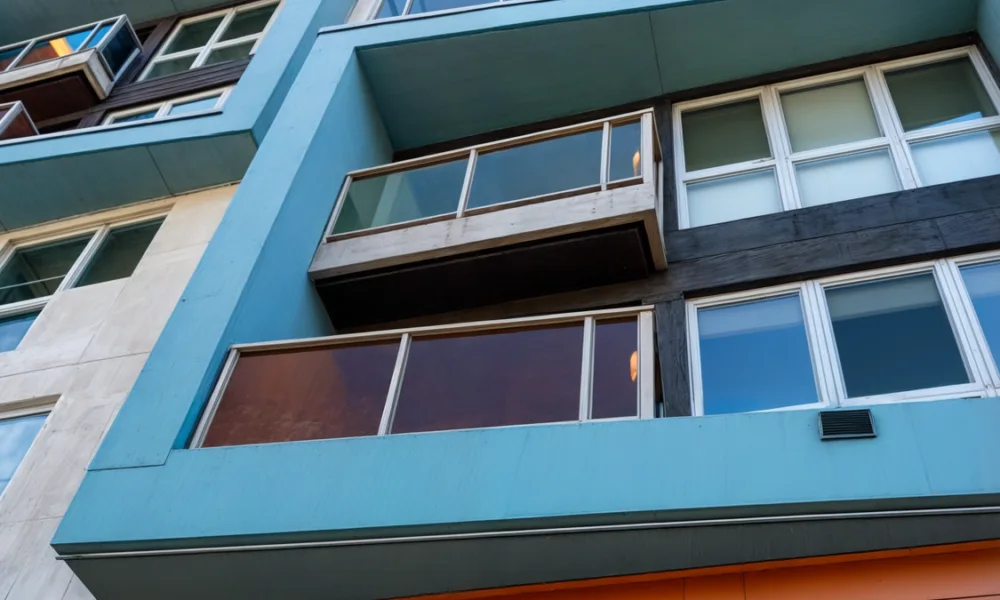
Aluminum doors can be perfect for homes and offices due to their protection.

Why Aluminum in Premium Residences? 

In luxury residential projects, materials must serve a dual purpose: deliver impeccable aesthetics and guarantee superior technical performance. Aluminum meets both requirements, positioning itself as the preferred material for manufacturing high-end sliding doors. 

Slim Profiles and Wide Openings (Modern Aesthetics) 

Thanks to its natural strength, aluminum allows for much slimmer profiles than other materials, resulting in minimalist lines and large openings. This not only maximizes natural light but also enhances the connection between indoor and outdoor spaces, an increasingly requested feature in modern U.S. homes. 

Structural Strength with Less Maintenance Than Wood 

Unlike wood, which requires constant upkeep to remain in good condition, aluminum is highly resistant to warping, humidity, and temperature changes. This ensures that sliding doors retain their functionality and appearance for decades, reducing maintenance costs and increasing satisfaction among the most demanding clients. 

👉 You may also be interested in reading: 7 Reasons For Choosing An Aluminum Door For Your Project  

Comfort and Performance: What Aluminum and Glass Deliver for Luxury Homes 

As mentioned, aluminum is the perfect material to preserve both aesthetics and functionality in most projects. Luxury homeowners expect every element of their residence to contribute to daily comfort, and aluminum sliding doors meet these expectations thanks to their advanced technical features. 

One of the greatest advantages of this system is that it combines the best of aluminum with the best of glass, offering multiple benefits in a single solution. 

Thermal Insulation (Thermal Break, U-Factor, SHGC) 

Aluminum sliding doors can incorporate technologies such as thermal breaks, which significantly improve energy efficiency.  

Combined with high-performance low-E glass, they help maintain a comfortable indoor temperature while reducing reliance on air conditioning or heating. Indicators such as the U-Factor and SHGC measure the ability of these doors to conserve energy and protect interiors from excessive solar radiation. 

For example, in a California residence, the installation of aluminum sliding doors with low-E glass reduced HVAC energy consumption by up to 20%, keeping indoor temperatures more stable throughout the year. 

Acoustic Insulation (STC/OITC in Urban and Coastal Areas) 

Beyond thermal control, clients also value a quiet and private environment. The use of laminated glass with acoustic interlayers and profiles designed to improve sealing allows these systems to reach high levels of acoustic insulation measured in STC and OITC.  

This is particularly important for residences located in high-traffic urban areas or coastal regions where wind and environmental noise are constant factors. 

For example, in a Miami residential project where the home was located near a main avenue, the use of sliding doors with laminated acoustic glass reduced the perception of outside noise by more than 40%, ensuring a more private and comfortable living environment. 

Aluminum and Its Customization for Residential Design 

One of the greatest advantages of aluminum sliding doors is their ability to adapt to the specific needs of each residential project. This level of customization allows architects and contractors to create unique spaces that reflect their clients’ style and expectations. 

Panel Widths and Special Heights 

Aluminum provides the necessary strength to manufacture large-scale panels without compromising structural stability. 

This makes it possible to design sliding doors that fit architectural projects requiring floor-to-ceiling windows or panoramic openings that seamlessly connect indoor and outdoor spaces. 

👉 You may also be interested in reading: How to Improve Your Sliding Door Security: Complete & Updated Guide 

Premium Finishes (Anodized, Powder Coat) and Concealed Hardware 

Beyond structural performance, aesthetic customization is essential in luxury projects. Aluminum offers multiple finish options, such as metallic anodizing or powder coating in a wide range of colors, ensuring seamless integration with the overall design of the residence. 

In addition, the use of concealed hardware enhances the minimalist aesthetic, achieving a cleaner and more sophisticated look. 

For example, in a Texas residential project, aluminum sliding doors were designed with panels measuring 9 ft. in height and finished with a bronze anodized coating. This allowed the perfect combination of structural strength with an elegant, contemporary appearance that blended seamlessly into the architectural style of the home. 

Durability and Service Life of Aluminum Sliding Doors in U.S. Climates 

In luxury residential projects, it’s not enough for sliding doors to look spectacular on day one. They must also maintain their performance and aesthetics over time, even under demanding weather conditions. 

Aluminum stands out precisely for its strength and durability in different environments across the United States. 

Corrosion, Salt Air, and Preventive Maintenance 

Unlike other materials that deteriorate quickly in extreme climates, aluminum has high resistance to corrosion. This is especially valuable in coastal areas, where constant exposure to salt air can damage traditional structures such as wood or unprotected steel. 

With minimal maintenance, mainly track cleaning and hardware lubrication, aluminum sliding doors can remain in optimal condition for decades. In addition, anodized or powder-coated finishes reinforce protection against humidity and UV rays, further extending the system’s service life. 

For example, in Florida residences, where humidity and proximity to the ocean are a constant challenge, aluminum sliding doors with anodized finishes have shown superior performance against corrosion, preserving their appearance and functionality for many more years than alternatives such as wood or PVC. 

Corrosion and rust will no longer be a problem with aluminum sliding doors.

Common Use Cases for Aluminum Sliding Doors 

In recent years, aluminum sliding doors have become an excellent choice for modern homes. Thanks to their ability to combine contemporary design with functionality, they’re a recurring option in many areas of the house. 

However, there are certain spaces within residences where these glass-and-aluminum systems are used more frequently. Here are some examples: 

  • Patios and Terraces: One of the most common applications, as they allow the home’s social areas to connect seamlessly with outdoor spaces. Large panels create a smooth transition between indoors and outdoors, expanding the sense of space. 
  • Pool House and Recreational Areas: In residences with a pool or entertainment zones, aluminum sliding doors are ideal for providing panoramic views, cross ventilation, and comfortable, secure access. 
  • Great Room and Open-Concept Spaces: In modern luxury homes, the great room often serves as the heart of the house. Aluminum sliding doors maximize natural light and maintain a minimalist aesthetic that enhances contemporary architectural design. 

Does Your Next Project Need Aluminum Sliding Doors? 

Choosing high-end aluminum sliding doors isn’t only about the product itself. It also depends on the technical and logistical support that clients receive at every stage of the project. For this reason, it’s essential to work with companies like PRL, recognized for providing a comprehensive service designed to make the job easier for architects and contractors in the United States. 

Skipping the search for a reliable supplier can jeopardize the full satisfaction of a project. Partnering with an experienced provider is key to ensuring long-term performance and peace of mind. 

Shop Drawings and Specialized Technical Support: PRL provides detailed shop drawings that help specifiers properly integrate sliding doors into the architectural design. In addition, the technical team is available to answer questions regarding dimensions, glass compatibility, hardware, and finishes. 

Fast-Track Lead Times: We understand that luxury residential projects must meet strict deadlines. That’s why PRL offers accelerated lead times that allow construction to move forward without unnecessary delays, ensuring on-time deliveries throughout the United States. 

Guidance Throughout the Process: From the design phase to the final installation, PRL remains a strategic partner for architects and contractors, offering continuous support and tailored solutions that guarantee project success. 

Aluminum sliding doors have established themselves as the best choice for luxury residential projects in the United States. Their ability to combine modern design, efficiency, and durability makes them an architectural element of great value for architects, contractors, and end clients. 

👉 Request specs and finish samples for your next residential project with PRL. Our team is ready to support you at every stage, from planning to installation. 

Frequently Asked Questions (FAQs) 

What is the Difference Between Thermal Break Aluminum and Non-Thermal Break? 

A thermal break is an internal separation within the aluminum profile that reduces the transfer of heat or cold between the inside and outside. This improves thermal insulation and energy efficiency, especially in extreme climates. 

What Types of Glass Are Recommended for Efficiency and Privacy? 

For greater efficiency, low-E glass with an air or argon gas chamber is recommended, as it reduces solar heat gain and improves indoor comfort. For enhanced privacy, laminated opaque or frosted finishes can be used without compromising safety. 

How Do Aluminum Sliding Doors Perform in Coastal Areas with Salt Air? 

Anodized or powder-coated aluminum has high resistance to corrosion. With basic maintenance such as cleaning and lubrication, aluminum sliding doors can preserve their appearance and functionality even in coastal climates with high exposure to salt air. 

Expert Insights: The Future of Curtainwall Technology

Expert Insights: The Future of Curtainwall Technology

Home / Archive by category "BLOG"

Curtain walls have been an important element in modern architecture for decades, transforming skylines and redefining the relationship between buildings and their surroundings. However, the future presents new challenges that go beyond aesthetics: sustainability, energy efficiency, technological integration, and resilience to climate change. 

Architects, engineers, and builders are looking for clear answers: How will curtain wall technology evolve in the coming years? Which materials, processes, and trends will make the difference in the construction market? 

In this article, we bring together insights from experts and leading institutions in the United States to analyze where innovation in curtain walls is headed and what implications it will have for the construction sector in the short, medium, and long term. 

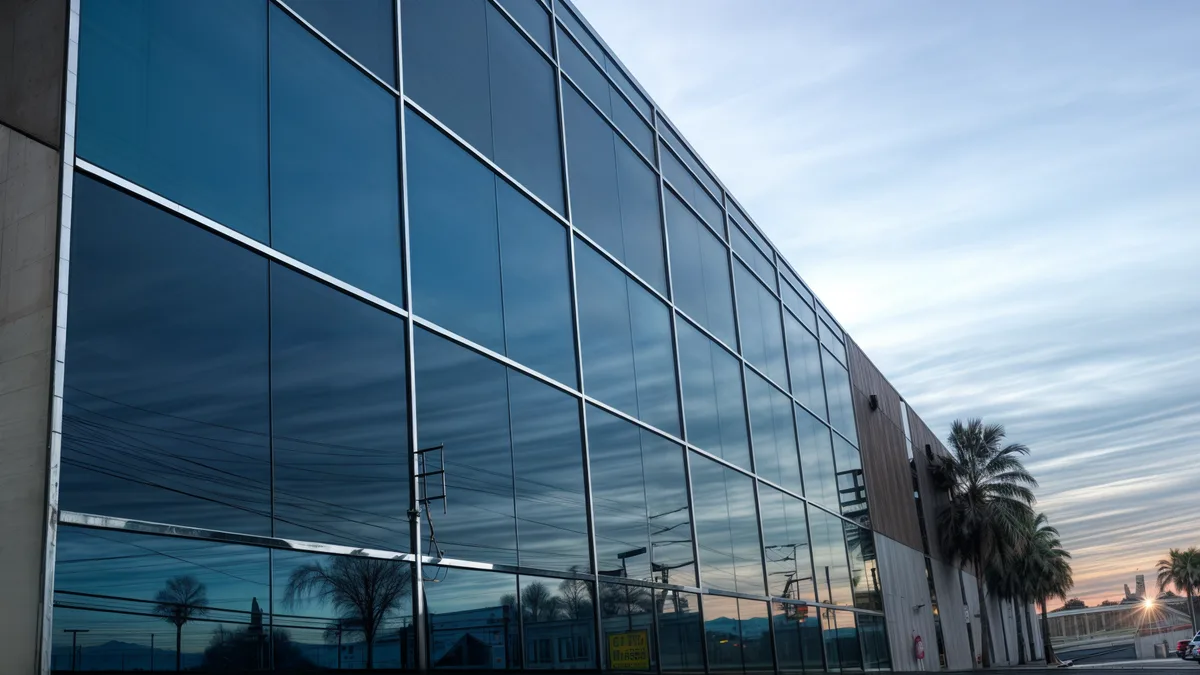
The future of curtain walls is focused on energy efficiency and ecology.

Current Curtain Wall Trends Shaping the Future 

Curtain wall technology is rapidly evolving, driven by the demands for sustainability, energy efficiency, and innovative design. Today, several trends are already transforming the way these systems are designed and installed: 

👉 You may also be interested in reading: How to Increase Natural Lighting in Your Building: The Curtain Wall Solution 

Thermally Broken Systems 

Advances in thermally broken glazing allow glass to prevent heat gain and reduce thermal loss, improving indoor comfort. According to a report by the U.S. Department of Energy (DOE), this type of glazing can reduce cooling and heating costs by up to 20%. 

Integration with Renewable Energy 

The concept of BIPV (Building Integrated Photovoltaics) is gaining momentum. These photovoltaic glass panels not only allow light to pass through but also generate clean energy directly from the façade. While still expensive today, this technology is expected to become mainstream in the coming years. 

Lighter and Stronger Materials 

New aluminum alloys and the use of composites allow for slimmer frames with greater structural strength, enabling sleeker façades without compromising safety. 

Green Certifications and Energy Efficiency 

More projects are pursuing certifications such as LEED or WELL, which require curtain walls to integrate solar-control glazing, advanced insulation systems, and technologies that minimize energy consumption. 

What Experts Say About Curtain Walls 

The future of curtain walls is not only a matter of technological innovation, but also of how the industry is preparing to face global challenges such as climate change, rapid urbanization, and the need for more efficient buildings. 

According to the Council on Tall Buildings and Urban Habitat (CTBUH), more than 70% of new skyscrapers built in the United States since 2010 incorporate curtain wall systems as their primary design element, due to their versatility, durability, and ability to maximize natural light. 

The American Institute of Architects (AIA) highlights that the trend of integrating sustainable technologies into façades, such as solar-control glazing and BIPV systems, is becoming an expected standard in institutional and corporate projects. 

Similarly, studies by the American Society of Heating, Refrigerating and Air-Conditioning Engineers (ASHRAE) have shown that façades with higher thermal insulation and better air infiltration control can reduce a building’s energy consumption by 25% to 40%, positioning curtain walls at the core of energy efficiency strategies. 

The future of curtain walls is focused on energy efficiency and ecology.

Upcoming Curtain Wall Innovations in the Next 10–20 Years 

The future of curtain walls is moving toward systems that are increasingly intelligent, adaptive, and sustainable. In the next two decades, we will see how technology and architecture converge to transform façades into active elements of the building. 

Intelligent Curtain Walls: the integration of IoT sensors will allow curtain walls to automatically regulate ventilation, solar gain, and the building’s energy consumption in real time. 

Next-Generation Adaptive Glass: the development of advanced electrochromic glass will enable more precise control of transparency, adjusting to light, temperature, and even user privacy needs. 

Integration with Renewable Energy: BIPV is expected to evolve into more affordable and efficient photovoltaic glass, turning façades into active energy generators that contribute significantly to a building’s electricity consumption. 

Advanced Sustainability: future curtain walls are expected to incorporate carbon capture technologies and high-performance recycled materials, reducing the environmental footprint of construction. 

Climate Resilience: new structural designs will allow curtain walls to better adapt to extreme events such as hurricanes, fires, or earthquakes, ensuring safety without compromising aesthetics. 

👉 You may also be interested in reading: Which Works Best in Harsh Climates? Comparation Curtainwalls vs. Other Façade Systems 

Curtain walls have evolved from being a symbol of architectural modernity to becoming a strategic solution for the future of construction. The integration of smart technologies, sustainable materials, and energy-efficient systems positions these façades as a key pillar in the design of tomorrow’s buildings. 

For architects, engineers, and builders, investing in curtain walls is not just an aesthetic choice, it is a commitment to innovation, resilience, and long-term sustainability. 

👉 Contact us today and discover how PRL can be your partner in designing and installing curtain wall systems built for the future. 

Curtainwalls That Transformed Skylines Across the U.S

Curtainwalls That Transformed Skylines Across the U.S.

Home / Archive by category "BLOG"

Curtainwalls have evolved from being merely a façade system to becoming a true symbol of modernity and urban progress. Since the mid-20th century, these aluminum and glass structures have redefined the architectural landscape of the United States, marking a turning point in how we perceive skyscrapers and institutional buildings. 

Today, curtainwalls not only represent energy efficiency and resilience in harsh climates, but they‘re also a key factor in the visual identity of cities. Just look at the skylines of New York, Chicago, or Los Angeles to understand how their use has transformed the image of these urban centers and solidified certain buildings as global architectural landmarks. 

Join us as we explore and analyze some of the most emblematic projects in the United States where curtainwalls not only served a technical function but also became cultural and urban icons, forever changing the way each city is perceived. 

Curtain walls have been one of the new trends in architecture that has dominated the recent century.

Curtainwalls as a Symbol of Modernity in Architecture 

Curtainwalls didn’t just transform the way façades were designed: they also redefined the language of modern architecture. Their introduction in the mid-20th century marked a radical shift from traditional load-bearing walls, paving the way for taller, lighter, and more visually transparent buildings. For example, according to the State of Washington’s Historic Preservation office, the curtainwall style is attributed to buildings constructed between 1948 and 1965, characterized by prefabricated exterior walls of glass and aluminum hung from structural frames.  

Jonathan Ochshorn notes that by the mid-20th century the curtainwall, beyond its structural role, was increasingly defined as an “environmental membrane,” mediating between variable exterior conditions and interior comfort, while incorporating double glazing, sunscreens, and other technologies to improve lighting and efficiency.  

For architects and engineers, this evolution opened the possibility of designing entire skylines where natural light and glazed surfaces projected modernity and confidence. Early examples such as the Lever House (1952) embody this transition toward fully glazed façades. 

Ultimately, curtainwalls are far more than a construction system: they’re a universal architectural language, capable of expressing innovation, progress, and the visual identity of a city to the world. 

👉 You may also be interested in reading: How to Increase Natural Lighting in Your Building: The Curtain Wall Solution 

Curtainwalls on the East Coast: Landmark Projects 

The East Coast of the United States is where curtainwalls began to consolidate as a modern and innovative architectural solution. Cities like New York and Boston became showcases for how these glass and aluminum façades could transform the urban landscape. 

Lever House (New York, 1952) 

Designed by SOM (Skidmore, Owings & Merrill), it was one of the first fully glazed skyscrapers in the United States. Its curtainwall marked a turning point in corporate architecture, projecting an image of transparency, modernity, and efficiency. 

41 Cooper Square (New York, 2009) 

This academic building designed by Morphosis combines aesthetic innovation and energy efficiency. Its steel and glass curtainwall ensures that over 75% of occupied spaces receive natural daylight, reducing the need for artificial lighting and reinforcing its sustainable profile. 

One World Trade Center (New York, 2014) 

The most recent icon of New York’s skyline uses a high-performance curtainwall system made of low-emissivity glass and materials designed to withstand extreme wind loads. Beyond its cultural symbolism, it stands as a technical benchmark in safety and sustainability. 

Curtainwalls in the Midwest: Innovation and Resilience 

The Midwest of the United States, with cities like Chicago, became a laboratory of architectural innovation. Here, curtainwalls proved their resilience against extreme climate conditions, such as harsh winters, strong winds, and dramatic temperature shifts. 

Willis Tower (Chicago, 1973) 

Formerly known as the Sears Tower, it was the tallest building in the world for many years. Its black aluminum and glass curtainwall was designed not only to project modernity but also to withstand the enormous wind pressures that affect skyscrapers in Chicago. 

Aqua Tower (Chicago, 2009) 

Designed by Studio Gang, this tower combines a glass curtainwall with undulating balconies that act as wind breakers. The result is a highly efficient building that maximizes natural daylight while mitigating the extreme climate conditions of Chicago. 

👉  You may also be interested in reading: Which Works Best in Harsh Climates? Comparation Curtainwalls vs. Other Façade Systems 

In every major city in the United States, there is an iconic building that features a curtain wall system.

Curtainwalls on the West Coast: Modernity and Sustainability 

The West Coast of the United States, with cities like Los Angeles, San Francisco, and Seattle, has embraced curtainwalls as a symbol of architectural innovation and sustainability. In this region, where seismic activity and environmental awareness play a crucial role, these systems have become an essential tool for urban development. 

Wilshire Grand Center (Los Angeles, 2017) 

Standing at 1,099 ft., it’s one of the tallest skyscrapers on the West Coast. Its state-of-the-art glass curtainwall combines transparency, seismic resistance, and energy efficiency, while also offering spectacular panoramic views of the city. 

Salesforce Tower (San Francisco, 2018) 

Designed by Pelli Clarke Pelli Architects, this iconic tower features a curved glass curtainwall that optimizes natural daylight and reduces energy consumption. It also meets high sustainability standards, making it a benchmark for green architecture in the region. 

F5 Tower (Seattle, 2017) 

Located in the heart of Seattle, it uses a curtainwall with solar control glass that helps regulate interior temperature and adapt to the city’s variable climate. Its design reinforces the modern and technological identity of the city. 

From New York to Los Angeles, curtainwalls have proven to be much more than just a façade system: they’re a symbol of modernity, sustainability, and architectural resilience. They‘ve transformed the skylines of major U.S. cities and established themselves as one of the most comprehensive solutions to the challenges of contemporary design. 

For architects, contractors, and engineers, choosing a curtainwall isn’t just about selecting a material. It’s about ensuring energy efficiency, structural safety, and a visual identity that adds value to both the project and the city. 

👉 Contact us today and discover how PRL’s curtainwall systems can turn your next project into an architectural landmark. 


Curtainwalls vs. Other Façade Systems

Which Works Best in Harsh Climates? Comparation Curtainwalls vs. Other Façade Systems

Home / Archive by category "BLOG"

In any architectural project, the choice of façade system is not merely an aesthetic decision: it is a strategic one that directly impacts energy efficiency, durability, and long-term operating costs. 

In harsh climates, whether extreme heat, severe cold, high humidity, or strong winds. this choice becomes even more critical. A mistake in selection can lead to water infiltration, excessive HVAC costs, or even structural risks that affect the entire project. 

This is why architects, contractors, and engineers face an important question: which façade system delivers the best performance under adverse conditions? In this article, we will compare curtainwalls with other traditional façade systems, analyzing their advantages, limitations, and practical applications for projects in challenging environments. 

Curtain walls are a great facade, but how do they compare to other materials?

Harsh Climates and Challenges of Building  

Designing and constructing buildings in harsh climates involves challenges that go far beyond aesthetics or space distribution. For architects, engineers, and contractors, the façade becomes the first line of defense against the environment. 

Critical Factors to Consider 

  • Solar control and daylighting: In regions with high solar radiation, excessive heat gain and glare can negatively affect indoor comfort. A recent study on solar-control smart glazing shows that certain smart glass types can reduce solar heat gain by 35% to 60%, depending on the configuration, directly lowering air-conditioning loads. 
  • Moisture and water infiltration: The presence of moisture and leaks can damage interiors, affect energy efficiency, and create health risks. An ASHRAE study on hygrothermal (moisture-heat transport) modeling demonstrates that façades with poor sealing in humid climates show higher risks of deterioration and efficiency loss in a very short time. 
  • Durability against strong winds: In areas exposed to storms, hurricanes, or constant winds, materials and installation must meet standards that ensure structural resistance. Current standards set minimum requirements for performance and wind loads; failure to meet them can result in structural damage or safety hazards. 

The Impact of a Poor Choice 

An inadequate façade system not only generates higher energy costs but can also lead to: 

Safety risks for occupants, such as glass breakage, structural failures, or water damage. 

Legal issues due to non-compliance, since many U.S. building codes require adherence to efficiency standards like ASHRAE 90.1 or equivalent local codes. 

Higher maintenance and repair costs, caused by materials that deteriorate faster under extreme conditions or lack of adequate solar protection. 

👉 You may also be interested in reading: How to Increase Natural Lighting in Your Building: The Curtain Wall Solution 

Curtainwall: Advantages in Harsh Climates 

Curtainwall systems offer significant advantages over other façade types when it comes to demanding climate conditions. Their modular design, ability to integrate high-performance glazing, and structural flexibility make them a robust solution for architects, contractors, and engineers. 

  • Insulation and Energy Efficiency: Curtainwalls allow the incorporation of low-E glass, solar-control glazing, or double and triple glazing, which improve thermal resistance and reduce energy loss. This translates into lower air-conditioning or heating consumption, optimizing building operations in the long term. 
  • Resistance to Climate Conditions: Thanks to sealed joints and drainage systems, curtainwalls provide a high level of air and water tightness, reducing the risk of leaks even in humid or rainy climates. In addition, they are designed to withstand wind loads in high-rise projects, complying with international standards such as ASTM E330 for structural pressure. 
  • Design Flexibility: These systems allow façades with large glass surfaces and slim aluminum frames, maximizing the entry of natural light without compromising strength. For industry professionals, this means the ability to combine modern aesthetics with high technical performance. 
  • Durability and Maintenance: Made with high-quality aluminum and glass, curtainwalls offer a long service life and require less maintenance compared to traditional systems exposed to extreme conditions. 

👉 You may also be interested in reading: Storefront vs Curtainwall: Which Is the Best Option for Your Project? 

With natural light and durability, curtain walls are often the best option for elegant facades.

Other Façade Systems: Limitations and Uses 

While curtainwalls offer outstanding advantages in harsh climates, it is important to understand how they compare to other façade systems still widely used in projects of different scales. 

Traditional Masonry or Concrete Walls 

Advantages: Cost-effective during initial construction, provide thermal mass, and are common in low-rise buildings. 

Limitations: Less design flexibility, reduced natural light entry, and poor thermal performance without additional insulation. 

Metal and Prefabricated Panels 

Advantages: Fast installation and good mechanical resistance. 

Limitations: Without proper treatment, they can corrode in humid or saline climates, and they are less efficient at regulating indoor temperatures. 

Structural Glazing 

Advantages: Provides a modern aesthetic with seamless, frameless glass façades, offering a sleek and minimalist appearance. 

Limitations: More complex and expensive to install; does not provide the same structural strength as a curtainwall in high-rise projects. 

Ventilated Façades 

Advantages: Excellent energy performance and moisture control, with versatility in finishes such as ceramic, stone, or composite. 

Limitations: Require additional materials and specialized maintenance to ensure long-term performance. 

In summary, while other systems may be suitable in specific contexts, curtainwalls remain the most reliable solution for projects that demand high technical performance and durability in challenging climates. 

👉 You may also be interested in reading: Curtainwall: What It Is and Why It’s a Trend in Architecture 

So, What Should I Choose for My Project? 

Each façade system has its own range of applications depending on the project’s needs and environmental conditions. For architects, contractors, and engineers, understanding these scenarios is key when making strategic decisions. 

When to Choose Curtainwall 

  • High-rise buildings in harsh climates: thanks to their resistance to wind loads and water tightness. 
  • Projects that require maximum natural light entry: corporate offices, hospitals, and universities. 
  • Constructions where energy efficiency is a priority: integration with solar-control, double, or triple glazing. 
  • Buildings that aim to project modernity and prestige: corporate towers and luxury hotels. 

When Other Systems May Be More Suitable 

  • Masonry or concrete: for low-rise buildings with tight budgets. 
  • Metal/prefabricated panels: in industrial or logistics projects where installation speed and mechanical strength are more important than aesthetics. 
  • Structural glazing: for façades where a minimalist aesthetic without visible frames is desired, typically in medium-rise buildings. 
  • Ventilated façades: in residential or institutional projects in hot and humid climates, where energy efficiency and moisture control are top priorities. 

The choice of façade system is a strategic decision in any architectural project, especially when dealing with harsh climates. As we have seen, each material and system has specific applications, but curtainwalls stand out as the most complete solution by combining energy efficiency, structural strength, durability, and modern design in high-rise buildings. 

For architects, engineers, and contractors, opting for a curtain wall is not just an aesthetic choice: it ensures reliable long-term performance, reduced operating costs, and added value that increases the project’s competitiveness in the market. 

👉 Contact us today and discover how PRL’s curtainwall systems can help you face the toughest challenges, complying with international standards and delivering solutions built to last. 

How to Increase Natural Lighting in Your Building: The Curtainwall Solution

How to Increase Natural Lighting in Your Building: The Curtain Wall Solution

Home / Archive by category "BLOG"

Natural light is one of the most valued elements in modern architecture. It not only enhances a building’s aesthetics but also has a direct impact on people’s well-being, productivity, and energy savings. However, many developers and property owners ask themselves: How can I increase natural light in my building without compromising safety or efficiency? 

There are many possible answers, but in this case, we’ll focus on curtain wall systems. With their design of large glass surfaces and slimmer aluminum profiles, these systems make it possible to open spaces to the outside and maximize the entry of natural light. Whether in offices, hospitals, schools, or residential buildings, a curtainwall can transform an ordinary property into a healthier, more attractive, and more efficient space. 

In this article, we’ll explore why natural light is essential in contemporary design, how curtainwalls have become the best solution to increase it, and the tangible benefits they bring to both users and the value of a project. 

Curtain walls allow us to open our building to natural light, resulting in benefits in terms of productivity and health.

The Psychology and Science Behind Natural Light 

Natural light isn’t just an aesthetic resource: it’s proven to help people’s health, productivity, and well-being. Incorporating it into architectural design isn’t a luxury but a necessity supported by studies from prestigious institutions. 

In fact, when a company asks how it can increase worker productivity indirectly, many point to natural light and the warmth of the sun. 

But does it really bring benefits? The short answer is yes, and here’s a closer look at why, backed by studies across the United States. 

  • Well-being and sleep quality: A study conducted by Northwestern Medicine and the University of Illinois showed that workers with greater access to natural light reported better sleep quality, higher physical activity, and an improved quality of life compared to those working in windowless environments. 
  • Higher productivity: According to various reports, companies with naturally brighter workspaces experience up to a 20% increase in productivity, along with reduced absenteeism. 
  • Mental health and comfort: The World Green Building Council highlights that natural light is an essential factor for well-being, comparable to basic resources like water or air, and that it directly influences how we feel and our ability to focus. 

Taken together, this evidence confirms that natural light is not simply a design detail, it is a key factor in building healthier, more productive, and more sustainable spaces. 

👉 You may also be interested in reading: Which Works Best in Harsh Climates? Comparation Curtainwalls vs. Other Façade Systems

How Curtain Walls Maximize Natural Light 

A curtainwall consists of a framed, lightweight exterior structure, glass infill panels and partitions without structural function. This type of glazing has become one of the most widely used in modern architecture. Just look at most of the large skyscrapers or buildings that were created less than 10 years ago. 

Curtain wall systems are specifically designed to open buildings to light. Unlike more traditional façade systems, they allow for the integration of large glass surfaces with slim aluminum frames that let in the maximum amount of natural illumination. 

Large Glass Surfaces: Oversized panels function as a continuous window that connects the interior with the exterior, eliminating visual barriers and enhancing transparency. 

Slim Aluminum Profiles: Discreet yet strong frames support large panes of glass without blocking the entry of light. This creates a modern, clean design that enhances natural illumination. 

Architectural Integration: Curtainwalls not only maximize natural light, but they also adapt to various architectural styles, from corporate buildings to luxury residences, adding a contemporary and sophisticated look. 

A curtainwall isn’t simply an aesthetic element: it‘s a functional solution that makes natural light the centerpiece of architectural design. Beyond its benefits, a building with a curtainwall also looks modern and increases its overall value. 

👉 You may also be interested in reading: Storefront vs Curtainwall: Which Is the Best Option for Your Project? 

Natural light not only benefits workers. It also allows us to save on electricity and air conditioning.

What Are the Benefits of Curtain Walls for Businesses, Architects, and Developers? 

We’ve already seen some of the benefits of increasing natural light in your building or business. It’s something the human body itself needs. But what are the benefits from a professional perspective? 

Incorporating more natural light through curtainwall systems not only impacts the aesthetics of a building, it also delivers tangible benefits for users and for those investing in the project. 

  • Energy Savings: By maximizing daylight entry, reliance on artificial lighting decreases, leading to significant reductions in electricity consumption and operating costs. This is especially important since air conditioning tends to be very costly in both summer and winter. 
  • Well-Being and Productivity: Environments with greater natural light improve focus, reduce fatigue, and create healthier spaces for employees, students, or patients. This translates into higher productivity and greater satisfaction among occupants. 
  • Real Estate Value: A building with a curtainwall is perceived as modern and attractive, which increases its market value. Tenants and investors prioritize properties with open, well-lit spaces. In fact, if you rent office space, it’s an effective way to catch the attention of large corporations. 
  • Corporate Image and Sustainability: Curtainwalls contribute to certifications such as LEED, positioning companies and developers as players committed to sustainability and architectural innovation. 

Real Examples of Curtain Walls and Projects in the United States 

Curtainwalls are no longer a passing trend: they’re a proven solution that’s already transformed the design of numerous iconic buildings across the United States. These projects demonstrate how natural light becomes the central element of architecture: 

  • Lever House (New York, SOM, 1952): One of the first fully glass-clad skyscrapers in the country. Its glass curtainwall created a direct visual connection with the urban environment and marked a turning point in the use of natural light in corporate architecture. 
  • 41 Cooper Square (New York): This academic building designed by Morphosis uses a steel-and-glass curtainwall that allows more than 75% of occupied spaces to receive natural daylight, reducing the reliance on artificial lighting. 
  • Wilshire Grand Center (Los Angeles): This 335-meter skyscraper, one of the tallest on the West Coast, employs a state-of-the-art glass curtainwall that combines transparency, energy efficiency, and seismic resistance, while also providing spectacular views and abundant natural light on every floor. 

Natural light is much more than an aesthetic feature: it’s a proven factor in improving the health, productivity, and value of a building. And curtainwall systems are the best tool to enhance it. 

Throughout this article, we’ve seen how curtainwalls maximize natural light, reduce energy costs, improve occupant well-being, and increase the value of architectural projects. They’ve also become a proven solution in some of the most iconic buildings in the United States, from New York to Los Angeles. 

Ultimately, investing in a curtainwall does more than transform a building’s façade: it opens the door to a healthier, more efficient, and more attractive space. 

👉 Contact us today and discover how a curtainwall system can open your building to light and turn it into a cutting-edge project.