Loading

7 ways to maximize space with Bifold Door

7 Ways to Maximize Space Using Folding Doors (Without Compromising Style)

Home / Archive by category "BLOG"

Struggling with limited space, poor airflow, or rigid room layouts? Folding Doors might be the smart solution you didn’t know you needed. Designed to open up tight spaces, connect environments, or divide areas with elegance, these doors offer flexibility without compromising style. 

In this article, we’ll explore 7 practical and stylish ways to use Folding Doors to transform your space. Whether you’re redesigning a small apartment, upgrading a commercial setting, or simply looking for a modern touch, these ideas will help you maximize every inch, beautifully. 

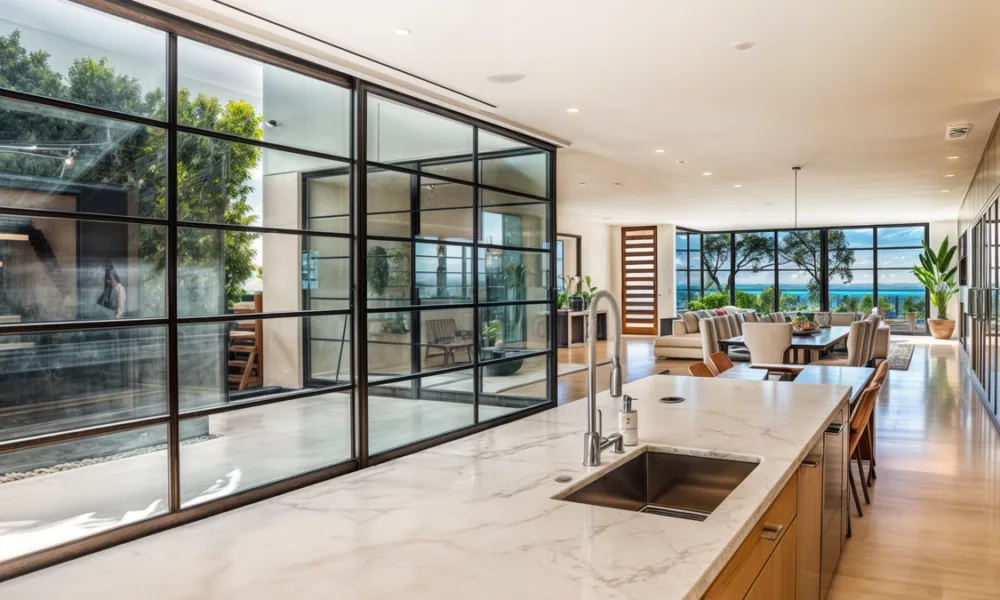
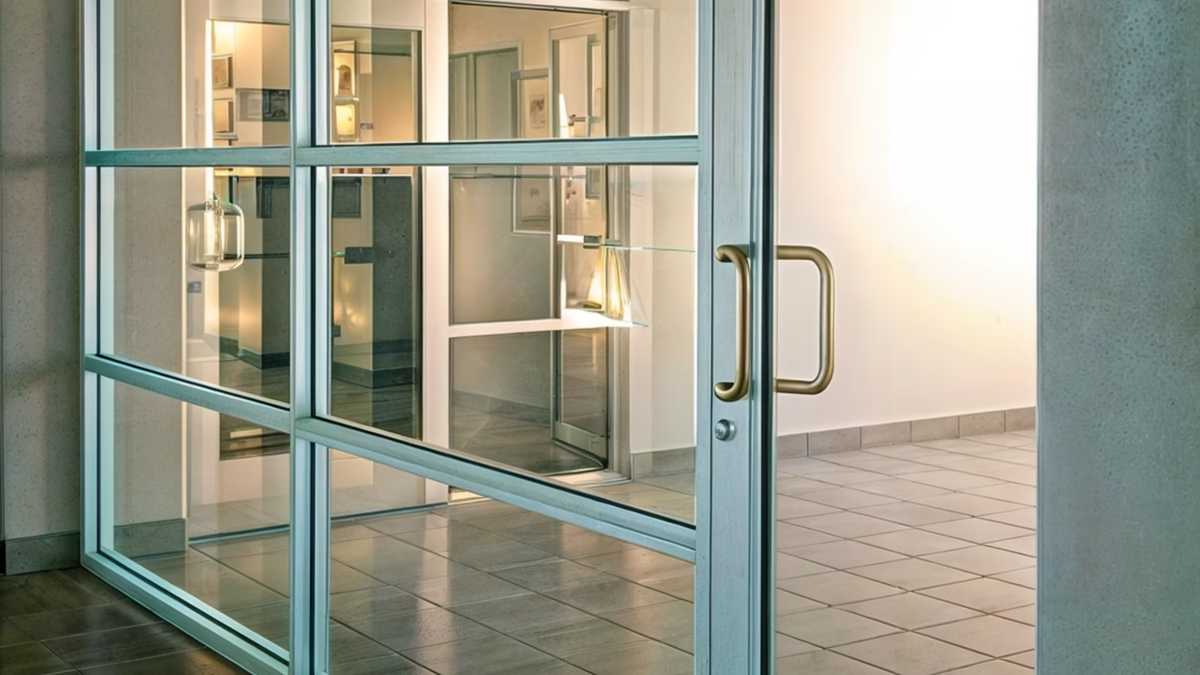
You can maximize the space in your home by using elements such as Bifold Doors.

Maximize Your Space with Accordion Doors 

In modern housing, space is one of the most important points to consider. With smaller lots, if there’s something that takes up a few yards of your house, you could easily have cramped quarters. 

But what happens here? Many of the solutions that save that space aren’t aesthetically pleasing- something that generates debate in many parts of the United States of America. 

But what about Folding Doors or accordion doors? They’re glass and aluminum solutions that save space and give homes a very luxurious style. Here’s 7 reasons why they can help you save space. 

Save Valuable Floor Space with Smart Folding Designs 

Traditional swing doors require clearance to open and close, often wasting precious square footage in compact environments. Folding Doors, on the other hand, operate on a track system that allows panels to stack neatly to one side, eliminating the arc of a swinging door. 

This makes them the ideal trend for small apartments, closets, pantries, or transitional spaces where every inch counts. Bi-folding instead of swinging, these doors create room for furniture, movement, and functionality, without sacrificing aesthetics. 

Create Flexible Room Dividers Without Building Walls 

One of the standout advantages of Folding Doors is their ability to dynamically divide spaces without permanent construction. Whether you want to separate a home office from the living room, a dining area from the kitchen, or a meeting space in a commercial setting, Folding Doors give you control over your layout. 

Unlike fixed walls or sliding doors, bi-folding systems can fully open or partially close, adapting the environment to your needs. This flexibility not only improves space functionality, but it also fosters an open-concept feeling when desired, and privacy when needed. 

Connect Indoor and Outdoor Spaces with a Seamless Flow 

Folding Doors are a game-changer when it comes to blending interior and exterior environments. With the ability to fully retract and open wide, they create an expansive, uninterrupted passage between your living room, patio, garden, or balcony. 

This not only enhances natural light and ventilation but also extends your living space visually and functionally making it ideal for entertaining or simply enjoying a greater sense of openness. Whether in a modern home or a commercial venue, Folding Doors bring the outdoors in with effortless style. 

Enhance Ventilation and Energy Efficiency Naturally 

When opened fully, Folding Doors allow maximum airflow to cool down spaces naturally and reduce the need for artificial climate control. This is especially valuable in warmer climates or during transitional seasons when fresh air circulation is key. 

By promoting cross-ventilation and increasing exposure to daylight, Folding Doors contribute to lower energy consumption and a healthier indoor environment. The result? A more sustainable, comfortable space that feels open, airy, and connected to its surroundings. 

Bifold Doors allow you to create a quality portal between two parts of your home, saving a lot of space.

Personalize Your Look with Materials and Finishes 

Folding Doors are not a one-size-fits-all. They’re available in a wide range of materials, colors, and finishes to match any design style. Whether you prefer the warmth of natural wood, the sleek minimalism of aluminum, or the openness of full glass panels, there’s a configuration to suit your aesthetic. 

You can also choose from custom hardware, frame profiles, and glazing options to enhance both form and function. This level of personalization makes Folding Doors an ideal choice for modern, traditional, or industrial interiors looking for a design statement that’s as practical as it is beautiful. 

Integrate with Smart Storage and Multi-Use Layouts 

Folding Doors are more than just entryways. They can become part of a multi-functional design strategy. In compact homes or offices, they can be integrated into built-in shelving, hidden storage units, or even convertible workspaces that appear or disappear as needed. 

Their adaptability makes them perfect for transformable layouts, such as guest rooms that double as home gyms, or open-plan studios that need occasional privacy. Folding Doors offer a clean, modern solution making the most of every square foot, without visual clutter. 

Embrace Innovation with Advanced Bi-folding Door Systems 

Today’s Folding Doors go far beyond basic functionality. Thanks to advances in hardware and design, modern systems offer ultra-smooth operation, concealed tracks, minimal thresholds, and enhanced security—all while maintaining a sleek aesthetic. 

Features like flush floor integration, soft-close mechanisms, thermal insulation, and even smart-lock compatibility make Folding Doors a cutting-edge choice for forward-thinking projects. Whether you’re designing a high-end home or a commercial space, these innovations ensure that your Folding Doors are as technically refined as they are visually striking. 

Folding Doors offer far more than just an elegant touch. They provide real, adaptable solutions for making the most of your space. From enhancing ventilation to dividing rooms with flexibility, they combine functionality with modern style in ways few other systems can. 

Whether you’re planning a renovation, building from scratch, or rethinking a compact layout, Folding Doors might be the key element your project needs. 


5 Laminated Glass Trends for 2025

5 Laminated Glass Trends for 2026: Beyond Aesthetics, Maximum Functionality

Home / Archive by category "BLOG"

In today’s construction industry, laminated glass is no longer just a design element, it has become a key component for safety, comfort, and energy efficiency in modern architecture.  

As technology advances and building standards become more demanding, laminated glass is evolving to offer features that goes far beyond its traditional role of enhancing aesthetics. 

In this article, we explore five emerging trends in laminated glass that are redefining how architects, builders, and developers approach both residential and commercial projects. From superior impact resistance to advanced acoustic insulation, these innovations are setting new benchmarks for performance, sustainability, and occupant well-being. 

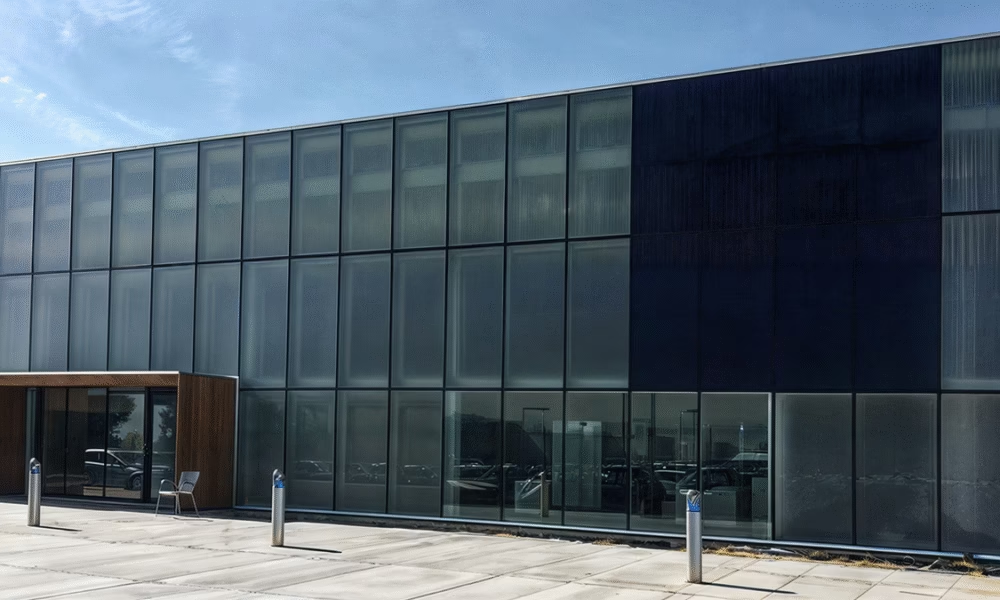
The trends in laminated glass are not aesthetic, but rather functional.

Trend 1: Enhanced Impact Resistance and Security

Laminated glass has long been valued for its safety benefits, but recent advancements in interlayer technology are taking impact resistance to a new level. Modern laminated glass can now withstand stronger blows and repeated impacts without shattering, making it an essential choice for storefronts, high-rise buildings, and hurricane-prone areas 

These improvements not only protect occupants from accidental breakage, but also deter forced entry, add a crucial layer of security. 

Manufacturers are also combining laminated glass with other safety features, such as intrusion-resistant films and stronger bonding materials, to create glazing systems that comply with increasingly stringent building codes 

By offering higher resilience without compromising transparency or design flexibility, impact-resistant laminated glass is setting a new standard in protective architecture. 

Trend 2: Acoustic Insulation for Quieter Spaces

Urban noise pollution has become a major concern for both residential and commercial developments, and laminated glass is at the forefront of the solution. By incorporating specialized acoustic interlayers, laminated glass can significantly reduce the transmission of external sounds, creating quieter, more comfortable indoor environments.  

This makes it an ideal choice for hotels, offices, apartments, and any building located near busy streets, airports, or industrial areas. 

Unlike traditional soundproofing methods that add bulk or limit design options, acoustic laminated glass maintains a slim profile and full transparency while delivering exceptional noise reduction. This innovation not only enhances occupant comfort but also adds value to properties by meeting the growing demand for peace and tranquility in urban living. 

Trend 3: Thermal Control and Energy Efficiency

With rising energy costs and stricter environmental regulations, energy efficiency is a top priority in modern construction, and laminated glass is playing a key role.  

By integrating advanced coatings and high-performance interlayers, laminated glass can now help regulate indoor temperatures more effectively, minimizing heat gain in the summer and heat loss in the winter. This reduces the reliance on HVAC systems, leading to lower energy consumption and utility costs. 

Moreover, energy-efficient laminated glass contributes to buildings achieving green certifications such as LEED, enhancing their market appeal and sustainability credentials. Architects and developers are increasingly specifying this type of glazing in projects aiming for net-zero or energy-positive performance, proving that laminated glass is not just a design choice, but a smart investment in long-term energy savings. 

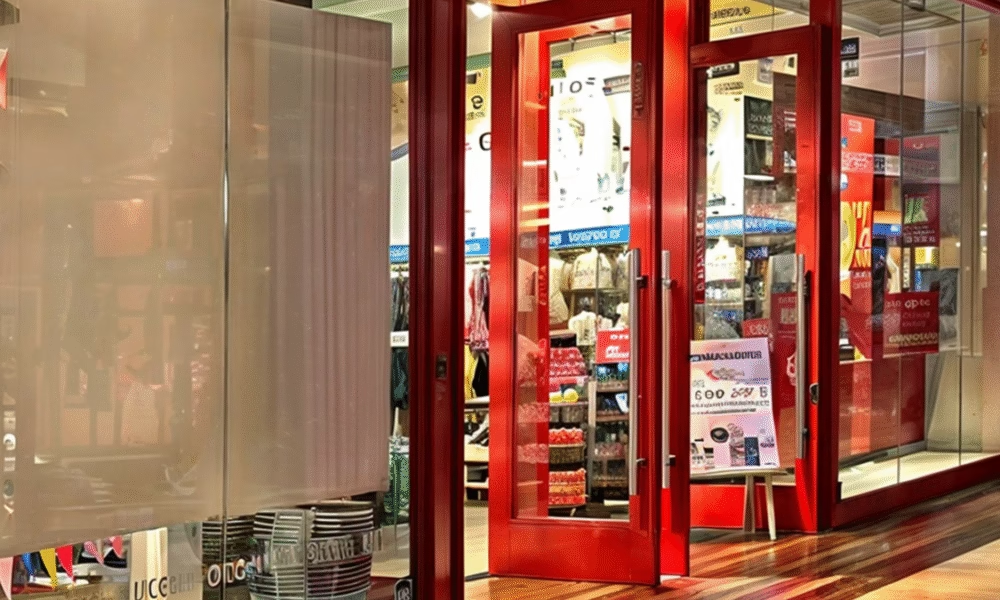
Laminated glass is trending due to its technological capabilities, such as sound control and bullet resistance.

Trend 4: UV Protection and Fade Reduction

Sunlight streaming through glass can bring warmth and brightness to space, but it also carries harmful UV rays that can damage the interior over time. Modern laminated glass incorporates specialized interlayers that block up to 99% of UV radiation, protecting furnishings, flooring, and artworks from fading or deterioration.  

This not only preserves the aesthetic and value of interior spaces but also contributes to healthier indoor environments by reducing occupants’ exposure to UV rays. 

Unlike films or external shading systems, laminated glass with integrated UV protection requires no additional maintenance and preserves clear, uninterrupted views. As homeowners, businesses, and institutions prioritize long-term protection for their interiors, UV-filtering laminated glass is becoming an indispensable element in both new buildings and renovations. 

Trend 5: Smart and Switchable Laminated Glass

The rise of smart technologies in architecture has extended to laminated glass, with switchable or electrochromic options transforming how spaces adapt to privacy and lighting needs. By embedding switchable films within laminated glass, occupants can instantly change transparency levels at the touch of a button, turning a clear window into an opaque partition without sacrificing design or space. 

This technology is particularly valuable in modern offices, healthcare facilities, hotels, and luxury residences where flexible layouts and privacy are essential. Beyond aesthetics and convenience, switchable laminated glass can also contribute to energy efficiency by controlling solar heat gain and glare, showcasing how laminated glass is evolving to meet the demands of dynamic, high-performance buildings. 

Laminated vs Tempered Glass

Laminated Glass vs. Tempered Glass: Which Is Better for Security and Design?

Home / Archive by category "BLOG"

Choosing the right type of safety glass is important for architects, builders, and property owners who want to balance security, aesthetics, and performance.  

With rising concerns about break-ins, severe weather, and even noise pollution, laminated glass and tempered glass have become two of the most popular options in modern construction. However, despite both being classified as safety glass, they differ significantly in how they’re made, how they break, and where they perform best. 

Understanding these differences is essential to avoid costly mistakes and ensure your glass installation meets the needs of your space. Whether you’re planning to secure a storefront, upgrade residential windows, or add a sleek glass element to your interior design, this guide will walk you through the key distinctions between laminated glass and tempered glass, from strength and security to price and recommended applications. 

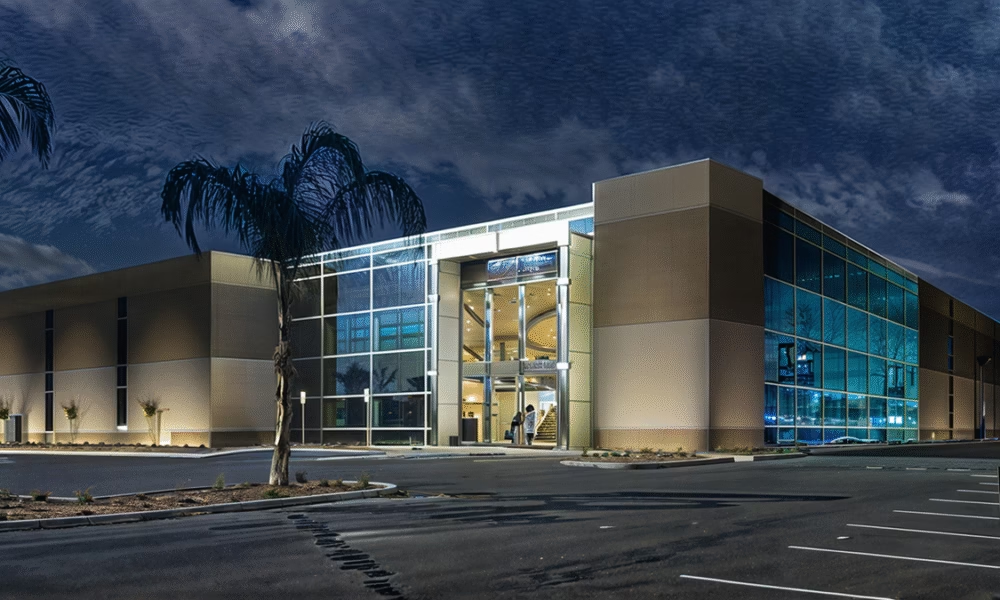
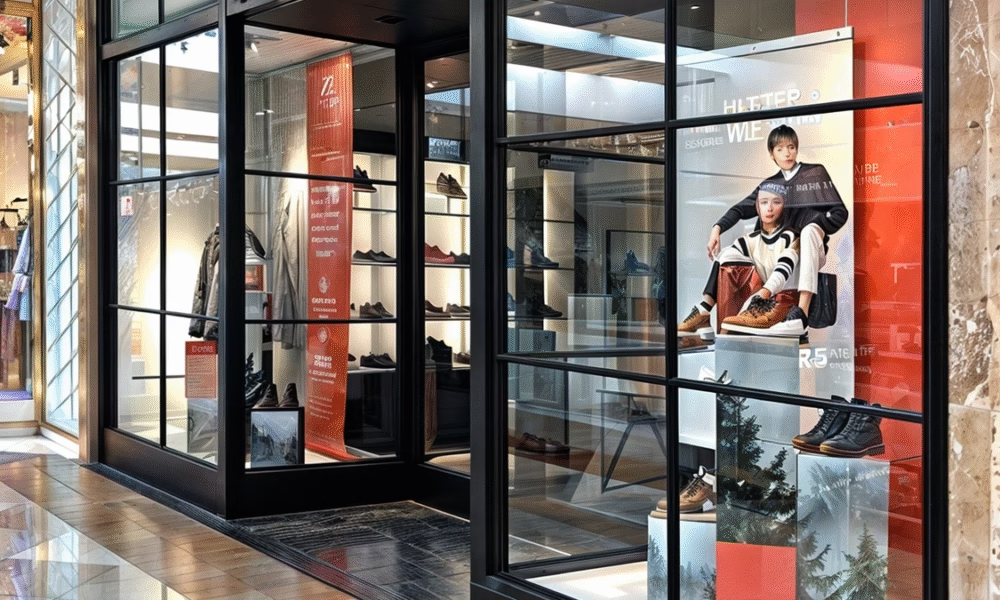
Laminated glass is chosen for impact protection, as it does not shatter into thousands of pieces.

All You Need to Know About Laminated Glass 

Now let’s learn all about this glass so you can decide if it’s a good fit for your project. 

What Is Laminated Glass? 

Laminated glass is made by bonding two or more layers of glass with a plastic interlayer, usually polyvinyl butyral (PVB). This interlayer holds the glass sheets together even when shattered, preventing dangerous shards from scattering. The result is a glass product that combines durability with enhanced safety features. 

Main Benefits of Laminated Glass 

Laminated glass offers many of these benefits. 

  • Sound Reduction: Laminated glass dampens sound, which is ideal for buildings near busy streets or in noisy environments. 
  • UV Protection: The plastic interlayer blocks up to 99% of harmful UV rays, helping protect interiors from fading. 
  • Design Options: The interlayer can incorporate decorative films, graphics, or colored layers, offering creative opportunities in architecture. 

Common Uses of Laminated Glass 

Laminated glass has some very specific uses. 

  • Skylights and overhead glazing to prevent falling glass hazards. 
  • High-rise building windows. 
  • Automotive windshields. 

All You Need to Know About Tempered Glass 

Now let’s learn all about this glass so you can decide if it’s a good fit for your project. 

What Is Tempered Glass? 

Tempered glass starts as regular (annealed) glass that is heated to high temperatures and then rapidly cooled in a controlled process called tempering. This thermal treatment increases its strength by putting the outer surfaces in compression and the inner core in tension.  

When it breaks, it shatters into small, blunt pieces rather than sharp, jagged shards, significantly reducing the risk of injury. 

Main Benefits of Tempered Glass 

Tempered glass offers many of these benefits. 

  • Impact Resistance: Tempered glass is about four to five times stronger than standard glass, making it highly resistant to impacts. 
  • Safety on Breakage: The characteristic “dice-like” shattering minimizes the danger of sharp edges. 
  • Thermal Resistance: It can withstand higher temperature changes without breaking compared to standard glass. 

Common Uses of Tempered Glass 

Tempered glass has some very specific uses.   

  • Side and rear windows in vehicles. 
  • Tabletops and shelves. 
  • Windows in high-rise buildings where safety glass is required by code. 
Both options offer significant advantages in terms of safety. One of the differences is the size of the two products.

Laminated Glass vs Tempered Glass: Key Differences 

While both laminated and tempered glass fall under the category of safety glass, they are designed for different needs and situations. Laminated glass is best when security, sound insulation, and UV protection are priorities, since its interlayer keeps broken pieces together and adds extra benefits.  

Tempered glass, on the other hand, is ideal where high impact resistance and breakage safety are needed, offering impressive strength but shattering completely into small, blunt fragments if broken. 

Below is a quick comparison highlighting the main differences: 

Feature 

Laminated Glass 

Tempered Glass 

Construction 

Multiple layers bonded with plastic interlayer (PVB) 

Single sheet heat-treated for strength 

Breakage 

Holds together when shattered 

Shatters into small, blunt pieces 

Security 

Harder to penetrate, better for forced-entry prevention 

Less secure, easier to break through 

Sound Reduction 

Excellent noise dampening 

Minimal sound insulation 

UV Protection 

Blocks most UV rays 

Limited UV protection 

Cost 

Generally more expensive 

Less expensive than laminated glass 

  Choosing the right glass type depends on your specific project needs. If you need maximum security and soundproofing, laminated glass is the better option; if you want cost-effective safety glass with high impact resistance, tempered glass is often the preferred choice. 

Frequently Asked Questions 

What is safer: laminated or tempered glass?

Both are safety glasses, but laminated glass offers better protection against forced entry (hurricanne protection too) since it holds together when shattered, making it harder to penetrate. Tempered glass, while very strong, will completely shatter into small pieces when broken. 

Can laminated and tempered glass be used together?

Yes! Many projects combine both types. For example, laminated glass for exterior windows to prevent break-ins and reduce noise, and tempered glass for interior doors or partitions where impact resistance is key. 

Which glass type is better for soundproofing?

Laminated glass is better for sound reduction because the interlayer absorbs sound vibrations, helping minimize noise from outside. 

Is laminated glass more expensive than tempered glass?

Generally, yes. Laminated glass tends to cost more due to its multi-layered construction and added benefits like UV protection and sound insulation. 

Where should I use tempered glass?

Tempered glass is great for shower doors, side and rear vehicle windows, interior glass partitions, glass tabletops, and areas where safety glass is required, but extreme security isn’t necessary. 

Does laminated glass block UV rays?

Yes! Laminated glass can block up to 99% of harmful UV radiation, helping protect your interiors from fading and sun damage. 

At PRL, we understand that choosing the right type of glass is essential for the safety, functionality, and aesthetics of your project. That’s why we offer a wide range of laminated glass solutions designed to meet the highest standards of security, sound insulation, and UV protection. Our laminated glass is ideal for commercial buildings, residential spaces, and architectural designs that demand performance without compromising style. 

Explore our complete line of laminated glass products and discover how PRL can help you bring your vision to life with innovative glazing solutions tailored to your needs. Contact our team today to learn more about our offerings and find the perfect glass for your next project. 

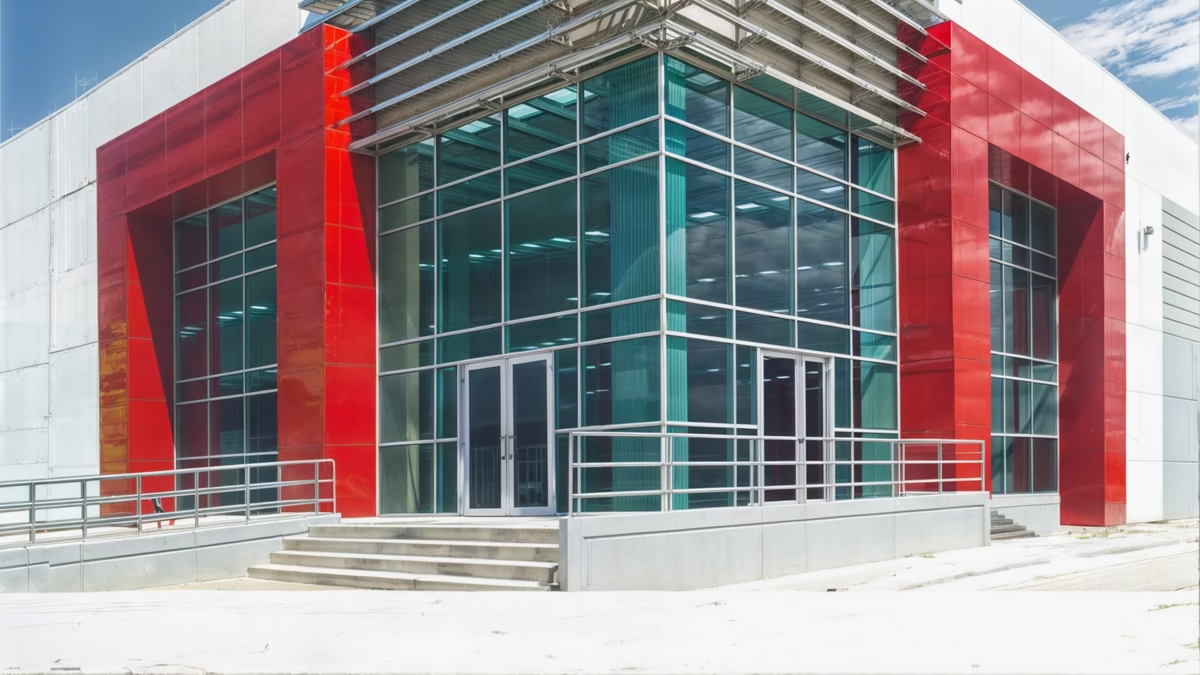
Laminated glass is an excellent choice for safety and style.

What Is Laminated Glass and Why Is It Used in Modern Construction?

Home / Archive by category "BLOG"

Laminated glass is a type of safety glass made by bonding two or more layers of glass with a strong, transparent plastic interlayer (most commonly PVB) under heat and pressure. This “glass sandwich” helps the panel stay in place even when cracked, reducing the risk of sharp shards and improving post-breakage safety.

Beyond safety, laminated glass can enhance security, reduce noise transmission, and help filter UV radiation, benefits that make it especially valuable in high-traffic or high-exposure environments.

Today, it’s widely used in applications like storefronts, curtain walls, skylights, architectural windows, and hurricane- or impact-resistant glazing for both residential and commercial projects.

In this article, we’ll break down what laminated glass is, how it’s made, where it’s used, and how to choose the right type for your project.

Laminated glass is one of the new ways to protect your home or workplace.

What Is Laminated Glass and How Is It Made

Laminated glass is a type of safety glass manufactured by bonding two or more sheets of glass with a resilient plastic interlayer, most commonly polyvinyl butyral (PVB), though alternatives such as EVA or ionoplast interlayers may also be used for specific performance requirements.

The primary function of this interlayer is to hold the glass together if it breaks. Instead of shattering into sharp, dangerous fragments, the glass adheres to the interlayer, maintaining its position within the frame. This behavior improves safety, structural integrity, and, depending on the configuration, acoustic and UV performance.

For this reason, laminated glass has become one of the new trends in construction in this new era, where comfort and safety are sought in a single element.

How Laminated Glass Is Made

The manufacturing process of laminated glass is carefully controlled to ensure strength, clarity, and long-term durability:

  1. Glass Preparation: Two or more panes of annealed or heat-treated glass are selected based on the required thickness and application.
  2. Interlayer Assembly: A plastic interlayer (typically PVB or EVA) is placed between the glass sheets. Specialized interlayers may include acoustic, UV-filtering, or structural properties.
  3. Pre-Lamination: The glass “sandwich” is passed through heated rollers or vacuum systems to remove air pockets and begin bonding.
  4. Autoclave Bonding: The assembly is then processed in an autoclave under heat and pressure, creating a permanent, optically clear bond between layers.
  5. Cooling and Inspection: Once bonded, the laminated glass is cooled and inspected for clarity, adhesion, and performance before cutting or shaping to specification.

This controlled process allows laminated glass to meet strict architectural, safety, and building code requirements across a wide range of applications.

Common Applications of Laminated Glass in Modern Construction

Thanks to its layered construction and post-breakage performance, laminated glass is widely used across commercial, residential, and specialized architectural applications. Its ability to enhance safety, security, and comfort, without compromising transparency or design, makes it a preferred choice for modern building projects.

Some of the most common applications include:

Storefronts and Curtain Wall Systems: Laminated glass provides increased impact resistance and security for high-traffic commercial spaces while maintaining clear visibility and a clean architectural appearance.

Windows and Doors: Commonly used in residential and commercial buildings located in areas exposed to storms, seismic activity, or higher security risks.

Skylights and Overhead Glazing: Especially important in overhead applications, where laminated glass helps prevent falling shards if breakage occurs.

Interior Partitions and Glass Walls: Ideal for offices, hospitality, and mixed-use spaces, combining visual openness with improved acoustic performance.

Glass Railings and Balustrades: Offers fall protection and structural reliability while preserving unobstructed views.

Sound-Sensitive Environments: Frequently specified for conference rooms, hotels, studios, and urban buildings where noise control is essential.

Security and High-Risk Facilities: Used in banks, government buildings, embassies, and secure facilities, where laminated glass may be combined with specialized interlayers for enhanced protection.

Specialty Applications: Including aquariums, museums, display cases, glass floors, and animal enclosures, projects that require both strength and optical clarity.

This versatility allows laminated glass to adapt to a wide range of architectural and functional requirements, from everyday commercial buildings to highly specialized environments.

There are several types of laminated glass, which provide protection against impacts, weather, and even bullets.

What Are the Most Common Types of Laminated Glass?

Not all laminated glass is the same. Depending on the interlayer type, glass configuration, and performance requirements, laminated glass can be engineered to meet specific safety, acoustic, structural, or design needs.

Some of the most common types of laminated glass used in modern construction include:

  • Impact-Resistant Laminated Glass: Designed to withstand strong impacts and meet hurricane or seismic building code requirements. Commonly used in coastal regions and high-exposure environments. 
  • Privacy Laminated Glass: Combines safety with translucent, frosted, or patterned interlayers to allow light transmission while limiting visibility.
  • Bullet-Resistant Laminated Glass: Produced using multiple glass layers and high-performance interlayers to provide ballistic protection in high-security facilities such as banks, government buildings, and secure commercial spaces
  • Sound Control Laminated Glass: Manufactured with specialized acoustic interlayers that help dampen sound vibrations, reducing noise transmission in airports, hotels, offices, and dense urban areas.
  • Decorative Laminated Glass: Incorporates colored, patterned, or digitally printed interlayers, offering architects greater freedom to integrate branding, graphics, or artistic elements into glass surfaces.
  • SentryGlas® Structural Laminated Glass (Clear Only): PRL offers SentryGlas® interlayers. Uses advanced interlayers (such as high-strength ionoplast materials) to provide increased load-bearing capacity, edge stability, and resistance to moisture, making it suitable for exposed-edge or structural applications.

By selecting the appropriate laminated glass type, architects and developers can balance safety, performance, and aesthetics while meeting project-specific codes and design goals.

Laminated Glass vs. Tempered Glass: What’s the Difference?

Laminated glass and tempered glass are both classified as safety glass, but they perform differently and are suited to distinct applications.

  • Laminated glass is designed to remain in place when broken. The plastic interlayer holds the glass fragments together, providing enhanced post-breakage safety, improved security, and additional benefits such as sound insulation and UV protection. For this reason, laminated glass is often preferred for storefronts, curtain walls, skylights, railings, and applications where impact resistance or intrusion prevention is critical.
  • Tempered glass, on the other hand, is heat-treated to increase its strength. When it breaks, it shatters into small, rounded pieces that reduce the risk of injury. Tempered glass is commonly used for interior applications such as shower doors, partitions, and areas where breakage is less likely to result in falling glass or security concerns.

In many architectural projects, laminated and tempered glass are not competing options but complementary solutions, each selected based on safety requirements, location, and building code considerations.

👉 For a more detailed comparison between laminated and tempered glass, explore our full guide on laminated vs. tempered glass applications.

At PRL Glass & Aluminum, we work with architects, developers, and contractors to provide a comprehensive range of laminated glass solutions, including impact-resistant, decorative, and sound control glass. All products are manufactured in-house to meet project-specific specifications, building codes, and performance requirements.

Whether you’re designing a commercial façade, upgrading interior glazing, or specifying glass for a complex architectural application, our team can help you identify the most suitable laminated glass configuration for your project.

How to Reinforce Your Windows Against Burglars

How to Reinforce Your Windows Against Burglars: Keep Thieves Out!

Home / Archive by category "BLOG"

In an era of rising awareness about property crime, securing windows (the most common entry point for intruders) is important for both homeowners and business owners. Whether you’re upgrading your window security film, installing antitheft locks, or adding smart glass break sensors, protecting these vulnerable spots can protect your valuables and give you peace of mind. 

Property crime remains a serious concern. According to recent data, a burglary occurs every 51 seconds in the U.S., with approximately 842,000 reported cases in 2023 . Even more alarming, studies estimate that 75% of homes will experience a burglary within the next 20 years. For businesses, the figures are equally sobering: over 455,000 non-residential break-ins were reported in the U.S. last year. 

For this reason, part of the annual budget of families and businesses should be allocated to the security of such vulnerable points as windows. Here are some tips for all budgets. 

One of the biggest security problems in the U.S. is home burglaries, which can break through doors and windows.

Burglary: One of America’s Hidden Problems 

While overall crime rates may be trending downward, burglary remains a costly and invasive threat across the U.S. In 2018 alone, burglary victims suffered over $3.4 billion in property losses, with an average loss per incident nearing $2,800. 

Most of these break-ins occur in residential settings. So, homes are the primary target, although commercial properties are far from being immune. Forced entry remains the most common method, followed by unauthorized access without damage, and a smaller percentage involving failed attempts.  

In total, burglaries account for a significant portion of all property crimes in the U.S.– which highlights just how exposed many properties still are. 

Common Window Vulnerabilities 

Windows are one of the most attractive targets for burglars, and not just because of broken locks or open frames. Many break-ins happen because of small oversights or outdated installations that leave a property exposed. 

Here are some of the most common weak points burglars look for: 

  • Standard Latches: Most stock window locks offer minimal resistance and can be easily forced open with a crowbar or even a screwdriver. 
  • Unsecured Sliding Windows: These are particularly vulnerable due to weak tracks and limited locking mechanisms. 
  • Single-Pane Glass: Older windows with single-pane glass shatter easily, providing little to no deterrent. 
  • Lack of Visibility or Lighting: Poorly lit areas around windows, especially inside or back entrances, make it easier for intruders to act unnoticed. 
  • Windows Left Open or Ajar: Even slightly open windows can be an invitation for break-ins — especially during hot weather or overnight. 
  • No Alarm Sensors or Surveillance: A window without a contact sensor, motion detector, or visible camera is a soft spot in your security perimeter.  

How to Secure Your Windows from Burglars 

Once you understand the vulnerabilities, it’s time to reinforce your windows with solutions that actually work, not just deter. Below are the most effective ways to secure residential and commercial windows from burglars and drastically reduce the risk of break-ins. 

Install Impact-Resistant Glass 

One of the most effective upgrades you can make is replacing standard window panes with impact-resistant glass. This type of glass is engineered to withstand strong physical force, including strikes from blunt objects, thrown projectiles, or attempted forced entry. Even if it cracks, it typically stays intact within its frame, making it extremely difficult for burglars to breach. 

Often used in hurricane zones, shatter-resistant or laminated glass is now becoming a popular choice for urban homes and businesses. This provides both security and durability without compromising aesthetics. 

Use Window Security Film 

For a more affordable, but still highly effective layer of protection, consider applying window security film. This transparent film reinforces your existing glass and makes it harder to shatter or break apart on impact. It’s also a great option for storefronts or glass doors, where full window replacement might not be feasible. 

Add Reinforced Locks and Anti-Lift Devices 

Replace weak latches with heavy-duty window locks or keyed locking mechanisms. For sliding windows, installing anti-lift devices or pin locks can prevent intruders from simply lifting the panel off its track. 

Install Smart Window Sensors and Alarms 

Modern window contact sensors, glass break detectors, and even motion-activated lights can alert you, or law enforcement, the moment someone tries to tamper with your windows. These devices are affordable, easy to install, and compatible with most home security systems. 

Use Window Bars or Decorative Grilles for High-Risk Areas 

In neighborhoods or commercial districts with high break-in rates, adding security bars or custom grilles can serve as a strong visual deterrent and physical barrier. This is especially true for ground-floor windows or back entrances. 

If burglars can't open the locks because you have some security locks installed, then they will try to break the glass, so Impact-Resistant Glass is one of the best options today.

More Tips to Deter Burglars

In addition to techniques to reinforce your window or glass, you can start with these useful tips: 

Discourage Intruders with Visible Deterrents and Tech 

  • Exterior Lighting: Bright motion-activated floodlights around windows discourage night-time attempts and increase surveillance footage clarity. 
  • Security Cameras: Place visible cameras with motion sensors near entry points to both deter and record any suspicious activity. 
  • Alarms and Sensors: Equip your windows with glass break sensors, window contact alarms, or smart home integrations for instant alerts during an attempted intrusion. 
  • Window Well Covers: For homes with basement windows, install secure well covers to block access from below ground level. 
  • Natural Deterrents: Plant thorny shrubs like rose bushes under accessible windows to create a low-maintenance physical barrier. 

Maintain Visibility and Appearance 

  • Keep Windows Clean and Well-Maintained: Well-cared-for windows signal that a home or business is regularly monitored, an easy psychological deterrent for opportunistic burglars. 
  • Trim Nearby Shrubs and Trees: Overgrown vegetation provides cover for intruders. Keep the area around windows clear and open to maximize natural surveillance. 

👉  You may also be interested in reading: How Do We Protect Our Home or Business from Looters, Rioters or Burglaries? 

Windows are more than architectural features. They’re access points that demand the same level of security as doors. Whether you’re securing your home or business, reinforcing your windows is not just a precaution, it’s a proactive step toward full protection. 

Among the many options available, impact-resistant glass stands out as the most effective and long-term solution. At PRL Glass & Aluminum, we specialize in providing high-performance glazing solutions that combine security, design, and durability. Our impact-resistant windows are engineered to withstand forced entry while maintaining a sleek, modern look. 

For maximum protection, pair reinforced glass with our signature Battle doors. These aluminum-framed, security-grade doors are designed to resist both physical impact and environmental threats. Together, they form a complete system that transforms your property into a fortified, yet elegant, space. 

How to reinforce the security of your sliding doors

How to Secure a Sliding Glass Door | Hurricanes, Burglars and more

Home / Archive by category "BLOG"

In today’s world, protecting your home means preparing for both natural disasters and social unrest. Sliding glass doors, while stylish and functional, are one of the most vulnerable entry points during hurricanes and urban protests. Strong winds can turn debris into dangerous projectiles, and during civil disturbances, large glass surfaces can become easy targets for vandalism or forced entry. 

That’s why securing your sliding glass door isn’t just a precaution, it’s essential. From reinforced locking systems to shatter-resistant films and security bars, there are several effective ways to fortify these doors and safeguard your home or business.  

In this guide, we’ll walk you through the best methods to secure a sliding glass door and ensure peace of mind no matter what comes your way. 

Storms and protests can become major problems for the safety of your home.

Why Sliding Glass Doors Are a Weak Point in Home Security 

Sliding glass doors are beloved for their elegance, practicality, and the way they seamlessly connect indoor spaces with the outdoors. Typically, they feature one fixed panel and another that slides open, making them ideal for enjoying natural light and scenery. However, this convenience often comes at the cost of security. 

If you’re wondering how to secure a sliding glass door, it’s important to first understand why they are such a common weak spot in home and business protection: 

They’re Often Left Unlocked 

Because sliding glass doors feel more like windows than entry points, it’s easy to forget to lock them, especially when moving in and out frequently. Unfortunately, intruders know this and often check them first. 

Their Locks Are Weak and Easy to Bypass 

Most sliding doors come with basic latches that offer minimal resistance to forced entry. A simple jolt or prying tool can be enough to defeat these standard locks. 

They’re Often Out of Sight 

Since sliding doors are usually located at the rear of a building, they’re hidden from street view. This gives intruders more time and privacy to attempt a break-in without being noticed. 

How Burglars and Hurricanes Bypass Sliding Glass Doors 

Before you can fully protect your sliding glass door, it’s important to understand how both intruders and extreme weather compromise their integrity. Whether it’s a skilled burglar or a Category 4 hurricane, the methods of entry may be different, but the result is the same: a vulnerable access point. 

How Burglars Bypass Sliding Glass Doors 

  • Breaking the Lock: most sliding doors use a simple latch system that’s easy to defeat. With minimal force, such as jiggling or prying, the lock can break, giving quick access to intruders. 
  • Shattering the Glass: tempered glass is designed to break into small, harmless pieces, but that also means it’s not difficult to smash. A heavy object or blunt force is often enough to break through and allow silent, rapid entry. 
  • Lifting the Door Off Its Track: unlike hinged doors, sliding glass doors run on tracks, often exposed. Burglars can lift or pry the door from its frame if there’s no anti-lift device in place. 

👉  You may also be interested in reading: how do we Protect our Home or Business from Looters, Rioters or Burglaries? 

How Hurricanes Compromise Sliding Glass Doors 

  • Wind Pressure and Suction: during strong storms or hurricanes, pressure differentials can cause glass doors to explode outward or inward, especially if the rest of the house is tightly sealed. Sliding doors lack the structural support that hinged doors offer, making them a weak point. 
  • Flying Debris Impact: high-speed winds can launch debris like branches, roof tiles, or even outdoor furniture into the glass at dangerous speeds. Standard tempered glass can easily shatter on impact, leaving your home exposed to wind, rain, and further damage. 
  • Water Infiltration and Track Failure: the tracks on which sliding doors sit are not designed to withstand large volumes of wind-driven rain. Water can quickly seep in or even dislodge the door entirely if the frame is not reinforced or sealed properly. 

How to Protect Sliding Glass Doors from Burglars and Hurricanes 

Whether you’re facing the threat of forced entry or the destructive force of a storm, sliding glass doors are a critical point of vulnerability. The good news is that with the right upgrades, you can protect your home from both intruders and natural disasters. Here’s how: 

Install a Security Bar in the Track: placing a metal or wooden bar, commonly called a “Charlie bar”, in the bottom track prevents the door from sliding open, even if the lock is compromised. This simple tool is effective against both burglars and high winds trying to force the door open. 

Upgrade to Impact-Resistant Glass: Impact-resistant sliding glass doors are designed to withstand both blunt force from attempted break-ins and debris thrown by hurricane-level winds. This dual-purpose upgrade significantly reduces the chance of glass breakage. 

Apply Security or Privacy Window Film: security film reinforces the glass, holding shards in place if it breaks, ideal during storms or smash-and-grab attempts. One-way mirror film also prevents outsiders from seeing in, offering visual privacy that can deter burglars during daylight. 

Install Glass-Break Detectors and Door Sensors: these sensors trigger alarms when someone attempts to shatter the glass or force the door open. Not only do they alert you instantly, but they also act as powerful deterrents in both security and storm-monitoring systems. 

Reinforce the Door Frame and Tracks: sliding doors often fail during hurricanes due to weak frames or loose tracks. Reinforcing the frame with storm-rated materials and regularly maintaining the tracks helps prevent the door from being lifted or dislodged under pressure or force. 

Upgrade the Locking System: standard latches are no match for burglars or hurricane winds. Consider installing double-bolt locks, keyed locks, or pin locks that anchor the door firmly into the jamb, making unauthorized or forced entry far more difficult. 

Consider Installing a Battle Door: for ultimate protection, consider replacing your traditional sliding glass door with a Battle Door, a high-strength aluminum sliding system engineered to resist both physical attacks and extreme weather. Designed with thermal insulation and reinforced panels, Battle Doors combine the look of modern design with armor-grade resilience, offering next-level defense for high-risk environments. 

Laminated glass and specialized battle doors are, without a doubt, a great option to protect your home from these elements.

How PRL Glass Secures Sliding Glass Doors 

At PRL Glass & Aluminum, we understand that real protection means being prepared for both environmental threats and human intrusions. That’s why our sliding glass door solutions are engineered not just for beauty and performance, but for high-impact resistance and advanced security.  

Whether you’re protecting your home from hurricanes or protests, our products deliver unmatched peace of mind. 

  1. Multi-Point Locking Technology for Maximum Security

Our sliding systems can be equipped with multi-point locking mechanisms that secure the door at multiple positions along the frame, top, middle, and bottom. This drastically increases resistance to prying, lifting, and forced entry, far outperforming standard single-latch systems. Lock engagement is simple, yet powerful: lift the handle to activate the locking rods and turn the key or knob to secure the deadbolt. 

  1. Impact Resist Glass: Built to Withstand Force

Designed to perform under pressure, Impact Resist Glass combines laminated layers and advanced engineering to resist flying debris, blunt force, and glass break attempts. Ideal for hurricane zones and high-risk areas, it adds a critical layer of safety without sacrificing transparency or design. 

  1. Battle Door: The Next Generation of Sliding Door Security

For clients requiring the ultimate defense, PRL’s Battle Door is a game changer. Made of high-strength aluminum and insulated for thermal efficiency, this door system is built to resist everything from hurricane impacts to acts of vandalism. With a sleek modern look and engineered durability, Battle Door is the best of both worlds, elegance and fortress-level protection. 

Feature / Protection Level 

Traditional Sliding Glass Door 

PRL Glass Solutions (Impact Resist & Battle Door) 

Glass Type 

Tempered glass (breaks easily) 

Impact Resist Glass (laminated, multi-layer, shatter-resistant) 

Frame Strength 

Lightweight aluminum or vinyl 

Reinforced aluminum with structural-grade design 

Locking System 

Basic latch or single-point lock 

Multi-point locking system with rods, latch, and deadbolt 

Protection Against Burglars 

Low – easy to pry, break, or lift 

High – resistant to forced entry, lifting, or tampering 

Protection Against Hurricanes / Flying Debris 

Very low – glass shatters on impact 

High – engineered to meet hurricane impact resistance ratings 

Thermal Insulation 

Minimal 

Built-in thermal barrier in Battle Door systems 

Privacy Options 

Optional curtains or films 

Compatible with privacy films + one-way vision technology 

Design & Aesthetics 

Basic residential finish 

Sleek, modern design suitable for luxury and high-security homes 

Ideal For 

Mild climates, low-risk areas 

High-risk zones, hurricane-prone regions, urban environments