Loading

How to improve the security of your sliding glass or aluminum door

How to Improve Your Sliding Door Security: Complete & Updated Guide

Home / Archive by category "BLOG"

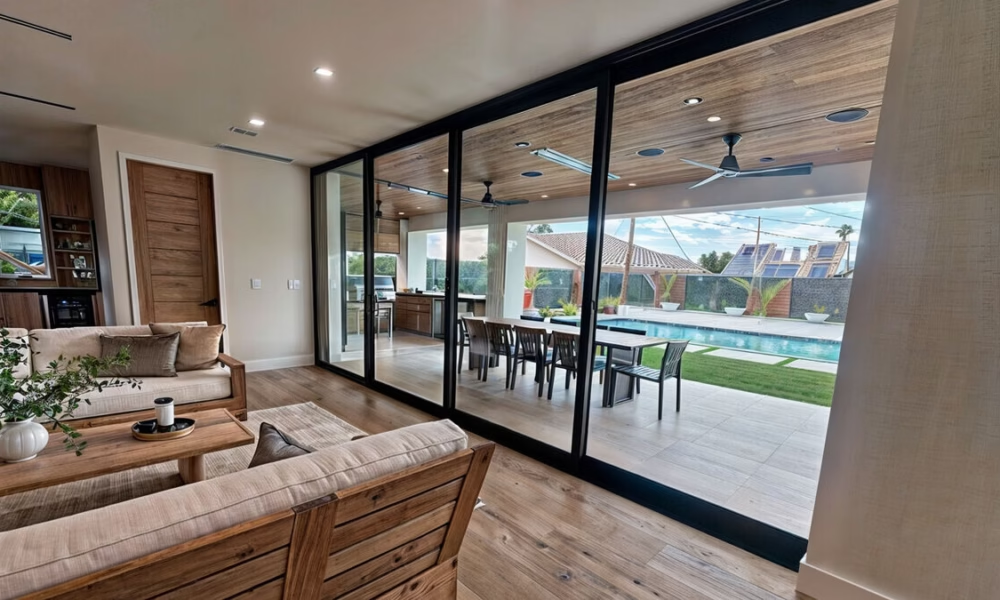
Sliding doors are a modern, elegant and functional architectural option, combining the best of aluminum with high-end glass. They maximize natural light, enhance exterior views and seamlessly connect rooms. However, they can also represent a security vulnerability if proper measures are not taken. 

Whether you want to reinforce burglary protection or secure the environment for children or pets, there are multiple solutions you can use. In this comprehensive guide, you’ll discover how to protect sliding glass doors effectively, without sacrificing design or functionality. 

The security of your sliding door must be maximum, so you should add some additional features to it.

Best Ways to Improve Your Sliding Door Security 

Many times, sliding doors lead outside, such as to the garden, or to a pool’s entrance. In some areas, it’s necessary to add extra security, especially in densely populated cities or the rural countryside at night. 

Here are some ways to improve this security:  

Security Bar for Sliding Doors 

One of the first recommendations to reinforce a sliding door is the installation of a security bar. This is a sturdy metal bar that’s installed between the sliding panel and the door frame, blocking the door from opening. 

There are a couple types available: 

  • Portable bars: Easily attach to and remove from the door track. 
  • Installed bars: Fixed to the frame, they’re lowered or lifted to lock, or unlock, the door. 

They offer us some very important advantages: 

Immediate reinforcement against forced openings. 

Act as a visual deterrent. 

Economical and quick to install. 

Install Locks for Maximum Protection 

For those seeking advanced, permanent protection, installing an additional lock is an excellent decision. Although it requires basic tools for installation, the investment in security fully justifies it. 

We have 2 types of locks: 

  • Bolt lock: Inserts a steel bolt into the top or bottom frame. 
  • Sliding latches: Connects the movable panel to the side frame. 

This can bring us many benefits:  

High level of security against theft. 

Allows the lock to be located out of reach of small children. 

Semi-secure half-opening option (ideal for controlled ventilation). 

Temporary Sliding Door Locks 

Temporary locks are ideal if you’re looking for a quick, inexpensive solution without the need for drilling. 

They are small, metal and rubber devices that attach to the bottom rail using grub screws, locking the movement of the active panel in almost any direction. 

Here are some very important features:  

  • Tool-free installation. 
  • Perfect for rental properties or as a temporary solution. 
  • Can be easily removed if necessary 

Floor Reinforcements: For Discreet Security 

A floor reinforcement for sliding doors is a very effective and aesthetic alternative. It’s a device that’s fixed to the floor, just where the panel closes, preventing its opening. 

Some advantages are the following: 

Discreet and unobtrusive. 

Available in modern metallic finishes that match the aesthetics of the door. 

Long-term resistance with minimal maintenance. 

Choose models with rods that can be retracted or removed for convenience. 

Security Grilles: Ultimate Exterior Protection 

For those seeking maximum protection, an exterior metal grille is the strongest option. This protection provides the following: 

  • They create a second physical barrier that’s very difficult to breach. 
  • They allow the door to be kept open for ventilation without compromising security. 
  • Modern designs are available that complement the architecture of the home. 

But, the following must be considered: 

👉 Cost of manufacturing and installation. 

👉 Visual impact on the facade. 

It is important to mention that modern sliding doors have some security features already included

Comparison: Which is the Best Option? 

It all depends on your situation, and some other circumstances, but here is a table to help you make an informed decision: 

What is Your Need?: Recommended Solution: 
Economical and fast reinforcement Security bar or temporary lock 
Permanent protection Installed locks or floor reinforcement 
Maximum exterior security Custom security bars 
Household with small children High-placement locks 


In most cases, combining several solutions offers the optimum level of protection. 

Additional Tips to Improve the Security of Your Glass Doors 

In addition to installing locking systems, there are a few other ‘tricks’ you can do to solve this problem. Here we recommend: 

  • Install laminated glass or apply security films for greater impact resistance. 
  • Install blinds or curtains to reduce visibility inside the home, especially at night. 
  • Add opening sensors connected to your alarm or home automation system. 
  • Periodically check locks, guides and hardware to maintain functionality. 
  • Remember that the ideal security is a combination of physical barriers, monitoring technology and conscious habits. 

Security, Style and Functionality: All in One Place 

Did you know that modern sliding doors already integrate multiple security features? At PRL Glass & Aluminum, we design and install strong, secure and aesthetically superior sliding glass doors for homes and businesses nationwide. 

🔹 Custom designs. 

🔹 Tempered and laminated glass. 

🔹 Multi-point locks. 

🔹 Fast delivery and personalized advice. 

📩 Contact us today and transform the security of your space without sacrificing style. 

There is no need to sacrifice style to gain security. Modern sliding glass doors, combined with the right protective measures, allow you to enjoy the beauty, natural light and connection with the outdoors, worry-free. 

Invest in security today to enjoy peace of mind tomorrow. 🔐 

Frequently Asked Questions About Sliding Door Safety 

If you have any other questions, we’ll leave them here: 

Are Sliding Doors Safe? 

Yes, as long as they include safety glass, reinforced locks and additional barriers such as bars or sensors. 

How Much Does it Cost to Install an Additional Lock on a Sliding Door? 

The cost varies from $50 to $200 USD, depending on the type of lock and installation. 

Can I Reinforce an Old Sliding Door? 

Yes, there are solutions such as additional locks, security bars and floor reinforcements that can be installed on older systems. 

Will Security Grilles Affect the Aesthetics of My House? 

It depends on the design. Nowadays there are modern and decorative grilles that protect homes without affecting the architectural style. 

Trends for Storefront System

5 New Trends for Storefront Systems in 2026

Home / Archive by category "BLOG"

Every business must have good marketing (right?). In addition to traditional techniques, Storefront Systems are a powerful technique to attract customers, as they allow you to give style and elegance to your store.

In 2025 Storefront Systems are becoming a big trend thanks to their combination of materials such as glass and aluminum. Here are 5 great examples and why they are being chosen by owners.

👉 You may also be interested in reading: what is a Storefront System

Trend 1: Full-Glass Façades for Transparency and Luxury Appeal

Storefront Trend 1: Full-Glass Façades for Transparency and Luxury Appeal

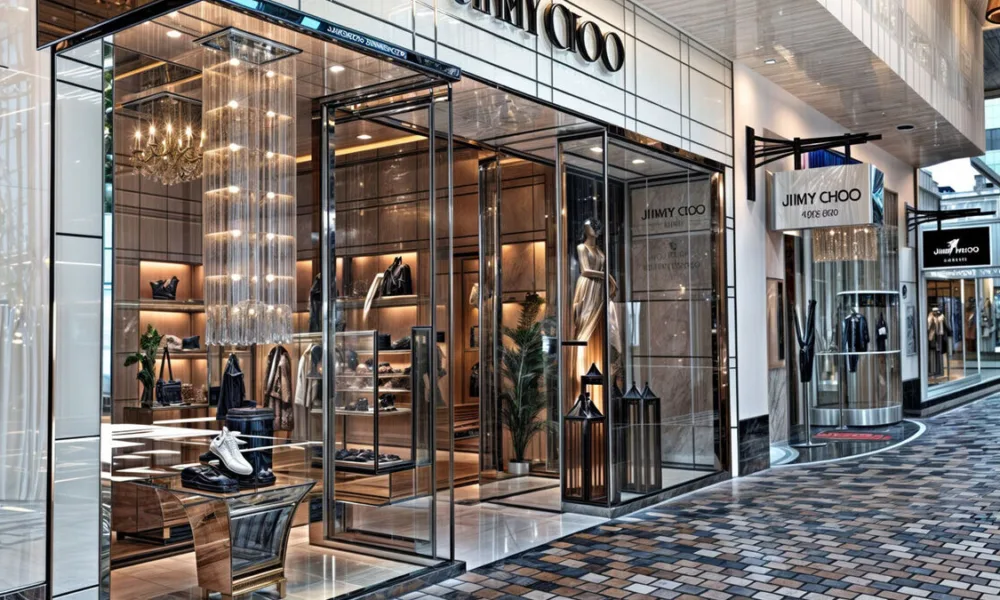
In 2025, storefronts are embracing floor-to-ceiling glass designs to create a sleek, premium feel while maximizing visibility. This modern storefront features a frameless glass façade that seamlessly connects the indoor and outdoor environments, inviting passersby into the retail experience.

Beyond aesthetics, this trend is driven by functionality, as state-of-the-art glazing can give you additional protection. Here are some advantages::

  • Increase natural lighting, enhancing product visibility and reducing energy costs.
  • Encourage impulse entry, as customers can clearly see merchandise and store ambiance from the street.
  • Support brand storytelling, with large-format visuals, mannequins, and curated product displays becoming part of the architecture.

This approach transforms the storefront from a barrier into a transparent stage, one that showcases not just products, but the essence of the brand.

Trend 2: Seamless Indoor-Outdoor Integration with Smart Framing Systems

Storefront Trend 2: Seamless Indoor-Outdoor Integration with Smart Framing Systems

Another standout trend for 2025 is the use of advanced aluminum framing systems that offer clean lines, structural strength, and minimalist design. This storefront demonstrates how modern framing solutions allow for large, uninterrupted glass panels that maintain stability while enhancing the architectural rhythm.

Key highlights of this trend include:

  • Ultra-thin profiles that offer unobstructed views and a sense of openness.
  • Precision engineering to support heavier glass without compromising safety.
  • Thermal performance, helping regulate interior temperature and reduce HVAC dependency.

This design not only elevates the visual identity of the store but also supports sustainability and energy efficiency, crucial values for brands moving into a greener future.

Trend 3: Architectural Harmony with Curved Lines and Textured Materials

Storefront Trend 3: Architectural Harmony: Curved Lines and Textured Materials

Storefront systems in 2025 are transcending functionality to become architectural features in their own right. This example showcases a seamless fusion of arched concrete structures and minimalist black-framed glass, resulting in a refined, modern aesthetic.

Key elements of this trend:

  • Curved forms that soften the geometry of the façade and add a welcoming, organic feel.
  • Textured materials like polished stone or concrete that contrast with sleek glazing to elevate visual interest.
  • Holistic design where exterior architecture blends naturally with interior ambiance, enhancing brand presence and customer experience.

This approach is ideal for premium retail, hospitality, and dining environments, turning the storefront into an immersive brand extension rather than just an entry point.

👉 You may also be interested in reading: Storefront systems in marketing: the trend that improves your business

Trend 4: Symmetry and Statement Entrances in Modern Storefront Design

Trend 4: Symmetry and Statement Entrances in Modern Storefront Design

One of the most striking trends in 2025 storefront systems is the return of symmetrical façades and architecturally pronounced entryways. This image captures a perfectly balanced layout that uses symmetry and material contrast to guide the eye naturally toward the entrance.

What defines this trend:

  • Centralized doors framed by structural elements, such as stone or concrete arches, establishing a clear focal point.
  • Balance between transparency and solidity, achieved by juxtaposing glass panels with textured walls.
  • Monumental entrances that offer a sense of formality, security, and prestige — ideal for luxury retail, galleries, or boutique spaces.

The use of geometric harmony and proportion elevates the storefront beyond function, creating a space that feels intentional, prestigious, and timeless.

Trend 5: Compact, High-Visibility Storefronts for Urban and Mall Environments

Storefront Trend 5: Compact, High-Visibility Storefronts for Urban and Mall Environments

In 2025, storefront design is adapting to urban density and high-traffic mall settings with compact, modular layouts that maximize display potential within smaller footprints. This image illustrates a clean, efficient design that puts product visibility and promotional messaging front and center.

What makes this trend effective:

  • High-glass storefronts that utilize every inch for showcasing merchandise and signage.
  • Double-door entrances that maintain accessibility and flow even in constrained spaces.
  • Smart signage placement, such as in-window promotions and hanging boards, driving impulse visits and conversions.

This style is ideal for brands that prioritize agility and scalability, such as fashion retailers, pop-up concepts, or digitally native brands expanding into physical retail.

PRL Storefront Systems What Is

What Is a Storefront System? One of the Keys to Your Commercial Success

Home / Archive by category "BLOG"

n the world of commercial architectural design, the facade of a business not only represents its exterior aesthetics: it’s a strategic tool to attract customers, project professionalism and improve the experience of those who visit. For this reason, more and more architects, builders and entrepreneurs are betting on integrated solutions such as storefront systems. 

They consist mainly of aluminum structures, high-strength glass, integrated doors, functional hardware and sealing elements, all optimized to offer an aesthetic, functional, safe and easy-to-maintain solution. 

In this article, we explain what a storefront system is, how it works, what elements make it up and why it’s important for any modern commercial project. 

Storefront Systems is not only a protection, it has become a very effective marketing tool.

What Is a Storefront System? 

A storefront system (also called a commercial storefront system or aluminum and glass storefront) is an architectural solution composed of structural profiles, glass panels, hardware and additional elements designed to form the façade or entrance of a store, office or commercial space. 

It’s not just a frame and glass, but a system that integrates design, functionality, security, accessibility and branding. It is, in essence, the physical interface between a business and the urban environment. 

The Objective of a Storefront System is Simple: 

  • Project a modern and professional image. 
  • Facilitate access to the store in a comfortable and safe way. 
  • Make the most of visibility, natural light and product display. 

In addition, its modular design allows customizing sizes, finishes and configurations to adapt to the specific needs of each type of business. 

Main Components of the Storefront System 

A storefront system is composed of several elements to offer strength, aesthetics, safety and functional versatility: 

  1. Framing or Structural Framing
  • Usually made of extruded aluminum, although steel or stainless steel are also used, but are more expensive. 
  • Supports the complete system and allows multiple configurations (modular, continuous, or crossbeams). 
  • Adaptable to special heights and widths. 
  1. Glazing
  • Low-E, tempered, safety, or even electrochromic glass. 
  • Large glass panels for visibility, lighting and aesthetics. 
  1. Doors
  • Integrated into the design: hinged, sliding, automatic or revolving. 
  • Designed for heavy use, accessibility and compatibility with electronic locks. 
  1. Hardware and Accessories
  • Includes handles, hinges, door closers, stops, multipoint locks and sensors. 
  • Critical elements for durability and user experience. 
  1. Sealing and Protection
  • Use of rubbers, expansion joints, silicones and weatherstripping to prevent air, water or noise infiltration. 
  • Key to comply with energy and climate regulations. 
  1. Branding and Signage Elements
  • Integration of signs, logos, vinyl lettering or LED screens. 
  • Visual alignment with the corporate identity of the business. 
  1. Security systems
  • Reinforced glass, motion sensors, alarms or access control systems. 
  • Compatible with anti-intrusion systems and hidden metal curtains. 

How Does a Storefront System Work? 

The functioning of a storefront system is based on the integration of all its elements in a modular, durable and visually attractive design. 

  1. The aluminum structure acts as the main support for the system. 
  2. The glass panels are installed on perfectly sealed profiles to prevent leaks. 
  3. The doors are uniformly integrated to maintain visual continuity. 
  4. The hardware elements guarantee security and daily functionality. 
  5. The entire system meets the criteria of aesthetics, durability, accessibility and efficiency. 

Each project can be tailored with custom sizes, anodized or painted finishes, and advanced technology options such as automatic sensors, integrated lighting or access control systems. 

In addition, if new technologies are needed, they’ll be implemented at the time of initial construction. So, the initial cost of the project depends on this (as does the cost of any aluminum door). 

Storefronts in Marketing: Why Are They So Important to the Customer Experience? 

Storefront systems are one of the most undervalued business assets. They’re not just the visible face of the business: they’re an active part of the user experience. 

In fact, storefronts are one of the most important parts of ‘on-street’ marketing, so they’re not just in the architectural realm. 

How do they influence? Well, here’s what we can tell you. 

  • Attract foot traffic: A clean, modern facade impacts the customer’s eye and invites them in. 
  • Transparency and confidence: Seeing the interior from the street reduces uncertainty and generates familiarity. You will also be able to see who enters for security reasons. 
  • Natural comfort: Entry of natural light enhances the sensory experience and prolongs the stay. 
  • Reinforce branding: Colors, proportions and typographies integrated into the façade impact brand recall. Storefronts are highly customizable. 
  • Facilitate access: The design must comply with accessibility regulations, which improves the experience for all visitors. 

A well-designed storefront can be an important point in your marketing. In addition, it should be mentioned that it also impacts the overall cleanliness, being an excellent ally for sanitation. 

Aluminum and Glass are the most commonly used materials for the creation of Modern Storefront Systems.

What Are Common Storefront System Applications? 

They’re not only an exclusive element for the great avenues of the world. Storefront systems are found in many businesses such as the following: 

Retail stores and shopping malls 

Department stores and boutiques 

Restaurants, cas and bars 

Hotels and mixed-use buildings 

Banks, clinics, offices and coworking facilities 

Airports and transportation stations 

Wherever there’s an entrance that combines design + functionality, there is probably a storefront system at work. 

Storefront systems are much more than a beautiful façade. They’re a strategic tool that combines design, visibility, comfort, security and branding to help businesses sell more, look better and connect with their surroundings. 

Whether you’re designing an upscale retail store, an urban restaurant, or a corporate bank, investing in a well-designed façade system can be one of the smartest moves in your commercial project. 

📩 At PRL Glass & Aluminum we design and install custom storefront systems with high quality finishes and domestic delivery in the USA, combining high quality aluminum and glass.  

👉 Contact us and learn how we can help you transform your commercial storefront into a true competitive advantage. 

FAQs 

Is a Storefront the Same as a Curtainwall? 

No, although both use profiles and glass. A storefront system is installed on the ground or first level and is not designed to support structural loads. Curtainwalls, on the other hand, are multi-level storefront systems. 

👉 You may also be interested in reading: Curtainwall vs Storefront 

What’s the Best Material for Storefront Frames? 

Aluminum is most commonly used for its strength, low maintenance and modern appearance. It’s lightweight, durable and compatible with multiple types of glass. 

Do Storefronts Require Maintenance? 

Yes, periodic cleaning of the glass and lubrication of hardware is recommended, as well as annual inspections to check sealing. 

Can Storefronts Be Customized? 

Absolutely. They’re modular systems and highly customizable in multiple sizes, finishes, colors, glass, door types and branding. 

So, What‘s the Most Important Points of a Storefront’s Functionality? 

A storefront system functions as a modular system that must balance several elements: 

Structural strength: It must withstand wind loads, glass weight, and accidental or intentional impacts. 

Visual aesthetics: It must convey a clear, coherent and brand-aligned image. 

Accessibility and circulation: It must facilitate comfortable access for all types of users. 

Environmental control: It must protect the interior from leaks, noise and energy loss. 

Visual interactivity: It must be eye-catching, inviting, and display what’s inside. 

Its performance depends on the precise interaction between frames, glass, hardware and seals, all aligned with local building codes and client expectations. 

Bifold Doors Trend

5 New trends for Bifold Doors in 2026

Home / Archive by category "BLOG"

Are you about to change or undertake a new project? Well, Bifold Doors will be important to offer style, maintain temperature and of course create a very energy efficient place.

This 2025 we have some of the best trends in architecture and design, and here are some of the best designs that PRL has done.

👉 You may also be interested in reading: Bifold Doors vs Sliding Doors: What’s the Best Option for Your Project?

Trend 1: a resort at home

Bifold Trend 1: a resort at home

The image reflects several of the main trends that will mark the design of bifold doors in 2025:

  • Total indoor-outdoor connection: the aim is to eliminate visual and physical barriers, integrating terraces, living rooms and bedrooms into a single spatial flow.
  • Panoramic opening: multi-panel systems allow opening almost the entire wall, ideal for ventilation and natural light.
  • Minimalist aesthetics: slim black or anthracite frames add elegance without overloading.
  • Resort-like design at home: bifolds elevate the architectural experience, inspiring a boutique hotel lifestyle.

In short, bifold doors evolve into a perfect combination of functionality, design and well-being, becoming a central element in high-end residential projects. For that reason, we know it as a resort at home.

Trend 2: elegance but privacy

Bifold Trend 2: elegance but privacy

This image reflects a set of clear trends that are gaining momentum in interior design for 2025:

  • Elegant room separation: bifold doors are establishing themselves as an ideal solution for dividing spaces without losing brightness or style.
  • Glass with privacy: the use of translucent panels or satin glass responds to the growing demand for privacy without total visual isolation.
  • Dark aluminum finishes: a trend that is making a strong comeback, combining the classic with the contemporary and generating a warm contrast with neutral interiors.
  • Quiet design and no visible top track: ideal for residential and corporate environments that value minimalist aesthetics and discreet functionality.

Taken together, this configuration demonstrates how bifold doors are no longer just an exterior solution but become a protagonist inside the home or office as well, providing versatility, design and adaptable privacy.

Trend 3: complete facades with Bifold

Bifold Trend 3: complete facades with Bifold

This image highlights another major trend for 2025: the incorporation of bifold doors in full facades and double-height structures. Here we can notice:

  • Wide ground-floor openings: bifold doors integrate discreetly with the structure, reinforcing the idea of “disappearing walls” when open.
  • Clean design with dark vertical lines: slim black frames emphasize the verticality of the design and harmonize with the natural aesthetics of the exterior wood.
  • Functionality in the evening: the use of warm lighting accentuates the indoor/outdoor connection even in the evening hours, a feature that architects increasingly value.
  • Doors as protagonists of the facade: instead of being relegated, bifold doors become an essential part of the visual language of the home.

This trend confirms that bifold doors are no longer a complementary element but a strategic architectural decision that enhances aesthetics, functionality and lifestyle.

Trend 4: Black frames and maximum transparency

Bifold Trend 4: Black frames and maximum transparency

The image shows a modern bifold door installation that responds to several key trends for 2025:

  • Ultra-thin black frames: this finish remains a favorite for contemporary style projects. It brings visual contrast, elegance and aesthetic continuity with the interior and exterior design.
  • High-performance glass: full transparency allows a permanent visual connection with the exterior, even when doors are closed.
  • Integration with decorative flooring: the floor design plays a leading role, generating a visual continuity that amplifies the space. The bifold doors act as a non-interruptive threshold.
  • Symmetrical configuration: panels are arranged in uniform modules, providing architectural order and customized functionality according to the desired opening.

This configuration is ideal for those seeking spaciousness, clarity and barrier-free design in high-end single-family homes.

Trend 5: Infinite kitchen

Bifold Trend 5: Infinite kitchen

This image reinforces a key trend: using bifold doors to integrate interior kitchens with outdoor spaces, such as patios, terraces or pool areas, with these features

  • Direct opening from kitchen to pool: a perfect example of how bifold doors allow for fluid living areas, ideal for gatherings and social lifestyle.
  • Design with no visible thresholds: the transition is smooth and safe, designed for barefoot or reduced mobility.
  • Warm and natural aesthetics: the light wood finishes inside the kitchen harmonize with the neutral texture of the exterior walls and the stone of the pool.
  • Functionality in warm climates: this solution favors cross ventilation, the use of natural light and the enjoyment of the house as if it were a single large environment.
  • This trend reaffirms the value of bifold doors as a lifestyle investment: they not only connect spaces, they transform the way we live them.
Bifold vs Sliding Doors

Bifold Doors vs Sliding Doors: What’s the Best Option for Your Project?

Home / Archive by category "BLOG"

If you’re renovating a space or planning a new construction, you’ve likely faced the question of bifold vs sliding door. Both systems are widely used in residential and commercial projects to connect indoor and outdoor spaces, maximize natural light, and create clean, modern environments.

While bifold doors are technically a type of folding door system, this guide focuses specifically on the comparison between bifold doors and sliding doors, since these are the two most common options considered for large openings and architectural glass applications.

Understanding the differences between bifold and sliding doors goes beyond aesthetics. Factors such as how much of the opening can be fully cleared, how the doors look and perform when closed, the space required for operation, and the type of project you’re working on all play an important role in choosing the right solution.

In this guide, we’ll break down:

  • How bifold and sliding doors work
  • Their main advantages and limitations
  • Key differences in opening, views, space, and daily use
  • Which option makes the most sense for residential and commercial projects
Bifold and Folding doors are very similar, but have some notable differences in construction.

How Bifold and Sliding Doors Work

Although bifold and sliding doors are often considered for similar applications, the way each system operates is fundamentally different, and that difference directly impacts how the space functions.

Bifold doors are made up of multiple panels connected by hinges. When opened, the panels fold together in an accordion-style movement and stack to one side of the opening while running along a track. This design allows the door system to open almost completely, creating a wide, unobstructed transition between indoor and outdoor spaces.

Sliding doors, on the other hand, operate by moving one or more large glass panels horizontally along a track, parallel to the wall. Instead of folding, the panels slide past each other or stack behind a fixed panel. This means the opening is only partially cleared, but the door maintains large, uninterrupted glass surfaces when closed.

In practical terms, bifold doors prioritize maximum opening and physical connection between spaces, while sliding doors emphasize clean sightlines, simple operation, and consistent access without requiring panels to fold or stack inside the opening.

How Much Opening Do You Really Get?

One of the biggest differences when comparing a bifold vs sliding door is how much of the opening can actually be cleared when the system is fully open.

Bifold doors are designed to fold and stack to one side, allowing almost the entire opening to be cleared. Once fully open, the panels sit out of the way, creating a wide, unobstructed passage between interior and exterior spaces. This makes bifold systems especially appealing for projects where seamless flow, open entertaining areas, or a strong indoor–outdoor connection are a priority.

Sliding doors, by contrast, open by moving glass panels horizontally along a track. Even in multi-panel configurations, at least one or more panels remain in front of part of the opening. While this means the full width is never completely open, sliding systems still provide generous access and are often preferred when a partially open configuration is sufficient.

In real-world use, this difference matters most in how the space feels and functions. Bifold doors excel when the goal is to fully merge two areas into one, while sliding doors offer a more controlled opening that maintains structure and continuity without completely removing the barrier.

Key Differences Between Bifold and Sliding Doors

Feature

Bifold Doors

Sliding Doors

Opening capacity

Can clear almost the entire opening when fully open

Partial opening; one or more panels always remain in place

Indoor–outdoor flow

Creates a seamless, fully open transition

Maintains separation with controlled access

Views when closed

More visible frames between panels

Larger glass areas with fewer vertical frames

Frame-to-glass ratio

Lower, due to multiple hinged panels

Higher, offering cleaner sightlines

Panel stacking

Panels fold and stack to one side of the opening

Panels slide parallel to the wall without stacking

Floor track & threshold

Can be designed with low or flush thresholds, depending on the system

Typically requires a bottom track for panel movement

Daily access

Can include a traffic or day door for everyday use

Easy daily use without additional door configurations

Energy performance

Depends on glazing, seals, and thermal break; more frames may affect performance

Often benefits from fewer frames, depending on system design

Typical applications

Large openings, patios, restaurants, entertainment areas

Standard openings, areas prioritizing views and simplicity

Views, Light & Aesthetics: Glass vs Frames

For many projects, the decision between a bifold vs sliding door comes down to how the system looks and feels when it’s closed, which, in day-to-day life, is how the door is used most of the time.

Sliding doors typically feature fewer vertical frames and larger uninterrupted glass panels. This results in cleaner sightlines, more consistent natural light, and a “wall of glass” effect that works especially well in modern and minimalist designs. When closed, sliding systems tend to preserve views and maintain a strong visual connection to the outdoors.

Bifold doors, by contrast, are divided into multiple hinged panels. While they offer the advantage of opening almost completely, the additional vertical joints between panels are more visible when the doors are closed. This can slightly interrupt views and reduce the overall glass-to-frame ratio compared to sliding systems.

From an aesthetic perspective, the choice often depends on how the space will be used. If expansive views and daylight are a priority year-round, sliding doors may be the better fit. If the goal is to fully open the space for gatherings or seasonal use, bifold doors trade uninterrupted views when closed for maximum openness when open.

Space, Stacking & Daily Use

Beyond opening size and aesthetics, the way a door system occupies space and functions in everyday use is a critical consideration.

With bifold doors, the panels fold and stack to one side of the opening when fully open. While this creates an expansive, unobstructed passage, it also means a portion of the opening is occupied by stacked panels. In well-planned designs, this is rarely an issue, but it’s an important factor to consider when furniture placement, circulation paths, or wall space are limited.

Sliding doors operate differently. Because the panels move parallel to the wall, they do not require additional space for stacking. This makes sliding systems particularly appealing in layouts where maintaining clean lines, clear walkways, or consistent wall space is a priority.

Daily use also plays a role in system selection. Bifold doors can be configured with a traffic or day door, allowing one panel to function like a standard hinged door for regular access without opening the entire system. Sliding doors, on the other hand, are inherently easy to operate for everyday use, as they can be partially opened without engaging multiple panels.

Choosing between the two often comes down to how frequently the opening will be fully used versus how the space needs to function on a day-to-day basis.

Thresholds, Accessibility & Safety

Another important factor when comparing a bifold vs sliding door is how each system handles thresholds and floor tracks.

Sliding doors typically require a bottom track that guides the panels as they move horizontally. Depending on the system, this track may be recessed or surface-mounted, but it remains an essential structural component of the door’s operation. In residential applications, low-profile tracks are common, while in commercial settings, fully integrated solutions may be specified to reduce visual impact.

Bifold doors also operate on a track system, but they can often be designed with low or flush thresholds, depending on structural and drainage requirements. When properly specified, this can create a smoother transition between interior and exterior flooring — an important consideration for accessibility and high-traffic environments.

From an accessibility standpoint, both systems can be configured to meet code requirements when installed correctly. However, projects that prioritize seamless floor continuity or wheelchair access often evaluate threshold design early in the planning stage.

In terms of safety and security, modern bifold and sliding doors typically include tempered or laminated glass options and multipoint locking systems. Performance depends less on the type of system and more on the quality of the materials, glazing package, hardware, and installation.

There are several aspects to consider, but undoubtedly the type of project is the best thing to take into account.

Energy Performance: What Really Matters

When evaluating a bifold vs sliding door, energy performance is often a major concern, especially in climates with significant temperature variations. However, the efficiency of a door system depends on more than just its opening style.

It’s true that sliding doors typically have fewer vertical frames, which can slightly reduce the number of thermal break interruptions compared to multi-panel bifold systems. Fewer frame joints may contribute to improved thermal consistency in some designs.

That said, the overall energy performance of either system is primarily determined by:

  • The glazing package (double- or triple-pane glass)
  • Low-emissivity (Low-E) coatings
  • Gas fills between panes
  • Thermal break technology in the frame
  • Weather seals and installation quality

Modern bifold and sliding systems can both be engineered to meet strict energy codes and specified U-value requirements. In high-performance projects, architects often evaluate the complete assembly (not just the opening mechanism) to determine thermal efficiency.

In other words, choosing between bifold and sliding doors should not be based solely on assumptions about insulation. Performance ultimately depends on system design and specification rather than door type alone.

Bifold vs Sliding Doors: Which One Should You Choose?

After comparing operation, opening capacity, views, space requirements, and energy performance, the choice between a bifold vs sliding door ultimately comes down to how you want the space to function.

You may want to consider bifold doors if:

  • Your priority is opening up the entire wall to create a seamless indoor–outdoor experience
  • You frequently host gatherings and want unrestricted movement between spaces
  • The design allows room for panels to stack to one side
  • You’re working with a wide-span opening and want maximum physical integration

On the other hand, sliding doors may be the better fit if:

  • You value uninterrupted views and natural light year-round
  • A partially open configuration meets your access needs
  • You prefer a cleaner, more minimalist look when the system is closed
  • Space planning requires panels to remain within the wall plane without stacking

In many cases, both systems can perform equally well when properly specified. The difference lies less in which system is “better” and more in which one aligns with your project goals, architectural style, and daily use patterns.

Understanding how the opening will be used (occasionally and dramatically, or consistently and practically) often makes the decision much clearer.

Bifold doors offer the ability to fully open a space and create a dramatic, seamless connection between indoors and outdoors. Sliding doors prioritize clean sightlines, simplicity, and strong visual continuity when closed. Both systems can be engineered for durability, security, and energy performance when properly specified.

The key is evaluating how the opening will be used, how the space needs to function daily, and what architectural priorities matter most, maximum openness, uninterrupted views, minimal stacking space, or thermal performance.

In residential, commercial, and mixed-use projects alike, selecting the appropriate door system should be part of a broader design and performance strategy. Consulting with experienced fabricators and installers ensures that the final result aligns with both aesthetic goals and technical requirements.

Frequently Asked Questions About Bifold vs Sliding Doors

Are bifold doors the same as sliding doors?

No. Bifold doors operate with multiple hinged panels that fold and stack to one side, allowing most of the opening to be cleared. Sliding doors move horizontally along a track, with panels gliding past one another. While both are used for large glass openings, they function differently and create distinct spatial effects.

Are bifold doors a type of folding door?

Yes. Bifold doors are a specific type of folding door system. However, when comparing bifold vs sliding doors, the distinction is between a hinged, accordion-style system and a track-based sliding system, two structurally different mechanisms.

Which door system provides better views?

Sliding doors generally offer cleaner sightlines when closed because they use fewer vertical frames and larger glass panels. Bifold doors provide expansive openings when fully open, but have more visible panel divisions when closed.

Which option is better for large openings?

Bifold doors are often preferred for very wide openings where creating a fully open indoor–outdoor transition is the goal. Sliding doors also work well in large spans, especially when maintaining expansive glass surfaces and year-round views is a priority.

Are bifold or sliding doors more energy efficient?

Energy performance depends more on glazing type, thermal break technology, weather seals, and installation quality than on the opening mechanism itself. Both bifold and sliding systems can be engineered to meet modern energy code requirements.

Which system is easier for everyday use?

Sliding doors are typically simple to operate for daily access since they can be partially opened without moving multiple panels. Bifold doors can include a traffic or day door configuration to allow convenient everyday entry without opening the full system.

How Much Do Folding Patio Doors Cost

How Much Do Folding Patio Doors Cost? Many Factors Influence the Price of Installation

Home / Archive by category "BLOG"

Folding patio doors (also known as accordion doors or sliding folding doors) are an excellent choice for those looking for a beautiful and stylish element for their home.  

Its design allows the opening of large spaces in an elegant way, providing natural light, ventilation and a feeling of spaciousness that transforms any environment. In addition, there are some technologies such as thermally broken that also make energy efficiency better.  

But before installing them, it’s essential to understand how much they cost and what factors can influence their price, as it all depends on you.  

Folding Door cost and aspects to consider

What Influences the Price of Folding Doors? 

Many people mention that prices for folding patio doors range from $800 to $1200, but this changes a lot.  

But don’t worry, we are going to explain all the factors included in the price so you can know how much it costs to install them.   

Factor 1: Aperture Size  

First you need to consider the size of what you need. The larger the opening, the greater the number of panels needed and, therefore, the higher the cost.  

For example, standard systems typically have:  

  • Heights from 7′ to 10′  
  • Widths from 9′ to over 18′ wide  
  • Configurations ranging from 2 to more than 20 panels, reaching up to 20 meters wide.  

But, this is one hundred percent custom, as they can be much smaller or even have somewhat odd angles to account for in the lengths.  

In addition, some configurations include a dailyuse door for convenience without the need to open the entire system, so it’s taken as a different panel.   

Factor 2: Frame Material 

The frame of a door (which can have different thicknesses, depending on the project) is an essential part of the construction and therefore an important part of the final price.  

The material has a significant influence on the final price 

  •  Aluminum: The most economical, light and resistant option, and undoubtedly the favorite for homes and businesses. There are thermally broken options for greater energy efficiency and weather resistance.  
  • Fiberglass: A mid-range alternative with good insulation. 
  • Natural wood: More expensive but with great aesthetic value  
  • Steel: Not as common due to weight, but some projects require it.  

 ✅ Usually the combination of glass and aluminum is the most economical and functional choice for most home and business projects. 

Factor 3: Glass Types and Finishes 

Glass defines not only aesthetics, but also thermal insulation and safety. You can choose between: 

  • Double or triple glazing for better insulation  
  • Decorative or UV-treated glass 

👉  Glass type and custom options can increase the cost by 10% to 30% depending on the type of glass or finish selected. 

Factor 4: Additional Customizations 

As we mentioned, if you need non-standard sizes or configurations, the price will go up. Custom doors are ideal for unique architectural projects, but they require more production time and a higher investment.   

Usually, this cost is considered from the beginning of the project and customizations are offered by dedicated companies such as PRL Glass & Aluminum.   

Folding patio doors are a new trend in architecture

Where to Buy High Quality Folding Glass Doors? PRL Glass is the Answer 

If you’re looking for strong, stylish, custom-made folding glass doors, PRL Glass & Aluminum is an excellent choice. Headquartered in California with national distribution, PRL is known for manufacturing high-end glass and aluminum products for residential and commercial projects.  

What sets PRL apart is its rapid custom fabrication capabilities. We produce and install folding doors, sliding doors, entry systems and more, in standard or fully custom configurations. The team works directly with architects, builders and designers, guaranteeing personalized service and record-time deliveries.  

In addition, their folding doors can be manufactured with different types of glass (tempered, laminated, low emissivity, etc.) and aluminum finishes to suit any architectural style.  

Why choose PRL Glass & Aluminum 

Best prices in the market  

  • 100% U.S.A. manufacturing and installation  
  • Custom options for size, color and type of glass  
  • Fast, efficient, nationwide shipping  
  • Expert advice and direct customer service  

Are you designing a new space or renovating your home? Consult with PRL Glass and transform your environment with modern, safe and functional folding doors. 

Conclusion: Is it Worth Investing in Folding Doors? 

Yes, if you’re looking for a modern, functional and aesthetic solution to integrate your indoor and outdoor spaces. The prices are very different depending on what you require, but rest assured that their durability, energy efficiency and architectural value more than compensate for the investment.  

Thinking of installing a folding patio door in your home or business? Our experts will help you quote your project. Contact us and we’ll provide you with an efficient solution.