Loading

Archives April 2026

Glass and Aluminum Manufacturers in Monstrose

Modern Glass & Aluminum Solutions for Homes & Businesses in Montrose

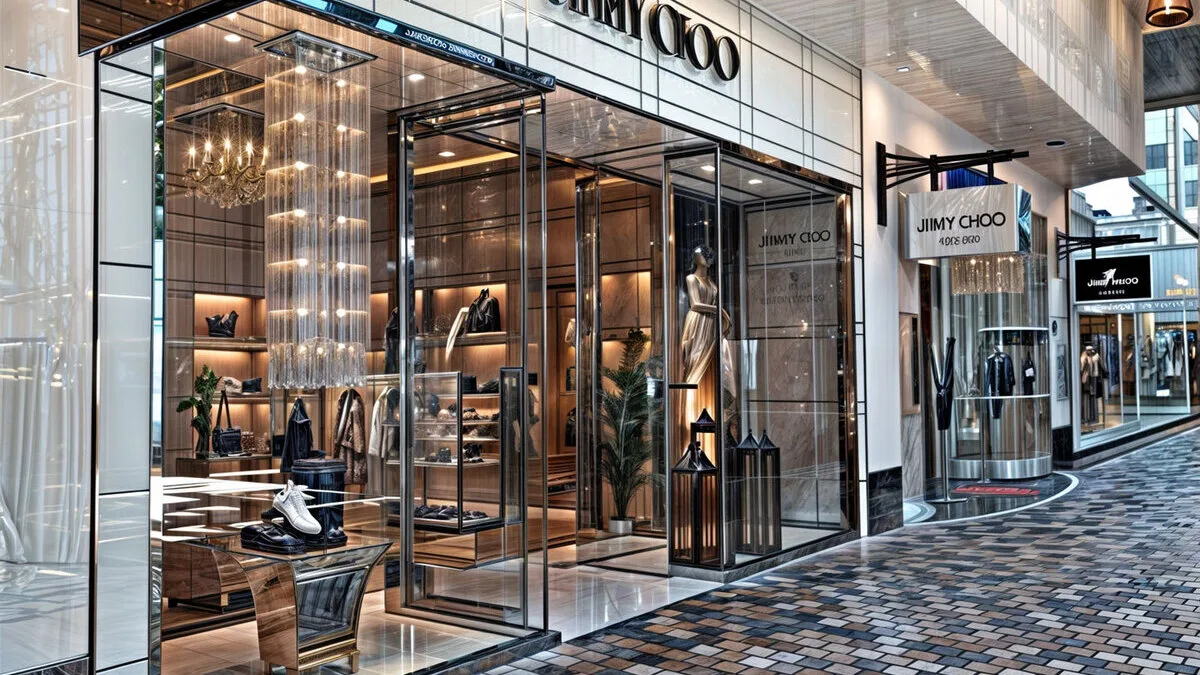
Montrose is one of Houston’s most eclectic and design-driven neighborhoods, known for its mix of historic homes, modern residences, art galleries, restaurants, and creative commercial spaces.

With constant renovation and architectural reinvention, projects in Montrose require glass and aluminum systems that deliver flexibility, durability, and contemporary aesthetics.

At PRL Glass & Aluminum, we provide modern architectural solutions engineered for Montrose’s unique character, supporting residential upgrades, adaptive reuse projects, and boutique commercial spaces with precision fabrication and premium materials.

Building or Renovating in Montrose? Connect with PRL Glass & Aluminum Today

Whether you’re renovating a historic home, designing a modern residence, or upgrading a retail or hospitality space, PRL delivers custom fabrication, nationwide logistics, and expert technical support from California.

We proudly support projects throughout Montrose, Midtown Houston, River Oaks, and the greater Houston metropolitan area.

Service 

Contact Number 

Aluminum Division 

📞 877-775-2586 

Glass Division 

📞 800-433-7044 

📍 Visit our locations in City of Industry, California and explore our wide range of innovative, high-quality aluminum and glass solutions!

Premium Glass & Aluminum Designs for Montrose Homes

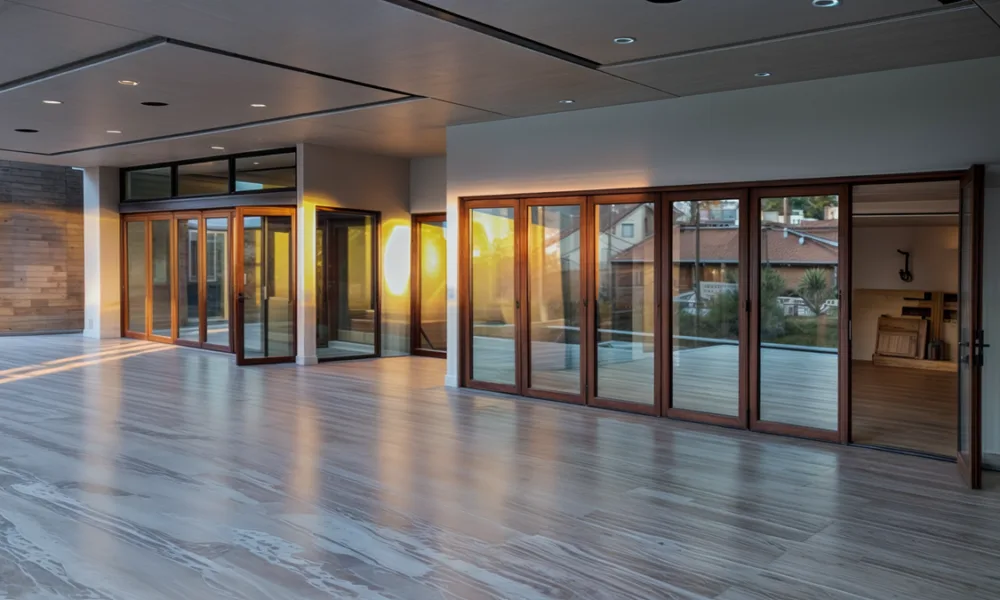
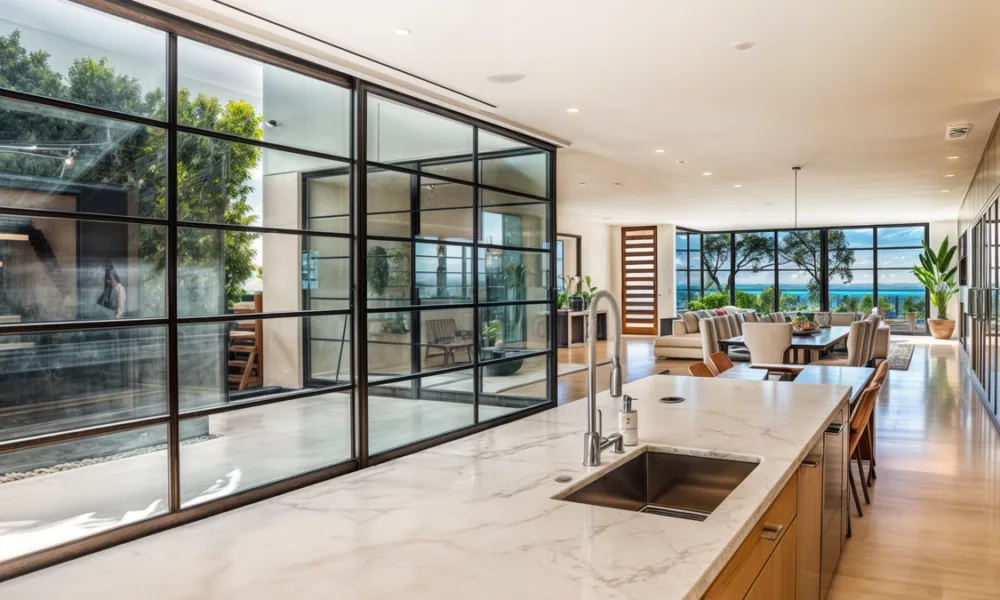
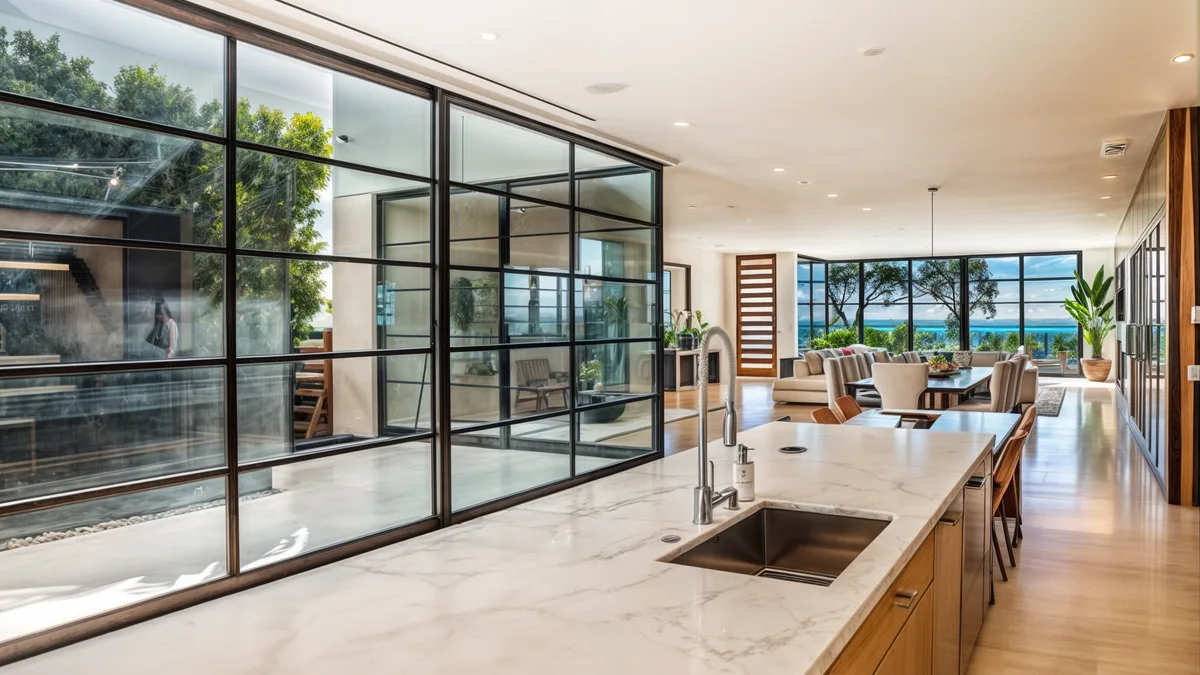
Montrose homes emphasize individuality, open layouts, and modern upgrades. PRL’s premium residential systems are designed to enhance these spaces while maintaining durability and performance.

All residential systems meet ASTM and NFRC standards. 

Glass & Aluminum Solutions for Montrose Businesses

Montrose’s commercial environment, boutique retail, restaurants, galleries, and creative offices—requires architectural systems that balance aesthetics, visibility, and durability.

  • Curtain Wall Systems: Ideal for mixed-use developments and contemporary commercial buildings
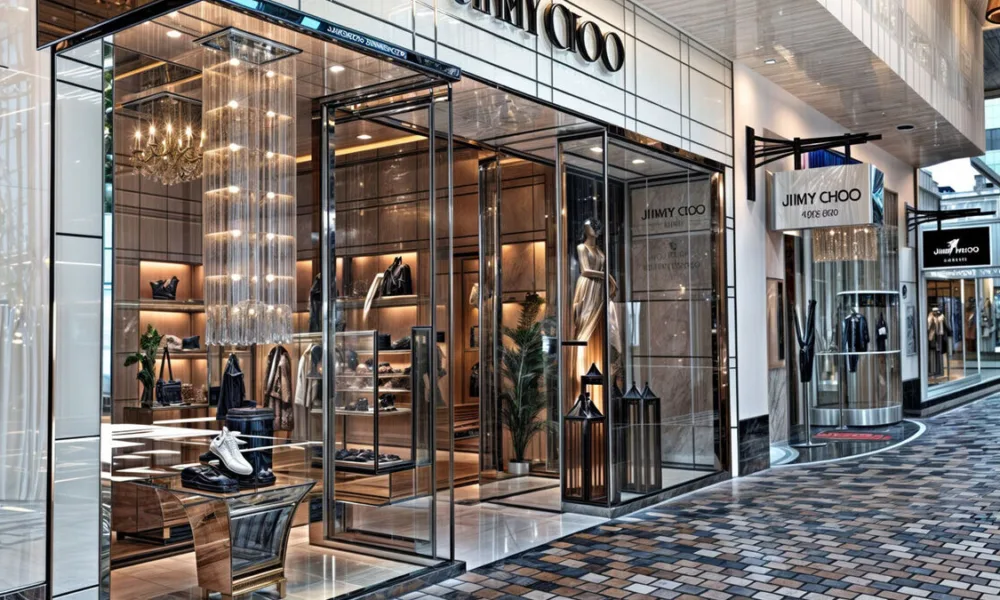
  • Storefront Systems: Clean, modern glass façades for street-facing retail and hospitality
  • Architectural Glass Solutions – Laminated and tempered glass for safety, acoustic comfort, and energy efficiency

PRL systems support both new developments and adaptive reuse projects across this dynamic Houston neighborhood.
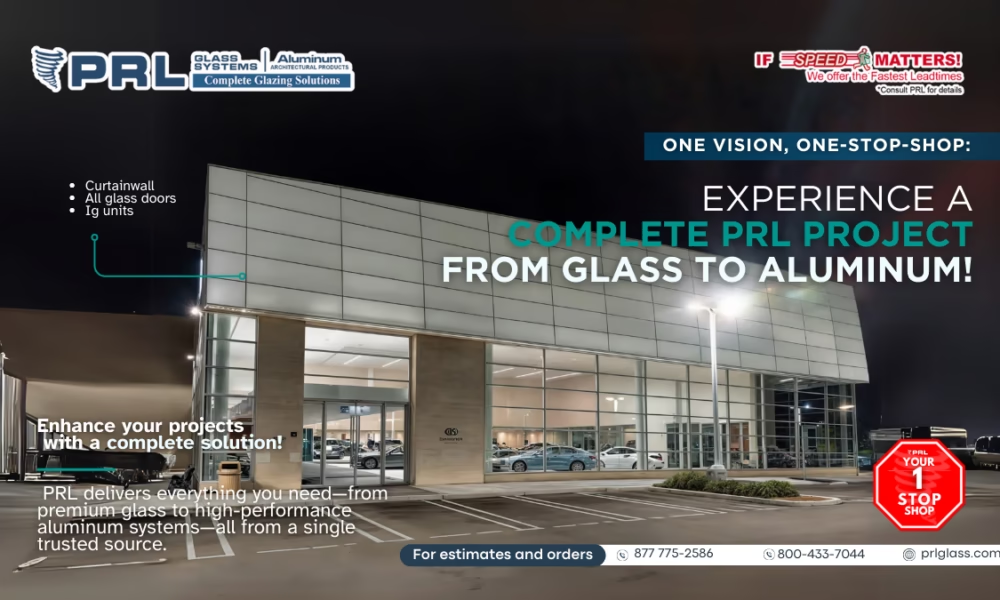
PRL Glass and Aluminum in Upper East Side, Manhattan

Why Montrose Developers and Property Owners Trust PRL Glass & Aluminum

Montrose projects require flexibility, customization, and strong design execution—PRL delivers consistently.

  • Custom fabrication for residential renovations and boutique commercial projects
  • Premium aluminum finishes and large-format glazing options
  • Nationwide manufacturing with dependable delivery timelines
  • Technical support for architects, developers, builders, and designers
  • Proven experience in creative and design-driven urban environments

Benefits of Glass and Aluminum Systems in Montrose

Montrose architecture thrives on creativity, diversity, and modern reinvention—glass and aluminum systems support these qualities.

  • Thermal Performance for comfort in Houston’s hot climate
  • Noise Reduction, important in active mixed-use neighborhoods
  • Modern Architectural Appeal aligned with contemporary and adaptive design
  • Durability suitable for both residential and high-traffic commercial use
  • Eco-Friendly Materials, supporting sustainable construction practices
  • Battle Door Capability, offering reinforced security against break-ins, vandalism, or protests, especially important for street-facing retail, galleries, and restaurants

Transform Your Space with PRL Glass & Aluminum

Based in California and trusted nationwide, PRL serves Texas and all 50 states with luxury-grade architectural glass and aluminum systems.

From custom sliding doors to boutique storefronts, we deliver craftsmanship designed to elevate your next project.

We are present in the most important neighborhoods in the United States, offering the highest quality service.

Oak Lawn / Turtle Creek

Deep Ellum

River Oaks

The Galleria / Uptown

Midtown Houston

Follow us on social media ✅

Stay tuned for news, events, discounts and new products through the different social media channels.
Safety, durability, and functionality often begin with better system specification.

7 Glass and Aluminum Solutions That Help Reduce Risk in Commercial Buildings

Home / 2026 / April

In commercial buildings, risk rarely comes from a single source. It may be tied to unsafe access points, poorly resolved egress routes, improperly specified materials, vulnerable areas, or systems that simply cannot withstand the pace of daily use. There is also another key factor: an envelope that, over time, does not perform the way it should.

That is why reducing risk in a project is not just about meeting minimum requirements. It also means making better decisions from the specification stage onward, choosing solutions that protect people, support building operations, and respond more effectively to demands for safety, traffic, strength, and durability.

In that sense, glass and aluminum systems play a far more strategic role than many assume. They do not only shape the look of a space. When properly selected, they also address real needs related to protection, functionality, and long-term performance in commercial environments.

Below are seven solutions that can help reduce different types of risk in commercial buildings.

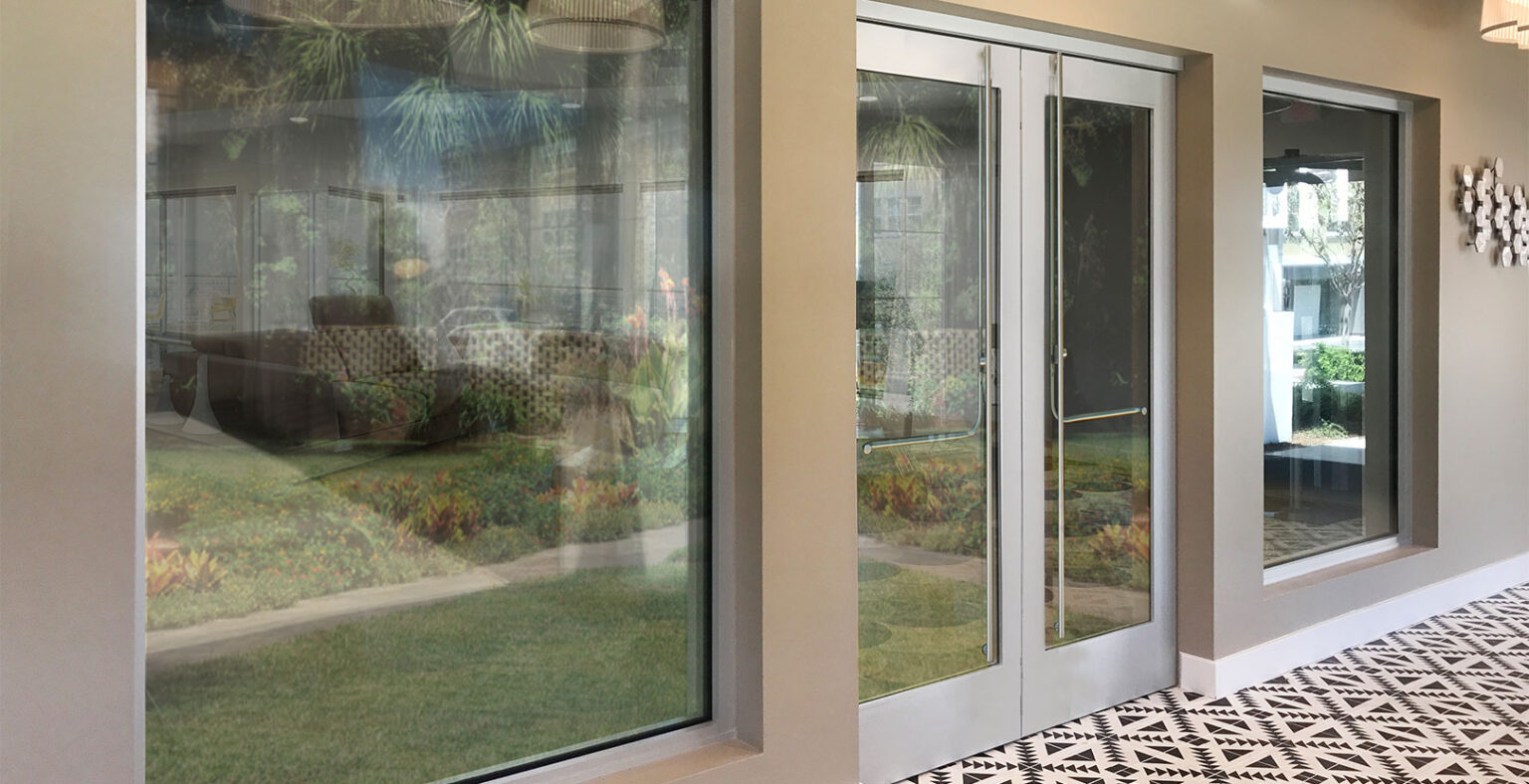
The right glass and aluminum systems can help improve safety, durability, and long-term performance in commercial buildings.

1. Panic hardware to improve egress safety

In any commercial building, safe and fast evacuation is not optional. When an exit is poorly resolved, the issue does not remain operational; it also affects people’s safety.

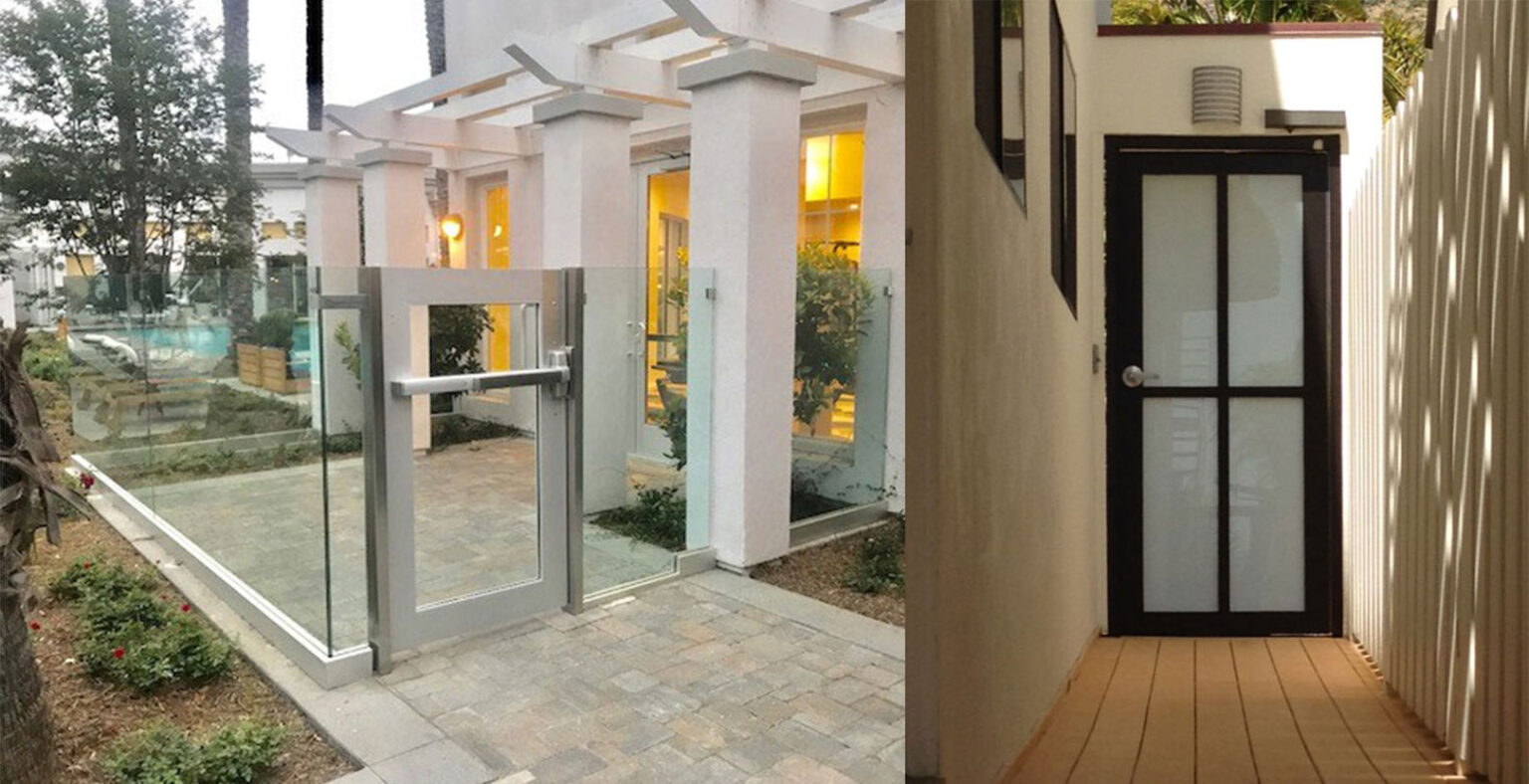
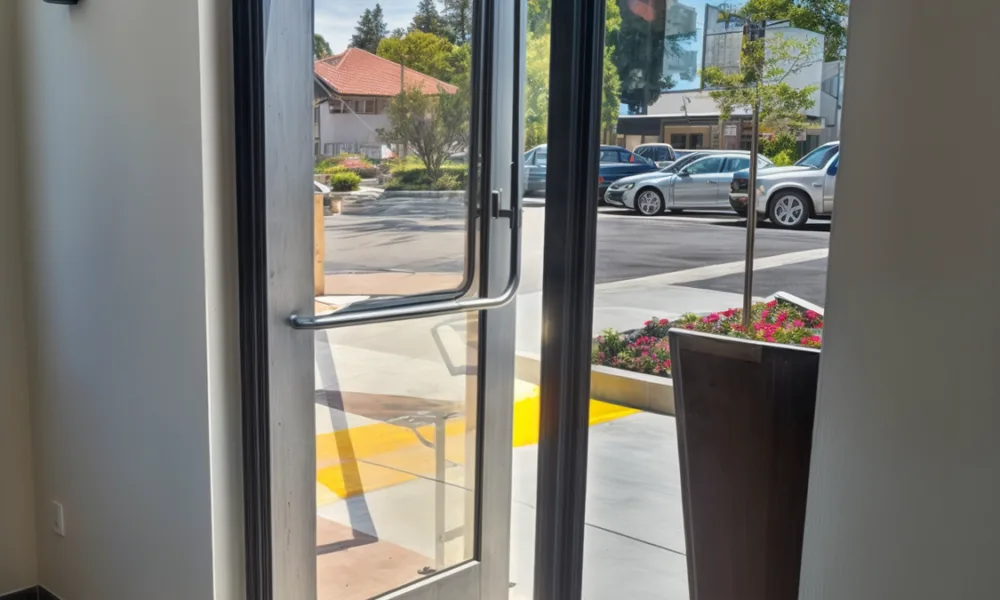
That is where panic hardware becomes essential. It is designed to allow quick interior release, support fast egress during an emergency, and improve circulation in high-traffic access points.

It also brings something equally important: consistency in everyday use. In glass doors, aluminum doors, or framed systems, choosing the right hardware helps avoid forced configurations, compatibility issues, and failures that often show up after installation.

2. Properly configured emergency doors to prevent problems from the start

Installing an exit door does not guarantee a good outcome on its own. The real performance of the system depends on how the door leaf, hardware, dimensions, opening type, and component compatibility are resolved as a whole.

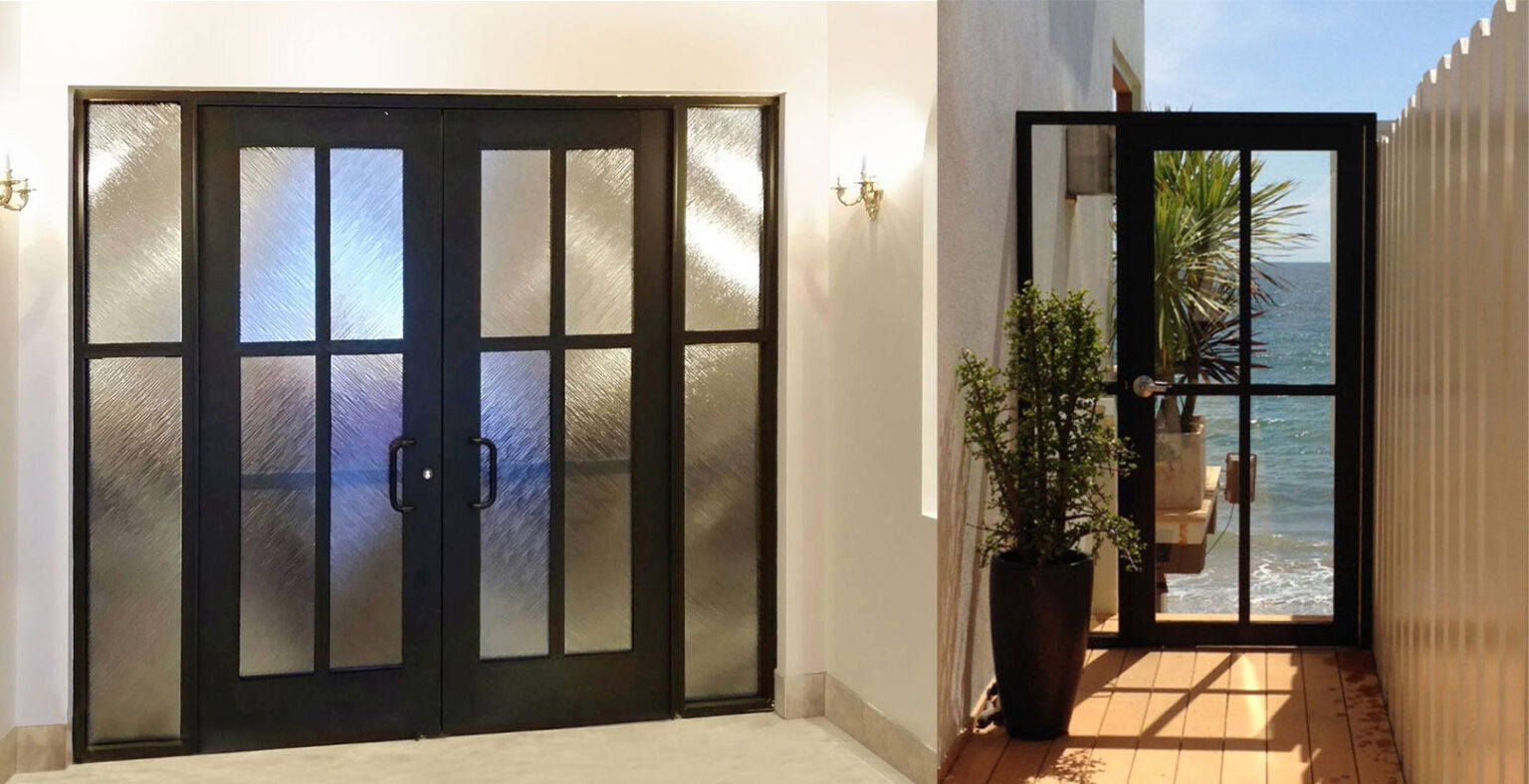
All glass panic doors, full framed panic doors, and aluminum panic doors each respond to different needs depending on the type of access, the project’s aesthetic goals, and the level of demand in the space. What matters most is specifying them correctly from the start.

When that does not happen, the usual problems begin to surface: post-installation adjustments, coordination errors, installation complications, or doors that do not perform as expected in daily operation.

This becomes even more important in commercial entrances, emergency exits, institutional buildings, and public-facing spaces, where constant traffic demands reliable and durable systems.

3. Bullet resistant glass to strengthen protection in sensitive areas

Not all commercial spaces face the same level of exposure. In some environments, physical security calls for additional measures and a much more careful approach to material selection.

Bullet resistant glass is designed for exactly those types of applications. It may be an appropriate solution for banks, government buildings, cashier windows, service points, control areas, reception desks, or any zone where protecting staff and occupants is a genuine concern.

Its value is not visual, even if it preserves transparency. Its value lies in providing an added layer of protection without completely sacrificing visibility within the space.

When integrated properly into the architectural design, it can help maintain a professional and functional appearance while serving its main purpose: reinforcing security in vulnerable areas.

4. Laminated glass to respond better to impact and breakage

Many of the most common issues in commercial buildings do not come from extreme threats but from everyday situations: accidental impact, breakage at an entrance, heavy foot traffic, or conditions that are more demanding than originally expected.

In this context, laminated glass offers a clear advantage. Because it holds together when broken, it helps reduce the risk associated with loose shards and improves material retention.

That makes it especially valuable in doors, entrances, façades, partitions, and other applications where glass is not merely decorative but an active part of how the space performs.

Depending on the system configuration, it may also contribute to acoustic control and broader performance benefits. Even without those added layers, its safety value alone makes it a strong specification.

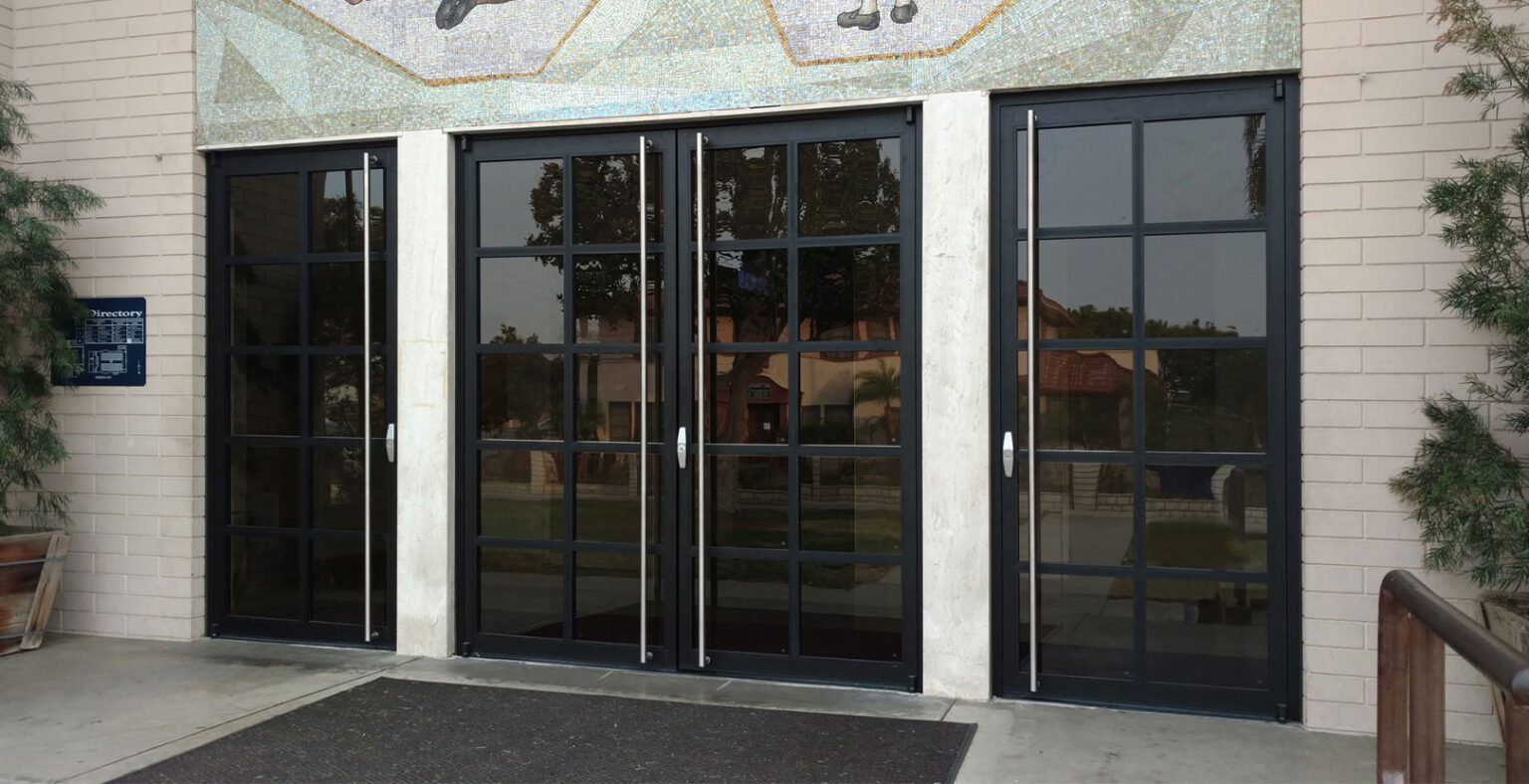
Commercial façades and entry systems should support both design intent and real-world performance.

5. Tempered safety glass for commercial spaces with constant use

Some materials may look appropriate on paper, but they do not hold up under the real demands of the project. In commercial spaces, that usually becomes obvious quickly. Entrances, partitions, doors, and frequently used areas require solutions that can handle daily operation without compromising safety.

Tempered safety glass remains one of the most widely used options for a simple reason: it combines strength with safer breakage behavior.

That is why it is especially useful in applications where system durability and user safety need to work together. When properly specified, it helps reduce incidents, improves overall reliability, and performs better in spaces with constant circulation.

It does not solve every challenge on its own, but it plays an obvious role when the goal is to balance transparency, strength, and safety.

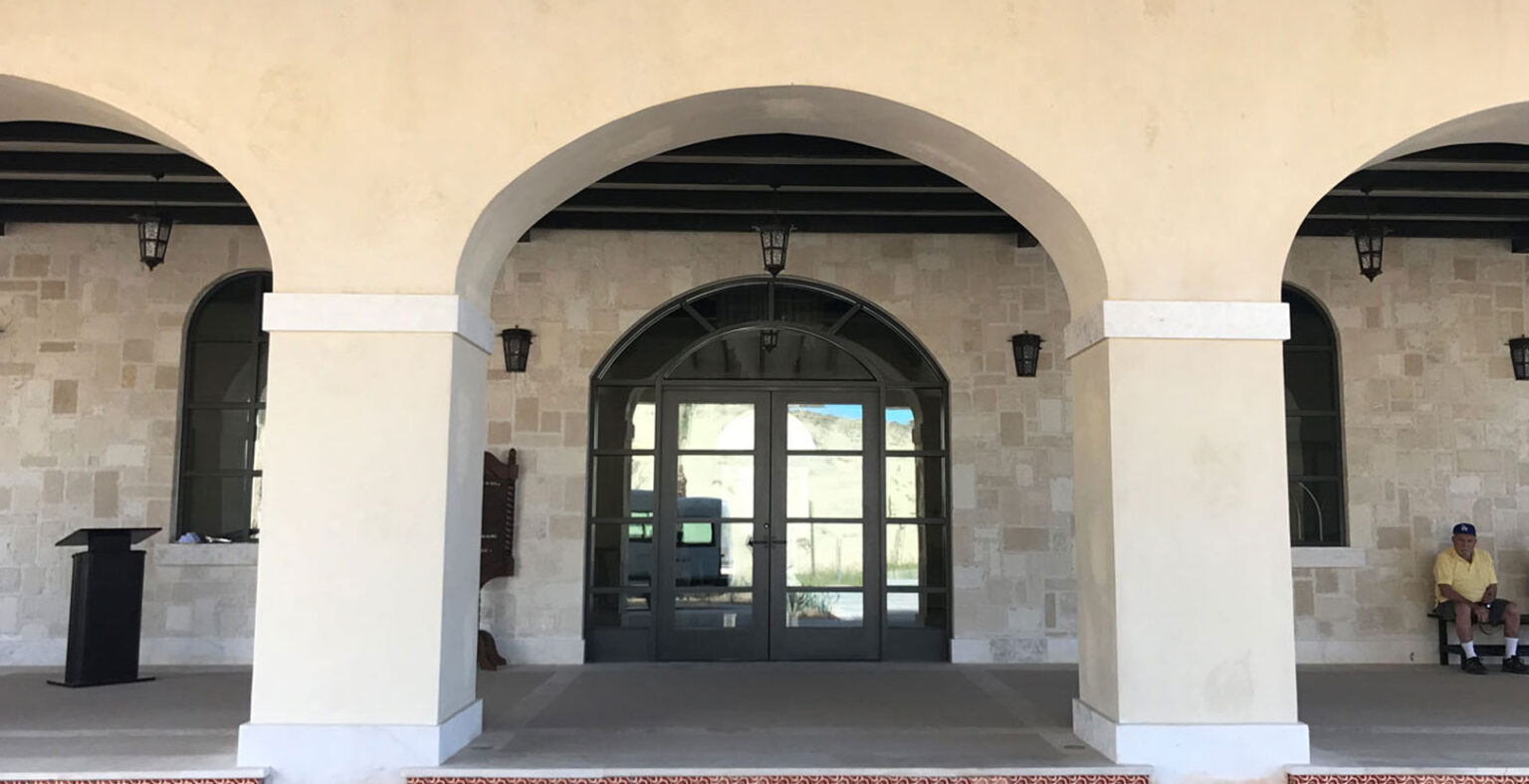
6. Storefront systems to improve performance in commercial entrances and façades

A storefront does more than project a brand image. It also has to withstand daily use, environmental exposure, and ongoing operational demands.

For that reason, storefront systems should not be evaluated on appearance alone. When they are poorly resolved, they can lead to unnecessary maintenance, functional issues, premature wear, or a less practical experience for the people who use the space every day.

When the framing, glass, component compatibility, and durability of the system are properly addressed, the entrance performs better and the front of the building remains more stable over time.

In projects where the main entrance plays a major role, choosing the right storefront system is also an operational decision—not just an architectural one.

7. Curtain wall systems and proper specification to avoid long-term issues

In larger commercial buildings, many problems do not become visible right away. They tend to appear later, when the envelope does not perform as expected or when the initial specification failed to account for key project variables.

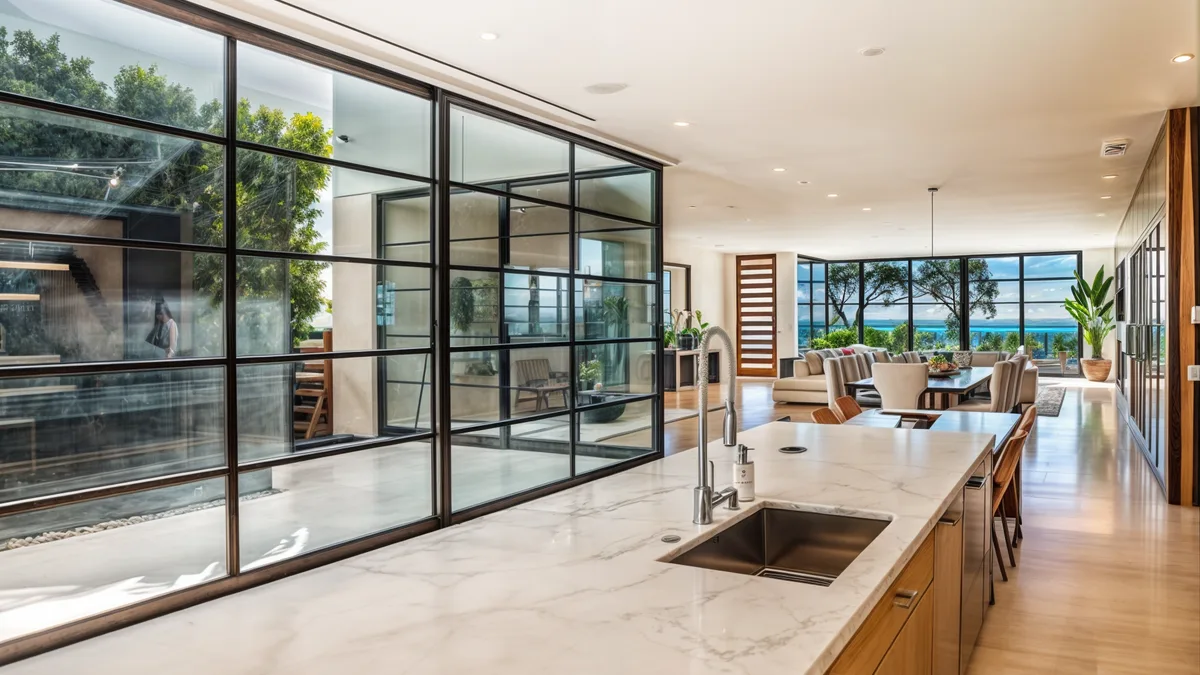
Curtain wall systems help address that risk through a more integrated approach. They are designed to meet structural, enclosure, and performance requirements in complex façades, where every technical decision has long-term consequences.

When the system is properly coordinated, it becomes easier to avoid component incompatibilities, installation complications, unnecessary maintenance, and weak façade performance over time.

In projects of this scale, working with well-developed systems and technical support from early stages often makes a real difference, not only during execution but throughout the building’s service life.

General considerations for reducing risk in commercial buildings

In addition to selecting the right glass and aluminum systems, there are broader planning and operational decisions that also help reduce risk in a commercial building:

  • Review safety, egress, and performance requirements from the earliest stages
  • Verify compatibility between doors, hardware, glass, and support systems
  • Specify materials based on actual traffic levels and real demands of the space
  • Identify vulnerable areas that may require added protection
  • Consider maintenance and durability from the design phase onward
  • Seek technical support to reduce coordination and installation errors
  • Prioritize integrated solutions that are better equipped to perform over time

Choosing well is also a way to prevent problems

In commercial construction, many problems do not begin once the project is complete. They begin earlier, in material specification, system selection, and a lack of coordination between design intent, performance, and real-world use.

That is why choosing glass and aluminum solutions should not be seen as a purely aesthetic decision. It is also a way to prevent failures, strengthen safety, support daily operations, and improve overall project performance.

From egress systems to safety glazing and commercial façades, every decision influences how a building will perform over time.

At PRL Glass & Aluminum, we understand that a well-designed system should do more than look good. It should also meet real demands for safety, strength, and performance in commercial buildings.

A panic device that works on one type of opening is not always the right answer for glass, where hardware selection has to respond to fabrication, function, and visual integration.

How to Choose the Right Panic Hardware for Glass Doors

Home / 2026 / April

Choosing panic hardware for a glass door involves more than picking a device that opens the door from the inside. In glass applications, the decision also depends on system compatibility, egress needs, traffic level, design integration, and long-term performance.

That matters even more in commercial entrances, where glass doors need to do two things at once: perform reliably and maintain a clean, professional look that fits the rest of the opening. A panic device that works well on another type of door is not always the right answer for a glass system.

Before specifying panic hardware for a glass door, it helps to step back and review the project as a whole. The best selections usually come from understanding how the opening is built, how it will be used, and what the entrance needs to deliver over time.

Choosing panic hardware for a glass door is not only about egress, but about how the device fits the full entrance system in terms of compatibility, design, and daily performance.

Why Do Glass Doors Require More Careful Hardware Selection?

Glass doors bring a different set of conditions than wood or metal doors, so the hardware cannot be selected the same way. In these applications, the device has to do more than provide egress. It also has to work with the way the glass door system is built and the way the entrance has been designed.

Compatibility is one of the first things to verify. Glass thickness, rail type, patch fittings, and narrow stile conditions can all affect which panic hardware options are actually viable. If those details are overlooked early, it is easy to end up with a device that fits poorly or forces unnecessary adjustments later.

Appearance also plays a larger role in glass entrances. On many commercial openings, the hardware becomes part of the visual identity of the door, not just a functional add-on. That makes selection as much about fit and integration as it is about operation.

Start with the Door Configuration

A good selection starts with understanding the basic door setup. A single leaf does not present the same conditions as a pair of doors, and a fully frameless entrance calls for a different approach than a system with narrow stiles or additional support elements.

Swing direction matters too, along with the way the opening fits into the rest of the entrance and the role it plays in the egress path. In some projects, the door serves as a high-traffic main exit. In others, it is part of a more controlled access point where daily use and exterior operation weigh more heavily.

Before getting into finishes or visual preferences, it makes sense to understand how the opening is built and what it is expected to do. That alone can eliminate options that may look acceptable on paper but are not a strong fit in practice.

Review the Real Function of the Opening

Beyond the door layout itself, it is important to understand how the opening will actually be used. Not every glass entrance follows the same pattern, and the right panic hardware for a busy main exit may not make as much sense for a lower-traffic door with a more controlled use.

That means looking at whether the opening is part of a primary egress path, how much daily traffic it will handle, whether exterior control is involved, and whether it needs to work alongside other access components. Those practical questions shape how the hardware should perform and what kind of solution makes the most sense.

It is also worth considering the balance between emergency function and everyday operation. In many commercial glass doors, the hardware has to do both well: support quick exit when needed and remain consistent, comfortable, and reliable during normal use.

Make Sure the Hardware Is Compatible with the Glass Door System

This is one of the most important parts of the process. On a glass door, panic hardware should never be treated as a standalone choice, because both installation and performance depend on the way the door system is fabricated.

Glass thickness, rail type, patch fittings, and narrow stile conditions all affect what can actually be integrated into the opening. A device that looks like a match in a catalog may not work as well once the real dimensions, fabrication details, and entrance layout are considered.

That is why compatibility is not a secondary technical issue. It is one of the main selection criteria. Getting it right early helps avoid installation problems, late changes, and decisions that weaken the final performance of the entrance.

In commercial glass entrances, the right panic hardware selection depends on more than appearance. Door configuration, traffic demands, and system fit all shape the final decision.

Balance Safety, Performance, and Appearance

On glass doors, the right panic hardware needs to do more than satisfy the egress function. It also has to support reliable operation and work visually with the entrance as a whole.

In many commercial applications, the hardware is clearly visible, so a device that performs well but feels improper can still be the wrong choice. The best results usually come from looking at how the hardware will function under daily use, how it fits the lines of the door, and whether it supports the overall look of the opening.

Durability matters just as much. A commercial entrance may look right at the start, but if the hardware does not hold up under frequent use, both the user experience and the perception of the space can suffer. The strongest selections usually solve safety, operation, and design at the same time.

Consider Code and Application Requirements Early

This article is not meant to explain in detail when panic hardware is required by code, but that question still needs to be part of the selection process. Choosing hardware before reviewing the actual conditions of the opening can lead to a solution that looks right but falls short where the project matters most.

It is worth confirming whether the door is part of a regulated egress path, whether the opening is tied to a specific occupancy condition, and whether the assembly has to meet additional requirements, such as a fire-rated application or another performance-related standard.

In short, the goal is not only to find hardware that works with the glass but also hardware that fits the code and application requirements tied to that entrance. Checking those points early usually leads to a cleaner and stronger specification.

Look at Standard vs. Custom Options

Not every glass door project fits neatly into a standard hardware configuration. Some openings can be resolved with a standard panic hardware setup, while others call for something more tailored because of door size, fabrication details, or the design of the entrance itself.

This becomes more relevant in projects with oversized doors, more demanding visual requirements, or openings where several hardware and glass components have to work together. In those cases, selection is not just about finding a device that functions; it is about choosing one that fits the broader logic of the system.

Reviewing standard and custom options early can help avoid unnecessary limitations later on. It also helps align expectations around lead times, coordination, and final performance before the decision is locked in.

Work with a Supplier That Understands Glass Door Applications

Selecting panic hardware for a glass door becomes much easier when the supplier understands how these systems come together in real projects. Glass entrances often involve more coordination than the device alone would suggest, including fabrication details, hardware integration, design intent, and project-specific constraints.

That is where technical support becomes valuable. A supplier with real experience in glass door applications can help confirm compatibility, flag practical limitations early, and guide the selection toward something that works not just in theory, but in fabrication and installation as well.

In commercial entrances, where appearance, performance, and coordination all matter, that kind of support can make a real difference. The right supplier is not just providing hardware; they are helping reduce risk in the decision-making process.

Final Thoughts

Choosing the appropriate panic hardware for a glass door means looking at the opening as a complete system, not as a single hardware decision. Door configuration, daily use, compatibility, appearance, code conditions, and project goals all play a role in the outcome.

What works for one opening may not be the best fit for another, especially in commercial entrances where performance and visual expectations are closely tied together.

The best results usually come from evaluating those factors early and as a group. When hardware, fabrication, and design are considered together from the start, the entrance is more likely to perform well and feel fully resolved.