Loading

Archives January 2026

Glass and Aluminum Manufacturers in Miami

Premium Glass & Aluminum Solutions for Miami

Miami’s skyline, luxury real estate market, and coastal environment demand architectural systems that combine performance, resilience, and refined design.

At PRL Glass & Aluminum, we supply Miami developers, architects, and contractors with premium glass and aluminum solutions designed for high-rise construction, luxury residential projects, hospitality, healthcare, and commercial developments.

From oceanfront condominiums and hotels to medical facilities and mixed-use towers, our systems are engineered to withstand extreme weather, meet Florida building codes, and elevate modern architectural design.

Building in Miami? Connect with PRL Glass & Aluminum Today

Whether you’re developing high-rise condos, hospitality projects, retail spaces, or institutional buildings, PRL delivers high-performance materials and expert support tailored to Miami’s demanding construction environment.

We proudly serve Miami, SOFI Miami Beach, Brickell, Downtown Miami, Design District, Coral Gables, Wynwood, Doral, Aventura, and the greater South Florida region.

Service 

Contact Number 

Aluminum Division 

📞 877-775-2586 

Glass Division 

📞 800-433-7044 

📍 Visit our locations in City of Industry, California and explore our wide range of innovative, high-quality aluminum and glass solutions!

Advanced Glass & Aluminum Designs for Miami Builders

PRL systems are engineered to meet Miami’s unique challenges, including high humidity, salt-air exposure, hurricane zones, and modern luxury design standards.

All PRL systems comply with ASTM, NFRC, and LEED standards, ensuring code compliance and top performance in Miami stringent regulatory environment. 

Why Miami Builders Trust PRL Glass & Aluminum

Developers across Miami rely on PRL for precision engineering, consistent quality, and project-ready solutions. From iconic waterfront towers to mixed-use urban developments, we support South Florida construction with proven expertise.

Why PRL is trusted in Florida:

✅ Fast lead times and nationwide logistics

✅ Systems engineered for hurricane and coastal zones

✅ Custom designs aligned with Miami’s modern architecture

✅ Technical support from takeoff through installation
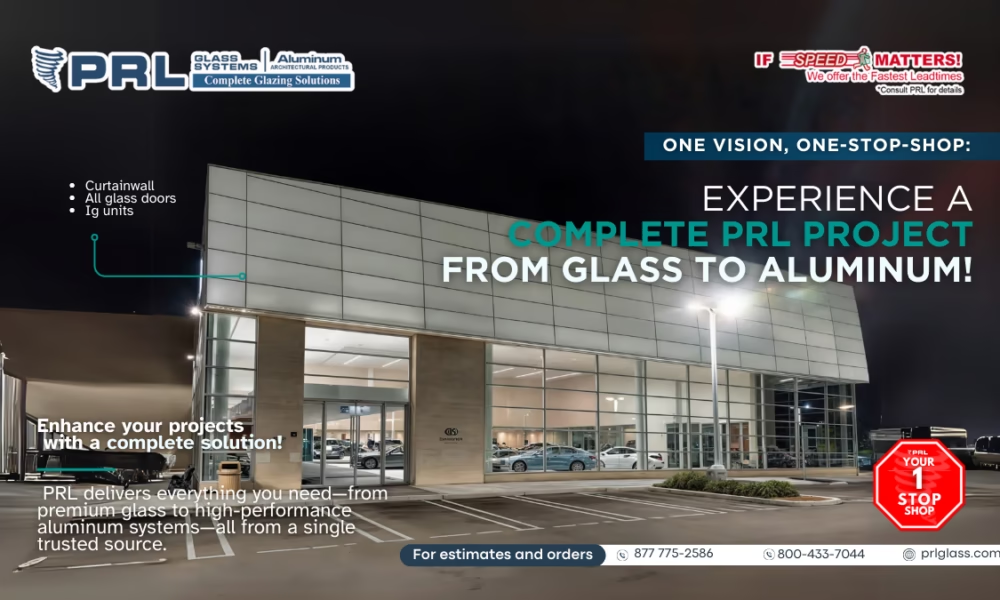
PRL Glass and Aluminum in Miami

Benefits of Glass and Aluminum Systems in Miami

Miami construction requires materials that balance luxury aesthetics with extreme weather performance. Glass and aluminum systems deliver both.

Key benefits include:

  • Impact Resistance – Laminated glass options designed for hurricane protection
  • Energy Efficiency – Helps manage solar heat gain in South Florida’s climate
  • Salt Air Durability – Aluminum systems resist corrosion in coastal environments
  • Modern Aesthetics – Perfect for Miami’s contemporary, high-end designs
  • Low Maintenance – Long-term performance in humid and marine conditions
  • Battle Door Capability – Reinforced systems for protection against hurricanes, break-ins, and civil unrest

PRL Glass & Aluminum, your National Supplier

From our location in California, PRL Glass & Aluminum serves Florida and all 50 states in the United States.

We offer service in major cities across the country:

Los Angeles

Dallas

Phoenix

New York City

Chicago

Follow us on social media ✅

Stay tuned for news, events, discounts and new products through the different social media channels.
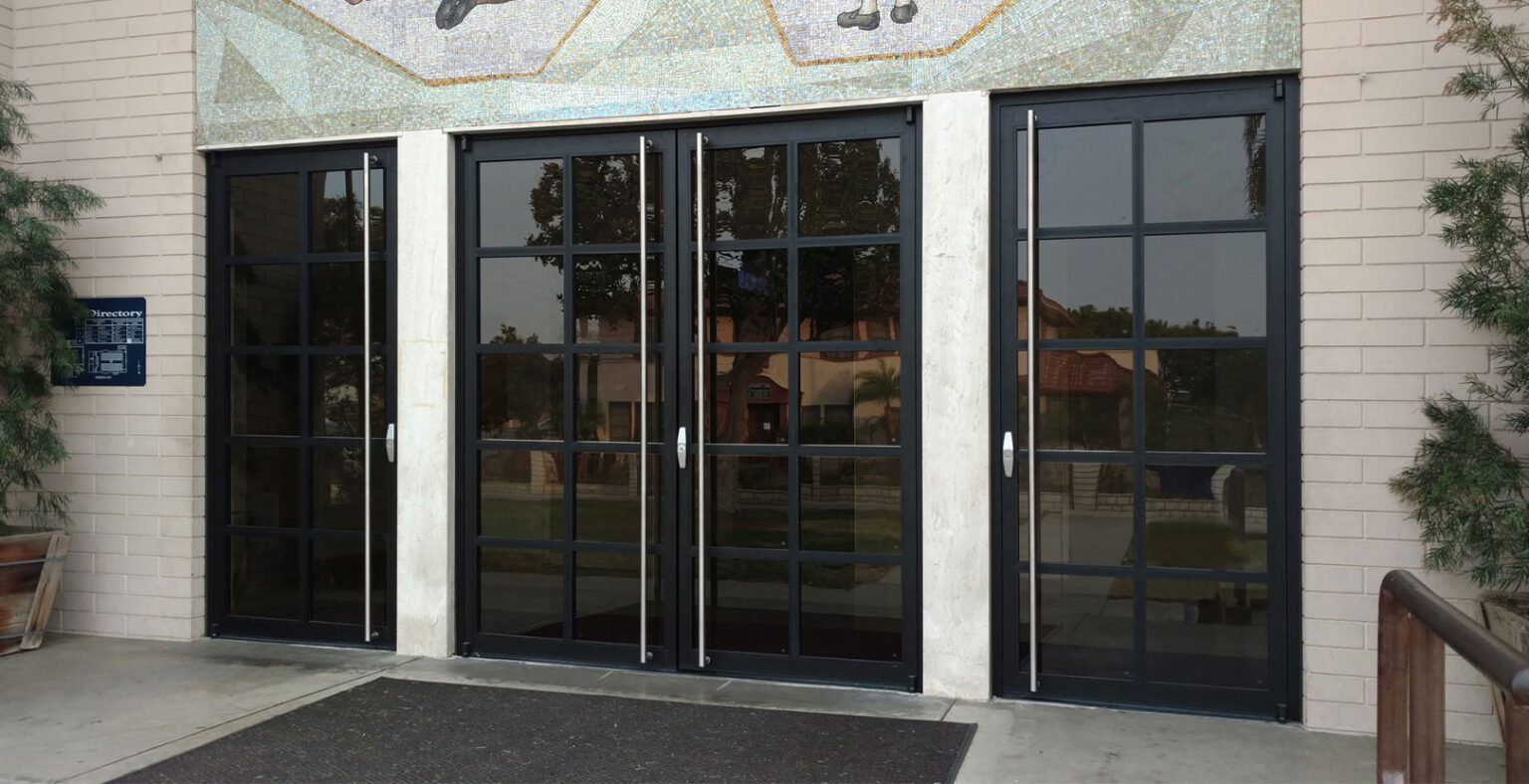
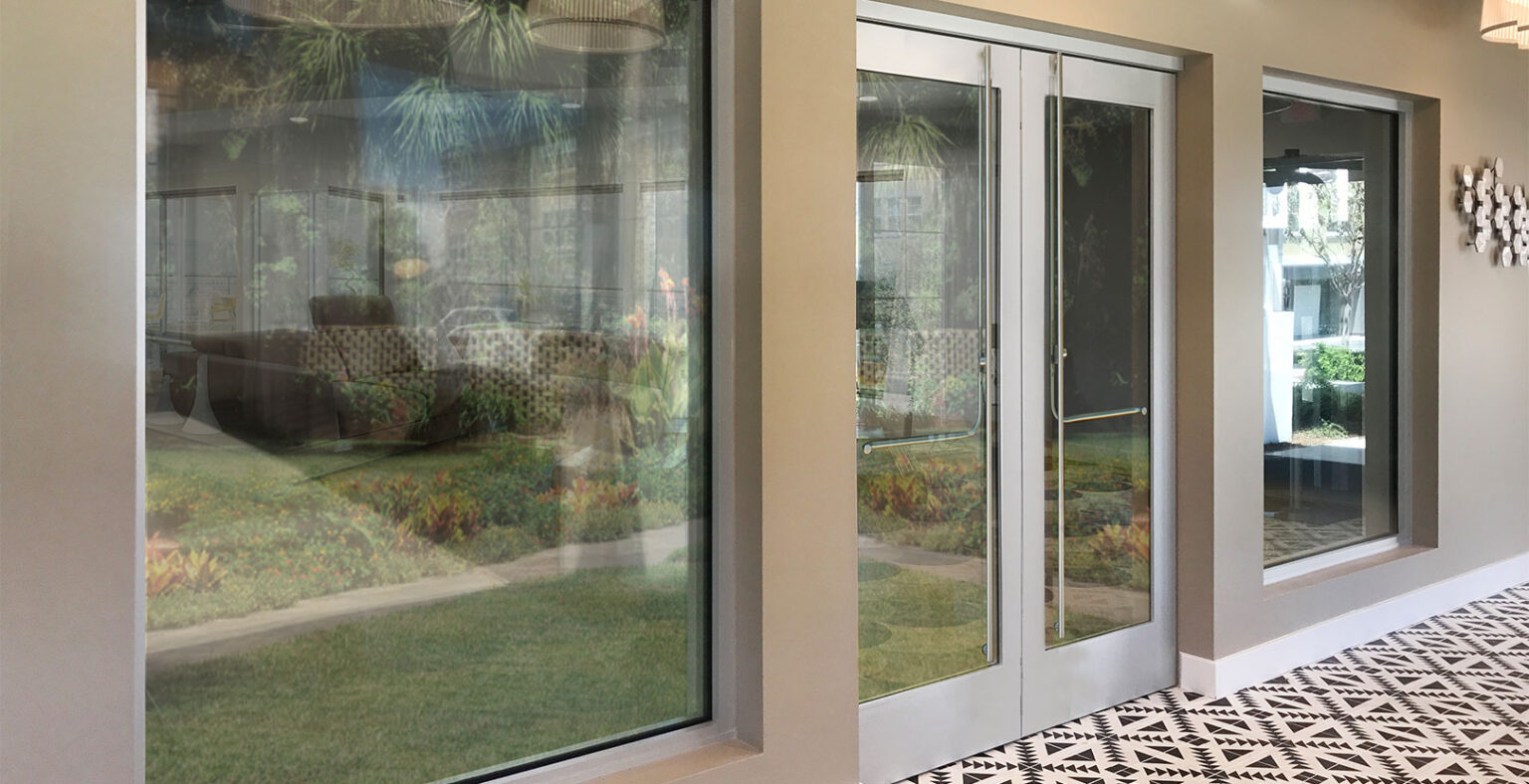
Glass and Aluminum Manufacturers in Brickell

Modern Glass & Aluminum Solutions for Homes & Businesses in Brickell

Brickell is Miami’s financial and residential core, defined by luxury high-rise towers, waterfront condominiums, upscale retail, and Class A office buildings.

In a neighborhood where architecture is vertical, modern, and design-driven, projects demand high-performance glass and aluminum systems that deliver aesthetics, durability, and energy efficiency.

At PRL Glass & Aluminum, we provide modern glass and aluminum solutions engineered for Brickell’s skyline, supporting luxury residences, mixed-use developments, and boutique commercial spaces with precision and premium finishes.

Building or Renovating in Brickell? Connect with PRL Glass & Aluminum Today

Whether you’re upgrading a luxury condo, developing a high-rise residential project, or designing a street-level retail or office space, PRL delivers custom fabrication, nationwide logistics, and expert technical support from California.

We proudly support projects throughout Brickell, Downtown Miami, Brickell Key, and the greater Miami metro area.

Service 

Contact Number 

Aluminum Division 

📞 877-775-2586 

Glass Division 

📞 800-433-7044 

📍 Visit our locations in City of Industry, California and explore our wide range of innovative, high-quality aluminum and glass solutions!

Premium Glass & Aluminum Designs for Brickell Residences

Brickell residences are built around panoramic views, natural light, and contemporary interiors. PRL’s premium residential systems are designed to meet these expectations while performing in a coastal, high-rise environment.

All residential systems meet ASTM and NFRC standards, with options suitable for coastal and high-wind conditions.

Glass & Aluminum Solutions for Brickell Businesses

Brickell’s commercial environment (banks, offices, restaurants, and luxury retail) demands architectural systems that balance prestige, performance, and safety.

  • Curtain Wall Systems: Ideal for high-rise office towers, residential developments, and mixed-use projects
  • Storefront Systems: Clean, modern façades for retail, hospitality, and professional services
  • Architectural Glass Solutions – Laminated and tempered glass for safety, solar control, and acoustic performance

PRL systems support both new construction and premium renovations in one of Miami’s most competitive markets.

PRL Glass and Aluminum Manufacturers in Brickell

Why Brickell Developers and Homeowners Trust PRL Glass & Aluminum

Brickell projects require partners with experience in vertical construction, premium finishes, and strict performance standards, PRL delivers on all fronts.

  • Custom fabrication for luxury high-rise residential and commercial projects
  • Systems designed for coastal exposure, wind loads, and urban density
  • Nationwide manufacturing with reliable lead times
  • Technical support for architects, developers, and builders
  • Proven experience supporting design-forward, large-scale developments

Benefits of Glass and Aluminum Systems in Brickell

Brickell architecture thrives on verticality, transparency, and modern luxury, glass and aluminum systems are essential to this identity.

  • Thermal Performance for year-round comfort in high-rise and waterfront buildings
  • Noise Reduction, critical in dense urban and traffic-heavy environments
  • Elegant Architectural Appeal aligned with contemporary towers and luxury interiors
  • Durability suitable for coastal humidity, sun exposure, and daily use
  • Eco-Friendly Materials, supporting LEED and sustainability-focused developments
  • Battle Door Capability, offering reinforced security against break-ins, vandalism, or protests—especially important for street-level retail and financial district properties

Transform Your Space with PRL Glass & Aluminum

Based in California and trusted nationwide, PRL serves Florida and all 50 states with luxury-grade architectural glass and aluminum systems.

From custom sliding doors to boutique storefronts, we deliver craftsmanship designed to elevate your next project.

We are present in the most important neighborhoods in the United States, offering the highest quality service.

Santa Monica

Hollywood Hills

Venice Beach

Bel Air

West Hollywood

Follow us on social media ✅

Stay tuned for news, events, discounts and new products through the different social media channels.
Thoughtful acoustic design helps reduce background noise and reverberation, improving communication and user experience in offices, residential spaces, and hospitality interiors.

Importance of Acoustics in Interior Design: Why Sound Comfort Is a New Priority

Home / 2026 / January

For years, interior design has focused primarily on what is visible such as lighting, materials, spatial layout, and overall aesthetics. However, as interior environments become more complex to design and build (like open-plan offices, multifamily housing, hybrid work and hospitality spaces) one equally critical factor has begun to receive the attention it deserves: sound. 

Constant noise, lack of acoustic privacy, and excessive reverberation can turn even the best-designed interiors into uncomfortable, stressful, or inefficient environments.  

In contrast, well-considered acoustics directly support well-being, concentration, communication, and the overall experience for people who occupy and use a space. 

Understanding why sound matters, and how it shapes the way we perceive an environment, is the first step toward creating interiors that are truly comfortable, functional, and human-centered. 

Interior environments increasingly consider acoustic comfort as part of overall well-being, alongside lighting, temperature, and spatial layout.

Interior Comfort Is No Longer Just Visual 

For decades, interior comfort was evaluated almost exclusively through visual and physical elements like good lighting, thermal control, ergonomics, and carefully considered aesthetics. Today, a new factor has become impossible to ignore sound. The denser and more urbanized the environment we live in, the greater the need to address acoustic comfort within interior spaces. 

How a space sounds has a direct impact on how it’s experienced. Even a well-lit and thermally stable environment can feel uncomfortable if noise is constant, conversations overlap, or reverberation interferes with communication. For this reason, sound has shifted from being a secondary concern to a core component of interior comfort. 

This shift has accelerated in the post-pandemic context. The rise of hybrid work, multifunctional spaces, and increased mental loads in daily life have brought greater attention to interiors that support well-being, focus, and mental clarity. Noise is no longer perceived as a temporary inconvenience; it’s now recognized as a factor that can increase stress, reduce productivity, and negatively affect the overall user experience. 

In fact, prolonged exposure to poorly controlled sound environments can impact health, making acoustic comfort a serious and increasingly relevant issue in contemporary interior design. 

How Sound Affects Well-Being, Focus, and Human Experience 

Sound has a direct (and often invisible) impact on how people feel and perform within a space. Continuous exposure to noisy or acoustically unbalanced environments can lead to  

  • Stress 
  • Mental fatigue 
  • Anxiety 

This is true even when noise levels don’t seem particularly high at first glance. Unlike other stimuli, sound cannot be easily ignored. Our ears remain active at all times, and our natural alert system is constantly engaged. 

Persistent background noise, overlapping conversations, and reverberation force the brain to make extra effort to process information. This reduces the ability to focus and increases cognitive fatigue. Over time, these conditions can result in lower productivity, more frequent errors, and an overall negative experience of the space. 

This is one of the reasons why good aesthetics alone do not guarantee a comfortable environment. A visually appealing interior can still be frustrating or uncomfortable if sound isn’t properly considered. When acoustics fail, the overall perception of a space deteriorates, regardless of the quality of materials or the attention given to visual details. 

Sound is also an integral part of the user experience and the identity of a place. The soundscape (the combination of sounds that define an environment) influences mood, shapes how people interact within a space, and affects how an experience is remembered.  

In offices, restaurants, hotels, and commercial environments, well-managed acoustics can reinforce a sense of calm, energy, or professionalism, while chaotic sound conditions can negatively impact brand perception. 

For these reasons, sound control isn’t merely a technical consideration but a fundamental element of human-centered design. Understanding how sound affects well-being and human experience is essential for creating interiors that function not only on a visual level, but also on an emotional and sensory one. 

What Acoustic Comfort Really Means in Interior Spaces 

Acoustic comfort is often perceived as something subjective, but in reality, it’s not. While individuals may tolerate sound differently, there are shared principles that determine when a space feels acoustically comfortable.  

Simply put, acoustic comfort is achieved when sound doesn’t interfere with the primary function of a space, whether that’s resting, working, communicating, or concentrating. 

It’s important to distinguish between silence and acoustic balance. A silent space isn’t always comfortable. In fact, environments that are excessively quiet can feel unnatural or even tense, as they amplify minor sounds and heighten awareness of every noise. The goal of acoustic design isn’t to eliminate sound, but to control it and adapt it to the intended use of the space. 

Concepts such as echoes, reverberations, and background noise help clarify this distinction: 

  • Echoes occur when sound reflections are perceived as repeated sounds 
  • Reverberations refer to the persistence of sound in a space after the source has stopped 
  • Background noise consists of continuous sounds that accompany an activity, such as mechanical systems, traffic, or distant conversations. 

For this reason, quiet doesn’t necessarily mean the complete absence of sound. Comfortable spaces tend to maintain a controlled and consistent sound level, where voices are clear, sounds don’t aggressively overlap, and the environment feels stable and natural. 

What Are Comfortable Sound Levels for a Peaceful Indoor Life? 

Talking about acoustic comfort doesn’t necessarily mean measurable sound levels. While the experience of sound is perceptual, there are reference ranges that help define when an interior space feels comfortable and when it begins to cause discomfort or fatigue. 

Sound is measured in decibels (dB), but in interior environments the dBA scale is commonly used. This measurement approximates how the human ear perceives sound intensity, giving greater importance to the frequencies we’re most sensitive to.  

In other words, decibels don’t work in a linear way. A small increase in dBA can represent a significant difference in how noise is perceived. That’s why a space that seems only slightly louder can feel noticeably less comfortable, especially when exposure is constant. 

Recommended Interior Noise Levels for Comfort 

Below are commonly accepted dBA reference ranges associated with comfortable interior environments, depending on how a space is used: 

Space Type: 

Comfortable Range (dBA): 

Typical Sound Reference: 

Bedroom (Rest/Sleep): 

25–30 dBA 

Whispering, rustling leaves 

Living Room/Study: 

35–40 dBA 

Quiet office, low appliance hum 

Office/Library: 

40–45 dBA 

Soft conversation, computers 

Kitchen/Active Areas: 

45–55 dBA 

Dishwasher, background music 

These values don’t represent absolute silence, but rather, an appropriate acoustic balance for each activity. As a space becomes more active, the acceptable sound range naturally increases. 

When Noise Becomes Uncomfortable to Live With 

In interior spaces, the issue is rarely a single sound or an occasional noise peak. What truly affects comfort is sustained exposure to elevated sound levels. In general terms, when noise remains above approximately 60 dBA, many people begin to experience annoyance, mental fatigue, and difficulty concentrating. 

It’s also important to distinguish between constant noise and intermittent sounds or sudden peaks. A stable, moderate sound can be more tolerable than unpredictable, abrupt noises, even if those peaks last only a few seconds. At night, tolerance thresholds are even lower, as the body is in a resting state and becomes more sensitive to any auditory stimulus. 

Understanding these levels helps explain why some spaces feel exhausting or stressful, even when they meet other comfort criteria. Sound control isn’t just about lowering volume. It’s about keeping sound within ranges appropriate to the activity and time of day. 

Comfortable interior sound levels vary by space, with bedrooms and work areas requiring lower decibel ranges to support rest, focus, and mental clarity.

Why Interior Design Decisions Shape Acoustic Comfort 

Acoustic comfort doesn’t depend on a single element, but the combination of decisions when designing an interior space. Materials, layout, ceiling heights, and noise sources all interact with one another and determine how sound behaves within an environment. 

That’s why many attempts to reduce noise fall short. Thick walls alone, for example, offer little benefit if an aging window allows sound to pass through freely. Acoustic comfort requires a holistic approach, not isolated fixes. 

Materials: Sound Absorption, Reflection, and Transmission 

Materials play a fundamental role in how sound is absorbed, reflected, or transmitted. Hard, smooth surfaces, such as glass, concrete, or rigid flooring, tend to reflect sound, while softer, more porous materials (like textiles, carpets, or acoustic panels) help absorb sound and reduce reverberation. 

A balanced design doesn’t aim to eliminate reflective materials altogether, but to combine them strategically to achieve acoustic performance that aligns with how the space is used. The key lies in understanding how each material contributes to the overall soundscape. 

Spatial Layout and Zoning 

The way a space is laid out has a direct impact on its acoustic performance. Separating noisy areas from zones that require concentration or rest helps create natural sound buffers. In open-plan offices, multifamily housing, or mixed-use environments, acoustic zoning reduces interference without relying on invasive solutions. 

Furniture placement, foot traffic, and the relationship between open and enclosed areas also influence how sound travels and how it’s perceived. 

Controlling Noise Sources 

Beyond materials and layout, it’s essential to consider noise sources from the beginning of a project. Mechanical systems, equipment, appliances, and exterior noise can significantly raise sound levels if they’re not properly managed. 

Effective sound control starts with identifying these sources and making informed decisions about their placement, isolation, and sound output. A thoughtful acoustic strategy not only mitigates existing noise but also prevents future issues through conscious design. 

Taken together, these decisions determine whether a space feels balanced or exhausting. When acoustics are integrated into the design process, the result is interiors that are more comfortable, functional, and aligned with how people actually use them. 

Quick Tips to Reduce Noise in Interior Spaces 

Improving acoustic comfort doesn’t always require a large investment. The basic principles below help reduce noise and create interior environments that feel more comfortable and balanced: 

  • Incorporate sound-absorbing materials: Carpets, heavy curtains, upholstered furniture, and acoustic panels reduce reverberation and prevent sound from reflecting off hard surfaces. 
  • Seal noise entry points: Doors, older windows, joints, and small gaps are often the main pathways for exterior noise. Addressing these areas can have an immediate impact. 
  • Use sound control glass when noise comes from outside: Laminated glass with acoustic interlayers helps reduce sound transmission without sacrificing natural light or design, particularly in façades and interior partitions. 
  • Organize the space strategically: Place active zones away from areas intended for rest or concentration to create natural acoustic buffers within the layout. 
  • Control noise sources at the origin: Choose equipment and mechanical systems with low sound emissions and plan their placement from the early design stages. 

Acoustic comfort can no longer be treated as a secondary consideration or a luxury reserved for specialized projects. Today, it’s a fundamental component of interior design, on the same level as lighting, temperature control, and spatial layout. 

Understanding how sound affects well-being, how it’s measured, and controlled makes it possible to create interiors that are healthier, more efficient, and more humaneDesigning comfortable spaces inevitably means designing their soundscape and integrating acoustics from the earliest stages of the project. 

Specialized manufacturers such as PRL Glass & Aluminum offer a range of laminated glass solutions designed to meet different architectural requirements, including sound control glass. These materials make it possible to integrate acoustic performance into the overall design of a space without compromising natural light or aesthetic intent. 

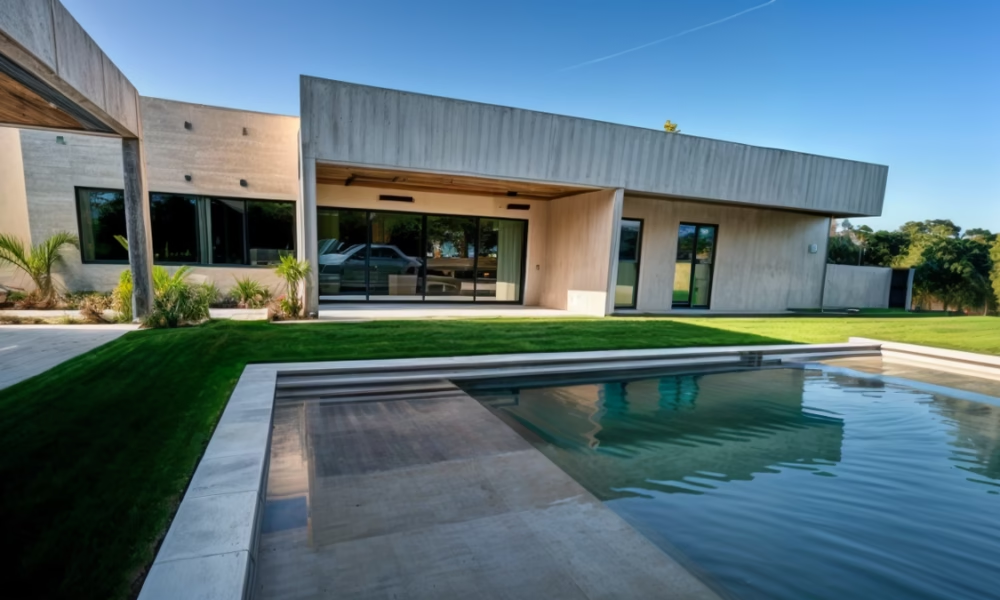
Contemporary construction projects showcasing evolving architectural openings, material performance, and regulatory-driven design trends.

5 Construction Industry Trends Shaping Projects in 2026

Home / 2026 / January

The construction industry enters 2026 with a clear shift in priorities. Beyond aesthetics, commercial and residential projects are increasingly defined by factors such as security, spatial flexibility, material performance, regulatory compliance, and the growing focus on energy efficiency.

Architects, developers, and contractors no longer make decisions based solely on design, but on how each system impacts functionality, durability, and the end-user experience. Materials such as architectural glass and aluminum systems are becoming strategic components within the construction process.

This article explores five key construction industry trends for 2026, focusing on how access points, openings, and architectural systems are evolving across commercial, residential, and mixed-use projects.

👉 You may also be interested in reading: 15 New Trends for Handrail

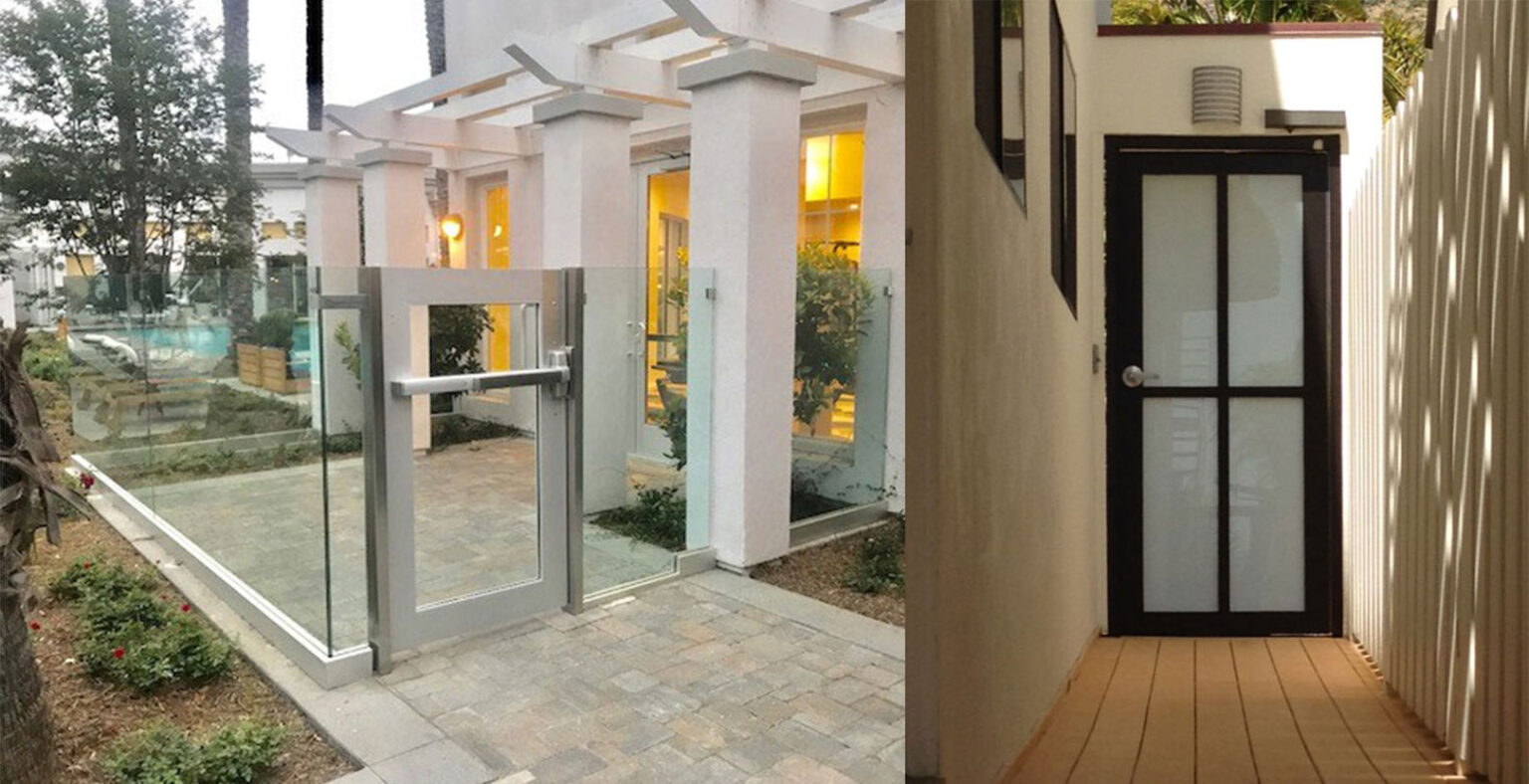
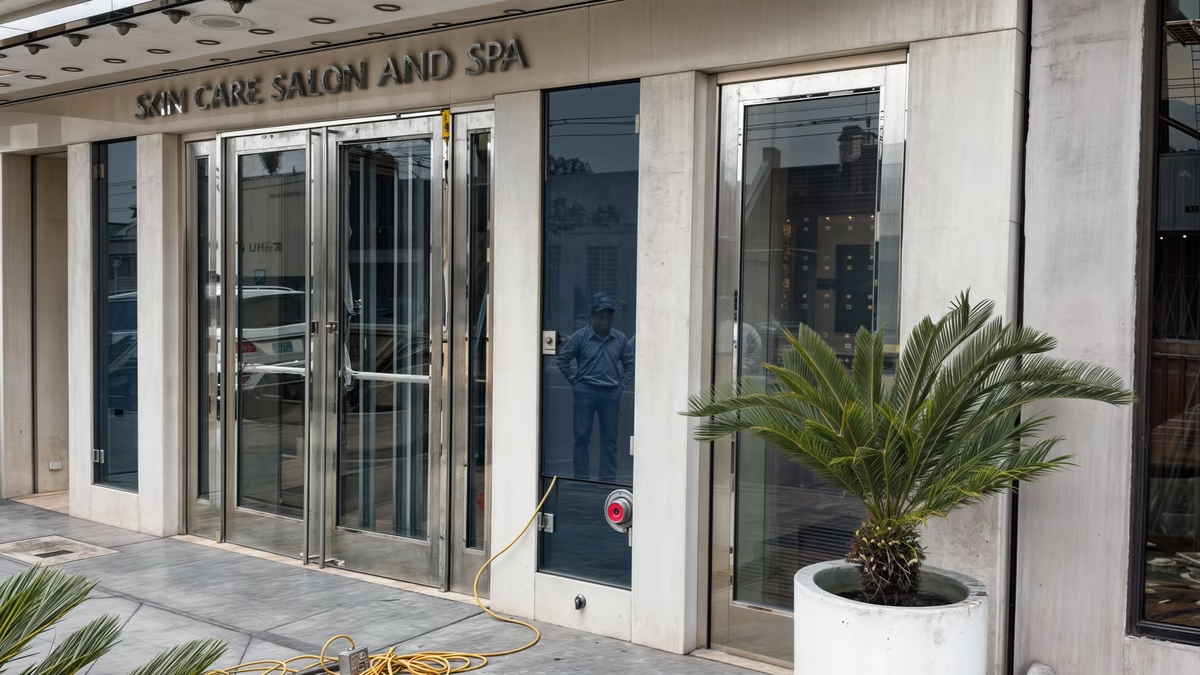
Architectural systems and access solutions reflecting key construction industry trends shaping commercial and residential projects in 2026.

Trend #1: Security-Driven Design Becomes the Standard

Security has shifted from a secondary consideration to a core criterion in construction planning. In 2026, both commercial and residential developments are designing access points and façades with a preventive approach, integrating solutions that protect occupants without compromising architectural aesthetics.

Factors such as increasing urban density, higher foot traffic in commercial spaces, and the need to protect both assets and occupants have driven a growing demand for passive protection systems, particularly in institutional buildings, retail environments, multifamily developments, and mixed-use projects.

Recent events in major cities such as Los Angeles and Manhattan have further reinforced the importance of securing doors and windows against break-ins or looting, making security a top priority in contemporary building design.

What is changing in security-focused design?

  • Security is integrated into the design process, rather than added as an afterthought.
  • Main entrances are conceived as strategic points that combine strength, control, and architectural design.
  • Materials and systems are selected to meet protection standards and local building codes, without creating an industrial or restrictive appearance.

Architectural glass and access systems continue to evolve, offering advanced levels of protection while preserving transparency, natural light, and consistency with the project’s architectural language.

Looking ahead to 2026, security is no longer perceived as an “extra,” but as a fundamental requirement of any well-executed construction project.

Trend #2: Flexible Openings for Adaptive Spaces

In 2026, spatial flexibility has become one of the top priorities in commercial and residential construction projects. Many developments are focused on maximizing natural light without compromising the overall quality and performance of the building.

Spaces are no longer designed for a single, fixed use, but to adapt to different functions, traffic flows, and operational needs over time.

This trend is driven by the growth of mixed-use developments, changes in how people live and work, and the need to maximize the long-term value of built spaces. As a result, architects and developers are paying closer attention to opening systems that allow spaces to be transformed efficiently and functionally.

How is this trend reflected in today’s projects?

  • The boundaries between indoor and outdoor spaces are becoming more dynamic, especially in residential, hospitality, and retail projects.
  • Commercial spaces require configurations that can be opened, closed, or divided based on daily operations.
  • Solutions that enable smooth transitions are prioritized, without compromising the structure or architectural aesthetics of the project.

Architectural openings play an important role in this evolution. Systems that allow for large openings, modular configurations, and controlled movement help create versatile spaces capable of responding to different scenarios without major structural interventions.

Adaptability is no longer a value-added feature, but a standard expectation in contemporary design, particularly in projects that aim to remain functional and relevant over the long term.

Trend #3: High-Performance Sliding Systems for Modern Living

In 2026, the demand for more open, brighter, and visually connected spaces continues to grow across both residential and commercial projects. This has driven a clear evolution in how enclosures and access points are designed, giving greater prominence to high-performance sliding systems.

Unlike traditional solutions, these systems respond to the demands of contemporary design: larger openings, slimmer profiles, smooth operation, and enhanced structural strength, all without compromising durability or security.

Why are sliding systems gaining prominence?

  • They provide a continuous visual connection between indoor and outdoor spaces.
  • They enhance natural light, improving both user experience and energy efficiency.
  • They adapt seamlessly to high-end residential projects as well as commercial and hospitality environments.

From a technical perspective, the focus is no longer solely on aesthetics. Architects and developers evaluate these systems based on load capacity, long-term performance, resistance to intensive use, and ease of maintenance, particularly in projects with high foot traffic or demanding environmental conditions.

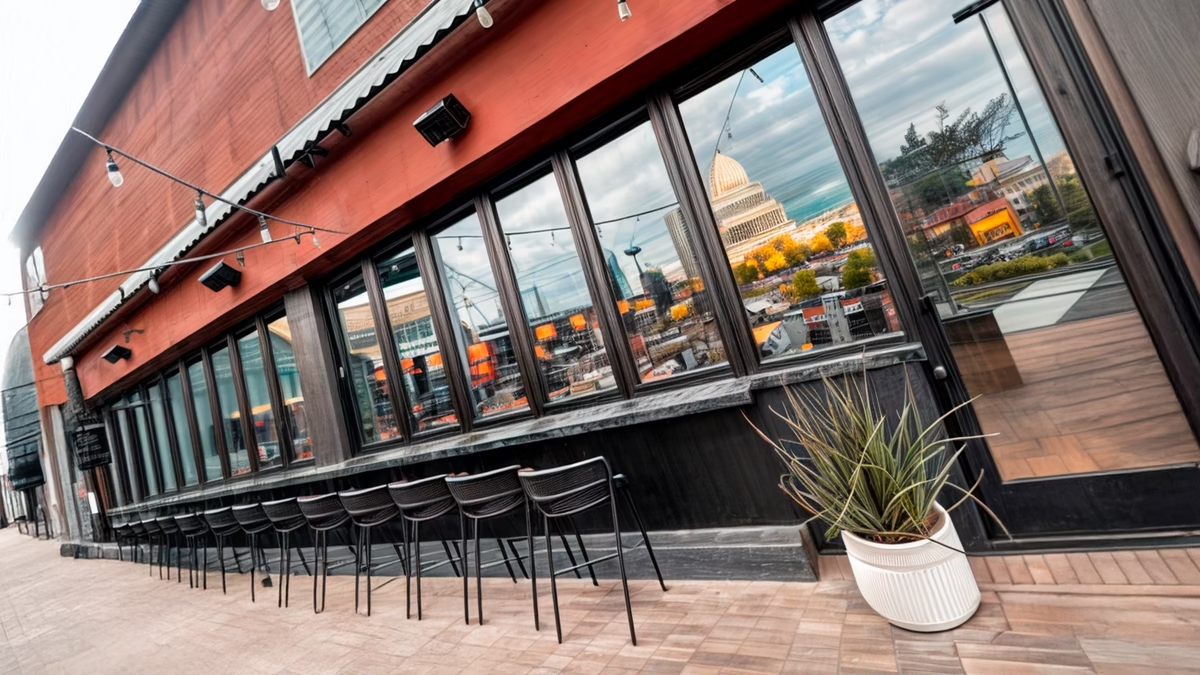
Modern building design illustrating construction trends in 2026, including security-focused architecture and flexible spatial solutions.

Trend #4: Premium Aluminum Systems Dominate Residential Design

In 2026, aluminum systems have become a predominant choice in contemporary residential projects, particularly in mid- to high-end developments.

Beyond aesthetic preference, this trend is driven by technical, operational, and durability considerations that directly influence the long-term value of buildings.

Aluminum is now regarded as a strategic material due to its structural strength, low maintenance requirements, and design versatility, enabling customized solutions that adapt to different architectural styles without sacrificing coherence or performance.

What is driving the growth of aluminum systems in residential construction?

  • Increased demand for durable, long-lasting materials.
  • The need for solutions that require minimal maintenance over time.
  • The ability to combine contemporary design with high structural performance.
  • Compatibility with projects that prioritize energy efficiency and interior comfort.

In residential applications, aluminum systems allow for the development of access points and enclosures that balance aesthetics, functionality, and strength, maintaining consistent performance even under demanding climate conditions.

Trend #5: Code Compliance and Safety Hardware as a Design Priority

In 2026, compliance with building codes and safety regulations is no longer a final step in the project, but a determining factor from the earliest design stages.

In commercial, institutional, and high-density residential projects, access points and architectural systems must meet increasingly strict requirements related to safety, evacuation, and risk control.

Changes in local and state regulations, combined with increased oversight of public and private buildings, have driven a deeper integration of safety hardware into architectural design, helping to avoid improvised or corrective solutions once construction is complete.

How does code compliance impact architectural design?

  • Main access points are designed with evacuation routes, crowd control, and emergency response in mind.
  • Safety hardware is integrated in a functional and aesthetically coherent manner, without compromising user experience.
  • Systems that comply with building codes, safety standards, and applicable certifications are prioritized, particularly in commercial and high-traffic projects.

This approach allows architects and developers to reduce operational risks, avoid approval delays, and ensure that projects meet required standards from the outset.

The trends shaping the construction industry in 2026 reflect a clear evolution toward projects that are safer, more flexible, more efficient, and fully aligned with current regulations. The design of access points, openings, and architectural systems is no longer driven solely by aesthetics, but by strategic decisions that directly impact building performance, durability, and long-term functionality.

👉 You may also be interested in reading: 5 New Trends for Glass Doors in 2025

For architects, developers, and contractors, understanding these trends makes it possible to anticipate market challenges, improve decision-making, and deliver projects designed to perform over time. In this context, materials such as architectural glass and aluminum systems continue to play a key role in contemporary construction.

Companies with experience in architectural systems, such as PRL Glass & Aluminum, can support design and construction teams in selecting solutions aligned with these trends, taking into account technical performance, code compliance, and long-term feasibility.

If you are involved in the planning or development of commercial or residential projects, evaluating these trends early in the process can make a meaningful difference in the final outcome of the building.

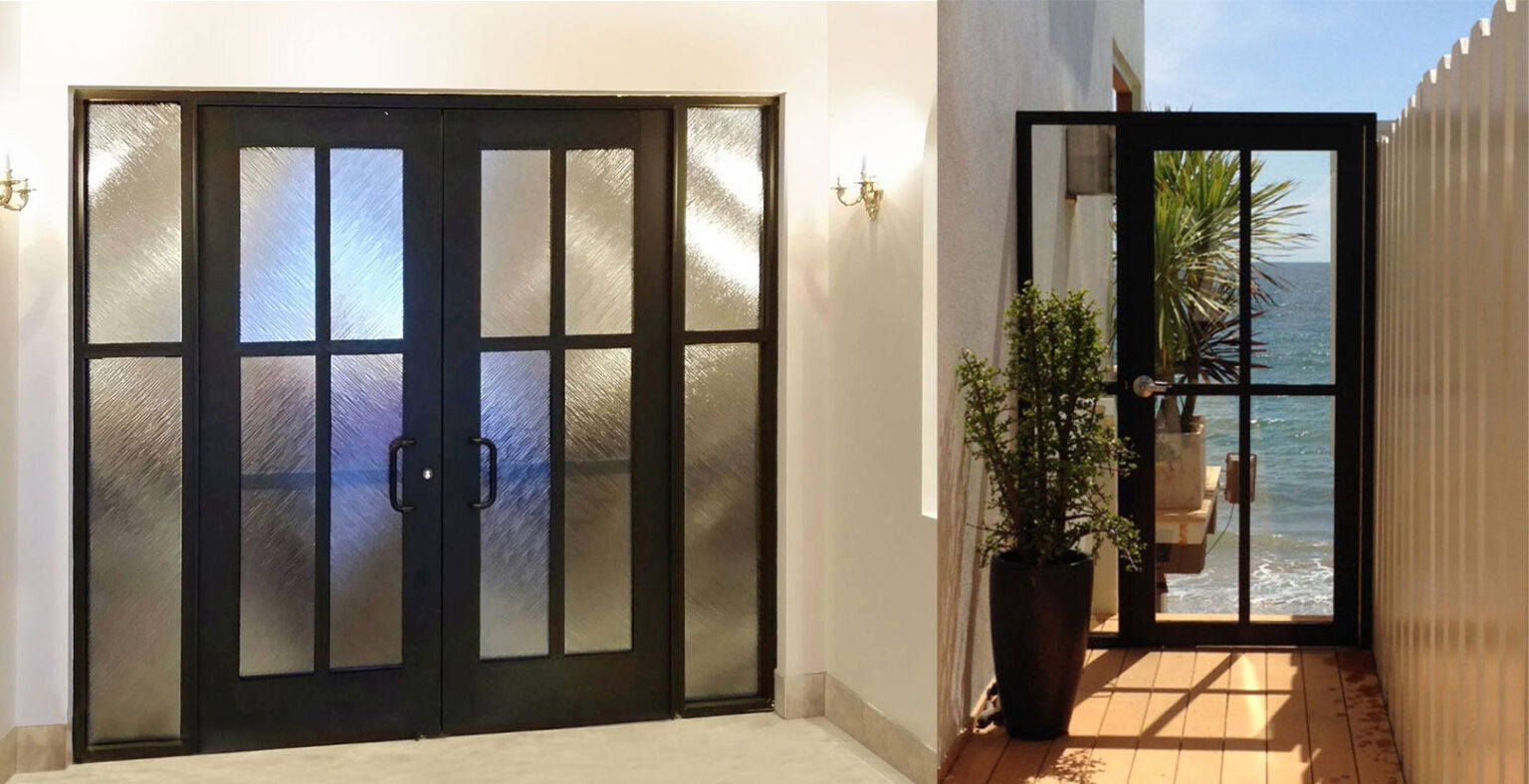
Glass and Aluminum Manufacturers in Venice Beach

Modern Glass & Aluminum Solutions for Homes & Businesses in Venice Beach

Venice Beach is one of Los Angeles’ most distinctive coastal neighborhoods, defined by modern beachfront homes, creative architecture, boutique retail, and hospitality spaces steps from the ocean.

Properties in Venice demand architectural systems that combine design-forward aesthetics, durability, and performance in a marine environment.

At PRL Glass & Aluminum, we provide modern glass and aluminum solutions engineered for Venice Beach’s lifestyle, maximizing light and views while standing up to salt air, sun exposure, and daily use.

Building or Renovating in Venice Beach? Connect with PRL Glass & Aluminum Today

Whether you’re upgrading a modern beach home, remodeling a luxury condo, or developing a street-facing retail or hospitality space, PRL delivers custom fabrication, nationwide logistics, and expert technical support from California.

We proudly support projects throughout Venice Beach, Marina del Rey, Abbot Kinney Boulevard, and the greater Westside of Los Angeles.

Service 

Contact Number 

Aluminum Division 

📞 877-775-2586 

Glass Division 

📞 800-433-7044 

📍 Visit our locations in City of Industry, California and explore our wide range of innovative, high-quality aluminum and glass solutions!

Premium Glass & Aluminum Designs for Venice Beach Homes

Venice Beach residences are centered around openness, indoor–outdoor living, and clean architectural lines. PRL’s premium residential systems are designed to elevate coastal living while maintaining long-term reliability.

All residential systems meet ASTM and NFRC standards, with finishes suitable for marine environments.

Glass & Aluminum Solutions for Venice Beach Businesses

Venice Beach is home to boutique retail, restaurants, creative studios, and hospitality spaces that demand architectural systems combining visual impact and durability.

  • Curtain Wall Systems: Ideal for mixed-use developments, creative offices, and contemporary hospitality projects
  • Storefront Systems: Clean, modern façades for street-level retail and dining along Abbot Kinney and beachfront corridors
  • Architectural Glass Solutions – Laminated and tempered glass for safety, solar control, and performance

PRL systems help businesses stand out while maintaining energy efficiency and structural integrity.

PRL Glass and Aluminum Systems in Venice Beach

Why Venice Beach Developers and Homeowners Trust PRL Glass & Aluminum

In a design-driven, high-visibility coastal market, PRL is trusted for consistency, precision, and premium quality.

  • Custom fabrication for luxury coastal residences and boutique commercial projects
  • Aluminum finishes engineered for salt air and sun exposure
  • Nationwide manufacturing with reliable lead times
  • Technical support for architects, builders, and designers
  • Proven experience in modern residential and hospitality environments

Benefits of Glass and Aluminum Systems in Venice Beach

Venice Beach architecture thrives on modern coastal design, glass and aluminum systems complement this effortlessly.

  • Thermal Performance for year-round comfort in coastal climates
  • Noise Reduction, important near active beachfront and commercial areas
  • Elegant Architectural Appeal aligned with contemporary coastal aesthetics
  • Durability suitable for salt air, humidity, and daily exposure
  • Eco-Friendly Materials, supporting sustainable and LEED-focused projects
  • Battle Door Capability, offering reinforced security against break-ins, vandalism, or protests, especially valuable for street-facing retail and beachfront properties

Transform Your Space with PRL Glass & Aluminum

Based in California and trusted nationwide, PRL serves all 50 states with luxury-grade architectural glass and aluminum systems.

From custom sliding doors to boutique storefronts, we deliver craftsmanship designed to elevate your next project.

We are present in the most important neighborhoods in the United States, offering the highest quality service.

Santa Monica

Hollywood Hills

Beverly Hills

Bel Air

West Hollywood

Follow us on social media ✅

Stay tuned for news, events, discounts and new products through the different social media channels.
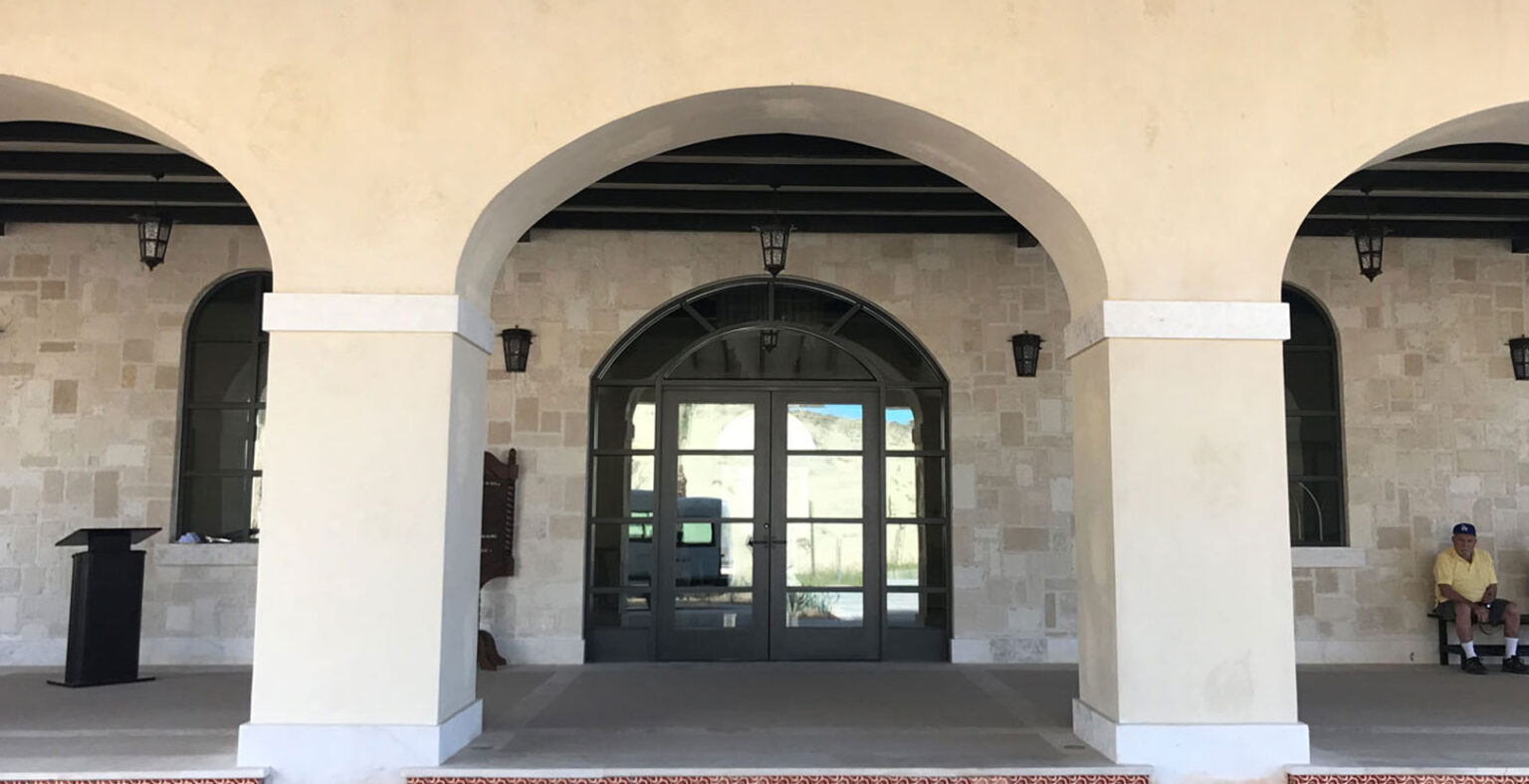
Glass and Aluminum Manufacturers in Hollywood Hills

Modern Glass & Aluminum Solutions for Homes & Businesses in Hollywood Hills

Hollywood Hills is synonymous with architectural innovation, panoramic views, and luxury hillside residences.

From modern hillside estates to design-forward renovations overlooking Los Angeles, properties in Hollywood Hills demand architectural systems that combine structural performance, refined aesthetics, and elevated security.

At PRL Glass & Aluminum, we provide modern glass and aluminum solutions engineered for Hollywood Hills’ unique conditions, steep terrain, expansive openings, and seamless indoor–outdoor living, while delivering long-term durability and premium finishes.

Building or Renovating in Hollywood Hills? Connect with PRL Glass & Aluminum Today

Whether you’re designing a new custom hillside residence, upgrading a luxury home, or developing a boutique commercial space, PRL delivers custom fabrication, nationwide logistics, and expert technical support from California.

We proudly support projects throughout Hollywood Hills, Laurel Canyon, Nichols Canyon, and the greater Los Angeles area.

Service 

Contact Number 

Aluminum Division 

📞 877-775-2586 

Glass Division 

📞 800-433-7044 

📍 Visit our locations in City of Industry, California and explore our wide range of innovative, high-quality aluminum and glass solutions!

Premium Glass & Aluminum Designs for Hollywood Hills Homes

Hollywood Hills homes are defined by openness, natural light, and uninterrupted views. PRL’s premium residential systems are designed to enhance these features while meeting demanding structural and environmental requirements.

All residential systems meet ASTM and NFRC standards, ensuring performance, safety, and energy efficiency.

Glass & Aluminum Solutions for Boutique Businesses

While primarily residential, Hollywood Hills also includes private studios, creative offices, and boutique hospitality spaces that benefit from refined architectural glazing.

PRL supports these projects with:

  • Curtain Wall Systems: For modern low-rise commercial architecture and creative studios
  • Storefront Systems:Clean, contemporary glass façades for private offices and boutique businesses
  • Architectural Glass – Laminated and tempered options for safety, acoustics, and solar control

These systems balance visual impact with structural integrity.

PRL Glass and Aluminum Systems in Hollywood Hills

Why Hollywood Hills Developers and Homeowners Trust PRL Glass & Aluminum

Hollywood Hills projects require precision, engineering expertise, and premium materials, PRL delivers all three.

  • Custom fabrication for luxury hillside residences
  • Large-format glazing systems designed for expansive openings
  • Nationwide manufacturing with reliable lead times
  • Technical support for architects, designers, and builders
  • Proven experience in high-end residential environments

Benefits of Glass and Aluminum Systems in Hollywood Hills

Hollywood Hills architecture thrives on openness, elevation, and modern luxury—glass and aluminum systems support this effortlessly.

  • Thermal Performance for year-round comfort in exposed hillside environments
  • Noise Reduction, improving privacy above busy city corridors
  • Elegant Architectural Appeal aligned with contemporary luxury design
  • Durability suitable for large openings, sun exposure, and hillside conditions
  • Eco-Friendly Materials, supporting sustainable and LEED-aligned construction
  • Battle Door Capability, offering reinforced security against break-ins, vandalism, or security risks—especially important for high-profile hillside properties

Transform Your Space with PRL Glass & Aluminum

Based in California and trusted nationwide, PRL serves all 50 states with luxury-grade architectural glass and aluminum systems.

From custom sliding doors to boutique storefronts, we deliver craftsmanship designed to elevate your next project.

We are present in the most important neighborhoods in the United States, offering the highest quality service.

Santa Monica

DUMBO

Beverly Hills

Bel Air

West Hollywood

Follow us on social media ✅

Stay tuned for news, events, discounts and new products through the different social media channels.