Loading

Glass Shower Doors Near Me: How to Choose a Reliable Provider and Avoid Installation Issues

Glass Shower Doors Near Me: How to Choose a Reliable Provider and Avoid Installation Issues

Home / Archive by category "BLOG"

When it’s time to install or replace a glass shower door, one of the first searches people make is: “glass shower doors near me.” However, choosing a nearby provider does not guarantee quality, durability, or a professional installation.

A shower door is an investment that impacts the design, functionality, and safety of your bathroom. That’s why selecting a trusted provider is essential to avoid leaks, misaligned doors, improper glass thickness, or other issues that could appear just months after installation.

In this article, we’ll help you identify what to look for when evaluating shower door providers, which questions to ask, and which warning signs could indicate a poor installation.

Our goal: to ensure you get a safe, aesthetic, long-lasting system supported by true professionals.

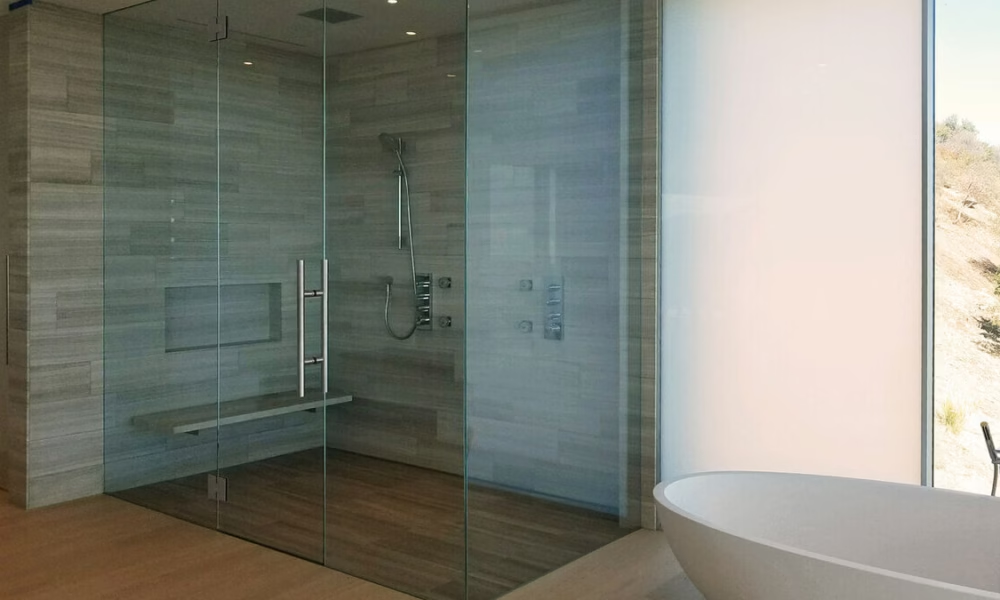
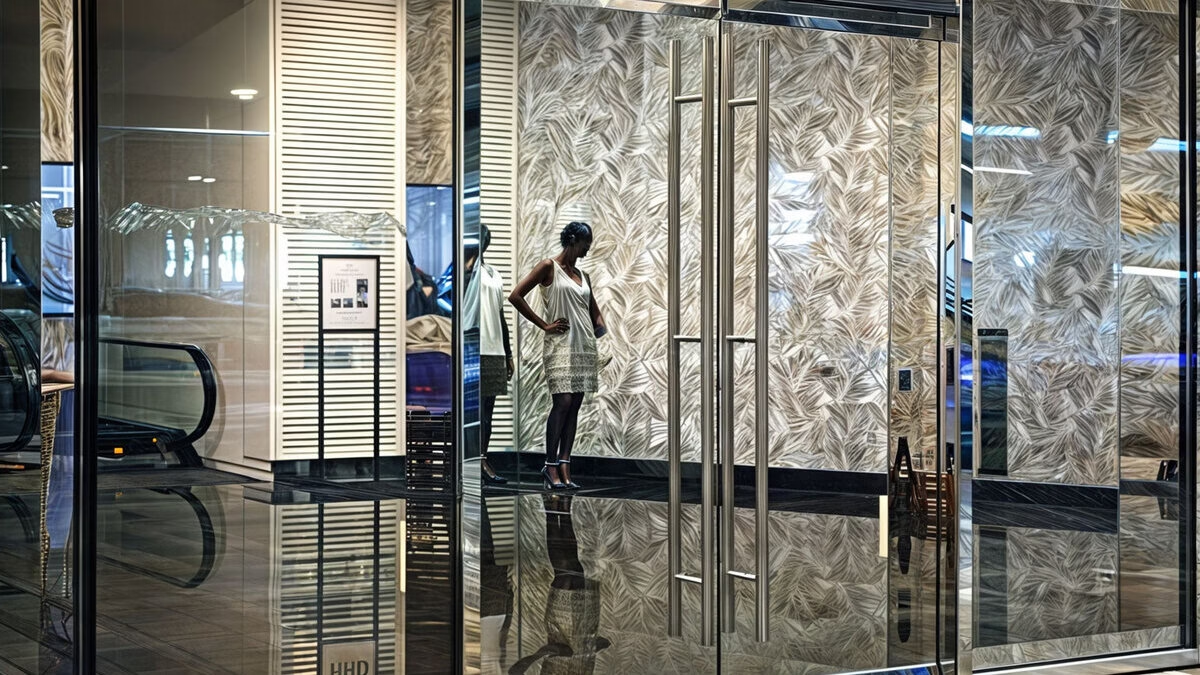
A company that manufactures shower doors must promise fast delivery and quality in all materials.

Experience and Reputation: The First Criteria When Choosing a Shower Door Provider

When it comes to high-quality glass shower doors, experience truly matters. A provider with a solid track record ensures technical expertise, professional guidance, and a lower risk of installation errors.

Before making a decision, evaluate the following:

  • Years in business & specialization: There’s a big difference between someone who simply sells glass and a company that specializes in shower doors, installation, and maintenance.
  • Portfolio of real projects: Request photos or examples of past installations, especially bathrooms similar to yours.
  • Verified reviews & customer feedback: Check trusted platforms where clients share their experience, such as: Google Reviews, Yelp, Houzz, social media profiles, and even search results on Google or AI tools.
  • Certifications & safety standards: Make sure the provider works with certified tempered glass and complies with U.S. safety regulations.

Customer feedback is essential, as it can alert you to:

❌ Recurrent installation issues

❌ Delays in delivery or scheduling

❌ Low-quality glass or hardware

❌ Poor post-sale support

Professional Guidance and Measurement: A Clear Sign of Quality Service

A poorly installed shower door can lead to leaks, misalignment, glass breakage, or even accidents. That’s why a reliable provider doesn’t just sell the product, they advise, measure, and confirm that the system is compatible with your space.

Here’s what you should expect at a minimum:

Technical visit or professional measurement

Before manufacturing, a specialist must:

  • Verify the opening dimensions
  • Check that walls and floors are properly leveled
  • Ensure the structure can safely support the glass

Recommendations tailored to your project

Every bathroom is different: You shouldn’t install the same system in a small shower as in a spa-style luxury bathroom. A professional provider will guide you on:

  • Ideal opening type (sliding, hinged, pivot)
  • Framed or Frameless Shower Door Options
  • Suitable glass thickness and safety rating
  • Correct hardware based on weight and daily use
  • Proper seals to prevent water leaks

Support from design to installation

Communication must be clear in every step:

Design ➜ Measurement ➜ Manufacturing ➜ Installation ➜ Maintenance

A provider that supports you throughout the entire process reduces the risk of errors and guarantees a professional result.

Glass and Hardware Quality: More Important Than It Seems

The performance and safety of a glass shower door depend directly on the quality of the material and its structural components. A poor choice can lead to accidents, premature wear, or functional issues from day one.

Here’s what you should always check:

Type of Glass

The glass must be tempered (or laminated depending on the project), as it is:

  • Up to 5 times stronger than standard glass
  • Safe upon breakage (crumbles into small, non-sharp pieces)
  • Capable of resisting temperature changes and daily use
  • Avoid suppliers who cannot provide proper safety glass certifications.

Correct Glass Thickness

Insufficient thickness can compromise stability. Recommended ranges include:

  • 6 mm / 1/4’’ → Basic projects or framed systems
  • 8 mm – 10 mm → Premium frameless installations
  • 12 mm → Extra-tall or custom luxury designs

The thinner the glass, the more it relies on the frame for support. But again, it must match the project needs.

Certified Hardware

Accessories are just as important as the glass:

  • Solid brass or stainless-steel hinges
  • High-capacity rollers for sliding systems
  • Anti-corrosion finishes (ideal for coastal areas)

Hardware supports the structure, movement, and alignment. If the hardware fails, the entire system fails.

A professional supplier will always explain why a specific combination of glass, hardware, and configuration is needed for your bathroom. If someone only talks about price and avoids technical details… 🚩 beware.

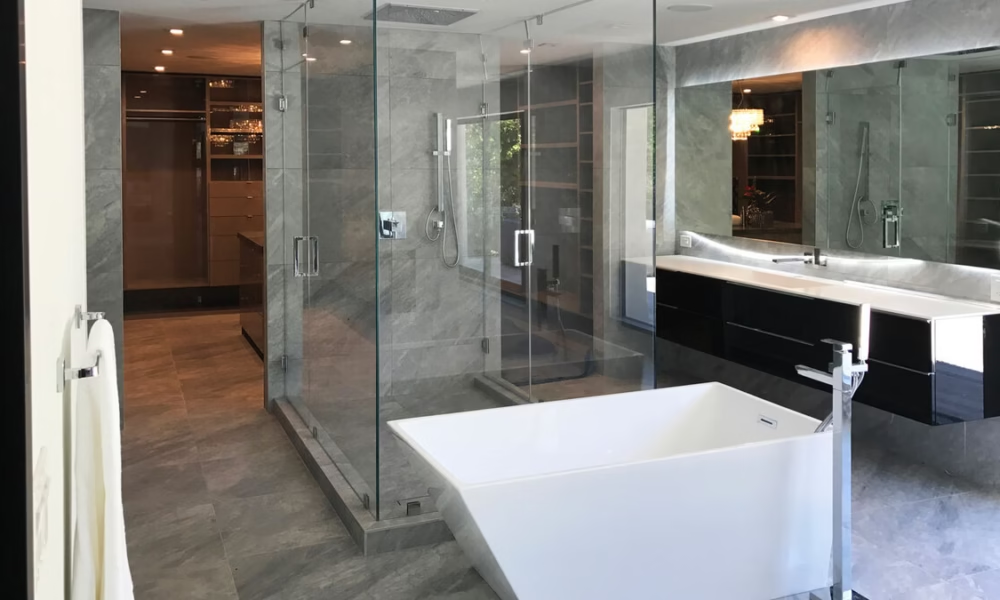
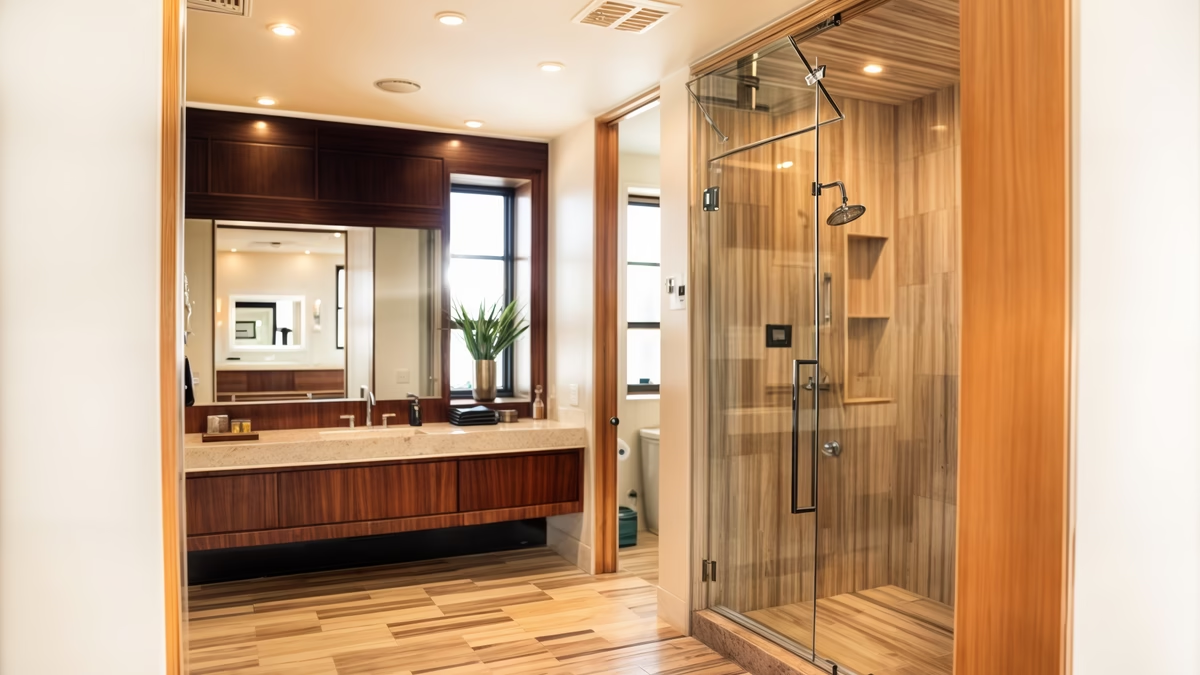
A good supplier and installer should take measurements and be clear about all the information, talking about shower doors.

Lead Times & After-Sales Support: Essential to Avoid Delays and Issues

Choosing a great shower door is not enough, it’s equally important to work with a supplier who respects realistic deadlines and provides ongoing support after installation. Poor logistics can delay an entire remodel, increase costs, or even damage the product if stored improperly.

Before making a decision, make sure to validate:

✅ Clear Manufacturing & Delivery Times

  • Custom systems usually require longer lead times than standard models.
  • Request a documented estimated delivery date.
  • Check if there is stock available for urgent needs.
  • Constant delays are a sign of an unreliable process.

✅ Installation by a Qualified Team

  • Installation must include leveling, sealing, and functional testing.
  • A professional installer will prevent leaks, misalignment, or damage to the glass.
  • Remember: poor installation can ruin even the best system.

✅ Warranty & Technical Support

  • Ask what the warranty covers: glass, hardware, installation, finishes.
  • Ensure post-installation support exists for adjustments or repairs.

A responsible supplier stays available even after the project is completed. A reliable provider doesn’t just deliver a product, they deliver peace of mind: on-time delivery, safe installation, and ongoing support to ensure long-lasting performance.

Warning Signs: How to Spot a Bad Shower Door Provider

Not all shower door installers or sellers deliver the same level of quality. There are some clear warning signs that can alert you to future issues with installation, glass durability, or post-installation support.

These are the red flags you should watch for before hiring anyone:

🚩 They only talk about price, not technical specs: If someone avoids explaining the type of glass, hardware, or seals… something is definitely off.

🚩 They promise “immediate installation” without taking measurements: A shower door must be custom-fit to your bathroom. If they want to install a generic model without verifying the space, expect leaks or misalignment.

🚩 No real project photos or verifiable reviews: A reliable provider can show a proven track record.

🚩 Glass that is too thin or lacks certification: This puts safety and long-term performance at risk.

🚩 No contract, warranty, or clear delivery dates: If everything is verbal, there’s no protection if something goes wrong.

🚩 Poor communication and disorganized logistics: If things are confusing from the start… imagine after installation.

If something doesn’t feel right, walk away. A poorly installed shower door can cause costly damage and even accidents.

Installing or replacing a glass shower door is an investment that requires careful planning. Choosing the right provider ensures that your bathroom doesn’t just look modern and stylish, it remains safe, functional, and durable in daily use.

Making informed decisions helps you avoid leaks, misalignment, unsafe glass, or poor installations that may lead to costly repairs later on. A reliable provider will guide you through every step of the process: consultation, measurement, manufacturing, installation, and after-sales support.

✅ Keep these key points in mind before purchasing:

  • Certified tempered (or laminated) glass
  • Professional installation and precise alignment
  • Verified field measurements
  • Warranty and post-installation service
  • Clear and realistic lead times

👉 Looking for high-quality shower doors in the United States? PRL provides personalized assistance, certified safety glass, and industry-leading lead times for both residential and commercial projects. Request a technical consultation today and ensure a flawless installation from day one.

Looking for Shower Doors Near You? A National Supplier May Be the Answer

PRL Glass and Aluminum is a supplier of glass and aluminum systems, operating throughout the United States. We offer record delivery times, performance guarantees, and professional advice.

You can contact us based on your city:

Frameless vs. framed shower doors. A comparison

Frameless Shower Doors vs. Framed: Which Elevates a Premium Bathroom Design?

Home / Archive by category "BLOG"

We’ve already seen the benefits of shower doors and how they can transform any bathroom. Now it’s time to go a step further. Choosing the right type of shower door isn’t just about functionality. It’s also about style, aesthetics, and perceived value. 

In modern or luxury bathroom projects, the two most popular options are framed shower doors and frameless shower doors. 

Both can be excellent solutions, but they offer very different experiences in terms of design, maintenance, cost, installation, and durability. Framed shower doors have been used for decades thanks to their sturdy structure and affordable price. 

On the other hand, frameless shower doors have become increasingly popular in premium bathrooms due to their minimalist and elegant appearance. 

So… 

  • Which option truly elevates the design of a modern bathroom? 
  • Is it really worth investing in a frameless shower door? 
  • Or can a framed shower door be just as functional and visually appealing? 
Bathroom doors are undoubtedly an excellent choice, regardless of whether you choose framed or frameless doors.

What‘s a Framed Shower Door and Why Is It So Popular? 

Framed shower doors have been the traditional choice for many years, especially in residential bathrooms. They’re made of glass (usually thinner) supported by an aluminum or metal frame that completely surrounds the structure. 

This frame not only provides the necessary support, but it also makes installation easier and reduces the overall cost of the system. 

However, there are also some disadvantages that should be considered. 

Advantages of Framed Shower Doors 

  • The frame supports the glass and reduces movement 
  • Typically, they’re the most budget-friendly option 
  • They don’t require thicker glass used in frameless systems 
  • Variety of metal finishes: chrome, matte black, bronze, nickel, etc. 
  • Good option for projects with limited budgets 

Disadvantages of Framed Shower Doors 

  • Less appealing / visually restricting: The frame interrupts design continuity 
  • More prone to mold or mineral buildup in joints 
  • More maintenance of seals and profiles 
  • Limits a sense of openness and natural light 
  • Often perceived as more “traditional” or less modern options 

What‘s a Frameless Shower Door and Why’s It So Popular in Premium Bathrooms? 

Frameless shower doors are made with thicker, stronger, tempered glass that‘s supported by minimal, discreet hardware instead of a full metal frame. 

The result is a clean, elegant, and visually open design, ideal for modern bathrooms and luxury projects. 

This style has become extremely popular in recent years because it delivers high-end aesthetics, a greater sense of openness, and a spa-like look similar to premium hotels. 

Advantages of Frameless Shower Doors 

  • Luxurious, clean, upscale design  
  • Uninterrupted natural light 
  • Greater sense of openness and visual space 
  • Fewer corners, less mold buildup 
  • Thicker glass = greater durability and safety 
  • Increases perceived value of bathrooms and property 

Disadvantages of Frameless Shower Doors 

  • Higher initial cost than framed doors 
  • Requires precise, professional installation 
  • High-quality hardware (more investment) 
  • Glass is heavier and needs proper structural support 

Framed vs. Frameless Shower Doors: Which Fits Your Project Best? 

Now that we understand how each shower door type works, it’s time to compare them side by side. While both can be great options, their differences affect design, cost, installation, maintenance, and overall experience. 

Feature: 

Framed Shower Door: 

Frameless Shower Door: 

Aesthetics: 

Traditional / Visible frame 

Modern / Minimalist 

Light Flow: 

Medium 

Maximum 

Sense of Space: 

Lower 

Higher 

Initial Cost: 

More affordable 

Higher investment 

Installation: 

Easier 

Requires precision 

Glass Thickness: 

Thinner glass 

Thicker, stronger, glass 

Maintenance: 

More joints = more cleaning 

Fewer joints = easier  

Durability: 

Good 

Very high 

Property Value: 

Standard 

Increased 

Visual Perception: 

Traditional / Basic 

Premium / Modern 

In summary: 

  • If you want affordability and structural support: Framed is a solid option 
  • If you want design, luxury, and long-term durability: Frameless is the best choice 

👉 You may also be interested in reading: 5 New Trends for Shower Doors in 2025 

Frameless shower doors are undoubtedly a luxury, offering transparency and elegance.

How to Decide Between Framed or Frameless Shower Doors 

Choosing the right shower door isn’t about picking the “prettiest” or the “cheapest” option, it’s about selecting the one that best fits your project type, usage, and client expectations. 

Here are the key factors to consider before making a decision: 

What Type of Project Do You Have? 

  • Standard or high-traffic bathrooms: A framed door may be sufficient 
  • Luxury bathrooms, premium remodels, or high-end homes: Frameless delivers a stronger visual impact and higher value 

How Much Space Do You Have? 

  • In smaller bathrooms, both systems can work, but frameless creates a greater sense of openness 
  • In larger bathrooms, either system is suitable, though frameless enhances the architectural feel of the space 

What Style Are You Aiming For? 

  • Modern, minimalist, or spa-inspired look → Frameless 
  • Traditional or classic style → Framed or semi-frameless 

What’s Your Budget? 

  • Framed = Lower initial investment 
  • Frameless = Higher investment, but greater durability and aesthetics 

How Much Time Can You Dedicate to Maintenance? 

  • Framed: More joints and profiles → more cleaning 
  • Frameless: Fewer joints → easier to maintain 

Long-Term Value: 

  • If your goal is to increase property value or appeal to high-end buyers, frameless is the way to go. 

Both framed and frameless shower doors can be excellent choices depending on the type of bathroom and the project’s goals. 

However, in recent years, frameless shower doors have become the new standard for modern bathrooms, thanks to their clean design, durability, and ability to enhance a property’s overall value. 

If you’re looking for a spa-like aesthetic, easy maintenance, and sleek lines, a frameless system is the most recommended option. 

On the other hand, if your priority is to keep costs manageable and ensure quick installation, framed shower doors remain a reliable and durable alternative. 

In summary: 

  • Frameless → Luxury, spaciousness, premium design 
  • Framed → Functionality, structure, and affordability 

👉 If you’re planning a remodel or a new project, we recommend consulting with a specialized supplier to evaluate measurements, finishes, and suitable configurations. 

An expert can help you choose the perfect system for your space and ensure a safe, aesthetic, and long-lasting installation. 


Advantages and benefits of shower doors

Shower Door Benefits in Modern Bathrooms

Home / Archive by category "BLOG"

Your bathroom‘s already an elegant space, but the right design decisions can take it to the next level. Architects, contractors, and homeowners are constantly looking for solutions that combine aesthetics, functionality, and durability, especially in areas that are used every day, such as the shower. 

Shower doors have become one of the most popular choices in both residential projects and high-end bathrooms because they offer the perfect balance between modern design, easy maintenance, and safety. 

Unlike traditional shower curtains or acrylic panels, glass shower doors create a sense of spaciousness, allow more natural light, and elevate the overall look of the bathroom, turning it into a more elegant and sophisticated space. 

Why choose a glass shower door? Up next, we’ll show you the key advantages of incorporating one into your next architectural project. 

👉 You may also be interested in reading: 5 New Trends for Shower Doors in 2026 

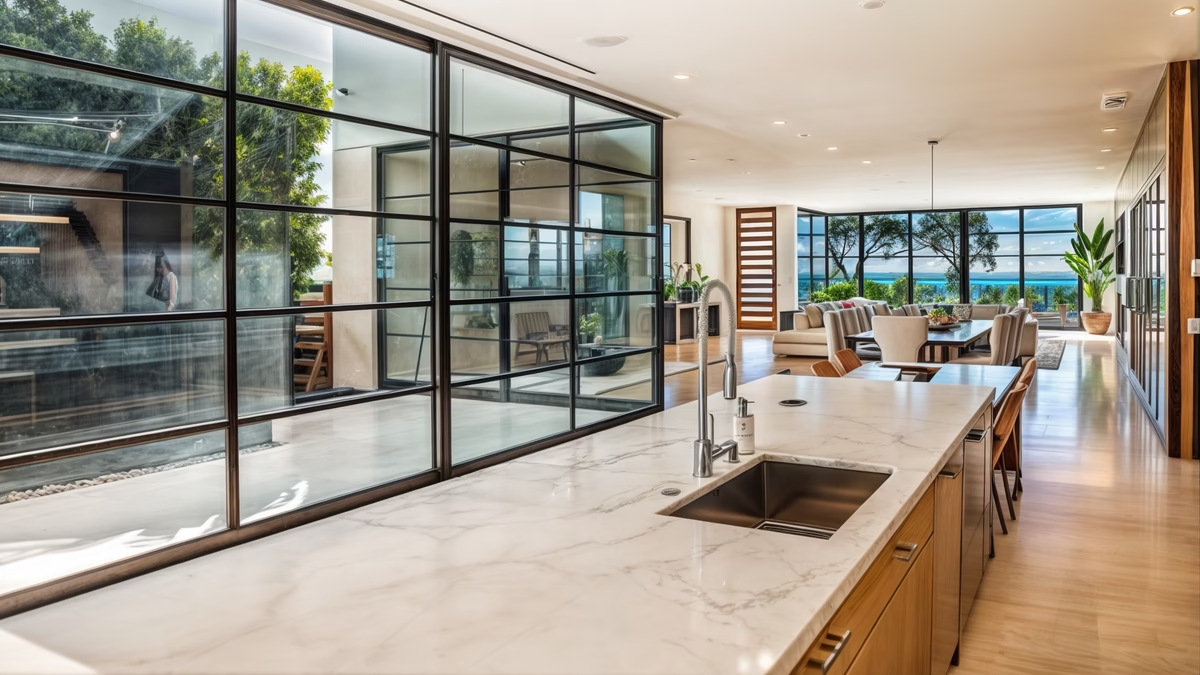
Your bathroom needs several modifications, and in this case, it's great to add more light by installing a shower door.

Why Glass Shower Doors Are Preferred in Modern Bathrooms   

The days when your shower only needed a plastic curtain to block the view are long gone. In the past, plastic curtains and acrylic enclosures were considered a functional solution, but aesthetically, they fell short of what modern bathrooms demand. 

Today’s bathroom design goes beyond basic functionality. The goal is to create spaces that feel open, clean, and visually beautiful. Glass shower doors combine all three of these essential elements: 

  • Clean and Minimalist Aesthetic: Glass provides an elegant, spacious appearance, removing visual barriers and highlighting the bathroom materials (such as tile, marble, or stone). This creates a contemporary look aligned with luxury design trends. 
  • Seamless Space Integration: Because they are transparent or semi-transparent, glass shower doors visually connect the shower area with the rest of the bathroom, creating a sense of continuity. This is especially useful in small or medium-sized bathrooms where visual space really matters. 
  • Interior Design Trends: Modern bathrooms are inspired by luxury spas and high-end hotels. Today’s priorities include open layouts, clean lines, natural light, and premium materials. Glass shower doors fit perfectly into this style, enhancing the perception of space and adding aesthetic value. 

Additionally, because these systems are made of glass and aluminum, they offer far greater durability than plastic, which can become cloudy, deteriorate, or even crack due to humidity and temperature changes.  

What Are the 3 Functional Benefits of Glass Shower Doors? 

Beyond design and elegance, glass shower doors are chosen for their practical advantages. It’s not just about “looking good” but also delivering a better everyday experience. 

In fact, there are three key functional benefits that apply to virtually every project: 

  1. Greater Durability vs. Curtains or Acrylic Panels

Tempered glass and aluminum frames resist humidity, steam, and temperature changes much better than fabric curtains or acrylic panels, which tend to wear out, deform, or stain over time. 

With proper cleaning and maintenance, your shower doors can easily last for many years. 

  1. Germ-Free, Easy Maintenance (Less Mold)

Curtains retain moisture and promote the growth of mold and bacteria. Glass, on the other hand, is a smooth and non-porous surface, making it easy to clean and prevent the buildup of mildew, soap scum, and germs. 

  1. More Natural Light and Greater Sense of Space

Because glass transmits light, it makes bathrooms feel larger, brighter, and more comfortable. 

This also improves visibility inside the shower, which is especially helpful in compact or enclosed spaces 

What Are the 3 Aesthetic Benefits of Glass Shower Doors? 

In addition to being functional, glass shower doors have a powerful visual impact on modern bathroom design. They not only enhance the overall appearance but also bring a premium style that elevates the perception of the entire space. 

Here are the three main aesthetic benefits: 

  1. Premium Design (Ideal for Luxury Bathrooms)

Glass provides a sophisticated and high-end look, similar to what you find in luxury spas or upscale hotels. It creates a sense of cleanliness, order, and superior quality. 

For those who care about lighting and energy flow, glass shower doors also help enhance natural light and visual harmony. 

  1. Seamless Integration with Decorative Materials

Unlike opaque curtains or bulky frames, glass allows you to showcase the interior design of the bathroom, marble, natural stone, decorative tiles, or indirect lighting. 

Instead of hiding the design, glass highlights it, increasing the luxury feel and even the overall value of the home. 

  1. Frameless Option for an Elegant and Minimalist Look

Frameless shower doors offer clean lines and an almost invisible design, adding modernity and visual openness. 

They’re the top choice in premium projects and high-end renovations, where both aesthetics and quality matter. 

Two Key Factors in Glass Shower Doors: Efficiency and Safety 

We’ve already covered the aesthetic and functional benefits of a shower door. But beyond that, it also needs to be safe, durable, and efficient for everyday use. Well-designed glass systems offer technical advantages that other solutions simply cannot match. 

  • Special glass for greater strength and safety: Modern shower doors use specialty safety glass, which is up to 5 times stronger than standard glass. In the rare event of breakage, the glass shatters into small, blunt pieces instead of sharp shards, greatly reducing the risk of serious injury. 
  • Sealing systems that prevent water leaks: One of the biggest problems with curtains or poorly installed enclosures is water leakage. High-quality glass shower doors include perimeter seals, gaskets, and precision-designed profiles that prevent splashing and keep the bathroom floor dry and safe. 
  • Greater structural stability: Premium aluminum hardware and profiles provide a solid, long-lasting structure. This not only improves stability when opening and closing doors but also reduces wear and extends the overall lifespan of the system. 
The best thing about shower doors is that they are completely customizable. In fact, it is worth mentioning that they can be adapted to any space.

Glass Shower Doors: A Solution for Every Type of Bathroom 

One of the biggest advantages of glass shower doors is their ability to adapt to any type of space, from small bathrooms to large luxury projects. 

Regardless of size, layout, or style, there’s always a suitable configuration, and although standard sizes exist, most high-quality shower doors are custom-made to fit the project perfectly. 

In fact, for those seeking personalization and design flexibility, glass shower doors offer three key advantages: 

  1. Different door types based on space
  • Sliding doors: Ideal for small bathrooms when space is limited. 
  • Hinged or pivot doors: Elegant and functional, perfect for medium-sized bathrooms with front clearance. 
  • Bi-fold /folding doors: A smart solution for tight entrances or corner showers. 
  1. Custom sizes and design options
  • Glass can be made-to-order, allowing you to adapt the door to specific widths, heights, and even irregular shapes—perfect for custom layouts or unique shower designs. 
  1. Aesthetic flexibility
  • Clear, frosted, textured, or patterned glass options 
  • Choose from visible frames, minimalist profiles, or frameless, all-glass systems 
  • Different hardware finishes (chrome, matte black, stainless steel, bronze, etc.) 

Want to Increase Property Value? Shower Doors Are a Smart Upgrade 

Installing glass shower doors not only improves the look of a bathroom, but they also increase the perceived value of the space and enhance user experience. That’s why they’re one of the smartest investments in remodeling and construction. 

Homebuyers prefer bathrooms that are modern, elegant, and easy to maintain. Glass shower doors make bathrooms look more updated, hygienic, and high-quality, which can increase the property’s value and even expedite a sale. 

In addition, glass doors create a feeling of openness, cleanliness, and comfort. They allow light to flow through, improve circulation, and make showers feel like a spa-like retreat. 

Well-designed shower doors communicate attention to detail, good taste, and an investment in durable materials. In luxury projects, they’ve become a standard (not just an upgrade), because they define the visual character of the bathroom. 

How to Choose the Right Shower Door for You and Your Project 

Not every shower needs the same type of door. Choosing the right option depends on space, bathroom style, functionality, and budget. 

Analyzing these factors before buying helps avoid mistakes and ensures a better installation. 

Available space 

  • Small bathrooms: Sliding or bi-fold doors to save space. 
  • Medium or large bathrooms: Hinged or pivot doors with wider openings. 
  • Corner showers or special layouts: Custom systems or fixed glass + movable panels. 

Design and functionality 

  • If you want minimalism and elegance: Frameless 
  • If you prioritize structure and lower cost: Framed 
  • If you want a balance: Semi-frameless (discreet frame + modern look) 

Budget and durability 

  • Framed = More affordable, but requires more maintenance. 
  • Frameless = Higher upfront investment, but more durable and modern. 
  • Custom = Tailored to your project and increases overall property value. 

Glass shower doors not only enhance the look of a modern bathroom, but they also offer greater functionality, safety, hygiene, and added property value. That’s why they’ve become the standard in residential projects, premium remodels, and luxury bathroom designs. 

Before choosing your shower door, remember to evaluate: 

Available space 

Budget 

Bathroom design and style 

Ideal door type (sliding, hinged, frameless, etc.) 

Maintenance and long-term durability 

Whether you need a standard or custom design 

👉 Need help choosing the best option? A specialized provider can guide you through the entire process: design, measurements, manufacturing, hardware, installation, and maintenance. 

Request professional guidance for your next project and discover which shower door fits your modern bathroom best. 


Removing a Sliding Glass Door

How to Remove a Sliding Door: Maintenance & Replacement Tips

Home / Archive by category "BLOG"

Removing a sliding glass door may seem like a simple task, but it actually requires precision, care, and the right tools. Improper handling can damage the panels, tracks, or even compromise the safety of the entire system, in fact, a strong impact from one of these doors can be dangerous or even fatal.

Whether you need to perform maintenance, replace the glass, or upgrade the entire system, it’s crucial to understand the proper procedure and take all necessary precautions to prevent accidents or structural damage.

In this article, we’ll explain step by step how to safely remove a sliding glass door, what tools you’ll need, when to call a professional for help, and what inspections to perform before reinstalling the system.

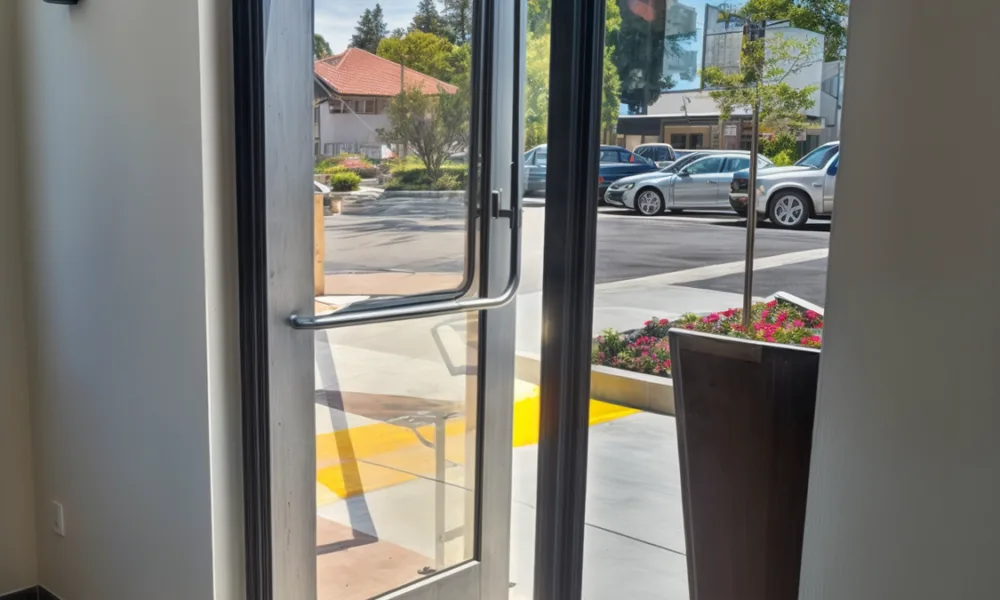
Removing a sliding door is not such an easy task if you are not prepared.

Safety Comes First: The Most Important Step Before You Begin

Before attempting to remove a sliding glass door, it’s essential to take proper safety measures. These systems can weigh over 100 kilograms (220 pounds), and a single wrong move can cause serious injury or shatter the glass.

The first step is to wear personal protective equipment (PPE), cut-resistant gloves, safety goggles, and steel-toe shoes. If the work is being done indoors, make sure to clear the entire area and cover the floor with blankets or thick cardboard to prevent damage from impacts.

It’s equally important to block access to the work area, especially if there are children or pets nearby. For doors that open to the exterior, close off any airflow or drafts to prevent the panels from moving unexpectedly during the process.

Lastly, check whether the system uses tempered or laminated glass, as each requires specific handling techniques.

💡 For this reason, the most important recommendation is to have the job done by a construction professional. Attempting to remove a sliding door without proper training can be extremely dangerous. If you plan to remove one, the first thing you should do is contact the company that sold or installed it, as they will likely be able to assist you safely.

Tools and Work Area Preparation: What a Professional Does When Removing a Sliding Door

Before starting the removal of a sliding glass door, it’s essential to properly prepare the workspace and have all necessary tools ready. This prevents setbacks, system damage, or accidents during the process.

A professional responsible for removing your sliding door should meet a few key requirements:

Recommended tools:

  • Flathead and Phillips screwdrivers
  • Allen wrench (for roller or top cap adjustments)
  • Plastic putty knife or pry bar (to remove covers without damaging finishes)
  • Rubber mallet (to gently release parts)
  • Safety gloves, goggles, and protective footwear
  • Assistant or secondary support (never attempt to move the panels alone)

Area preparation:

  • Ensure the floor is clear of obstacles and protected with a padded surface.
  • Remove curtains, blinds, or nearby objects that might interfere with panel movement.
  • Verify that the panels are closed and locked before beginning.
  • If the door has multipoint locks, make sure they are fully disengaged.
  • Identify which panel is active (the one that slides) and which is fixed, as the removal process must follow that order.

✅ For this reason, it’s always important to rely on a trained professional for this task, as it requires both preparation and experience to perform safely and correctly.

Step-by-Step: How to Safely Remove a Sliding Door

Once the area is prepared and you have the right tools, you can proceed with the removal process. This task must be done calmly and precisely to avoid damage or accidents — which is why it’s always best to rely on a professional rather than attempting it on your own.

  1. Remove the covers and top caps (if applicable): Some sliding door models have decorative covers or top caps that protect the tracks. Carefully remove them using a plastic putty knife or a flathead screwdriver.
  2. Loosen the lower roller adjustments: Using an Allen wrench, slightly loosen the adjustment screws located at the bottom of the active panel. This relieves pressure on the track and makes it easier to lift the panel.
  3. Lift and remove the active panel: Hold the panel firmly with the help of another person. Tilt the bottom outward while lifting it off the track. Avoid using metal tools that could damage the frame.
  4. Remove the fixed panel (if necessary): If you need full access to the track or plan to replace the system, remove the fixed panel as well. In some models, you’ll need to unscrew or detach the clips that hold it in place.
  5. Protect the tracks and workspace: Lay the panels on a padded surface and protect the tracks to prevent dents or accidental damage.

💡 Tip: If at any point the panel doesn’t come off easily, don’t force it. It may be stuck due to debris or a damaged roller; it’s best to contact a qualified technician before proceeding.

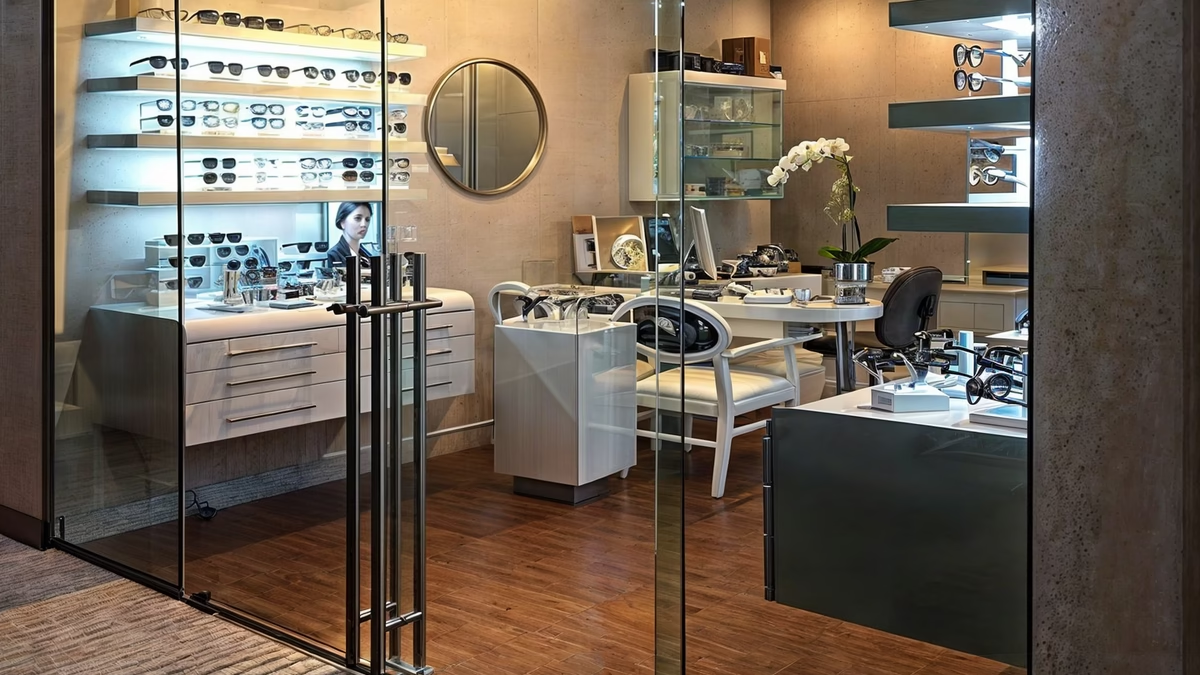
A professional takes measurements before, during, and after the removal and maintenance process.

Inspections and Maintenance Before Reassembly: The Professional Step Everyone Should Take

Once the sliding door has been removed, it’s the perfect time to perform a complete system inspection. This step is one of the most important to extend the lifespan of the entire assembly and prevent the same issues from recurring after reinstallation.

In fact, a professional will always take a few minutes to carefully inspect and thoroughly clean every component, either to preserve the manufacturer’s warranty or to ensure the system lasts for many more years.

Track and Roller Inspection

Clean both the upper and lower tracks thoroughly to remove dust, sand, or debris that could affect smooth movement. Check that the rollers are in good condition, without cracks or excessive wear. If any roller doesn’t move freely, replace it before reinstalling the panels.

Seal and Gasket Check

Take this opportunity to inspect the perimeter seals and weatherstripping. If they’re worn or dry, replace them to maintain proper thermal and acoustic insulation.

Cleaning the Aluminum Frame and Glass

Remove any silicone residue or dirt using a soft cloth and non-abrasive cleaning products. Avoid harsh solvents that could damage anodized or powder-coated finishes.

Adjustments Before Reinstallation

Before reinstalling the panels, make sure the frame is perfectly level and the rollers are lubricated. This ensures smooth operation and reduces strain on the system.

Document the condition of the system with photos before and after cleaning, this helps track changes or damage over time. A professional will often take precise measurements and compare them against the original blueprints to verify performance and alignment.

Do You Need a Specialist to Remove a Sliding Door?

While removing a sliding door may seem like a simple task, in many cases it’s best left to a professional. There are several situations where attempting to do it yourself can pose serious risks or result in costly damage.

You should contact a specialist when:

  • The sliding door is large-format or has heavy panels (over 100 kg / 220 lbs).
  • The system uses laminated or tempered glass, which requires specific tools and handling techniques.
  • You notice leaks, warping, or structural damage in the frame or tracks.
  • You plan to replace the rollers or adjust complex hardware components.
  • You don’t have prior experience or the proper tools for this type of installation.

A professional specializing in aluminum systems or sliding door installation can assess the system’s condition, perform the necessary adjustments, and ensure the reinstallation meets safety and performance standards.

If your door is part of a certified or warranty-covered system, never attempt to remove it yourself. Handling it without authorization could void the warranty or cause failures that won’t be covered by the manufacturer.

After completing maintenance or replacement, reinstalling a sliding glass door requires the same level of precision and safety as the removal process. Even a small mistake can affect its operation or compromise its structural integrity.

Before reinstalling the panels, make sure the tracks are clean, rollers are lubricated, and the frame is level. Check that the new weatherstripping and seals are properly installed and that the system slides smoothly without resistance.

Once reinstalled, perform several opening and closing tests to confirm that everything works correctly and that the door seals perfectly.

👉 If you’re unsure about any step or notice irregularities, contact a certified professional. They can perform a full evaluation, adjust components, and ensure the system maintains its original performance.

How to Improve Sliding Glass Door Insulation

How to Improve Sliding Glass Door Insulation

Home / Archive by category "BLOG"

Comfort inside a home greatly depends on the performance of windows and doors, as they help maintain a stable temperature and a quiet environment. 

In the case of aluminum and glass sliding doors, having proper thermal and acoustic insulation is essential to reduce energy consumption, protect against extreme temperatures, and maintain privacy from outside noise. 

Many people think improving insulation means replacing the entire door, but there are different solutions that can optimize its performance without changing the whole system. From choosing the right type of glass to installing seals and weatherstripping, there are alternatives that can significantly increase efficiency and comfort. 

Here, we’ll go over the main strategies to improve the insulation of your sliding glass doors, explaining how each works and when it’s best to consult a specialist to ensure professional and long-lasting results. 

👉 You may also be interested in reading: Advantages of Using Aluminum Sliding Doors in U.S. Homes 

Sliding doors offer excellent soundproofing capabilities.

Thermal Insulation in Sliding Doors: The Challenge of Maintaining Ideal Temperatures 

One of the main challenges with aluminum sliding doors is preventing heat or cold from transferring between the interior and exterior. To improve thermal performance, there are several solutions: 

Thermal Break 

Aluminum profiles with a thermal break include an insulating barrier between the interior and exterior faces, reducing heat transfer and improving the home’s energy efficiency. 

High-Performance Glass (Low-E and Argon Gas) 

Choosing Low-E glass helps control solar radiation and reduce heat gain during summer, while argon gas fills in double-glazed units to increase thermal resistance and prevent heat loss during winter. 

Quality Seals and Gaskets 

Ensure the door has proper perimeter seals and well-fitted gaskets to prevent air leaks that impact comfort and energy costs. 

💡 Tip: If your current door doesn’t have a thermal break, complementary solutions like high-quality weatherstripping and seals can improve insulation without replacing the entire system, but this should be evaluated by a professional such as an architect or contractor. 

Acoustic Insulation for Increased Privacy and Sound Control 

Beyond temperature control, outside noise can greatly impact the comfort of a home. Improving the acoustic insulation of sliding glass doors is especially important in urban areas, near busy streets, airports, or coastal zones with constant wind. 

Here’s what you can apply: 

  • Laminated Glass with Acoustic Interlayers: Using laminated glass with special sound-dampening interlayers helps significantly reduce outside noise. STC (Sound Transmission Class) and OITC (Outdoor-Indoor Transmission Class) are key indicators to measure a door’s acoustic performance. 
  • Well-Sealed Frames: Beyond the glass, aluminum frames with quality perimeter seals prevent sound leakage. Proper adjustment between moving and fixed panels is essential to block noise effectively. 
  • Double or Triple Glazing: For high-performance projects, choosing double or triple glazing systems can greatly improve noise reduction without compromising natural light. 

Before investing in advanced acoustic solutions, it’s recommended to evaluate the surrounding environment to define the necessary insulation level and avoid unnecessary extra costs. 

👉 You may also be interested in reading: How Wide Is a Sliding Aluminum Door? Standard & Custom Sizes 

 Sealing and Controlling Air and Water Infiltration 

Proper sealing is essential for aluminum sliding doors to maintain their thermal and acoustic performance. Air or water leaks not only affect indoor comfort but can also damage finishes and significantly reduce the system’s lifespan. 

In this case, it’s important to physically inspect your system, focusing on: 

High-Quality Weatherstripping and Brush Seals: Dense weatherstripping and specialized brushes at panel contact points help close gaps that could allow air, dust, or water to enter. 

Efficient Thresholds and Drainage Systems: Well-designed thresholds and integrated drainage channels prevent water buildup and leaks during heavy rain, protecting interiors and extending the door’s service life. 

Periodic Adjustment of Moving Panels: Over time and with regular use, panels can slightly shift out of alignment. Checking and adjusting them ensures the sealing remains effective. 

That’s why periodic professional inspections can help identify worn seals or drainage issues early and correct them before they become serious problems, protecting your investment for the long term. 

👉 You may also be interested in reading: Checklist: What to Review Before Buying Sliding Doors

Care must be taken and proper maintenance must be performed on sliding doors to prevent wind, water, and sound infiltration.

Best Installation and Maintenance Practices to Improve Efficiency 

The performance of a sliding door isn’t only dependent on its materials and design, but also on proper installation and regular maintenance. Poor installation can cause misalignments, leaks, and accelerated wear of hardware and seals. 

That’s why it’s essential to work with specialized installers who ensure the door is perfectly aligned, sealed, and secure, while meeting the tolerances and specifications recommended by the manufacturer.  

During construction, it’s also important to use the right materials, such as high-quality sealants, proper fasteners, and to inspect expansion joints, to avoid future issues. 

When it comes to maintenance, cleaning the tracks and regularly lubricating the hardware prevents dirt buildup and premature wear. It’s also advisable to periodically inspect weatherstripping and drainage systems and replace them if they show signs of deterioration. 

We always recommend scheduling an annual inspection with a specialist to significantly extend the lifespan of your sliding doors and maintain their thermal and acoustic performance. 

What to Ask Your Supplier and When to Consult a Specialist 

Improving sliding door insulation isn’t just about applying generic solutions. It’s essential to have accurate data and reliable technical support from a trusted supplier. 

Before making a decision, request clear information on thermal and acoustic performance values, such as U-factor, SHGC, STC, and OITC, along with technical data sheets for materials and finishes. A good manufacturer or distributor should also guide you on what upgrades can be implemented on your existing system without fully replacing it. 

If your project is complex, includes large glass openings, or is located in an area with extreme climate conditions, consulting with an aluminum joinery specialist or a structural engineer can help you avoid costly mistakes and ensure modifications are safe and effective. 

👉 Want to improve the comfort and efficiency of your sliding doors? Request a technical assessment to find the best glass, seals, and adjustments for your project. 

how to choose an aluminum door

Checklist: What to Review Before Buying Sliding Doors

Home / Archive by category "BLOG"

Buying sliding glass doors is not just an aesthetic decision, it also involves evaluating technical aspects that will impact the system’s functionality, safety, and durability. 

Many mistakes happen because buyers focus only on design and price, without considering critical details such as the exact measurements of the aluminum sliding door, the type of glass, the quality of the hardware, and delivery times. 

Having a clear checklist before buying can help you avoid delays, extra costs, and installation issues, ensuring your investment lasts and meets the project’s expectations, while preventing future problems. 

In this article, you’ll find a practical guide with all the essential points to check before purchasing your sliding doors, whether for a residential home or a commercial project, and how working with a specialized supplier can simplify the process and guarantee a professional result. 

Before purchasing an aluminum sliding door, there are many factors to consider.

Step 1: Measuring the Aluminum Sliding Door and Construction Details 

One of the most critical steps before buying sliding doors is having accurate measurements and properly preparing the space where they will be installed. Mistakes at this stage can lead to extra costs, delays, last-minute adjustments, or even the need to replace the door. 

Rough Opening and Leveling 

It’s essential to verify that the rough opening has the correct dimensions and that the walls and floor are level and plumb. An irregular opening can affect sealing, panel movement, and the door’s energy efficiency. A professional can help ensure these measurements are accurate. 

Squareness and Alignment 

Check that the angles are exactly 90° and that there are no frame deformations. This will help prevent air and water infiltration, ensure the rollers function properly, and maintain correct lock alignment. 

Installation Tolerances 

Leave enough space for the frame, seals, and any necessary adjustments. Forcing the door into a tight opening can compromise performance and long-term durability. 

It’s also important to have technical drawings and measurements reviewed by a specialized installer to guarantee the door fits the space correctly and avoid future issues. 

Step 2: Sliding Door Configuration and Usage 

Before choosing your sliding door, it’s important to define how it will be used and how many panels the space requires. An incorrect configuration can affect comfort, aesthetics, and functionality in the installation area. Some larger projects may even require more complex systems such as storefront systems and/or curtain walls. 

Number of Panels and Sliding Directions 

Sliding doors can be designed with 2, 3, or 4 panels, and the movement of each leaf should be selected according to the desired circulation and access. Some options combine fixed and operable panels, allowing for partial or full openings. 

Other alternatives, such as Max Slider systems, are ideal for maximizing visibility, though they’re not suitable for every project. 

Fixed vs. Active Panels 

A common mistake is failing to identify which panel will open and which will remain fixed. This affects the placement of the handle, the flow of entry and exit, and even the ventilation of the space. 

Interior and Exterior Space 

Evaluate the area surrounding the door: although sliding doors don’t take up as much space as hinged ones, you still need to ensure nothing blocks the movement of the panels and there’s enough clearance for comfortable passage. 

An architect can help you create a simple plan showing the opening direction of each panel to confirm that circulation will be practical and functional before manufacturing begins. 

Step 3: Sliding Door Performance and Comfort 

Choosing the right door is not only about size and design, it’s also important to evaluate thermal and acoustic performance, as these factors directly impact daily comfort and the space’s energy efficiency. 

Glass and Thermal Insulation 

Opt for high-performance glass, such as low-E with an air or argon gas chamber, which helps maintain a stable indoor temperature and reduces reliance on air conditioning or heating. Consider indicators like U-factor and SHGC to measure how efficiently the door limits heat transfer and solar radiation. 

Acoustic Insulation 

In urban areas or near noisy surroundings, selecting laminated glass with acoustic interlayers and well-sealed profiles can make a significant difference. This is essential if you want privacy and quiet inside the home or commercial space. 

Safety and Strength 

Ensure the door uses tempered or laminated glass to reduce breakage risks and features secure locking systems. 

💡 Tip: Not all standard doors meet advanced insulation requirements. If your project is in an extreme climate or noisy area, consider specialized configurations to achieve better comfort and efficiency. 

Step 4: Hardware and Safety First 

Hardware is a key component to ensure the proper operation and security of a sliding glass door. Choosing low-quality parts can lead to functional issues and compromise the system’s durability. 

Rollers and Tracks 

Look for high-capacity roller systems that can support the weight of the glass and guarantee smooth sliding. Tracks should be corrosion-resistant and well-sealed to prevent dust and water buildup. 

Some manufacturers, like PRL, offer top-rolling and bottom-rolling options, which help adapt to different project needs. 

Locks and Security Points 

Check that the door includes a reliable locking system, preferably with multi-point mechanisms, to strengthen security against intrusion attempts. 

Automation Compatibility 

If you plan to integrate automatic opening and closing systems, make sure the hardware and tracks are compatible with motors or smart accessories. 

Remember that investing in high-quality hardware from the start reduces the risk of costly maintenance and extends the overall lifespan of the structure. 

Installation, delivery times, and warranties are things you should consider before purchasing a sliding aluminum door.

Step 5: Finishes, Warranties, and Maintenance 

The finish and surface protection quality of an aluminum and glass sliding door not only affect its appearance but also its durability against factors such as sunlight, humidity, and corrosion. In addition, warranties and recommended maintenance are key indicators of a reliable product. 

Protective Finishes 

Choose finishes like anodizing or powder coating, which offer high resistance to corrosion and help the door maintain its appearance for longer, even in extreme climates or coastal areas. 

Clear Warranties 

Review the coverage offered by the manufacturer on the structure, hardware, and finishes. A strong warranty is often a good indicator of quality and long-term support. Keep in mind that the initial investment can be significant, so it’s important to protect it as much as possible. 

Preventive Maintenance 

Although aluminum sliding doors require little maintenance, it’s essential to follow basic recommendations: periodic cleaning of tracks and lubrication of hardware. This extends the system’s lifespan and prevents operational issues. 

💡 Tip: Check the maintenance requirements for each type of finish and follow the suggested schedule to avoid premature wear. 

Step 6: Delivery Times and Logistics 

Delivery times are an important —and often underestimated— factor when choosing aluminum and glass sliding doors. Poor planning can delay the entire project and significantly increase costs. 

Always confirm delivery times before finalizing the purchase and adjust your construction schedule to avoid delays and additional expenses. 

Realistic Lead Times 

Ask the supplier how long manufacturing and delivery will take for the chosen model. Custom doors may require several more weeks compared to standard options, which might be available for shipment that same week. 

Stock Availability 

If the project is urgent, check whether the manufacturer has prefabricated systems or immediate availability to shorten wait times. 

Installation Coordination 

Ensure delivery aligns with the construction progress to avoid unnecessary storage and potential damage to the product before installation. 

Buying an aluminum and glass sliding door is an investment that can transform any space, but to ensure a positive experience, it’s essential to analyze every detail before making the final decision. 

Following this checklist will help you avoid costly mistakes, delays, and installation issues, ensuring your door is functional, safe, and long-lasting. 

👉 Before buying, it’s important to have a professional verify measurements, define the correct configuration, and review key aspects such as hardware, finishes, delivery times, and maintenance. With this preparation, you’ll be able to request accurate quotes and compare options more clearly. 

💡 If you’re unsure about any point, consult a professional or specialized supplier. This can save you time, money, and complications during the construction process.