Loading

5 New Trends for Handrail in 2025

15 New Trends for Handrail in 2025

Home / Archive by category "BLOG"

Handrails are no longer seen as a simple safety requirement, today, they are an essential element of architectural design language. Starting this year, handrail and stair railing trends are evolving toward more minimalist, transparent, and sophisticated systems, where aesthetics naturally integrate with functionality.

The leading materials driving this transformation are glass and aluminum, as they allow the creation of bright, safe, and visually light spaces for both residential and commercial projects, including hotels, offices, terraces, pools, and even floating staircases with strong architectural impact.

This year, handrail systems focus on:

  • Maximizing transparency and visual continuity.
  • Concealing hardware and anchoring for clean, seamless designs.
  • Integrating naturally with staircases, balconies, and surrounding landscapes.
  • Meeting safety standards without compromising design.
  • Adapting to both indoor and outdoor environments with maximum durability.

Rather than secondary accessories, handrails have become key features of modern design, adding elegance, spaciousness, and architectural value. Below, we present the most outstanding handrail trends of the year, with a special focus on glass and aluminum solutions, the materials leading the new era of structural design.

👉 You may also be interested in reading: Bifold Doors vs Sliding Doors: What’s the Best Option for Your Project?

Trends in Glass Railings, ideal for luxury

Without a doubt, the most predominant material here will be glass, which combines strength and elegance.

Here we have seen six trends that will undoubtedly shape the style of homes in the coming years.

Trend 1: Frameless Glass Railing Systems for a Sleek, Open Aesthetic

Trend 1: Frameless Glass Railing Systems for a Sleek, Open Aesthetic

In 2025, handrail design is moving toward minimalist transparency, and frameless glass railing systems are leading the way. Their clean, uninterrupted lines create open, bright, and elegant spaces where glass becomes the main visual element.

These systems use high-strength tempered glass and concealed or recessed aluminum profiles, achieving a floating appearance that works perfectly in both indoor and outdoor environments.
Key features of this trend:

  • Slim or invisible profiles that enhance a sense of spaciousness.
  • Natural light flow and visual continuity across levels — ideal for staircases, mezzanines, and balconies.
  • Compliance with international safety standards without compromising design.
  • High durability and low maintenance, even in humid or outdoor conditions.

Beyond aesthetics, this trend embraces a broader concept: integrating the handrail as part of the architectural space, removing visual boundaries and reinforcing the connection between different areas of a project.

For this reason, frameless glass railing systems have become the preferred choice among architects and designers seeking transparency, sophistication, and spatial harmony.

Trend 2: Panoramic Glass Railings for Seamless Views in Elevated Architecture

Trend 2: Panoramic Glass Railings for Seamless Views in Elevated Architecture

As modern architecture embraces open designs, elevated terraces, and hillside constructions, panoramic glass railings have become an essential trend for projects seeking unobstructed views, safety, and architectural harmony.

This system features ultra-clear laminated glass panels with minimal or concealed hardware, creating a continuous visual connection between interior and exterior spaces. The result is an elegant, secure, and nearly invisible design.

What defines this trend?

  • Large-format glass panels with virtually invisible joints.
  • Flush or recessed installation in concrete or stone surfaces.
  • A “floating railing” effect, ideal for terraces, balconies, and panoramic viewpoints.
  • A light, refined aesthetic that balances more solid architectural volumes.

Panoramic glass railings are especially popular in luxury residences, boutique hotels, coastal developments, and hospitality projects, where the view becomes the central element of the design.

By combining tempered or laminated glass with anodized or powder-coated aluminum systems, they offer strength, elegance, and total transparency, redefining the visual experience of any architectural space.

Trend 3: Pool-Safe Glass Handrails with Frameless Gates for Elevated Outdoor Living

Trend 3: Pool-Safe Glass Handrails with Frameless Gates for Elevated Outdoor Living

Pool-safe glass railings stand out as one of the strongest trends of 2025, offering perimeter protection and modern aesthetics within a single system.

Designed with marine-grade tempered glass and corrosion-resistant aluminum hardware, these railings create an elegant, functional, and visually light enclosure that preserves clear views of the water and surrounding landscape.

Key features of this trend:

  • Tempered or laminated glass panels with high resistance to humidity, chlorine, and UV exposure.

  • Self-closing gates and secure locking systems.

  • Concealed or low-profile hardware for a clean, minimalist finish.

  • Compatibility with frameless or recessed systems for maximum transparency.

This type of railing is perfectly suited for terraces, spas, gardens, residential clubs, and infinity pools, where every detail must reflect luxury and visual harmony.

In addition to meeting child safety and architectural standards, glass and aluminum systems used in these installations ensure durability, low maintenance, and a sophisticated appearance that enhances any outdoor environment

Trend 4: Invisible Edge Handrails for Immersive Landscape Integration

Trend 4: Invisible Edge Handrails for Immersive Landscape Integration

In 2025, one of the most aspirational handrail trends is the rise of “invisible edge” glass railing systems, This style seeks to completely remove visual barriers between architecture and the surrounding environment, achieving a natural sense of harmony with the landscape.

Manufactured with low-iron ultra-clear glass and recessed or slim-base mounting systems, these railings create a floating and continuous visual effect, ideal for projects that prioritize panoramic views and a strong connection with nature.

This trend stands out for:

  • Absolute transparency achieved through ultra-clear glass.
  • Recessed profiles or thin base shoes that visually disappear.
  • Resistance to corrosion, UV exposure, and saline environments.
  • A “borderless” appearance perfect for terraces, infinity pools, or oceanfront resorts.

This application is especially popular in private villas, spas, golf courses, and luxury hospitality developments, where every visual line is designed to highlight the surrounding natural scenery.

Invisible edge glass railings represent the perfect balance between technology, design, and biophilic architecture, allowing glass to serve as a transparent bridge between structure and landscape.

Trend 5: Shoe-Base Glass Handrails for Floating Staircase Designs

Trend 5: Shoe-Base Glass Handrails for Floating Staircase Designs

One of the most widely used trends in high-end residential and corporate design is the shoe-base glass railing system. This solution features an aluminum channel or profile anchored to the floor, securely holding the glass panels without the need for visible posts or crossbars.

The result is a floating and fully transparent appearance, ideal for modern staircases, interior balconies, and mezzanines where both visual continuity and structural safety are essential.

Key features of this trend:

  • Recessed or side-mounted aluminum channel for maximum stability.
  • Thick tempered or laminated glass panels with polished edges.
  • Complete elimination of visible posts and hardware.
  • Compatible with minimalist or post-free handrail designs.

This handrail style is a hallmark of modern elegance, where the glass itself becomes both a design feature and a structural element, contributing to the spatial fluidity of the entire architecture.

Additionally, its easy installation, minimal maintenance, and adaptability for indoor or outdoor use make it a practical and elegant choice for those seeking a clean, sophisticated architectural experience.

Trend 6: Glass Railings with Integrated LED Lighting

Glass railings with integrated LED lighting are gaining prominence this year, combining safety, design, and technology in a single system.

More than a structural element, they have become a tool for architectural ambiance, capable of transforming any space through indirect lighting, visual accents, and depth effects.

This type of railing uses aluminum profiles with concealed LED strips that project a soft glow onto the tempered or laminated glass. The integration of light highlights the railing’s form, guides movement along stairs or terraces, and adds a contemporary touch that enhances the overall design.

Key features of this trend:

  • Integrated LED lighting within aluminum profiles or handrails.
  • Indirect or diffused light that accentuates glass transparency.
  • Low energy consumption and long lifespan.
  • Ideal for residential, corporate, and hospitality projects.

Beyond its aesthetic appeal, this system also serves a practical purpose: improving nighttime visibility and safety in transit areas or outdoor environments. LED-illuminated railings reflect the evolution of architectural design toward smart, functional, and visually striking solutions.

Trends in aluminum + glass

What happens when we combine glass and aluminum? It becomes a truly durable, elegant system that is ideal for homes and businesses. They may not have that premium look, but they are still excellent options.

The latest trends in stair railings featuring aluminum and glass

Trend 7: Black Aluminum and Glass Railings

Inspired by industrial and minimalist design, these systems combine the transparency of glass with the visual strength of matte black aluminum, achieving the perfect balance between elegance and modernity.

This type of railing stands out for its ability to define spaces without blocking natural light, adding an elegant contrast in both interior and exterior applications. Additionally, the black finish enhances architectural expression by emphasizing clean lines, natural materials, and neutral textures.

Key features of this trend:

  • Aluminum structure with anodized or powder-coated matte black finish.
  • Tempered or laminated glass panels in clear or smoked tones.
  • Compatible with frameless, side-mounted, or shoe-base designs.
  • Ideal for modern staircases, balconies, façades, and terraces.

Black aluminum and glass railings are a versatile and timeless solution, adaptable to various architectural styles, from contemporary residences to offices and premium commercial spaces.

This trend reflects the evolution of design toward sophisticated, clean, and functional aesthetics, where every detail contributes to character and visual balance.

Trend 8: Slim Aluminum Post Railings

Unlike traditional robust profiles, this trend embraces minimalist structures where the posts are barely visible and the glass becomes the main element of the design.

Thanks to the use of high-strength extruded aluminum profiles, it is possible to maintain structural stability and comply with safety standards without sacrificing transparency or contemporary aesthetics.

Key features of this trend:

  • Slim aluminum posts with anodized or powder-coated finishes.
  • Lateral or top supports that minimize visual interference.
  • Compatible with large-format tempered or laminated glass systems.
  • Adaptable design for staircases, balconies, terraces, or interior corridors.

These systems are ideal for projects seeking visual lightness and modernity while maintaining a solid and reliable structure. In addition, aluminum posts offer corrosion resistance, low maintenance, and long service life, making them a smart choice for both interior and exterior applications.

Trend 9: Side-Mounted Glass Railings

This system is installed using pin-mounted aluminum or stainless-steel fittings fixed to the side of the slab or structure, completely eliminating the need for vertical posts.

The result is a floating visual effect, ideal for staircases, balconies, or mezzanines where expanding the sense of space and maximizing natural light are key design goals.

Key features of this trend:

  • Lateral pin-mounted fittings in polished or satin aluminum or stainless steel.
  • High-strength tempered or laminated glass with beveled or polished edges.
  • Complete absence of vertical posts or frames.
  • Maximum visibility and natural light flow.

In addition to its sophisticated appearance, this system allows for easy maintenance and quick installation, as it does not require bulky structural elements.

It is a popular choice for luxury residential and commercial projects, where transparency, safety, and visual purity are top priorities.                                                                       

Trend 10: Continuous Aluminum and Glass Handrails

This system uses an aluminum handrail that runs seamlessly along the entire railing, creating a fluid and elegant line that follows the architectural form of the project.

Beyond its aesthetic value, the continuous handrail reinforces the glass structure, providing greater rigidity and safety without compromising the design’s transparency.

Key features of this trend:

  • Anodized or powder-coated aluminum handrail integrated over the glass.
  • Visual continuity with no visible joints or abrupt cuts.
  • Compatible with frameless, shoe-base, or side-mounted systems.
  • Provides additional stability without sacrificing minimalist aesthetics.

This trend is ideal for corporate buildings, hotels, modern residences, and shopping centers, where visual flow and safety are equally important.

Trends for Outdoor Spaces and Demanding Environments

But it’s not all about interiors. In recent years, advances in glass and aluminum technology have made it possible to bring elegance and luxury to outdoor spaces. This is particularly true of two very specific trends.

Trends in outdoor railings

Trend 11: Coastal-Grade Glass and Aluminum Railings

In areas with high exposure to humidity, salt air, or UV radiation, selecting the right materials is essential to ensure the longevity of any structure.

Made from tempered or laminated safety glass and anodized or marine-coated aluminum profiles, these systems are designed to resist corrosion, wear, and discoloration, while maintaining their elegant appearance over time.

Key features of this trend:

  • Materials resistant to humidity, salinity, and solar radiation.
  • Marine-grade stainless-steel hardware and fasteners.
  • Treated surfaces to prevent oxidation and loss of shine.
  • Ideal for terraces, façades, and balconies in coastal areas.

These railings not only provide safety and long-term durability, but also deliver a contemporary aesthetic that complements natural surroundings, allowing unobstructed enjoyment of ocean views.

Trend 12: Wind-Barrier Glass Railings

Designed to reduce wind impact without affecting visibility, these systems are ideal for terraces, rooftops, balconies, and coastal areas, where outdoor exposure is constant.

Made from high-strength tempered or laminated glass and structural aluminum profiles, wind-barrier railings allow you to enjoy outdoor spaces that are more comfortable, protected, and safe, all while maintaining panoramic views.

Key features of this trend:

  • Large-format glass panels that act as a natural wind barrier.
  • Anodized or powder-coated aluminum structures with high durability.
  • Optional adjustable-height or removable modular systems.
  • Ideal for lounge areas, outdoor restaurants, and residential terraces.

Beyond their practical function, these railings provide a sense of openness and visual continuity, transforming outdoor areas into natural extensions of interior spaces.

They are a modern solution that combines protection, transparency, and design, enhancing the architectural experience across all types of projects.

Some other options that exist

Although glass and aluminum are the best materials for railings, other materials are used in some projects that can also be good options.

frameless custom wine room under stair case;

Trend 13: Wooden Railings — Warm Aesthetic, High Maintenance

Wooden railings remain appreciated for their natural appearance and warm feel, especially in rustic or traditional styles. However, this material requires constant maintenance, as it can warp, crack, or fade when exposed to sunlight and humidity.

For this reason, many designers now choose aluminum finishes with wood-like textures, offering the same visual warmth with greater durability and minimal upkeep.

Trend 14: Wrought Iron or Decorative Steel Railings

Wrought iron or decorative steel railings are often associated with traditional or vintage styles, adding an artisanal touch to certain projects. However, their heavy weight, high manufacturing cost, and susceptibility to corrosion limit their use in modern architecture.

Today, aluminum systems with matte black or satin finishes provide a lighter, more durable, and design-friendly alternative for contemporary spaces.

Trend 15: Cable Railings — Industrial Aesthetic, Lower Stability

Cable railings are popular in industrial or contemporary-style projects for their lightweight appearance and relatively low cost. However, this system requires frequent tension adjustments and can lose firmness over time, compromising both safety and structural stability.

For this reason, many architects prefer glass and aluminum railings, which provide a similar sense of transparency while offering greater strength, rigidity, and long-term durability.

Why do we use aluminum in construction?

Why Is Aluminum Used In Construction?

Home / Archive by category "BLOG"

From the Empire State building to modern homes to state-of-the-art Olympic stadiums, aluminum has gained an important place in construction. Its lightness, durability and corrosion resistance make it one of the most versatile and sustainable materials of the 21st century. But why are engineers, architects and developers increasingly choosing it? 

In this article we explain everything you need to know about aluminum in construction: its properties, benefits, applications and reasons why it’s considered a true “material of the future”. 

Aluminum in construction

Why Is Aluminum Ideal For Construction? 

Aluminum wasn’t always so accessible. Until the beginning of the 20th century, its production was limited and expensive. In fact, until a few years ago (very few in fact), materials such as steel, concrete, wood, and even PVC were much more widely used in all types of projects.  

Everything changed with the development of the electrolysis process, which reduced the cost of extraction by 80%. Today, almost 25% of the aluminum produced worldwide is destined for the construction sector, with a prediction that this number will be much larger by 2027. 

But why is it so widely used today? Below, we explore the main advantages of aluminum in modern construction projects: 

Perfect Combination of Lightness and Strength 

Aluminum weighs only one third of the weight of steel, making it ideal for structures such as facades, roofs, stairs, windows, frames and enclosures. Its high strength-to-weight ratio facilitates the design of slimmer, lighter and more efficient buildings, while reducing transportation and installation costs. 

The Perfect Material for Low Maintenance 

Thanks to its alloys with elements such as magnesium or manganese, aluminum is highly resistant to corrosion, moisture and UV rays. It doesn’t oxidize like other metals and maintenance is minimal, even in coastal or industrial environments. 

In addition, when anodized, its surface becomes three times harder, with high resistance to wear, flaking or chipping. Also, only a few materials are needed for cleaning, such as everyday tap water. 

Thermal Insulation and Energy Efficiency 

Aluminum reflects heat naturally. Applied in roofs, windows or shading systems, it can keep interiors cooler in summer, reducing the use of air conditioning up to 59° F 

Combined with double glazing or technologies such as thermally broken systems, it can offer outstanding thermal and acoustic insulation. This makes it a key material in sustainable construction and certifications such as LEED. 

Fire Resistant Material 

Aluminum does not burn and is classified as a non-combustible material (class A1). Although it melts at 1202° F, it doesn’t release toxic gases. Therefore, it’s often used in exterior cladding, where it can contain the spread of fire and allow heat and smoke to escape in an emergency. 

Aesthetic and Customizable 

Thanks to its properties, aluminum can be lacquered or anodized in almost any color, allowing it to be adapted to all types of architectural styles, from modern facades to classic designs. 

It can be bent, drilled, extruded or milled with great precision. This makes it a favorite choice for those seeking both functionality and beauty. 

100% Recyclable and Sustainable 

Aluminum is a recyclable material that cannot lose its properties. It’s estimated that 75% of all aluminum produced in history is still in use today. Moreover, recycling it requires only 5% of the energy needed to produce it from scratch. 

That’s why aluminum is considered a green material and excellent for preserving the environment.   

Aluminum as a construction material

Where Is Aluminum Used in Construction?  

The use of aluminum is as broad as it is innovative. Here are some of its most common applications: 

  • Windows, doors, partitions and automated access systems. 
  • Handrails, stairways, false ceilings and interior partitions. 
  • Facade cladding and solar shading panels. 
  • Drainage systems, gutters and downspouts. 
  • Transportation infrastructure, bridges and stadiums. 

Whether for aesthetic, functional, ecological or economic reasons, aluminum has become one of the best options in modern construction. Its lightness, durability and adaptability make it the preferred choice for visionary architects, discerning engineers and developers committed to sustainability. 

With the evolution of alloys, treatment processes and their integration into intelligent systems, aluminum’s potential is beginning to expand, as its use will increase in the coming years. 

And to make the most of all these advantages, it’s essential to have a supplier that offers high-quality products, tailor-made solutions and proven expertise. PRL Glass & Aluminum is a leading manufacturer of architectural aluminum and glass systems in the United States.  

They extrude profiles, produce door, window, and storefront systems, and combine technology, aesthetics, and strength in meeting the highest design and regulatory standards. 

With domestic manufacturing, fast delivery and personalized attention, PRL is a reliable partner that can transform any architectural project into efficient, safe and visually stunning work. 

Are you planning your next project? Investing in aluminum is investing in the future… and doing it with PRL guarantees long-lasting results. 

Marketing in the storefront system

Storefront systems in marketing: the trend that improves your business

Home / Archive by category "BLOG"

The storefront of a business is not only its letter of introduction. It is a direct, visual and powerful marketing tool. In areas with high pedestrian traffic, a good storefront can make the difference between an empty store and one with customers constantly coming in.

In this article we explore how to transform your storefront into a real attraction and sales machine. Plus, how you can get started with this marketing trend with an element of protection and thermal efficiency.

In marketing, the storefront system is undoubtedly one of the most powerful tools for attracting passing customers.

What is storefront marketing and why does it work?

Storefront marketing is a strategy that uses the facade of a business, such as windows, doors, walls and exterior areas, as a visual support to attract customers. Unlike traditional media, it is affordable, immediate and direct.

While a billboard can cost upwards of $50,000 per quarter, storefront signage can be accomplished with much less, according to New York Times data. Plus, it has a more up-close and persuasive effect: it impacts the audience right at the point of sale.

And because most Storefront Systems are made of glass and aluminum, visibility is maximized, so you can customize every element.

In addition to marketing, what are the advantages of having a storefront system in your business?

In addition to the aesthetic and advertising value, a well-designed storefront system offers additional benefits for your business, which can even help you save on your electric bills.

Here are the benefits of choosing Storefront over other systems for your business:

  • Increased security: with multi-point locks and security laminated or tempered glass.
  • Thermal and acoustic insulation: thanks to double or laminated glass, the energy efficiency of the premises is improved. Technologies such as Thermally Broken Systems are great here.
  • Universal accessibility: with automatic doors or ADA-compliant systems.
  • Durability: weather-resistant, low-maintenance aluminum structures.
  • Design versatility: adaptable to different architectural styles and commercial needs.

Effective window display marketing strategies

Thanks to Storefront Systems, there are many marketing strategies that we can realize and leverage. Some large companies have replicated them, so here are some examples:

Visual and creative showcases

A good display case is like an open invitation. Using large-format graphics, adhesive vinyls, lighting and creative typography attracts attention and arouses curiosity.

⭐ Real U.S. example: Foot Locker in Hollywood used dynamic high-end graphics that combined fashion and sports, achieving a design that projected professionalism and energy.

Temporary graphics during remodeling

Are you on site or waiting for your final signs? Don’t lose visibility. Temporary graphics are an effective and economical solution.

⭐ Real U.S. example: Under Armour in Boston implemented a visual mural with Tom Brady, product images and corporate colors, making the on-site space look active and commercial, as well as generating buzz.

Visible promotions and timely messages

Use the storefront to advertise limited-time promotions, upcoming events or exclusive discounts. Immediate visibility reinforces urgency and encourages impulse purchases.

Pedestrian line-of-sight signage

Placing A-frames or sidewalk signs right in front of your business can greatly increase the attention of those passing by. Always check local regulations before doing so.

Flyers and direct connection

A traditional but effective strategy: handing out flyers in front of the store. This allows for personalized interaction and resolving doubts on the spot. Ideal for new businesses or specific promotions.

Other ideas to make your storefront stand out even more

In addition to the marketing strategies mentioned above, the storefront system also allows you to add other visual or branding elements:

  • Interactive screens or looping videos.
  • Giant vinyls with products or powerful phrases.
  • Ambient lighting to stand out during the night.
  • 3D or seasonal themed decorations.
  • Mirror effect or partial transparency, depending on the business line.

👉 Don’t know how to start? Here are some Trends from the Storefront

Discounts, new promotions, QR, catalogs and even videos can be placed on your Storefront System.

Storefront advertising: cost-effectiveness and proximity

This type of advertising is one of the most affordable. Apart from its low cost, it offers flexibility to change graphics according to the season or promotions, without the need to make large investments.

It also allows the customer to experience the brand from the first visual contact, before even walking through the door.

In addition, property owners or shopping malls can also monetize these areas by renting graphic space, generating additional income.

Can marketing impact be measured at Storefront Systems?

As with any strategy, we may want to measure the results to adjust or improve our graphics. These actions will help you understand what design or message works best.

  • Observe customer entry rate before and after implementing visual enhancements.
  • Run promotions visible only from the storefront and measure usage.
  • Apply short surveys or QR with discounts for feedback.
  • Use cameras or pedestrian counting sensors.

Where can I get a quality storefront?

For your storefront to not only look good, but also function as a high-end commercial tool, it is essential to have durable and well-installed materials.

In this regard, companies like PRL Glass & Aluminum excel at offering high-quality storefront systems that combine durable aluminum with tempered or laminated glass, as well as technologies like Thermally Broken System.

PRL designs and manufactures custom storefronts for businesses throughout the United States, with customized options in doors, hardware, finishes and safety glass. Their solutions not only enhance building aesthetics, but also provide insulation, accessibility and security.

Whether you’re looking for a modern, minimalist or robust design, having a reliable supplier like PRL can make all the difference in how your brand is perceived from the street.

Storefront marketing is not exclusive to big brands: any business can leverage its storefront to attract, entice and convert.

With creativity, strategy and minimal investment, you can transform your entrance into a high-impact marketing tool. Your storefront is your best salesperson: dress it for success.

Ready to get started? Analyze your area, identify your audience, and make every inch of your storefront work in your favor.

How to improve the security of your sliding glass or aluminum door

How to Improve Your Sliding Door Security: Complete & Updated Guide

Home / Archive by category "BLOG"

Sliding doors are a modern, elegant and functional architectural option, combining the best of aluminum with high-end glass. They maximize natural light, enhance exterior views and seamlessly connect rooms. However, they can also represent a security vulnerability if proper measures are not taken. 

Whether you want to reinforce burglary protection or secure the environment for children or pets, there are multiple solutions you can use. In this comprehensive guide, you’ll discover how to protect sliding glass doors effectively, without sacrificing design or functionality. 

The security of your sliding door must be maximum, so you should add some additional features to it.

Best Ways to Improve Your Sliding Door Security 

Many times, sliding doors lead outside, such as to the garden, or to a pool’s entrance. In some areas, it’s necessary to add extra security, especially in densely populated cities or the rural countryside at night. 

Here are some ways to improve this security:  

Security Bar for Sliding Doors 

One of the first recommendations to reinforce a sliding door is the installation of a security bar. This is a sturdy metal bar that’s installed between the sliding panel and the door frame, blocking the door from opening. 

There are a couple types available: 

  • Portable bars: Easily attach to and remove from the door track. 
  • Installed bars: Fixed to the frame, they’re lowered or lifted to lock, or unlock, the door. 

They offer us some very important advantages: 

Immediate reinforcement against forced openings. 

Act as a visual deterrent. 

Economical and quick to install. 

Install Locks for Maximum Protection 

For those seeking advanced, permanent protection, installing an additional lock is an excellent decision. Although it requires basic tools for installation, the investment in security fully justifies it. 

We have 2 types of locks: 

  • Bolt lock: Inserts a steel bolt into the top or bottom frame. 
  • Sliding latches: Connects the movable panel to the side frame. 

This can bring us many benefits:  

High level of security against theft. 

Allows the lock to be located out of reach of small children. 

Semi-secure half-opening option (ideal for controlled ventilation). 

Temporary Sliding Door Locks 

Temporary locks are ideal if you’re looking for a quick, inexpensive solution without the need for drilling. 

They are small, metal and rubber devices that attach to the bottom rail using grub screws, locking the movement of the active panel in almost any direction. 

Here are some very important features:  

  • Tool-free installation. 
  • Perfect for rental properties or as a temporary solution. 
  • Can be easily removed if necessary 

Floor Reinforcements: For Discreet Security 

A floor reinforcement for sliding doors is a very effective and aesthetic alternative. It’s a device that’s fixed to the floor, just where the panel closes, preventing its opening. 

Some advantages are the following: 

Discreet and unobtrusive. 

Available in modern metallic finishes that match the aesthetics of the door. 

Long-term resistance with minimal maintenance. 

Choose models with rods that can be retracted or removed for convenience. 

Security Grilles: Ultimate Exterior Protection 

For those seeking maximum protection, an exterior metal grille is the strongest option. This protection provides the following: 

  • They create a second physical barrier that’s very difficult to breach. 
  • They allow the door to be kept open for ventilation without compromising security. 
  • Modern designs are available that complement the architecture of the home. 

But, the following must be considered: 

👉 Cost of manufacturing and installation. 

👉 Visual impact on the facade. 

It is important to mention that modern sliding doors have some security features already included

Comparison: Which is the Best Option? 

It all depends on your situation, and some other circumstances, but here is a table to help you make an informed decision: 

What is Your Need?: Recommended Solution: 
Economical and fast reinforcement Security bar or temporary lock 
Permanent protection Installed locks or floor reinforcement 
Maximum exterior security Custom security bars 
Household with small children High-placement locks 


In most cases, combining several solutions offers the optimum level of protection. 

Additional Tips to Improve the Security of Your Glass Doors 

In addition to installing locking systems, there are a few other ‘tricks’ you can do to solve this problem. Here we recommend: 

  • Install laminated glass or apply security films for greater impact resistance. 
  • Install blinds or curtains to reduce visibility inside the home, especially at night. 
  • Add opening sensors connected to your alarm or home automation system. 
  • Periodically check locks, guides and hardware to maintain functionality. 
  • Remember that the ideal security is a combination of physical barriers, monitoring technology and conscious habits. 

Security, Style and Functionality: All in One Place 

Did you know that modern sliding doors already integrate multiple security features? At PRL Glass & Aluminum, we design and install strong, secure and aesthetically superior sliding glass doors for homes and businesses nationwide. 

🔹 Custom designs. 

🔹 Tempered and laminated glass. 

🔹 Multi-point locks. 

🔹 Fast delivery and personalized advice. 

📩 Contact us today and transform the security of your space without sacrificing style. 

There is no need to sacrifice style to gain security. Modern sliding glass doors, combined with the right protective measures, allow you to enjoy the beauty, natural light and connection with the outdoors, worry-free. 

Invest in security today to enjoy peace of mind tomorrow. 🔐 

Frequently Asked Questions About Sliding Door Safety 

If you have any other questions, we’ll leave them here: 

Are Sliding Doors Safe? 

Yes, as long as they include safety glass, reinforced locks and additional barriers such as bars or sensors. 

How Much Does it Cost to Install an Additional Lock on a Sliding Door? 

The cost varies from $50 to $200 USD, depending on the type of lock and installation. 

Can I Reinforce an Old Sliding Door? 

Yes, there are solutions such as additional locks, security bars and floor reinforcements that can be installed on older systems. 

Will Security Grilles Affect the Aesthetics of My House? 

It depends on the design. Nowadays there are modern and decorative grilles that protect homes without affecting the architectural style. 

Trends for Storefront System

5 New Trends for Storefront Systems in 2025

Home / Archive by category "BLOG"

Every business must have good marketing (right?). In addition to traditional techniques, Storefront Systems are a powerful technique to attract customers, as they allow you to give style and elegance to your store.

In 2025 Storefront Systems are becoming a big trend thanks to their combination of materials such as glass and aluminum. Here are 5 great examples and why they are being chosen by owners.

👉 You may also be interested in reading: what is a Storefront System

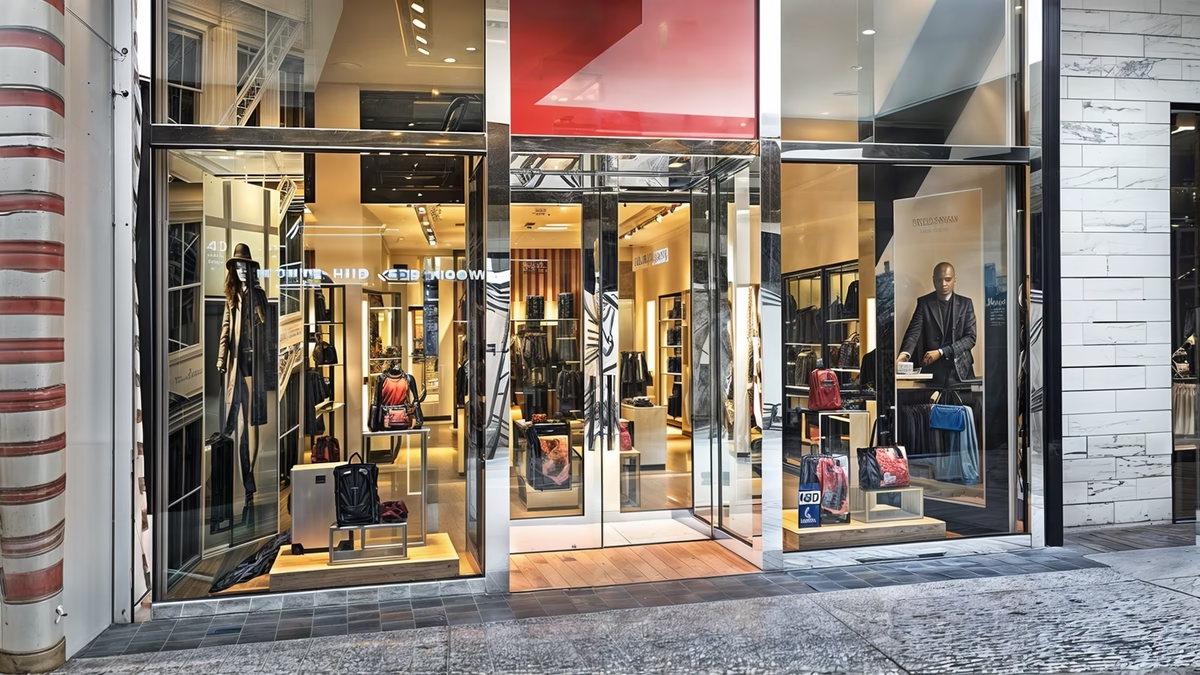
Trend 1: Full-Glass Façades for Transparency and Luxury Appeal

Storefront Trend 1: Full-Glass Façades for Transparency and Luxury Appeal

In 2025, storefronts are embracing floor-to-ceiling glass designs to create a sleek, premium feel while maximizing visibility. This modern storefront features a frameless glass façade that seamlessly connects the indoor and outdoor environments, inviting passersby into the retail experience.

Beyond aesthetics, this trend is driven by functionality, as state-of-the-art glazing can give you additional protection. Here are some advantages::

  • Increase natural lighting, enhancing product visibility and reducing energy costs.
  • Encourage impulse entry, as customers can clearly see merchandise and store ambiance from the street.
  • Support brand storytelling, with large-format visuals, mannequins, and curated product displays becoming part of the architecture.

This approach transforms the storefront from a barrier into a transparent stage, one that showcases not just products, but the essence of the brand.

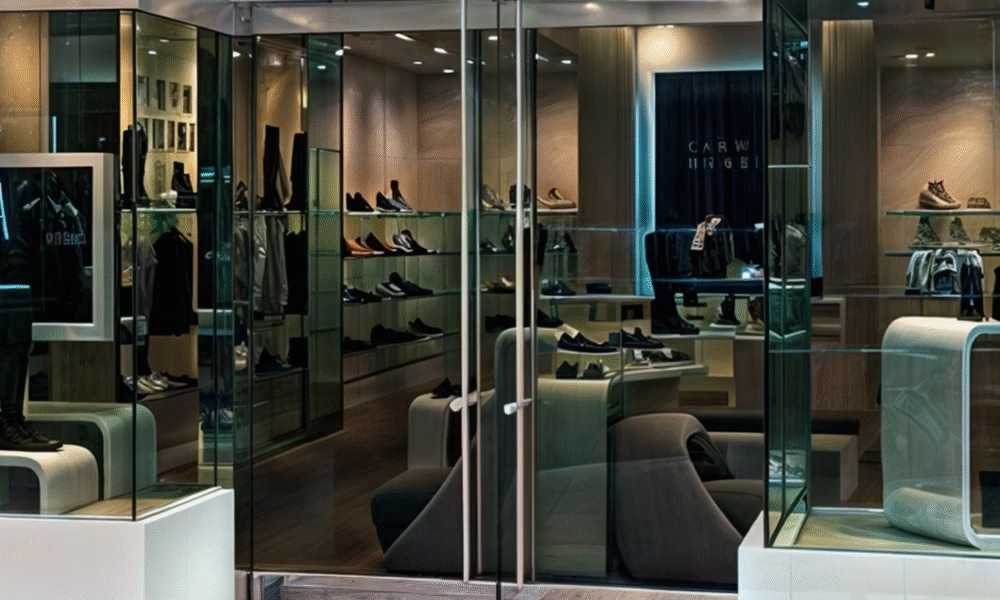
Trend 2: Seamless Indoor-Outdoor Integration with Smart Framing Systems

Storefront Trend 2: Seamless Indoor-Outdoor Integration with Smart Framing Systems

Another standout trend for 2025 is the use of advanced aluminum framing systems that offer clean lines, structural strength, and minimalist design. This storefront demonstrates how modern framing solutions allow for large, uninterrupted glass panels that maintain stability while enhancing the architectural rhythm.

Key highlights of this trend include:

  • Ultra-thin profiles that offer unobstructed views and a sense of openness.
  • Precision engineering to support heavier glass without compromising safety.
  • Thermal performance, helping regulate interior temperature and reduce HVAC dependency.

This design not only elevates the visual identity of the store but also supports sustainability and energy efficiency, crucial values for brands moving into a greener future.

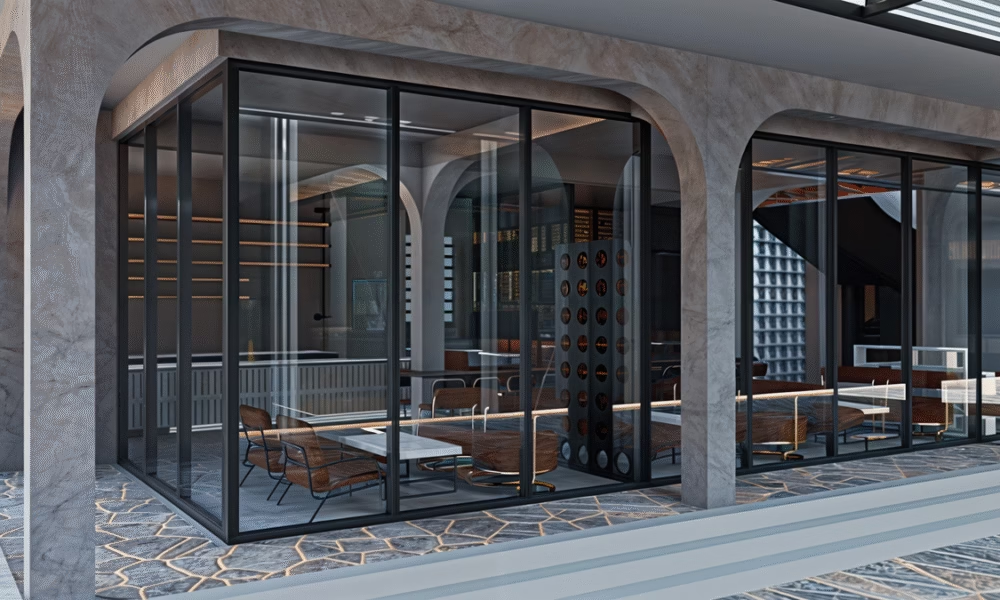
Trend 3: Architectural Harmony with Curved Lines and Textured Materials

Storefront Trend 3: Architectural Harmony: Curved Lines and Textured Materials

Storefront systems in 2025 are transcending functionality to become architectural features in their own right. This example showcases a seamless fusion of arched concrete structures and minimalist black-framed glass, resulting in a refined, modern aesthetic.

Key elements of this trend:

  • Curved forms that soften the geometry of the façade and add a welcoming, organic feel.
  • Textured materials like polished stone or concrete that contrast with sleek glazing to elevate visual interest.
  • Holistic design where exterior architecture blends naturally with interior ambiance, enhancing brand presence and customer experience.

This approach is ideal for premium retail, hospitality, and dining environments, turning the storefront into an immersive brand extension rather than just an entry point.

👉 You may also be interested in reading: Storefront systems in marketing: the trend that improves your business

Trend 4: Symmetry and Statement Entrances in Modern Storefront Design

Trend 4: Symmetry and Statement Entrances in Modern Storefront Design

One of the most striking trends in 2025 storefront systems is the return of symmetrical façades and architecturally pronounced entryways. This image captures a perfectly balanced layout that uses symmetry and material contrast to guide the eye naturally toward the entrance.

What defines this trend:

  • Centralized doors framed by structural elements, such as stone or concrete arches, establishing a clear focal point.
  • Balance between transparency and solidity, achieved by juxtaposing glass panels with textured walls.
  • Monumental entrances that offer a sense of formality, security, and prestige — ideal for luxury retail, galleries, or boutique spaces.

The use of geometric harmony and proportion elevates the storefront beyond function, creating a space that feels intentional, prestigious, and timeless.

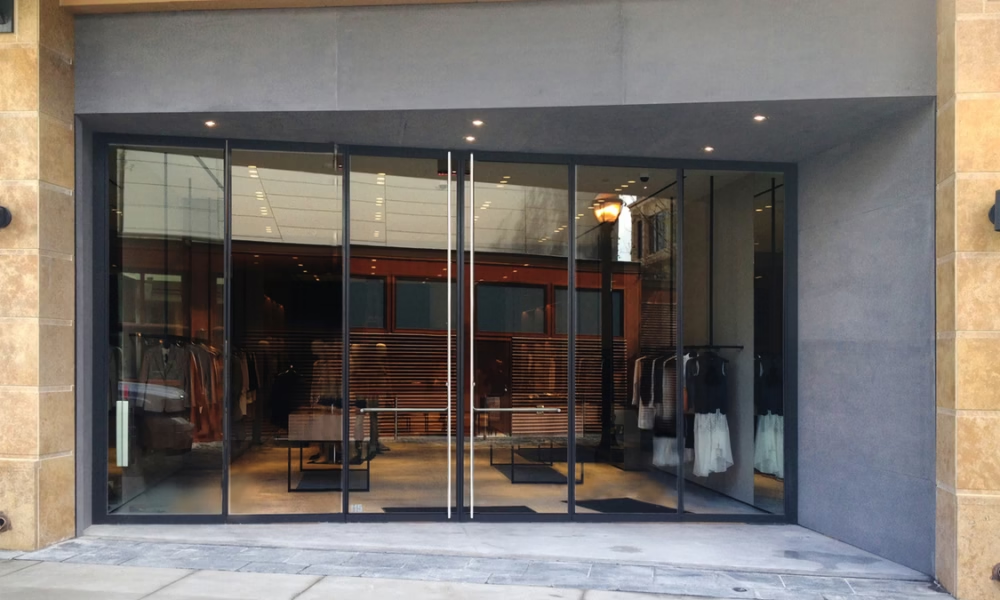
Trend 5: Compact, High-Visibility Storefronts for Urban and Mall Environments

Storefront Trend 5: Compact, High-Visibility Storefronts for Urban and Mall Environments

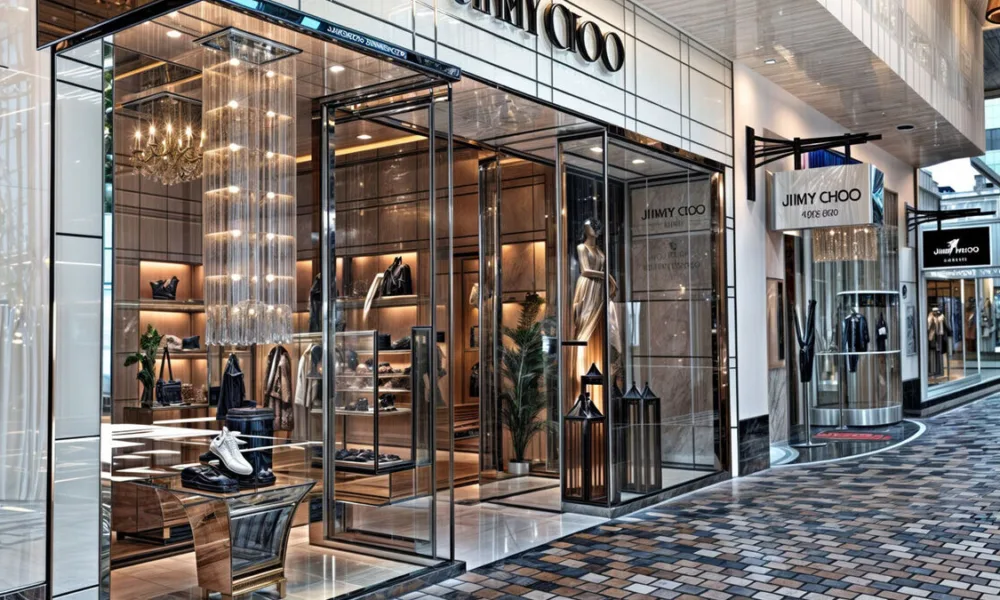
In 2025, storefront design is adapting to urban density and high-traffic mall settings with compact, modular layouts that maximize display potential within smaller footprints. This image illustrates a clean, efficient design that puts product visibility and promotional messaging front and center.

What makes this trend effective:

  • High-glass storefronts that utilize every inch for showcasing merchandise and signage.
  • Double-door entrances that maintain accessibility and flow even in constrained spaces.
  • Smart signage placement, such as in-window promotions and hanging boards, driving impulse visits and conversions.

This style is ideal for brands that prioritize agility and scalability, such as fashion retailers, pop-up concepts, or digitally native brands expanding into physical retail.

PRL Storefront Systems What Is

What Is a Storefront System? One of the Keys to Your Commercial Success

Home / Archive by category "BLOG"

n the world of commercial architectural design, the facade of a business not only represents its exterior aesthetics: it’s a strategic tool to attract customers, project professionalism and improve the experience of those who visit. For this reason, more and more architects, builders and entrepreneurs are betting on integrated solutions such as storefront systems. 

They consist mainly of aluminum structures, high-strength glass, integrated doors, functional hardware and sealing elements, all optimized to offer an aesthetic, functional, safe and easy-to-maintain solution. 

In this article, we explain what a storefront system is, how it works, what elements make it up and why it’s important for any modern commercial project. 

Storefront Systems is not only a protection, it has become a very effective marketing tool.

What Is a Storefront System? 

A storefront system (also called a commercial storefront system or aluminum and glass storefront) is an architectural solution composed of structural profiles, glass panels, hardware and additional elements designed to form the façade or entrance of a store, office or commercial space. 

It’s not just a frame and glass, but a system that integrates design, functionality, security, accessibility and branding. It is, in essence, the physical interface between a business and the urban environment. 

The Objective of a Storefront System is Simple: 

  • Project a modern and professional image. 
  • Facilitate access to the store in a comfortable and safe way. 
  • Make the most of visibility, natural light and product display. 

In addition, its modular design allows customizing sizes, finishes and configurations to adapt to the specific needs of each type of business. 

Main Components of the Storefront System 

A storefront system is composed of several elements to offer strength, aesthetics, safety and functional versatility: 

  1. Framing or Structural Framing
  • Usually made of extruded aluminum, although steel or stainless steel are also used, but are more expensive. 
  • Supports the complete system and allows multiple configurations (modular, continuous, or crossbeams). 
  • Adaptable to special heights and widths. 
  1. Glazing
  • Low-E, tempered, safety, or even electrochromic glass. 
  • Large glass panels for visibility, lighting and aesthetics. 
  1. Doors
  • Integrated into the design: hinged, sliding, automatic or revolving. 
  • Designed for heavy use, accessibility and compatibility with electronic locks. 
  1. Hardware and Accessories
  • Includes handles, hinges, door closers, stops, multipoint locks and sensors. 
  • Critical elements for durability and user experience. 
  1. Sealing and Protection
  • Use of rubbers, expansion joints, silicones and weatherstripping to prevent air, water or noise infiltration. 
  • Key to comply with energy and climate regulations. 
  1. Branding and Signage Elements
  • Integration of signs, logos, vinyl lettering or LED screens. 
  • Visual alignment with the corporate identity of the business. 
  1. Security systems
  • Reinforced glass, motion sensors, alarms or access control systems. 
  • Compatible with anti-intrusion systems and hidden metal curtains. 

How Does a Storefront System Work? 

The functioning of a storefront system is based on the integration of all its elements in a modular, durable and visually attractive design. 

  1. The aluminum structure acts as the main support for the system. 
  2. The glass panels are installed on perfectly sealed profiles to prevent leaks. 
  3. The doors are uniformly integrated to maintain visual continuity. 
  4. The hardware elements guarantee security and daily functionality. 
  5. The entire system meets the criteria of aesthetics, durability, accessibility and efficiency. 

Each project can be tailored with custom sizes, anodized or painted finishes, and advanced technology options such as automatic sensors, integrated lighting or access control systems. 

In addition, if new technologies are needed, they’ll be implemented at the time of initial construction. So, the initial cost of the project depends on this (as does the cost of any aluminum door). 

Storefronts in Marketing: Why Are They So Important to the Customer Experience? 

Storefront systems are one of the most undervalued business assets. They’re not just the visible face of the business: they’re an active part of the user experience. 

In fact, storefronts are one of the most important parts of ‘on-street’ marketing, so they’re not just in the architectural realm. 

How do they influence? Well, here’s what we can tell you. 

  • Attract foot traffic: A clean, modern facade impacts the customer’s eye and invites them in. 
  • Transparency and confidence: Seeing the interior from the street reduces uncertainty and generates familiarity. You will also be able to see who enters for security reasons. 
  • Natural comfort: Entry of natural light enhances the sensory experience and prolongs the stay. 
  • Reinforce branding: Colors, proportions and typographies integrated into the façade impact brand recall. Storefronts are highly customizable. 
  • Facilitate access: The design must comply with accessibility regulations, which improves the experience for all visitors. 

A well-designed storefront can be an important point in your marketing. In addition, it should be mentioned that it also impacts the overall cleanliness, being an excellent ally for sanitation. 

Aluminum and Glass are the most commonly used materials for the creation of Modern Storefront Systems.

What Are Common Storefront System Applications? 

They’re not only an exclusive element for the great avenues of the world. Storefront systems are found in many businesses such as the following: 

Retail stores and shopping malls 

Department stores and boutiques 

Restaurants, cas and bars 

Hotels and mixed-use buildings 

Banks, clinics, offices and coworking facilities 

Airports and transportation stations 

Wherever there’s an entrance that combines design + functionality, there is probably a storefront system at work. 

Storefront systems are much more than a beautiful façade. They’re a strategic tool that combines design, visibility, comfort, security and branding to help businesses sell more, look better and connect with their surroundings. 

Whether you’re designing an upscale retail store, an urban restaurant, or a corporate bank, investing in a well-designed façade system can be one of the smartest moves in your commercial project. 

📩 At PRL Glass & Aluminum we design and install custom storefront systems with high quality finishes and domestic delivery in the USA, combining high quality aluminum and glass.  

👉 Contact us and learn how we can help you transform your commercial storefront into a true competitive advantage. 

FAQs 

Is a Storefront the Same as a Curtainwall? 

No, although both use profiles and glass. A storefront system is installed on the ground or first level and is not designed to support structural loads. Curtainwalls, on the other hand, are multi-level storefront systems. 

👉 You may also be interested in reading: Curtainwall vs Storefront 

What’s the Best Material for Storefront Frames? 

Aluminum is most commonly used for its strength, low maintenance and modern appearance. It’s lightweight, durable and compatible with multiple types of glass. 

Do Storefronts Require Maintenance? 

Yes, periodic cleaning of the glass and lubrication of hardware is recommended, as well as annual inspections to check sealing. 

Can Storefronts Be Customized? 

Absolutely. They’re modular systems and highly customizable in multiple sizes, finishes, colors, glass, door types and branding. 

So, What‘s the Most Important Points of a Storefront’s Functionality? 

A storefront system functions as a modular system that must balance several elements: 

Structural strength: It must withstand wind loads, glass weight, and accidental or intentional impacts. 

Visual aesthetics: It must convey a clear, coherent and brand-aligned image. 

Accessibility and circulation: It must facilitate comfortable access for all types of users. 

Environmental control: It must protect the interior from leaks, noise and energy loss. 

Visual interactivity: It must be eye-catching, inviting, and display what’s inside. 

Its performance depends on the precise interaction between frames, glass, hardware and seals, all aligned with local building codes and client expectations.