Loading

Modern Glass and Aluminum Solutions for Upper East Side

Modern Glass & Aluminum Solutions for Homes & Businesses in Upper East Side

The Upper East Side is one of Manhattan’s most iconic residential and commercial districts, known for its historic architecture, luxury townhomes, high-end retail, art galleries, and modern apartment renovations.

In a neighborhood where design excellence and craftsmanship matter, PRL Glass & Aluminum provides premium architectural systems that elevate both residential spaces and business environments.

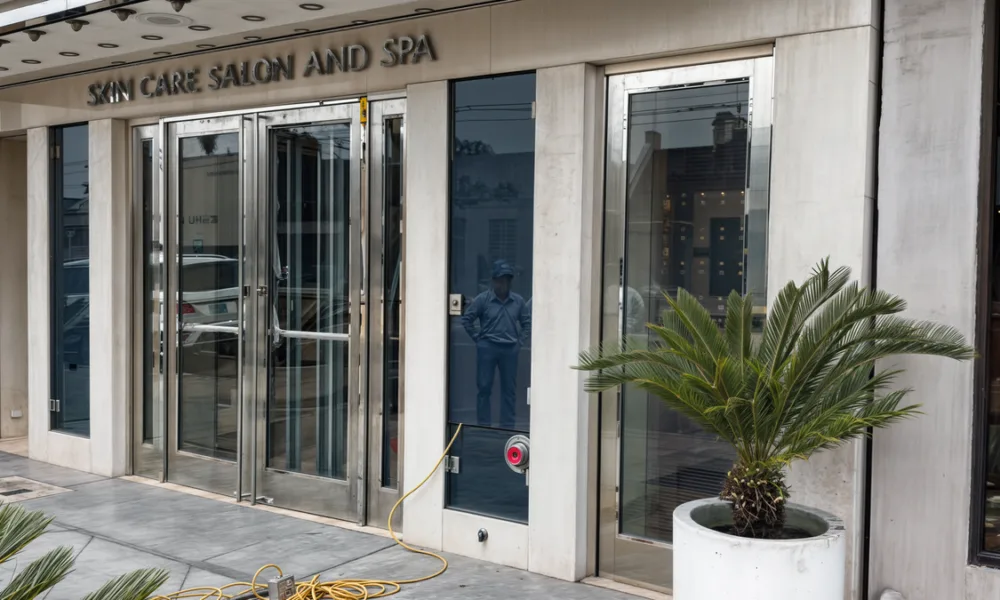
From sliding doors and custom handrails to boutique storefronts and curtainwall systems, PRL delivers the performance, sophistication, and precision that Upper East Side projects demand.

Building or Renovating in the Upper East Side? Connect with PRL Glass & Aluminum Today

Whether you’re upgrading a luxury apartment, modernizing a historic brownstone, renovating a penthouse, or developing a high-end retail space, PRL offers custom fabrication, nationwide delivery, and expert technical support.

We proudly support architects, contractors, developers, and homeowners throughout Manhattan, providing luxury-grade glass and aluminum solutions tailored to the Upper East Side’s unique design standards.

Service 

Contact Number 

Aluminum Division 

📞 877-775-2586 

Glass Division 

📞 800-433-7044 

📍 Visit our locations in City of Industry, California and explore our wide range of innovative, high-quality aluminum and glass solutions!

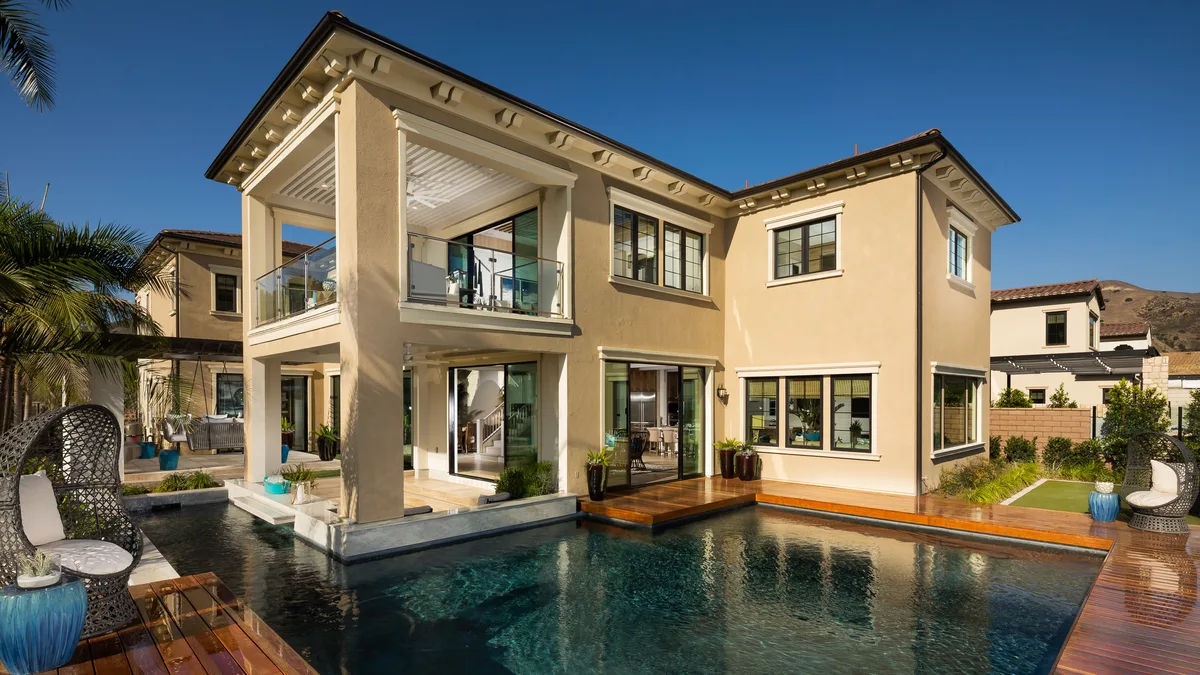
Premium Residential Glass & Aluminum Products for Upper East Side Homes

Upper East Side residences, whether classic prewar apartments, renovated brownstones, or modern high-rise units, benefit from clean lines, functional elegance, and premium materials.

PRL manufactures residential systems that enhance natural light, expand spaces, and elevate interior design.

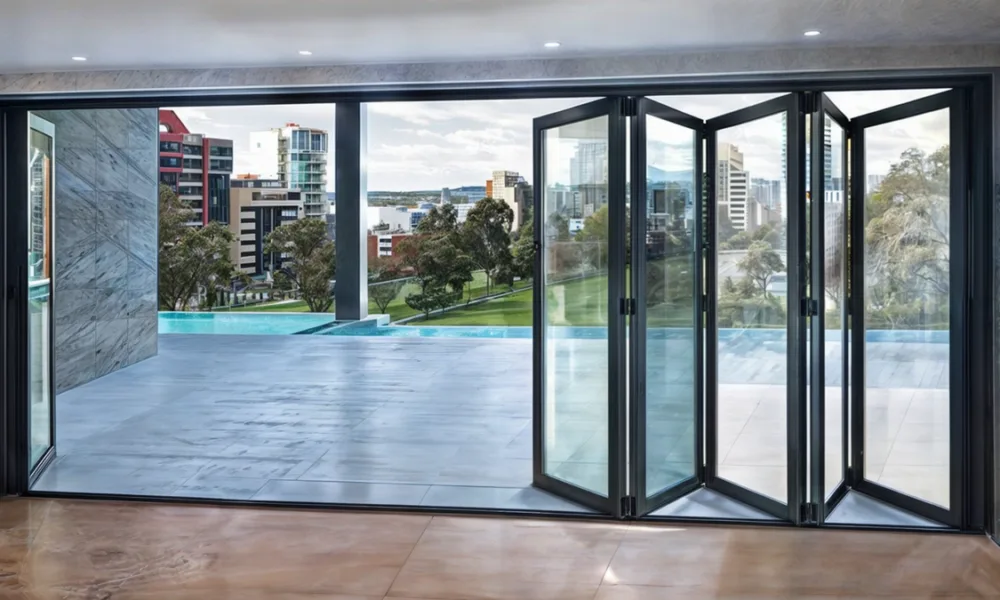
  • Sliding Glass Doors: Perfect for luxury apartments and penthouses, our sliding doors bring openness and modern simplicity while maintaining insulation and quiet operation.
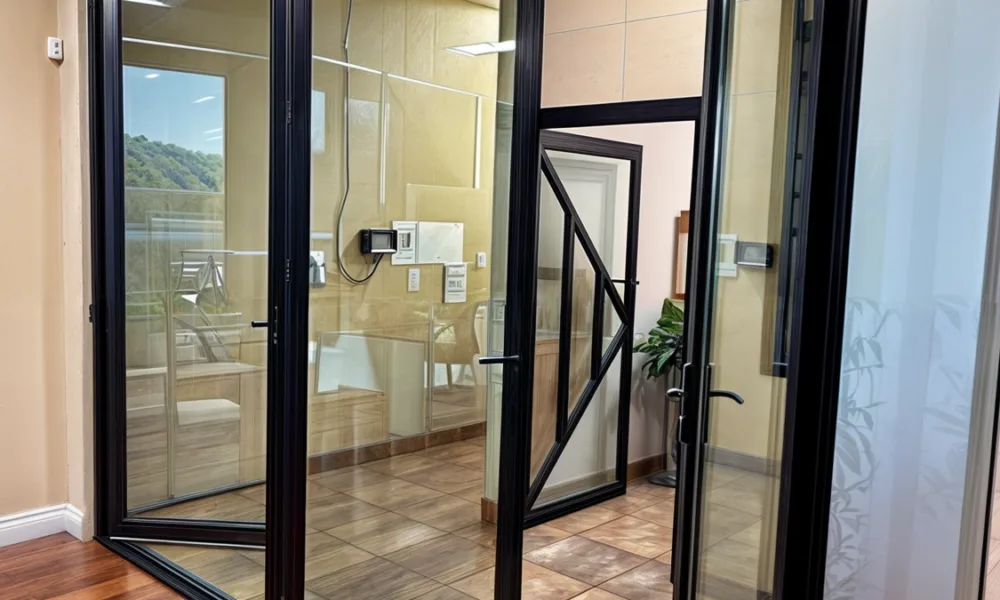
  • Residential Aluminum Doors: A sleek alternative for contemporary renovations, offering strength, security, and minimalist aesthetics suitable for both classic and modern interiors.
  • Glass Handrails: Ideal for staircases, lofts, balconies, and terraces, our handrails merge safety with elegant transparency, popular for upscale interior remodels.
  • Luxury Shower Sliders: Designed for high-end bathrooms and hospitality-style renovations, PRL shower sliders provide smooth operation and premium hardware finishes.
  • Custom Glass Table Tops: Perfect for sophisticated dining rooms, offices, or contemporary living spaces, offering durability with refined, timeless style.

All residential systems meet ASTM and NFRC standards, ensuring top-tier durability and performance for upscale Manhattan homes.

Glass & Aluminum Solutions for Businesses in the Upper East Side

From boutiques and cafés to galleries and medical offices, business spaces in the Upper East Side demand high design standards and long-lasting performance. PRL supports commercial environments with architectural systems crafted for beauty, durability, and code compliance.

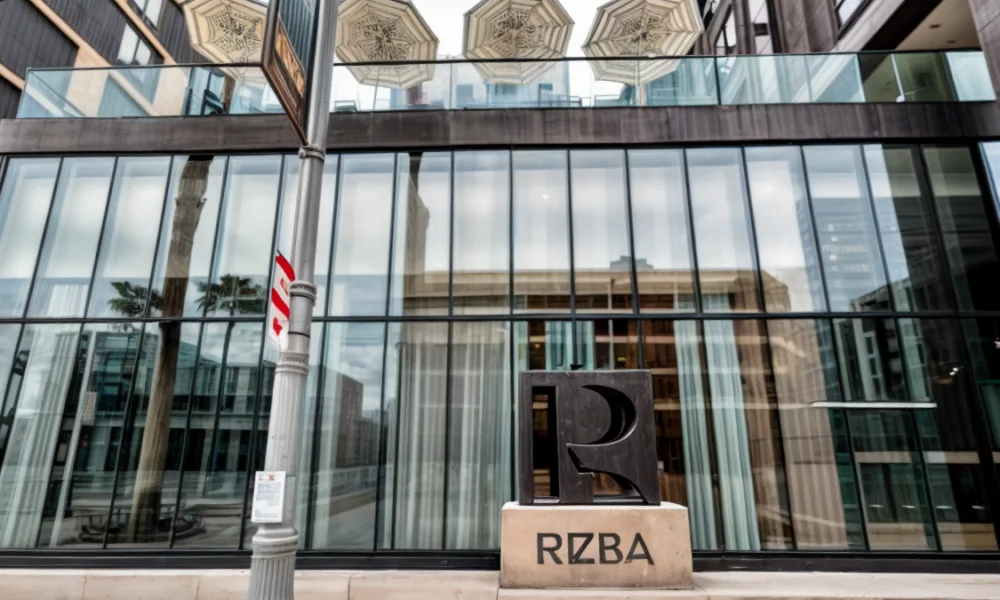
  • Curtain Wall Systems: Ideal for retail facades, galleries, and contemporary office spaces—combining modern transparency with structural performance.
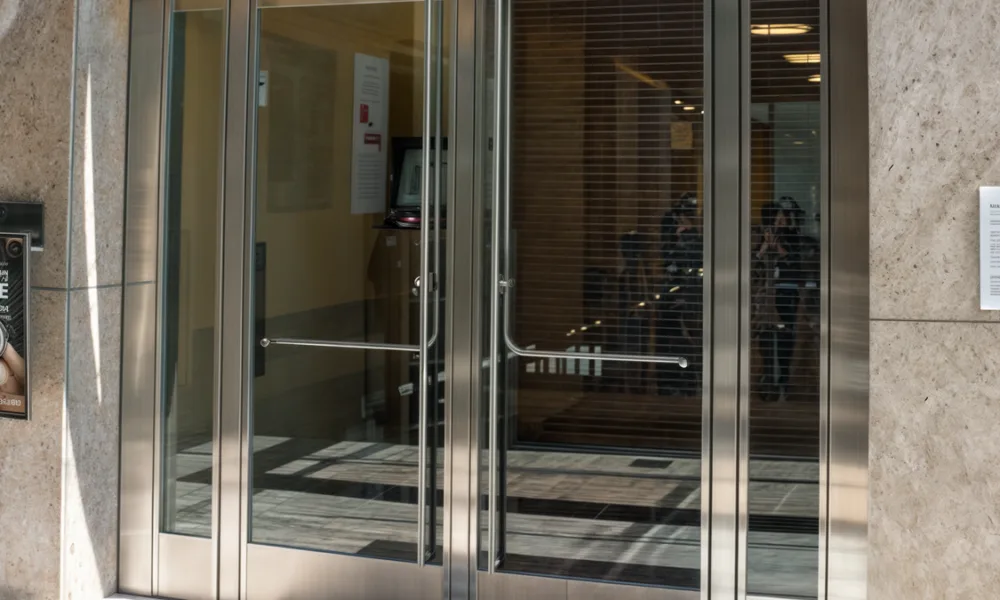
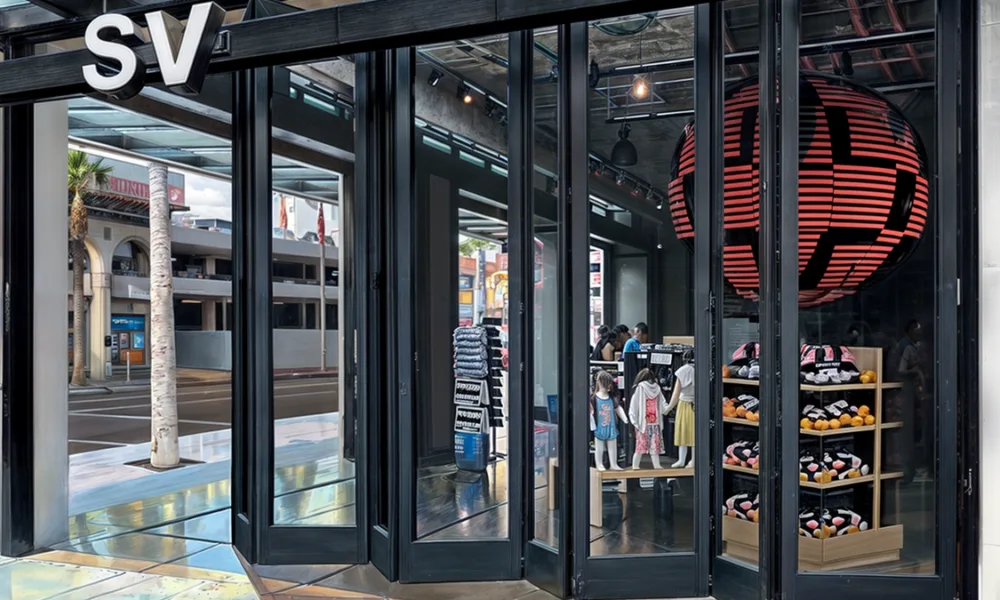
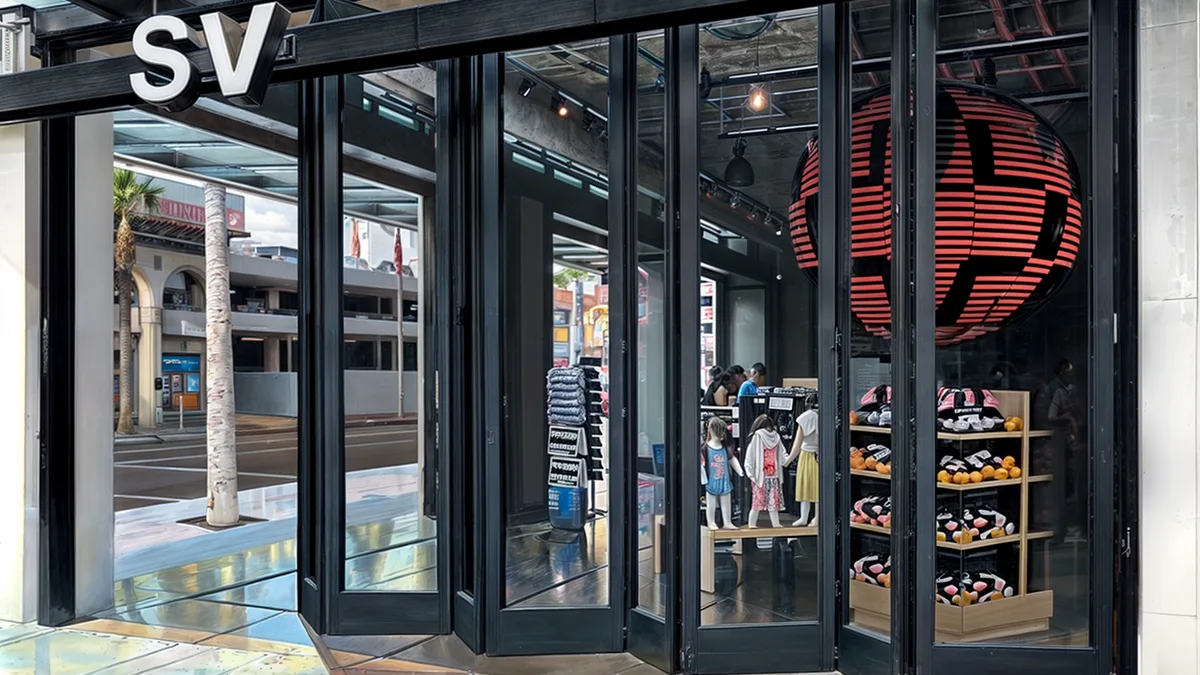
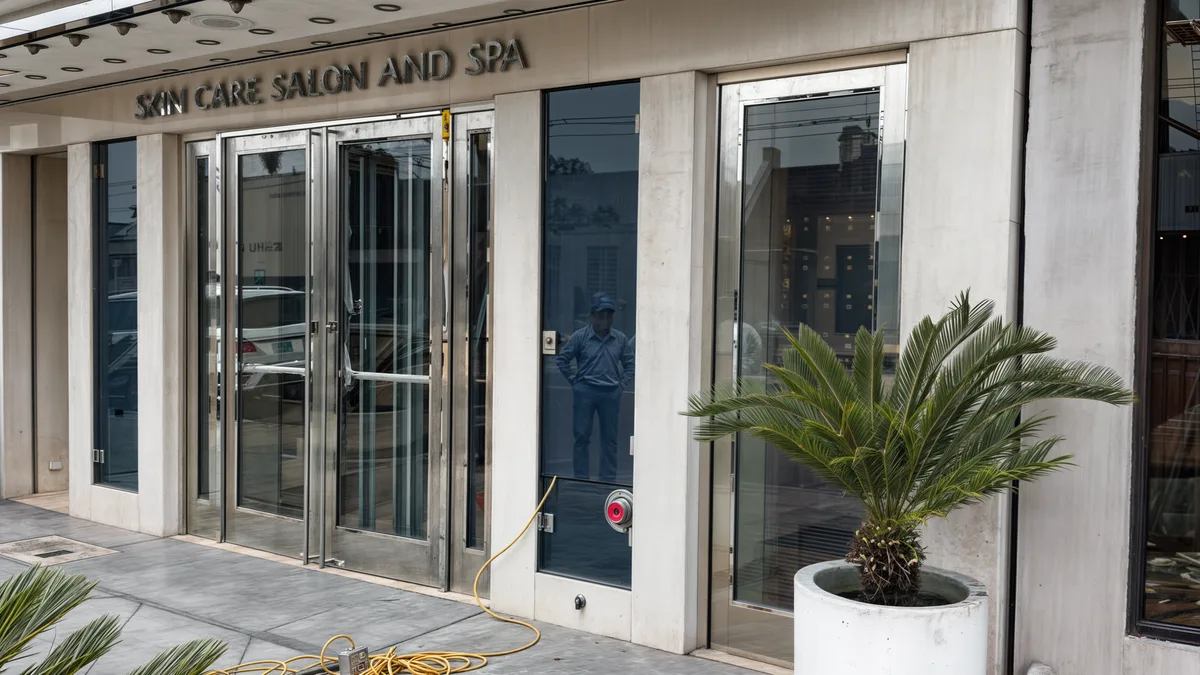
  • Storefront Systems:Engineered for high-end retail and hospitality, offering customizable hardware, premium finishes, and exceptional clarity to highlight luxury interiors.

These systems enhance visibility, elevate brand presence, and meet the demanding requirements of Manhattan’s architectural landscape.

PRL Glass and Aluminum in Upper East Side, Manhattan

Why Upper East Side Developers and Homeowners Trust PRL Glass & Aluminum

PRL is a top choice for luxury construction and renovation because we deliver:

  • Custom fabrication for boutique and high-end projects
  • Fast, reliable nationwide shipping
  • Energy-efficient and acoustically sound designs
  • Premium finishes and hardware crafted for longevity
  • Expert engineering support from planning to installation
  • Solutions that align with both historic and modern architectural styles

Whether preserving a classic aesthetic or introducing contemporary upgrades, PRL provides unmatched quality and precision.

Benefits of Glass and Aluminum Systems in the Upper East Side

Upper East Side architecture thrives on a blend of tradition and modernity, glass and aluminum systems complement this effortlessly.

  • Thermal Performance for year-round comfort in prewar and modern buildings
  • Noise Reduction, essential for Manhattan’s active urban environment
  • Elegant Architectural Appeal aligned with luxury interiors and facades
  • Durability suitable for busy residential and commercial applications
  • Eco-Friendly Materials, supporting LEED and sustainability-focused projects
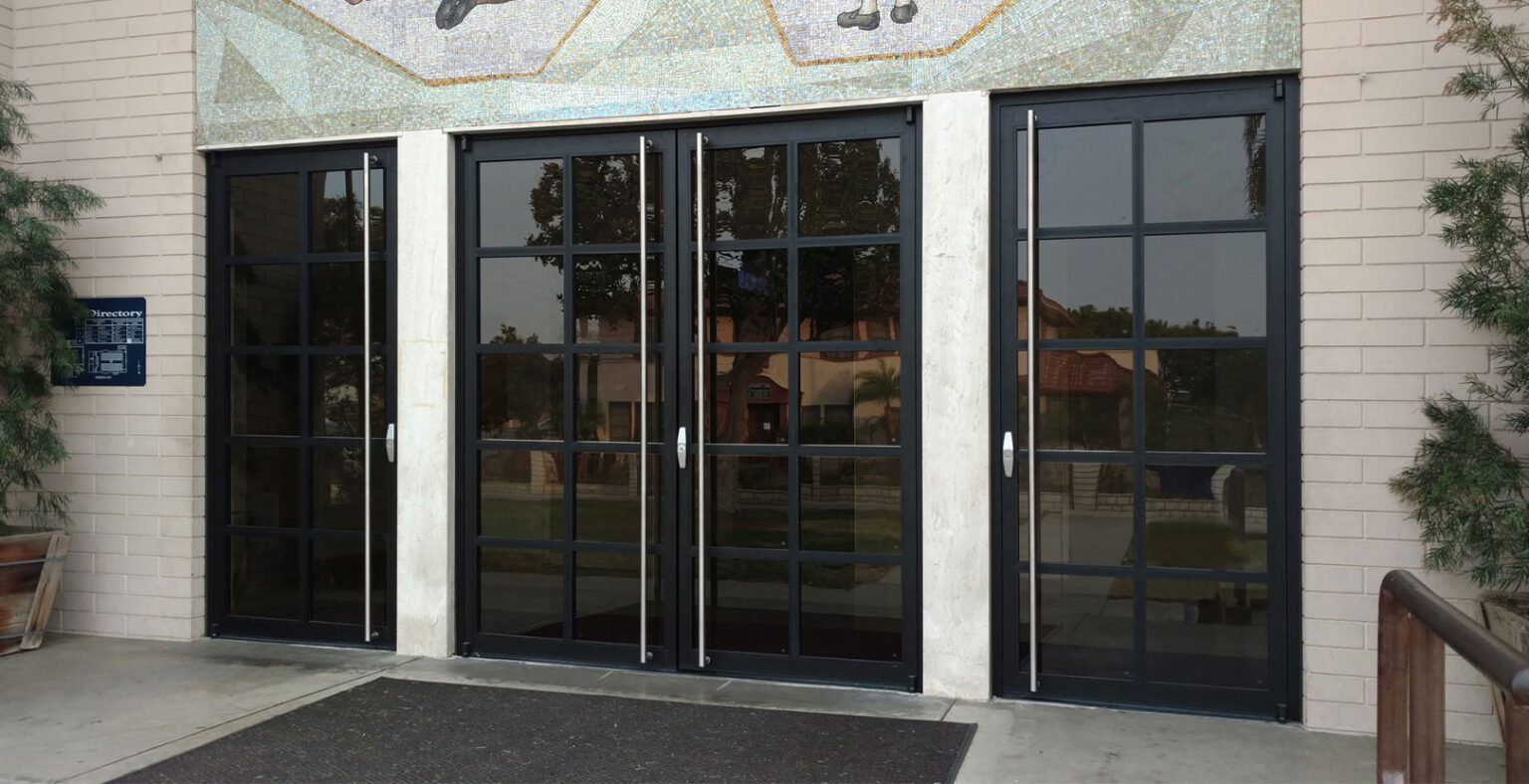
  • Battle Door Capability, offering reinforced security against break-ins, vandalism, or protests, essential for high-visibility retail and street-facing entrances

Transform Your Space with PRL Glass & Aluminum

Based in California and trusted nationwide, PRL serves New York and all 50 states with luxury-grade architectural glass and aluminum systems.

From custom sliding doors to boutique storefronts, we deliver craftsmanship designed to elevate your next project.

We are present in the most important neighborhoods in the United States, offering the highest quality service.

Follow us on social media ✅

Stay tuned for news, events, discounts and new products through the different social media channels.
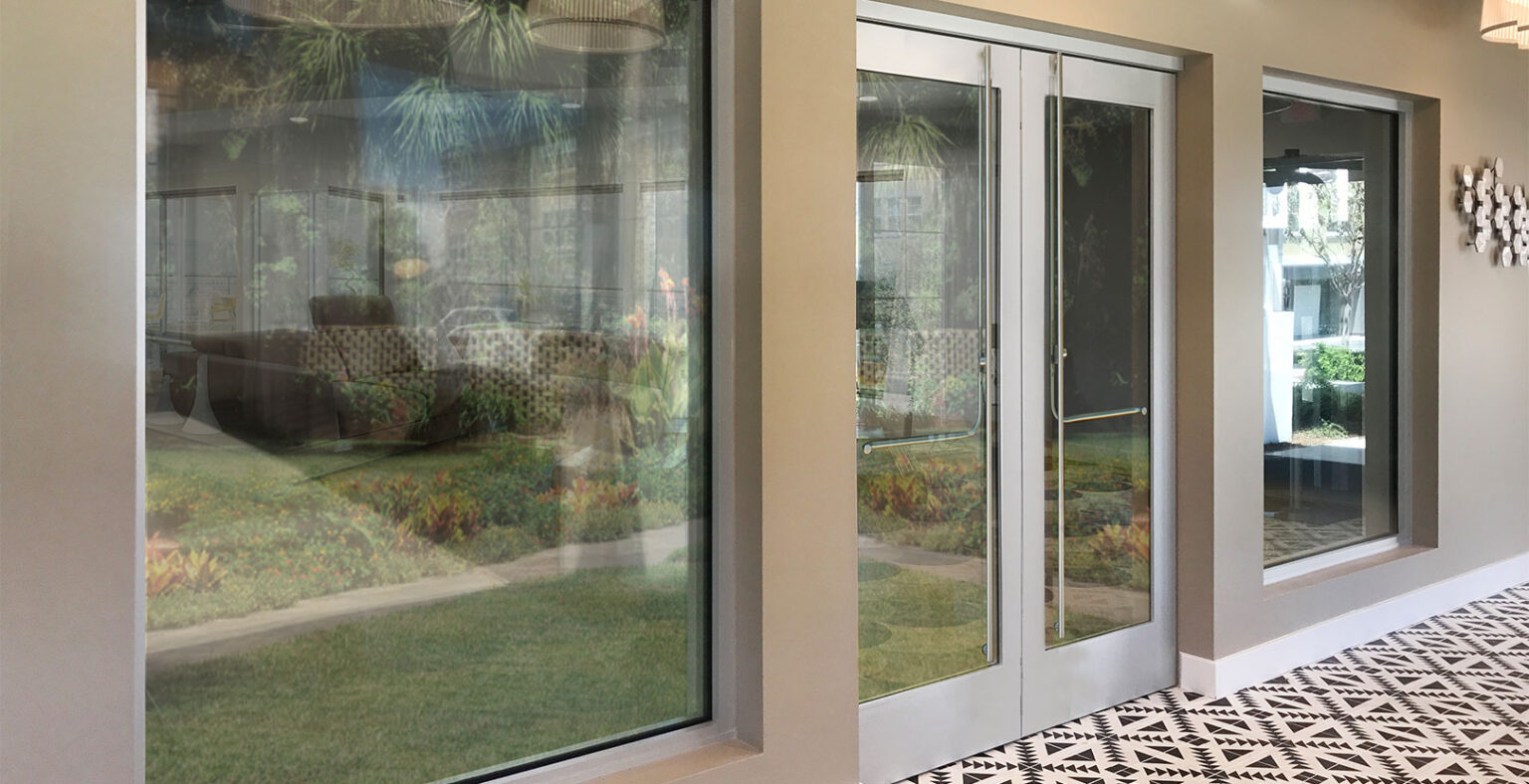
Glass and Aluminum Manufacturers in Billings

Premium Glass & Aluminum Solutions for Billings

Billings is Montana’s largest and fastest-growing urban center, serving as a regional hub for healthcare, logistics, education, energy, and commercial development.

Builders in Montana require architectural systems that deliver durability, energy efficiency, and performance in a climate marked by cold winters, hot summers, snow, wind, and wide temperature swings.

At PRL Glass & Aluminum, we supply premium glass and aluminum systems engineered for long-term reliability, ideal for commercial, industrial, institutional, and modern residential projects throughout Billings and the surrounding region.

Building in Billings? Connect with PRL Glass & Aluminum Today

PRL provides custom fabrication, nationwide shipping, and technical support for construction projects of any size across Montana.

We proudly serve Billings, Bozeman, Missoula, Great Falls, and construction teams statewide.

Service 

Contact Number 

Aluminum Division 

📞 877-775-2586 

Glass Division 

📞 800-433-7044 

📍 Visit our locations in City of Industry, California and explore our wide range of innovative, high-quality aluminum and glass solutions!

Advanced Glass & Aluminum Designs for Billings Builders

Our systems are engineered to handle Montana’s rugged climate while maintaining strong structural integrity and modern aesthetics.

All PRL systems comply with ASTM, NFRC, and LEED standards, ensuring high performance and code compliance for Montana projects.

Why Billings Developers Trust PRL Glass & Aluminum

In a region defined by large-scale construction and extreme weather, PRL is the trusted partner for long-lasting, precision-engineered architectural systems.

Why Montana professionals rely on PRL:

✅ Fast nationwide shipping and reliable production schedules

✅ Custom solutions built for heavy snowfall, wind, and temperature extremes

✅ Energy-efficient, LEED-ready systems that support sustainable construction

✅ Technical guidance from planning to installation

PRL Glass and Aluminum in Billings

Benefits of Glass and Aluminum Systems in Billings

Glass and aluminum provide the strength and efficiency required for Montana’s challenging construction environment.

  • Thermal Efficiency – Helps maintain comfort during cold winters and hot summers
  • Noise Reduction – Ideal for mixed-use, medical, and commercial zones
  • Extreme Weather Durability – Withstands snow loads, winds, freeze-thaw cycles, and hail
  • Modern Aesthetic Appeal – Fits contemporary Western architecture and institutional design
  • Eco-Friendly & Sustainable – Fully recyclable and compatible with LEED standards
  • Battle Door Capability – Reinforced systems offer added protection against vandalism, break-ins, protests, and severe weather

PRL Glass & Aluminum, your National Supplier

From our location in California, PRL Glass & Aluminum serves Montana and all 50 states in the United States.

We offer service in major cities across the country:

Cheyenne

Honolulu

Sioux Falls

Burlington

Charleston, West Virginia

Follow us on social media ✅

Stay tuned for news, events, discounts and new products through the different social media channels.
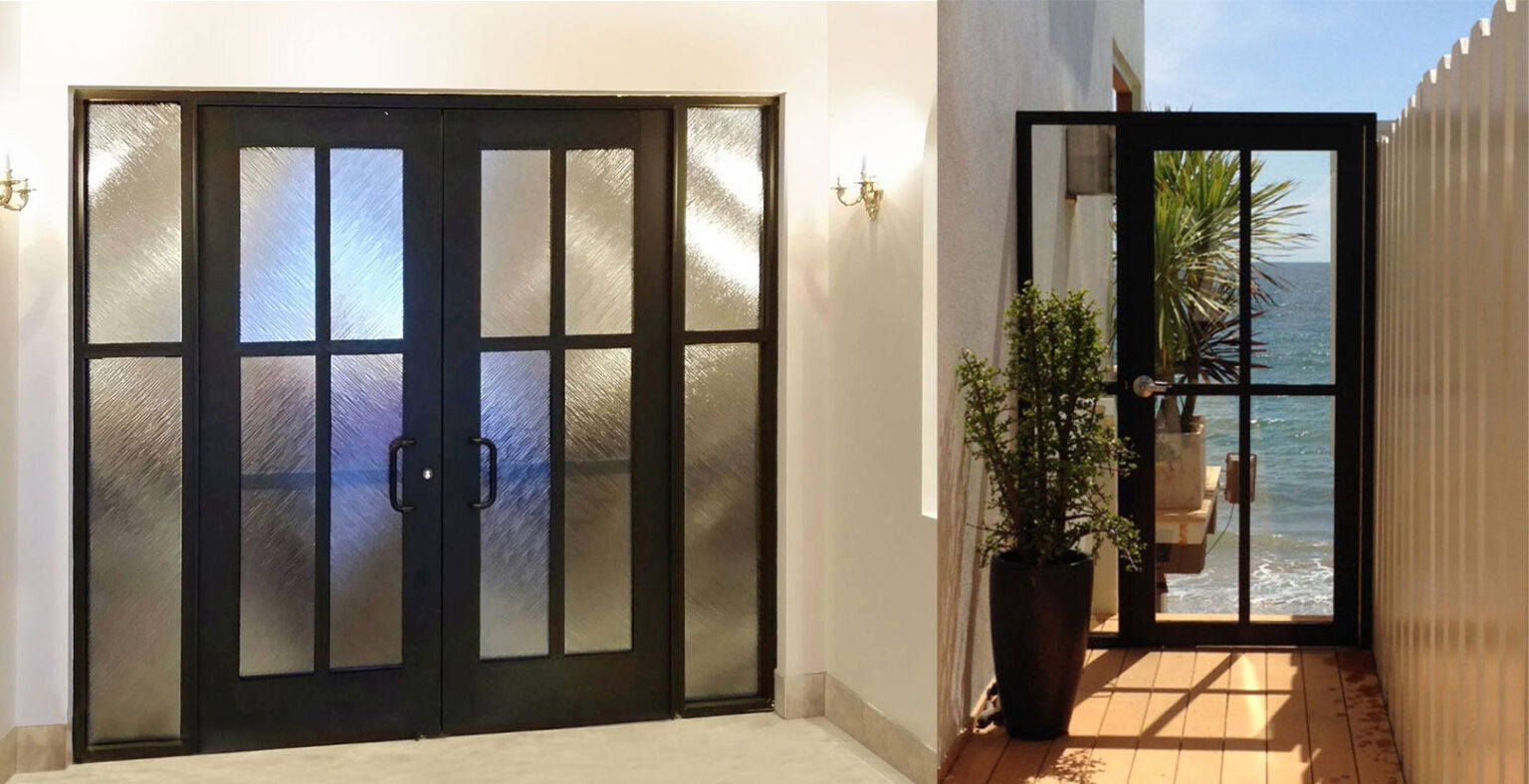
Diagram showing how Low-E glass reflects heat and blocks UV radiation in modern window systems

What Is Low-E Glass and Why Is It Essential in Modern Windows?

Home / Articles posted byEduardo Savin

Glass is one of the most important materials in any modern façade or window system. It not only defines the visual identity of a project, but also has a direct impact on interior comfort, energy consumption, and the long-term durability of surrounding finishes. 

Among today’s high-performance solutionslow-E glass (low-emissivity glass) has become the industry standard for projects seeking better thermal performance and improved energy efficiency, both in residential applications and commercial buildings. 

In simple terms, low-E glass is a type of glass with a microscopic, transparent coating that controls how heat moves through the glass. This coating allows visible light to pass through but reduces the transmission of infrared (heat) and ultraviolet (UV) radiation. This helps interior spaces maintain a more stable temperature and better protection against solar exposure. 

Below, we explain what low-E glass is and why it’s essential if your aluminum and glass systems require high performance. 

Diagram showing how Low-E glass reflects heat and blocks UV radiation in modern window systems.

Low-E Glass Meaning: A Simple Explanation for Architects and Homeowners 

The term low-E comes from low emissivity. Emissivity refers to a material’s ability to emit energy in the form of heat. 

  • A material with high emissivity easily releases the heat it absorbs. 
  • A material with low emissivity (low-E) reflects a large portion of that heat instead of allowing it to pass through. 

Applied to architectural glass, this means that low-E glass is designed to reflect infrared heat back toward where you want to retain it: 

  • In winter: it reflects interior heat back inside. 
  • In summer: it reflects exterior heat away from the building. 

At the same time, low-E glass maintains high levels of visible light transmission, ensuring natural daylight without compromising interior comfort. It also reduces UV radiation, helping prevent fading and deterioration of furniture, flooring, and textiles. 

In other words, when someone searches for “low E glass meaning” or “What is low E glass”, the simplest and most accurate explanation is: It’s a glass with a special coating that improves the energy efficiency of windows and façades by controlling heat transfer, without sacrificing natural daylight. 

How Low-E Glass Works: Solar Spectrum, Emissivity, and Thermal Control 

To truly understand why low-E glass is so efficient, it’s important to examine how glass interacts with solar energy. Sunlight isn’t a single type of energy. It’s composed of three distinct ranges that affect windows and façades in different ways. 

  1. Ultraviolet Radiation (UV): This is the portion of the spectrum responsible for fading and deterioration of furniture, flooring, textiles, and interior finishes. Although it represents only a small percentage of solar energy, its long-term impact is significant in spaces with high sun exposure. 
  1. Visible Light: This is the part of the spectrum we perceive as natural daylight. High-quality glass should allow visible light to enter without causing excessive glare. 
  1. Infrared Radiation (IR): This is the energy we experience as heat. It’s divided into two types: short-wave IR, coming directly from the sun; and long-wave IR, emitted by warm objects inside a building like people, appliances, heating systems, and warm surfaces. 

The Role of Emissivity 

Emissivity refers to a material’s ability to emit energy in the form of heat. 

  • Standard glass has high emissivity, allowing heat to transfer freely. 
  • Low-E glass has low emissivity, meaning it controls thermal radiation and reflects heat toward the most beneficial side depending on the season. 

low-E coating is up to 500 times thinner than a human hair, yet it drastically improves the glass’s thermal performance. 

How Low-E Works Throughout the Year 

  • In Winter: Low-E glass reflects interior heat back into the room, reducing heat loss and helping maintain a stable indoor temperature with less reliance on heating systems. 
  • In Summer: It reflects a large portion of the sun’s heat away from the building, reducing solar heat gain and lowering the cooling load on HVAC systems. 

Because of how it interacts with the solar spectrum, low-E glass provides: 

  • Better energy efficiency in any climate 
  • Reduced heat transfer through the glass 
  • UV protection 
  • Improved interior comfort 
  • Lower energy costs 
  • Natural daylight without compromising thermal insulation 

Types of Low-E Coatings: Passive Low-E vs. Solar Control Low-E 

Not all low-E glass performs the same. Its efficiency depends largely on the type of coating applied and the manufacturing process behind it. In modern architecture, selecting the correct low-E coating is essential to achieve the right thermal performance based on climate and project needs. 

There are two main categories of low-E glass:

1. Passive Low-E (Hard-Coat)

This coating is applied during the float glass manufacturing process, when the glass is still at very high temperatures. The coating “fuses” into the glass surface, creating a durable and resilient layer. 

Key features: 

  • Highly durable and scratch-resistant 
  • Allows more solar heat gain 
  • Ideal for cold climates that benefit from passive heating 
  • Can be installed on surface #3 or #4 of an IGU 

✅ When it’s Recommended: In regions with long, cold winters where capturing solar heat is advantageous.

2. Solar Control Low-E (Soft-Coat)

This coating is applied after the glass is manufactured, using a process called MSVD (Magnetron Sputter Vacuum Deposition) inside vacuum chambers. It delivers superior thermal performance but must be protected inside an IGU. 

Key features: 

  • Much lower emissivity (better insulation) 
  • Excellent solar control: blocks heat and UV radiation more effectively 
  • Higher overall energy efficiency in most climates 
  • Typically installed on the #2 surface of the IGU 

 When it’s Recommended: In almost all regions of the U.S. and Latin America, where reducing cooling loads and improving energy efficiency is a priority. 

Feature: 

Hard-Coat (Passive): 

Soft-Coat (Solar Control): 

Durability: 

Very high 

Must be inside an IGU 

Solar Control: 

Low 

Excellent 

Heat Gain: 

High 

Low 

Energy Efficiency: 

Medium 

Very high 

Ideal Application: 

Cold climates 

Warm or mixed climates 

Visible Light: 

High 

Slightly lower 

In most modern residential and commercial projects, soft-coat solar control low-E coatings are the most efficient choice because they provide: 

  • Superior thermal insulation 
  • Lower UV radiation 
  • Reduced solar heat gain 
  • Better indoor comfort and energy savings 

Low-E hard coats continue to be used, but mainly in applications where maximizing solar heat gain is beneficial in cold environments. 

Low-E windows installed in a contemporary home façade, highlighting energy efficiency and natural light transmission

Where Low-E Coatings Are Placed Inside an IGU (and Why It Matters) 

For low-E glass to perform correctly, it’s not enough to select the right type of coating. Its placement inside the insulated glass unit (IGU) is equally important. 

standard double-pane IGU has four possible surfaces: 

  • Surface #1: the exterior face exposed to the outdoor climate 
  • Surface #2: the internal face of the first lite, facing the airspace 
  • Surface #3: the internal face of the second lite, also facing the airspace 
  • Surface #4: the interior face of the glass, inside the building 

Thermal and solar performance can change significantly depending on which surface receives the low-E coating. 

Solar Control Low-E → Best on Surface #2 

  • Soft coat solar control low-E coatings perform best on surface #2, because they: 
  • Block most of the infrared radiation entering from the exterior 
  • Reduce solar heat gain in warm or mixed climates 
  • Maintain high visible light transmission while lowering heat load 

For this reason, low-E coatings are applied to this surface for most modern residential and commercial windows. 

Passive Low-E (Hard-Coat) → Best on Surface #3 or #4 

Passive low-E coatings are designed to retain heat and often allow some short-wave solar energy to enter. They are typically applied to: 

  • Surface #3: ideal for conserving interior heat while still benefiting from solar gain 
  • Surface #4: excellent for cold climates, reflecting interior radiant heat back inside 

This configuration allows windows to function as passive solar collectors during winter months. 

Climate: 

Recommended Low-E Type: 

Ideal Surface: 

Very Cold Climates: 

Passive (hard-coat) 

#3 or #4 

Mixed Climates: 

Solar control (soft-coat) 

#2 

Hot Climates: 

Solar control (soft-coat) 

#2 

High Solar Exposure: 

Solar control (soft-coat) 

#2 

North-Facing Cold Façades: 

Passive (hard-coat) 

#3 

Choosing the right surface ensures: 

  • Better energy efficiency 
  • Improved solar control 
  • Reduced thermal transfer 
  • Longer IGU lifespan 
  • Optimized UV protection 

Many window performance issues, such as condensation, overheating, or poor insulation, occur when low-E coatings are applied to the wrong surface. 

Benefits of Low-E Glass in Modern Windows and Facades 

Far beyond the technical aspects, low-E glass has become a defining trend in modern U.S. architecture. This is due to the real, measurable benefits it brings to window and facade systems. These are the most important ones:

1. Greater energy efficiency and reduced consumption

Low-E glass minimizes heat transfer into the interior during summer and prevents heat from escaping during winter. 

This results in: 

  • Reduced heating demand 
  • Lower annual energy costs 

Even small improvements in U-factor and SHGC values can generate significant savings in extreme climates.

2. Year-round thermal comfort

Windows maintain a more stable interior temperature. With low-E glass you avoid: 

  • Excessive heat near sun-exposed windows 
  • “Cold wall effect” during winter 

The result is a more comfortable and consistent indoor environment.

3. UV protection and reduced interior fading

Low-E glass blocks a significant portion of ultraviolet radiation, the main cause of: 

  • Fading of wood floors 
  • Deterioration of textiles and carpets 
  • Damage to furniture and interior finishes 

This is one of the most valued advantages in premium residential projects.

4. Better visual comfort without sacrificing natural light

Unlike tinted or reflective glass, low-E maintains high visible light transmission: 

  • Reduces glare 
  • Maintains more balanced color rendering 
  • Preserves visual clarity 

It’s ideal for large windows, curtain walls, or any architecture that relies on natural daylight.

5. Improved overall performance when used in IGUs

When paired with insulated glass units (IGU), low-E coatings enhance: 

  • Thermal insulation 
  • Acoustic insulation 
  • Solar control 
  • Durability of seals and components 

This is why low-E glass has become the standard choice for modern high-performance window systems. 

Low-E Windows by Climate: How to Choose the Right Type 

The ideal type of low-E glass depends directly on the climate where it will be installed. Although all low-E coatings improve energy efficiency, each performs better under specific environmental conditions. 

Cold climates (long winters) 

  • Goal: retain interior heat and maximize passive solar gain 
  • Recommendedhard coat low-E (pyrolytic) 

Why it works: 

✅ Allows more solar heat gain (higher SHGC) 

✅ Reduces interior heat loss 

✅ Ideal for homes with constant heating needs 

Warm climates or regions with high solar exposure 

  • Goal: block solar heat gain and reduce air-conditioning consumption 
  • Recommendedsoft coat low-E (solar control) 

Why it works: 

 Low SHGC to minimize incoming heat 

 Better UV protection 

 Cooler and more stable interior environments 

Mixed climates (most of the U.S.) 

  • Goal: balance performance between hot and cold seasons 
  • Recommendedhigh-performance soft coat low-E 

Why it works: 

 Optimal insulation during winter 

 Advanced solar control in summer 

 Excellent efficiency-to-cost ratio 

Coastal regions or areas prone to storms 

In addition to low-E glass, the system should be reinforced with: 

  • IGU with argon gas 
  • Laminated glass for increased impact resistance 
  • High-performance seals 

Ideal configuration: 

 Soft coat low-E + IGU + laminated glass 

 Projects requiring maximum visual clarity 

 For large window walls or façade systems where aesthetics are a priority: 

 Soft coat low-E with high visible light transmission (VLT) 

 Neutral coatings without noticeable blue-green tint 

Low-E Glass vs. Clear Glass: When Is It Worth the Investment? 

Although clear glass is still a common choice for standard residential windows, its thermal and solar performance is extremely limited. The difference between a system with low-E glass and one with clear glass is so significant that, in most modern projects, low-E is no longer a luxury, it’s a technical requirement. 

Below is a direct comparison that explains when and why low-E glass is worth the investment. 

Criterion: 

Clear Glass: 

Low-E Glass: 

Which One Is Better?: 

Thermal Performance: 

High heat transfer. Hot in summer, cold in winter 

Reflects infrared heat, stabilizes indoor temperatures 

Low-EIdeal for any climate 

Energy Efficiency: 

No impact on energy savings 

Reduces HVAC usage and lowers energy bills 

Low-EPays for itself over time 

UV Protection: 

Allows most UV rays to enter. Causes fading in interiors 

Blocks a significant portion of UV radiation 

Low-EProtects floors, furniture, and textiles 

Visual Comfort: 

Can cause glare. No solar control 

Allows natural light with reduced glare. No need for heavy tints 

Low-EBetter clarity and light balance 

Interior Comfort: 

Noticeable hot/cold spots near windows 

More consistent temperatures year-round 

Low-EOffers superior comfort 

IGU Performance: 

Relies solely on the spacer and seals 

Enhances overall IGU performance (thermal + solar). 

Low-EEssential for modern systems. 

Durability of Interiors: 

Interior materials degrade faster due to UV exposure 

Helps preserve finishes and extend interior lifespan 

Low-EEspecially in premium projects 

Best Use Cases: 

Low-budget projects or interior partitions without sun exposure 

Residential, commercial, energy-efficient buildings, large glazing areas 

Low-E: For any modern façade or window system 

Low-E glass is no longer considered a “premium” option. It’s become a technical requirement for today’s windows, doors, and façade systems. 

Its ability to reduce energy consumption, improve thermal comfort, block UV radiation, and maintain optimal levels of natural light makes low-E one of the most efficient materials for residential and commercial applications 

Whether in warm, cold, or mixed climates, low-E glass acts as an intelligent thermal regulator, delivering measurable benefits to both building design and long-term performance. 

For architects, developers, and contractors, specifying low-E glass means: 

  • Better energy performance 
  • More stable indoor comfort throughout the year 
  • Extended protection for interiors and finishes 
  • More durable and efficient IGU systems 
  • A real value-add for any project 

This is why low-E glass has become the industry standard. It’s also why PRL Glass offers one of the most complete low-E product lines that’s adaptable to every climate, system type, and performance requirement. 

👉 Request low-E samples and technical sheets for your next project. Our team can help you select the right low-E configuration. Whether it’s a hard coat, soft coat, or IGU with a laminated interlayer or argon-filled gas, we can help you maximize energy performance and comfort in your designs. 

Glass and aluminum manufacturers in Sioux Falls

Premium Glass & Aluminum Solutions for Sioux Falls

Sioux Falls is one of the fastest-growing metro areas in the Midwest, driven by strong development in healthcare, financial services, education, industrial facilities, and expanding residential communities.

Builders in South Dakota need durable, energy-efficient systems that perform in a climate with cold winters, hot summers, and strong winds.

At PRL Glass & Aluminum, we manufacture high-performance glass and aluminum systems engineered for long-term reliability, ideal for commercial buildings, hospitals, universities, retail centers, and residential developments throughout South Dakota.

Building in Sioux Falls? Connect with PRL Glass & Aluminum Today

PRL supports Sioux Falls, area construction with fast nationwide shipping, custom fabrication, and expert project guidance.

We proudly serve Sioux Falls, Rapid City, Aberdeen, Brookings, and construction teams across South Dakota.

Service 

Contact Number 

Aluminum Division 

📞 877-775-2586 

Glass Division 

📞 800-433-7044 

📍 Visit our locations in City of Industry, California and explore our wide range of innovative, high-quality aluminum and glass solutions!

Advanced Glass & Aluminum Designs for Sioux Falls Builders

Our systems are designed to meet South Dakota’s environmental demands, delivering strength, insulation, and modern architectural appeal.

All PRL systems comply with ASTM, NFRC, and LEED standards, ensuring high performance for both new construction and renovations.

Why Sioux Falls Developers Trust PRL Glass & Aluminum

Builders in Sioux Falls rely on PRL for precision-made systems, dependable delivery, and expert support tailored to Midwest conditions.

Why South Dakota professionals choose PRL:

✅ Fast, reliable nationwide shipping from U.S. mainland facilities

✅ Custom-engineered systems built for cold climates and high winds

✅ Energy-efficient solutions crucial for year-round temperature variations

✅ Comprehensive design and installation support

PRL Glass and Aluminum in Sioux Falls

Benefits of Glass and Aluminum Systems in Sioux Falls

Glass and aluminum provide long-lasting value and performance across South Dakota’s diverse construction needs.

  • Superior Thermal Efficiency – Critical for freezing winters and warm summers
  • Noise Reduction – Ideal for busy commercial corridors and expanding residential neighborhoods
  • Weather Durability – Withstands snow, wind, hail, and drastic temperature swings
  • Modern Architectural Appeal – Suitable for both contemporary and traditional Midwest styles
  • Sustainable Materials – Recyclable and LEED-compatible
  • Battle Door Capability – Reinforced options protect against break-ins, vandalism, protests, and severe weather events

PRL Glass & Aluminum, your National Supplier

From our location in California, PRL Glass & Aluminum serves South Dakota and all 50 states in the United States.

We offer service in major cities across the country:

Cheyenne

Honolulu

Fargo

Burlington

Charleston, West Virginia

Follow us on social media ✅

Stay tuned for news, events, discounts and new products through the different social media channels.
Glass and aluminum manufacturers in Honolulu

Premium Glass & Aluminum Solutions for Honolulu

Honolulu’s construction market is defined by its coastal environment, hospitality-driven economy, and ongoing development in commercial, residential, and mixed-use projects.

Builders in Hawaii require materials engineered for humidity, salt exposure, intense UV radiation, and tropical storms, conditions that demand superior durability and performance.

At PRL Glass & Aluminum, we manufacture premium architectural systems designed to withstand Honolulu’s climate while delivering modern aesthetics for hotels, resorts, luxury residences, retail centers, and public buildings across Oʻahu.

Building in Honolulu? Connect with PRL Glass & Aluminum Today

We provide nationwide shipping, custom fabrication, and technical support for construction professionals throughout Hawaii.

We proudly serve builders in Honolulu, Waikīkī, Kapolei, Kaneohe, Kailua, and throughout the Hawaiian Islands.

Service 

Contact Number 

Aluminum Division 

📞 877-775-2586 

Glass Division 

📞 800-433-7044 

📍 Visit our locations in City of Industry, California and explore our wide range of innovative, high-quality aluminum and glass solutions!

Advanced Glass & Aluminum Designs for Honolulu Builders

Our systems are engineered to perform in Hawaii’s tropical climate while delivering energy savings and contemporary design.

All PRL systems comply with ASTM, NFRC, and LEED standards, an excellent fit for Hawaii’s sustainability-driven development.

Why Honolulu Developers Trust PRL Glass & Aluminum

Honolulu’s construction demands precision, weather resistance, and superior craftsmanship, PRL delivers on every front.

Why Hawaii builders choose PRL:

✅ Fast U.S. mainland fabrication and reliable freight shipping

✅ Corrosion-resistant aluminum and glass ideal for tropical, coastal environments

✅ Custom solutions for hotels, resorts, and multi-family developments

✅ LEED-friendly, energy-efficient systems to meet Hawaii’s green building goals

PRL Glass and Aluminum in Honolulu

Benefits of Glass and Aluminum Systems in Honolulu

Glass and aluminum are leading materials for Hawaii’s high-end and high-performance construction needs.

  • Salt-Air Resistance – Aluminum and finished glass withstand corrosion from ocean exposure
  • UV & Heat Protection – Specialized coatings reduce heat gain and protect interiors
  • Wind & Storm Durability – Engineered for high winds and tropical weather conditions
  • Coastal Aesthetics – Clean lines and transparency complement beachfront and ocean-view architecture
  • Eco-Friendly Materials – Recyclable and compatible with LEED construction
  • Battle Door Capability – Reinforced systems offer added protection from break-ins, vandalism, protests, and severe storm conditions

PRL Glass & Aluminum, your National Supplier

From our location in California, PRL Glass & Aluminum serves Hawaii and all 50 states in the United States.

We offer service in major cities across the country:

Cheyenne

Manchester

Fargo

Burlington

Charleston, West Virginia

Follow us on social media ✅

Stay tuned for news, events, discounts and new products through the different social media channels.
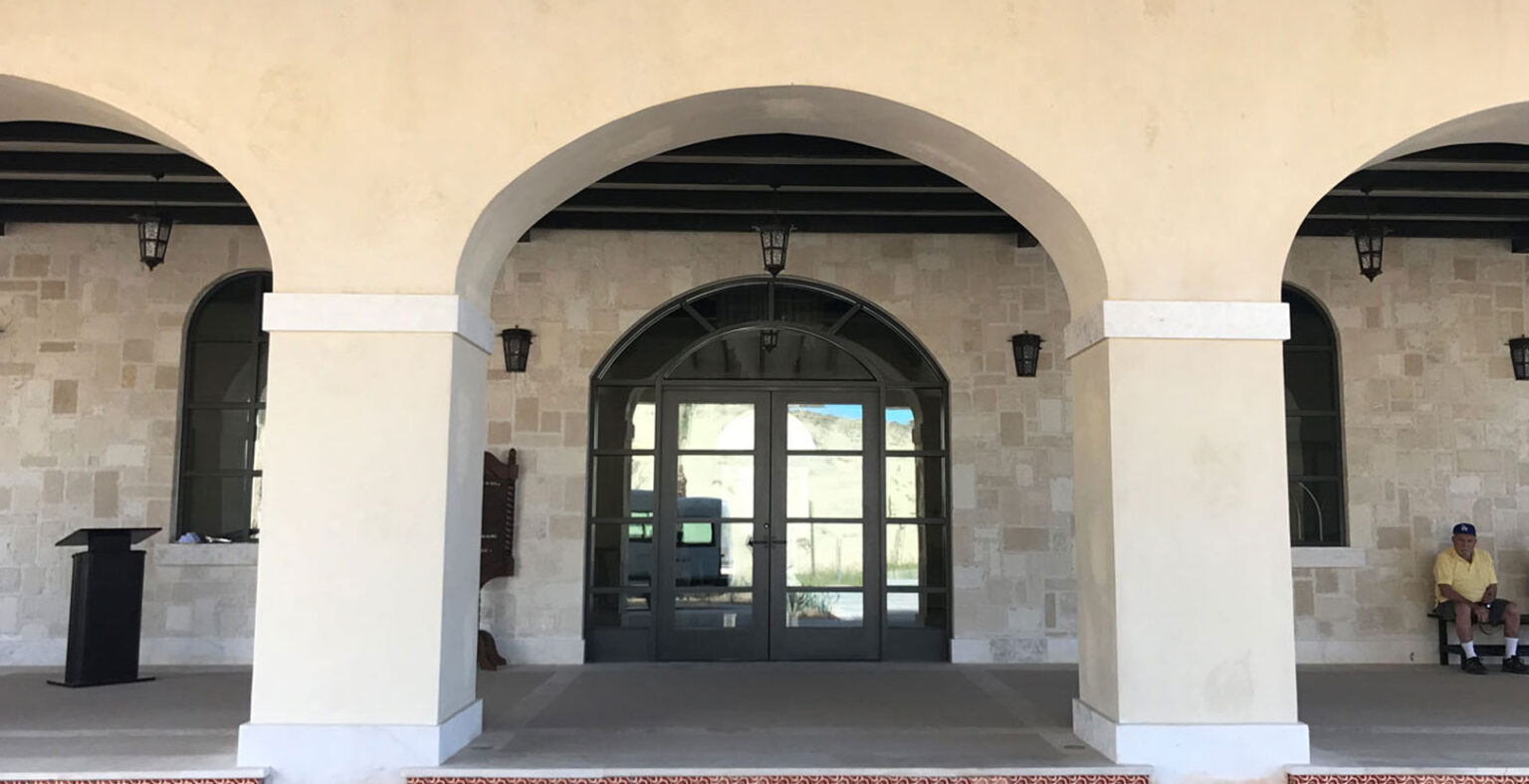
Glass and Aluminum Manufacturers in Cheyenne

Premium Glass & Aluminum Solutions for Cheyenne

Cheyenne, the capital of Wyoming, is a growing center for government facilities, commercial construction, logistics infrastructure, and residential development. Wyoming builders need architectural systems that deliver durability, energy efficiency, and strong performance in a climate known for heavy winds, cold winters, and intense temperature shifts.

At PRL Glass & Aluminum, we supply high-performance glass and aluminum systems engineered for long-term reliability and clean, modern architectural design.

From public-sector projects to commercial buildings and multifamily developments, PRL systems help Cheyenne builders meet today’s standards in safety, sustainability, and architectural quality.

Building in Cheyenne? Connect with PRL Glass & Aluminum Today

PRL provides nationwide delivery, custom fabrication, and technical support to contractors, developers, and architects throughout Wyoming.

We proudly serve Cheyenne, Casper, Gillette, Laramie, and communities across the state.

Service 

Contact Number 

Aluminum Division 

📞 877-775-2586 

Glass Division 

📞 800-433-7044 

📍 Visit our locations in City of Industry, California and explore our wide range of innovative, high-quality aluminum and glass solutions!

Advanced Glass & Aluminum Designs for Cheyenne Builders

Our systems are engineered to handle Wyoming’s challenging weather conditions, including windstorms, snow, and cold temperatures, while providing energy efficiency and visual appeal.

All PRL systems comply with ASTM, NFRC, and LEED standards, ideal for Wyoming’s safety and energy requirements.

Why Cheyenne Developers Trust PRL Glass & Aluminum

Builders in Wyoming require systems that balance strength, energy performance, and modern design, PRL delivers exactly that.

Why professionals in Cheyenne choose PRL:

✅ Fast nationwide shipping and dependable production schedules

✅ Custom-engineered systems for public, commercial, and residential projects

✅ Energy-efficient, LEED-compatible solutions

✅ Technical support throughout planning, specification, and installation

PRL Glass and Aluminum in Cheyenne

Benefits of Glass and Aluminum Systems in Cheyenne

Glass and aluminum provide Wyoming builders with versatility, efficiency, and resilience—critical for year-round weather challenges.

  • Thermal Performance – Helps maintain interior comfort during harsh winters and warm summers
  • Noise Reduction – Ideal for government districts, commercial centers, and growing residential areas
  • Wind & Weather Durability – Built to withstand strong winds, snow, and dramatic temperature shifts
  • Modern Architectural Appeal – Complements Wyoming’s mix of rustic and contemporary design
  • Recyclable & Sustainable – Supports environmentally conscious construction
  • Battle Door Capability – Reinforced systems protect against vandalism, break-ins, protests, and extreme storms

PRL Glass & Aluminum, your National Supplier

From our location in California, PRL Glass & Aluminum serves Wyoming and all 50 states in the United States.

We offer service in major cities across the country:

Jackson

Manchester

Fargo

Burlington

Charleston, West Virginia

Follow us on social media ✅

Stay tuned for news, events, discounts and new products through the different social media channels.