Loading

Bifold Doors Trend

5 New trends for Bifold Doors in 2026

Home / Archive by category "BLOG"

Are you about to change or undertake a new project? Well, Bifold Doors will be important to offer style, maintain temperature and of course create a very energy efficient place.

This 2025 we have some of the best trends in architecture and design, and here are some of the best designs that PRL has done.

👉 You may also be interested in reading: Bifold Doors vs Sliding Doors: What’s the Best Option for Your Project?

Trend 1: a resort at home

Bifold Trend 1: a resort at home

The image reflects several of the main trends that will mark the design of bifold doors in 2025:

  • Total indoor-outdoor connection: the aim is to eliminate visual and physical barriers, integrating terraces, living rooms and bedrooms into a single spatial flow.
  • Panoramic opening: multi-panel systems allow opening almost the entire wall, ideal for ventilation and natural light.
  • Minimalist aesthetics: slim black or anthracite frames add elegance without overloading.
  • Resort-like design at home: bifolds elevate the architectural experience, inspiring a boutique hotel lifestyle.

In short, bifold doors evolve into a perfect combination of functionality, design and well-being, becoming a central element in high-end residential projects. For that reason, we know it as a resort at home.

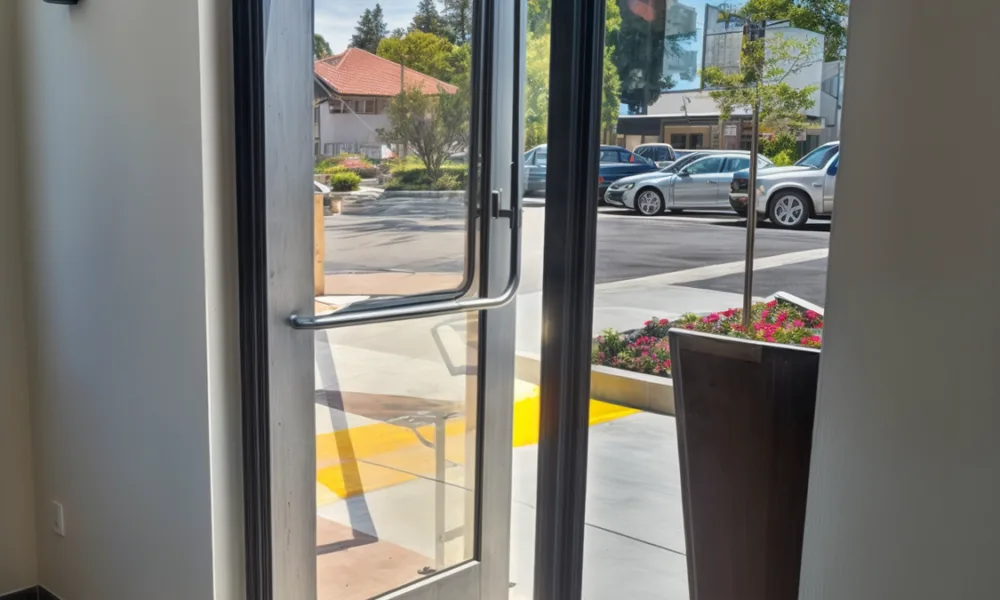
Trend 2: elegance but privacy

Bifold Trend 2: elegance but privacy

This image reflects a set of clear trends that are gaining momentum in interior design for 2025:

  • Elegant room separation: bifold doors are establishing themselves as an ideal solution for dividing spaces without losing brightness or style.
  • Glass with privacy: the use of translucent panels or satin glass responds to the growing demand for privacy without total visual isolation.
  • Dark aluminum finishes: a trend that is making a strong comeback, combining the classic with the contemporary and generating a warm contrast with neutral interiors.
  • Quiet design and no visible top track: ideal for residential and corporate environments that value minimalist aesthetics and discreet functionality.

Taken together, this configuration demonstrates how bifold doors are no longer just an exterior solution but become a protagonist inside the home or office as well, providing versatility, design and adaptable privacy.

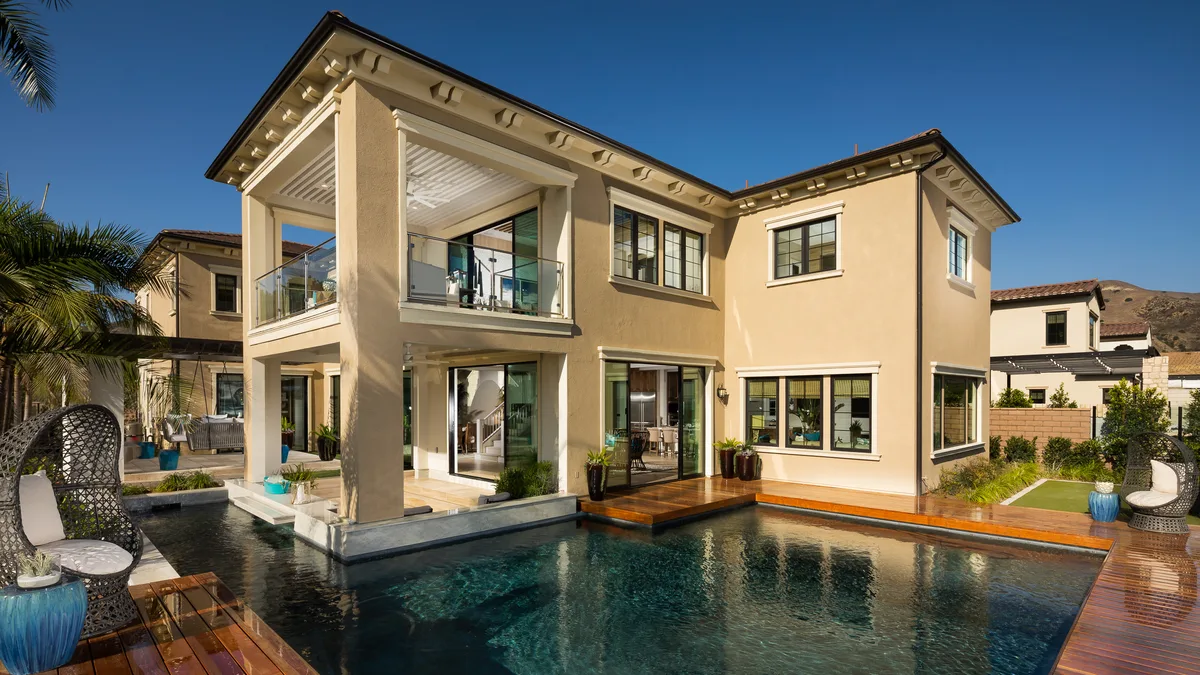
Trend 3: complete facades with Bifold

Bifold Trend 3: complete facades with Bifold

This image highlights another major trend for 2025: the incorporation of bifold doors in full facades and double-height structures. Here we can notice:

  • Wide ground-floor openings: bifold doors integrate discreetly with the structure, reinforcing the idea of “disappearing walls” when open.
  • Clean design with dark vertical lines: slim black frames emphasize the verticality of the design and harmonize with the natural aesthetics of the exterior wood.
  • Functionality in the evening: the use of warm lighting accentuates the indoor/outdoor connection even in the evening hours, a feature that architects increasingly value.
  • Doors as protagonists of the facade: instead of being relegated, bifold doors become an essential part of the visual language of the home.

This trend confirms that bifold doors are no longer a complementary element but a strategic architectural decision that enhances aesthetics, functionality and lifestyle.

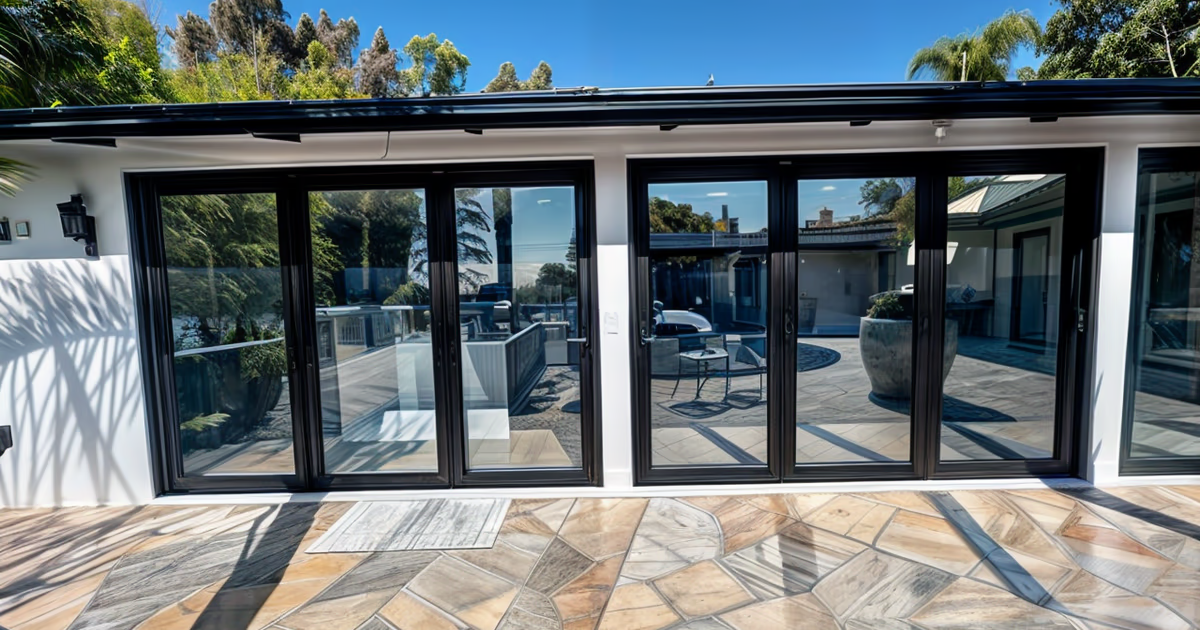
Trend 4: Black frames and maximum transparency

Bifold Trend 4: Black frames and maximum transparency

The image shows a modern bifold door installation that responds to several key trends for 2025:

  • Ultra-thin black frames: this finish remains a favorite for contemporary style projects. It brings visual contrast, elegance and aesthetic continuity with the interior and exterior design.
  • High-performance glass: full transparency allows a permanent visual connection with the exterior, even when doors are closed.
  • Integration with decorative flooring: the floor design plays a leading role, generating a visual continuity that amplifies the space. The bifold doors act as a non-interruptive threshold.
  • Symmetrical configuration: panels are arranged in uniform modules, providing architectural order and customized functionality according to the desired opening.

This configuration is ideal for those seeking spaciousness, clarity and barrier-free design in high-end single-family homes.

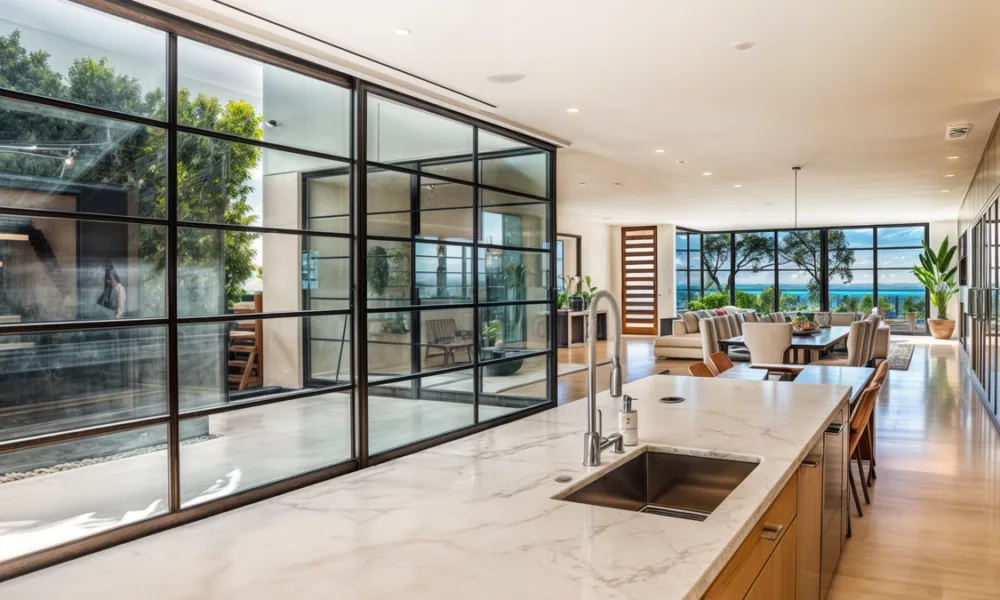
Trend 5: Infinite kitchen

Bifold Trend 5: Infinite kitchen

This image reinforces a key trend: using bifold doors to integrate interior kitchens with outdoor spaces, such as patios, terraces or pool areas, with these features

  • Direct opening from kitchen to pool: a perfect example of how bifold doors allow for fluid living areas, ideal for gatherings and social lifestyle.
  • Design with no visible thresholds: the transition is smooth and safe, designed for barefoot or reduced mobility.
  • Warm and natural aesthetics: the light wood finishes inside the kitchen harmonize with the neutral texture of the exterior walls and the stone of the pool.
  • Functionality in warm climates: this solution favors cross ventilation, the use of natural light and the enjoyment of the house as if it were a single large environment.
  • This trend reaffirms the value of bifold doors as a lifestyle investment: they not only connect spaces, they transform the way we live them.
Bifold vs Sliding Doors

Bifold Doors vs Sliding Doors: What’s the Best Option for Your Project?

Home / Archive by category "BLOG"

If you’re renovating a space or planning a new construction, you’ve likely faced the question of bifold vs sliding door. Both systems are widely used in residential and commercial projects to connect indoor and outdoor spaces, maximize natural light, and create clean, modern environments.

While bifold doors are technically a type of folding door system, this guide focuses specifically on the comparison between bifold doors and sliding doors, since these are the two most common options considered for large openings and architectural glass applications.

Understanding the differences between bifold and sliding doors goes beyond aesthetics. Factors such as how much of the opening can be fully cleared, how the doors look and perform when closed, the space required for operation, and the type of project you’re working on all play an important role in choosing the right solution.

In this guide, we’ll break down:

  • How bifold and sliding doors work
  • Their main advantages and limitations
  • Key differences in opening, views, space, and daily use
  • Which option makes the most sense for residential and commercial projects
Bifold and Folding doors are very similar, but have some notable differences in construction.

How Bifold and Sliding Doors Work

Although bifold and sliding doors are often considered for similar applications, the way each system operates is fundamentally different, and that difference directly impacts how the space functions.

Bifold doors are made up of multiple panels connected by hinges. When opened, the panels fold together in an accordion-style movement and stack to one side of the opening while running along a track. This design allows the door system to open almost completely, creating a wide, unobstructed transition between indoor and outdoor spaces.

Sliding doors, on the other hand, operate by moving one or more large glass panels horizontally along a track, parallel to the wall. Instead of folding, the panels slide past each other or stack behind a fixed panel. This means the opening is only partially cleared, but the door maintains large, uninterrupted glass surfaces when closed.

In practical terms, bifold doors prioritize maximum opening and physical connection between spaces, while sliding doors emphasize clean sightlines, simple operation, and consistent access without requiring panels to fold or stack inside the opening.

How Much Opening Do You Really Get?

One of the biggest differences when comparing a bifold vs sliding door is how much of the opening can actually be cleared when the system is fully open.

Bifold doors are designed to fold and stack to one side, allowing almost the entire opening to be cleared. Once fully open, the panels sit out of the way, creating a wide, unobstructed passage between interior and exterior spaces. This makes bifold systems especially appealing for projects where seamless flow, open entertaining areas, or a strong indoor–outdoor connection are a priority.

Sliding doors, by contrast, open by moving glass panels horizontally along a track. Even in multi-panel configurations, at least one or more panels remain in front of part of the opening. While this means the full width is never completely open, sliding systems still provide generous access and are often preferred when a partially open configuration is sufficient.

In real-world use, this difference matters most in how the space feels and functions. Bifold doors excel when the goal is to fully merge two areas into one, while sliding doors offer a more controlled opening that maintains structure and continuity without completely removing the barrier.

Key Differences Between Bifold and Sliding Doors

Feature

Bifold Doors

Sliding Doors

Opening capacity

Can clear almost the entire opening when fully open

Partial opening; one or more panels always remain in place

Indoor–outdoor flow

Creates a seamless, fully open transition

Maintains separation with controlled access

Views when closed

More visible frames between panels

Larger glass areas with fewer vertical frames

Frame-to-glass ratio

Lower, due to multiple hinged panels

Higher, offering cleaner sightlines

Panel stacking

Panels fold and stack to one side of the opening

Panels slide parallel to the wall without stacking

Floor track & threshold

Can be designed with low or flush thresholds, depending on the system

Typically requires a bottom track for panel movement

Daily access

Can include a traffic or day door for everyday use

Easy daily use without additional door configurations

Energy performance

Depends on glazing, seals, and thermal break; more frames may affect performance

Often benefits from fewer frames, depending on system design

Typical applications

Large openings, patios, restaurants, entertainment areas

Standard openings, areas prioritizing views and simplicity

Views, Light & Aesthetics: Glass vs Frames

For many projects, the decision between a bifold vs sliding door comes down to how the system looks and feels when it’s closed, which, in day-to-day life, is how the door is used most of the time.

Sliding doors typically feature fewer vertical frames and larger uninterrupted glass panels. This results in cleaner sightlines, more consistent natural light, and a “wall of glass” effect that works especially well in modern and minimalist designs. When closed, sliding systems tend to preserve views and maintain a strong visual connection to the outdoors.

Bifold doors, by contrast, are divided into multiple hinged panels. While they offer the advantage of opening almost completely, the additional vertical joints between panels are more visible when the doors are closed. This can slightly interrupt views and reduce the overall glass-to-frame ratio compared to sliding systems.

From an aesthetic perspective, the choice often depends on how the space will be used. If expansive views and daylight are a priority year-round, sliding doors may be the better fit. If the goal is to fully open the space for gatherings or seasonal use, bifold doors trade uninterrupted views when closed for maximum openness when open.

Space, Stacking & Daily Use

Beyond opening size and aesthetics, the way a door system occupies space and functions in everyday use is a critical consideration.

With bifold doors, the panels fold and stack to one side of the opening when fully open. While this creates an expansive, unobstructed passage, it also means a portion of the opening is occupied by stacked panels. In well-planned designs, this is rarely an issue, but it’s an important factor to consider when furniture placement, circulation paths, or wall space are limited.

Sliding doors operate differently. Because the panels move parallel to the wall, they do not require additional space for stacking. This makes sliding systems particularly appealing in layouts where maintaining clean lines, clear walkways, or consistent wall space is a priority.

Daily use also plays a role in system selection. Bifold doors can be configured with a traffic or day door, allowing one panel to function like a standard hinged door for regular access without opening the entire system. Sliding doors, on the other hand, are inherently easy to operate for everyday use, as they can be partially opened without engaging multiple panels.

Choosing between the two often comes down to how frequently the opening will be fully used versus how the space needs to function on a day-to-day basis.

Thresholds, Accessibility & Safety

Another important factor when comparing a bifold vs sliding door is how each system handles thresholds and floor tracks.

Sliding doors typically require a bottom track that guides the panels as they move horizontally. Depending on the system, this track may be recessed or surface-mounted, but it remains an essential structural component of the door’s operation. In residential applications, low-profile tracks are common, while in commercial settings, fully integrated solutions may be specified to reduce visual impact.

Bifold doors also operate on a track system, but they can often be designed with low or flush thresholds, depending on structural and drainage requirements. When properly specified, this can create a smoother transition between interior and exterior flooring — an important consideration for accessibility and high-traffic environments.

From an accessibility standpoint, both systems can be configured to meet code requirements when installed correctly. However, projects that prioritize seamless floor continuity or wheelchair access often evaluate threshold design early in the planning stage.

In terms of safety and security, modern bifold and sliding doors typically include tempered or laminated glass options and multipoint locking systems. Performance depends less on the type of system and more on the quality of the materials, glazing package, hardware, and installation.

There are several aspects to consider, but undoubtedly the type of project is the best thing to take into account.

Energy Performance: What Really Matters

When evaluating a bifold vs sliding door, energy performance is often a major concern, especially in climates with significant temperature variations. However, the efficiency of a door system depends on more than just its opening style.

It’s true that sliding doors typically have fewer vertical frames, which can slightly reduce the number of thermal break interruptions compared to multi-panel bifold systems. Fewer frame joints may contribute to improved thermal consistency in some designs.

That said, the overall energy performance of either system is primarily determined by:

  • The glazing package (double- or triple-pane glass)
  • Low-emissivity (Low-E) coatings
  • Gas fills between panes
  • Thermal break technology in the frame
  • Weather seals and installation quality

Modern bifold and sliding systems can both be engineered to meet strict energy codes and specified U-value requirements. In high-performance projects, architects often evaluate the complete assembly (not just the opening mechanism) to determine thermal efficiency.

In other words, choosing between bifold and sliding doors should not be based solely on assumptions about insulation. Performance ultimately depends on system design and specification rather than door type alone.

Bifold vs Sliding Doors: Which One Should You Choose?

After comparing operation, opening capacity, views, space requirements, and energy performance, the choice between a bifold vs sliding door ultimately comes down to how you want the space to function.

You may want to consider bifold doors if:

  • Your priority is opening up the entire wall to create a seamless indoor–outdoor experience
  • You frequently host gatherings and want unrestricted movement between spaces
  • The design allows room for panels to stack to one side
  • You’re working with a wide-span opening and want maximum physical integration

On the other hand, sliding doors may be the better fit if:

  • You value uninterrupted views and natural light year-round
  • A partially open configuration meets your access needs
  • You prefer a cleaner, more minimalist look when the system is closed
  • Space planning requires panels to remain within the wall plane without stacking

In many cases, both systems can perform equally well when properly specified. The difference lies less in which system is “better” and more in which one aligns with your project goals, architectural style, and daily use patterns.

Understanding how the opening will be used (occasionally and dramatically, or consistently and practically) often makes the decision much clearer.

Bifold doors offer the ability to fully open a space and create a dramatic, seamless connection between indoors and outdoors. Sliding doors prioritize clean sightlines, simplicity, and strong visual continuity when closed. Both systems can be engineered for durability, security, and energy performance when properly specified.

The key is evaluating how the opening will be used, how the space needs to function daily, and what architectural priorities matter most, maximum openness, uninterrupted views, minimal stacking space, or thermal performance.

In residential, commercial, and mixed-use projects alike, selecting the appropriate door system should be part of a broader design and performance strategy. Consulting with experienced fabricators and installers ensures that the final result aligns with both aesthetic goals and technical requirements.

Frequently Asked Questions About Bifold vs Sliding Doors

Are bifold doors the same as sliding doors?

No. Bifold doors operate with multiple hinged panels that fold and stack to one side, allowing most of the opening to be cleared. Sliding doors move horizontally along a track, with panels gliding past one another. While both are used for large glass openings, they function differently and create distinct spatial effects.

Are bifold doors a type of folding door?

Yes. Bifold doors are a specific type of folding door system. However, when comparing bifold vs sliding doors, the distinction is between a hinged, accordion-style system and a track-based sliding system, two structurally different mechanisms.

Which door system provides better views?

Sliding doors generally offer cleaner sightlines when closed because they use fewer vertical frames and larger glass panels. Bifold doors provide expansive openings when fully open, but have more visible panel divisions when closed.

Which option is better for large openings?

Bifold doors are often preferred for very wide openings where creating a fully open indoor–outdoor transition is the goal. Sliding doors also work well in large spans, especially when maintaining expansive glass surfaces and year-round views is a priority.

Are bifold or sliding doors more energy efficient?

Energy performance depends more on glazing type, thermal break technology, weather seals, and installation quality than on the opening mechanism itself. Both bifold and sliding systems can be engineered to meet modern energy code requirements.

Which system is easier for everyday use?

Sliding doors are typically simple to operate for daily access since they can be partially opened without moving multiple panels. Bifold doors can include a traffic or day door configuration to allow convenient everyday entry without opening the full system.

How Much Do Folding Patio Doors Cost

How Much Do Folding Patio Doors Cost? Many Factors Influence the Price of Installation

Home / Archive by category "BLOG"

Folding patio doors (also known as accordion doors or sliding folding doors) are an excellent choice for those looking for a beautiful and stylish element for their home.  

Its design allows the opening of large spaces in an elegant way, providing natural light, ventilation and a feeling of spaciousness that transforms any environment. In addition, there are some technologies such as thermally broken that also make energy efficiency better.  

But before installing them, it’s essential to understand how much they cost and what factors can influence their price, as it all depends on you.  

Folding Door cost and aspects to consider

What Influences the Price of Folding Doors? 

Many people mention that prices for folding patio doors range from $800 to $1200, but this changes a lot.  

But don’t worry, we are going to explain all the factors included in the price so you can know how much it costs to install them.   

Factor 1: Aperture Size  

First you need to consider the size of what you need. The larger the opening, the greater the number of panels needed and, therefore, the higher the cost.  

For example, standard systems typically have:  

  • Heights from 7′ to 10′  
  • Widths from 9′ to over 18′ wide  
  • Configurations ranging from 2 to more than 20 panels, reaching up to 20 meters wide.  

But, this is one hundred percent custom, as they can be much smaller or even have somewhat odd angles to account for in the lengths.  

In addition, some configurations include a dailyuse door for convenience without the need to open the entire system, so it’s taken as a different panel.   

Factor 2: Frame Material 

The frame of a door (which can have different thicknesses, depending on the project) is an essential part of the construction and therefore an important part of the final price.  

The material has a significant influence on the final price 

  •  Aluminum: The most economical, light and resistant option, and undoubtedly the favorite for homes and businesses. There are thermally broken options for greater energy efficiency and weather resistance.  
  • Fiberglass: A mid-range alternative with good insulation. 
  • Natural wood: More expensive but with great aesthetic value  
  • Steel: Not as common due to weight, but some projects require it.  

 ✅ Usually the combination of glass and aluminum is the most economical and functional choice for most home and business projects. 

Factor 3: Glass Types and Finishes 

Glass defines not only aesthetics, but also thermal insulation and safety. You can choose between: 

  • Double or triple glazing for better insulation  
  • Decorative or UV-treated glass 

👉  Glass type and custom options can increase the cost by 10% to 30% depending on the type of glass or finish selected. 

Factor 4: Additional Customizations 

As we mentioned, if you need non-standard sizes or configurations, the price will go up. Custom doors are ideal for unique architectural projects, but they require more production time and a higher investment.   

Usually, this cost is considered from the beginning of the project and customizations are offered by dedicated companies such as PRL Glass & Aluminum.   

Folding patio doors are a new trend in architecture

Where to Buy High Quality Folding Glass Doors? PRL Glass is the Answer 

If you’re looking for strong, stylish, custom-made folding glass doors, PRL Glass & Aluminum is an excellent choice. Headquartered in California with national distribution, PRL is known for manufacturing high-end glass and aluminum products for residential and commercial projects.  

What sets PRL apart is its rapid custom fabrication capabilities. We produce and install folding doors, sliding doors, entry systems and more, in standard or fully custom configurations. The team works directly with architects, builders and designers, guaranteeing personalized service and record-time deliveries.  

In addition, their folding doors can be manufactured with different types of glass (tempered, laminated, low emissivity, etc.) and aluminum finishes to suit any architectural style.  

Why choose PRL Glass & Aluminum 

Best prices in the market  

  • 100% U.S.A. manufacturing and installation  
  • Custom options for size, color and type of glass  
  • Fast, efficient, nationwide shipping  
  • Expert advice and direct customer service  

Are you designing a new space or renovating your home? Consult with PRL Glass and transform your environment with modern, safe and functional folding doors. 

Conclusion: Is it Worth Investing in Folding Doors? 

Yes, if you’re looking for a modern, functional and aesthetic solution to integrate your indoor and outdoor spaces. The prices are very different depending on what you require, but rest assured that their durability, energy efficiency and architectural value more than compensate for the investment.  

Thinking of installing a folding patio door in your home or business? Our experts will help you quote your project. Contact us and we’ll provide you with an efficient solution.   

The use of bullet resistant glass in homes depends on factors such as property layout, protection needs, frame compatibility, and the scope of the security upgrade.

Can You Put Bulletproof Windows on a House? What Homeowners Should Know

Home / Archive by category "BLOG"

For many homeowners, security starts with stronger locks, cameras, and alarm systems. But when the most vulnerable points of a property are glass doors and windows, those measures may not be enough on their own. That is why more people are now asking whether bulletproof windows can be installed in a house.

In many cases, the answer is yes. Bullet resistant glass can be used in residential projects to reinforce exposed openings, improve protection in key areas of the home, and support a more secure overall design strategy. While the term bulletproof glass is widely used, bullet resistant glass is the more accurate name for these systems.

This type of glazing is no longer limited to commercial or government projects. It is increasingly considered for private residences, luxury homes, safe rooms, and houses in areas where owners want added protection without sacrificing natural light or aesthetics.

In this article, we’ll explain where bulletproof windows are typically used in homes, what advantages they offer, what influences cost, and when they may be worth considering.

Bullet resistant windows can be incorporated into residential projects to reinforce vulnerable openings such as entry doors, street-facing windows, and ground-floor access points.

What Are Bulletproof Windows for Homes?

Bulletproof windows for homes are specially designed glazing systems built to provide a higher level of protection than standard residential glass. While many homeowners use the term “bulletproof windows,” the more accurate name is “bullet-resistant windows” or bullet-resistant glass, since these systems are engineered to resist specific types of ballistic threats rather than stop every projectile under all conditions.

In residential settings, this type of protection can be incorporated into windows, glass doors, sidelites, and other vulnerable openings where added security is needed. These systems are typically made with multiple layers of glass and high-strength interlayers that help absorb and disperse impact energy, making penetration much more difficult than with conventional glass.

For homeowners, the value of bullet-resistant windows is not only in ballistic protection. They can also strengthen exposed entry points, support a broader home security strategy, and provide greater peace of mind in properties where security is a serious concern.

Can You Install Bulletproof Windows in an Existing House?

Often, yes. Bullet resistant windows can often be installed in an existing house, but the feasibility depends on more than just replacing the glass itself. The frame system, hardware, opening size, and the level of protection required all play an important role in determining whether the existing setup can support a bullet resistant glazing solution.

For some homes, a retrofit may be possible if the current frames are structurally suitable and can handle the added thickness and weight of the new glass. In other cases, especially when higher protection levels are needed, it may be more effective to replace the full window or door system to ensure the installation performs as intended.

This is one of the most important points for homeowners to understand: bullet resistant protection is not only about the glass. The surrounding system matters too. A properly evaluated and specified solution helps ensure that the protection level, appearance, and long-term performance are aligned with the needs of the property.

Where Do Bulletproof Windows Make the Most Sense in a House?

Not every opening in a home requires the same level of protection. In most residential projects, bullet resistant windows make the most sense in areas that are more exposed, easier to access, or more important to protect during an emergency. The goal is not to turn the entire house into a hardened structure but to reinforce the points that create the greatest vulnerability.

Some of the most common locations include front-facing windows, entry doors with glass inserts, sidelights next to the main entrance, patio or terrace doors, and ground-floor openings that are more visible or easier to reach from the outside. Homes with a safe room, private office, or areas where valuable assets are kept may also benefit from added protection in those specific spaces.

This type of planning allows homeowners to take a more strategic approach. In numerous instances, placing bullet resistant glazing in a few key locations can make far more sense than applying it uniformly throughout the property. It helps improve security where it matters most while keeping the project more practical in terms of design, scope, and budget.

Who Should Consider Bullet Resistant Windows at Home?

Bullet resistant windows are not a standard upgrade for every property, but they can make sense for homeowners with specific security concerns or a higher level of exposure. The right fit usually depends on the risk profile of the property, not on fear alone. That includes homes in areas with a greater history of break-ins, residences with highly visible street-facing openings, or properties where owners want stronger protection at vulnerable access points.

They may also be worth considering in luxury homes, isolated residences, houses with safe rooms, or properties where valuable assets are kept on site. In some cases, homeowners who already invest in layered security systems, such as surveillance cameras, reinforced doors, perimeter controls, and alarms, choose bullet resistant glazing as another part of a broader protection strategy. For these projects, the goal is often to reduce weak points rather than rely on one single security measure.

This type of solution can also be relevant for certain home-based businesses or residences where privacy, controlled access, and occupant protection are a higher priority. Rather than treating bullet resistant windows as a universal recommendation, it makes more sense to evaluate them as a targeted upgrade for homes where security planning is already an important consideration.

For many homeowners, bulletproof windows are considered as part of a broader residential security strategy, especially in properties with exposed glass areas or higher-risk access points.

What Affects the Cost of Bulletproof Windows for a House?

The cost of bulletproof windows for a house can vary significantly from one project to another. There is no single price point, because the final cost depends on the level of protection, the type of opening, and the complexity of the system required. In residential applications, pricing is usually shaped by both the glass itself and the structural elements needed to support it correctly.

Some of the main factors include the protection level selected (UL 725 or NIJ), the thickness and composition of the glass, the size of each window or glazed door, and whether the project involves standard dimensions or custom fabrication. Costs can also increase when frame reinforcement is needed, when an existing house requires retrofit adjustments, or when several openings must be upgraded as part of the same security plan.

For that reason, homeowners are usually better served by thinking in terms of project scope rather than looking for a generic square-foot price online. A smaller upgrade focused on key access points may be much more practical than trying to apply bullet resistant glazing throughout the entire home. The most efficient solution is usually the one that matches the actual risk, the layout of the house, and the desired level of protection without overengineering the project.

Are Bulletproof Windows Worth It for Homeowners?

For the right property, yes. Bullet resistant windows can be a worthwhile investment when security is a real concern and certain openings in the home are more exposed than others. Their value is not only in resisting ballistic threats but also in strengthening some of the most vulnerable parts of a house as part of a broader protection strategy.

For many homeowners, the real advantage is in targeted reinforcement. Glass doors, sidelights, street-facing windows, and ground-level openings are often among the weakest points in a property. Upgrading those areas with bullet resistant glazing can help improve protection, support deterrence, and provide more time to react in a critical situation. In some cases, it can also add long-term value by improving the overall security profile of the home.

That said, bullet resistant windows are not automatically the right solution for every house. They make the most sense when the level of protection is matched to the actual risk, the layout of the property, and the homeowner’s broader security goals. When used strategically, they can offer a level of confidence and resilience that standard residential glass simply cannot provide.

PRL Bullet Resistant Glass for Residential Projects

For homeowners considering a higher level of protection, choosing the right supplier is just as important as choosing the proper glass. A bullet resistant solution must be evaluated as a complete system, considering the level of protection required, the dimensions of the opening, the compatibility of the framing, and the overall design of the property.

At PRL Glass & Aluminum, we manufacture bullet resistant glass solutions for residential and light commercial applications, with options designed to balance security, clarity, and technical performance. We offer protection levels from 1 to 8, along with custom and standard sizes, helping homeowners and project teams find a solution that fits the security needs of the space without losing sight of aesthetics or functionality.

Our bullet resistant glass is designed to perform in a range of applications, including windows, entry doors, sidelites, and other vulnerable openings where added protection may be needed. For residential projects, the most effective approach is usually not choosing the heaviest system available but selecting the solution that best matches the real level of risk and the conditions of the property.

If you are evaluating bullet resistant windows for a house, our team can help you assess the right configuration for your project and determine which option makes the most sense from both a security and design perspective.

FAQs About Bulletproof Windows for Homes

Can bulletproof windows be installed in existing homes?

Yes, in numerous instances they can. Whether a retrofit is possible depends on the existing frame system, the size of the opening, and the level of protection required. In some projects, the current frames can be adapted, while in others a full system replacement may be the better option.

Do bulletproof windows look different from regular windows?

Not necessarily. Modern bullet resistant glazing can be integrated into residential projects without dramatically changing the appearance of the home. While thickness and system requirements may vary, many solutions are designed to preserve visibility, natural light, and a clean architectural look.

Are bulletproof windows only for luxury homes?

No. Although they are common in high-value residences, they can also make sense in other types of homes where security is a higher priority. The decision usually depends more on the property’s risk profile and vulnerable access points than on the price range of the house itself.

What affects the cost of bulletproof windows for a house?

Several factors influence cost, including the protection level selected, the thickness and composition of the glass, the size of the windows or doors, whether custom fabrication is needed, and whether the project involves retrofit work. The total cost is usually determined by the scope of the project, not by the glass alone.

Can bullet resistant glass be used in doors as well as windows?

Yes. It can be incorporated into windows, entry doors with glass, sidelights, patio doors, and other glazed openings where extra protection is needed. In residential projects, this flexibility makes it easier to reinforce the most exposed areas of the home.

What level of protection is usually considered for residential properties?

That depends on the specific risk, location, and type of property. In many residential applications, lower or moderate protection levels may be considered, but the right choice should always be based on a realistic assessment of the threat and the performance of the complete system.

If you use air conditioning in the summer, you may want to consider our Thermally Broken Systems.

How Can I Reduce My Energy Bill If I Use Air Conditioning?

Home / Archive by category "BLOG"

As temperatures rise during the summer months, keeping your home comfortable can become a challenge, especially when air conditioning drives up electricity use. The good news is that small changes in thermostat settings, maintenance, and home efficiency can make a noticeable difference without sacrificing comfort.

The U.S. Department of Energy (DOE) estimates that air conditioning accounts for about 6% of all electricity consumed in the United States, roughly $29 billion in annual costs for homeowners.

The U.S. Energy Information Administration (EIA) also notes that households typically spend more on electricity during summer, and in hot, humid states such as Florida or Louisiana, air conditioning can represent a significant share of monthly energy use (in some cases, up to around 27%).

On top of higher seasonal demand, many utilities apply summer rate increases. The EIA projects that, on average, U.S. households will pay about 2% more on electricity this year, making it even more important to use air conditioning efficiently and reduce unnecessary energy waste.

Why Is My Energy Bill So High?

Rising electricity bills have become a common concern for homeowners across the United States, especially during periods of extreme weather. While air conditioning is a major contributor, it is not the only factor influencing higher energy costs.

In 2026, the average monthly electric bill in California is projected to reach around $186, well above the national average of approximately $144. This difference reflects a combination of higher electricity rates, increased demand during heat waves, and regulatory adjustments approved by the California Public Utilities Commission (CPUC).

Customers of the state’s three largest utilities often experience higher per-kilowatt-hour (kWh) costs compared to the national average:

  • Pacific Gas & Electric (PG&E)
  • Southern California Edison (SCE)
  • San Diego Gas & Electric (SDG&E)

However, this trend is not limited to California. Across the country, many households report gradual increases in electricity bills year after year. One of the key drivers is the growing frequency of extreme weather events.

According to the Environmental Protection Agency (EPA), summers are becoming hotter on average, increasing demand for air conditioning and placing additional pressure on power grids. Research from the American Geophysical Union suggests that energy demand for cooling could rise between 8% and 13% over the next decade.

At the same time, colder and more unpredictable winters have increased reliance on heating systems. As a result, many homes now depend on electricity for temperature control during most of the year, not just in summer, making energy efficiency an ongoing concern rather than a seasonal one.

In summer, electricity bills are usually much higher due to air conditioners.

How Many Watts Does an AC Unit Use?

As we’ve seen, air conditioners and heating systems are among the most energy-intensive appliances in a home, along with refrigerators, televisions, and washing machines. Even though newer models are more efficient than older ones, cooling systems can still have a significant impact on monthly electricity bills, especially during peak summer months.

The exact amount of electricity an air conditioner uses depends on several factors, including system type, size, efficiency rating, climate, and how often it runs. Below are typical wattage ranges to help estimate energy use:

Window air conditioners: Designed for small spaces, these units are relatively easy to install and generally more energy-efficient than larger systems when used appropriately. Depending on size and efficiency, they typically consume between 500 and 1,400 watts per hour.

  • Portable air conditioners: These units offer flexibility and mobility, but they usually consume more energy due to lower efficiency and the need for exhaust hoses. Average consumption ranges from 2,900 to 4,100 watts per hour, depending on capacity.
  • Mini-split and ductless systems: Mini-splits are known for their efficiency, especially in homes without existing ductwork. Most mini-split units consume between 700 and 2,000 watts per hour, while larger ductless systems may use around 2,000 watts per hour, depending on load and usage.
  • Central air conditioning: Central AC systems are designed to cool entire homes and are typically sized by “tons” of cooling capacity. A common rule of thumb is about 1,000 watts per ton. For example, a 2,000-square-foot home often requires around 3.5 tons, resulting in approximately 3,500 watts per hour when the system is running.
  • Fan-only mode (central systems): Using fan-only mode allows air circulation without activating the cooling cycle. While it does not lower temperatures, it can improve comfort and air distribution, with an average consumption of around 750 watts per hour.

Important: These figures represent averages. Actual energy use can vary widely depending on insulation quality, thermostat settings, outdoor temperatures, and system efficiency ratings (such as SEER).

What’s the Best AC Temperature for Energy Efficiency?

Every summer, the same question comes up: What temperature should I set my air conditioner to in order to stay comfortable without driving up my energy bill?

According to the U.S. Department of Energy, a widely recommended balance between comfort and efficiency is setting the thermostat to 78°F (25°C) when you’re at home.

This recommendation is based on the idea that each degree you lower the thermostat increases the workload on your air conditioner and raises energy consumption. Even small adjustments can have a noticeable impact on monthly electricity costs.

That said, there is no single “perfect” temperature for every household. The ideal setting can vary depending on several factors, including:

  • Indoor humidity levels
  • Home insulation and air sealing
  • The efficiency and age of the AC system
  • Personal comfort and heat tolerance

Some people prefer lowering the temperature slightly for comfort, while others keep it higher and rely on ceiling fans, blinds, or improved ventilation to stay cool. Using these complementary strategies often allows homeowners to raise the thermostat a few degrees without losing comfort, resulting in lower energy use over time.

How to Save Energy on Air Conditioning in Summer

When looking at electricity costs and cooling consumption, many homeowners wonder how to reduce their energy bills while still using air conditioning. Completely avoiding AC use is often unrealistic (especially during extreme heat) so the key is learning how to use it more efficiently.

Fortunately, a combination of small habit changes, basic maintenance, and home efficiency improvements can significantly reduce energy use without sacrificing comfort. Below are practical strategies that can help lower cooling costs during the summer.

Install an Efficient Window and Door System

Windows and doors play a major role in how much heat enters or escapes a home. In fact, a significant portion of indoor temperature loss or gain occurs through poorly insulated openings, forcing air conditioners to run longer to maintain comfort.

During summer, heat enters through windows and doors; in winter, conditioned indoor air escapes. This constant exchange increases energy demand and raises electricity bills.

Modern window and door systems, often made of aluminum and glass with advanced insulation features, are designed to create a protective barrier between indoor and outdoor environments. When properly installed, they help stabilize interior temperatures and reduce the workload on heating and cooling systems.

One example is thermally broken systems, which use an insulating barrier within the frame to limit heat transfer between interior and exterior surfaces. This technology improves overall thermal performance and complements high-efficiency glazing.

In traditional frames, heat and cold can easily pass through conductive materials, reducing the effectiveness of even high-performance glass. Thermally broken systems interrupt this transfer, helping maintain more consistent indoor temperatures and improving energy efficiency, particularly in homes exposed to strong sunlight or extreme outdoor temperatures.

Note: The energy savings from upgrading windows and doors vary depending on climate, home design, and existing insulation. These systems tend to deliver the greatest impact when combined with other efficiency measures such as proper sealing, shading, and optimized thermostat settings.

Systems such as the Thermally Broken System help prevent the ingress of external temperatures, such as heat or cold, allowing electrical energy savings.

Set Your Thermostat Wisely

The U.S. Department of Energy recommends setting your thermostat to 78°F (25°C) when you’re at home and increasing it when you’re away.

Raising the temperature by 7–10 degrees for several hours a day (such as during work hours) can lead to meaningful energy savings over time. For added efficiency, programmable or smart thermostats can automatically adjust settings based on your schedule and reduce unnecessary cooling.

Take Advantage of Lower Energy Rates

Many electric utilities offer programs designed to encourage off-peak energy use, including:

  • Time-based rate plans, which charge less during lower-demand hours
  • Energy efficiency incentives, such as rebates for home upgrades or efficient appliances

Checking with your local energy provider can help you identify opportunities to reduce costs without changing comfort levels.

Use Natural Shade and Sun Protection

Sun exposure is one of the main contributors to indoor heat gain. Blocking direct sunlight can significantly reduce the amount of cooling your home needs. Effective strategies include:

  • Planting trees or shrubs near sun-facing windows
  • Installing awnings, pergolas, or exterior shades
  • Using thermal curtains, blackout blinds, or reflective window coverings

These measures help limit heat buildup during the hottest parts of the day.

Optimize Window Use and Ventilation

Ventilation can be an effective cooling aid when used strategically:

  • Let cooler air in during the evening or early morning, then close windows during the day
  • In dry climates, use ceiling fans to improve air circulation and enhance comfort
  • In humid environments, dehumidifiers can reduce the strain on air conditioning systems by improving perceived comfort

Reduce the Use of Heat-Generating Appliances

Household appliances such as ovens, stovetops, and dryers generate additional indoor heat. To minimize this effect:

  • Cook during cooler hours or use smaller appliances like microwaves
  • Run dryers only when necessary
  • Consider outdoor cooking options during extreme heat

Keep Your Air Conditioner in Optimal Condition

Routine maintenance is essential for efficient operation. A well-maintained system can reduce energy use and extend equipment lifespan. Basic maintenance tips include:

  • Cleaning or replacing air filters every 1–2 months
  • Inspecting and cleaning evaporator and condenser coils
  • Keeping the area around the outdoor unit free of debris

Lack of maintenance can cause an air conditioner to work longer than necessary, increasing energy consumption and wear.

Seal Air Leaks and Improve Insulation

Air leaks reduce efficiency by allowing cool air to escape.

  • Apply weatherstripping to doors and windows
  • Seal visible gaps or cracks
  • Improve insulation in ceilings or walls where possible

Proper sealing helps maintain stable indoor temperatures and reduces cooling demand.

Use Efficient Appliances and Turn Off Unused Devices

Energy-efficient appliances can significantly lower overall electricity use.

  • Choose ENERGY STAR® certified devices, which typically consume less energy
  • Unplug electronics when not in use to avoid standby (“phantom”) power consumption
  • Use smart power strips to automatically cut power to unused devices

Consider More Efficient Cooling Systems

Older air conditioners tend to consume more energy. If your system is over 10 years old, upgrading may lead to long-term savings. More efficient options include:

  • Mini-split or ductless systems, which reduce energy loss from ductwork
  • Inverter-based air conditioners, which adjust output and reduce energy spikes

Use Cooler Areas of the Home

Cool air naturally settles in lower levels of a home.

  • Spend time in basements or ground floors during peak heat
  • Limit cooling in unused rooms

Reduce Indoor Heat with LED Lighting

Traditional incandescent bulbs generate excess heat.

  • Replace them with LED lighting, which uses less energy and emits minimal heat
  • This reduces both cooling demand and electricity costs

Install Solar Panels for Long-Term Savings

For homeowners seeking a long-term solution, solar panels can help offset electricity use and reduce reliance on the grid.

Potential benefits include:

  • Lower overall energy consumption
  • Protection against future rate increases
  • Increased energy independence

Some states also offer incentives or tax credits to support solar installation.

Quick Ways to Reduce Your AC Energy Bill (5–15% Savings)

Before making major upgrades or investments, there are several low-effort actions that can immediately reduce air conditioning costs. Many of these adjustments require little to no expense and can deliver measurable savings over time.

  • Clean or replace air filters regularly: Dirty filters restrict airflow and force the system to work harder. Replacing or cleaning filters every 30–60 days can reduce energy use by 5–15%.
  • Adjust the thermostat by a few degrees: Setting the thermostat between 75–78°F (24–26°C) while at home helps balance comfort and efficiency. Raising the temperature 7–10°F when you’re away for several hours can lead to noticeable savings over the course of a month.
  • Use ceiling fans to boost comfort: Ceiling fans improve air circulation and allow you to raise the thermostat by up to 4°F without losing comfort. Fans use significantly less electricity than air conditioners.
  • Close blinds and curtains during peak sunlight hours: Blocking direct sunlight (especially on south- and west-facing windows) helps prevent indoor heat buildup and reduces cooling demand.
  • Turn off cooling in empty rooms: Closing doors and vents in unused spaces prevents wasted energy and helps the system cool occupied areas more efficiently.

Tip: Small, consistent adjustments often have a greater long-term impact on energy bills than short periods of extreme cooling.

Check Airflow and Ductwork for Hidden Energy Losses

Even a well-maintained air conditioner can waste a significant amount of energy if airflow is restricted or if cooled air is leaking before it reaches living spaces. In many homes, these hidden losses go unnoticed and quietly increase electricity bills.

Inspect and Seal Air Ducts

In homes with central air conditioning, ductwork plays a critical role in distributing cool air efficiently. Poorly sealed, damaged, or uninsulated ducts can allow 20–30% of cooled air to escape into unconditioned spaces such as attics, crawl spaces, or walls.

To reduce these losses:

  • Inspect visible ductwork for loose connections or damage
  • Seal leaks using mastic sealant or metal-backed HVAC tape
  • Ensure ducts running through unconditioned areas are properly insulated

If airflow feels weak in certain rooms or cooling is uneven, a professional duct inspection may be necessary.

Keep Vents and Registers Clear

Blocked or closed vents can disrupt airflow and increase system strain.

  • Make sure vents are not covered by furniture, rugs, or curtains
  • Keep supply and return registers open in occupied rooms
  • Avoid closing too many vents at once, as this can unbalance the system

Proper airflow allows the air conditioner to cool more efficiently and maintain consistent indoor temperatures.

Use Energy-Saving Features When Available

Some air conditioning systems include energy saver or eco modes that automatically cycle the compressor and fan to reduce unnecessary power use once the desired temperature is reached. Activating these features can help lower energy consumption without affecting comfort.

Why this matters: Improving airflow and sealing ducts often delivers noticeable energy savings without replacing the air conditioning system—making it one of the most cost-effective efficiency upgrades.

Rising energy costs don’t mean you have to give up air conditioning during the summer. In most homes, high electricity bills are the result of small inefficiencies adding up over time, from thermostat settings and maintenance habits to airflow issues and heat entering through windows and doors.

By focusing first on low-effort adjustments (such as cleaning filters regularly, using fans strategically, blocking direct sunlight, and adjusting the thermostat by a few degrees) many households can see meaningful savings without making major changes. Regular maintenance and proper airflow further ensure that your system operates efficiently when you need it most.

For longer-term improvements, enhancing insulation, sealing air leaks, upgrading aging equipment, or investing in more efficient cooling solutions can help stabilize indoor temperatures and reduce energy use year-round. The most effective approach is often a combination of habits, maintenance, and targeted upgrades, tailored to your climate and home design.

Aluminum doors and how to clean them

How to Clean Your Aluminum Door: Tips & Tricks

Home / Archive by category "BLOG"

Aluminum doors are an ideal choice for both homes and businesses due to their strength, durability and modern aesthetics. However, to keep them in perfect condition, it’s important to perform proper maintenance and avoid the accumulation of dirt, stains or corrosion.  

Here are 8 steps to effectively clean and protect your aluminum door, ensuring it looks impeccable and prolonging its lifespan. 

Why is it Important to Clean Our Aluminum Doors? 

Aluminum doors are designed to last for many years, but their constant exposure to external agents such as dust, moisture, grease and contamination can deteriorate them over time 

Maintaining a cleaning routine not only contributes to the aesthetics of the home or business, but also brings the following benefits: 

Greater durability: Regular cleaning prevents the accumulation of dirt and debris that can generate corrosion or wear on aluminum. 

Prevents rust and corrosion: Although aluminum is a tough material, lack of maintenance can lead to staining or corrosion in humid climates. 

Improve appearance: Clean, shiny doors make any space look more modern and cared for. 

Improved functionality: Dust and dirt-free frames and hinges allow the door to function properly without obstructions. 

Hygiene and safety: Keeping doors clean prevents the accumulation of bacteria and germs, especially in high-traffic areas. 

Now that we know the importance of maintenance, let’s continue with the steps to properly clean and protect our aluminum doors. 

8 Steps to Clean & Protect Your Aluminum Doors 

Aluminum is one of the most widely used building materials because it is cheap, strong and stylish. But this does not mean that they don’t have to be cared for, as we have already mentioned. 

Here are some steps, tips and tricks to keep them clean. Of course, it all depends on your product, so we suggest you ask your installer for specific care, since bifolds may need more than products with glass, for example.

1. Remove Dust & Loose Dirt

Before applying any cleaning solution, remove dust and dirt to prevent scratches. 

  • Use a dry cloth or vacuum cleaner with a brush attachment to remove dust. 
  • For exterior doors, rinse the surface with a garden hose or a bucket of water. 
  • For interior doors, wipe with a damp microfiber cloth to lift dirt without scratching. 

💡 Tip: Avoid using wire brushes or abrasive sponges, as they can scratch the aluminum surface.

2. Wash the Frames with Mild Soap & Water

To clean aluminum without damaging its finish: 

  1. Mix warm water with a few drops of mild dish soap. 
  2. Use a soft sponge or microfiber cloth to gently wipe the door. 
  3. Pay extra attention to corners and edges where dirt accumulates. 
  4. Use a soft-bristle brush for stubborn spots. 
  5. Rinse with clean water to remove any soap residue. 
  6. This method keeps aluminum looking pristine without causing wear or fading. 
Cleaning aluminum doors (and more products) is an essential part of door care.

3. Remove Grease & Stubborn Stains

If your aluminum door has grease spots or stubborn dirt, try this natural cleaning method: 

  1. Mix ¼ cup of baking soda with ½ cup of lemon juice to create a paste. 
  2. Apply the paste to the stains using a sponge and let it sit for 5-10 minutes. 
  3. Gently scrub with a cloth and rinse with clean water. 

🍋 Bonus: This mixture not only cleans but also restores aluminum’s natural shine.

4. Rinse the Frames &Glass Panels Thoroughly

After applying cleaning products, it’s important to rinse off any residue: 

Use a hose for exterior doors or a damp cloth for interior doors. 

Repeat rinsing until all cleaning solutions are removed. 

Dry with a clean microfiber cloth to prevent water spots. 

💡 Tip: If your aluminum door has glass panels, use a streak-free glass cleaner for a crystal-clear finish.

5. Clean Interior Aluminum Frames

Interior aluminum doors require a slightly different approach since they don’t face exterior weather conditions: 

  1. Wipe down the surface with a damp cloth to remove dust. 
  2. Apply a mild soap solution with a sponge. 
  3. Use a soft-bristle brush for tight corners and grooves. 
  4. Dry thoroughly to prevent moisture buildup. 

This method ensures that sliding doors and other interior aluminum frames remain free of dust and grime.

6. Use a Specialized Cleaner for Heavy Dirt

If grime persists, a commercial aluminum cleaner may be necessary: 

Choose a biodegradable, non-toxic cleaner to avoid harsh chemicals. 

Follow the manufacturer’s instructions carefully. 

Wear gloves and ensure proper ventilation when using chemical cleaners. 

💡 Tip: Always test the cleaner on a small, hidden section first to check for compatibility with your aluminum finish.

7. Dry the Door to Prevent Water Damage

Once the cleaning is complete, drying is essential to avoid water stains and oxidation: 

  • Use a dry microfiber cloth to absorb excess moisture. 
  • For exterior doors, let them air dry in the sun. 
  • Avoid using hot air dryers, as they can damage the aluminum coating. 

💡 Tip: Proper drying also prevents mold and mildew from forming in humid areas. 

Remember to ask your supplier about the best options for cleaning your aluminum door. In some cases it is different depending on the technology you have.

Polish & Protect the Aluminum Finish

For a long-lasting shine and extra protection: 

Use fine steel wool with a bit of water for a polished look. 

Apply a specialized aluminum polish or wax to protect against dirt and moisture buildup. 

If there’s any oxidation, use a rust remover suitable for aluminum, testing it on a small area first. 

This step helps maintain the aluminum’s sleek, modern appearance while adding an extra layer of protection. 

Conclusion 

Aluminum doors offer exceptional durability, low maintenance, and a sleek modern look, but they require regular cleaning to stay in top condition. By following these 8 simple steps, you can keep them free of dirt, stains, and corrosion while ensuring their long-term functionality. 

🔹 Clean at least once a month to maintain the best appearance. 
🔹 Use protective wax for added durability in outdoor environments. 
🔹 For glass doors, pair with a high-quality glass cleaner to prevent streaks. 

When you purchase a PRL product, our experts can inform you step-by-step on how to care for your product, as there may be other steps to keep your product in excellent condition.