Loading

The use of bullet resistant glass in homes depends on factors such as property layout, protection needs, frame compatibility, and the scope of the security upgrade.

Can You Put Bulletproof Windows on a House? What Homeowners Should Know

Home / Articles posted byEduardo Savin

For many homeowners, security starts with stronger locks, cameras, and alarm systems. But when the most vulnerable points of a property are glass doors and windows, those measures may not be enough on their own. That is why more people are now asking whether bulletproof windows can be installed in a house.

In many cases, the answer is yes. Bullet resistant glass can be used in residential projects to reinforce exposed openings, improve protection in key areas of the home, and support a more secure overall design strategy. While the term bulletproof glass is widely used, bullet resistant glass is the more accurate name for these systems.

This type of glazing is no longer limited to commercial or government projects. It is increasingly considered for private residences, luxury homes, safe rooms, and houses in areas where owners want added protection without sacrificing natural light or aesthetics.

In this article, we’ll explain where bulletproof windows are typically used in homes, what advantages they offer, what influences cost, and when they may be worth considering.

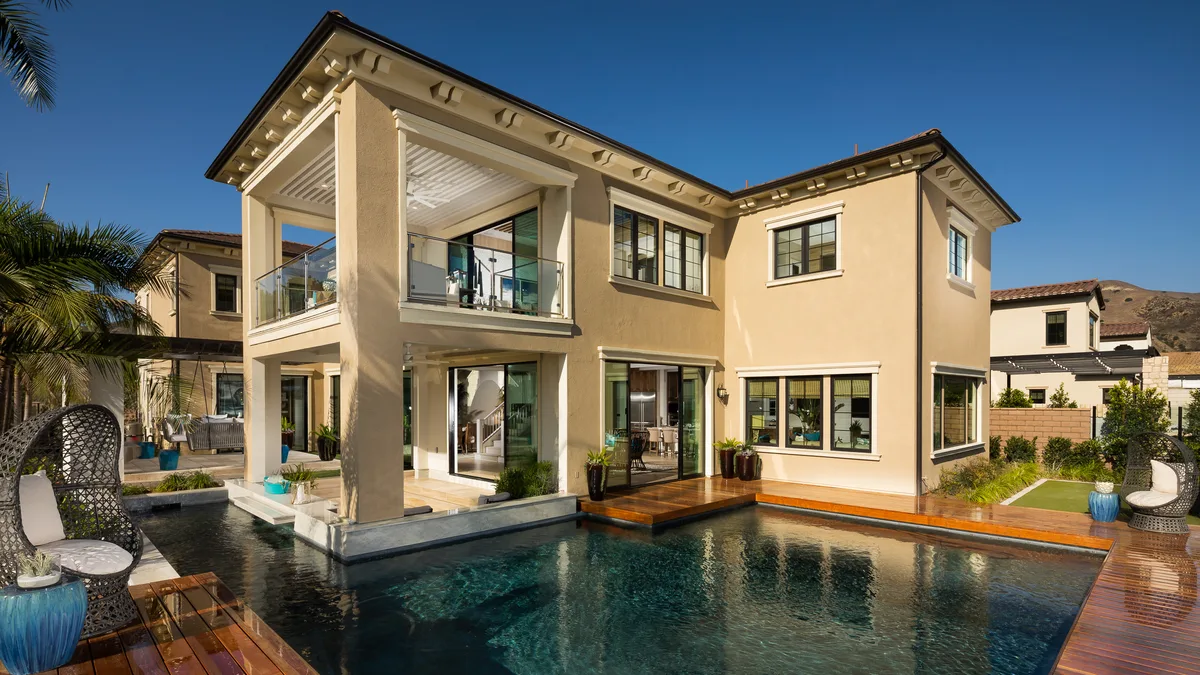
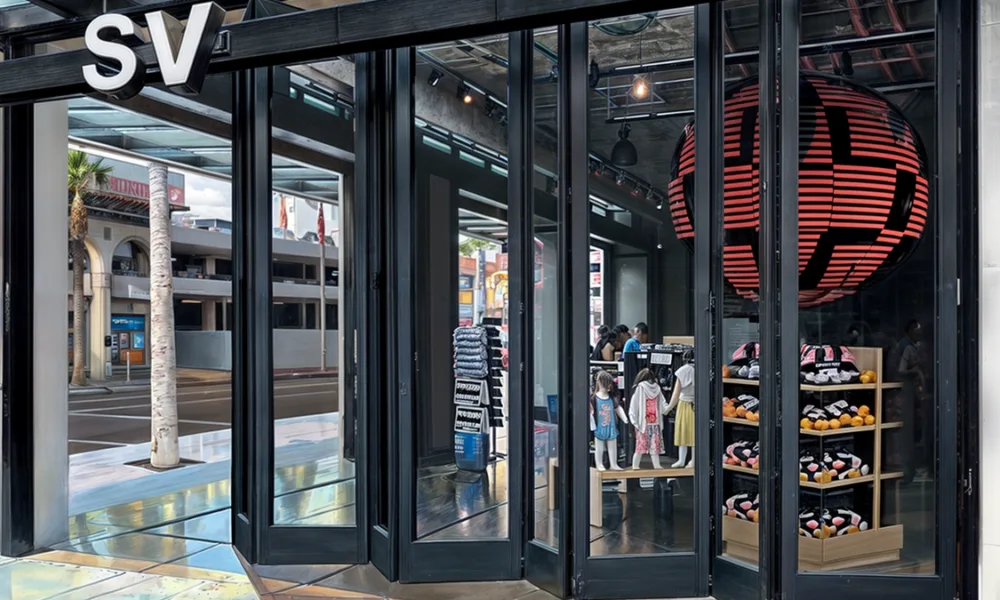
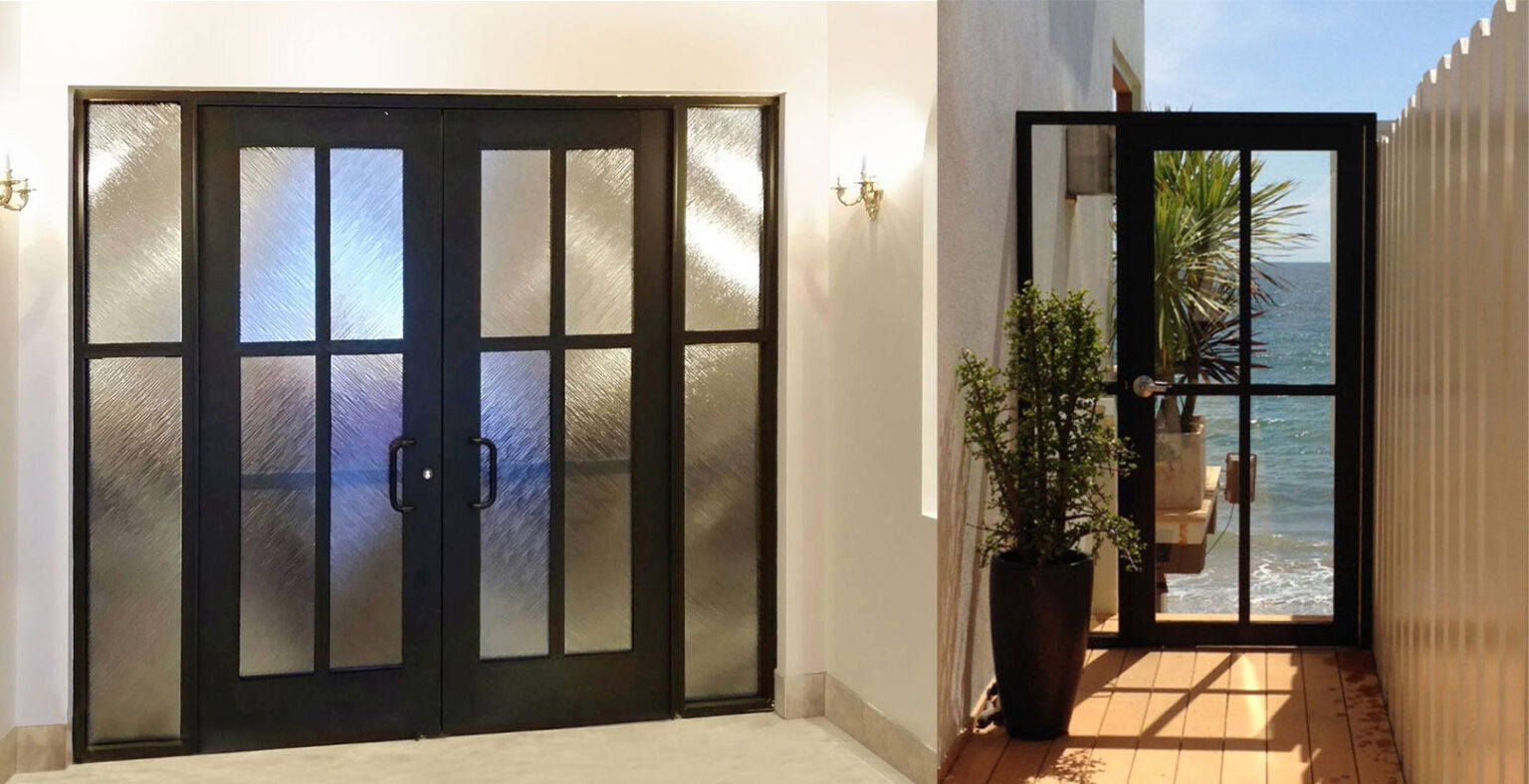
Bullet resistant windows can be incorporated into residential projects to reinforce vulnerable openings such as entry doors, street-facing windows, and ground-floor access points.

What Are Bulletproof Windows for Homes?

Bulletproof windows for homes are specially designed glazing systems built to provide a higher level of protection than standard residential glass. While many homeowners use the term “bulletproof windows,” the more accurate name is “bullet-resistant windows” or bullet-resistant glass, since these systems are engineered to resist specific types of ballistic threats rather than stop every projectile under all conditions.

In residential settings, this type of protection can be incorporated into windows, glass doors, sidelites, and other vulnerable openings where added security is needed. These systems are typically made with multiple layers of glass and high-strength interlayers that help absorb and disperse impact energy, making penetration much more difficult than with conventional glass.

For homeowners, the value of bullet-resistant windows is not only in ballistic protection. They can also strengthen exposed entry points, support a broader home security strategy, and provide greater peace of mind in properties where security is a serious concern.

Can You Install Bulletproof Windows in an Existing House?

Often, yes. Bullet resistant windows can often be installed in an existing house, but the feasibility depends on more than just replacing the glass itself. The frame system, hardware, opening size, and the level of protection required all play an important role in determining whether the existing setup can support a bullet resistant glazing solution.

For some homes, a retrofit may be possible if the current frames are structurally suitable and can handle the added thickness and weight of the new glass. In other cases, especially when higher protection levels are needed, it may be more effective to replace the full window or door system to ensure the installation performs as intended.

This is one of the most important points for homeowners to understand: bullet resistant protection is not only about the glass. The surrounding system matters too. A properly evaluated and specified solution helps ensure that the protection level, appearance, and long-term performance are aligned with the needs of the property.

Where Do Bulletproof Windows Make the Most Sense in a House?

Not every opening in a home requires the same level of protection. In most residential projects, bullet resistant windows make the most sense in areas that are more exposed, easier to access, or more important to protect during an emergency. The goal is not to turn the entire house into a hardened structure but to reinforce the points that create the greatest vulnerability.

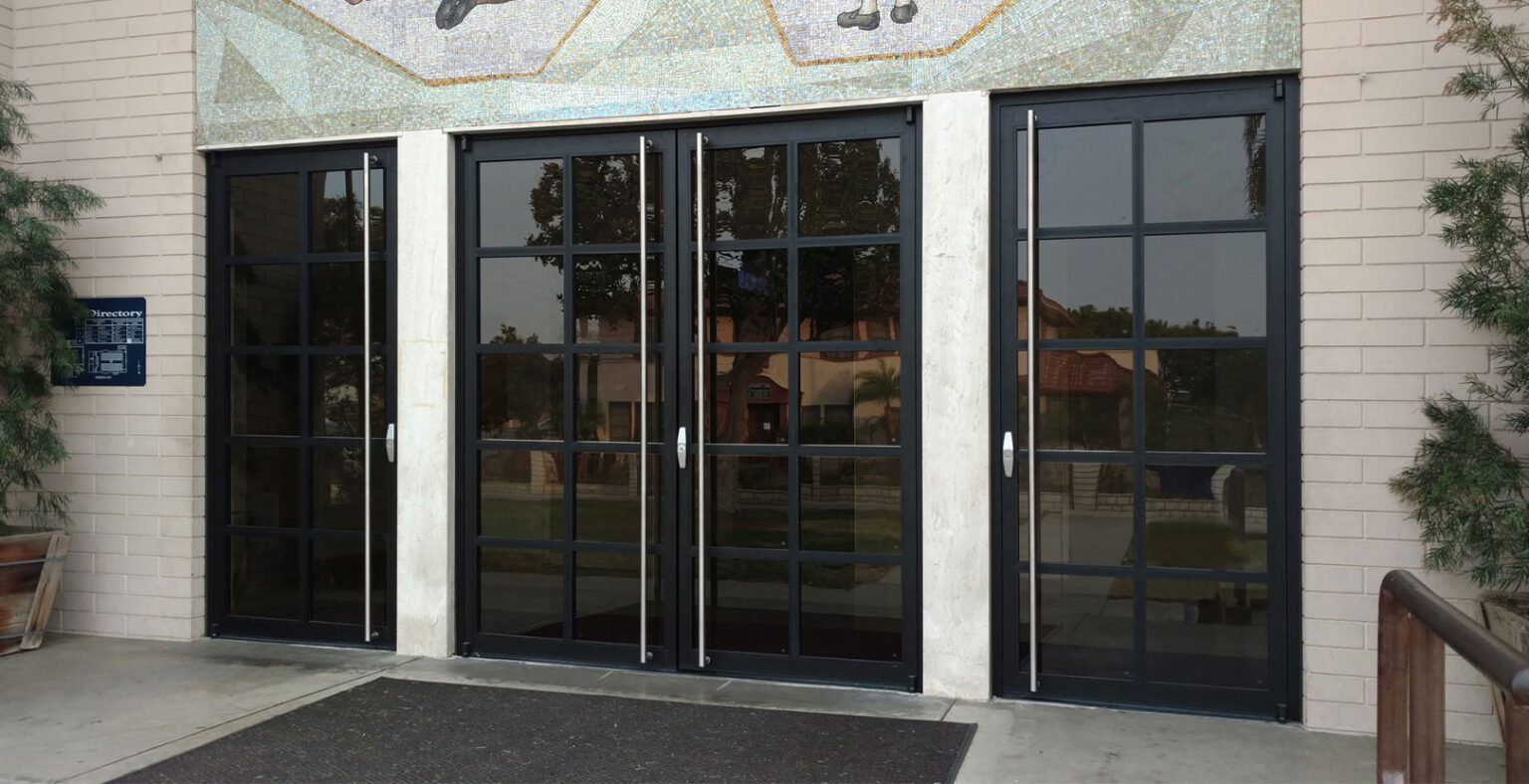
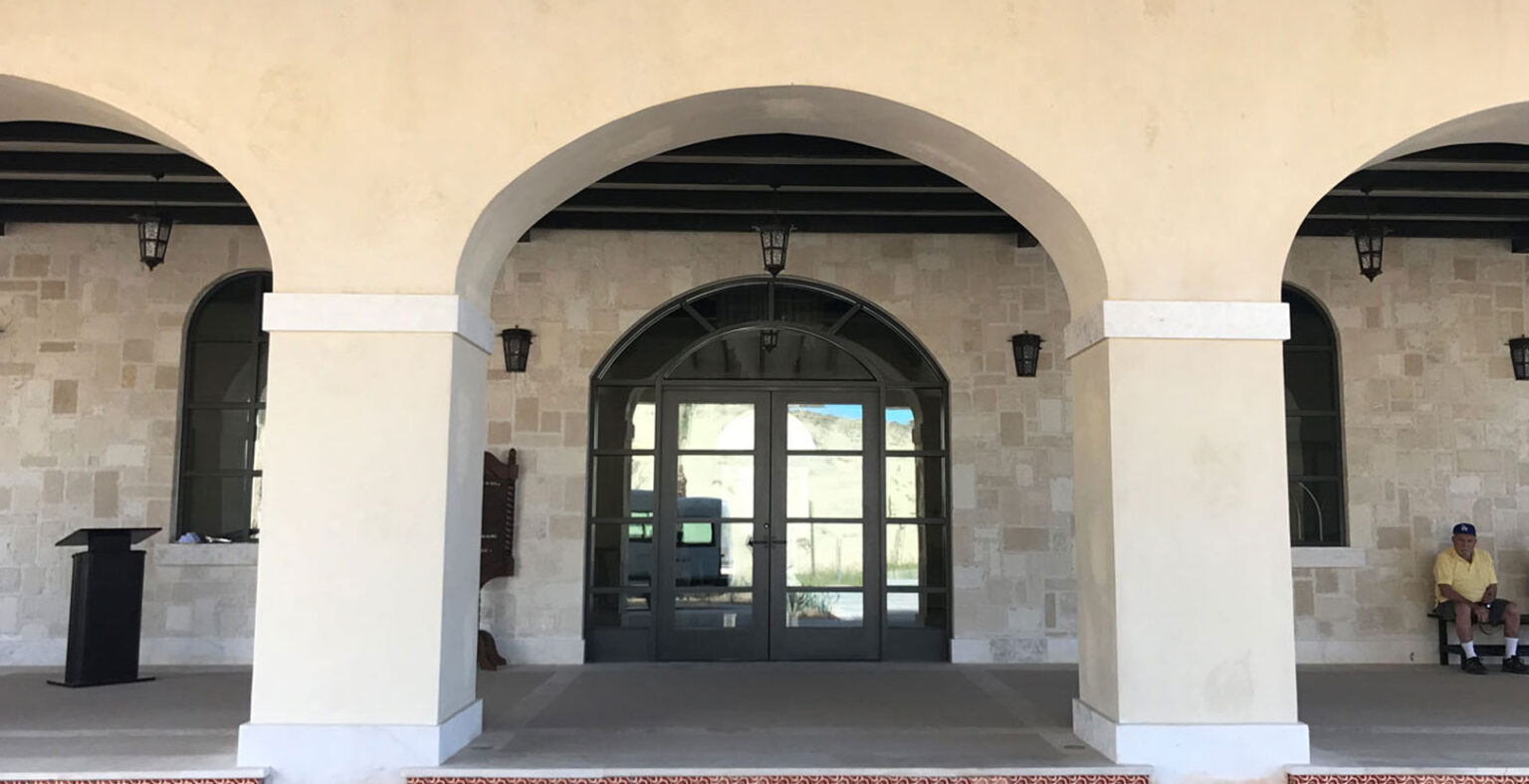
Some of the most common locations include front-facing windows, entry doors with glass inserts, sidelights next to the main entrance, patio or terrace doors, and ground-floor openings that are more visible or easier to reach from the outside. Homes with a safe room, private office, or areas where valuable assets are kept may also benefit from added protection in those specific spaces.

This type of planning allows homeowners to take a more strategic approach. In numerous instances, placing bullet resistant glazing in a few key locations can make far more sense than applying it uniformly throughout the property. It helps improve security where it matters most while keeping the project more practical in terms of design, scope, and budget.

Who Should Consider Bullet Resistant Windows at Home?

Bullet resistant windows are not a standard upgrade for every property, but they can make sense for homeowners with specific security concerns or a higher level of exposure. The right fit usually depends on the risk profile of the property, not on fear alone. That includes homes in areas with a greater history of break-ins, residences with highly visible street-facing openings, or properties where owners want stronger protection at vulnerable access points.

They may also be worth considering in luxury homes, isolated residences, houses with safe rooms, or properties where valuable assets are kept on site. In some cases, homeowners who already invest in layered security systems, such as surveillance cameras, reinforced doors, perimeter controls, and alarms, choose bullet resistant glazing as another part of a broader protection strategy. For these projects, the goal is often to reduce weak points rather than rely on one single security measure.

This type of solution can also be relevant for certain home-based businesses or residences where privacy, controlled access, and occupant protection are a higher priority. Rather than treating bullet resistant windows as a universal recommendation, it makes more sense to evaluate them as a targeted upgrade for homes where security planning is already an important consideration.

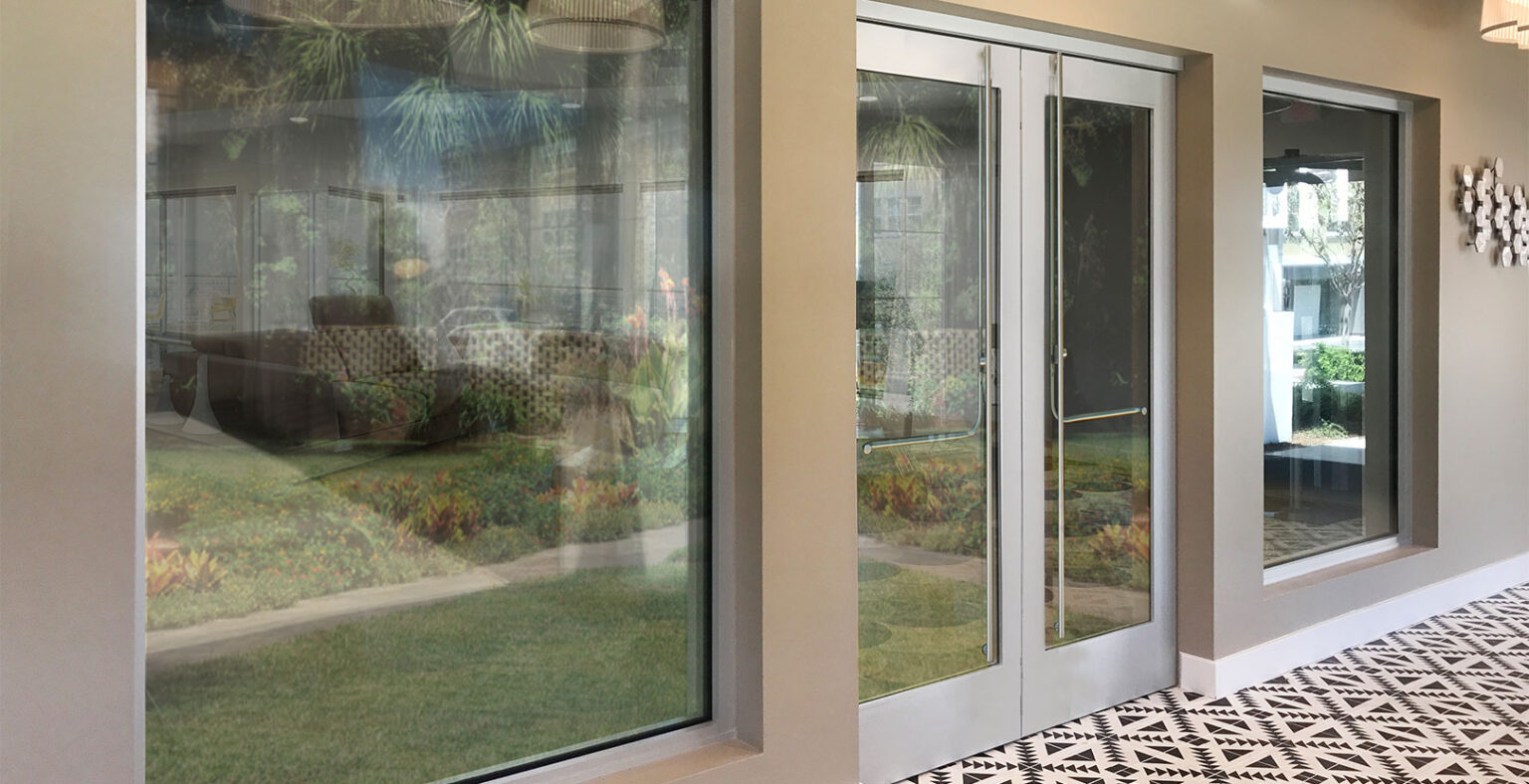
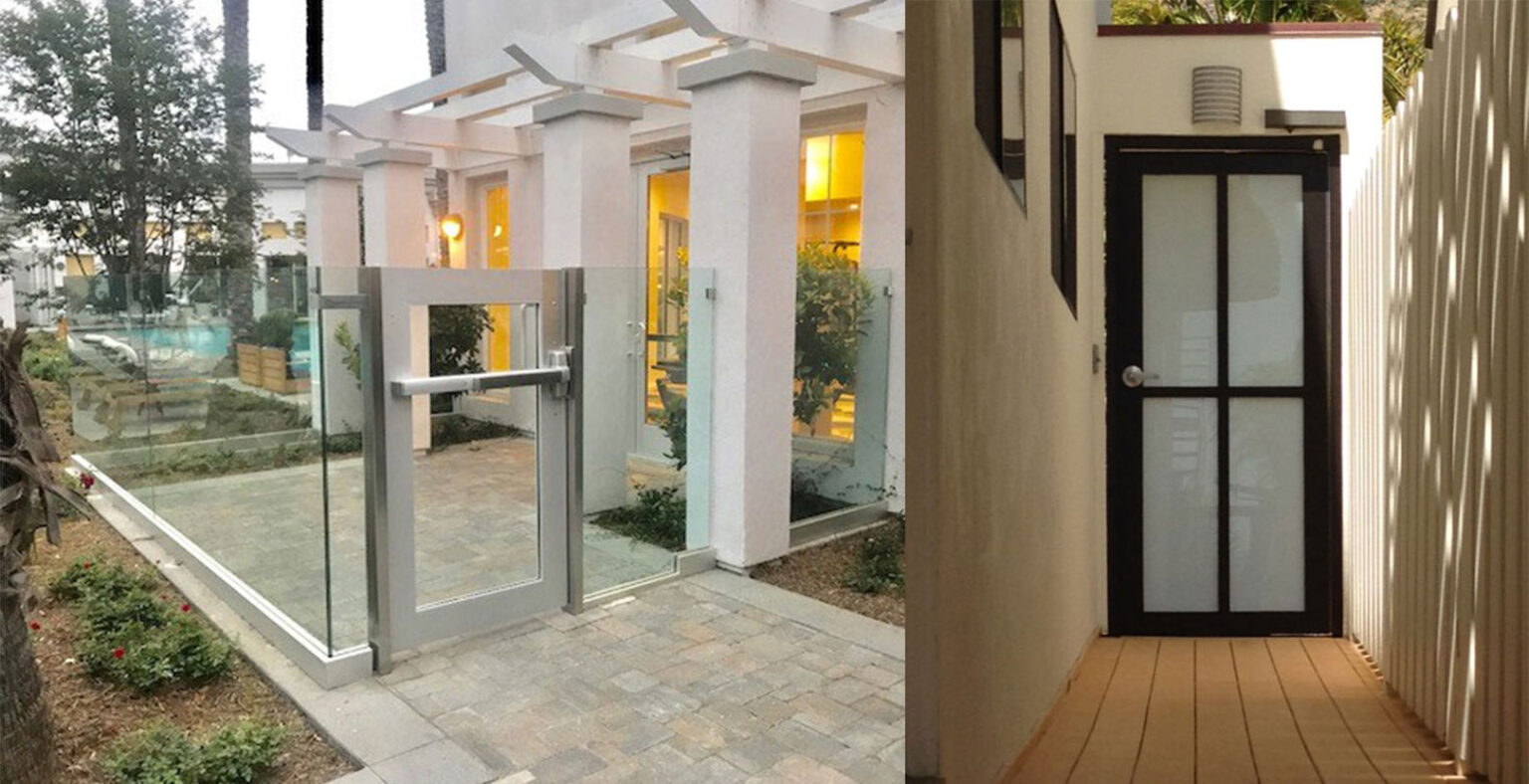
For many homeowners, bulletproof windows are considered as part of a broader residential security strategy, especially in properties with exposed glass areas or higher-risk access points.

What Affects the Cost of Bulletproof Windows for a House?

The cost of bulletproof windows for a house can vary significantly from one project to another. There is no single price point, because the final cost depends on the level of protection, the type of opening, and the complexity of the system required. In residential applications, pricing is usually shaped by both the glass itself and the structural elements needed to support it correctly.

Some of the main factors include the protection level selected (UL 725 or NIJ), the thickness and composition of the glass, the size of each window or glazed door, and whether the project involves standard dimensions or custom fabrication. Costs can also increase when frame reinforcement is needed, when an existing house requires retrofit adjustments, or when several openings must be upgraded as part of the same security plan.

For that reason, homeowners are usually better served by thinking in terms of project scope rather than looking for a generic square-foot price online. A smaller upgrade focused on key access points may be much more practical than trying to apply bullet resistant glazing throughout the entire home. The most efficient solution is usually the one that matches the actual risk, the layout of the house, and the desired level of protection without overengineering the project.

Are Bulletproof Windows Worth It for Homeowners?

For the right property, yes. Bullet resistant windows can be a worthwhile investment when security is a real concern and certain openings in the home are more exposed than others. Their value is not only in resisting ballistic threats but also in strengthening some of the most vulnerable parts of a house as part of a broader protection strategy.

For many homeowners, the real advantage is in targeted reinforcement. Glass doors, sidelights, street-facing windows, and ground-level openings are often among the weakest points in a property. Upgrading those areas with bullet resistant glazing can help improve protection, support deterrence, and provide more time to react in a critical situation. In some cases, it can also add long-term value by improving the overall security profile of the home.

That said, bullet resistant windows are not automatically the right solution for every house. They make the most sense when the level of protection is matched to the actual risk, the layout of the property, and the homeowner’s broader security goals. When used strategically, they can offer a level of confidence and resilience that standard residential glass simply cannot provide.

PRL Bullet Resistant Glass for Residential Projects

For homeowners considering a higher level of protection, choosing the right supplier is just as important as choosing the proper glass. A bullet resistant solution must be evaluated as a complete system, considering the level of protection required, the dimensions of the opening, the compatibility of the framing, and the overall design of the property.

At PRL Glass & Aluminum, we manufacture bullet resistant glass solutions for residential and light commercial applications, with options designed to balance security, clarity, and technical performance. We offer protection levels from 1 to 8, along with custom and standard sizes, helping homeowners and project teams find a solution that fits the security needs of the space without losing sight of aesthetics or functionality.

Our bullet resistant glass is designed to perform in a range of applications, including windows, entry doors, sidelites, and other vulnerable openings where added protection may be needed. For residential projects, the most effective approach is usually not choosing the heaviest system available but selecting the solution that best matches the real level of risk and the conditions of the property.

If you are evaluating bullet resistant windows for a house, our team can help you assess the right configuration for your project and determine which option makes the most sense from both a security and design perspective.

FAQs About Bulletproof Windows for Homes

Can bulletproof windows be installed in existing homes?

Yes, in numerous instances they can. Whether a retrofit is possible depends on the existing frame system, the size of the opening, and the level of protection required. In some projects, the current frames can be adapted, while in others a full system replacement may be the better option.

Do bulletproof windows look different from regular windows?

Not necessarily. Modern bullet resistant glazing can be integrated into residential projects without dramatically changing the appearance of the home. While thickness and system requirements may vary, many solutions are designed to preserve visibility, natural light, and a clean architectural look.

Are bulletproof windows only for luxury homes?

No. Although they are common in high-value residences, they can also make sense in other types of homes where security is a higher priority. The decision usually depends more on the property’s risk profile and vulnerable access points than on the price range of the house itself.

What affects the cost of bulletproof windows for a house?

Several factors influence cost, including the protection level selected, the thickness and composition of the glass, the size of the windows or doors, whether custom fabrication is needed, and whether the project involves retrofit work. The total cost is usually determined by the scope of the project, not by the glass alone.

Can bullet resistant glass be used in doors as well as windows?

Yes. It can be incorporated into windows, entry doors with glass, sidelights, patio doors, and other glazed openings where extra protection is needed. In residential projects, this flexibility makes it easier to reinforce the most exposed areas of the home.

What level of protection is usually considered for residential properties?

That depends on the specific risk, location, and type of property. In many residential applications, lower or moderate protection levels may be considered, but the right choice should always be based on a realistic assessment of the threat and the performance of the complete system.

PRL Glass and Aluminum in Arizona

Glass and Aluminum Manufacturers in Arizona – PRL Glass & Aluminum

If you’re searching for top-tier glass and aluminum doors in Arizona, PRL Glass & Aluminum is your trusted partner. Arizona’s growing construction market demands materials that are both efficient and resilient—qualities our products are engineered to deliver., PRL Glass & Aluminum is your trusted partner.

With decades of industry experience, we deliver custom architectural systems that combine strength, efficiency, and modern aesthetics for commercial and residential applications across the state.

Are You in Arizona? Get in Touch with PRL Glass & Aluminum 

If you need aluminum and glass doors in Arizona, trust PRL Glass & Aluminum for premium solutions. 

We serve in Phoenix, Tucson, Mesa, Chandler and More. 

Service 

Contact Number 

Aluminum Division 

📞 877-775-2586 

Glass Division 

📞 800-433-7044 

📍 Visit our locations in City of Industry, California and explore our wide range of innovative, high-quality aluminum and glass solutions!

High-Quality Glass and Aluminum Solutions in Arizona

PRL Glass & Aluminum specializes in manufacturing and distributing a variety of high-performance products, including:

We’re committed to precision manufacturing and top-grade materials, including compliance with ASTM standards and LEED-certified solutions., ensuring consistent quality and tailored solutions for every project.

Why Choose PRL Glass & Aluminum in Arizona?

PRL Glass & Aluminum proudly serves Phoenix, Tucson, Mesa, Scottsdale, Chandler, and surrounding cities, supporting projects such as residential complexes, hospitality developments, and energy-efficient office spaces., offering locally relevant solutions for the state’s booming construction sector.

  • Fast lead times and reliable production – Our facilities ensure timely delivery and precise fabrication.

  • Durable, energy-efficient products – Ideal for Arizona’s climate and building standards.

  • Tailored designs for every need – We create custom solutions for residential, commercial, and hospitality clients.

  • Support from industry experts – Our experienced team provides technical assistance and product recommendations.

PRL is present in Arizona with fast deliveries and our full guarantee.

Why Aluminum and Glass Are Ideal for Arizona Projects

Arizona’s building codes and sustainability goals are aligned with the advantages of aluminum and glass systems. These materials are becoming essential in both new developments and energy-efficient retrofits.

Arizona’s hot climate and modern development trends make aluminum and glass systems the go-to choice for construction professionals. Here’s why:

  • High Heat Resistance – Aluminum and treated glass stand up to extreme temperatures without warping or fading.

  • Energy Efficiency – Our systems improve building insulation and reduce cooling costs in Arizona’s warm environment.

  • Contemporary Design Appeal – Clean lines and open spaces align with popular architectural aesthetics in Phoenix, Tucson, and beyond.

  • Sustainable Construction – Recyclable and energy-saving, our systems support green building practices.

From Phoenix to Tucson, Mesa, and Scottsdale, PRL products are featured in a growing number of innovative and sustainable projects.

PRL Glass and Aluminum Available throughout the United States 

PRL Glass are in Arizona and all the country. With project customization and fast shipping, PRL is a leader in manufacturing and project design in the United States, delivering high quality glass solutions and aluminum systems.  

We service all 50 states in the United States. 

Texas 

California

Florida 

Nevada 

New York  

Follow us on social media ✅

Stay tuned for news, events, discounts and new products through the different social media channels.

PRL Glass and Aluminum in Nevada

Glass and Aluminum Manufacturers in Nevada – PRL Glass & Aluminum

If you are looking for premium glass and aluminum doors in Nevada, PRL Glass & Aluminum is your trusted provider. Our products are designed to withstand Nevada’s extreme temperatures while providing energy efficiency and modern aesthetics., PRL Glass & Aluminum is your trusted provider.

With decades of expertise, we deliver custom architectural solutions that combine style, durability, and energy efficiency for both commercial and residential projects.

Are You in Nevada? Get in Touch with PRL Glass & Aluminum 

If you need aluminum and glass doors in Nevada, trust PRL Glass & Aluminum for premium solutions. 

We Work in Las Vegas and all the State. 

Service 

Contact Number 

Aluminum Division 

📞 877-775-2586 

Glass Division 

📞 800-433-7044 

📍 Visit our locations in City of Industry, California and explore our wide range of innovative, high-quality aluminum and glass solutions!

High-Quality Glass and Aluminum Solutions in Nevada

PRL Glass & Aluminum specializes in manufacturing and distributing a variety of high-performance products, including:

Our commitment to precision engineering and premium materials ensures compliance with industry standards, including LEED certification and ASTM performance ratings, guaranteeing long-lasting performance and efficiency. ensures that our products meet the highest industry standards, delivering long-lasting performance and aesthetic appeal.

Why Choose PRL Glass & Aluminum in Nevada?

PRL Glass & Aluminum proudly serves Las Vegas, Reno, Henderson, North Las Vegas, and surrounding areas, addressing local architectural demands such as energy-efficient high-rise buildings, modern retail storefronts, and sustainable residential developments., providing tailored solutions for Nevada’s growing construction market.

  • Fast and reliable manufacturing – Local production ensures quick turnaround times and precise customization.

  • Premium-grade materials – Our products are designed for durability, energy efficiency, and compliance with modern building codes.

  • Custom solutions for every project – We offer personalized dimensions, finishes, and designs to match your needs.

  • Dedicated customer support – Our expert team assists in product selection, ensuring the best fit for your project.

PRL In Nevada

Why Aluminum and Glass Are a Smart Choice in Nevada

Nevada’s construction industry embraces aluminum and glass due to their compliance with state energy efficiency regulations and sustainability initiatives. These materials play a key role in modern urban developments, offering long-term benefits in both commercial and residential projects.

Nevada’s rapid urban expansion and climate conditions make aluminum and glass the preferred materials for modern construction. The key benefits include:

  • Extreme Climate Resistance – Aluminum and glass withstand Nevada’s high temperatures and dry conditions while maintaining efficiency.

  • Energy Efficiency – Glass facades and aluminum framing help regulate indoor temperatures, reducing cooling costs in Nevada’s hot summers.

  • Aesthetic Versatility – Modern architectural trends favor sleek, open designs that maximize natural light.

  • Sustainability – Recyclable aluminum and energy-efficient glass contribute to greener buildings and lower environmental impact.

From Las Vegas to Reno, Henderson, and beyond, developers and homeowners are incorporating glass and aluminum solutions for long-term sustainability and cutting-edge design.

PRL glass and Aluminum Available throughout the United States 

PRL Glass are in Nevada and all the country. With project customization and fast shipping, PRL is a leader in manufacturing and project design in the United States, delivering high quality glass solutions and aluminum systems.  

We service all 50 states in the United States. 

 Texas 

 California

 Florida 

 New York 

Arizona 

Follow us on social media ✅

Stay tuned for news, events, discounts and new products through the different social media channels.

PRL Glass & Aluminum Manufacturers in Florida

Glass and Aluminum Manufacturers in Florida – PRL Glass & Aluminum

If you are looking for top-quality glass and aluminum doors in Florida, PRL Glass & Aluminum is your go-to provider. Our products are designed to meet Florida’s unique climate challenges, providing impact resistance, energy efficiency, and a sleek, modern aesthetic., PRL Glass & Aluminum is your go-to provider.

With extensive industry experience, we offer custom architectural solutions designed to enhance aesthetics, durability, and energy efficiency for both residential and commercial properties.

Are You in Florida? Get in Touch with PRL Glass & Aluminum 

If you need aluminum and glass doors in Florida, trust PRL Glass & Aluminum for premium solutions. 

We serve in Miami, Tampa, Jacksonville and More. 

Service 

Contact Number 

Aluminum Division 

📞 877-775-2586 

Glass Division 

📞 800-433-7044 

📍 Visit our locations in City of Industry, California and explore our wide range of innovative, high-quality aluminum and glass solutions!

Premium Glass and Aluminum Solutions in Florida

PRL Glass & Aluminum specializes in manufacturing and distributing high-performance products in Florida, including:

Our commitment to precision craftsmanship and premium materials ensures compliance with industry standards such as ASTM and Miami-Dade County hurricane impact certifications, guaranteeing superior performance and safety. guarantees superior performance and customized solutions for every project.

Why Choose PRL Glass & Aluminum in Florida?

PRL Glass & Aluminum proudly serves Miami, Orlando, Tampa, Jacksonville, Fort Lauderdale, and surrounding areas, addressing local architectural trends such as modern high-rise buildings, energy-efficient storefronts, and impact-resistant residential upgrades., delivering premium glass and aluminum solutions tailored to local requirements.

  • Fast and reliable manufacturing – We ensure quick delivery and precision fabrication.

  • Premium-grade materials – Our products provide superior durability and energy efficiency.

  • Custom solutions for every project – Tailored dimensions, finishes, and styles to fit any architectural design.

  • Expert customer support – Our experienced team helps you select the best products for your project.

PRL Glass & Aluminum in Florida

Why Aluminum and Glass Are Essential in Florida

Florida’s construction industry is embracing aluminum and glass due to their compliance with the Florida Building Code (FBC) and hurricane safety regulations. These materials are now essential in both commercial and residential developments, ensuring structural integrity and energy efficiency.

Florida’s unique climate and architectural trends make aluminum and glass the preferred materials for new construction and renovation projects. Their popularity is driven by:

  • Hurricane Resistance – Impact-resistant glass and durable aluminum frames offer protection against extreme weather conditions.

  • Energy Efficiency – Glass facades and aluminum frames enhance insulation, reducing cooling costs in Florida’s warm climate.

  • Modern Aesthetic – Contemporary designs that elevate the look of residential and commercial properties.

  • Sustainability – Aluminum is recyclable, and glass optimizes natural lighting, making buildings more eco-friendly.

From Miami to Orlando, Tampa, Jacksonville, and beyond, businesses and homeowners are choosing high-performance glass and aluminum solutions to meet their architectural and energy efficiency needs.

PRL glass and Aluminum Available throughout the United States 

PRL Glass are in Florida and all the country. With project customization and fast shipping, PRL is a leader in manufacturing and project design in the United States, delivering high quality glass solutions and aluminum systems.  

We service all 50 states in the United States. 

 Texas 

 California

 Arizona 

Nevada

New York

Follow us on social media ✅

Stay tuned for news, events, discounts and new products through the different social media channels.

PRL Glass and Aluminum Manufacturers in Texas

Glass and Aluminum Manufacturers in Texas – PRL Glass & Aluminum

If you are looking for high-quality glass and aluminum doors in Texas, PRL Glass & Aluminum is your trusted supplier. Our products are designed to withstand Texas’ extreme climate while providing modern aesthetics and energy efficiency., PRL Glass & Aluminum is your manufacturer.

With decades of expertise, we provide custom architectural solutions that enhance aesthetics, durability, and efficiency for both residential and commercial projects across the state.

Are You in Texas? Get in Touch with PRL Glass & Aluminum 

If you need aluminum and glass doors in Texas, trust PRL Glass & Aluminum for premium solutions. 

We serve in Dallas, Houston, San Antonio, Austin, Forth Worth, El Paso and all the State

Service 

Contact Number 

Aluminum Division 

📞 877-775-2586 

Glass Division 

📞 800-433-7044 

📍 Visit our locations in City of Industry, CA

Premium Glass and Aluminum Solutions in Texas

At PRL Glass & Aluminum, we specialize in manufacturing and distributing a wide range of products, including:

Our commitment to precision manufacturing and premium materials ensures that each product meets the highest industry standards, including compliance with LEED certification and ASTM performance ratings. ensures that each product meets the highest industry standards and is tailored to fit your specific needs.

Why Choose PRL Glass & Aluminum in Texas?

PRL Glass & Aluminum proudly serves Houston, Dallas, Austin, San Antonio, Fort Worth, El Paso and more,  catering to the unique architectural demands of each region, from hurricane-resistant glass in coastal areas to energy-efficient designs for urban developments., providing high-quality glass and aluminum solutions tailored to local needs.

  • Fast and reliable manufacturing – We produce locally to ensure quick delivery times.

  • Premium-grade materials – Our products offer superior durability and energy efficiency.

  • Custom solutions for every project – We provide tailor-made dimensions, finishes, and styles.

  • Expert customer support – Our dedicated team helps you select the best products for your application.

PRL is present in California with fast deliveries and our full guarantee.

Why Aluminum and Glass Are a Top Choice in Texas

The use of aluminum and glass in Texas has been rapidly increasing, with major projects such as high-rise buildings in Houston and energy-efficient office spaces in Dallas opting for these materials due to their sustainability and durability.

Texas is experiencing rapid urban and commercial growth, leading to a high demand for modern, energy-efficient, and sustainable building materials. Aluminum and glass are widely used for:

  • Energy Efficiency – Glass facades and aluminum frames improve insulation, reducing energy costs.

  • Durability & Weather Resistance – Texas’ climate demands strong materials that withstand heat, humidity, and storms.

  • Aesthetic Appeal – Contemporary designs that enhance commercial and residential properties.

  • Sustainability – Aluminum is recyclable, and glass optimizes natural lighting, making buildings more eco-friendly.

These factors make aluminum and glass essential for new construction and renovation projects in Houston, Dallas, Austin, San Antonio, Forth Worth, Amarillo and beyond.

PRL glass and Aluminum Available throughout the United States 

PRL Glass are in Texas and all the country. With project customization and fast shipping, PRL is a leader in manufacturing and project design in the United States, delivering high quality glass solutions and aluminum systems.  

We service all 50 states in the United States. 

 California 

Florida

Nevada 

Arizona

New York 

If you use air conditioning in the summer, you may want to consider our Thermally Broken Systems.

How Can I Reduce My Energy Bill If I Use Air Conditioning?

Home / Articles posted byEduardo Savin

As temperatures rise during the summer months, keeping your home comfortable can become a challenge, especially when air conditioning drives up electricity use. The good news is that small changes in thermostat settings, maintenance, and home efficiency can make a noticeable difference without sacrificing comfort.

The U.S. Department of Energy (DOE) estimates that air conditioning accounts for about 6% of all electricity consumed in the United States, roughly $29 billion in annual costs for homeowners.

The U.S. Energy Information Administration (EIA) also notes that households typically spend more on electricity during summer, and in hot, humid states such as Florida or Louisiana, air conditioning can represent a significant share of monthly energy use (in some cases, up to around 27%).

On top of higher seasonal demand, many utilities apply summer rate increases. The EIA projects that, on average, U.S. households will pay about 2% more on electricity this year, making it even more important to use air conditioning efficiently and reduce unnecessary energy waste.

Why Is My Energy Bill So High?

Rising electricity bills have become a common concern for homeowners across the United States, especially during periods of extreme weather. While air conditioning is a major contributor, it is not the only factor influencing higher energy costs.

In 2026, the average monthly electric bill in California is projected to reach around $186, well above the national average of approximately $144. This difference reflects a combination of higher electricity rates, increased demand during heat waves, and regulatory adjustments approved by the California Public Utilities Commission (CPUC).

Customers of the state’s three largest utilities often experience higher per-kilowatt-hour (kWh) costs compared to the national average:

  • Pacific Gas & Electric (PG&E)
  • Southern California Edison (SCE)
  • San Diego Gas & Electric (SDG&E)

However, this trend is not limited to California. Across the country, many households report gradual increases in electricity bills year after year. One of the key drivers is the growing frequency of extreme weather events.

According to the Environmental Protection Agency (EPA), summers are becoming hotter on average, increasing demand for air conditioning and placing additional pressure on power grids. Research from the American Geophysical Union suggests that energy demand for cooling could rise between 8% and 13% over the next decade.

At the same time, colder and more unpredictable winters have increased reliance on heating systems. As a result, many homes now depend on electricity for temperature control during most of the year, not just in summer, making energy efficiency an ongoing concern rather than a seasonal one.

In summer, electricity bills are usually much higher due to air conditioners.

How Many Watts Does an AC Unit Use?

As we’ve seen, air conditioners and heating systems are among the most energy-intensive appliances in a home, along with refrigerators, televisions, and washing machines. Even though newer models are more efficient than older ones, cooling systems can still have a significant impact on monthly electricity bills, especially during peak summer months.

The exact amount of electricity an air conditioner uses depends on several factors, including system type, size, efficiency rating, climate, and how often it runs. Below are typical wattage ranges to help estimate energy use:

Window air conditioners: Designed for small spaces, these units are relatively easy to install and generally more energy-efficient than larger systems when used appropriately. Depending on size and efficiency, they typically consume between 500 and 1,400 watts per hour.

  • Portable air conditioners: These units offer flexibility and mobility, but they usually consume more energy due to lower efficiency and the need for exhaust hoses. Average consumption ranges from 2,900 to 4,100 watts per hour, depending on capacity.
  • Mini-split and ductless systems: Mini-splits are known for their efficiency, especially in homes without existing ductwork. Most mini-split units consume between 700 and 2,000 watts per hour, while larger ductless systems may use around 2,000 watts per hour, depending on load and usage.
  • Central air conditioning: Central AC systems are designed to cool entire homes and are typically sized by “tons” of cooling capacity. A common rule of thumb is about 1,000 watts per ton. For example, a 2,000-square-foot home often requires around 3.5 tons, resulting in approximately 3,500 watts per hour when the system is running.
  • Fan-only mode (central systems): Using fan-only mode allows air circulation without activating the cooling cycle. While it does not lower temperatures, it can improve comfort and air distribution, with an average consumption of around 750 watts per hour.

Important: These figures represent averages. Actual energy use can vary widely depending on insulation quality, thermostat settings, outdoor temperatures, and system efficiency ratings (such as SEER).

What’s the Best AC Temperature for Energy Efficiency?

Every summer, the same question comes up: What temperature should I set my air conditioner to in order to stay comfortable without driving up my energy bill?

According to the U.S. Department of Energy, a widely recommended balance between comfort and efficiency is setting the thermostat to 78°F (25°C) when you’re at home.

This recommendation is based on the idea that each degree you lower the thermostat increases the workload on your air conditioner and raises energy consumption. Even small adjustments can have a noticeable impact on monthly electricity costs.

That said, there is no single “perfect” temperature for every household. The ideal setting can vary depending on several factors, including:

  • Indoor humidity levels
  • Home insulation and air sealing
  • The efficiency and age of the AC system
  • Personal comfort and heat tolerance

Some people prefer lowering the temperature slightly for comfort, while others keep it higher and rely on ceiling fans, blinds, or improved ventilation to stay cool. Using these complementary strategies often allows homeowners to raise the thermostat a few degrees without losing comfort, resulting in lower energy use over time.

How to Save Energy on Air Conditioning in Summer

When looking at electricity costs and cooling consumption, many homeowners wonder how to reduce their energy bills while still using air conditioning. Completely avoiding AC use is often unrealistic (especially during extreme heat) so the key is learning how to use it more efficiently.

Fortunately, a combination of small habit changes, basic maintenance, and home efficiency improvements can significantly reduce energy use without sacrificing comfort. Below are practical strategies that can help lower cooling costs during the summer.

Install an Efficient Window and Door System

Windows and doors play a major role in how much heat enters or escapes a home. In fact, a significant portion of indoor temperature loss or gain occurs through poorly insulated openings, forcing air conditioners to run longer to maintain comfort.

During summer, heat enters through windows and doors; in winter, conditioned indoor air escapes. This constant exchange increases energy demand and raises electricity bills.

Modern window and door systems, often made of aluminum and glass with advanced insulation features, are designed to create a protective barrier between indoor and outdoor environments. When properly installed, they help stabilize interior temperatures and reduce the workload on heating and cooling systems.

One example is thermally broken systems, which use an insulating barrier within the frame to limit heat transfer between interior and exterior surfaces. This technology improves overall thermal performance and complements high-efficiency glazing.

In traditional frames, heat and cold can easily pass through conductive materials, reducing the effectiveness of even high-performance glass. Thermally broken systems interrupt this transfer, helping maintain more consistent indoor temperatures and improving energy efficiency, particularly in homes exposed to strong sunlight or extreme outdoor temperatures.

Note: The energy savings from upgrading windows and doors vary depending on climate, home design, and existing insulation. These systems tend to deliver the greatest impact when combined with other efficiency measures such as proper sealing, shading, and optimized thermostat settings.

Systems such as the Thermally Broken System help prevent the ingress of external temperatures, such as heat or cold, allowing electrical energy savings.

Set Your Thermostat Wisely

The U.S. Department of Energy recommends setting your thermostat to 78°F (25°C) when you’re at home and increasing it when you’re away.

Raising the temperature by 7–10 degrees for several hours a day (such as during work hours) can lead to meaningful energy savings over time. For added efficiency, programmable or smart thermostats can automatically adjust settings based on your schedule and reduce unnecessary cooling.

Take Advantage of Lower Energy Rates

Many electric utilities offer programs designed to encourage off-peak energy use, including:

  • Time-based rate plans, which charge less during lower-demand hours
  • Energy efficiency incentives, such as rebates for home upgrades or efficient appliances

Checking with your local energy provider can help you identify opportunities to reduce costs without changing comfort levels.

Use Natural Shade and Sun Protection

Sun exposure is one of the main contributors to indoor heat gain. Blocking direct sunlight can significantly reduce the amount of cooling your home needs. Effective strategies include:

  • Planting trees or shrubs near sun-facing windows
  • Installing awnings, pergolas, or exterior shades
  • Using thermal curtains, blackout blinds, or reflective window coverings

These measures help limit heat buildup during the hottest parts of the day.

Optimize Window Use and Ventilation

Ventilation can be an effective cooling aid when used strategically:

  • Let cooler air in during the evening or early morning, then close windows during the day
  • In dry climates, use ceiling fans to improve air circulation and enhance comfort
  • In humid environments, dehumidifiers can reduce the strain on air conditioning systems by improving perceived comfort

Reduce the Use of Heat-Generating Appliances

Household appliances such as ovens, stovetops, and dryers generate additional indoor heat. To minimize this effect:

  • Cook during cooler hours or use smaller appliances like microwaves
  • Run dryers only when necessary
  • Consider outdoor cooking options during extreme heat

Keep Your Air Conditioner in Optimal Condition

Routine maintenance is essential for efficient operation. A well-maintained system can reduce energy use and extend equipment lifespan. Basic maintenance tips include:

  • Cleaning or replacing air filters every 1–2 months
  • Inspecting and cleaning evaporator and condenser coils
  • Keeping the area around the outdoor unit free of debris

Lack of maintenance can cause an air conditioner to work longer than necessary, increasing energy consumption and wear.

Seal Air Leaks and Improve Insulation

Air leaks reduce efficiency by allowing cool air to escape.

  • Apply weatherstripping to doors and windows
  • Seal visible gaps or cracks
  • Improve insulation in ceilings or walls where possible

Proper sealing helps maintain stable indoor temperatures and reduces cooling demand.

Use Efficient Appliances and Turn Off Unused Devices

Energy-efficient appliances can significantly lower overall electricity use.

  • Choose ENERGY STAR® certified devices, which typically consume less energy
  • Unplug electronics when not in use to avoid standby (“phantom”) power consumption
  • Use smart power strips to automatically cut power to unused devices

Consider More Efficient Cooling Systems

Older air conditioners tend to consume more energy. If your system is over 10 years old, upgrading may lead to long-term savings. More efficient options include:

  • Mini-split or ductless systems, which reduce energy loss from ductwork
  • Inverter-based air conditioners, which adjust output and reduce energy spikes

Use Cooler Areas of the Home

Cool air naturally settles in lower levels of a home.

  • Spend time in basements or ground floors during peak heat
  • Limit cooling in unused rooms

Reduce Indoor Heat with LED Lighting

Traditional incandescent bulbs generate excess heat.

  • Replace them with LED lighting, which uses less energy and emits minimal heat
  • This reduces both cooling demand and electricity costs

Install Solar Panels for Long-Term Savings

For homeowners seeking a long-term solution, solar panels can help offset electricity use and reduce reliance on the grid.

Potential benefits include:

  • Lower overall energy consumption
  • Protection against future rate increases
  • Increased energy independence

Some states also offer incentives or tax credits to support solar installation.

Quick Ways to Reduce Your AC Energy Bill (5–15% Savings)

Before making major upgrades or investments, there are several low-effort actions that can immediately reduce air conditioning costs. Many of these adjustments require little to no expense and can deliver measurable savings over time.

  • Clean or replace air filters regularly: Dirty filters restrict airflow and force the system to work harder. Replacing or cleaning filters every 30–60 days can reduce energy use by 5–15%.
  • Adjust the thermostat by a few degrees: Setting the thermostat between 75–78°F (24–26°C) while at home helps balance comfort and efficiency. Raising the temperature 7–10°F when you’re away for several hours can lead to noticeable savings over the course of a month.
  • Use ceiling fans to boost comfort: Ceiling fans improve air circulation and allow you to raise the thermostat by up to 4°F without losing comfort. Fans use significantly less electricity than air conditioners.
  • Close blinds and curtains during peak sunlight hours: Blocking direct sunlight (especially on south- and west-facing windows) helps prevent indoor heat buildup and reduces cooling demand.
  • Turn off cooling in empty rooms: Closing doors and vents in unused spaces prevents wasted energy and helps the system cool occupied areas more efficiently.

Tip: Small, consistent adjustments often have a greater long-term impact on energy bills than short periods of extreme cooling.

Check Airflow and Ductwork for Hidden Energy Losses

Even a well-maintained air conditioner can waste a significant amount of energy if airflow is restricted or if cooled air is leaking before it reaches living spaces. In many homes, these hidden losses go unnoticed and quietly increase electricity bills.

Inspect and Seal Air Ducts

In homes with central air conditioning, ductwork plays a critical role in distributing cool air efficiently. Poorly sealed, damaged, or uninsulated ducts can allow 20–30% of cooled air to escape into unconditioned spaces such as attics, crawl spaces, or walls.

To reduce these losses:

  • Inspect visible ductwork for loose connections or damage
  • Seal leaks using mastic sealant or metal-backed HVAC tape
  • Ensure ducts running through unconditioned areas are properly insulated

If airflow feels weak in certain rooms or cooling is uneven, a professional duct inspection may be necessary.

Keep Vents and Registers Clear

Blocked or closed vents can disrupt airflow and increase system strain.

  • Make sure vents are not covered by furniture, rugs, or curtains
  • Keep supply and return registers open in occupied rooms
  • Avoid closing too many vents at once, as this can unbalance the system

Proper airflow allows the air conditioner to cool more efficiently and maintain consistent indoor temperatures.

Use Energy-Saving Features When Available

Some air conditioning systems include energy saver or eco modes that automatically cycle the compressor and fan to reduce unnecessary power use once the desired temperature is reached. Activating these features can help lower energy consumption without affecting comfort.

Why this matters: Improving airflow and sealing ducts often delivers noticeable energy savings without replacing the air conditioning system—making it one of the most cost-effective efficiency upgrades.

Rising energy costs don’t mean you have to give up air conditioning during the summer. In most homes, high electricity bills are the result of small inefficiencies adding up over time, from thermostat settings and maintenance habits to airflow issues and heat entering through windows and doors.

By focusing first on low-effort adjustments (such as cleaning filters regularly, using fans strategically, blocking direct sunlight, and adjusting the thermostat by a few degrees) many households can see meaningful savings without making major changes. Regular maintenance and proper airflow further ensure that your system operates efficiently when you need it most.

For longer-term improvements, enhancing insulation, sealing air leaks, upgrading aging equipment, or investing in more efficient cooling solutions can help stabilize indoor temperatures and reduce energy use year-round. The most effective approach is often a combination of habits, maintenance, and targeted upgrades, tailored to your climate and home design.