Loading

Different types of architectural glass used in commercial and residential projects

Types of Glass Explained: A Quick Guide to the PRL Catalog

Home / Articles posted byEduardo Savin

Glass isn’t just a transparent panel used to enclose windows. Over time, it’s become a design element as well as a functional barrier against risks such as ballistic threats, cold weather, hurricane winds, and more. 

PRL offers a wide range of architectural glass solutions for residential, commercial, and industrial applications. This guide presents the main types of glass available in the PRL catalog, explained clearly and directly through brief definitions, general characteristics, and common uses, serving as a quick reference resource. 

Each product also has its own dedicated development, where technical specifications, configurations, and specific applications are explored in greater detail

Architectural glass types including laminated, Low-E, tinted, and reflective glass by PRL

Clear & Specialty Glass 

These solutions are focused on providing transparency and visibility for projects where maximum clarity and true color representation are required. 

Clear Glass 

Clear glass is a transparent glass that allows maximum light transmission and delivers clear visibility without color distortion. 

Features 

  • High optical clarity 
  • Neutral and uniform appearance 
  • Base glass for processes such as tempering, laminating, and coatings 

Common uses 

  • Windows 
  • Glass doors 
  • Interior and exterior architectural applications 

Available thicknesses 

  • 1/8″, 3/16″, 1/4″, 3/8″, 1/2″, 5/8″, and 3/4″ 

Low Iron Glass 

Low iron glass reduces the iron content found in standard glass, resulting in superior transparency and more accurate color reproduction. 

Features 

  • Enhanced visual clarity 
  • Clear edges without greenish tint 
  • Ideal for projects with high aesthetic requirements 

Common uses 

  • Architectural facades 
  • Display cases and storefronts 
  • Decorative and design-focused applications 

Available thicknesses 

  • 3/16″, 1/4″, 3/8″, 1/2″, 5/8″, and 3/4″ 

Misco Wire Glass 

Misco wire glass incorporates an internal metal wire mesh, combining an industrial aesthetic with improved glass retention in the event of breakage. 

Features 

  • Integrated wire mesh 
  • Industrial and functional appearance 
  • Available only in annealed glass 

Common uses 

  • Industrial applications 
  • Function-focused architectural projects 
  • Specialty doors and windows 

Available thickness 

  • 1/4″ (annealed only) 

Energy & Performance Glass 

This group of glass products is designed to improve the thermal and energy performance of projects by helping control heat transfer, reduce energy consumption, and increase interior comfort. 

Low-E Glass 

Low-E (low emissivity) glass features a specialized coating that reduces heat transfer through the glass, helping maintain more stable indoor temperatures without affecting natural light transmission. 

Features 

  • Improves energy efficiency 
  • Reduces heat gain and heat loss 
  • Provides UV protection 

Common uses 

  • Exterior windows 
  • Architectural facades 
  • Energy-efficient residential and commercial projects 

Available thicknesses 

  • 1/8″, 3/16″, and 1/4″ 

Insulated Glass Units (IGU’s) 

Insulated glass units (IGUs) are composed of two or more glass panes separated by a sealed air space, creating a thermal barrier that enhances energy performance. 

Features 

  • Improved thermal insulation 
  • Reduced heating and air conditioning energy consumption 
  • Compatible with low-E and reflective glass 

Common uses 

  • Residential windows 
  • Commercial buildings 
  • Industrial applications 

General information 

  • Helps retain heat in cold climates and blocks heat in warm climates 
  • Contributes to reducing condensation and exterior noise 

Laminated Glass 

Laminated glass is designed to provide increased safety, performance, and versatility. It’s composed of two or more glass layers bonded together with one or more interlayers. This configuration allows the glass to remain intact in the event of breakage, improving protection and comfort. 

Features 

  • Increased safety and glass retention in the event of impact 
  • Reduction of exterior noise 
  • Blocks up to 99% of UV rays 
  • Available in multiple configurations and thicknesses 

Common uses 

  • Facades and storefronts 
  • Glass railings and architectural applications 
  • Residential and commercial projects 

Within the laminated glass category, there are several subtypes that perform better depending on their specific characteristics or the market they’re designed for, including the following: 

Impact Resistant Glass 

Impact resistant glass is laminated glass designed to withstand high levels of impact without shattering. It’s ideal for applications requiring enhanced protection and durability. 

Features 

  • High resistance to repeated impacts 
  • Maintains structural integrity 
  • Suitable for interior and exterior applications 

Switch-It / Privacy Glass 

Laminated Privacy glass allows an instant transition from transparent to opaque through an activation system. 

Features 

  • On-demand privacy 
  • Improved visual and acoustic control 
  • Suitable for residential and commercial environments 

Bullet Resistant Glass 

Laminated security glass designed to protect against various levels of ballistic threat. 

Features 

  • Protection levels from 1 to 8 
  • Thinner and lighter than other solutions on the market 
  • Available in different shades and configurations 

Sound Control Glass 

Laminated glass manufactured with specialized acoustic interlayers to reduce sound transmission. 

Features 

  • Acoustic-grade PVB interlayer 
  • High-performance noise control 
  • Compatible with insulated glass units (IGU’s) 

Decorative Laminated Glass 

Decorative laminated glass allows the incorporation of different materials and designs within the interlayer. 

Features 

  • Endless customization possibilities 
  • Use of fabrics, wire mesh, wood veneers, and more 
  • Creates unique visual and lighting effects 

Rainbow Color Laminated Glass 

A laminated glass that incorporates colored interlayers to create modern and customized visual effects. 

Features 

  • Available in a standard range of colors 
  • Allows control of light transmission 
  • Doesn’t compromise structural performance 

Laminated SentryGlas®   

Structural laminated glass that uses SentryGlas® interlayers for high-performance applications. 

Features 

  • Up to five times stronger than traditional PVB’s 
  • Greater durability and resistance to moisture 
  • Available exclusively in clear 

Textured Glass 

Textured glass adds visual character, privacy, and light control through patterns that diffuse visibility without completely blocking natural light. It’s a common solution in projects where design and functionality must coexist. 

Glue Chip Glass 

Textured glass that features an irregular, frost-like pattern created through a chemical process that results in a distinctive and elegant finish. 

Features 

  • Organic and unique texture 
  • Diffuses direct visibility 
  • Allows natural light to pass through 

Available thicknesses 

  • 3/16″, 1/4″, 3/8″, and 1/2″ 

Bubble Glass 

Textured glass with integrated bubbles that create visual depth and a distinctive decorative effect. 

Features 

  • Three-dimensional pattern 
  • Handcrafted appearance 
  • Strong visual presence 

Available thicknesses 

  • 1/4″ and 3/8″ 

P-516 Glass 

Textured glass with a uniform geometric pattern that provides moderate privacy and a clean aesthetic. 

Features 

  • Consistent texture 
  • Balanced light and privacy 
  • Versatile application 

Available thicknesses 

  • 1/8″, 5/32″, 3/16″, and 1/4″ 

Acid Etch Glass 

Glass treated with acid to create a satin surface that reduces glare and provides privacy. 

Features 

  • Uniform matte finish 
  • Diffuses visibility without blocking light 
  • Easy integration into modern designs 

Available thicknesses 

  • 1/4″, 3/8″, and 1/2″ 

Aquatex Glass 

Textured glass with a subtle pattern that simulates the movement of water, offering light privacy and a soft visual effect. 

Features 

  • Subtle design 
  • Balanced light transmission 
  • Ideal for interior applications 

Available thickness 

  • 3/16″ 

Bamboo Glass 

Textured glass with a vertical pattern inspired by natural fibers, providing an organic and contemporary aesthetic. 

Features 

  • Distinctive linear pattern 
  • Natural and modern feel 
  • Moderate privacy 

Available thickness 

  • 3/16″ 

Delta Glass 

Textured glass with a defined geometric pattern that combines privacy and design. 

Features 

  • Structured texture 
  • Modern aesthetic 
  • Efficient visual control 

Available thickness 

  • 5/32″ 

Rain Glass 

Textured glass with a pattern that simulates raindrops, ideal for creating privacy with a dynamic visual effect. 

Features 

  • Fluid and natural pattern 
  • Diffuses direct visibility 
  • Maintains good light transmission 

Available thicknesses 

  • 3/16″, 1/4″, and 3/8″ 

Reflective Glass 

Reflective glass, also known as mirror glass or one-way glass, features a metallic coating that reflects sunlight and the surrounding environment. This type of glass helps control glare, enhance daytime privacy, and reduce heat gain, while maintaining a modern and uniform appearance. 

Bluegreen Eclipse 

Reflective glass with a blue-green tone that combines solar control with a contemporary aesthetic. 

Features 

  • Subtle reflective finish 
  • Glare control 
  • Modern and uniform appearance 

Available thickness 

  • 1/4″ 

Bronze Eclipse 

Reflective glass with a bronze tone that provides a warm and elegant style while offering solar control. 

Features 

  • Reflective bronze tone 
  • Reduced direct sunlight 
  • Classic and sophisticated aesthetic 

Available thickness 

  • 1/4″ 

Mirro Pane 

A mirror-type glass that offers high reflectivity and visual privacy from the exterior. 

Features 

  • High reflective performance 
  • Enhanced daytime privacy 
  • Mirror-like appearance 

Available thickness 

  • 1/4″ 

Solarcool Azuria 

Reflective glass designed for solar control, featuring a blue tone that helps reduce heat gain. 

Features 

  • Thermal and solar control 
  • Blue tone 
  • Exterior architectural use 

Available thickness 

  • 1/4″ 

Solarcool Bronze 

Reflective glass with a bronze finish, focused on solar control and energy efficiency. 

Features 

  • Reduced heat gain 
  • Bronze tone 
  • Exterior applications 

Available thickness 

  • 1/4″ 

Solarcool Gray 

Reflective glass with a gray tone that balances solar control and aesthetic neutrality. 

Features 

  • Light and heat control 
  • Neutral appearance 
  • Architectural versatility 

Available thickness 

  • 1/4″ 

Solarcool Pacifica 

Reflective glass with a soft blue tone, designed for modern architectural applications. 

Features 

  • Efficient solar control 
  • Contemporary aesthetic 
  • Controlled light transmission 

Available thickness 

  • 1/4″ 

Vistacool Pacifica 

High-performance reflective glass that combines solar control with a clean and modern appearance. 

Features 

  • Balanced visibility and reflectivity 
  • Glare reduction 
  • Use in exterior facades and windows 

Available thickness 

  • 1/4″ 
Examples of architectural glass solutions from the PRL glass catalog

Shower Glass 

Specifically designed for wet environments, shower glass combines functionality, safety, and aesthetics. Its various options allow control over transparency, enhance privacy, and maintain a clean and durable appearance in residential and commercial bathrooms. 

Clear Glass 

Transparent glass used in shower applications that provide a clean and open appearance, maximizing light entry and visibility. 

Features 

  • High clarity and transparency 
  • Minimalist appearance 
  • Compatible with hardware and coatings 

Common uses 

  • Residential showers 
  • Commercial and hotel bathrooms 

Available thicknesses 

  • 1/8″, 3/16″, 1/4″, 3/8″, 1/2″, 5/8″, and 3/4″ 

Low Iron Glass 

Low iron glass used in shower applications offers superior transparency and more accurate color representation, ideal for premium design projects. 

Features 

  • Enhanced optical clarity 
  • Clear edges without greenish tint 
  • High-end aesthetic finish 

Common uses 

  • Design-focused showers 
  • High-end residential bathrooms 

Available thicknesses 

  • 3/16″, 1/4″, 3/8″, 1/2″, 5/8″, and 3/4″ 

Coated Shower Glass 

A shower glass with a special coating that makes cleaning easier and reduces residue buildup. 

Features 

  • Protective coating 
  • Reduces water and soap stains 
  • Easier maintenance 

Common uses 

  • Residential showers 
  • Hotel and commercial projects 


Tinted Glass 

Tinted glass incorporates subtle color tones during the manufacturing process allowing sunlight control, glare reduction, and enhanced privacy, while maintaining a defined architectural aesthetic. 

Azuria / Azurlite 

Tinted glass with a blue tone that provides solar control and a fresh, modern appearance. 

Features 

  • Uniform blue tone 
  • Glare reduction 
  • Contemporary aesthetic 

Available thickness 

  • 1/4″ 

Solarblue 

Blue tinted glass designed to balance light transmission and solar control. 

Features 

  • Moderate light control 
  • Clean appearance 
  • Versatile architectural use 

Available thickness 

  • 1/4″ 

Pacifica 

Tinted glass with a soft blue tone that offers solar control with a discreet appearance. 

Features 

  • Light blue tone 
  • Balanced light and color 
  • Modern architectural applications 

Available thickness 

  • 1/4″ 

Blue Green 

Tinted glass with a blend of blue and green tones, used for solar control and design. 

Features 

  • Blue-green tone 
  • Solar light control 
  • Distinctive architectural appearance 

Available thickness 

  • 1/4″ 

Bronze 

Tinted glass with a bronze tone that provides a warm style and reduces light transmission. 

Features 

  • Bronze tone 
  • Glare reduction 
  • Classic aesthetic 

Available thicknesses 

  • 1/8″, 3/16″, 1/4″, 3/8″, and 1/2″ 

Evergreen / Atlantica 

Green tinted glass that combines solar control with a natural appearance. 

Features 

  • Green tone 
  • Reduced sunlight transmission 
  • Exterior architectural use 

Available thickness 

  • 1/4″ 

Gray 

Gray tinted glass that offers solar control with a neutral and modern appearance. 

Features 

  • Gray tone 
  • Balanced light control 
  • High aesthetic versatility 

Available thicknesses 

  • 1/8″, 3/16″, 1/4″, 3/8″, and 1/2″ 

Graylite II 

Light gray tinted glass focused on light control with minimal visual alteration. 

Features 

  • Light gray tone 
  • Discreet appearance 
  • Light solar control 

Available thickness 

  • 1/8″ 

Solexia / Green 

Green tinted glass designed for solar control and energy efficiency. 

Features 

  • Intense green tone 
  • Reduced heat gain 
  • Use in facades and windows 

Available thicknesses 

  • 1/8″, 3/16″, and 1/4″ 

Super Gray 

Dark gray tinted glass that provides enhanced solar control and privacy. 

Features 

  • Deep gray tone 
  • Significant light reduction 
  • Strong architectural presence 

Available thickness 

  • 1/4 

Glass Edges 

Finished glass edges enhance the natural aesthetics of glass and allow each piece to be adapted to different decorative and functional applications. PRL offers a variety of hand-crafted edges, ranging from simple finishes to more elaborate decorative profiles depending on glass thickness. 

Waterfall 

Decorative edge with a fluid and continuous finish that creates an elegant and distinctive visual effect. 

Features 

  • High-presence decorative profile 
  • Handcrafted finish 
  • Ideal for specialty applications 

Available thickness 

  • 3/4″ 

45° Miter 

Edges cut at a 45° angle that allows precise joints and a clean appearance at corners. 

Features 

  • Precise angular cut 
  • Clean joint integration 
  • Modern appearance 

Available thicknesses 

  • 3/16″ and 3/4″ 

Rope 

Decorative edging with a rope-like relief that adds texture and visual character. 

Features 

  • Ornamental design 
  • Distinctive finish 
  • Decorative use 

Available thicknesses 

  • 1/4″ and 1/2″ 

Gemstone 

An edge with decorative facets that reflect light and create a jewel-like effect. 

Features 

  • Defined facets 
  • High visual impact 
  • Premium decorative use 

Available thickness 

  • 3/4″ 

Ogee 

Classic edging with smooth curves that adds elegance and sophistication. 

Features 

  • Traditional curved profile 
  • Refined aesthetic 
  • Decorative applications 

Available thickness 

  • 3/4″ 

Bull Nose 

A rounded edge that provides a smooth and safe finish. 

Features 

  • Rounded edges 
  • Safe to the touch 
  • Functional and decorative use 

Available thickness 

  • 3/4″ 

Double Bevel 

Edging with a double bevel that creates depth and an elegant visual effect. 

Features 

  • Decorative double bevel 
  • Pronounced light reflections 
  • Sophisticated aesthetic 

Available thicknesses 

  • 1/4″ and 3/4″ 

Pencil Polish 

Softly rounded and polished edges that are subtle and functional. 

Features 

  • Polished finish 
  • Subtle profile 
  • Versatile use 

Available thicknesses 

  • 3/16″ and 3/4″ 

Chipped & Polished 

Edges with an irregular texture combined with polishing, creating an artisanal appearance. 

Features 

  • Controlled rustic finish 
  • Decorative appearance 
  • Strong visual presence 

Available thicknesses 

  • 1/2″ and 3/4″ 

Flat Polished 

A straight, polished edge that provides a clean and minimalist appearance. 

Features 

  • Straight edge 
  • Uniform polish 
  • Modern aesthetic 

Available thicknesses 

  • 3/16″ and 3/4″ 

Ocean Surf (With Waves) 

Decorative edging with a wavy pattern inspired by the movement of the ocean. 

Features 

  • Wavy design 
  • High aesthetic value 
  • Annealed glass only 

Available thickness 

  • 3/4″ (annealed glass only) 

Bevel 

Classic beveled design that creates an elegant visual frame along its edge. 

Features 

  • Decorative bevel 
  • Controlled light reflection 
  • Traditional decorative use 

Available thicknesses 

  • 3/16″ and 3/4 

Spandrel Glass 

Spandrel glass is primarily used to conceal structural elements within glass facades while maintaining a uniform and aesthetically pleasing architectural appearance. This type of glass allows color and opacity to be integrated without sacrificing visual consistency. 

PRL offers spandrel glass in a wide range of standard and custom colors, with application options on clear or reflective glass to achieve rich tones and jewel-like visual effects. 

Features 

  • Wide range of standard and custom colors 
  • Opaque and uniform appearance 
  • Aesthetic integration with glazed facades 
  • Compatible with clear and reflective glass 

Common uses 

  • Commercial facades 
  • Hotels 
  • Retail stores and restaurants 
  • Large-scale architectural projects 

General information 

  • Available in annealed, tempered, low iron, and reflective glass 
  • Allows high-precision color matching 
  • Designed for interior and exterior applications 
Glass and Aluminum Manufacturers in Beverly Hills

Modern Glass & Aluminum Solutions for Homes & Businesses in Beverly Hills

Beverly Hills represents the pinnacle of luxury residential and boutique commercial architecture in Los Angeles.

From hillside mansions to high-end retail along Rodeo Drive, properties in Beverly Hills demand architectural systems that combine design excellence, precision engineering, and premium performance.

At PRL Glass & Aluminum, we deliver modern glass and aluminum solutions tailored for Beverly Hills’ most exclusive homes and businesses, where aesthetics, security, and craftsmanship are non-negotiable.

Building or Renovating in Beverly Hills? Connect with PRL Glass & Aluminum Today

Whether you’re designing a custom luxury residence, upgrading a high-end retail storefront, or modernizing a boutique hospitality space, PRL provides custom fabrication, nationwide delivery, and expert technical support.

We proudly support projects throughout Beverly Hills, Trousdale Estates, Beverly Grove, West Hollywood, and the greater Los Angeles luxury market.

Service 

Contact Number 

Aluminum Division 

📞 877-775-2586 

Glass Division 

📞 800-433-7044 

📍 Visit our locations in City of Industry, California and explore our wide range of innovative, high-quality aluminum and glass solutions!

Premium Glass & Aluminum Solutions for Beverly Hills Residences

Luxury homes in Beverly Hills are defined by openness, natural light, and seamless indoor–outdoor living. PRL’s premium residential systems are engineered to enhance both aesthetics and performance.

All residential systems meet ASTM and NFRC standards, ensuring long-term performance and energy efficiency.

Glass & Aluminum Systems for Beverly Hills Businesses

Beverly Hills’ commercial spaces require architectural systems that reflect prestige and brand identity while delivering performance and security.

  • Curtain Wall Systems: Ideal for luxury retail, offices, and boutique hospitality developments
  • Storefront Systems: Elegant, transparent façades for high-visibility retail along premium corridors
  • Architectural Glass – Laminated and tempered solutions for safety, clarity, and solar control

PRL systems support both new construction and high-end renovations across Beverly Hills’ commercial landscape.

PRL Glass and Aluminum Manufacturers in Beverly Hills

Why Beverly Hills Developers and Homeowners Trust PRL Glass & Aluminum

In a market where quality and reputation matter, PRL is trusted by architects, builders, and homeowners for its precision and reliability.

  • Proven experience in luxury residential and boutique commercial projects
  • Custom-engineered systems tailored to high-end architectural requirements
  • Nationwide manufacturing with reliable lead times
  • Technical support from concept through installation

Benefits of Glass and Aluminum Systems in Beverly Hills

Beverly Hills architecture thrives on a balance of luxury, performance, and modern design, glass and aluminum systems support this seamlessly.

  • Thermal Performance for year-round comfort in hillside and estate homes
  • Noise Reduction, essential for privacy in dense luxury neighborhoods
  • Elegant Architectural Appeal aligned with contemporary and Mediterranean-inspired designs
  • Durability suited for large-format openings and daily residential use
  • Eco-Friendly Materials, supporting sustainable and energy-efficient construction
  • Battle Door Capability, offering reinforced security against break-ins or vandalism—critical for luxury homes and street-facing retail

Transform Your Space with PRL Glass & Aluminum

PRL serves California and all 50 states with luxury-grade architectural glass and aluminum systems.

From custom sliding doors to boutique storefronts, we deliver craftsmanship designed to elevate your next project.

We are present in the most important neighborhoods in the United States, offering the highest quality service.

Williamsburg

DUMBO

SoHo

Tribeca

Chelsea

Follow us on social media ✅

Stay tuned for news, events, discounts and new products through the different social media channels.
Glass and Aluminum Manufacturers in DUMBO

Modern Glass & Aluminum Solutions for Homes & Businesses in DUMBO

DUMBO (Down Under the Manhattan Bridge Overpass) has become one of Brooklyn’s most distinctive luxury neighborhoods, known for its industrial heritage, waterfront developments, and high-end residential conversions.

At PRL Glass & Aluminum, we provide modern glass and aluminum solutions designed to complement DUMBO’s loft-style architecture and premium commercial spaces.

From luxury condominiums with skyline views to boutique retail, creative offices, and adaptive reuse projects, our systems combine performance, elegance, and durability—perfectly aligned with DUMBO’s architectural identity.

Building or Renovating in DUMBO? Connect with PRL Glass & Aluminum Today

Whether you’re upgrading a converted warehouse, developing luxury residences, or designing a street-level retail space, PRL delivers custom fabrication, nationwide shipping, and expert technical support.

We proudly support projects throughout DUMBO, Brooklyn Heights, Downtown Brooklyn, and the greater NYC metro area.

Service 

Contact Number 

Aluminum Division 

📞 877-775-2586 

Glass Division 

📞 800-433-7044 

📍 Visit our locations in City of Industry, California and explore our wide range of innovative, high-quality aluminum and glass solutions!

Premium Residential Glass & Aluminum Solutions in DUMBO

DUMBO residences demand architectural systems that enhance natural light, openness, and refined industrial aesthetics. PRL offers premium solutions tailored for luxury lofts, penthouses, and waterfront residences.

All residential systems meet ASTM and NFRC standards, ensuring top-tier durability and performance for upscale Manhattan homes.

Commercial Glass Solutions for DUMBO Businesses

DUMBO’s creative offices, galleries, and boutique storefronts require systems that balance durability with refined design.

  • Curtain Wall Systems: Perfect for office buildings, adaptive reuse projects, and waterfront developments
  • Storefront Systems: Clean, modern façades for retail, restaurants, and galleries
  • Interior Glass Partitions – Ideal for creative studios and collaborative office spaces

PRL systems are built to perform in high-traffic, design-forward environments.

PRL Glass and Aluminum in DUMBO

Why DUMBO Developers and Homeowners Trust PRL Glass & Aluminum

In a neighborhood where design detail and performance matter, PRL is a trusted partner for premium projects.

  • Proven experience with urban, mixed-use, and adaptive reuse developments
  • Custom-engineered solutions tailored to unique architectural layouts
  • Nationwide manufacturing with reliable lead times
  • Products designed for both aesthetic excellence and long-term durability

From historic warehouse conversions to modern luxury builds, PRL supports DUMBO projects with confidence.

Benefits of Glass and Aluminum Systems in DUMBO

DUMBO architecture thrives on a balance of industrial character and contemporary refinement. Glass and aluminum systems support this seamlessly.

  • Thermal Performance for year-round comfort in loft-style and waterfront buildings
  • Noise Reduction, essential near bridges, waterfront traffic, and active streets
  • Elegant Architectural Appeal aligned with exposed brick, steel, and modern interiors
  • Durability suitable for high-traffic residential and commercial applications
  • Eco-Friendly Materials, supporting LEED and sustainability-focused projects
  • Battle Door Capability, offering reinforced security against break-ins, vandalism, or protests, critical for street-level retail and gallery entrances

Transform Your Space with PRL Glass & Aluminum

Based in California and trusted nationwide, PRL serves New York and all 50 states with luxury-grade architectural glass and aluminum systems.

From custom sliding doors to boutique storefronts, we deliver craftsmanship designed to elevate your next project.

We are present in the most important neighborhoods in the United States, offering the highest quality service.

Williamsburg

Upper West Side

SoHo

Tribeca

Chelsea

Follow us on social media ✅

Stay tuned for news, events, discounts and new products through the different social media channels.
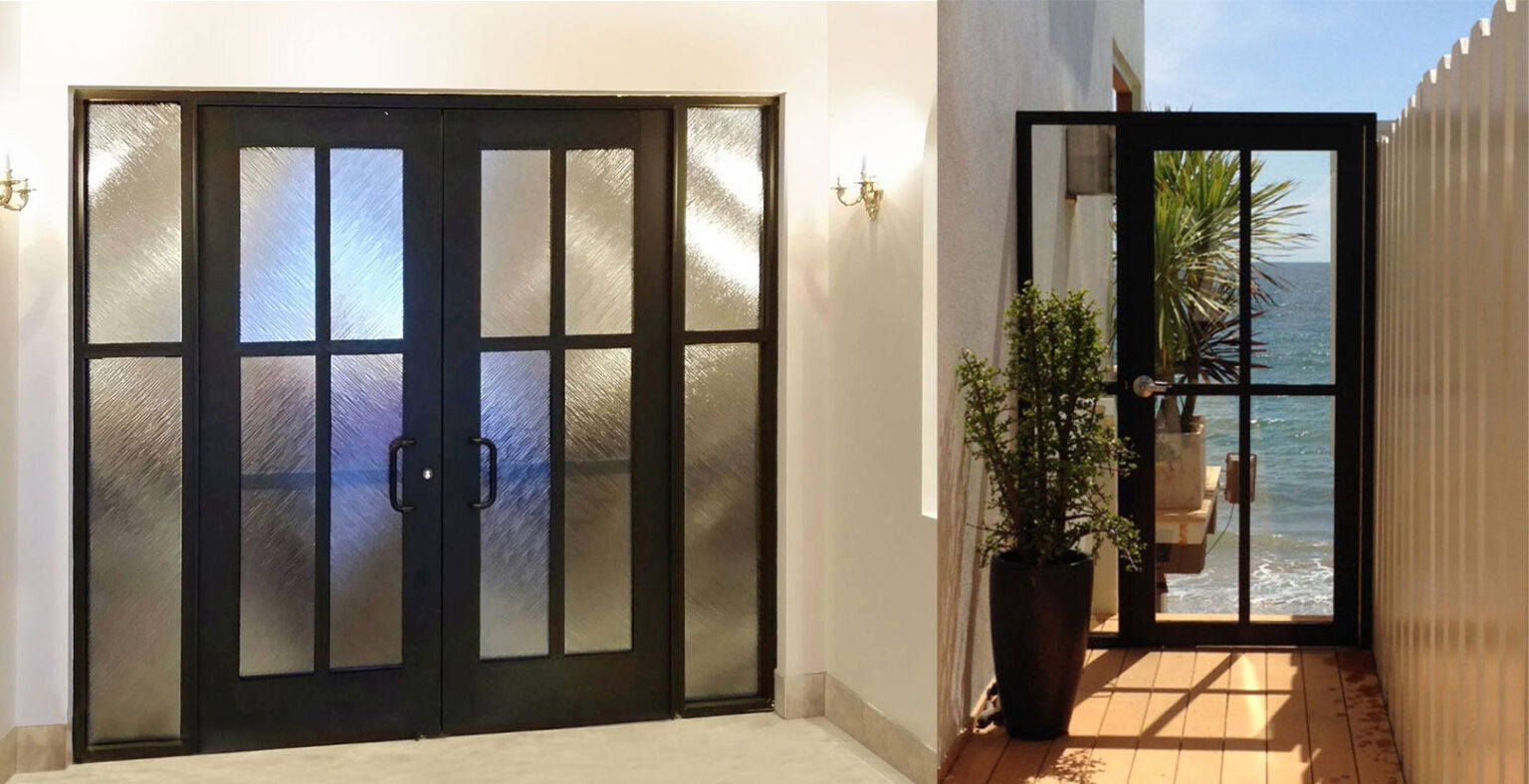
Glass and Aluminum manufacturers in Williamsburg

Modern Glass & Aluminum Solutions for Homes & Businesses in Williamsburg

Williamsburg has become one of New York City’s most influential neighborhoods for contemporary architecture, luxury residential projects, and high-end retail.

At PRL Glass & Aluminum, we provide premium glass and aluminum solutions designed to match Williamsburg’s modern aesthetic, clean lines, open spaces, and seamless indoor-outdoor living.

From luxury lofts and waterfront residences to boutique retail spaces and creative offices, our systems combine performance, elegance, and durability for demanding urban environments.

Building or Renovating in Williamsburg? Connect with PRL Glass & Aluminum Today

Whether you’re developing a new residential project, renovating a luxury apartment, or designing a street-level retail space, PRL delivers custom fabrication, nationwide logistics, and expert technical support for Williamsburg builders and designers.

We proudly support projects throughout Williamsburg, Greenpoint, Downtown Brooklyn, and the greater NYC metro area.

Service 

Contact Number 

Aluminum Division 

📞 877-775-2586 

Glass Division 

📞 800-433-7044 

📍 Visit our locations in City of Industry, California and explore our wide range of innovative, high-quality aluminum and glass solutions!

Premium Glass & Aluminum Products for Williamsburg Residences

Williamsburg’s residential architecture favors light-filled interiors, minimal frames, and premium finishes. PRL specializes in high-end systems designed to elevate modern living spaces.

All residential systems meet ASTM, NFRC and LEED standards, ensuring performance and longevity.

Glass & Aluminum Solutions for Williamsburg Businesses

Williamsburg’s commercial spaces demand architectural systems that balance aesthetics, security, and durability.

  • Curtain Wall Systems: Ideal for mixed-use buildings, creative offices, and modern developments
  • Storefront Systems: Slim-profile aluminum and glass storefronts for street-facing retail
  • Custom Commercial Doors – Engineered for heavy use without sacrificing design

PRL solutions help brands create striking façades while maintaining safety and energy efficiency

PRL Glass and Aluminum in Williamsburg

Why Designers and Developers in Williamsburg Choose PRL Glass & Aluminum

Williamsburg projects demand precision, speed, and premium quality, PRL delivers all three.

  • Nationwide manufacturing and reliable delivery
  • Custom-built systems for luxury residential and boutique commercial projects
  • Energy-efficient solutions aligned with NYC building codes
  • Technical expertise for complex urban installations

Benefits of Glass and Aluminum Systems in Williamsburg

Williamsburg architecture thrives on modern design and adaptive reuse, glass and aluminum systems support this effortlessly.

  • Thermal Performance for year-round comfort in lofts and waterfront residences
  • Noise Reduction, essential near busy streets, bridges, and nightlife zones
  • Modern Architectural Appeal aligned with contemporary interiors and façades
  • Durability suitable for high-traffic residential and commercial applications
  • Eco-Friendly Materials, supporting LEED and sustainability-focused projects
  • Battle Door Capability, offering reinforced security against break-ins, vandalism, or protests—ideal for street-level retail and mixed-use buildings

Transform Your Space with PRL Glass & Aluminum

Based in California and trusted nationwide, PRL serves New York and all 50 states with luxury-grade architectural glass and aluminum systems.

From custom sliding doors to boutique storefronts, we deliver craftsmanship designed to elevate your next project.

We are present in the most important neighborhoods in the United States, offering the highest quality service.

Upper East Side

Upper West Side

SoHo

Tribeca

Chelsea

Follow us on social media ✅

Stay tuned for news, events, discounts and new products through the different social media channels.
Bathroom renovation showcasing custom mirror, updated lighting, and tile flooring

How Much Does It Cost to Remodel a Bathroom? Average Prices, Factors & Smart Upgrade Ideas

Home / Articles posted byEduardo Savin

Remodeling a bathroom is one of the most common home improvement projects. but it’s also one of the most confusing when it comes to budgeting. It’s one of the most frequently used spaces in a home, and when selling or renting a property, it’s often one of the first areas buyers and tenants pay attention to.

The question “how much does it cost to remodel a bathroom?” doesn’t have a single, universal answer. The final price depends on several factors, including the size of the space, the scope of the remodel, the materials selected, and the amount of labor involved.

In the United States, a bathroom remodel can range from a simple refresh costing a few thousand dollars to a high-end renovation that easily exceeds $30,000 USD. Understanding these cost ranges from the start helps homeowners make smarter decisions and avoid unnecessary overruns.

In this guide, you’ll find:

  • Average bathroom remodeling costs
  • Price differences based on bathroom type and project scope
  • Key factors that directly impact the overall budget
Modern bathroom remodel with frameless glass shower enclosure and custom vanity

What Is the Average Cost to Remodel a Bathroom?

In general terms, the cost to remodel a bathroom in the United States can vary widely depending on the scope of work, materials selected, and overall project complexity. Below are the most common price ranges homeowners and contractors typically work with.

General Cost Ranges

  • Minor refresh / basic update: $3,000 – $7,000 USD

Includes cosmetic updates such as painting, new accessories, mirrors, basic lighting, or partial furniture replacement without modifying plumbing or electrical systems.

  • Standard bathroom remodel: $7,000 – $20,000 USD

May include replacing the vanity, flooring, tile, shower or bathtub, new fixtures, and visible upgrades without major structural changes.

  • Luxury or high-end bathroom remodel (also considered a full renovation): $20,000 – $30,000+ USD

Involves premium materials, glass solutions, spa-style showers, custom-built furniture, and, in many cases, layout modifications.

Cost Per Square Foot

Another common way to estimate a bathroom remodeling budget is by square footage. On average, costs typically fall within these ranges:

  • $70 – $120 USD per square foot: basic remodel
  • $120 – $200 USD per square foot: mid-range remodel
  • $200 – $250+ USD per square foot: high-end or luxury remodel

This method is useful for quick budgeting, although final pricing will always depend on finish quality and technical complexity.

Budget Breakdown: Labor vs. Materials

One key aspect many homeowners tend to underestimate is how the total budget is distributed:

  • Labor: 40% – 65% of the total cost: Includes plumbing, electrical work, installation, demolition, finishing work, and in some cases architectural consulting or sales commissions.
  • Materials and products: 35% – 60%: Flooring, tile, cabinetry, plumbing fixtures, glass, hardware, and lighting.

Bathroom Remodel Cost by Bathroom Type

The type of bathroom being remodeled has a direct impact on the overall budget, not only because of the size of the space, but also due to how it’s used, the expected finish level, and the design decisions typically made for each type of bathroom.

Half Bath / Powder Room Remodel Cost

A half bath or powder room usually includes only a toilet and a sink, making it the most affordable bathroom to remodel.

What a half bath remodel typically includes

  • Replacing the sink or a small vanity
  • Installing a new toilet
  • Updating mirrors and accessories
  • Basic lighting upgrades
  • Painting or wallpaper
  • Hardware updates

Estimated price range

  • $1,500 – $5,000 USD for simple updates
  • $5,000 – $10,000+ USD when incorporating design finishes or custom elements

What is usually not worth changing

  • Relocating plumbing or drains
  • Changing the layout of the space
  • Investing in overly expensive materials

In this type of bathroom, the greatest impact is achieved through visual details rather than major construction work.

Small or Guest Bathroom Remodel Cost

Small or guest bathrooms are typically full bathrooms, including a shower or bathtub, and represent one of the most common remodeling scenarios.

Typical upgrades

  • Vanity replacement
  • Updated flooring and tile
  • New lighting
  • Shower or bathtub replacement
  • New accessories and mirror installation

Shower vs. tub

  • Replacing a bathtub with a shower is a common choice to modernize the space.
  • Walk-in showers can offer better functionality and a more contemporary look without disproportionately increasing the budget.

Estimated price range

  • $7,000 – $15,000 USD for standard remodels
  • $15,000 – $20,000+ USD with upgraded finishes and more customized solutions

Visual impact vs. cost

  • In this type of bathroom, upgrades such as glass elements, tile, and lighting tend to deliver a high visual impact relative to the overall project cost.

Master or Primary Bathroom Remodel Cost

The primary bathroom is generally the most expensive to remodel due to its size, daily use, and higher expectations for comfort and design.

What drives the cost up

  • Larger square footage
  • Double sinks or double vanities
  • Large or spa-style showers
  • Premium materials
  • Layout changes

Elements that typically increase the budget

  • Glass solutions (shower enclosures, frameless doors)
  • Large or dual shower configurations
  • Custom vanities
  • Customized lighting and mirrors

Estimated price range

  • $20,000 – $30,000 USD for mid-to-high-level remodels
  • $30,000 – $50,000+ USD for high-end or luxury projects

When the cost is justified

Investing in a primary bathroom remodel is often worthwhile when:

  • The space is used daily
  • Comfort and functionality are priorities
  • Increasing property value is a goal
  • A long-lasting design is desired, minimizing the need for frequent updates

Bathroom Remodel Cost by Project Scope

Not all bathroom remodels involve the same level of work. The scope of the project is one of the biggest factors affecting the final cost. Understanding the differences between a bathroom redo, a standard remodel, and a full gut renovation helps homeowners choose the right option based on budget and goals.

Bathroom Refresh or Redo (Cosmetic Updates)

A bathroom redo or refresh refers to a primarily cosmetic update, with no structural changes or major modifications to the existing layout.

What is a “redo” and how is it different from a full remodel?

  • A redo focuses on updating visible elements without altering existing systems.
  • A full remodel involves replacing materials, systems, and sometimes changing the bathroom layout.

Common updates without changing the layout

  • New paint and finishes
  • Mirror and accessory replacement
  • Lighting updates
  • Updating an existing vanity or cabinet
  • Replacing faucets and fixtures

Estimated price range

  • $3,000 – $7,000 USD, depending on materials and the condition of the bathroom

Ideal for tight budgets

This type of project is ideal when:

  • The bathroom is functional but looks outdated
  • The goal is to improve appearance without a large investment
  • Preparing a property for sale or rental

Standard Bathroom Remodel

A standard bathroom remodel is the most common scenario in the United States and represents a balance between visual improvement, functionality, and cost.

What it typically includes

  • Shower or bathtub replacement
  • Installation of a new vanity
  • New flooring and tile
  • Updated fixtures, lighting, and mirrors

Mid-range materials

  • Mid-grade flooring and tile
  • Prefabricated or semi-custom vanities
  • Standard glass solutions
  • Functional lighting with a modern design

Estimated price range

  • $7,000 – $20,000 USD, depending on size and finish selections

This type of remodel delivers a noticeable upgrade without the higher costs or risks associated with a full renovation.

Full Gut Bathroom Renovation

A full gut renovation involves stripping the bathroom down to the structure and rebuilding it entirely.

What this type of project involves

  • Complete demolition
  • Replacement of plumbing and electrical systems
  • Possible layout changes
  • New walls, flooring, and building systems

When it makes sense

  • Very old bathrooms or those with structural issues
  • Hidden damage caused by moisture or leaks
  • The need to reconfigure the layout
  • High-end or luxury renovation projects

Risks and hidden costs

  • Structural repairs
  • Upgrading systems to meet current building codes
  • Delays due to permits or inspections
  • Increased labor costs

Estimated price range

  • $20,000 – $50,000+ USD, depending on complexity
uxury bathroom remodel with all-glass shower, double vanity, and premium finishes

What Factors Affect the Cost of a Bathroom Remodel?

The final cost of remodeling a bathroom doesn’t depend solely on visible materials. Several technical and logistical factors can increase (or in some cases reduce) the overall budget, depending on the decisions made early in the project.

Bathroom Size

The size of the bathroom is one of the most significant cost factors. A larger space typically requires:

  • More materials (flooring, tile, glass, paint)
  • More installation hours
  • Greater finishing complexity

For this reason, primary or master bathrooms usually have significantly higher budgets than half baths or guest bathrooms.

Labor Costs (Plumbing and Electrical)

Labor represents a substantial portion of the total remodeling budget, especially when the project includes:

  • Plumbing work (showers, drains, valves)
  • Electrical upgrades or relocation
  • Installation of specialized lighting

Relocating or modifying plumbing and electrical systems can quickly drive costs up, as these tasks require licensed professionals and, in many cases, additional permits.

This impact is even greater in older homes, where wiring and plumbing systems may be outdated, corroded, or no longer functioning properly.

Materials and Finishes

Material selection has a direct impact on the final price:

  • Standard flooring and tile vs. premium materials
  • Prefabricated vanities vs. custom-built options
  • Basic fixtures vs. customized solutions
  • Standard glass vs. frameless or thicker glass systems

Mid-range finishes often offer the best balance between durability, design, and cost, especially if the property is being prepared for sale. For rental properties, it may make sense to choose more cost-effective materials in less visible or lower-impact areas.

Layout Changes

Changing the bathroom layout is one of the most expensive aspects of a remodel. Adjustments such as:

  • Relocating the toilet
  • Moving the shower or bathtub
  • Shifting walls or entrances

Require modifications to plumbing, electrical systems, and sometimes structural elements, increasing both project duration and overall cost.

Permits and Demolition

Depending on the city or state, certain remodeling tasks require permits—particularly when work involves:

  • Electrical systems
  • Plumbing systems
  • Structural components

Additionally, demolishing the existing bathroom, such as removing tile, flooring, fixtures, or walls, adds extra costs that should be accounted for from the beginning of the project.

Hidden Issues (Water and Structural Problems)

One of the most common risks in a bathroom remodel is uncovering hidden problems once work begins, including:

  • Moisture damage
  • Water leaks
  • Mold
  • Structural issues

These repairs are not always visible during the planning stage but can significantly increase the final cost if a contingency budget is not included.

Bathroom Remodel Cost Breakdown (By Item)

Breaking down the cost of a bathroom remodel by individual elements helps clarify where the budget goes and where it makes sense to invest for maximum visual and functional impact without unnecessarily increasing the total cost.

Vanity and Storage Costs

The vanity is often one of the central elements in a bathroom, both in terms of functionality and design.

Approximate price ranges

  • Prefabricated vanities: $100 – $1,500 USD
  • Semi-custom vanities: $1,500 – $3,000 USD
  • Custom-built vanities: $3,000 – $5,000+ USD

What influences the price

  • Size and number of sinks
  • Materials (MDF, solid wood, specialty finishes)
  • Countertops (laminate, quartz, natural stone)
  • Additional storage (drawers, towers, niches)

In many cases, a well-chosen vanity can modernize a bathroom without the need to modify existing plumbing.

Shower or Tub Replacement Costs

The shower or bathtub area often represents a significant portion of the overall remodeling budget.

Tub vs. walk-in shower

  • Standard bathtubs: $400 – $2,000 USD (not including installation)
  • Walk-in showers: $1,500 – $6,000+ USD, depending on size and finishes

Walk-in showers have become increasingly popular due to their accessibility, modern appearance, and ease of maintenance.

Glass enclosures as a strategic upgrade

Replacing shower curtains or basic panels with glass enclosures can completely transform the space without changing the plumbing layout.

Frameless vs. standard

  • Standard framed solutions: lower upfront cost
  • Frameless glass: greater visual clarity, a more open feel, and a contemporary design

Shower Doors & Sliding Shower Doors (Cost vs. Value)

Shower doors are one of the upgrades with the best cost-to-value ratio in a bathroom remodel.

Frameless shower doors

  • Deliver a clean, modern look
  • Allow more light into the space
  • Work well in standard and mid-to-high-end remodels

Sliding shower doors for small bathrooms

  • Ideal when space is limited
  • Do not require swing clearance
  • Improve functionality without altering the layout

High visual impact without moving plumbing

Investing in glass shower doors is a smart way to elevate bathroom design without taking on the added costs associated with structural or plumbing changes.

Manufacturers like PRL Glass & Aluminum can adapt to both remodeling and new construction projects, offering solutions that help either increase or control overall project costs, such as selecting different glass types or configurations.

Flooring and Wall Tile Costs

Flooring and wall coverings impact both the budget and the long-term durability of a bathroom.

Typical price ranges

  • Budget materials (vinyl, basic ceramic): $0.50 – $5 USD per square foot
  • Mid-range porcelain and ceramic tile: $5 – $15 USD per square foot
  • Natural stone or premium materials: $15 – $90+ USD per square foot

Final costs depend not only on the material itself, but also on installation complexity and pattern design.

Mirrors, Lighting, and Finishing Touches

Finishing details often deliver a high visual impact at a relatively low cost compared to other remodeling elements.

Custom mirrors

  • Improve proportions and functionality
  • Can be tailored to specific vanities or custom designs

Backlit mirrors

  • Combine lighting and mirror in a single element
  • Provide a modern aesthetic and improved visual comfort

High impact / relatively low cost

Well-planned lighting, custom mirrors, and appropriate hardware can significantly elevate the overall bathroom design without representing an excessive portion of the budget.

PRL Glass & Aluminum also offers a wide range of mirror solutions suitable for different project types and budgets, with the option to integrate aluminum systems when needed.

Bathroom Remodel Costs: Budget, Mid-Range, and High-End

A clear way to understand how much it costs to remodel a bathroom is to group projects by budget level and scope. Each category addresses different needs and prioritizes specific design and functional elements.

Budget Bathroom Remodel

A budget bathroom remodel focuses on updating the essentials without making structural changes or relocating existing systems.

What it typically includes

  • Painting and basic finishes
  • Replacing fixtures and faucets
  • Updated mirror and simple lighting
  • Prefabricated vanity
  • Budget-friendly flooring or tile

Estimated price range

  • $3,000 – $7,000 USD

When it makes sense

  • Bathrooms that are functional but visually outdated
  • Properties being prepared for sale or rental
  • Projects aimed at improving appearance without a major investment

At this level, the focus is on visible, low-cost updates while avoiding any changes to the layout or core systems.

Mid-Range Bathroom Remodel

Mid-range bathroom remodels are the most common in the United States and offer the best balance between cost, durability, and design. This is where meaningful transformations happen without reaching luxury-level budgets.

What it typically includes

  • Shower or bathtub replacement
  • New vanity (premium prefabricated or semi-custom)
  • Mid-range flooring and tile
  • Upgraded lighting
  • Custom mirrors
  • Glass solutions for the shower

Estimated price range

  • $7,000 – $20,000 USD

Why this level offers high value

  • Allows for a complete bathroom update
  • Improves both functionality and aesthetics
  • Increases property value

In this range, glass solutions play a key role. Features such as frameless shower doors or well-designed sliding systems elevate the overall look of the bathroom without requiring plumbing changes.

Specialized manufacturers like PRL Glass & Aluminum offer options that adapt to different budgets within this category, allowing costs to be adjusted based on glass type, hardware, and system configuration.

High-End or Luxury Bathroom Remodel

High-end bathroom remodels aim to create a spa-like experience, prioritizing design, comfort, and full customization.

What defines this type of project

  • All-glass solutions
  • Large or dual shower configurations
  • Premium sliding doors
  • Custom-built vanities
  • Architectural lighting
  • High-end materials

Estimated price range

  • $20,000 – $50,000+ USD

All-glass solutions

Extensive use of glass, in showers, partitions, and entrances, creates more open, bright, and contemporary spaces.

Premium sliding doors

High-quality sliding systems solve wide openings or complex layouts with an elegant and functional approach.

Custom details

From backlit mirrors to specialized hardware and finishes, every element is designed to integrate seamlessly into the overall bathroom concept.

How Much Does It Really Cost to Remodel a Bathroom?

The cost of remodeling a bathroom can vary significantly depending on the type of space, the scope of the project, and the design decisions made from the very beginning. A cosmetic refresh is very different from a standard remodel or a high-end renovation, and understanding these differences is essential to avoid unnecessary cost overruns.

In most cases, a well-planned bathroom remodel isn’t about spending more, it’s about investing smarter. Elements such as glass, lighting, mirrors, and visual layout can completely transform a bathroom without requiring structural changes or complex plumbing modifications.

Whether you’re updating a guest bathroom, renovating a primary bathroom, or preparing a property for sale or rental, setting clear priorities and selecting materials based on how the space is actually used will make the difference between a successful project and one that goes over budget.

If you’re planning a bathroom remodel and want to improve design, functionality, and overall value without starting from scratch, consider solutions that deliver high visual impact with a controlled investment.

Shower doors, sliding systems, glass enclosures, and custom mirrors are strategic upgrades that adapt well to different budgets and project styles. Working with specialized manufacturers such as PRL Glass & Aluminum allows you to explore flexible options in glass, hardware, and configurations, whether for a remodel or a new construction project.

Before making final decisions, compare alternatives, evaluate how the bathroom will be used on a daily basis, and choose durable solutions that retain their value over time.

Low-E IGU configuration for high-performance storm doors and exterior windows

Low-E Glass for Storm Doors and Windows: Performance, Certifications, and Climate Benefits

Home / Articles posted byEduardo Savin

When discussing energy efficiency in windows and doors, low-E glass is often associated primarily with standard residential windows. However, its application in storm doors, exterior doors, and high-performance window units is equally important, and in many cases, a critical design decision. 

Storm doors and windows are directly exposed to: 

  • Sudden temperature changes 
  • Intense solar radiation 
  • Moisture, wind, and extreme weather conditions 
  • Structural performance and long-term durability requirements 

When low-E glass is properly integrated into an insulated glass unit (IGU), it not only improves indoor comfort but also plays a key role in meeting performance, safety, and energy efficiency standards required across the United States. 

The goal is not simply to explain the product, but to demonstrate when and how low-E glass delivers real value in high-performance doors and window systems, especially in applications where durability and efficiency are not optional. 

Low-E insulated glass unit installed in a storm door for thermal and UV protection

What Makes Low-E Glass Ideal for Storm Doors and Windows? 

Storm doors and storm windows are not simply an aesthetic variation of standard doors or windows. They are engineered to withstand significantly more demanding environmental conditions, where glass performance is just as critical as the frame or anchoring system. 

The difference between standard doors/windows and storm-rated systems 

A standard door or window is typically designed to close an opening, allow natural light, and provide a basic level of insulation. 

In contrast, a storm-rated door or window must perform under much harsher conditions, including: 

  • Rapid and extreme temperature fluctuations 
  • Prolonged exposure to direct solar radiation 
  • Wind-driven rain, high humidity, and severe weather conditions 
  • Increased structural stress on the glass 
  • Stricter regulatory and performance requirements 

In these applications, glass is no longer a passive component. It becomes a critical element of the overall system. 

The role of glass in total system performance 

In storm doors and windows, glass directly influences: 

  • Thermal control: reducing overheating in summer and heat loss in winter 
  • Indoor comfort: minimizing hot and cold zones near doors and windows 
  • System durability: protecting seals, frames, and hardware from excessive thermal stress 
  • Overall energy efficiency: lowering the load on HVAC systems 

An inadequately specified glass configuration can compromise the performance of the entire assembly, even when high-quality frames are used. 

👉 You may also be interested in reading: Low-E Glass vs Clear Glass: Real Performance Differences and When to Choose Each One 

Why Low-E Glass is essential in climate-exposed applications 

Low-E glass is specifically designed to manage energy transfer, an essential requirement for doors and windows directly exposed to the elements. In storm-rated applications, low-E glass: 

  • Reflects unwanted infrared radiation 
  • Reduces the impact of direct solar exposure on interiors 
  • Helps maintain more stable indoor temperatures 
  • Protects the system from aggressive thermal cycling 

When properly integrated into an insulated glass unit (IGU), low-E glass transforms a storm door or window into a high-performance solution, one that not only withstands extreme weather conditions, but actively enhances comfort, efficiency, and long-term system reliability. 

How Low-E Glass Performs in Storm Doors 

What is a storm door? A storm door is a secondary exterior door installed in front of a building’s primary entry door. Its purpose is to protect the interior door while improving the overall performance of the entrance, especially under harsh weather conditions. 

Unlike a standard door, a storm door is designed to: 

  • Withstand wind, rain, and sudden temperature changes 
  • Improve the thermal insulation of the main entry 
  • Protect the interior door from weather-related wear 
  • Increase energy efficiency and indoor comfort 

In these systems, glass is not decorative. It’s a critical component of thermal performance, energy efficiency, and long-term durability. 

Specific Benefits of Low-E Glass in Storm Doors 

When a storm door incorporates low-E glass, its performance improves significantly compared to conventional clear glass options. 

Improved Thermal Control 

Low-E glass helps manage heat transfer through the door: 

  • Reduces heat gain in summer when the door receives direct sunlight 
  • Minimizes heat loss during winter 
  • Prevents areas near the entry from feeling excessively hot or cold 

This is especially important because storm doors are often one of the most exposed elements of the building envelope. 

Reduced Condensation 

Condensation is a common issue in exterior doors, particularly in cold or humid climates. 

When low-E glass is integrated into an insulated glass unit (IGU), it: 

  • Maintains a more stable glass surface temperature 
  • Reduces thermal differences between interiors and exteriors 
  • Decreases the likelihood of surface condensation 

This helps protect frames, seals, and hardware, extending the overall lifespan of the door system. 

UV Protection for Interior Spaces 

Even as secondary doors, storm doors allow consistent direct sunlight into the interior. Low-E Glass: 

  • Blocks a significant portion of ultraviolet (UV) radiation 
  • Protects flooring, furniture, and finishes near the entry 
  • Reduces fading in high-traffic or sun-exposed areas 

This benefit is especially valued for entrances facing south, east, or west. 

“Low-E Glass Storm Door”: What Users Are Really Looking For 

When users search for “low-E glass storm door,” they are typically not looking for glass alone, but for a complete solution that provides: 

  • Improved comfort near the entrance 
  • Reduced impact from extreme weather 
  • Better energy efficiency in exterior doors 
  • Greater durability against sun exposure, moisture, and thermal cycling 

Low-E glass directly addresses these needs, when properly specified and integrated into a well-designed system, rather than treated as a standalone component. 

👉 You may also be interested in reading: Types of Low-E Glass: Hard Coat, Soft Coat & IGU Applications Explained 

Low-E Windows vs. Standard Windows in High-Exposure Environments 

Windows exposed to demanding climate conditions, such as constant wind, heavy rain, or abrupt temperature changes, put the real performance of the entire system to the test, especially the glass. In these scenarios, the differences between standard windows and windows incorporating low-E glass become much more evident. 

Performance Differences 

U-Factor (Thermal Insulation) 

  • Standard windows (clear glass): Typically have a higher U-factor meaning greater heat loss in winter and reduced insulating capability overall. 
  • Low-E glass windows: Offer a significantly lower U-factor, especially when integrated into properly sealed IGUs, greatly reducing heat transfer through the glazing. 

SHGC (Solar Heat Gain Coefficient) 

  • Standard windows: Allow uncontrolled solar heat gain, which can lead to overheating in highly exposed areas. 
  • Low-E glass windows: SHGC can be tuned based on the low-E coating type, allowing designers to either block or harness solar heat strategically according to climate conditions. 

Comfort Near Windows 

  • Clear glass: Cold spots in winter and excessive heat in summer are common near exposed windows. 
  • Low-E glass: Maintains a more stable perimeter temperature, significantly improving occupant comfort in spaces adjacent to the window. 

Performance in High-Exposure Conditions 

In windows subjected to harsh environmental conditions, glass plays a critical role in overall system performance: 

  • Wind: Low-E glass helps maintain interior thermal stability even when wind increases pressure and accelerates heat loss through the façade. 
  • Rain and Humidity: When used within an IGU, low-E glass helps regulate surface temperature, reducing condensation risks and protecting seals and framing components from moisture-related stress. 
  • Abrupt Temperature Changes: Low-E windows perform better under rapid cold–hot cycles, reducing thermal stress on the entire system and improving long-term durability. 

In storm-rated doors and windows, using Low-E glass without an Insulated Glass Unit (IGU) leaves much of its potential untapped. While low-E coatings improve thermal performance on their own, it’s the integration within a sealed IGU that delivers the level of efficiency, durability, and comfort required in high-exposure applications. 

Storm-rated window with Low-E glass exposed to wind, rain, and solar radiation

Certifications and Standards for Storm-Rated Low-E Glass 

In applications such as storm doors and storm windows, glass performance is not evaluated solely on thermal benefits. It must also comply with technical certifications and standards that guarantee safety, durability, and alignment with U.S. building codes. 

This is where certifications matter far more than marketing claims. 

AAMA: Whole-System Performance 

AAMA (American Architectural Manufacturers Association) establishes standards for complete window, door, and façade systems, not just the glass as an isolated component. 

For storm-rated applications, AAMA evaluates factors such as: 

  • Structural resistance to wind pressure 
  • Performance against air and water infiltration 
  • System integrity under thermal cycling 
  • Compatibility between glass, framing, and hardware 

When a low-E system meets AAMA standards, it confirms that the glass is properly integrated into a system engineered for demanding climatic conditions, rather than functioning as a standalone element. 

ASTM: Impact, Performance, and Glass Durability 

ASTM (American Society for Testing and Materials) standards focus on material-level performance, particularly glass behavior. 

In storm doors and windows, ASTM standards are critical for validating: 

  • Impact resistance 
  • Glass behavior under rapid thermal changes 
  • Durability of the low-E coating 
  • Compatibility with laminated glass and IGU’s 

ASTM compliance ensures that low-E glass is not only energy efficient, but also capable of withstanding real exterior conditions without degrading its performance over time. 

Relationship to Energy and Building Codes 

AAMA and ASTM certifications are directly tied to: 

  • State and local energy codes 
  • Efficiency requirements (U-factors and SHGC) 
  • Safety regulations for exterior doors and windows 
  • Construction standards in severe climate zones 

In many projects, especially commercial or high-performance residential, simply using low E is not enough. The system must demonstrate documented code compliance. 

Why Certifications Matter More Than Marketing 

It’s common to find products labeled as “low-E” without clear technical context. However: 

  • The term low-E alone does not guarantee performance 
  • Coating type, placement, and system integration are critical 
  • Certifications validate what marketing language cannot prove 

In storm-rated applications, certifications are the difference between laboratory efficiency and real-world reliability. 

For this reason, when specifying low-E glass for storm doors and windows, prioritizing solutions that meet AAMA and ASTM standards is essential to ensure long-term performance, safety, and durability. 

In applications such as storm doors and storm windows, glass is no longer a secondary component, it becomes a defining factor in the overall performance of the system 

Constant exposure to wind, rain, intense solar radiation, and rapid temperature changes requires solutions that do more than resist the elements. They must actively improve comfort, efficiency, and long-term durability. 

When properly specified and integrated into a well-designed IGU, low-E glass offers clear advantages over standard glazing solutions: 

  • Improved thermal control in extreme climate conditions 
  • Reduced condensation and enhanced protection for frames and seals 
  • Higher energy efficiency in exterior doors and windows 
  • UV protection in highly exposed entry areas 
  • Consistent performance supported by technical certifications 

However, the real value of low-E glass in storm-rated applications lies not only in the coating itself, but in how the complete system is fabricated, configured, and certified.  

Glass thickness, laminated versus monolithic configurations, spacer systems, perimeter seals, and compatibility with aluminum frames or storefront systems are all technical decisions that determine whether the system will perform reliably over time. 

In projects where durability, efficiency, and code compliance are not optional, low-E + IGU is no longer an upgrade, it is a logical technical standard for doors and windows exposed to demanding environmental conditions. 

If you are designing or specifying storm doors, storm windows, or high-performance glazing units, PRL Glass & Aluminum can support you by: 

  • Selecting the appropriate low-E type based on climate and application 
  • Engineering IGU’s optimized for storm-rated performance 
  • Integrating low-E with laminated glass, aluminum frames, and storefront systems 
  • Supporting compliance with AAMA, ASTM, and applicable energy codes 

👉 Request technical guidance, performance data sheets, or a custom quote for your storm-rated door and window project. Our team can help you define a solution that delivers energy efficiency, climate resistance, and proven durability under real-world conditions.