Loading

Archives 2025

Glass and Aluminum Manufacturers in New York City

Premium Glass & Aluminum Solutions for New York City

If you’re searching for premium glass and aluminum systems in New York City, PRL Glass & Aluminum is your nationwide partner for advanced architectural solutions. 

From luxury residential towers in Manhattan to commercial hubs in Brooklyn and institutional projects across the five boroughs, our systems are engineered for the highest standards in performance, design, and durability. 

We manufacture and ship custom storefronts, curtainwall systems, aluminum doors, and architectural glass tailored for New York City’s demanding construction industry. 

Building in New York City? Connect with PRL Glass & Aluminum Today

Whether you’re developing high-rise apartments, hospitals, universities, or retail spaces, PRL provides custom fabrication, fast delivery, and expert technical support throughout New York City.

We proudly serve projects in Manhattan (Upper East Side, Upper West Side), SoHo, Tribeca, Chelsea, Brooklyn (Williamsburg, DUMBO), Queens, Bronx, Staten Island, and the greater NYC metropolitan area.

Service 

Contact Number 

Aluminum Division 

📞 877-775-2586 

Glass Division 

📞 800-433-7044 

📍 Visit our locations in City of Industry, California and explore our wide range of innovative, high-quality aluminum and glass solutions!

Advanced Glass & Aluminum Designs for NYC Builders 

PRL systems are designed to meet the unique demands of New York City’s skyline and fast-paced construction timelines, delivering resilience, energy efficiency, and striking aesthetics. 

All PRL systems comply with ASTM, NFRC, and LEED standards, ensuring code compliance and top performance in NYC’s stringent regulatory environment. 

Why NYC Developers Trust PRL Glass & Aluminum 

In a city where time is money, builders and architects need partners who deliver precision and speed, PRL does exactly that, with systems built for New York’s complexity. 

Why NYC professionals trust PRL: 

✅ Quick turnaround times and reliable nationwide shipping 

✅ Custom solutions for luxury residential, commercial, and institutional projects 

✅ Energy-efficient systems essential for LEED and NYC building codes 

✅ Technical expertise to navigate NYC’s unique construction requirements 

From Midtown towers to Brooklyn brownstones, PRL helps New York projects rise with confidence. 

PRL Glass and Aluminum in New York City

Benefits of Glass and Aluminum Systems in New York City

Aluminum and glass systems are synonymous with modern New York architectur, offering durability, clean design, and lasting value. 

Here’s why they’re the best fit: 

  • Thermal Performance – Supports energy efficiency in all seasons 
  • Noise Reduction – Crucial for comfort in one of the world’s busiest cities 
  • Sleek Urban Aesthetics – Matches NYC’s contemporary and historic styles 
  • Low Maintenance – Long-lasting and easy to clean in a dense urban environment 
  • Sustainable – Fully recyclable and LEED-compatible for green building certifications 
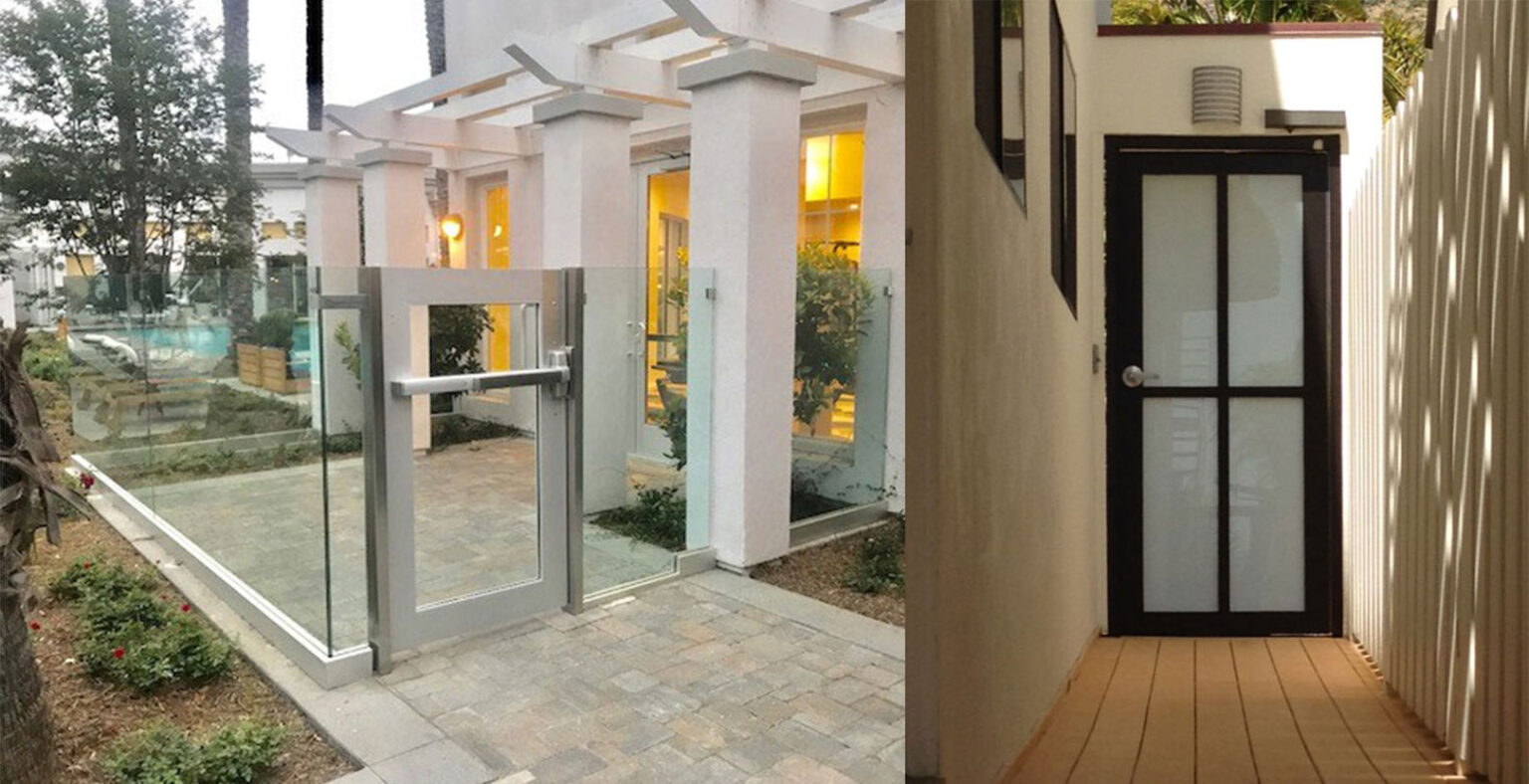
  • Battle Door Capability – Reinforced aluminum and laminated glass options provide enhanced security against vandalism, break-ins, protests, and even severe weather events like hurricanes 

PRL Glass & Aluminum, your National Supplier

From our location in California, PRL Glass & Aluminum serves New York and all 50 states in the United States.

We offer service in major cities across the country:

Los Angeles

Chicago

Houston

Phoenix

Follow us on social media ✅

Stay tuned for news, events, discounts and new products through the different social media channels.
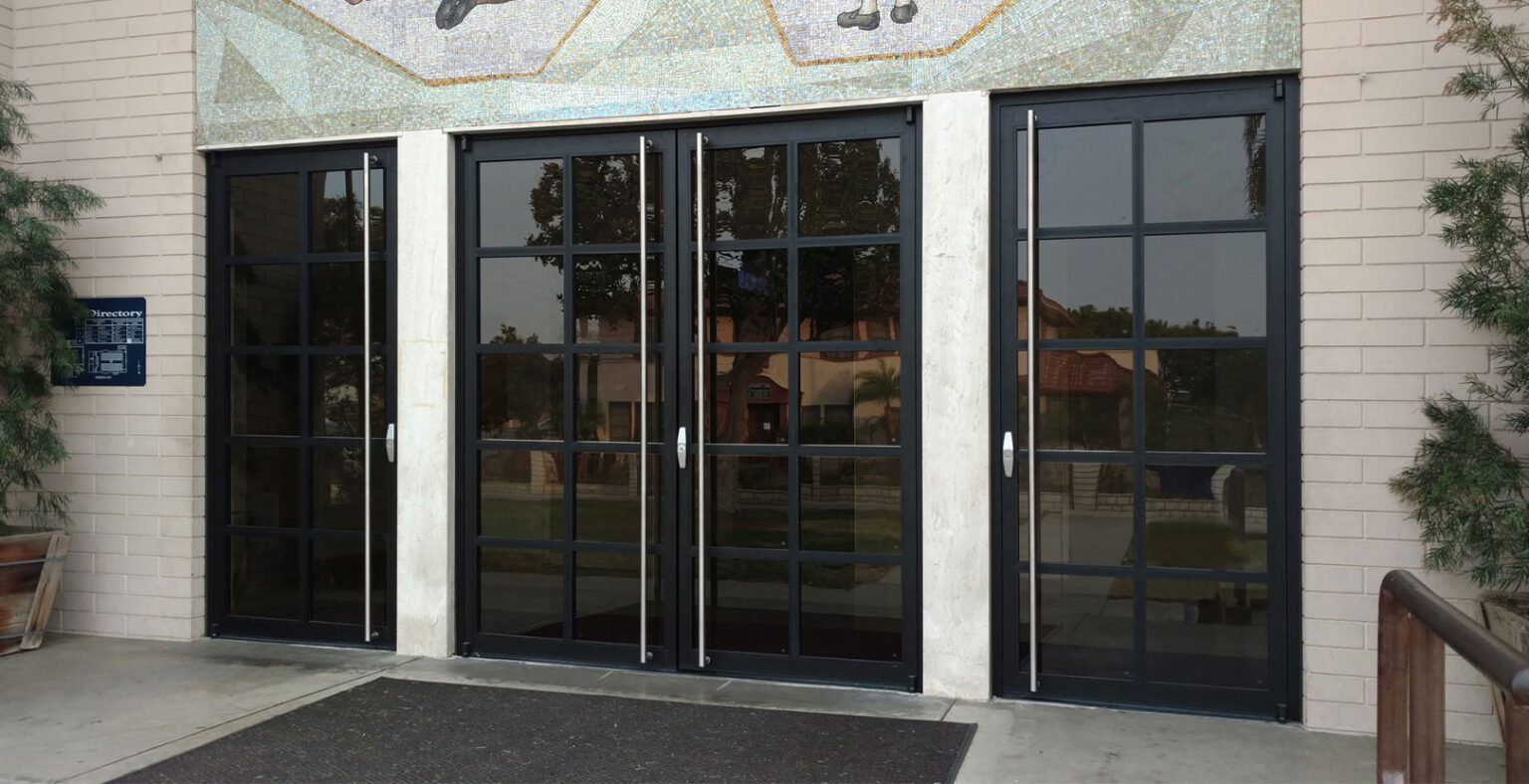
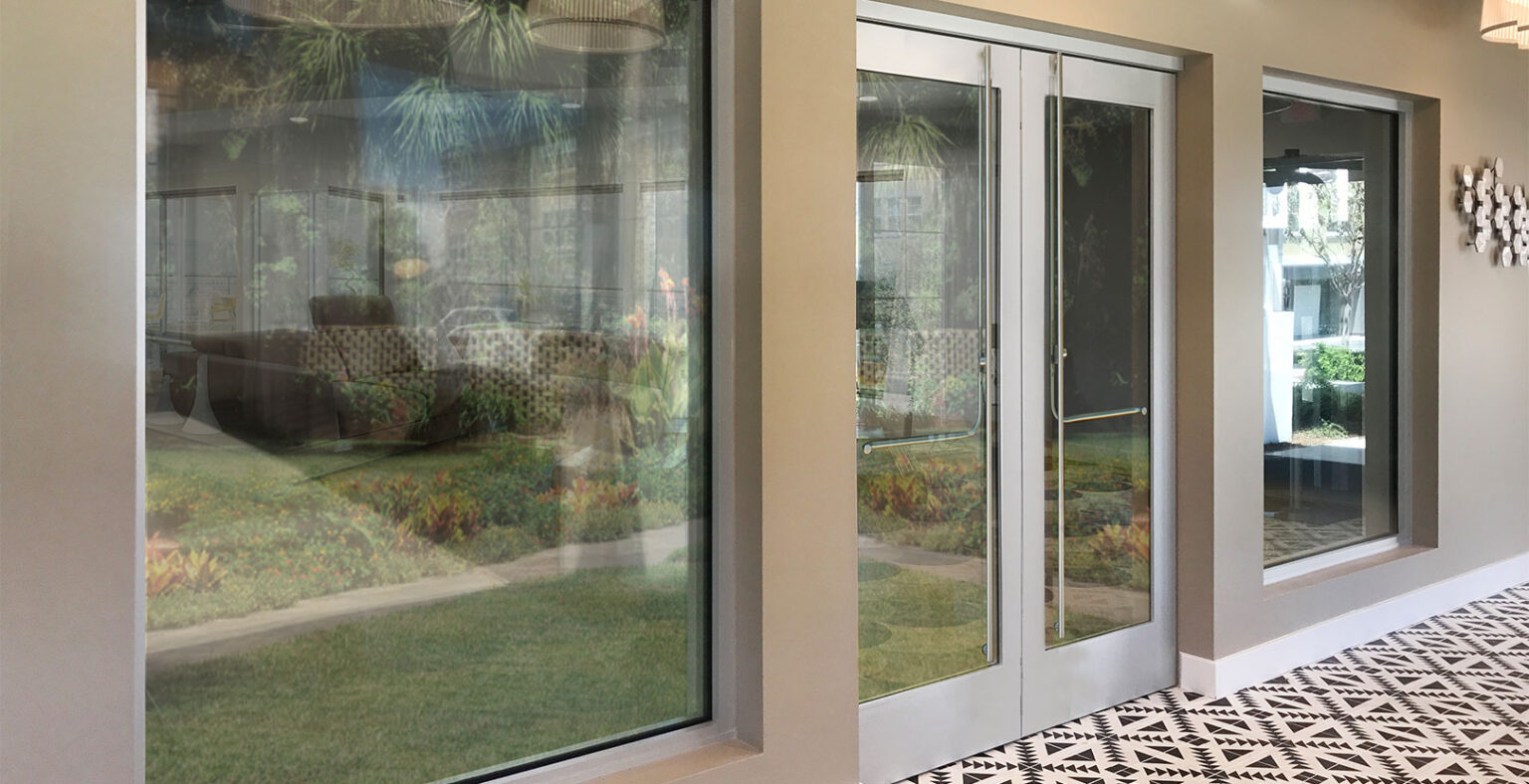
Glass and Aluminum Manufacturers in Wyoming

Glass and Aluminum Manufacturers in Wyoming – PRL Glass & Aluminum

If you’re looking for strong, energy-efficient glass and aluminum systems in Wyoming, PRL Glass & Aluminum is your nationwide partner for reliable architectural solutions. From urban projects in Cheyenne to tourism-focused builds in Jackson and infrastructure upgrades in Casper, our systems are engineered for Wyoming’s high-altitude climate, wide temperature ranges, and rugged beauty. 

We manufacture and ship custom storefronts, curtainwall, aluminum doors, and architectural glass, serving Wyoming’s commercial, institutional, and residential construction markets. 

Are You in Wyoming? Get in Touch with PRL Glass & Aluminum 

Whether your project is in a bustling city or a remote mountain community, PRL provides precision fabrication, dependable shipping, and expert service throughout Wyoming. 

We serve projects in Cheyenne, Casper, Laramie, Gillette, Jackson, and across the state. 

Service 

Contact Number 

Aluminum Division 

📞 877-775-2586 

Glass Division 

📞 800-433-7044 

📍 Visit our locations in City of Industry, California and explore our wide range of innovative, high-quality aluminum and glass solutions!

High-Quality Glass and Aluminum Solutions in Wyoming 

PRL designs and fabricates systems ready to meet Wyoming’s unique construction challenges—balancing durability, energy savings, and contemporary design. 

All PRL products are tested to meet or exceed ASTM, NFRC, and LEED standards for performance, energy efficiency, and compliance. 

Why Choose PRL Glass & Aluminum in Wyoming? 

From growing cities to resort communities, Wyoming contractors need flexible systems that stand up to mountain weather. PRL delivers with precision and speed. 

Why Wyoming builders trust PRL: 

  • Thermally efficient products for cold winters and warm summers 
  • Fast, reliable nationwide delivery, even to rural areas 
  • Custom solutions for small and large-scale projects 
  • Comprehensive support from bid to build 

From Cheyenne’s revitalization efforts to Jackson’s resort expansions, PRL supports Wyoming’s growth. 

PRL in Wyoming

Why Aluminum and Glass Are a Smart Choice in Wyoming

Aluminum and glass systems meet Wyoming’s demands for resilience, energy efficiency, and clean aesthetics—perfect for mountain towns and urban centers alike.

Here’s why:

  • Extreme Climate Performance – Maintains integrity through snow, ice, and wide temperature shifts
  • Thermal Break Technology – Reduces heat loss for greater energy savings
  • Low Maintenance – Corrosion-resistant, even in high-altitude environments
  • Modern Appearance – Complements rustic, traditional, or contemporary architecture
  • Sustainable Choice – Fully recyclable and LEED-compatible

From Casper’s hospitals to Jackson’s boutique hotels, PRL helps Wyoming builders create lasting, beautiful structures.

PRL glass and Aluminum Available throughout the United States 

PRL Glass are in Wyoming and all the country. With project customization and fast shipping, PRL is a leader in manufacturing and project design in the United States, delivering high quality glass solutions and aluminum systems.  

We service all 50 states in the United States. 

Vermont

New Hampshire

North Dakota

Rhode Island 

South Dakota  

Follow us on social media ✅

Stay tuned for news, events, discounts and new products through the different social media channels.
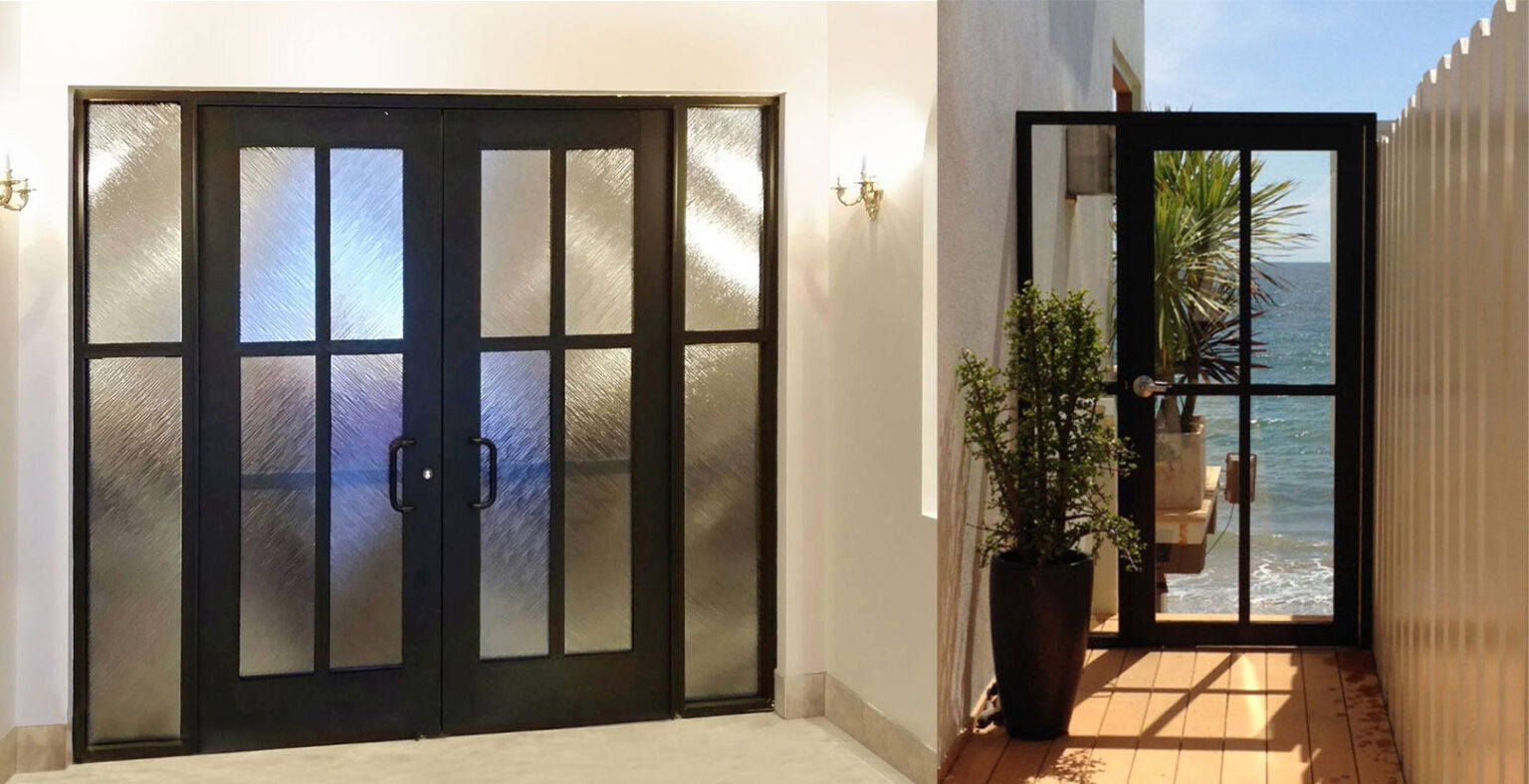
Laminated vs Tempered Glass

Laminated Glass vs. Tempered Glass: Which Is Better for Security and Design?

Home / 2025

Choosing the right type of safety glass is essential for architects, builders, and property owners looking to balance security, performance, and design.

With growing concerns around forced entry, severe weather, and noise pollution, laminated glass and tempered glass have become two of the most widely used safety glazing solutions in modern construction. Although both are classified as safety glass, they differ significantly in how they’re manufactured, how they behave when broken, and where they perform best.

Understanding these differences helps avoid costly mistakes and ensures your glass installation meets both functional and regulatory requirements. This guide breaks down the key distinctions between laminated glass and tempered glass, from strength and safety to cost and ideal applications.

Laminated glass is chosen for impact protection, as it does not shatter into thousands of pieces.

What Makes Glass “Safety Glass”?

Safety glass refers to glass products manufactured to reduce the risk of injury when broken. Unlike standard annealed glass, safety glass is engineered either to stay intact when shattered or to break into less dangerous fragments.

Laminated glass and tempered glass are the two most common types of safety glass used in residential, commercial, and automotive applications, each designed to address different safety needs.

All You Need to Know About Laminated Glass 

Now let’s learn all about this glass so you can decide if it’s a good fit for your project. 

What Is Laminated Glass?

Laminated glass is a type of safety glass made by bonding two or more layers of glass with a plastic interlayer, most commonly polyvinyl butyral (PVB) or ethylene-vinyl acetate (EVA). This interlayer keeps the glass layers bonded together even when the glass cracks or breaks.

Unlike standard glass, laminated glass does not shatter into loose fragments. Instead, the broken pieces remain adhered to the interlayer, maintaining a barrier that enhances safety, security, and post-break performance.

Main Benefits of Laminated Glass

Laminated glass offers a combination of safety, security, and performance benefits that make it a preferred choice for both commercial and residential applications.

  • Enhanced Security: The interlayer holds the glass together when broken, making it significantly harder to penetrate and ideal for preventing forced entry.
  • Sound Reduction: Laminated glass helps dampen noise by absorbing sound vibrations, making it suitable for buildings in high-traffic or noisy environments.
  • UV Protection: The plastic interlayer can block up to 99% of harmful UV rays, helping protect interiors from fading and sun damage.
  • Design Flexibility: Decorative films, colors, and graphics can be integrated into the interlayer, allowing greater creative freedom in architectural and interior design.

Common Uses of Laminated Glass 

Because of its safety and performance characteristics, laminated glass is commonly used in applications where security, overhead safety, or sound control is critical.

  • Skylights and overhead glazing to prevent falling glass hazards. 
  • High-rise building windows. 
  • Automotive windshields. 

All You Need to Know About Tempered Glass 

Now let’s learn all about this glass so you can decide if it’s a good fit for your project. 

What Is Tempered Glass? 

Tempered glass, also known as toughened glass, starts as standard annealed glass that undergoes a controlled heat-treatment process. The glass is heated to high temperatures and then rapidly cooled, a process known as tempering.

This thermal treatment increases the glass’s strength by creating compression on the surface and tension in the core. As a result, tempered glass is significantly stronger than standard glass and better suited to withstand impacts and temperature changes.

When tempered glass breaks, it shatters into small, blunt pieces rather than sharp shards, reducing the risk of serious injury.

Main Benefits of Tempered Glass

Tempered glass is valued for its strength, durability, and safety characteristics, particularly in interior and high-traffic applications.

  • High Impact Resistance: Tempered glass is approximately four to five times stronger than standard annealed glass of the same thickness.
  • Safer Breakage Pattern: When broken, it shatters into small, blunt fragments that reduce the risk of cuts and injuries.
  • Thermal Resistance: Tempered glass can withstand temperature fluctuations better than standard glass, making it suitable for heat-exposed environments.
  • Code Compliance: Tempered glass is commonly required by building codes in locations where safety glazing is mandatory.

Common Uses of Tempered Glass 

Tempered glass is widely used in applications where impact resistance, thermal performance, and occupant safety are essential, but where post-break containment is not required.

  • Side and rear windows in vehicles. 
  • Tabletops and shelves. 
  • Windows in high-rise buildings where safety glass is required by code. 
Both options offer significant advantages in terms of safety. One of the differences is the size of the two products.

Laminated Glass vs Tempered Glass: The Core Difference (Containment vs Shatter)

While both laminated glass and tempered glass are classified as safety glass, they are engineered to solve different safety challenges. The most important distinction between them lies in how the glass behaves after impact.

  • Laminated glass is designed for containment. Even when cracked or broken, the interlayer holds the glass fragments together, maintaining a barrier that continues to provide protection.
  • Tempered glass is designed for safe breakage. It offers high initial strength, but when it fails, it shatters completely into small, blunt pieces, eliminating sharp edges but losing structural integrity.

Understanding this difference is key when selecting the right glass for security, safety, and performance requirements.

Feature 

Laminated Glass 

Tempered Glass 

Construction 

Multiple layers bonded with plastic interlayer (PVB) 

Single sheet heat-treated for strength 

Breakage 

Holds together when shattered 

Shatters into small, blunt pieces 

Security 

Harder to penetrate, better for forced-entry prevention 

Less secure, easier to break through 

Sound Reduction 

Excellent noise dampening 

Minimal sound insulation 

UV Protection 

Blocks most UV rays 

Limited UV protection 

Cost 

Generally more expensive 

Less expensive than laminated glass 

  Choosing the right glass type depends on your specific project needs. If you need maximum security and soundproofing, laminated glass is the better option; if you want cost-effective safety glass with high impact resistance, tempered glass is often the preferred choice. 

Can Laminated and Tempered Glass Be Combined?

Yes. In some applications, glass can be both tempered and laminated, combining the strength of tempered glass with the containment and safety benefits of laminated glass.

This type of glass assembly is often used in high-performance architectural glazing, where impact resistance, post-break safety, and durability are all required. The exact configuration depends on factors such as glass thickness, interlayer type, framing system, and project-specific requirements.

Tempered laminated glass is commonly specified for commercial buildings, overhead glazing, and areas where enhanced safety and code compliance are critical.

Safety Standards and Code Considerations

When selecting safety glass, it’s essential to consider applicable building codes and industry standards. Both laminated and tempered glass must meet specific safety requirements depending on the application and location.

Common safety glazing references include:

  • ANSI Z97.1 – Safety glazing materials used in buildings
  • CPSC 16 CFR 1201 – Consumer product safety standard for architectural glazing
  • ASTM C1172 – Standard specification for laminated architectural flat glass

Always verify local building codes and project specifications to ensure the selected glass type meets all safety and compliance requirements.

Frequently Asked Questions 

What is safer: laminated or tempered glass?

Both laminated and tempered glass are classified as safety glass, but “safer” depends on the type of risk involved.

Laminated glass provides better protection against forced entry and post-break hazards because it holds together when shattered. Tempered glass, while very strong, is designed to break into small, blunt pieces that reduce injury risk, making it ideal for interior and high-traffic areas.

Can laminated and tempered glass be used together?

Yes. Many projects use both types of glass depending on the application. For example, laminated glass may be specified for exterior windows to enhance security and sound control, while tempered glass is often used for interior doors, partitions, or shower enclosures where impact resistance is the priority.

In some cases, tempered laminated glass is used to combine both strength and post-break containment in a single assembly.

Which glass type is better for soundproofing?

Laminated glass is better for sound reduction because the plastic interlayer helps absorb sound vibrations. This makes it especially effective for buildings near busy streets, airports, or other high-noise environments.

Is laminated glass more expensive than tempered glass?

Generally, yes. Laminated glass tends to be more expensive due to its layered construction and the additional materials involved. Tempered glass is typically more cost-effective, though pricing can vary based on thickness, size, and project specifications.

Where should I use tempered glass?

Tempered glass is commonly used in applications where safety glass is required, but enhanced security is not the primary concern. Typical uses include shower doors, interior glass partitions, tabletops, shelves, and side or rear vehicle windows.

Does laminated glass block UV rays?

Yes. Laminated glass can block up to 99% of harmful UV radiation, helping protect interiors, furnishings, and finishes from fading and sun damage.

At PRL, we understand that choosing the right type of glass is essential for the safety, functionality, and aesthetics of your project. That’s why we offer a wide range of laminated glass solutions designed to meet the highest standards of security, sound insulation, and UV protection. Our laminated glass is ideal for commercial buildings, residential spaces, and architectural designs that demand performance without compromising style. 

Explore our complete line of laminated glass products and discover how PRL can help you bring your vision to life with innovative glazing solutions tailored to your needs. Contact our team today to learn more about our offerings and find the perfect glass for your next project. 

Glass and Aluminum Manufacturers in Vermont

Glass and Aluminum Manufacturers in Vermont – PRL Glass & Aluminum

If you’re looking for high-quality, energy-efficient glass and aluminum systems in Vermont, PRL Glass & Aluminum is your trusted nationwide partner. From revitalizing historic districts in Burlington to institutional builds in Montpelier and residential projects across Vermont’s scenic towns, PRL delivers durable systems crafted for cold winters, humid summers, and New England design sensibilities. 

We manufacture and ship custom storefronts, curtainwall, aluminum doors, and architectural glass to support Vermont’s commercial, residential, and civic construction needs. 

Are You in Vermont? Get in Touch with PRL Glass & Aluminum 

From hospitality to education and retail, PRL offers fast shipping, precision fabrication, and expert guidance for projects across Vermont. 

We serve builders in Burlington, Montpelier, Rutland, Brattleboro, St. Albans, and throughout Vermont. 

Service 

Contact Number 

Aluminum Division 

📞 877-775-2586 

Glass Division 

📞 800-433-7044 

📍 Visit our locations in City of Industry, California and explore our wide range of innovative, high-quality aluminum and glass solutions!

High-Quality Glass and Aluminum Solutions in Vermont 

PRL offers products designed for Vermont’s architecture and climate, combining durability, efficiency, and refined aesthetics. 

All PRL systems are certified to meet ASTM, NFRC, and LEED standards, ensuring quality and compliance in Vermont’s building sector. 

Why Choose PRL Glass & Aluminum in Vermont? 

Vermont’s builders need versatile, high-performance systems that perform in diverse architectural context, from historic renovations to modern designs. PRL delivers. 

Why Vermont contractors trust PRL: 

  • Energy-efficient systems for harsh New England winters 
  • Fast delivery with coast-to-coast logistics 
  • Custom fabrication for unique architectural requirements 
  • Expert support from planning to installation 

Whether your project preserves Vermont’s heritage or creates a new landmark, PRL is here to help. 

PRL in Vermont

Why Aluminum and Glass Are a Smart Choice in Vermont 

Aluminum and glass systems provide practical and aesthetic benefits perfect for Vermont’s blend of tradition and modernity. 

Here’s why: 

  • Thermal Break Technology – Reduces heat loss, critical for cold climates 
  • Weather Durability – Resists moisture, snow, and freeze-thaw cycles 
  • Historic Compatibility – Complements Vermont’s classic architectural styles 
  • Eco-Friendly – Recyclable, LEED-compatible materials 
  • Minimal Maintenance – Built to last in changing weather conditions 

From downtown Burlington to mountain communities, PRL helps Vermont build efficiently, beautifully, and sustainably. 

PRL glass and Aluminum Available throughout the United States 

PRL Glass are in Vermont and all the country. With project customization and fast shipping, PRL is a leader in manufacturing and project design in the United States, delivering high quality glass solutions and aluminum systems.  

We service all 50 states in the United States. 

Montana

New Hampshire

North Dakota

Rhode Island

South Dakota

Follow us on social media ✅

Stay tuned for news, events, discounts and new products through the different social media channels.
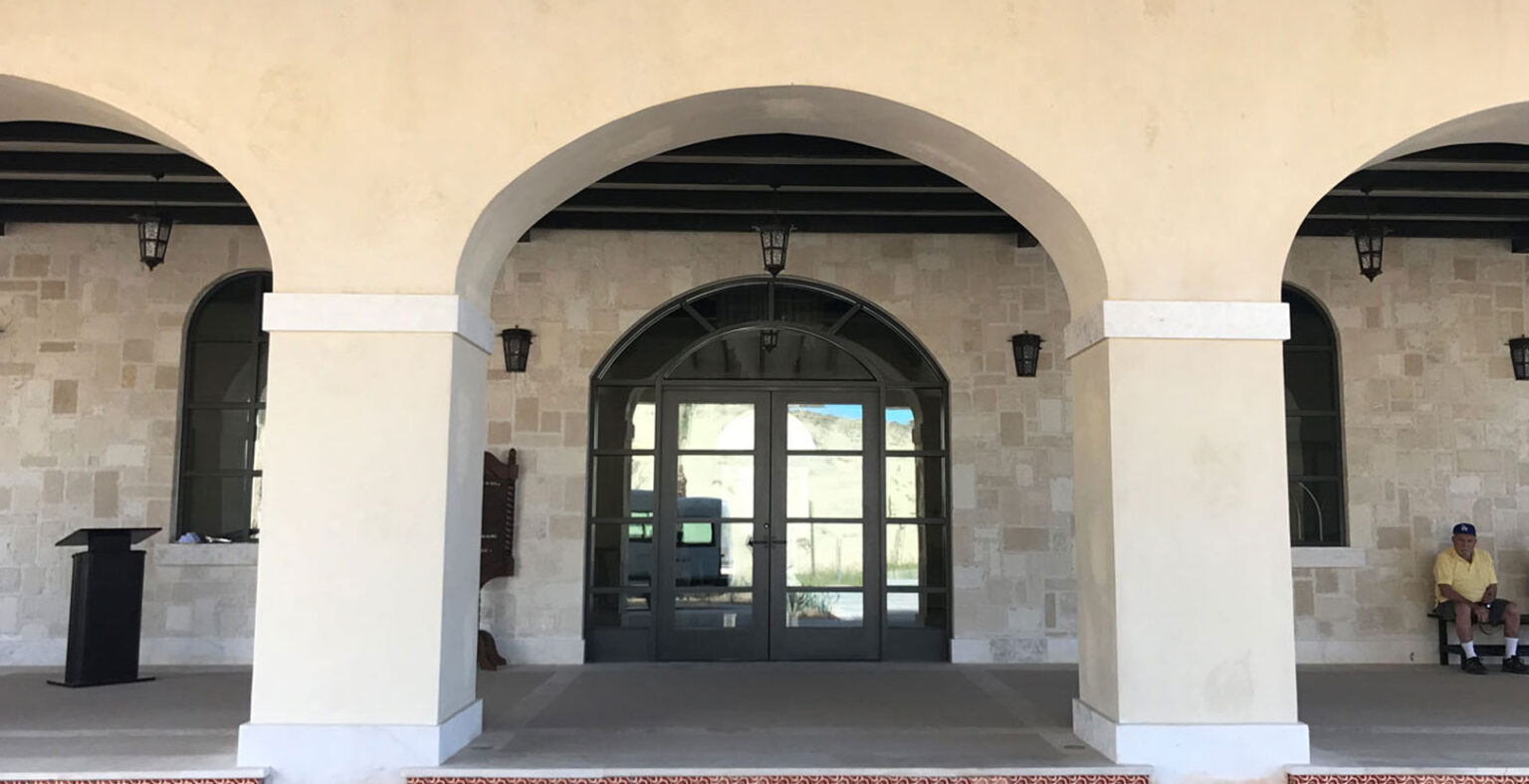
Laminated glass is an excellent choice for safety and style.

What Is Laminated Glass and Why Is It Used in Modern Construction?

Home / 2025

Laminated glass is a type of safety glass made by bonding two or more layers of glass with a strong, transparent plastic interlayer (most commonly PVB) under heat and pressure. This “glass sandwich” helps the panel stay in place even when cracked, reducing the risk of sharp shards and improving post-breakage safety.

Beyond safety, laminated glass can enhance security, reduce noise transmission, and help filter UV radiation, benefits that make it especially valuable in high-traffic or high-exposure environments.

Today, it’s widely used in applications like storefronts, curtain walls, skylights, architectural windows, and hurricane- or impact-resistant glazing for both residential and commercial projects.

In this article, we’ll break down what laminated glass is, how it’s made, where it’s used, and how to choose the right type for your project.

Laminated glass is one of the new ways to protect your home or workplace.

What Is Laminated Glass and How Is It Made

Laminated glass is a type of safety glass manufactured by bonding two or more sheets of glass with a resilient plastic interlayer, most commonly polyvinyl butyral (PVB), though alternatives such as EVA or ionoplast interlayers may also be used for specific performance requirements.

The primary function of this interlayer is to hold the glass together if it breaks. Instead of shattering into sharp, dangerous fragments, the glass adheres to the interlayer, maintaining its position within the frame. This behavior improves safety, structural integrity, and, depending on the configuration, acoustic and UV performance.

For this reason, laminated glass has become one of the new trends in construction in this new era, where comfort and safety are sought in a single element.

How Laminated Glass Is Made

The manufacturing process of laminated glass is carefully controlled to ensure strength, clarity, and long-term durability:

  1. Glass Preparation: Two or more panes of annealed or heat-treated glass are selected based on the required thickness and application.
  2. Interlayer Assembly: A plastic interlayer (typically PVB or EVA) is placed between the glass sheets. Specialized interlayers may include acoustic, UV-filtering, or structural properties.
  3. Pre-Lamination: The glass “sandwich” is passed through heated rollers or vacuum systems to remove air pockets and begin bonding.
  4. Autoclave Bonding: The assembly is then processed in an autoclave under heat and pressure, creating a permanent, optically clear bond between layers.
  5. Cooling and Inspection: Once bonded, the laminated glass is cooled and inspected for clarity, adhesion, and performance before cutting or shaping to specification.

This controlled process allows laminated glass to meet strict architectural, safety, and building code requirements across a wide range of applications.

Common Applications of Laminated Glass in Modern Construction

Thanks to its layered construction and post-breakage performance, laminated glass is widely used across commercial, residential, and specialized architectural applications. Its ability to enhance safety, security, and comfort, without compromising transparency or design, makes it a preferred choice for modern building projects.

Some of the most common applications include:

Storefronts and Curtain Wall Systems: Laminated glass provides increased impact resistance and security for high-traffic commercial spaces while maintaining clear visibility and a clean architectural appearance.

Windows and Doors: Commonly used in residential and commercial buildings located in areas exposed to storms, seismic activity, or higher security risks.

Skylights and Overhead Glazing: Especially important in overhead applications, where laminated glass helps prevent falling shards if breakage occurs.

Interior Partitions and Glass Walls: Ideal for offices, hospitality, and mixed-use spaces, combining visual openness with improved acoustic performance.

Glass Railings and Balustrades: Offers fall protection and structural reliability while preserving unobstructed views.

Sound-Sensitive Environments: Frequently specified for conference rooms, hotels, studios, and urban buildings where noise control is essential.

Security and High-Risk Facilities: Used in banks, government buildings, embassies, and secure facilities, where laminated glass may be combined with specialized interlayers for enhanced protection.

Specialty Applications: Including aquariums, museums, display cases, glass floors, and animal enclosures, projects that require both strength and optical clarity.

This versatility allows laminated glass to adapt to a wide range of architectural and functional requirements, from everyday commercial buildings to highly specialized environments.

There are several types of laminated glass, which provide protection against impacts, weather, and even bullets.

What Are the Most Common Types of Laminated Glass?

Not all laminated glass is the same. Depending on the interlayer type, glass configuration, and performance requirements, laminated glass can be engineered to meet specific safety, acoustic, structural, or design needs.

Some of the most common types of laminated glass used in modern construction include:

  • Impact-Resistant Laminated Glass: Designed to withstand strong impacts and meet hurricane or seismic building code requirements. Commonly used in coastal regions and high-exposure environments. 
  • Privacy Laminated Glass: Combines safety with translucent, frosted, or patterned interlayers to allow light transmission while limiting visibility.
  • Bullet-Resistant Laminated Glass: Produced using multiple glass layers and high-performance interlayers to provide ballistic protection in high-security facilities such as banks, government buildings, and secure commercial spaces
  • Sound Control Laminated Glass: Manufactured with specialized acoustic interlayers that help dampen sound vibrations, reducing noise transmission in airports, hotels, offices, and dense urban areas.
  • Decorative Laminated Glass: Incorporates colored, patterned, or digitally printed interlayers, offering architects greater freedom to integrate branding, graphics, or artistic elements into glass surfaces.
  • SentryGlas® Structural Laminated Glass (Clear Only): PRL offers SentryGlas® interlayers. Uses advanced interlayers (such as high-strength ionoplast materials) to provide increased load-bearing capacity, edge stability, and resistance to moisture, making it suitable for exposed-edge or structural applications.

By selecting the appropriate laminated glass type, architects and developers can balance safety, performance, and aesthetics while meeting project-specific codes and design goals.

Laminated Glass vs. Tempered Glass: What’s the Difference?

Laminated glass and tempered glass are both classified as safety glass, but they perform differently and are suited to distinct applications.

  • Laminated glass is designed to remain in place when broken. The plastic interlayer holds the glass fragments together, providing enhanced post-breakage safety, improved security, and additional benefits such as sound insulation and UV protection. For this reason, laminated glass is often preferred for storefronts, curtain walls, skylights, railings, and applications where impact resistance or intrusion prevention is critical.
  • Tempered glass, on the other hand, is heat-treated to increase its strength. When it breaks, it shatters into small, rounded pieces that reduce the risk of injury. Tempered glass is commonly used for interior applications such as shower doors, partitions, and areas where breakage is less likely to result in falling glass or security concerns.

In many architectural projects, laminated and tempered glass are not competing options but complementary solutions, each selected based on safety requirements, location, and building code considerations.

👉 For a more detailed comparison between laminated and tempered glass, explore our full guide on laminated vs. tempered glass applications.

At PRL Glass & Aluminum, we work with architects, developers, and contractors to provide a comprehensive range of laminated glass solutions, including impact-resistant, decorative, and sound control glass. All products are manufactured in-house to meet project-specific specifications, building codes, and performance requirements.

Whether you’re designing a commercial façade, upgrading interior glazing, or specifying glass for a complex architectural application, our team can help you identify the most suitable laminated glass configuration for your project.

Glass and Aluminum Manufacturers South Dakota

Glass and Aluminum Manufacturers in South Dakota – PRL Glass & Aluminum

If you’re searching for reliable glass and aluminum systems in South Dakota, PRL Glass & Aluminum is your nationwide partner for architectural solutions built to perform. From expanding commercial zones in Sioux Falls to institutional buildings in Rapid City and residential developments in Brookings, our products combine durability, thermal efficiency, and clean design.

PRL fabricates and ships custom storefronts, curtainwall, aluminum doors, and architectural glass to meet the needs of South Dakota’s growing construction industry.

Are You in South Dakota? Get in Touch with PRL Glass & Aluminum

Whether your project is urban, suburban, or rural, PRL provides fast, dependable service and expert support across South Dakota.

We proudly serve construction professionals in Sioux Falls, Rapid City, Brookings, Aberdeen, and statewide.

Service 

Contact Number 

Aluminum Division 

📞 877-775-2586 

Glass Division 

📞 800-433-7044 

📍 Visit our locations in City of Industry, California and explore our wide range of innovative, high-quality aluminum and glass solutions!

High-Quality Glass and Aluminum Solutions in South Dakota

Our architectural systems are engineered for high performance in the varied climate of South Dakota—from freezing winters to hot summers.

All PRL products are compliant with ASTM, NFRC, and LEED standards, ensuring safety, efficiency, and sustainability.

Why Choose PRL Glass & Aluminum in South Dakota?

From urban development to small-town projects, PRL supports South Dakota’s builders with expert fabrication, fast shipping, and tailored solutions.

Why local contractors trust PRL:

  • Durable systems for cold and variable weather conditions
  • Nationwide delivery with reliable timelines
  • Custom sizes and finishes for diverse architectural needs
  • Technical support throughout design and construction

Whether you’re revitalizing Main Street or expanding a campus facility, PRL brings experience and value to your project.

PRL In South Dakota

Why Aluminum and Glass Are a Smart Choice in South Dakota

Aluminum and glass systems are a smart fit for South Dakota’s blend of rural charm and expanding urban centers.

Here’s why:

  • Thermal Efficiency – Keeps interiors comfortable through temperature extremes
  • Weather Resistance – Built for wind, snow, and sun exposure
  • Sleek, Timeless Look – Enhances the appearance of any structure
  • Low Maintenance – Corrosion-resistant and long-lasting
  • Eco-Friendly – LEED-aligned materials with full recyclability

From Sioux Falls to the Black Hills, PRL helps South Dakota build for the future—with performance you can trust.

PRL glass and Aluminum Available throughout the United States 

PRL Glass are in South Dakota and all the country. With project customization and fast shipping, PRL is a leader in manufacturing and project design in the United States, delivering high quality glass solutions and aluminum systems.  

We service all 50 states in the United States. 

 Hawaii

Montana

✅ New Hampshire

✅ North Dakota 

✅ Rhode Island   

Follow us on social media ✅

Stay tuned for news, events, discounts and new products through the different social media channels.