There is no single cost to build a wine cellar because every project has a different scope. A compact home wine cellar, a glass-enclosed wine room, and a commercial wine cellar can require very different materials, systems, and installation details.
The main factors usually include location, size, bottle capacity, enclosure type, racks, lighting, doors, climate-control requirements, materials, customization, and installation conditions.
For homeowners, architects, builders, restaurants, hotels, and hospitality spaces, understanding these variables can make the quoting process clearer and help avoid missing important details early in the project.
Why Wine Cellar Costs Can Vary So Much
Wine cellar cost is shaped by what the space needs to do. Some projects are designed for compact storage. Others are built as visible architectural features, climate-conscious wine rooms, or commercial displays that support service and customer experience.
A simple rack area will not have the same scope as a glass wine cellar with panels, doors, aluminum framing, lighting, and custom measurements. A restaurant or hotel wine cellar may also require greater capacity, frequent access, and a layout that works with daily operations.
Several factors can influence the budget, including:
- Size of the space
- Bottle capacity
- Location
- Type of enclosure
- Door system
- Wine cellar racks
- Lighting
- Climate-control needs
- Glass and aluminum components
- Level of customization
- Installation complexity
As the project becomes more specific, pricing individual parts is not enough. The cost should reflect how the entire wine cellar will work as a system.
Size and Location
Size is one of the first factors that affects wine cellar cost. A larger space may require more racks, more materials, additional lighting, and a more complex layout. However, a smaller project can also become more involved if it has unusual dimensions or requires custom components.
Location can also change the scope. A wine cellar built in a basement may have different requirements than one placed near a dining room, kitchen, hallway, staircase, or entertainment area.
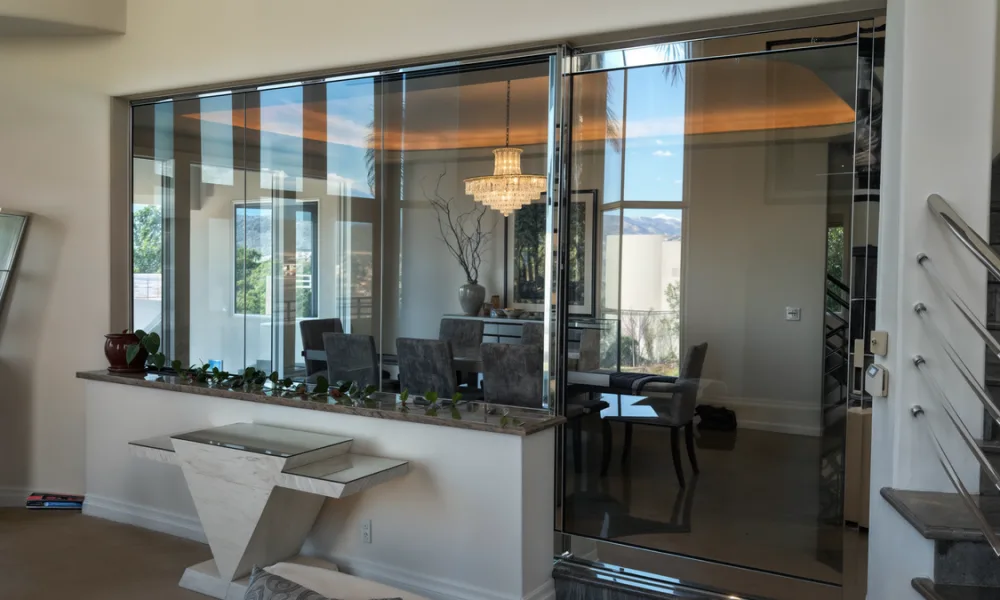
If the cellar is visible from nearby rooms, finishes, lighting, glass, doors, and racks usually need closer coordination. Existing conditions can also affect the project. A remodel may require adapting to walls, floors, openings, or structural limitations that are already in place. New construction can offer more flexibility because the wine cellar can be planned earlier.
Before estimating cost, it is useful to define:
- Approximate dimensions
- Desired bottle capacity
- Location in the property
- Whether the space is new construction or a remodel
- Whether the wine cellar will be visible or hidden
- How often the collection will be accessed
These details help clarify what type of solution the project actually needs.
How Glass Enclosures, Doors and Aluminum Frames Affect Cost
Glass enclosures can affect the budget because they add panels, doors, hardware, framing, measurements, and installation details to the project.
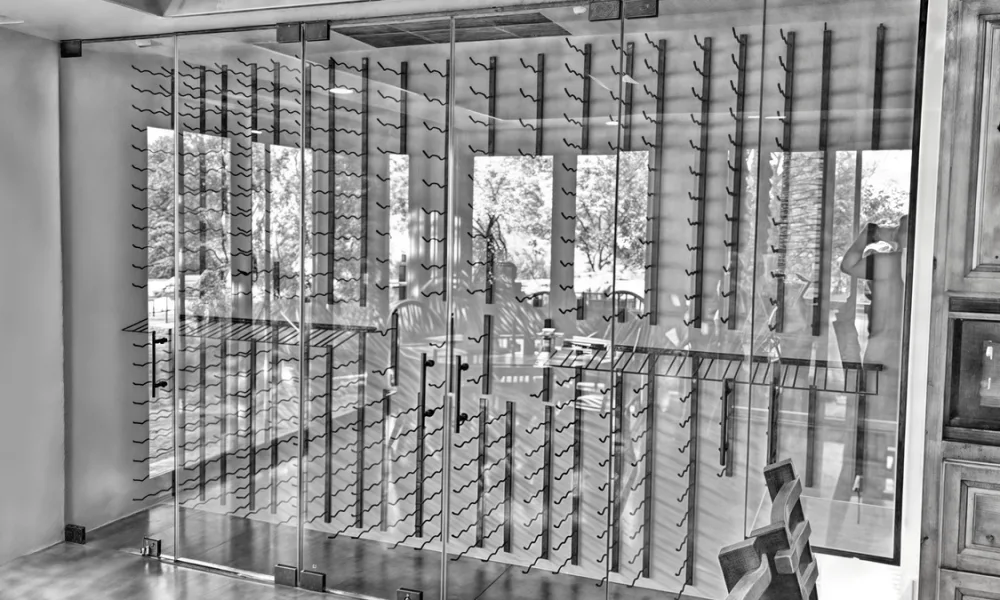
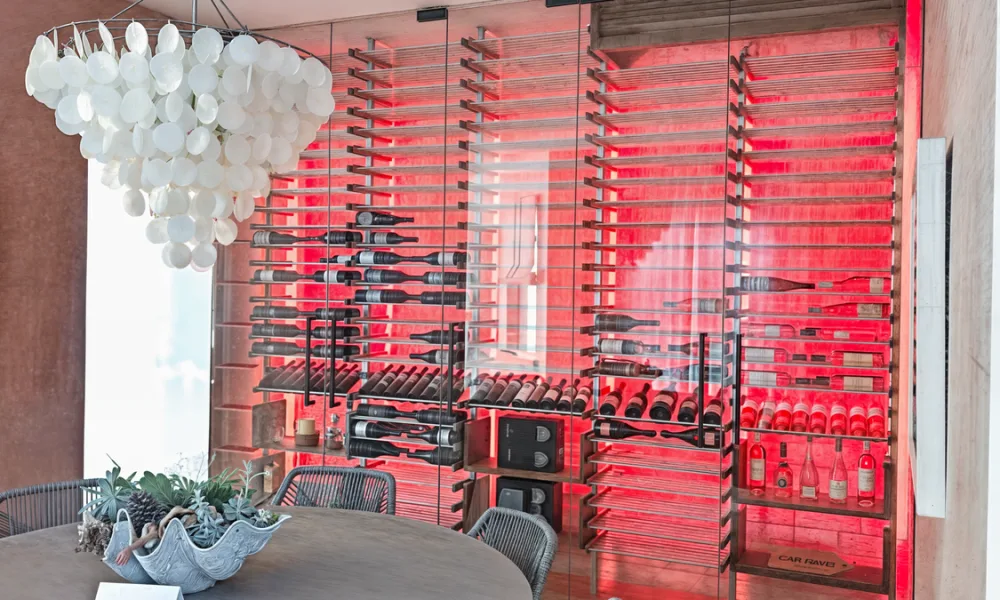
A glass wine cellar may include glass panels, glass doors, aluminum frames, framed or frameless configurations, custom openings, and coordination with racks and lighting. Each of these elements can change the scope depending on the dimensions, finish, hardware, and level of customization required.
Aluminum frames can also influence the budget depending on the profile, finish, configuration, and how the enclosure connects to the surrounding space. A simple framed opening will not have the same requirements as a larger glass enclosure with multiple panels or a more specific door system.
The door system should also be considered early. Doors affect access, circulation, separation, and the way the wine cellar will be used. If the door conflicts with racks, walking paths, or service flow, the design may need to be adjusted.
Glass and aluminum should not be treated as final decorative details. They are part of the system that shapes the appearance, function, and scope of the project.
How Racks, Lighting and Layout Shape the Budget
Wine cellar racks determine capacity, organization, access, and how the collection will be displayed. A basic rack layout may be enough for a small home wine cellar, while a larger or more visible project may need floor-to-ceiling racks, wall-mounted systems, case storage, display rows, or a combination of rack styles.
The rack design can influence cost through material selection, bottle capacity, custom sizing, wall-mounted or freestanding systems, display orientation, and integration with glass or doors.
Lighting also affects the budget. A wine cellar may need functional lighting for access, accent lighting for display, or a combination of both. In visible wine cellars, lighting becomes part of the overall design and should be coordinated with racks, glass, and surrounding finishes.
The interior layout should also support circulation. A design that looks good on paper may become difficult to use if there is not enough space to reach bottles, open doors, or maintain the cellar.
Climate-Control Requirements and Storage Goals
Climate-control requirements can be one of the biggest differences between a simple wine display and a wine cellar designed for longer-term storage.
Some projects may need temperature and humidity management. Others may be designed for shorter-term display, service, or easier access. The storage goal should be defined early because it can influence the enclosure, doors, location, sealing, lighting, and coordination with other systems.
A glass wine cellar may require additional planning because the wine area is more connected to the room around it. The design should consider how glass, doors, lighting, and location work with the intended storage conditions.
PRL’s role in this type of project is focused on glass and aluminum components. These components should be coordinated with the broader environmental requirements of the wine cellar, especially when long-term storage or climate-control systems are part of the project.
Custom Wine Cellar Cost Factors
Customization can influence wine cellar cost when the project requires more than a standard rack or basic storage layout.
Custom factors may include:
- Unusual dimensions
- Under-stair spaces
- Specific glass configurations
- Special door systems
- Aluminum frame finishes
- Rack layouts designed for a specific bottle capacity
- High-visibility residential or commercial locations
- Integration with existing architecture
- Installation conditions in a remodel or new build
Custom work can affect cost because more details need to be coordinated. Measurements, materials, glass, doors, framing, racks, lighting, and installation all need to work together.
For visible wine cellars, customization can also help the final design feel more connected to the architecture instead of forcing the space to fit a standard product.
Home Wine Cellar Cost vs. Commercial Wine Cellar Cost
A home wine cellar and a commercial wine cellar may share some of the same components, but their budgets are often shaped by different priorities.
A home wine cellar is usually planned around lifestyle, collection size, available space, and interior design. It may be used occasionally during meals, gatherings, or private tastings. The project may prioritize integration with a dining room, kitchen, basement, hallway, or entertainment space.
A commercial wine cellar usually has different demands. Restaurants, hotels, wine bars, tasting rooms, and hospitality spaces may need frequent access, greater capacity, stronger visibility, and layouts that support service or customer experience.
The budget difference is not always about square footage. It is often about use. A commercial project may need more coordination around staff movement, inventory, durability, lighting, display value, and daily operations.
Cost Mistakes to Avoid When Planning a Wine Cellar
A wine cellar budget can become less accurate when important details are left out at the beginning. Some common mistakes include:
- Budgeting Only for Racks: Wine cellar racks are important, but they are only one part of the project. Doors, glass, framing, lighting, climate-control needs, and installation can also affect the final cost.
- Leaving the Door or Enclosure for Later: The door and enclosure influence access, separation, visibility, and storage conditions. They should be included in the budget from the beginning.
- Ignoring Lighting: Lighting can affect both appearance and function. In visible wine cellars, it should be planned with the racks, glass, and surrounding finishes.
- Underestimating Installation Complexity: A project with unusual dimensions, existing walls, difficult access, or custom glass may require more installation planning than a simple storage area.
- Not Defining Bottle Capacity: Without a clear idea of capacity, it is difficult to plan racks, layout, and the overall size of the wine cellar.
- Choosing Glass Without Considering Location: Glass can be a strong design choice, but the location should be evaluated for light exposure, heat, access, and enclosure requirements.
What to Prepare Before Requesting a Wine Cellar Quote
A more accurate quote starts with clear project information. Before reaching out to a supplier or manufacturer, it helps to prepare the basic details of the wine cellar.
Useful information includes:
- Project location
- Approximate dimensions
- Residential or commercial use
- Desired bottle capacity
- Whether the wine cellar should be visible or enclosed
- Glass enclosure needs
- Preferred door type
- Desired frame or finish style
- Rack style or storage preference
- Lighting expectations
- Climate-control requirements
- Photos, plans, drawings, or measurements if available
This information helps define the scope and makes it easier to evaluate which components are needed.
It also helps avoid comparing incomplete estimates. Two wine cellar quotes may look very different if one includes glass, doors, framing, installation details, or custom components and the other does not.
The more clearly these details are defined, the easier it is to understand whether the project needs a simple enclosure, a glass wine cellar, or a more customized solution.
Planning a Wine Cellar Budget Around the Project
The cost of building a wine cellar depends on the complete project, not one isolated element. Size, location, racks, lighting, enclosure type, glass, aluminum frames, doors, climate-control needs, customization, and installation all shape the final scope.
For a simple home wine cellar, the budget may be driven mainly by racks, layout, and location. For a glass wine cellar, the enclosure, doors, framing, and visibility requirements may play a larger role. For a commercial wine cellar, access, durability, capacity, and service flow may become more important.
The best approach is to define how the wine cellar should function before trying to estimate what it should cost.
Share your wine cellar project details with PRL to explore glass and aluminum options that fit your space, design goals, and installation needs.