What Is a Glass Wine Cellar?
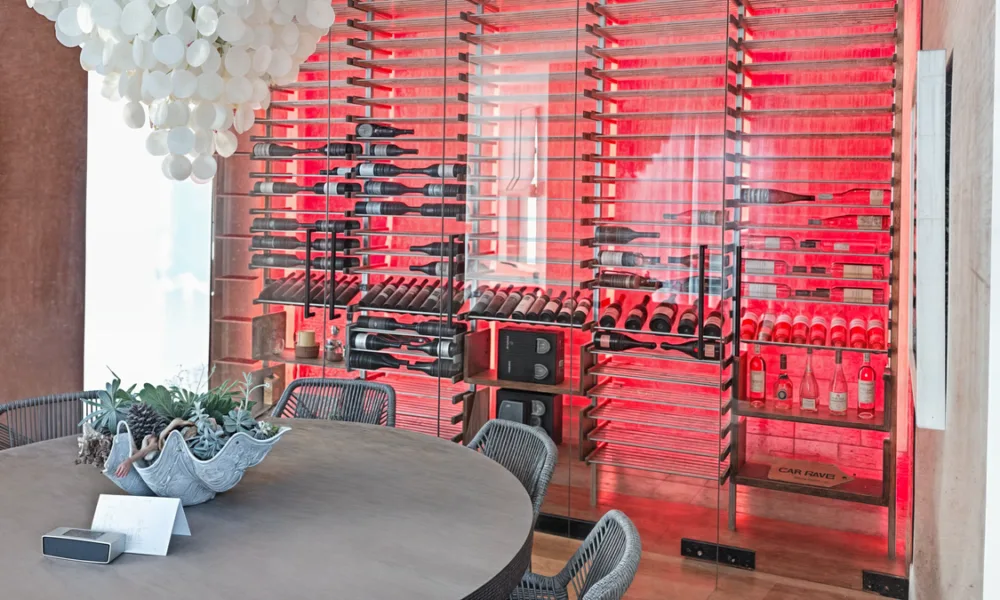
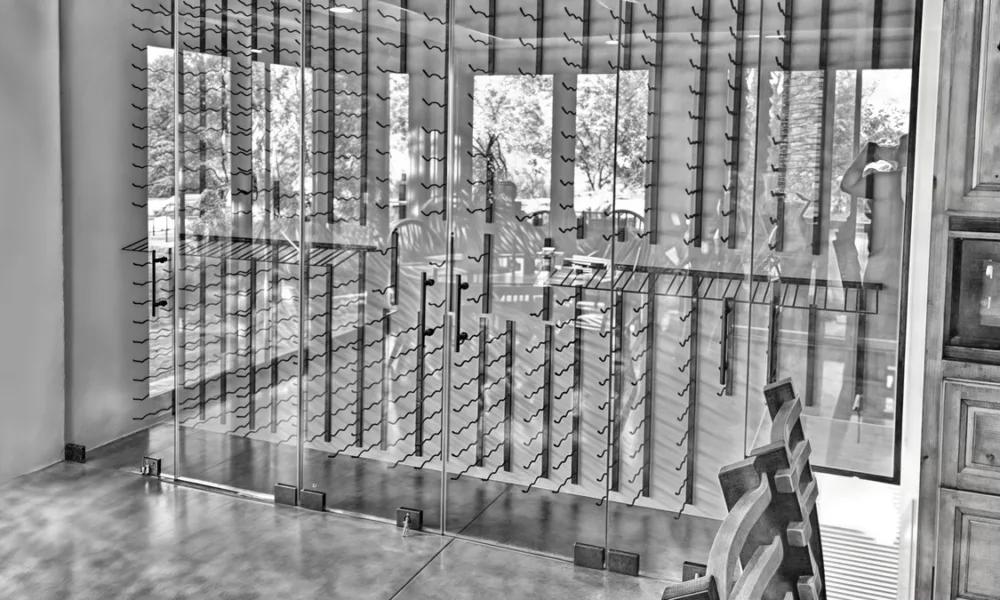
A glass wine cellar is a dedicated wine storage or display area that uses glass panels, glass doors, framed enclosures, or transparent partitions to define the space. Depending on the project, it may be fully enclosed, partially enclosed, or integrated as a visible wine room within a larger interior.
Unlike a simple glass-fronted rack or decorative display, a glass wine cellar needs to consider the relationship between transparency, enclosure, access, and storage conditions. The glass keeps the bottles, racks, and lighting visible, while the enclosure helps separate the wine area from the surrounding room.
Glass wine cellars can be used in both residential and commercial projects. In each case, the purpose may change, but the basic challenge remains the same: the space has to look intentional without ignoring how the wine will be stored, accessed, and protected.
Glass Wine Cellar vs. Traditional Wine Cellar
A traditional wine cellar is usually more enclosed. It may be located in a basement, a dedicated room, or a lower-visibility part of the property. The main priorities are often separation, storage capacity, and stable conditions.
A glass wine cellar introduces another layer: visibility.
Instead of hiding the bottles, it makes the wine selection part of the room. This can be especially valuable in projects where wine plays a role in dining, entertaining, or the customer experience.
That does not mean a glass wine cellar is better than a traditional one in every situation. The right choice depends on the purpose of the project. A collector who wants long-term storage with minimal exposure may prefer a more traditional cellar. A home, restaurant, or hospitality project that wants the wine collection to contribute to the interior experience may benefit from glass.
The difference is not only aesthetic. A glass wine cellar needs careful planning because the wine area is more exposed to the room around it. Doors, lighting, temperature, location, and enclosure details become especially important.
Why Choose Glass for a Wine Cellar?
Glass changes the relationship between the cellar and the room around it. Instead of creating a closed-off storage area, it keeps the wine cellar connected to nearby spaces.
This can be useful in open residential layouts, dining areas, entertainment rooms, restaurants, and hospitality spaces where the collection is meant to be seen. Glass creates separation without closing off the view. In the right location, this can turn the cellar into a focal point instead of a room that sits apart from the rest of the interior.
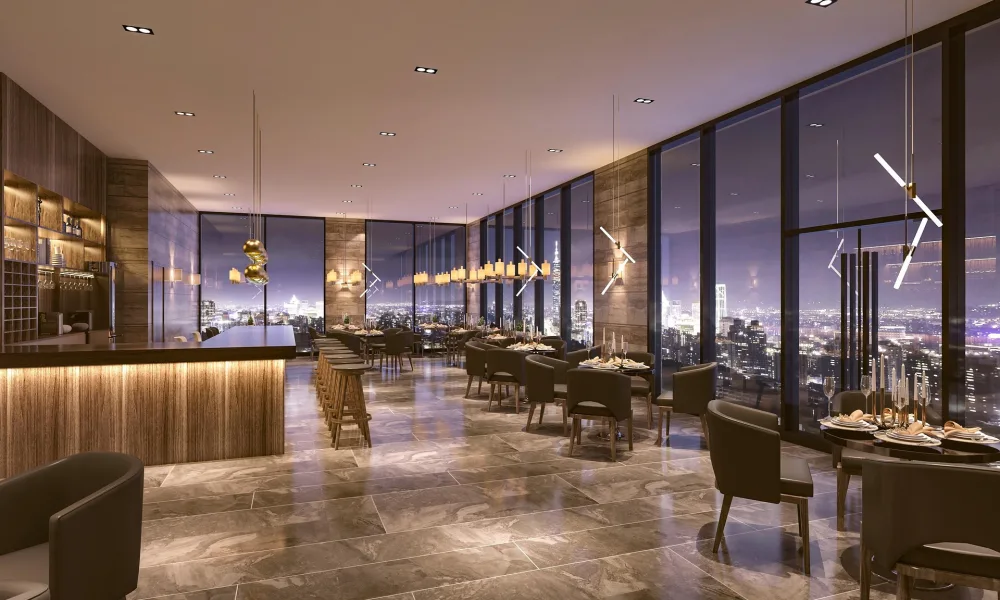
For commercial projects, this visibility can support the customer experience. In a restaurant or wine bar, a glass wine cellar can make the wine program feel more present. In a hotel or hospitality space, it can contribute to a more refined atmosphere.
For residential projects, glass can make the wine cellar feel connected to the areas where wine is most likely to be served or enjoyed. The result is not only storage, but a more integrated use of the collection within the home.
Display and Protection: The Main Design Balance
The main design challenge is simple: the cellar has to be seen without treating the wine like a decorative object.
A glass wine cellar can work well when the complete system is planned together. This includes:
- Location
- Glass enclosure
- Door system
- Light exposure
- Rack layout
- Interior lighting
- Access
- Climate-control needs
- Surrounding materials
Light is one of the first considerations. Direct sunlight and excessive artificial light can affect wine over time, especially when bottles are displayed for long periods. Placement and lighting should be planned carefully so the cellar can be highlighted without overexposing the collection.
Temperature is another important factor. Glass wine cellars should be evaluated according to the storage goals of the project. Some spaces may need climate control, while others may be designed for shorter-term display, service, or easier access. The enclosure, doors, and location should support that intended function.
Access also matters. If the cellar will be used frequently, the door system and layout should make it easy to reach bottles without interrupting the flow of the space. In commercial projects, this becomes even more important because staff may need regular access during service.
A successful glass wine cellar is not defined only by transparency; it depends on coordination. Visibility, storage, and usability need to work together.
Aluminum Frames and Glass Doors for Wine Cellars
Glass defines the visibility of the wine cellar, but the framing and door system shape how the space feels and functions.
Aluminum frames can help create a clean, contemporary look. They define the edges of the enclosure, support the glass panels, and give the wine cellar a more structured appearance without making it feel visually heavy.
In modern wine cellar projects, aluminum can be used for framed glass doors, enclosure systems, panel divisions, slim profiles, and architectural details. Their role is not only aesthetic. Framing affects how the enclosure connects to the surrounding space and how finished the wine cellar feels within the project.
The door system is especially important. It affects how people enter the cellar, how the space is separated from the surrounding room, and how easy the collection is to access.
A door that conflicts with the rack layout, walking path, or service flow can make the cellar harder to use, even if it looks correct in the design. For this reason, glass doors, aluminum frames, racks, lighting, and access points should be coordinated early.