Loading

Home Wine Cellar Ideas for Modern Residential Spaces

Home / BLOG / Home Wine Cellar Ideas for Modern Residential Spaces

A home wine cellar can be much more flexible than many homeowners expect. It does not always need a basement, a large room, or a hidden corner of the house. With the right planning, wine storage can become part of a dining room, kitchen, hallway, staircase area, entertainment space, or custom residential interior.

Some home wine cellars are discreet and practical. Others are designed to become a visible feature that adds character to the home. The best option depends on how the collection will be used, how much visibility is desired, and what the space can realistically support.

For modern residential projects, the goal is to make the collection easy to store, access, and display without making the wine cellar feel disconnected from the rest of the home.

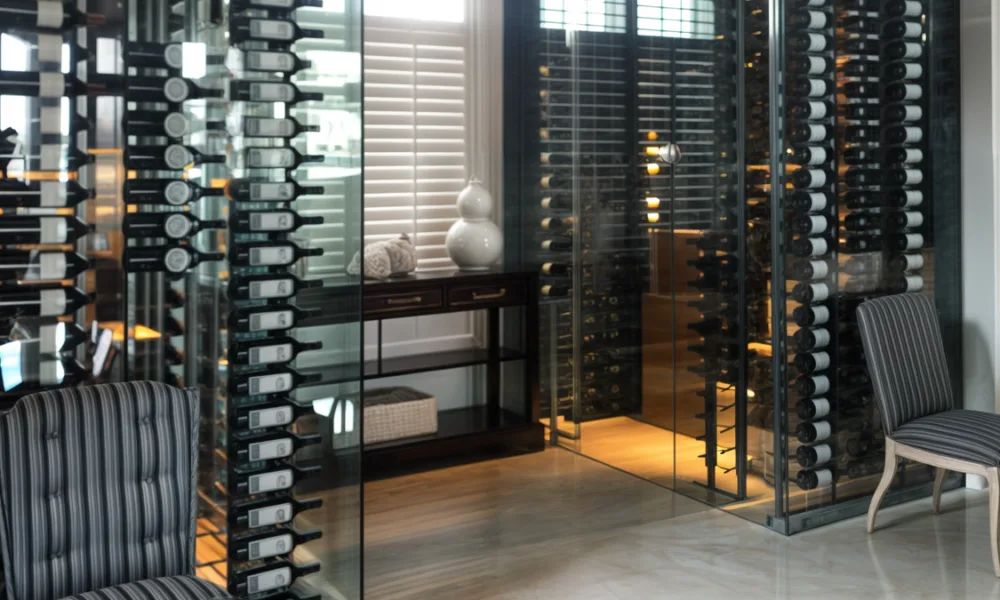
A home wine cellar can be integrated into dining rooms, stair areas, kitchens or entertainment spaces when layout, access, lighting and storage needs are planned together.

Where Can You Build a Home Wine Cellar?

The best place for a home wine cellar depends on how the space will be used and how visible the collection should be.

Common locations include:

  • Dining rooms
  • Kitchens
  • Hallways
  • Under-stair spaces
  • Living rooms
  • Entertainment rooms
  • Basements
  • Transitional areas between rooms

A homeowner who wants practical storage may prefer a more discreet location. Someone who sees the collection as part of the home’s design may choose a visible area near the dining room, kitchen, or social space.

The right location should make the wine easy to access without placing bottles in the warmest or brightest part of the home. Light exposure, heat, traffic, available depth, and enclosure needs should all be considered before the layout is defined.

Under-Stair Wine Cellar Ideas

The space under a staircase is often overlooked, but it can become one of the most attractive places for a compact home wine cellar.

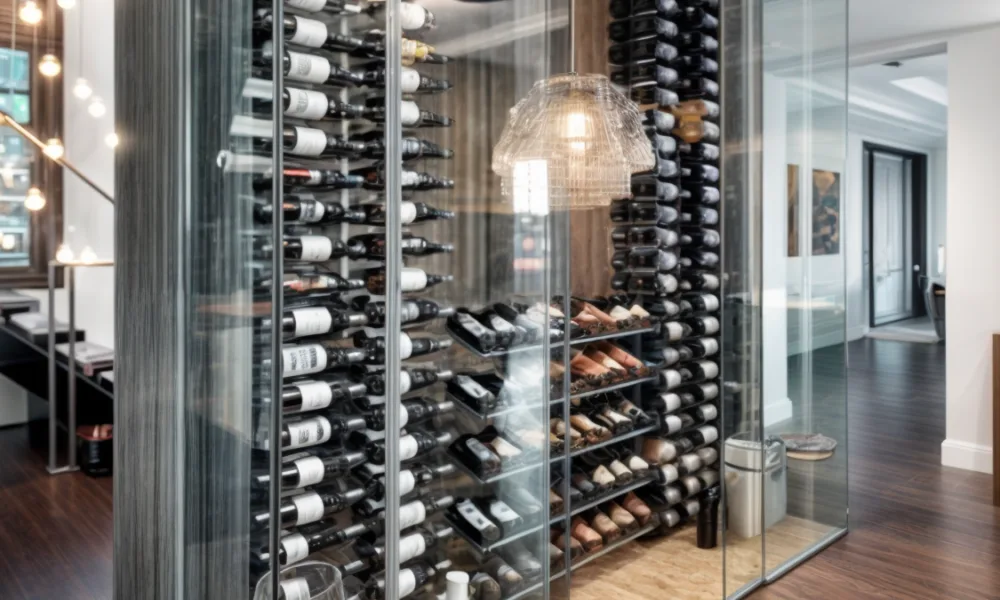
Because stair areas often have unusual angles and limited depth, the design has to work with the shape of the space instead of hiding it. Custom racks can follow the slope of the stairs, while glass panels or framed doors can help turn the area into a defined feature.

An under-stair wine cellar works well in entryways, open living areas, transitional spaces, or homes where there is no full room available for wine storage. It can create a strong visual moment without taking over the floor plan.

When planning this type of wine cellar, it is important to consider:

  • Available height and depth
  • Door access
  • Bottle capacity
  • Lighting placement
  • Rack layout
  • Exposure to sunlight or heat
  • Climate-control needs

Because these spaces are rarely standard, an under-stair wine cellar often benefits from a more tailored approach.

Dining Room Wine Cellars

A dining room is one of the most natural places for a home wine cellar. It keeps the collection close to where wine is served and allows the storage area to become part of the dining experience.

This can be done in different ways. Some homes use a full wine wall. Others include a glass-enclosed corner, a built-in display, or a smaller storage area near the table. In open-concept homes, a wine cellar can help define the dining area without closing it off completely.

Instead of being separated from the dining experience, the collection becomes part of it. The wine cellar adds depth to the room, supports entertaining, and gives the space a more intentional feel.

For dining room wine cellars, details such as door swing, lighting, rack orientation, and material finishes matter. The design should look refined, but it should also be practical enough for regular use.

Small Home Wine Cellar Ideas

A home wine cellar does not need to be large to feel valuable. Smaller spaces can work well when the layout is efficient and the materials are carefully selected.

Small home wine cellar ideas include:

  • Wall-based wine storage
  • Compact corner cellars
  • Under-counter wine storage areas
  • Vertical rack systems
  • Narrow glass-fronted displays
  • Small enclosed wine rooms
  • Built-in storage near dining or kitchen areas

In smaller homes, the challenge is not only capacity. The wine cellar also has to feel integrated instead of crowded. Clear glass, slim framing, vertical storage, and careful lighting can help the space feel lighter and more organized.

For compact projects, it is helpful to prioritize the bottles that need proper storage and separate them from bottles intended for short-term use. This keeps the design realistic and helps avoid overbuilding the space.

Glass and aluminum can help a residential wine cellar feel visually connected to the home while still defining the collection as a dedicated storage area.

Glass Wine Cellars for Open Interiors

Glass wine cellars work well in homes where the collection is meant to be visible from nearby rooms. They can define the wine storage area without making the surrounding space feel smaller or more closed off.

A glass enclosure beside a dining room, kitchen, or hallway can separate the wine area while keeping the view open. This is especially useful in contemporary homes where the design relies on visual continuity between spaces.

Glass can also make a smaller wine cellar feel more intentional. Instead of looking like an added storage corner, the collection becomes part of the interior.

For open interiors, glass works best when the enclosure, lighting, and location are planned together. The design should support visibility without ignoring the basic conditions needed for wine storage.

Contemporary Wine Cellar Designs with Glass and Aluminum

Contemporary wine cellar designs often use clean lines, simple forms, and materials that feel connected to the rest of the home. Glass and aluminum can support that look without making the space feel visually heavy.

Glass keeps the bottles, racks, and lighting visible. Aluminum can define the edges of the cellar through frames, doors, or enclosure details. Together, they can create a wine cellar that feels modern, structured, and refined.

This approach can work in several residential settings:

  • Minimalist dining rooms
  • Open kitchens
  • Luxury entertainment rooms
  • Transitional hallways
  • Modern basements
  • Under-stair areas
  • Custom residential wine rooms

In a contemporary home, the wine cellar should feel like it belongs to the architecture, not like a display added later. This is why materials, rack style, lighting, framing, and door design should be coordinated from the beginning.

Wine Cellar Racks That Work With Visible Spaces

Wine cellar racks play a major role in how a home wine cellar looks and functions. In a visible wine cellar, the rack system is seen from outside the enclosure, so spacing, symmetry, bottle orientation, and material finish matter more.

Some rack options include:

  • Floor-to-ceiling racks
  • Wall-mounted racks
  • Metal wine racks
  • Wood racks
  • Floating bottle displays
  • Case storage for larger collections
  • Mixed storage and display layouts

The right choice depends on the size of the collection, the available space, the desired level of visibility, and how often the bottles will be accessed.

In glass or open-view wine cellars, racks should be planned with viewing angles in mind. Bottles may be visible from the dining room, hallway, kitchen, or living area, so the layout should feel organized from both inside and outside the cellar.

When a Home Wine Cellar Should Be Custom

Some home wine cellars can be built with standard racks or simple storage systems. Others require a custom approach because of the space, design goals, or type of enclosure.

A custom home wine cellar may be useful when:

  • The space has unusual dimensions
  • The cellar is under a staircase
  • The homeowner wants a glass enclosure
  • The design needs a specific door system
  • The wine cellar must match a modern interior
  • The collection requires a specific capacity
  • The cellar is part of a larger remodel or new build

Customization can help align the wine cellar with the architecture instead of forcing the design to fit a standard product. It can also make the space more practical, especially when dimensions, access, racks, and visibility need to work together.

For residential wine cellar projects, PRL offers glass and aluminum solutions that help homeowners, designers, and builders create spaces that feel integrated, functional, and refined.

Leave a Reply

Your email address will not be published. Required fields are marked *