-
Mar, Tue, 2025
How Can I Reduce My Energy Bill If I Use Air Conditioning?
As temperatures rise during the summer months, keeping your home comfortable can become a challenge, especially when air conditioning drives up electricity use. The good news is that small changes in thermostat settings, maintenance, and home efficiency can make a noticeable difference without sacrificing comfort.
The U.S. Department of Energy (DOE) estimates that air conditioning accounts for about 6% of all electricity consumed in the United States, roughly $29 billion in annual costs for homeowners.
The U.S. Energy Information Administration (EIA) also notes that households typically spend more on electricity during summer, and in hot, humid states such as Florida or Louisiana, air conditioning can represent a significant share of monthly energy use (in some cases, up to around 27%).
On top of higher seasonal demand, many utilities apply summer rate increases. The EIA projects that, on average, U.S. households will pay about 2% more on electricity this year, making it even more important to use air conditioning efficiently and reduce unnecessary energy waste.
Why Is My Energy Bill So High?
Rising electricity bills have become a common concern for homeowners across the United States, especially during periods of extreme weather. While air conditioning is a major contributor, it is not the only factor influencing higher energy costs.
In 2026, the average monthly electric bill in California is projected to reach around $186, well above the national average of approximately $144. This difference reflects a combination of higher electricity rates, increased demand during heat waves, and regulatory adjustments approved by the California Public Utilities Commission (CPUC).
Customers of the state’s three largest utilities often experience higher per-kilowatt-hour (kWh) costs compared to the national average:
- Pacific Gas & Electric (PG&E)
- Southern California Edison (SCE)
- San Diego Gas & Electric (SDG&E)
However, this trend is not limited to California. Across the country, many households report gradual increases in electricity bills year after year. One of the key drivers is the growing frequency of extreme weather events.
According to the Environmental Protection Agency (EPA), summers are becoming hotter on average, increasing demand for air conditioning and placing additional pressure on power grids. Research from the American Geophysical Union suggests that energy demand for cooling could rise between 8% and 13% over the next decade.
At the same time, colder and more unpredictable winters have increased reliance on heating systems. As a result, many homes now depend on electricity for temperature control during most of the year, not just in summer, making energy efficiency an ongoing concern rather than a seasonal one.

How Many Watts Does an AC Unit Use?
As we’ve seen, air conditioners and heating systems are among the most energy-intensive appliances in a home, along with refrigerators, televisions, and washing machines. Even though newer models are more efficient than older ones, cooling systems can still have a significant impact on monthly electricity bills, especially during peak summer months.
The exact amount of electricity an air conditioner uses depends on several factors, including system type, size, efficiency rating, climate, and how often it runs. Below are typical wattage ranges to help estimate energy use:
Window air conditioners: Designed for small spaces, these units are relatively easy to install and generally more energy-efficient than larger systems when used appropriately. Depending on size and efficiency, they typically consume between 500 and 1,400 watts per hour.
- Portable air conditioners: These units offer flexibility and mobility, but they usually consume more energy due to lower efficiency and the need for exhaust hoses. Average consumption ranges from 2,900 to 4,100 watts per hour, depending on capacity.
- Mini-split and ductless systems: Mini-splits are known for their efficiency, especially in homes without existing ductwork. Most mini-split units consume between 700 and 2,000 watts per hour, while larger ductless systems may use around 2,000 watts per hour, depending on load and usage.
- Central air conditioning: Central AC systems are designed to cool entire homes and are typically sized by “tons” of cooling capacity. A common rule of thumb is about 1,000 watts per ton. For example, a 2,000-square-foot home often requires around 3.5 tons, resulting in approximately 3,500 watts per hour when the system is running.
- Fan-only mode (central systems): Using fan-only mode allows air circulation without activating the cooling cycle. While it does not lower temperatures, it can improve comfort and air distribution, with an average consumption of around 750 watts per hour.
Important: These figures represent averages. Actual energy use can vary widely depending on insulation quality, thermostat settings, outdoor temperatures, and system efficiency ratings (such as SEER).
What’s the Best AC Temperature for Energy Efficiency?
Every summer, the same question comes up: What temperature should I set my air conditioner to in order to stay comfortable without driving up my energy bill?
According to the U.S. Department of Energy, a widely recommended balance between comfort and efficiency is setting the thermostat to 78°F (25°C) when you’re at home.
This recommendation is based on the idea that each degree you lower the thermostat increases the workload on your air conditioner and raises energy consumption. Even small adjustments can have a noticeable impact on monthly electricity costs.
That said, there is no single “perfect” temperature for every household. The ideal setting can vary depending on several factors, including:
- Indoor humidity levels
- Home insulation and air sealing
- The efficiency and age of the AC system
- Personal comfort and heat tolerance
Some people prefer lowering the temperature slightly for comfort, while others keep it higher and rely on ceiling fans, blinds, or improved ventilation to stay cool. Using these complementary strategies often allows homeowners to raise the thermostat a few degrees without losing comfort, resulting in lower energy use over time.
How to Save Energy on Air Conditioning in Summer
When looking at electricity costs and cooling consumption, many homeowners wonder how to reduce their energy bills while still using air conditioning. Completely avoiding AC use is often unrealistic (especially during extreme heat) so the key is learning how to use it more efficiently.
Fortunately, a combination of small habit changes, basic maintenance, and home efficiency improvements can significantly reduce energy use without sacrificing comfort. Below are practical strategies that can help lower cooling costs during the summer.
Install an Efficient Window and Door System
Windows and doors play a major role in how much heat enters or escapes a home. In fact, a significant portion of indoor temperature loss or gain occurs through poorly insulated openings, forcing air conditioners to run longer to maintain comfort.
During summer, heat enters through windows and doors; in winter, conditioned indoor air escapes. This constant exchange increases energy demand and raises electricity bills.
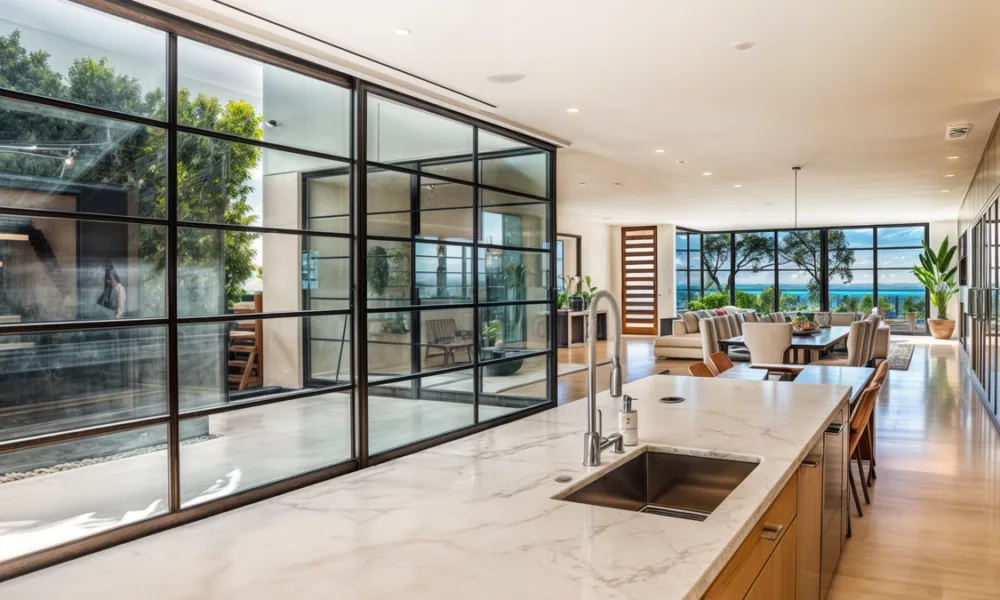
Modern window and door systems, often made of aluminum and glass with advanced insulation features, are designed to create a protective barrier between indoor and outdoor environments. When properly installed, they help stabilize interior temperatures and reduce the workload on heating and cooling systems.
One example is thermally broken systems, which use an insulating barrier within the frame to limit heat transfer between interior and exterior surfaces. This technology improves overall thermal performance and complements high-efficiency glazing.
In traditional frames, heat and cold can easily pass through conductive materials, reducing the effectiveness of even high-performance glass. Thermally broken systems interrupt this transfer, helping maintain more consistent indoor temperatures and improving energy efficiency, particularly in homes exposed to strong sunlight or extreme outdoor temperatures.
Note: The energy savings from upgrading windows and doors vary depending on climate, home design, and existing insulation. These systems tend to deliver the greatest impact when combined with other efficiency measures such as proper sealing, shading, and optimized thermostat settings.

Set Your Thermostat Wisely
The U.S. Department of Energy recommends setting your thermostat to 78°F (25°C) when you’re at home and increasing it when you’re away.
Raising the temperature by 7–10 degrees for several hours a day (such as during work hours) can lead to meaningful energy savings over time. For added efficiency, programmable or smart thermostats can automatically adjust settings based on your schedule and reduce unnecessary cooling.
Take Advantage of Lower Energy Rates
Many electric utilities offer programs designed to encourage off-peak energy use, including:
- Time-based rate plans, which charge less during lower-demand hours
- Energy efficiency incentives, such as rebates for home upgrades or efficient appliances
Checking with your local energy provider can help you identify opportunities to reduce costs without changing comfort levels.
Use Natural Shade and Sun Protection
Sun exposure is one of the main contributors to indoor heat gain. Blocking direct sunlight can significantly reduce the amount of cooling your home needs. Effective strategies include:
- Planting trees or shrubs near sun-facing windows
- Installing awnings, pergolas, or exterior shades
- Using thermal curtains, blackout blinds, or reflective window coverings
These measures help limit heat buildup during the hottest parts of the day.
Optimize Window Use and Ventilation
Ventilation can be an effective cooling aid when used strategically:
- Let cooler air in during the evening or early morning, then close windows during the day
- In dry climates, use ceiling fans to improve air circulation and enhance comfort
- In humid environments, dehumidifiers can reduce the strain on air conditioning systems by improving perceived comfort
Reduce the Use of Heat-Generating Appliances
Household appliances such as ovens, stovetops, and dryers generate additional indoor heat. To minimize this effect:
- Cook during cooler hours or use smaller appliances like microwaves
- Run dryers only when necessary
- Consider outdoor cooking options during extreme heat
Keep Your Air Conditioner in Optimal Condition
Routine maintenance is essential for efficient operation. A well-maintained system can reduce energy use and extend equipment lifespan. Basic maintenance tips include:
- Cleaning or replacing air filters every 1–2 months
- Inspecting and cleaning evaporator and condenser coils
- Keeping the area around the outdoor unit free of debris
Lack of maintenance can cause an air conditioner to work longer than necessary, increasing energy consumption and wear.
Seal Air Leaks and Improve Insulation
Air leaks reduce efficiency by allowing cool air to escape.
- Apply weatherstripping to doors and windows
- Seal visible gaps or cracks
- Improve insulation in ceilings or walls where possible
Proper sealing helps maintain stable indoor temperatures and reduces cooling demand.
Use Efficient Appliances and Turn Off Unused Devices
Energy-efficient appliances can significantly lower overall electricity use.
- Choose ENERGY STAR® certified devices, which typically consume less energy
- Unplug electronics when not in use to avoid standby (“phantom”) power consumption
- Use smart power strips to automatically cut power to unused devices
Consider More Efficient Cooling Systems
Older air conditioners tend to consume more energy. If your system is over 10 years old, upgrading may lead to long-term savings. More efficient options include:
- Mini-split or ductless systems, which reduce energy loss from ductwork
- Inverter-based air conditioners, which adjust output and reduce energy spikes
Use Cooler Areas of the Home
Cool air naturally settles in lower levels of a home.
- Spend time in basements or ground floors during peak heat
- Limit cooling in unused rooms
Reduce Indoor Heat with LED Lighting
Traditional incandescent bulbs generate excess heat.
- Replace them with LED lighting, which uses less energy and emits minimal heat
- This reduces both cooling demand and electricity costs
Install Solar Panels for Long-Term Savings
For homeowners seeking a long-term solution, solar panels can help offset electricity use and reduce reliance on the grid.
Potential benefits include:
- Lower overall energy consumption
- Protection against future rate increases
- Increased energy independence
Some states also offer incentives or tax credits to support solar installation.
Quick Ways to Reduce Your AC Energy Bill (5–15% Savings)
Before making major upgrades or investments, there are several low-effort actions that can immediately reduce air conditioning costs. Many of these adjustments require little to no expense and can deliver measurable savings over time.
- Clean or replace air filters regularly: Dirty filters restrict airflow and force the system to work harder. Replacing or cleaning filters every 30–60 days can reduce energy use by 5–15%.
- Adjust the thermostat by a few degrees: Setting the thermostat between 75–78°F (24–26°C) while at home helps balance comfort and efficiency. Raising the temperature 7–10°F when you’re away for several hours can lead to noticeable savings over the course of a month.
- Use ceiling fans to boost comfort: Ceiling fans improve air circulation and allow you to raise the thermostat by up to 4°F without losing comfort. Fans use significantly less electricity than air conditioners.
- Close blinds and curtains during peak sunlight hours: Blocking direct sunlight (especially on south- and west-facing windows) helps prevent indoor heat buildup and reduces cooling demand.
- Turn off cooling in empty rooms: Closing doors and vents in unused spaces prevents wasted energy and helps the system cool occupied areas more efficiently.
Tip: Small, consistent adjustments often have a greater long-term impact on energy bills than short periods of extreme cooling.
Check Airflow and Ductwork for Hidden Energy Losses
Even a well-maintained air conditioner can waste a significant amount of energy if airflow is restricted or if cooled air is leaking before it reaches living spaces. In many homes, these hidden losses go unnoticed and quietly increase electricity bills.
Inspect and Seal Air Ducts
In homes with central air conditioning, ductwork plays a critical role in distributing cool air efficiently. Poorly sealed, damaged, or uninsulated ducts can allow 20–30% of cooled air to escape into unconditioned spaces such as attics, crawl spaces, or walls.
To reduce these losses:
- Inspect visible ductwork for loose connections or damage
- Seal leaks using mastic sealant or metal-backed HVAC tape
- Ensure ducts running through unconditioned areas are properly insulated
If airflow feels weak in certain rooms or cooling is uneven, a professional duct inspection may be necessary.
Keep Vents and Registers Clear
Blocked or closed vents can disrupt airflow and increase system strain.
- Make sure vents are not covered by furniture, rugs, or curtains
- Keep supply and return registers open in occupied rooms
- Avoid closing too many vents at once, as this can unbalance the system
Proper airflow allows the air conditioner to cool more efficiently and maintain consistent indoor temperatures.
Use Energy-Saving Features When Available
Some air conditioning systems include energy saver or eco modes that automatically cycle the compressor and fan to reduce unnecessary power use once the desired temperature is reached. Activating these features can help lower energy consumption without affecting comfort.
Why this matters: Improving airflow and sealing ducts often delivers noticeable energy savings without replacing the air conditioning system—making it one of the most cost-effective efficiency upgrades.
Rising energy costs don’t mean you have to give up air conditioning during the summer. In most homes, high electricity bills are the result of small inefficiencies adding up over time, from thermostat settings and maintenance habits to airflow issues and heat entering through windows and doors.
By focusing first on low-effort adjustments (such as cleaning filters regularly, using fans strategically, blocking direct sunlight, and adjusting the thermostat by a few degrees) many households can see meaningful savings without making major changes. Regular maintenance and proper airflow further ensure that your system operates efficiently when you need it most.
For longer-term improvements, enhancing insulation, sealing air leaks, upgrading aging equipment, or investing in more efficient cooling solutions can help stabilize indoor temperatures and reduce energy use year-round. The most effective approach is often a combination of habits, maintenance, and targeted upgrades, tailored to your climate and home design.