There is a familiar, costly routine that many business owners across Florida, the Gulf Coast, and hurricane-prone regions follow. The moment a tropical storm warning is issued, preparation begins: coordinating staff, sourcing available plywood, taking quick measurements, and boarding up storefronts. Once finished, the store’s visibility is reduced, natural light is cut off, and accessing the business becomes complicated—often days before the strong winds actually arrive.
While boarding up has long been a common defense, installing temporary barriers adds an operational burden that impacts daily business. In modern risk management, a key challenge for a company it’s improving the velocity of recovery.
The Hidden Post-Storm Recovery Bottleneck
It is a common miscalculation to assume that the primary risk of a hurricane is limited to the out-of-pocket cost of a broken window, assuming a commercial insurance policy will cover the inconvenience. However, data highlights a much tougher reality.
According to FEMA, roughly 40% of small businesses face severe challenges reopening after a natural disaster, and another 25% fail within a year. The main logistical difficulties usually arise after the storm has passed.
In the aftermath of a major event, local glass repair and installation services tend to become overwhelmed very quickly. Scheduling a technician to assess, quote, and replace a shattered commercial storefront can take weeks—sometimes months—due to high regional demand and supply chain shortages.
During that waiting period, operations grind to a halt. This is where temporary plywood reveals its limitations: an insurance policy might cover the physical cost of the glass, but it cannot compensate for the revenue loss of having doors closed for extended periods.
Before the peak of storm season arrives, calculate the true operational cost of boarding up. If the current process requires halting sales or blocking display windows days in advance, temporary protection might already be impacting your bottom line.
Strength On The Inside, Beauty On The Outside
Because the financial stakes are high, the current trend in commercial architecture is moving away from last-minute, reactionary boarding. Forward-thinking enterprises are shifting toward passive defense—designing the storefront itself to help do the heavy lifting, without compromising corporate aesthetics or relying on improvised labor.
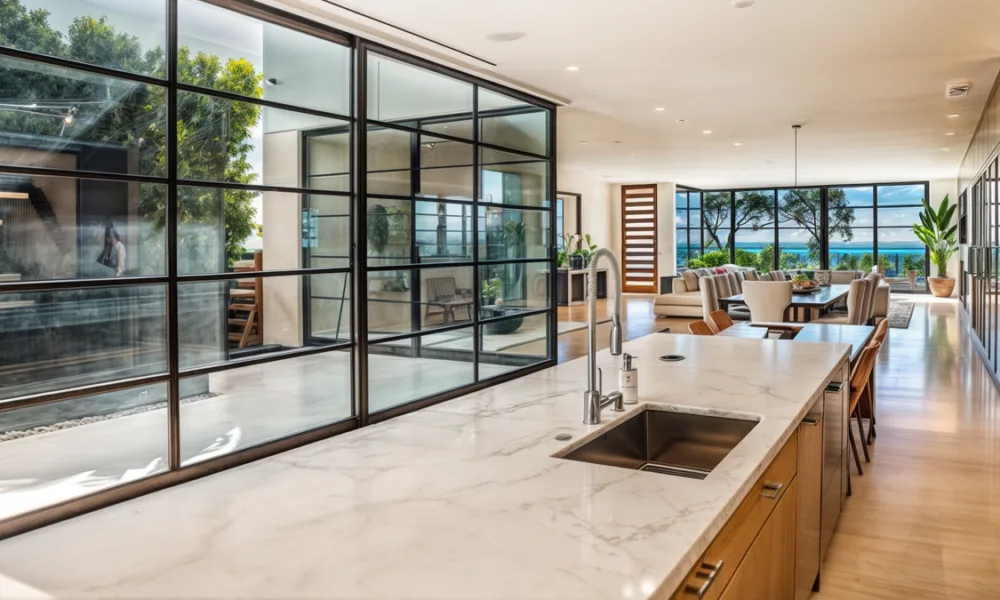
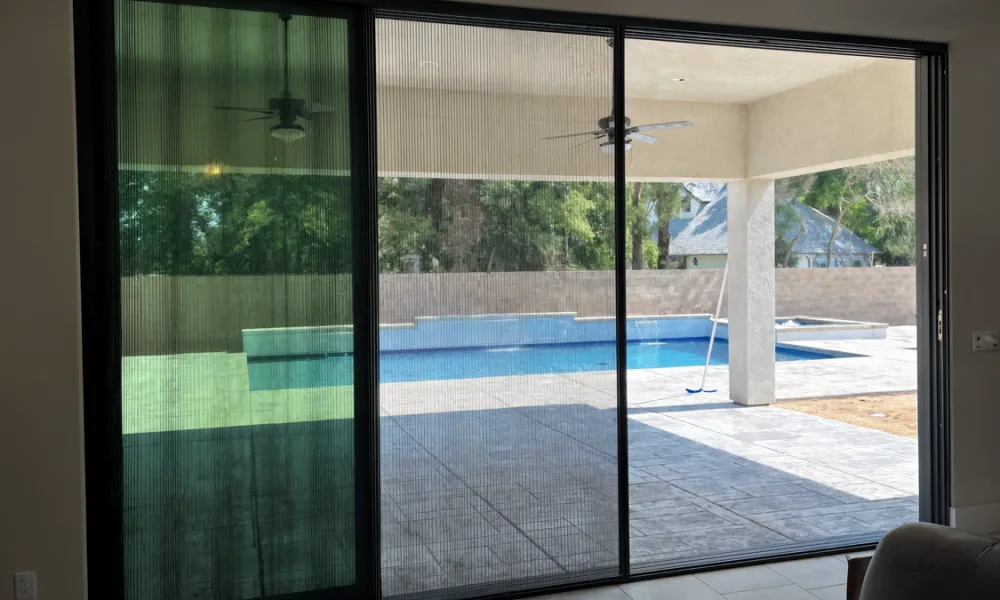
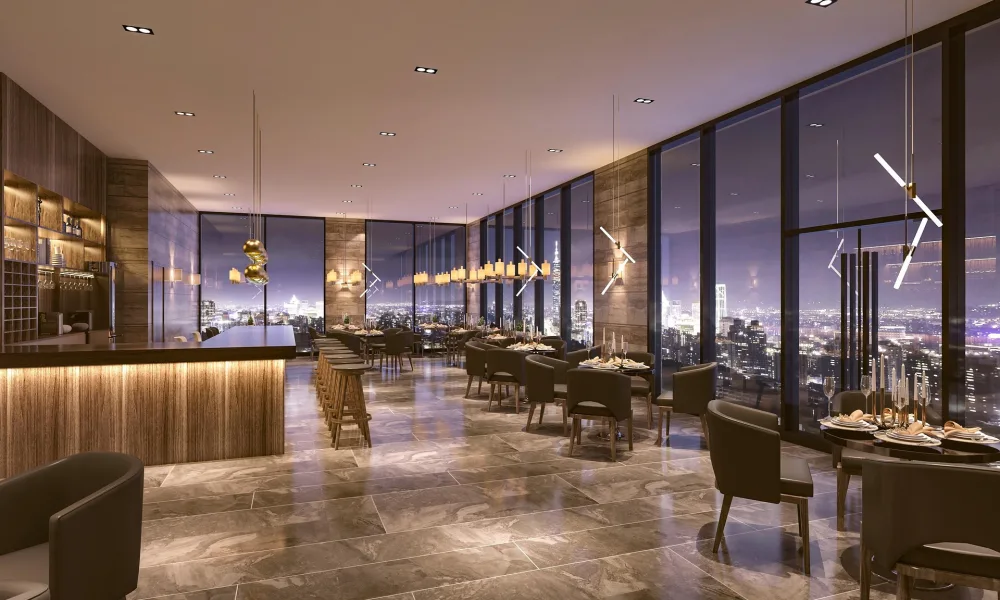
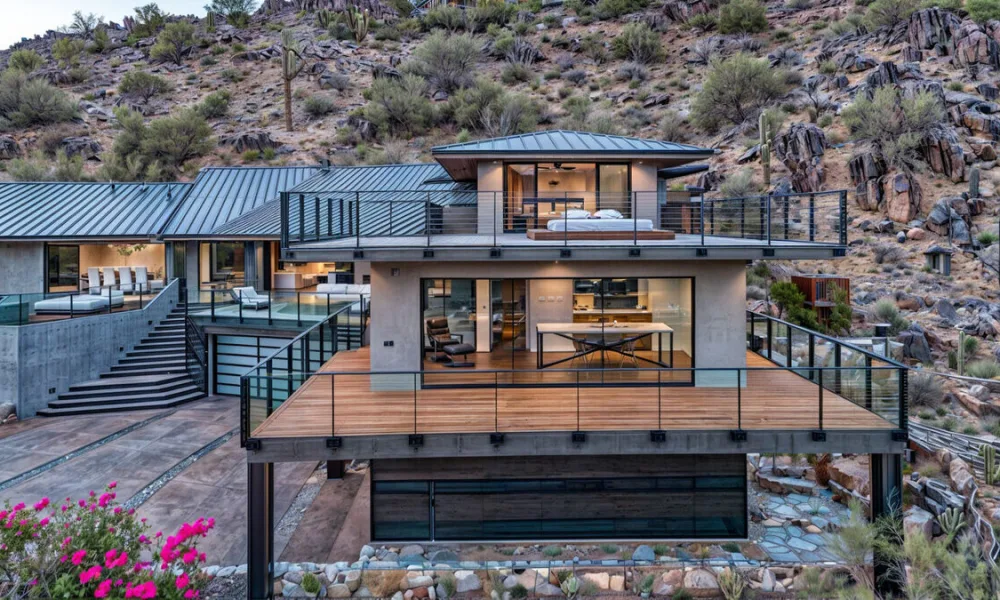
To achieve this, commercial engineering relies on a combination of heavy-duty, structural aluminum framing and advanced laminated glass configurations. In daily operations, the entrance looks, feels, and functions like any premium architectural door: it is lightweight, maximizes natural light, and offers an unobstructed view inside. The difference isn’t visual; it is embedded in how the entire system is engineered to react under extreme structural load.