When people think about the best home upgrades, they often imagine major renovations, luxury kitchens, or expensive projects designed to look impressive in photos. But the upgrades that truly make a difference are often the ones that improve how a home feels and functions every day.
Better lighting, smoother transitions between spaces, improved thermal comfort, safer entry points, and higher-quality materials can have a greater long-term impact than trend-driven renovations. The goal is not to renovate for the sake of renovating, but to choose improvements that make the home more comfortable, efficient, secure, and enjoyable to use.
In this guide, we’ll review some of the best home upgrades to consider, from simple low-cost improvements to more strategic changes involving doors, glass, outdoor connections, bathrooms, safety, and energy performance.
How to Choose the Best Home Upgrades
Not every home upgrade delivers the same value. What works for one house may not be the right choice for another. Before starting any project, it is important to understand why you want to upgrade and how that change will affect everyday life.
Start with Your Main Goal
The first step is identifying your main priority. Are you trying to improve daily comfort, increase resale value, enhance safety, reduce energy costs, or make the home more enjoyable to use?
Some upgrades are designed to improve how a home feels day to day, such as better lighting, improved ventilation, or smoother circulation between spaces. Others focus on long-term value, durability, energy efficiency, or security. Defining the goal early helps you avoid spending money on upgrades that look good but do not solve a real need.
Fix What Is Not Working First
Before investing in visible upgrades, address the problems that can damage the home or reduce performance over time. Water intrusion, roof issues, outdated electrical systems, inefficient HVAC equipment, poor drainage, and hidden leaks should come first.
These repairs may not be the most exciting, but they protect the value of future improvements. A beautiful bathroom, new door system, or upgraded outdoor space will not perform as intended if the home still has moisture, structural, or mechanical issues underneath.
Apply the Everyday Use Rule
Some of the most valuable upgrades are the ones you interact with constantly. Doors, lighting, bathrooms, stairs, windows, entry points, and the connection between indoor and outdoor areas shape how a home feels every day.
Improving these elements often delivers more satisfaction than purely decorative changes because they affect comfort, movement, safety, natural light, and usability.
Avoid Common Remodeling Mistakes
Many homeowners regret upgrades that are driven by short-lived trends rather than function. Removing walls without a clear plan can create awkward spaces, poor acoustics, or a lack of definition between rooms. Overly trendy finishes can also age quickly.
The best home upgrades strike a balance between aesthetics, function, durability, and long-term value.
Low-Cost Home Upgrades with High Impact
Not every improvement requires a major renovation. Some of the most effective home upgrades are simple, affordable changes that make a space feel cleaner, brighter, and more intentional.
Paint, Ceilings, and Trim
A fresh coat of paint remains one of the most accessible ways to refresh a home. Updating walls can make a room feel new, but ceilings and trim are often just as important.
Clean, consistent finishes help reflect light, visually unify the space, and make rooms feel larger and better maintained.
Lighting That Improves Daily Use
Lighting is not only about replacing outdated fixtures. It is about improving how light works throughout the home.
Layered lighting, dimmer switches, LED upgrades, and better placement can completely change the atmosphere of a room. Good lighting improves visibility, comfort, and functionality during both day and night.
Hardware, Switches, and Outlets
Small details can make a home feel more polished. Updating door hardware, cabinet pulls, switches, outlets, and other everyday touchpoints creates a more cohesive look without requiring a full renovation.
These are simple upgrades, but because they are used constantly, they can make the home feel more updated and intentional.
Smart Organization and Storage
Better storage does not always require custom cabinetry. Reorganizing closets, adding shelves, installing modular systems, or improving pantry and laundry storage can make daily routines easier.
A home that functions well often feels better, even without major visual changes.
Sealing Doors and Windows
Replacing worn weatherstripping, adjusting doors and windows, and sealing small gaps can improve thermal comfort and reduce drafts.
These upgrades may not be immediately visible, but they are felt every day. They can also support better energy efficiency and help the home feel more comfortable throughout the year.
Home Upgrades for Comfort and Energy Efficiency
Some of the best home upgrades are not the most visible. They are the improvements that make the home more comfortable, stable, and efficient in different seasons.
Insulation and Ventilation
Proper insulation and ventilation are essential for thermal comfort. Improving attic insulation, sealing critical areas, and allowing air to circulate correctly can help reduce heat gain in summer and heat loss in winter.
A home that manages temperature well feels more comfortable and puts less pressure on mechanical systems.
HVAC Efficiency
Before replacing a heating or cooling system, it may be worth improving its efficiency. Regular maintenance, duct adjustments, filter changes, and targeted repairs can improve air distribution and performance.
In some cases, these smaller improvements can delay the need for a full replacement while improving comfort throughout the home.
Windows and Thermal Control
Windows and exterior openings play a major role in energy performance. When they are outdated, leaky, or poorly specified, they can allow excessive heat gain or heat loss.
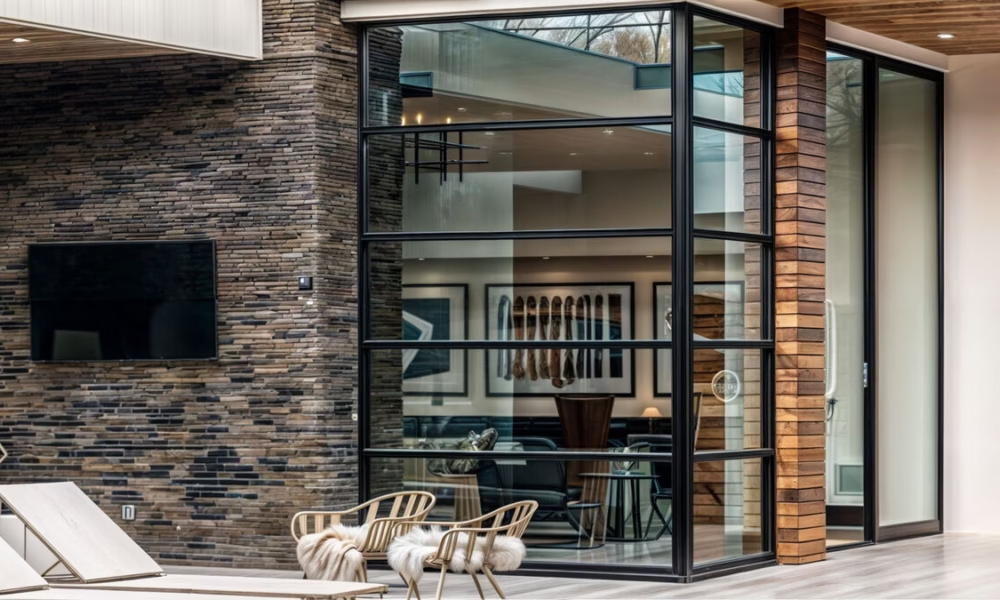
High-performance glazing, better sealing, and improved frame systems can help maintain more consistent indoor temperatures. For homes with large glass openings, frame performance matters as much as the glass itself.
Thermally broken aluminum systems are especially valuable in projects where homeowners want large openings, natural light, and a clean modern look without sacrificing comfort. By reducing heat transfer through the frame, these systems can help support better indoor temperature control.
Indoor Air Quality and Humidity Control
Comfort is not only about temperature. Air quality, humidity, and ventilation also affect how a home feels.
Dehumidifiers, controlled ventilation, better air circulation, and improved exhaust systems can help reduce moisture, odors, and stale air, especially in bathrooms, kitchens, and tightly sealed homes.
Smart Technology for Everyday Comfort
Smart thermostats, ceiling fans, automated lighting, and simple control systems can help a home adapt to daily routines.
The most useful smart upgrades are not the ones that add complexity, but the ones that make comfort and energy use easier to manage.
Best Kitchen Upgrades That Improve Daily Living
The kitchen is one of the spaces where thoughtful upgrades are most noticeable. A full remodel is not always necessary. Strategic improvements can make the room more functional, comfortable, and enjoyable to use.
Minor Remodel Ideas
Updating cabinet fronts, replacing countertops, improving lighting, changing fixtures, or refreshing hardware can transform a kitchen without changing its structure.
Small layout improvements can also make a major difference. Freeing up work surfaces, improving circulation, or repositioning key elements can make cooking and gathering more comfortable.
Storage and Functionality
A practical kitchen depends on smart storage. Deep drawers, pull-out organizers, better pantry systems, interior cabinet accessories, and improved sink areas can help the space function better.
These upgrades are especially useful in smaller kitchens, where every inch matters.
Appliances and Ventilation
Upgrading appliances can improve efficiency and performance, but the most expensive option is not always necessary. Reliable, properly sized, energy-efficient appliances usually matter more than trend-driven choices.
Ventilation is equally important. A properly designed range hood helps remove odors, moisture, and heat, making the kitchen more comfortable for daily use and entertaining.
Bathroom Upgrades That Improve Comfort and Style
Bathrooms are one of the best places to invest in upgrades because even small changes can improve daily comfort. A well-designed bathroom feels cleaner, brighter, easier to maintain, and more relaxing.
Fixtures, Ventilation, and Lighting
New fixtures can instantly modernize the space, while better ventilation helps control moisture and protect finishes.
Lighting also plays a major role. Combining general lighting with focused illumination around mirrors and key areas improves both function and atmosphere.
Shower Doors and Glass Enclosures
The shower area is often the visual center of the bathroom. Replacing an outdated curtain or heavy enclosure with a cleaner glass system can make the room feel larger, brighter, and more refined.
Frameless and semi-frameless glass shower doors are especially effective because they reduce visual barriers and create a more open look. When paired with quality hardware and durable materials, they can improve both the appearance and everyday usability of the bathroom.
For homeowners looking to modernize a bathroom without a full remodel, upgrading the shower door can be one of the most noticeable changes.
Best Upgrades to Open Up Your Home Without Removing Walls
For years, the most common way to “open up” a home was removing walls. But that approach does not always improve functionality. Taking down walls without a clear plan can create noise issues, awkward layouts, and spaces that feel undefined.
Today, there are smarter ways to create openness while preserving structure, comfort, and usability.
Bigger Openings, Better Sightlines, and More Natural Light
A home can feel more open without removing entire walls. Enlarging selected openings, improving the alignment of doors and windows, and reducing unnecessary visual barriers can help light move more freely through the space.
These upgrades preserve the identity of each area while creating a better sense of connection.
Large-Format Sliding Doors
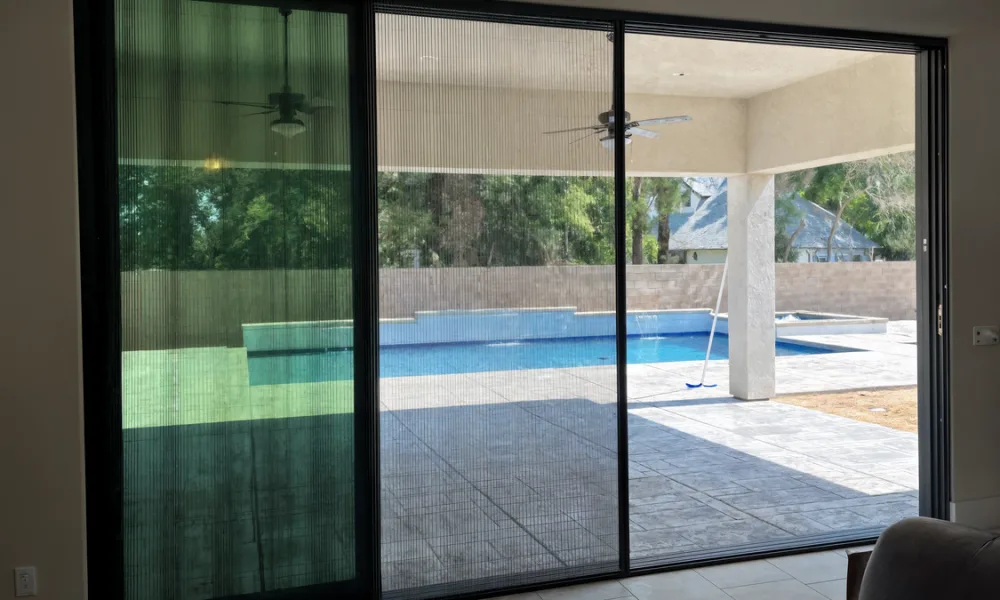
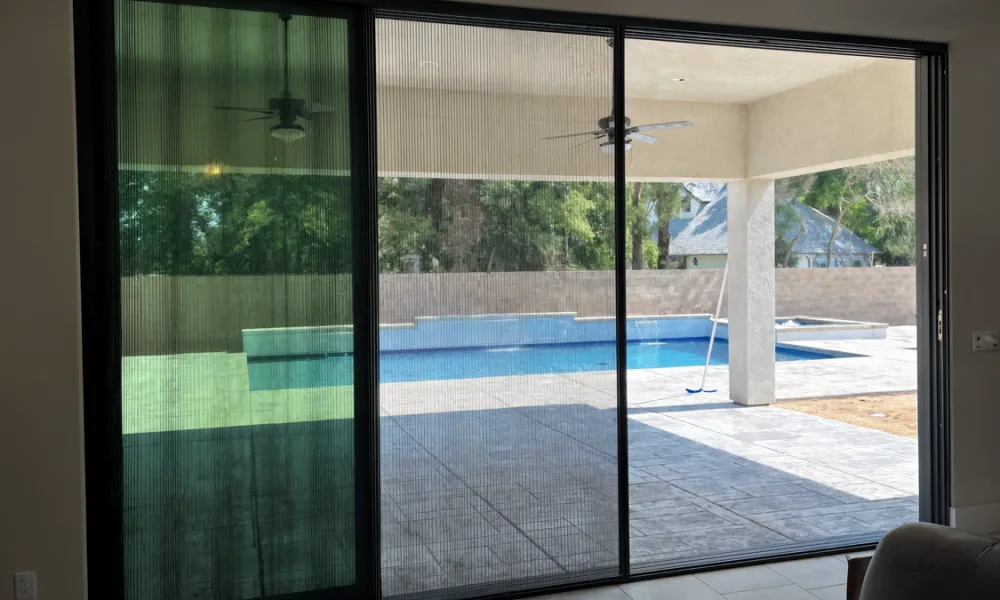
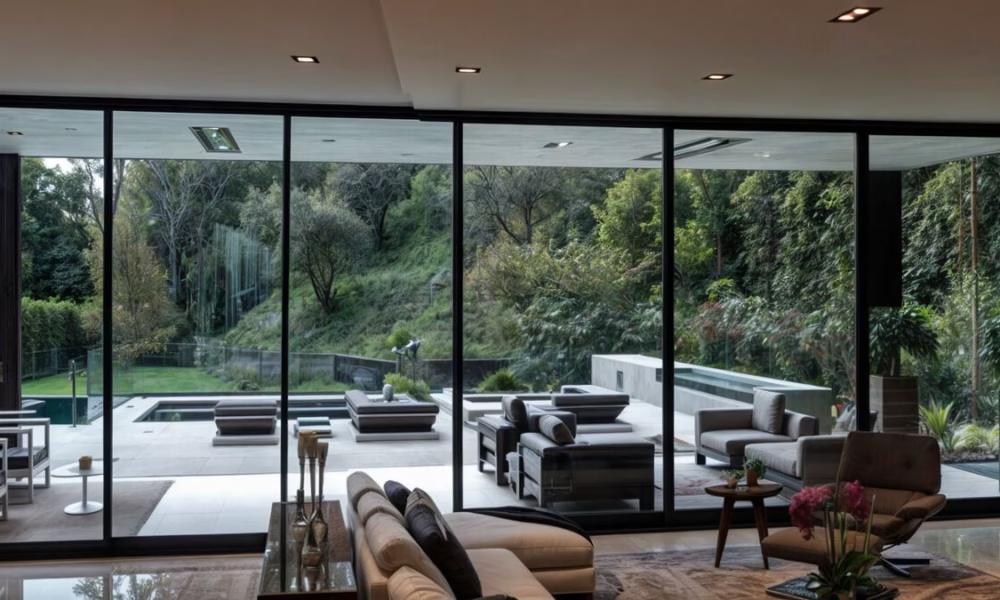
Large-format sliding glass doors are one of the strongest upgrades for connecting interior spaces with patios, terraces, gardens, or outdoor living areas.
They visually expand the home, increase natural light, and create a smoother transition between inside and outside. When well designed, large sliding doors integrate cleanly into the architecture, add long-term value, and create a more enjoyable everyday experience.
This type of upgrade is especially valuable for homes where outdoor areas can function as an extension of the interior.
Bifold Doors and Flexible Openings
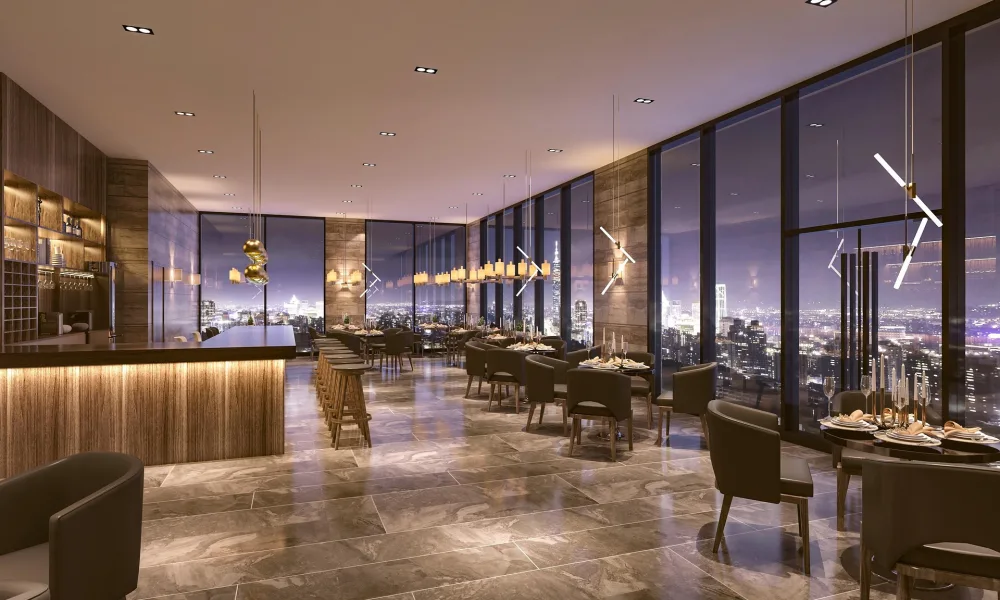
Bifold doors are another strong option for homeowners who want flexibility. Their folding panel system allows large openings to be cleared when the doors are open, making them ideal for patios, terraces, restaurants, entertainment areas, and open-concept spaces.
When designed with aluminum frames and high-performance glass, bifold doors can combine transparency, durability, and daily functionality.
Safety and Security Upgrades for Peace of Mind
Home security is not only about protecting property. It is about creating a space where people feel calm, confident, and comfortable.
The best safety upgrades are those that integrate naturally into the home’s design rather than making the space feel heavy or defensive.
Smart Locks, Lighting, and Entry Visibility
Small upgrades can make a significant difference. Smart locks simplify access control, while exterior lighting improves visibility around doors, pathways, driveways, and outdoor living areas.
Improving sightlines at main entry points also helps. A well-lit, clearly defined entrance can make the home feel safer without relying on intrusive solutions.
Stronger Entry Doors and Security Glass Options
The front door is one of the most important safety elements in a home. It is also one of the most visible design features.
Replacing an outdated or weak entry door with a stronger, better-performing system can improve protection, durability, and curb appeal. Depending on the project, homeowners may also consider impact-resistant glass, laminated glass, reinforced hardware, or security-focused door systems.
The right solution depends on the home’s location, exposure, usage, and protection needs. The goal is not to overbuild, but to choose a system that adds confidence while still fitting the architecture.
Outdoor and Curb Appeal Upgrades That Increase Home Value
Exterior upgrades are often underestimated, but they strongly affect how a home is perceived and used. The façade, entry points, railings, lighting, and outdoor areas all shape the first impression.
Front Entry, Exterior Paint, and Basic Landscaping
The front entry is one of the most visible parts of a home. A fresh exterior finish, upgraded entry door, better lighting, clean hardware, and simple landscaping can make the home feel more welcoming and better maintained.
These changes do not always require major construction, but they can significantly improve curb appeal.
Outdoor Spaces That Add Usable Living Area
Patios, decks, balconies, and terraces can extend the usable space of a home. When these areas are well connected to the interior, they support gathering, dining, relaxing, and outdoor living.
The connection between indoor and outdoor areas matters. Large glass doors, clean thresholds, and strong visual continuity can make outdoor spaces feel like a natural part of the home.
Railings and Safety Elements with Thoughtful Design
Railings are essential for stairs, balconies, terraces, and elevated areas, but they do not have to feel heavy or purely utilitarian.
Glass and aluminum railing systems can improve safety while preserving views, natural light, and a modern architectural look. When integrated correctly, these safety elements do more than protect; they elevate the overall design and long-term value of the home.
When Glass and Aluminum Upgrades Make the Biggest Difference
Glass and aluminum upgrades are especially valuable when the goal is to improve natural light, modernize key spaces, create smoother transitions, reinforce safety, or connect indoor and outdoor areas.
Unlike purely decorative changes, these systems directly affect how a home is used. Sliding doors, bifold doors, glass shower enclosures, railings, entrance systems, and thermally improved frames can all contribute to comfort, design, and long-term value when specified correctly.
They are also highly visible. That means they influence not only performance, but also the way the home looks and feels every day.
For homeowners planning strategic upgrades, glass and aluminum systems can be a strong investment because they combine function, durability, and design impact.
Choosing Home Upgrades That Truly Make a Difference
The best home upgrades are not always the most expensive or eye-catching. The most valuable improvements are the ones that solve real problems, improve daily comfort, support safety, and make the home more enjoyable to live in.
Before starting any project, take time to evaluate how the home is actually used. Which areas feel dark, inefficient, outdated, uncomfortable, or disconnected? Which upgrades would improve everyday routines? Which materials and systems will continue to perform over time?
Thoughtful upgrades should combine design, performance, and daily use. Over time, homes that evolve this way tend to feel more comfortable, more functional, and better prepared for long-term value.
At PRL Glass & Aluminum, we help homeowners, builders, and project teams take these improvements further with glass and aluminum solutions designed to integrate naturally into the home’s architecture. From sliding doors and bifold doors to shower doors, railings, thermal systems, and entrance solutions, PRL offers products that support comfort, durability, beauty, and everyday performance.
Contact PRL today to explore glass and aluminum upgrades that can help transform your home with better light, stronger design, and long-term value.