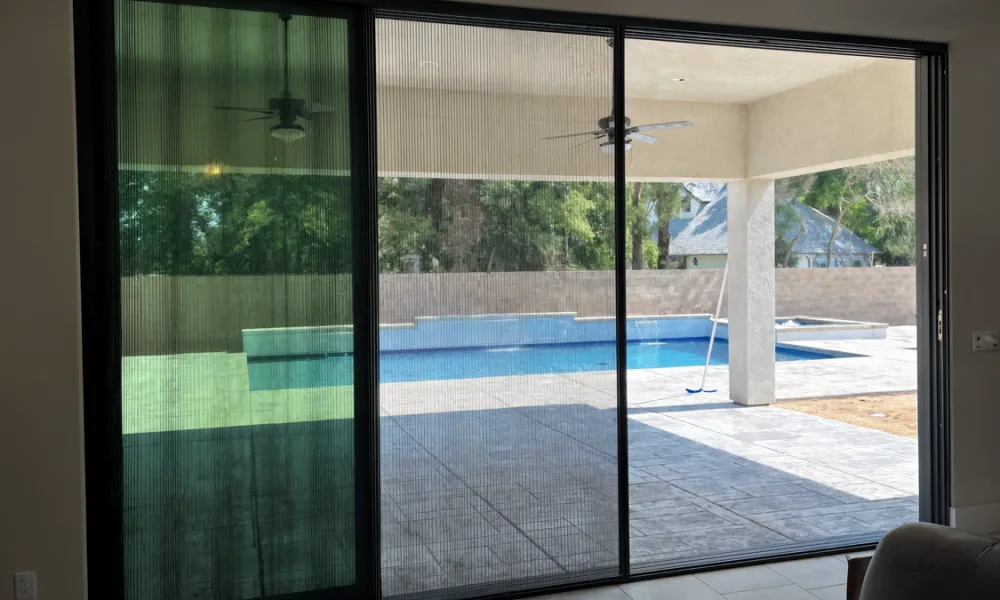
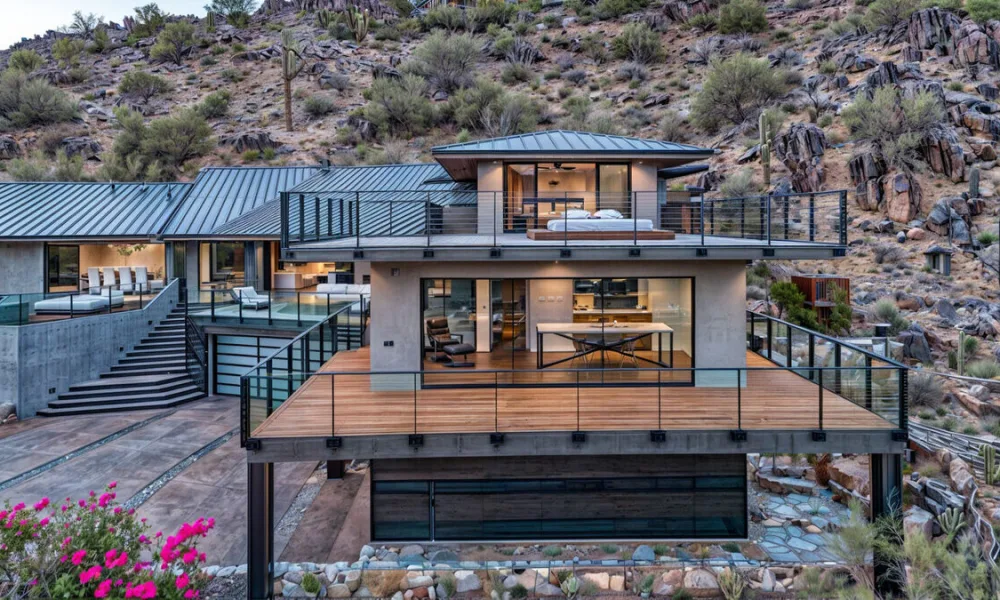
In residential architecture, the definition of luxury has shifted. Today, it is not only about finishes or square footage, but about openness, natural light, and the quality of the connection between the interior and the surrounding environment.
For decades, most homes followed a familiar formula: solid walls with windows placed where light, ventilation, or views were needed. That approach still works, but in many high-end residential projects, it is no longer the preferred one.
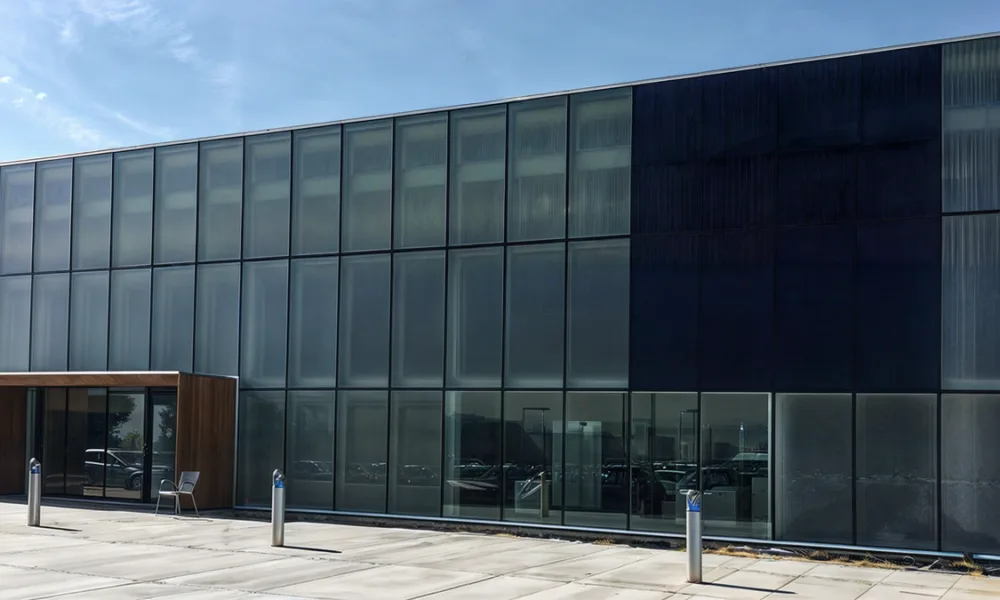
More architects are now turning to curtain wall systems to create broader views, cleaner façades, and a more continuous relationship between indoor and outdoor space.
Why Curtain Walls Are Different From Large Windows
Large windows can improve a view, but they still function as individual openings within a wall. A curtain wall works differently. It is part of the building envelope, creating a more continuous glazed surface rather than a series of separated openings.
That distinction matters. A curtain wall changes not only the appearance of the façade, but also the way light enters the home and how the surrounding landscape is experienced from inside.
In luxury residential design, that level of continuity has become increasingly valuable, especially in properties where views, daylight, and architectural clarity are central to the project.
How Aluminum Engineering Makes These Systems Possible
A glass-heavy façade only works when the supporting system is engineered with precision. In residential curtain walls, aluminum plays a critical role by providing the structural support needed to hold large areas of glass while maintaining a clean and narrow visual profile.
That balance is what makes these systems so effective. The framing must be slim enough to preserve the openness of the design, but strong enough to meet performance demands related to wind load, weather exposure, and long-term durability.
When properly specified, aluminum curtain wall systems can also support better thermal performance and help reduce exterior noise, which is especially important in demanding settings such as coastal properties or homes in dense urban environments.