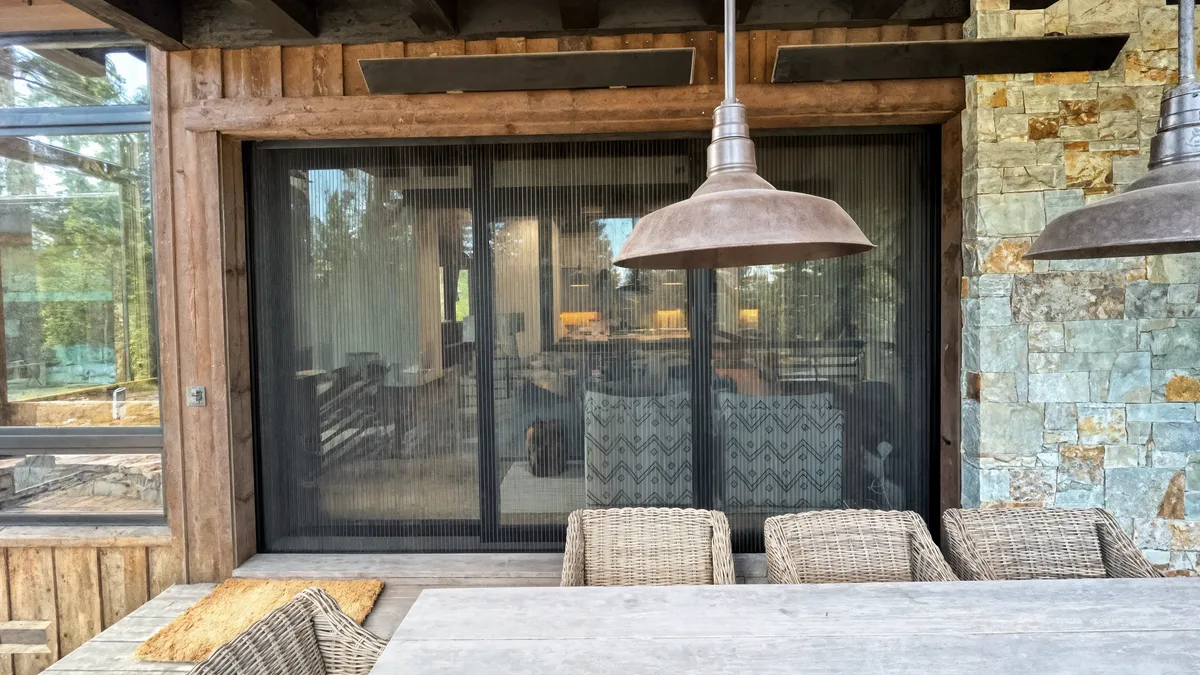
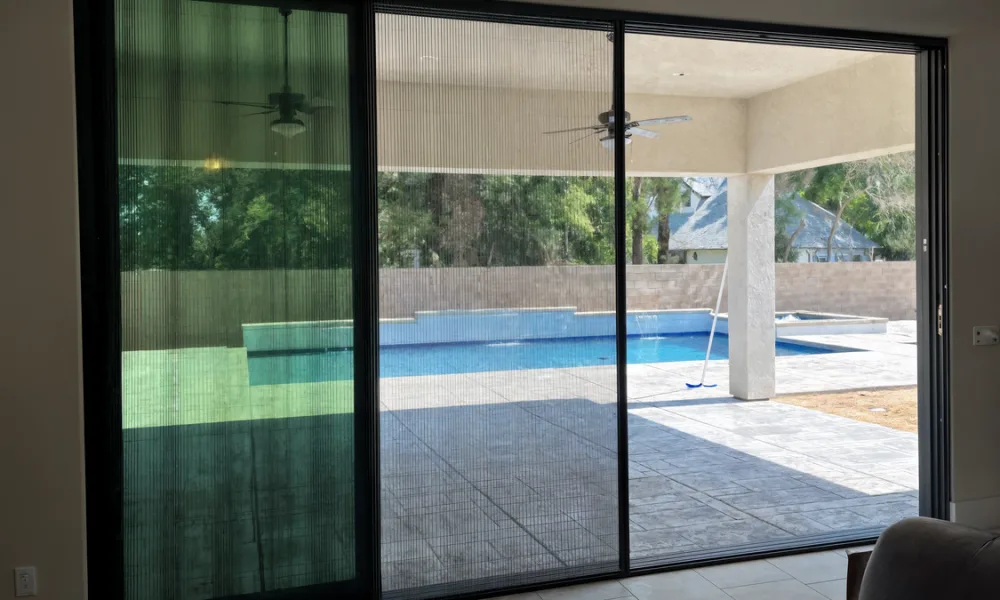
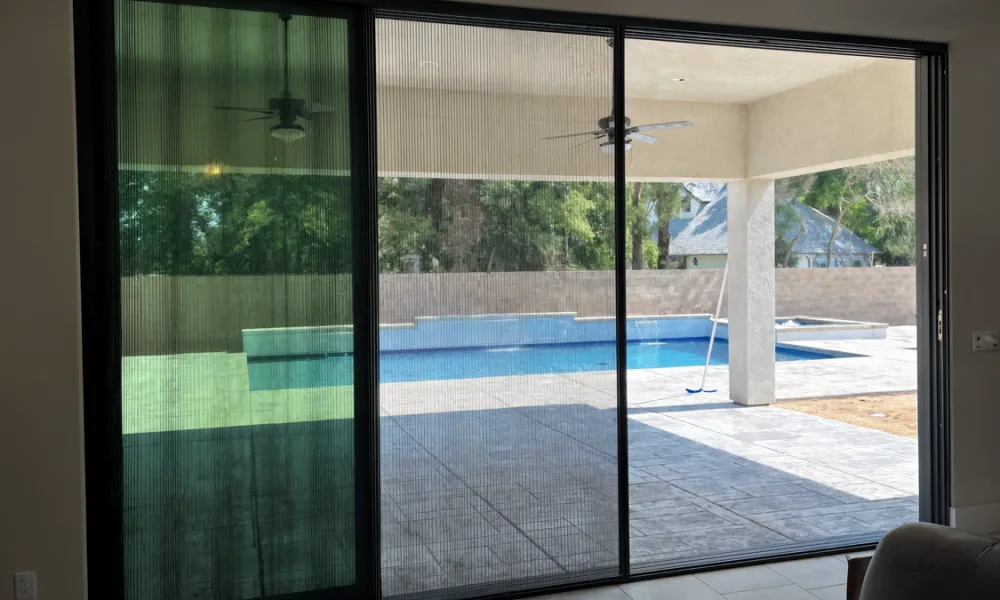
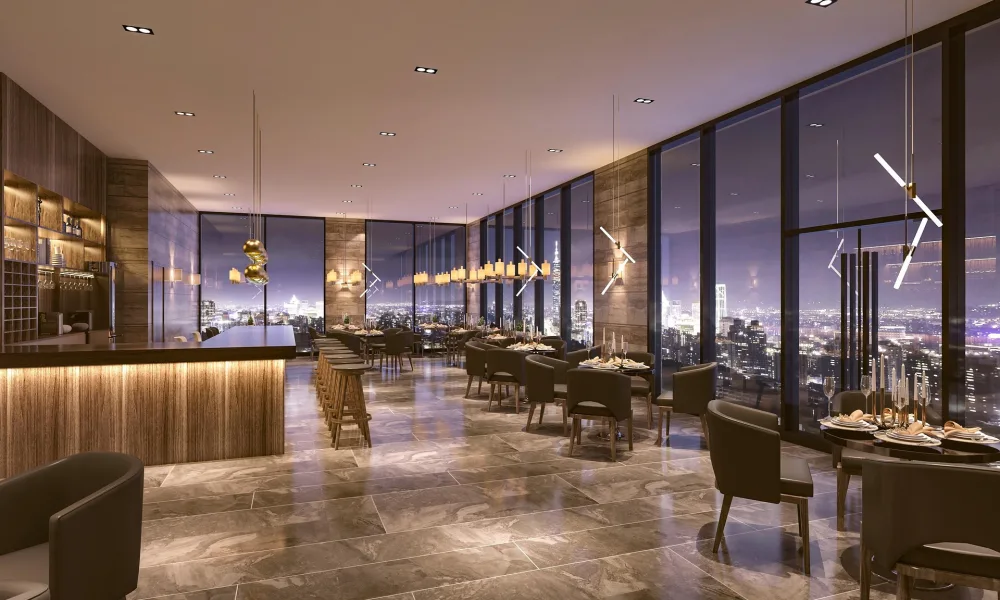
It’s easy to fall for the fantasy.
A wall of glass folds away, the patio feels like part of the room, and suddenly an ordinary Tuesday feels a little more like a getaway.
Then real-life steps in.
A chilly spot shows up right by the sofa. The handle feels too hot or too cold. The stacked panels take over the side of the room you actually use. And when guests come over, the wide opening somehow turns into an awkward bottleneck.
That’s the part people don’t always think about when choosing multi-panel folding patio doors. The best systems do more than look impressive when open. They need to feel comfortable, easy to use, and well integrated into the room every day, not just in perfect weather.
That is where thoughtful layout, glazing, and frame design start to matter. And when folding doors include thermally broken frames, the opening can feel more comfortable through seasonal temperature swings, which makes the space easier to enjoy year-round.
The Quick Way to Choose
Start with how you actually live in the room. Then choose the details.
Before comparing finishes, panel counts, or glass options, think about the basics:
- how people move through the space
- where you sit most often
- when privacy matters
- how much sun hits the opening
- whether the room still needs to feel comfortable when the weather changes
Once those answers are clear, the right setup becomes much easier to identify.Here are a few “best for” ways to think about it.
Best For: Daily Comfort at the Handle and Along the Frame
This is one of the most noticeable benefits of a thermally broken system, because it shows up in the places you touch and use the most.
A thermally broken frame includes an insulating barrier inside the metal. In simple terms, that helps reduce how much outdoor temperature transfers to the interior side of the frame. The result is a door that tends to feel less extreme during hot afternoons, cold mornings, and seasonal swings.
That matters more than people expect.
- Best for no-flinch mornings: the handle and interior frame are less likely to feel like the weather outside.
- Best for high-use patio doors: when a doorway is part of your everyday routine, small comfort issues quickly become bigger annoyances.
- Best for households that are constantly moving in and out: if the opening feels more comfortable to use, people naturally use it more often.
It is a practical difference, but it can shape the whole experience of the room.
Best For: Keeping the Room Functional When the Panels Are Open
Folding doors do not simply disappear. When open, the panels need somewhere to stack, and that stacked area becomes part of the room whether you plan for it or not.
That is why panel stacking should be treated like a layout decision, not an afterthought.
- Best for protecting your favorite seat: keep the stack away from the chair, sofa corner, or dining spot you use most.
- Best for cleaner sightlines: place the stack on the side of the room that matters less visually in daily life.
- Best for fewer compromises later: think of the stacked panels as a tall piece of furniture and decide in advance where you want that “parking spot” to live.
When this is planned well, the opening feels natural. When it is not, the room can end up feeling slightly off every time the doors are open.
Best For: Better Insulation, Privacy, and Glare Control
The glass itself has a huge influence on how a folding door system performs, even though it often gets less attention than the frame.
This is where it helps to think in outcomes rather than technical jargon.
- Best for a more stable-feeling doorway: pair thermally broken frames with insulated glazing.
- Best for strong afternoon sun: choose glazing designed to reduce glare.
- Best for a room that feels more comfortable near the glass: insulated glass options can help reduce that reactive feeling many people notice around large openings.
- Best for privacy without shutting the room down: consider glazing choices that give you more privacy while still letting in light.
This is also where the system starts to work as a whole. When the frame helps limit temperature transfer and the glazing supports insulation, glare control, or privacy, the opening feels more balanced overall.