What Is Reflective Glass?
Reflective glass is a type of architectural glass that incorporates a very thin layer of metal or metal oxides on one of its surfaces. This coating is designed to reflect a significant portion of solar radiation, reducing the amount of heat and light that passes through the glass into the building.
Unlike conventional glass, which allows most light and solar energy to pass directly through, reflective glass alters how radiation interacts with the glass surface. Part of the energy is reflected back to the exterior, another portion is absorbed, and the remainder is transmitted inside, resulting in improved thermal and visual control.
This behavior is based on the physical principle known as reflection, absorption, and transmission of light, three phenomena that determine how glass interacts with solar radiation and natural daylight.
In addition to improving a building’s energy performance, this type of glass also creates the distinctive mirrored appearance often seen on building façades, particularly when exterior lighting conditions are stronger than those inside the building.
For this reason, reflective glass is commonly used in office towers, hotels, corporate buildings, and other projects where energy performance and architectural aesthetics must work together.
How the Reflective Coating Works
The performance of reflective glass depends primarily on its microscopic metallic coating, which is applied to one of the glass surfaces during the manufacturing process. This coating is designed to modify how solar radiation interacts with the material.
When sunlight reaches the glass, the energy does not pass through the material in the same way as it does with conventional glass. Instead, three fundamental physical processes occur: reflection, absorption, and transmission.
A portion of the solar radiation is reflected back toward the exterior, which helps reduce the amount of heat entering the building. Another portion of the energy is absorbed by the glass, while the remainder is transmitted indoors as natural daylight.
Thanks to this balance between reflection and transmission, reflective glass allows buildings to maintain adequate levels of natural light without allowing the full thermal load of the sun to penetrate the interior. This helps reduce glare, improve visual comfort, and decrease solar heat gain inside the building.
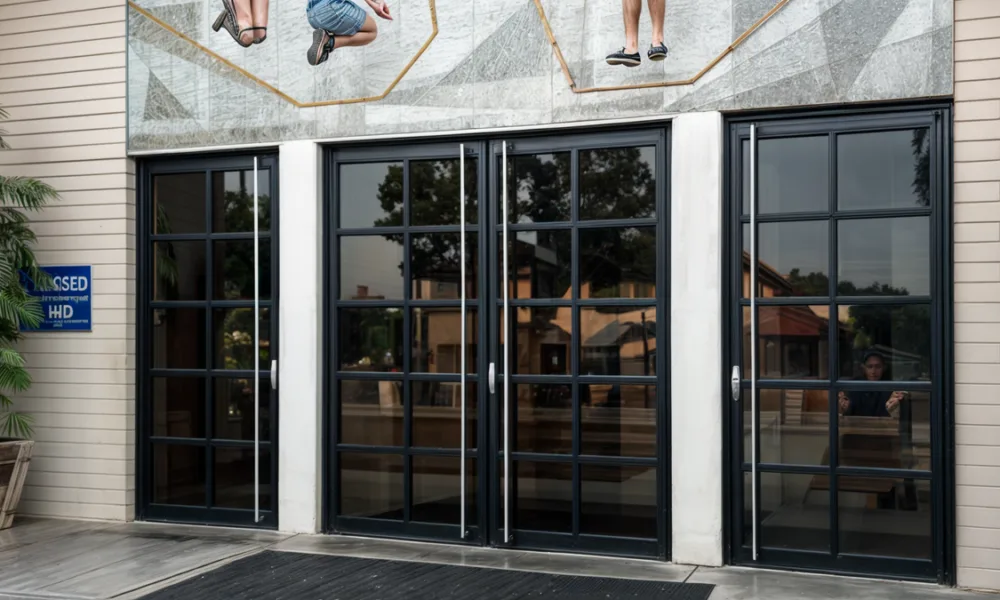
In addition, the reflective coating is responsible for the distinctive mirror-like effect often seen on modern building façades. When exterior lighting conditions are stronger than those inside the building, the glass surface reflects its surroundings, creating the reflective appearance visible from outside the structure.
Key Benefits of Reflective Glass
The use of reflective glass in modern architecture is largely driven by its ability to improve the overall performance of a building’s envelope. Thanks to its reflective coating, this type of glass offers several advantages that directly impact interior comfort, energy efficiency, and façade design.
Reduction of Solar Heat Gain
One of the most important benefits of reflective glass is its ability to reduce solar heat gain. By reflecting a significant portion of the sun’s radiation, this glass limits the amount of thermal energy that enters the building.
This helps maintain more stable indoor temperatures and reduces the load on air conditioning systems, particularly in buildings with large glazed surfaces or in regions with high solar exposure.
Glare Control
Direct sunlight can create high levels of glare inside buildings, affecting the visual comfort of occupants. Reflective glass helps reduce the intensity of direct sunlight, allowing interior spaces to maintain a more balanced level of natural illumination.
This is especially useful in offices, commercial spaces, and corporate buildings where visual comfort plays an important role in productivity and occupant well-being.
Increased Daytime Privacy
Another advantage of reflective glass is its ability to provide privacy during the day. Because of the mirror-like effect created when exterior lighting is stronger than interior lighting, occupants inside the building can see outside while visibility from the exterior is significantly reduced.
However, it is important to consider that this effect depends on lighting conditions. At night, when interior spaces are illuminated and the exterior environment is darker, the reflective effect can be reversed.
Improved Interior Comfort
By reducing direct solar radiation and glare, reflective glass contributes to creating more comfortable indoor environments. Spaces benefit from pleasant natural lighting and more controlled temperatures, improving the overall experience for occupants.
In commercial and corporate buildings, this can translate into more comfortable and efficient working environments.
Aesthetic Impact on Building Façades
In addition to its functional advantages, reflective glass also has a significant impact on the appearance of a building. Its reflective surface allows architects to create dynamic and contemporary façades that visually change throughout the day depending on lighting conditions and surrounding environments.
For this reason, it is widely used in office towers, hotels, corporate buildings, and modern urban developments where architectural aesthetics play an important role.