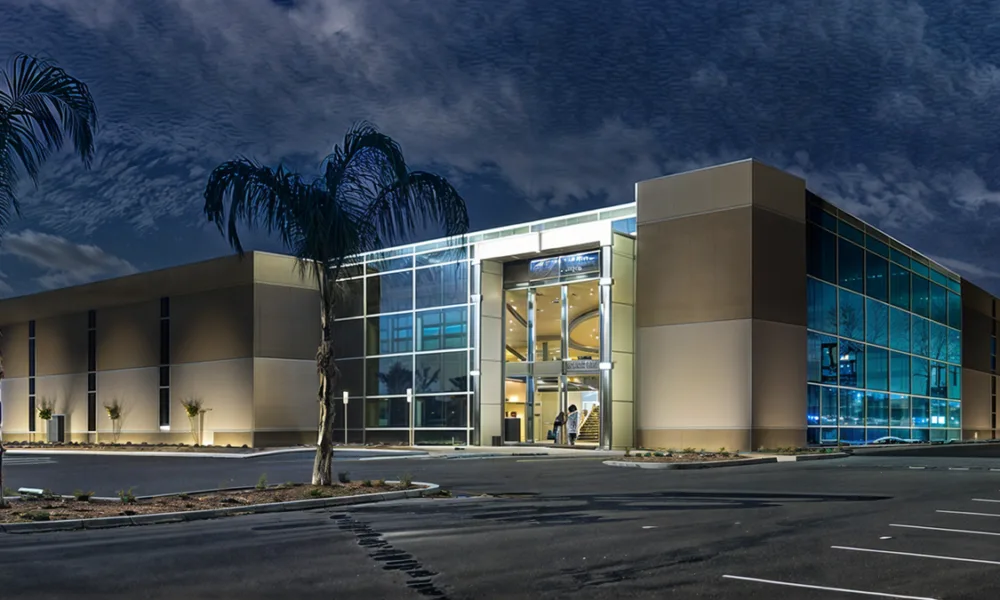
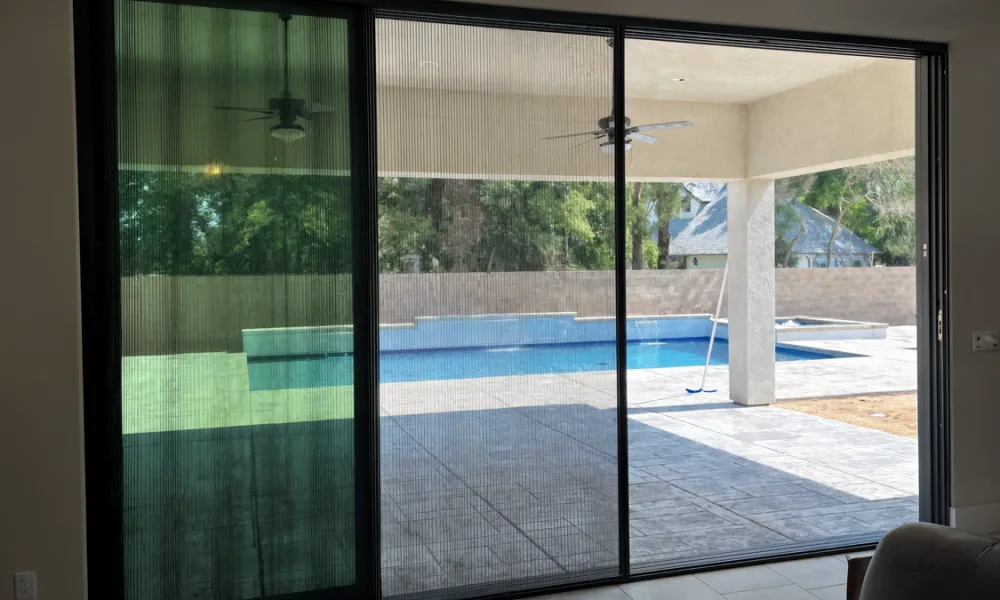
In coastal architecture, storm protection is no longer treated as an external add-on. In many modern buildings, it is built directly into the envelope system itself.
That shift is especially visible in cities such as Miami and Houston, where large glazed façades are expected to meet demanding wind and impact requirements without relying on visible shutters or secondary panels. What makes that possible is not the absence of protection, but the fact that performance is built into the façade from the start.
From External Protection to Integrated Systems
For many years, storm protection depended on exterior shutters, metal panels, or other secondary elements added after the primary façade was designed. While those solutions could be effective, they often disrupted the appearance of the building and depended on being deployed correctly when needed.
Today, many high-performance buildings rely instead on curtain wall and window systems engineered to resist wind loads and impact as part of the building envelope. Rather than depending on a single visible protective layer, performance is distributed across multiple components, including laminated glass, aluminum framing, anchorage, gaskets, and sealants designed to work together as a complete system.
Why Laminated Glass Matters
In hurricane-exposed conditions, laminated glass plays a critical role in maintaining the integrity of the envelope. Its purpose is not only to resist impact, but also to help prevent breaches that could affect pressure conditions inside the building.
Even when the outer lite is damaged, the interlayer helps keep the glazing assembly in place. That continuity matters because once the envelope is compromised, pressure changes can place additional stress on other parts of the structure.
For that reason, laminated glass is not simply an upgrade for impact resistance. It is a core part of how modern façade systems are designed to perform under severe weather conditions.