Security: Are There Differences Between Casement and Awning Windows?
In terms of security, both casement and awning windows offer a higher level of protection compared to traditional sliding systems. This is primarily due to their locking mechanisms and the way the sash integrates with the frame.
Multi-Point Locking System
Most modern casement and awning systems incorporate multi-point locks. Unlike a single latch positioned at one point, this mechanism engages multiple locking points distributed along the frame when the crank is operated.
This allows for:
- More uniform pressure against the frame
- Improved structural sealing
- Greater resistance against forced entry attempts
By comparison, many sliding windows rely on a single locking point or less robust mechanisms, which can make them more vulnerable to intrusion.
Interior Operation
Both casement and awning windows are operated exclusively from the interior using a crank or integrated hardware. This adds an additional layer of security, as access to the opening mechanism from the exterior is significantly more restricted.
When closed, the system also creates compression between the sash and the frame, making external manipulation more difficult.
Does the Casement Have an Advantage?
While both systems are secure when properly specified, casement windows may offer a slight advantage in certain common scenarios:
- They allow more precise control of the opening angle
- They can incorporate reinforced hardware in larger configurations
- In some designs, the perimeter frame provides additional anchoring points
However, actual security performance depends far more on system quality, glass specification (for example, laminated or tempered glass), and proper installation than on the opening style itself.
Ideal Placement Within a Project: Where Does Each System Perform Best?
Although both casement and awning windows can be used in a variety of spaces, their design and opening mechanism make them better suited for specific architectural applications.
Casement Windows: When View and Ventilation Are the Priority
Thanks to their wide side-opening design and the absence of central rails, casement windows are particularly well suited for areas where the goal is to:
- Maximize exterior views
- Allow more direct and abundant ventilation
- Capture side breezes for effective cross-ventilation
For this reason, they are an excellent choice in:
✅ Living rooms and social areas, where visual connection to the outdoors is important
✅ Bedrooms, where fresh air circulation enhances comfort
✅ Tall windows and vertical openings, where their proportions complement the architectural design
Awning Windows: Practical Performance in Technical or Complementary Spaces
Due to their top-hinged design, awning windows are especially practical in areas where ventilation needs to be maintained even under more demanding weather conditions.
They perform particularly well in:
- Above kitchen sinks, where frontal access may be limited
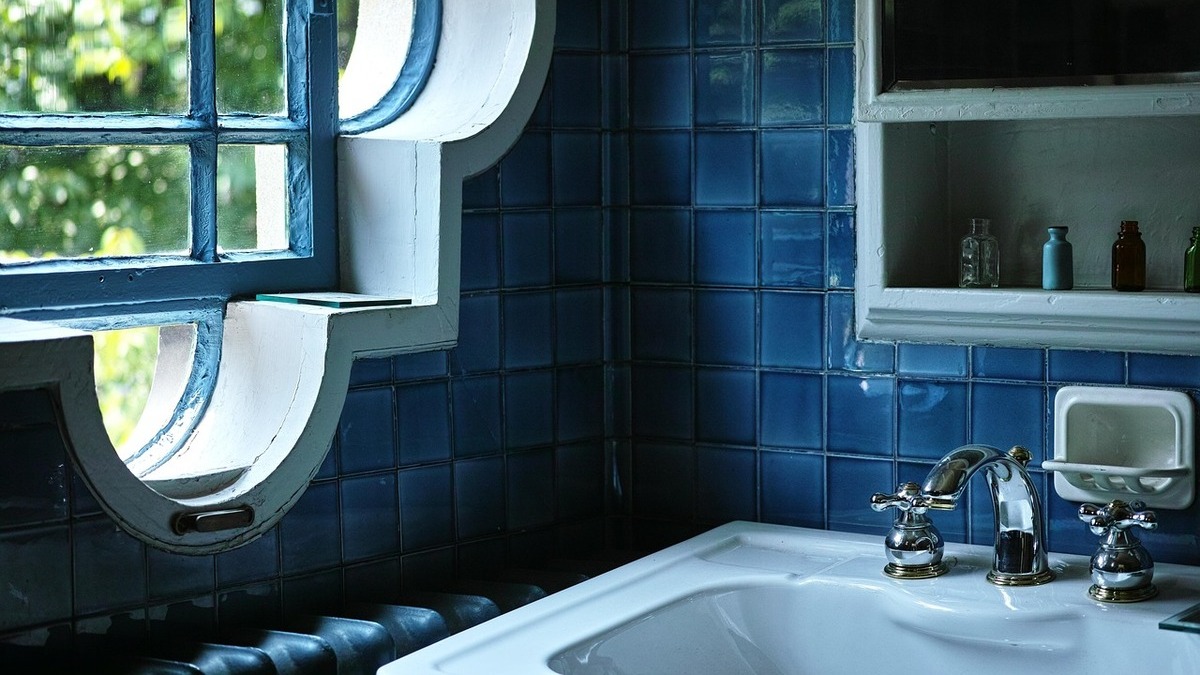
- Bathrooms, where continuous ventilation helps control humidity
- Basements, where their compact size is functional
- Combination with fixed windows, especially above large glass panels
Practical Limitations: What Should Be Considered Before Specifying Each System?
Although both casement and awning windows offer clear advantages in ventilation, sealing performance, and security, they also present practical limitations that should be evaluated during the design and specification phase.
Casement Windows: Require Clear Exterior Space
Because casement windows open outward like a door, they require unobstructed exterior clearance to operate properly.
This may present limitations in:
- Areas near exterior walkways, balconies, or terraces
- Facades with obstacles such as railings, vegetation, or projecting architectural elements
- Urban projects where outward projection could interfere with pedestrian circulation or local building regulations
Additionally, in high-wind regions, large panels may require reinforced hardware and careful sizing to prevent excessive stress on hinges.
Awning Windows: Size Constraints and Emergency Egress
Awning windows generally perform best in small to medium openings. As size increases, the sash weight can become a limiting factor for comfortable and safe operation.
They are not ideal for:
- Large openings where maximum ventilation is desired
- Situations where the window must serve as an emergency egress
Because they are top-hinged and open outward from the bottom, awning windows typically do not meet egress requirements unless specifically engineered to comply with local codes.
So, Which One Should You Choose?
The decision between a casement and an awning window should not be based solely on aesthetics, but on the performance expected from the system within the project.
Both types offer strong sealing, security, and energy efficiency when properly specified. The real difference lies in how they interact with space, climate conditions, and ventilation requirements.
Choose Casement When:
- Maximum ventilation is the priority
- The opening is taller than it is wide
- Capturing side breezes for cross-ventilation is important
- Exterior views are a key design element
- A wide, direct opening is desired
Casement windows are typically better suited for primary living areas such as living rooms and bedrooms, where continuous air renewal is a priority.
Choose Awning When:
- Ventilation is needed even during light rain
- The opening is wider than it is tall
- The window is located in a higher or hard-to-reach area
- Controlled, steady airflow is preferred
- The system is used in combination with large fixed windows
Awning windows perform particularly well in kitchens, bathrooms, basements, or when paired with large fixed glass panels.
Ultimately, the decision depends on:
- Wind orientation
- Opening proportions and height
- Intended use of the space
- Ventilation requirements
- Local climate conditions
Rather than determining which option is “better,” the goal is to specify the right system based on architectural and functional context.