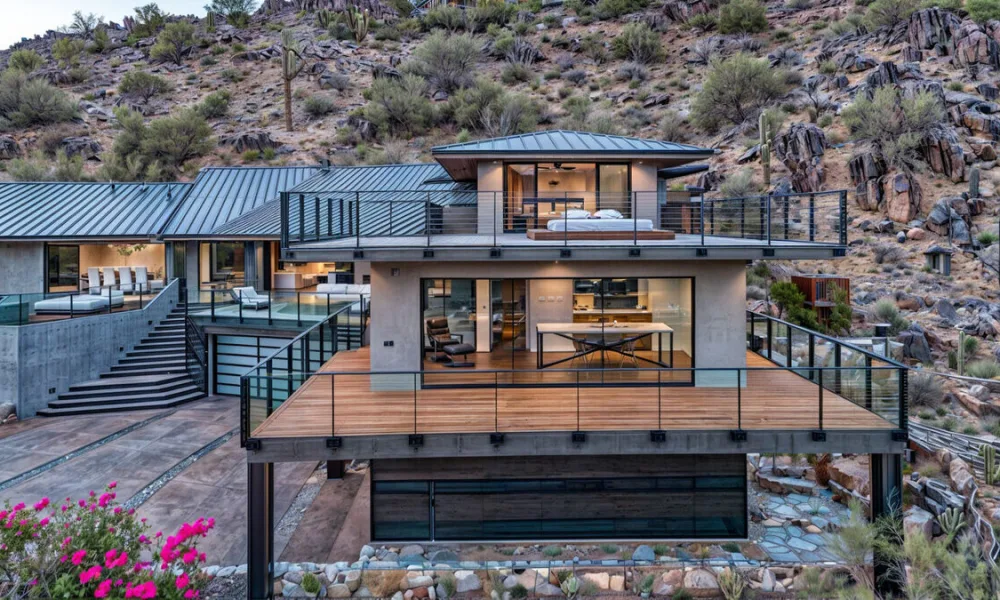
The construction industry enters 2026 with a clear shift in priorities. Beyond aesthetics, commercial and residential projects are increasingly defined by factors such as security, spatial flexibility, material performance, regulatory compliance, and the growing focus on energy efficiency.
Architects, developers, and contractors no longer make decisions based solely on design, but on how each system impacts functionality, durability, and the end-user experience. Materials such as architectural glass and aluminum systems are becoming strategic components within the construction process.
This article explores five key construction industry trends for 2026, focusing on how access points, openings, and architectural systems are evolving across commercial, residential, and mixed-use projects.
👉 You may also be interested in reading: 15 New Trends for Handrail
Trend #1: Security-Driven Design Becomes the Standard
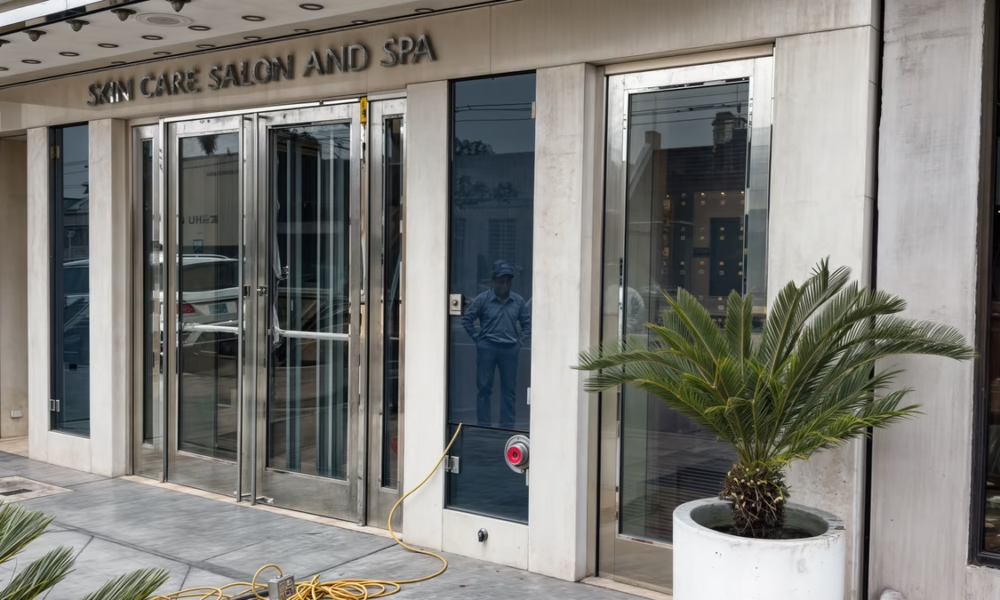
Security has shifted from a secondary consideration to a core criterion in construction planning. In 2026, both commercial and residential developments are designing access points and façades with a preventive approach, integrating solutions that protect occupants without compromising architectural aesthetics.
Factors such as increasing urban density, higher foot traffic in commercial spaces, and the need to protect both assets and occupants have driven a growing demand for passive protection systems, particularly in institutional buildings, retail environments, multifamily developments, and mixed-use projects.
Recent events in major cities such as Los Angeles and Manhattan have further reinforced the importance of securing doors and windows against break-ins or looting, making security a top priority in contemporary building design.
What is changing in security-focused design?
- Security is integrated into the design process, rather than added as an afterthought.
- Main entrances are conceived as strategic points that combine strength, control, and architectural design.
- Materials and systems are selected to meet protection standards and local building codes, without creating an industrial or restrictive appearance.
Architectural glass and access systems continue to evolve, offering advanced levels of protection while preserving transparency, natural light, and consistency with the project’s architectural language.
Looking ahead to 2026, security is no longer perceived as an “extra,” but as a fundamental requirement of any well-executed construction project.
Trend #2: Flexible Openings for Adaptive Spaces
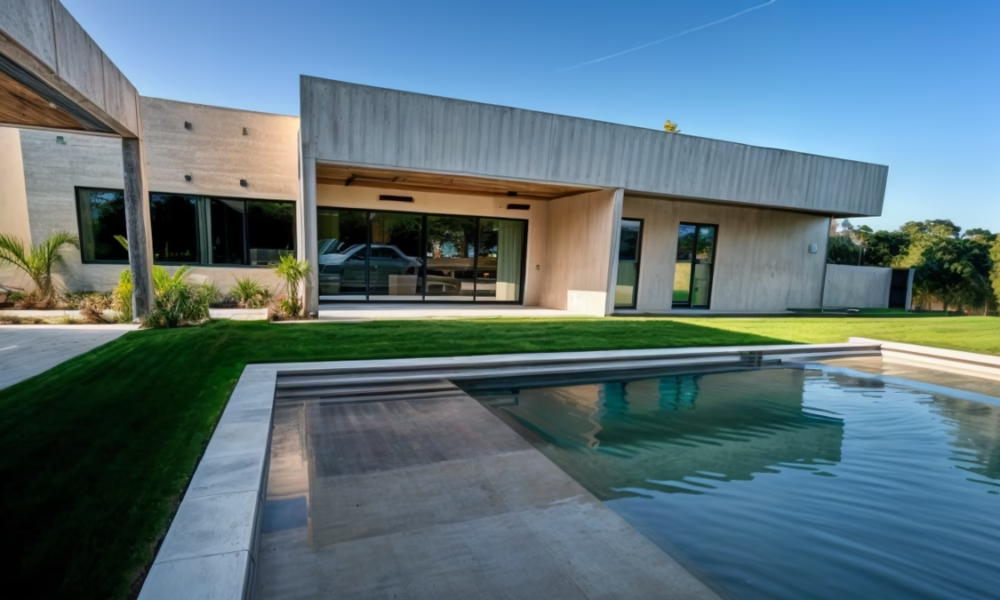
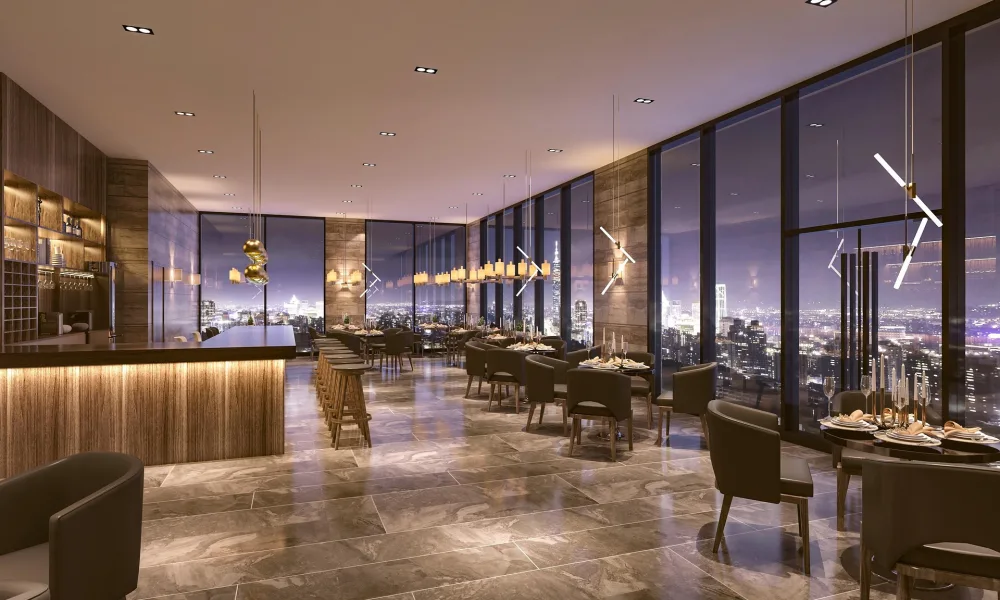
In 2026, spatial flexibility has become one of the top priorities in commercial and residential construction projects. Many developments are focused on maximizing natural light without compromising the overall quality and performance of the building.
Spaces are no longer designed for a single, fixed use, but to adapt to different functions, traffic flows, and operational needs over time.
This trend is driven by the growth of mixed-use developments, changes in how people live and work, and the need to maximize the long-term value of built spaces. As a result, architects and developers are paying closer attention to opening systems that allow spaces to be transformed efficiently and functionally.
How is this trend reflected in today’s projects?
- The boundaries between indoor and outdoor spaces are becoming more dynamic, especially in residential, hospitality, and retail projects.
- Commercial spaces require configurations that can be opened, closed, or divided based on daily operations.
- Solutions that enable smooth transitions are prioritized, without compromising the structure or architectural aesthetics of the project.
Architectural openings play an important role in this evolution. Systems that allow for large openings, modular configurations, and controlled movement help create versatile spaces capable of responding to different scenarios without major structural interventions.
Adaptability is no longer a value-added feature, but a standard expectation in contemporary design, particularly in projects that aim to remain functional and relevant over the long term.
Trend #3: High-Performance Sliding Systems for Modern Living
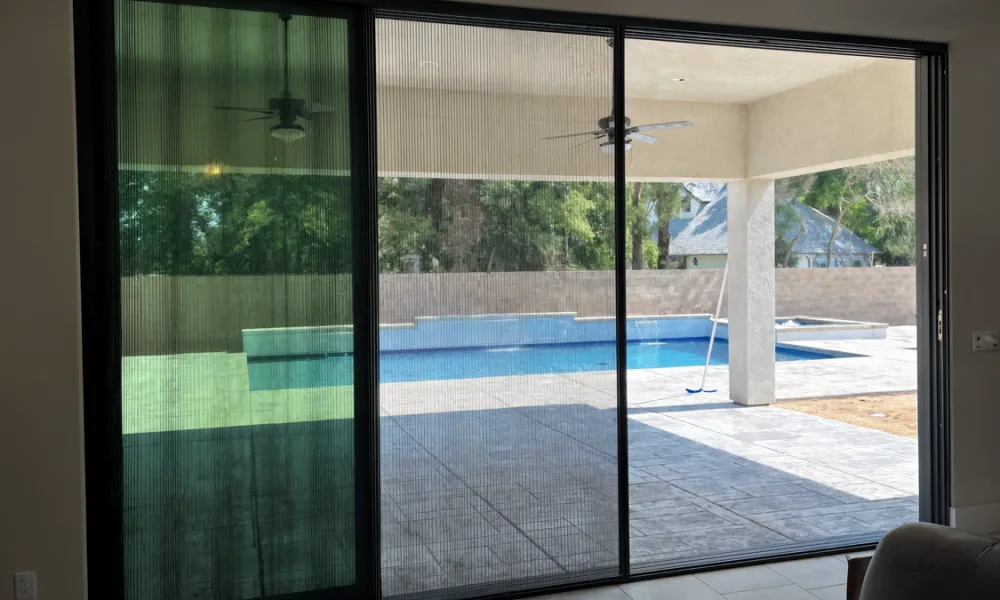
In 2026, the demand for more open, brighter, and visually connected spaces continues to grow across both residential and commercial projects. This has driven a clear evolution in how enclosures and access points are designed, giving greater prominence to high-performance sliding systems.
Unlike traditional solutions, these systems respond to the demands of contemporary design: larger openings, slimmer profiles, smooth operation, and enhanced structural strength, all without compromising durability or security.
Why are sliding systems gaining prominence?
- They provide a continuous visual connection between indoor and outdoor spaces.
- They enhance natural light, improving both user experience and energy efficiency.
- They adapt seamlessly to high-end residential projects as well as commercial and hospitality environments.
From a technical perspective, the focus is no longer solely on aesthetics. Architects and developers evaluate these systems based on load capacity, long-term performance, resistance to intensive use, and ease of maintenance, particularly in projects with high foot traffic or demanding environmental conditions.
Trend #4: Premium Aluminum Systems Dominate Residential Design
In 2026, aluminum systems have become a predominant choice in contemporary residential projects, particularly in mid- to high-end developments.
Beyond aesthetic preference, this trend is driven by technical, operational, and durability considerations that directly influence the long-term value of buildings.
Aluminum is now regarded as a strategic material due to its structural strength, low maintenance requirements, and design versatility, enabling customized solutions that adapt to different architectural styles without sacrificing coherence or performance.
What is driving the growth of aluminum systems in residential construction?
- Increased demand for durable, long-lasting materials.
- The need for solutions that require minimal maintenance over time.
- The ability to combine contemporary design with high structural performance.
- Compatibility with projects that prioritize energy efficiency and interior comfort.
In residential applications, aluminum systems allow for the development of access points and enclosures that balance aesthetics, functionality, and strength, maintaining consistent performance even under demanding climate conditions.
Trend #5: Code Compliance and Safety Hardware as a Design Priority
In 2026, compliance with building codes and safety regulations is no longer a final step in the project, but a determining factor from the earliest design stages.
In commercial, institutional, and high-density residential projects, access points and architectural systems must meet increasingly strict requirements related to safety, evacuation, and risk control.
Changes in local and state regulations, combined with increased oversight of public and private buildings, have driven a deeper integration of safety hardware into architectural design, helping to avoid improvised or corrective solutions once construction is complete.
How does code compliance impact architectural design?
- Main access points are designed with evacuation routes, crowd control, and emergency response in mind.
- Safety hardware is integrated in a functional and aesthetically coherent manner, without compromising user experience.
- Systems that comply with building codes, safety standards, and applicable certifications are prioritized, particularly in commercial and high-traffic projects.
This approach allows architects and developers to reduce operational risks, avoid approval delays, and ensure that projects meet required standards from the outset.
The trends shaping the construction industry in 2026 reflect a clear evolution toward projects that are safer, more flexible, more efficient, and fully aligned with current regulations. The design of access points, openings, and architectural systems is no longer driven solely by aesthetics, but by strategic decisions that directly impact building performance, durability, and long-term functionality.
👉 You may also be interested in reading: 5 New Trends for Glass Doors in 2025
For architects, developers, and contractors, understanding these trends makes it possible to anticipate market challenges, improve decision-making, and deliver projects designed to perform over time. In this context, materials such as architectural glass and aluminum systems continue to play a key role in contemporary construction.
Companies with experience in architectural systems, such as PRL Glass & Aluminum, can support design and construction teams in selecting solutions aligned with these trends, taking into account technical performance, code compliance, and long-term feasibility.
If you are involved in the planning or development of commercial or residential projects, evaluating these trends early in the process can make a meaningful difference in the final outcome of the building.