A strong first impression does not always hold up inside
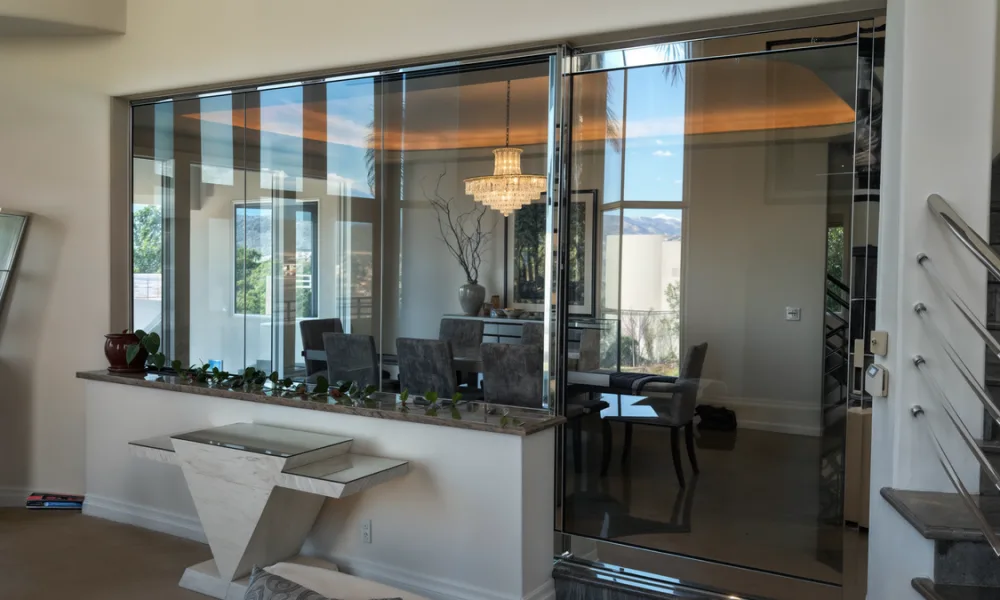
Glass facades naturally attract attention. They look clean, open, and contemporary. From the street, they can make a business feel bright, visible, and easy to approach.
But that first impression does not always hold up once people step inside.
A space can feel warmer, brighter, or more exposed than expected, even when nothing seems obviously wrong. Most visitors will not stop to explain that discomfort. They simply spend less time inside, move through the space more quickly, or leave sooner than planned.
In a commercial setting, those small changes in behavior matter.
The exterior does not stay outside
A glass facade may look like a clear boundary between indoors and outdoors, but in practice, the exterior environment still affects what happens inside.
On hot days, solar radiation passes through the glass and reaches floors, furniture, merchandise, and other interior surfaces. As that heat builds up, the space becomes harder to regulate and cooling systems have to work harder to keep up.
The effect is not always dramatic, but it is consistent. A space that gains heat too easily often becomes less comfortable to stay in, even if visitors never describe it that way.
When outdoor temperatures drop, the issue can shift in the opposite direction. Interior comfort becomes harder to maintain, and the space may feel less stable throughout the day.
Light also changes how people use the space
Temperature is only part of the problem.
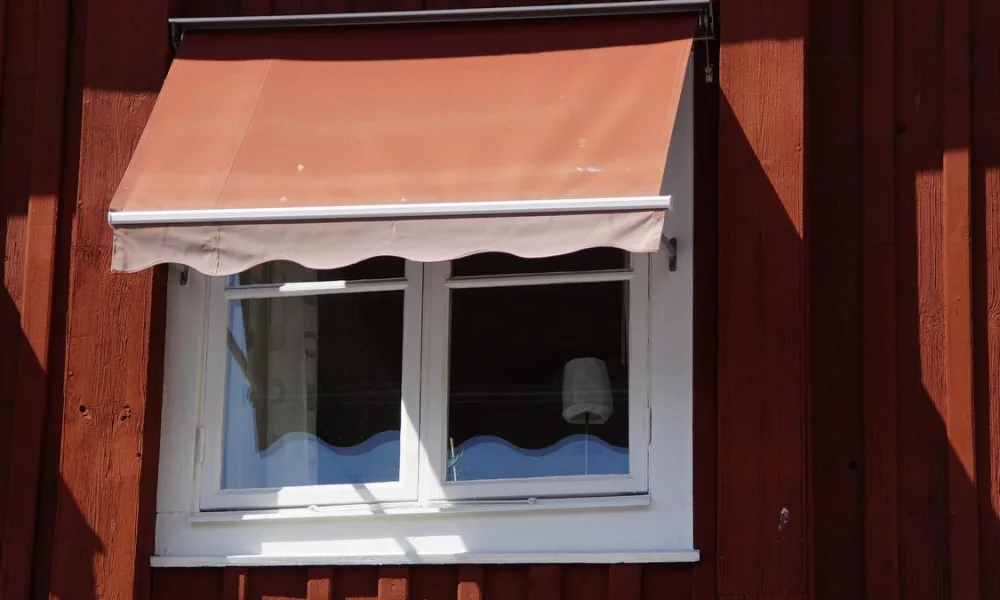
When natural light enters without enough control, glare and reflections begin to affect how people move, sit, and interact with the space. Screens become harder to read. Display areas lose clarity. Customers change position to avoid direct light or move away from certain areas without really thinking about it.
These reactions may seem minor, but in commercial environments they add up quickly.
A table that stays empty. A seating area people avoid. A visitor who looks around briefly and leaves. In retail and hospitality, those patterns can directly affect dwell time, interaction, and conversion.
What discomfort inside a building can reveal
When a building stops moderating heat, light, and noise effectively, the impact often shows up first in occupant comfort.
This broader issue has been associated with what the World Health Organization described as sick building syndrome: situations in which people experience discomfort indoors and tend to feel better after leaving the space. In practice, the problem is rarely caused by one factor alone. It usually comes from several environmental conditions that are not being controlled well enough.
That is why appearance alone is not a reliable measure of performance. A facade may look polished from the outside and still create an uncomfortable interior experience over time.