Aluminum Handrail Systems: Why They Work for Modern Stair and Guardrail Projects

Aluminum works especially well in stair and guardrail systems that need to combine clean architectural lines with long-term performance

Home / BLOG / Aluminum Handrail Systems: Why They Work for Modern Stair and Guardrail Projects

In today’s stair and guardrail projects, material selection is not based on appearance alone. It also affects system durability, long-term maintenance, ease of installation, and the way the final solution fits into the overall architectural design. Aluminum has become one of the most practical choices for modern handrail systems in both residential and commercial applications.

Its popularity comes from a combination of advantages that is hard to ignore. Aluminum resists corrosion well, requires relatively little maintenance, weighs less than many other metals, and adapts easily to different design languages. That is why it appears more and more often in interior staircases, balconies, guardrails, and projects that call for a durable solution without adding unnecessary visual weight.

Aluminum handrail systems are valued for their lighter weight, corrosion resistance, and ability to support modern stair and guardrail designs.

What Makes Aluminum a Strong Choice for Handrail Systems

One of aluminum’s biggest advantages is the balance it offers between lightness and performance. It is easier to handle, transport, and install than heavier metals, yet it can still be integrated into well-designed, reliable systems. That quality also affects the overall look of a project, allowing for cleaner and more visually restrained solutions.

Its natural resistance to corrosion adds even more value. Compared with materials that may deteriorate more easily in humid or exposed environments, aluminum tends to perform well in both indoor and outdoor settings, as long as the system is properly specified.

Maintenance is another important factor. In many projects, it matters almost as much as the system’s initial appearance. A solution that preserves its finish and performance with less intervention can offer a clear advantage, especially in commercial, multifamily, or high-use residential properties.

Why Aluminum Works Well in Modern Stair and Guardrail Projects

Contemporary architecture often favors cleaner lines, visually lighter systems, and materials that work well alongside glass, concrete, steel, or wood. Aluminum fits naturally into that approach because it allows for restrained profiles, a wide range of finishes, and a more controlled visual presence than heavier materials.

That versatility makes it especially useful in projects where the handrail system should not feel like an added element but rather like part of the overall design. In modern staircases, balconies, and guardrail applications, aluminum works equally well in minimalist solutions and in more technical or customized configurations.

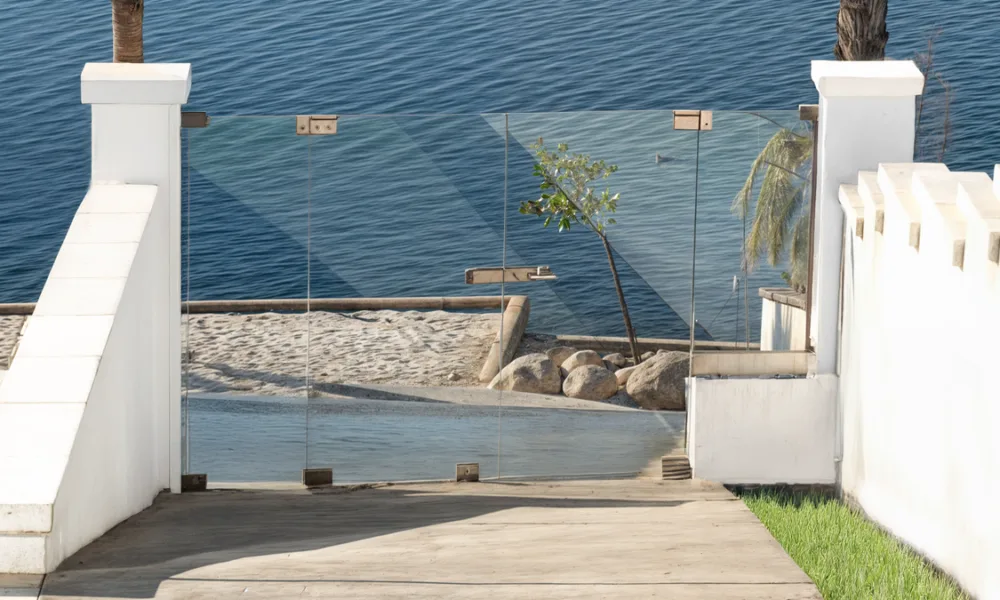
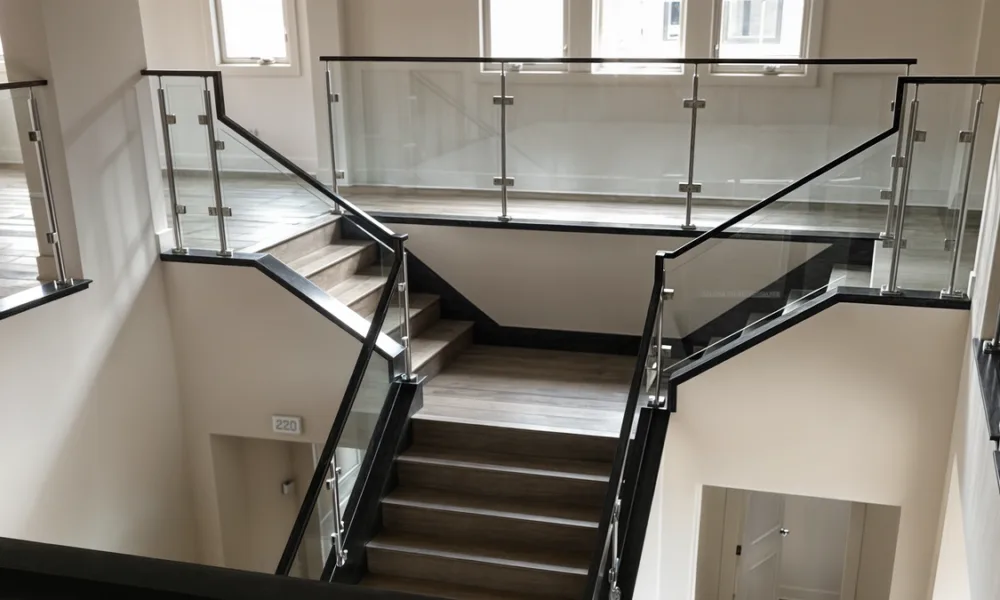
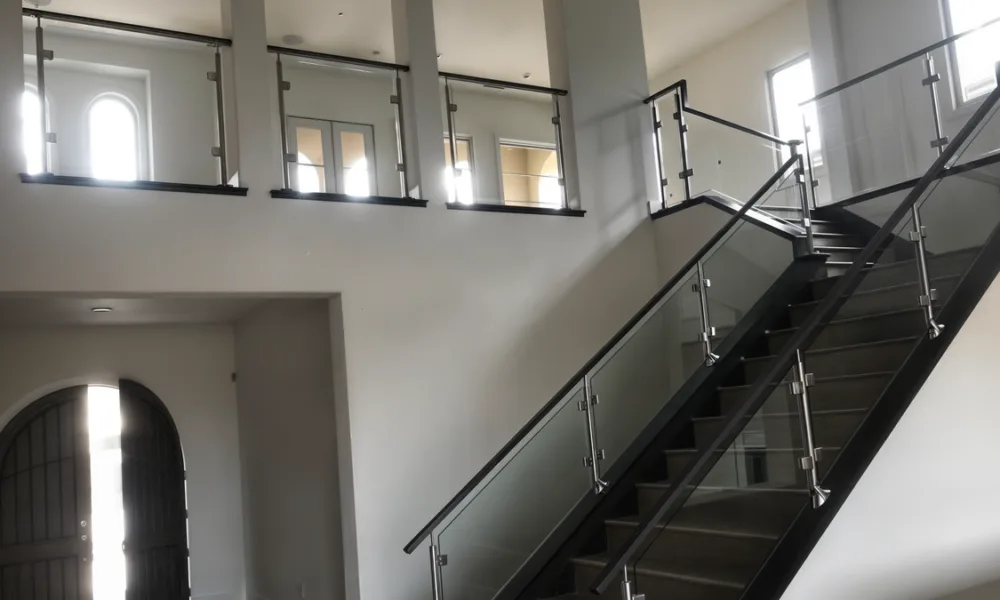
It also integrates especially well with glass systems. Many contemporary solutions combine aluminum with glass panels to take advantage of the openness of glass railing and the structural practicality of metal. That combination is particularly appealing in projects that aim to preserve clear views without giving up durability or reasonable maintenance.

Key Benefits of Aluminum Handrail Systems

  • Durability: Aluminum is valued for its ability to perform well in different environments and for its strong resistance to corrosion and wear. That consistency is one of the reasons it is frequently used in long-term architectural applications.
  • Low Maintenance: Compared with materials that require sanding, sealing, frequent painting, or more attention to rust, aluminum generally needs less maintenance. This can simplify system upkeep and reduce interventions over time.
  • Lighter Weight and Easier Handling: Its lower weight makes project logistics easier, from transportation to installation. This can be especially useful in jobs where installation efficiency matters or where reducing the complexity of handling components is a priority.
  • Design Flexibility: Aluminum can be manufactured in different profiles, dimensions, and finishes, which makes it adaptable to a wide range of architectural styles. That flexibility is especially valuable in projects that do not want to sacrifice design for practicality.
  • Long-Term Value: Although upfront cost should always be evaluated in the context of the project, aluminum is often seen as a competitive option because of its combination of durability, low maintenance, and good service life. In numerous instances, its real value becomes more evident over time.

Aluminum Compared with Other Common Materials

Comparing aluminum with other materials helps clarify where it makes the most sense.

Compared with wood, aluminum usually offers a clear advantage in maintenance and weather resistance. Wood can bring warmth to a space, but it generally requires more care over time, especially outdoors or in areas with greater exposure.

Compared with steel or wrought iron, aluminum tends to stand out for its lighter weight and its better resistance to corrosion. In many modern projects, it also creates a cleaner, lighter visual impression.

Compared with stainless steel, aluminum can be lighter and, in some cases, more cost-effective while still maintaining a contemporary appearance that works well for today’s stair and guardrail projects. The best choice will ultimately depend on budget, design language, and the expected performance of the system.

Where Aluminum Handrail Systems Make the Most Sense

Aluminum handrail systems work especially well in modern interior staircases, exterior stairs, balconies, terraces, and guardrail applications where both durability and visual clarity matter. They are also a strong option for commercial circulation areas, multifamily buildings, and residential remodels where the goal is to balance performance and design.

In contemporary projects, aluminum becomes even more valuable when it is part of a broader system. It can be integrated with top caps, posts, custom profiles, or glass panels, which expands its possibilities in more specific architectural configurations.

What to Consider Before Choosing an Aluminum System

Although aluminum offers many advantages, that does not mean every system is right for every project. Before choosing one, it is important to evaluate whether the application will be indoors or outdoors, the level of environmental exposure, how the space will be used, the desired finish, and the level of customization required.

It is also important to understand whether the handrail will be part of a simple interior stair, an exposed guardrail, or a combined system with glass. That context affects both the design solution and the way the system should be fabricated and installed.

And while the material is a strong starting point, the final performance of the system still depends on sound design, proper fabrication, and well-executed installation. The material alone does not guarantee that the solution will perform as it should within the project.

Why Custom Fabrication Can Make a Difference

Not every project is well served by a standard solution. Staircases with unusual geometry, specific finishes, glass integration, non-standard heights, or more defined aesthetic requirements often call for a system that is more closely tailored to the actual conditions of the job.

That is where custom fabrication becomes valuable. Working with a manufacturer that understands not only the material but also the logic of the system as a whole can make it much easier to select profiles, finishes, and configurations that truly make sense for the project. In modern work, that ability to adapt is often just as important as the material itself.

Aluminum handrail systems work well in modern stair and guardrail projects because they combine durability, low maintenance, lighter weight, and design flexibility. For many residential and commercial applications, they offer a very attractive balance between practical performance and contemporary appearance.

Beyond the material itself, the key is choosing a system that responds well to the use, the environment, and the design language of the project. In that sense, aluminum stands out not only for how it looks but for how well it can adapt to current, customized solutions designed to last.

Leave a Reply

Your email address will not be published. Required fields are marked *

Exit mobile version