What Is the Purpose of a Handrail?
The purpose of a handrail is straightforward. It helps people maintain balance and move more safely through a space.
On stairs, it provides support while going up or down. On ramps, it adds stability over a longer change in elevation. In both cases, it helps people feel more secure and move with better control.
This is why handrails matter in both residential and commercial settings. They are not just finishing details. They are functional elements that improve safety, usability, and overall comfort.
Handrail vs. Stair Railing vs. Guardrail
These terms are often used as if they mean the same thing, but they refer to different parts of a system.
- A handrail is the part intended to be grasped by the hand. Its role is support.
- A stair railing usually refers to the broader railing system associated with a staircase. Depending on the design, that system may include posts, infill panels, glass, guards, top rails, and sometimes a separate handrail.
- A guardrail has another purpose. It serves as a protective barrier along an exposed edge, such as a landing, balcony, deck, or open-sided stair.
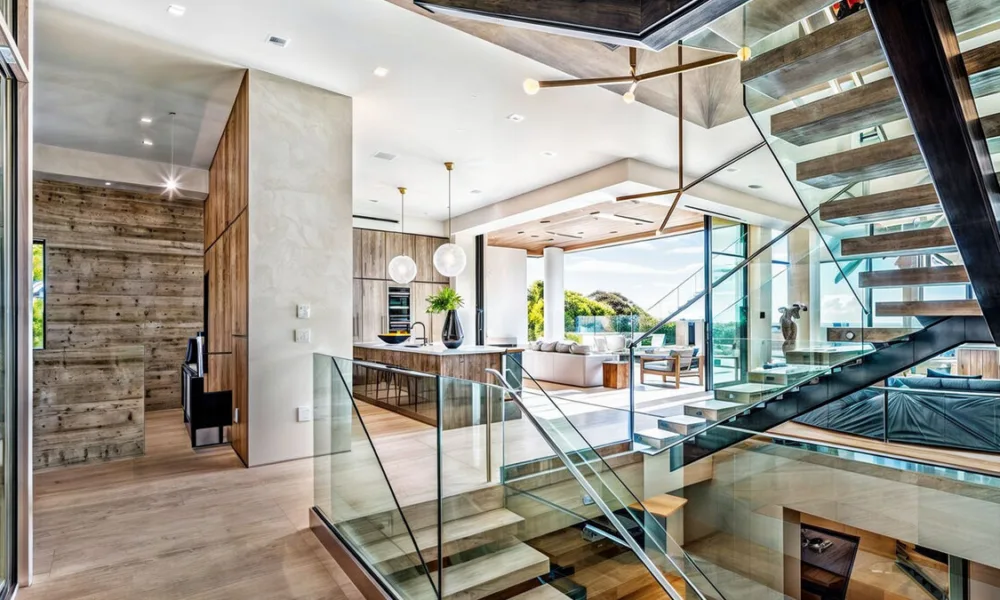
In many projects, these elements work together. A glass stair system, for example, may include a guard for edge protection and a handrail that helps guide movement and improve grip.
Where Are Handrails Commonly Used?
Stairs are the most familiar application, but they are not the only one. Handrails are used in many areas where extra support improves circulation and safety.
Common locations include:
- staircases
- ramps
- corridors and transition walkways
- balconies and mezzanines
- decks and terraces
- commercial entry sequences
- certain interior accessibility areas
In commercial environments, handrails often need to perform under heavier daily use. In residential projects, they may also have a stronger visual role, especially in custom staircases, balcony systems, and modern renovations.
What Types of Handrails Are There?
Handrails can vary by mounting method, material, and overall design approach.
Wall-mounted handrails
These are fixed directly to a wall and are commonly used in stairwells, ramps, and circulation corridors. They are often chosen when the priority is straightforward support.
Post-supported handrails
These are mounted to posts and usually form part of a larger railing system. They are common in stairs, balconies, decks, and exterior guardrail applications.
Integrated handrails in glass railing systems
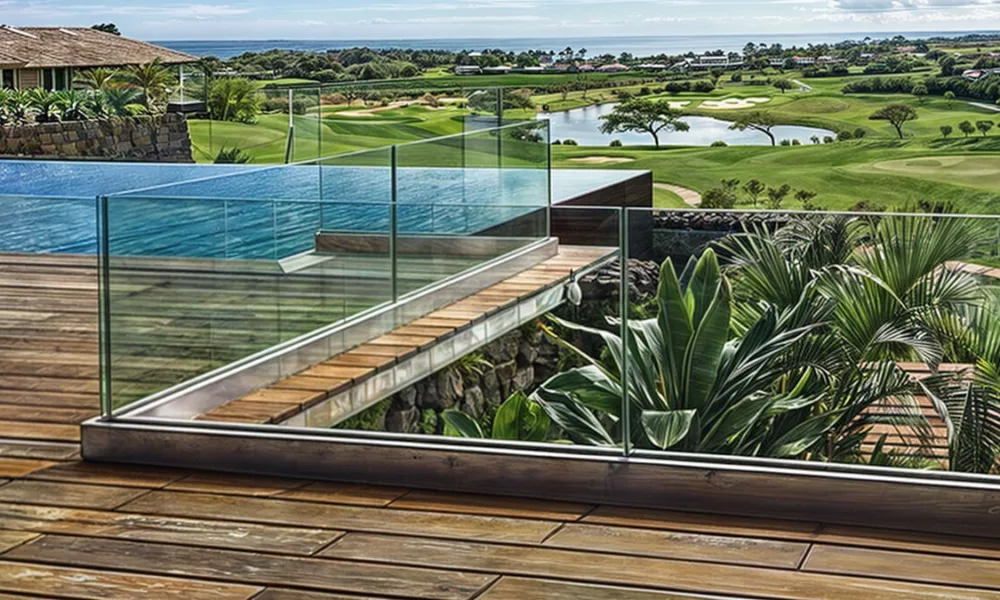
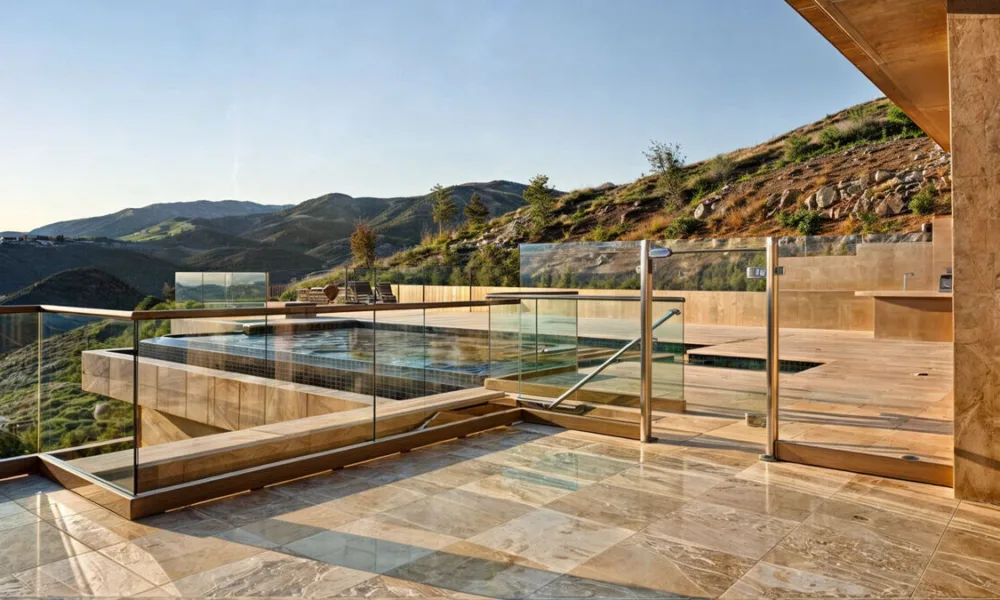
In contemporary projects, handrails are often incorporated into glass systems through top caps, slim rails, or similar support profiles. These solutions are popular because they help maintain open views while still contributing to safety.
Metal handrails
Aluminum and stainless steel are widely used because they are durable, low-maintenance, and well suited to modern commercial and residential projects.
Wood handrails
Wood remains a common option in more traditional interiors, where a warmer and more classic look is preferred.
The right choice depends on the location, the design goals, the expected level of use, and the maintenance needs of the project.