How to Enjoy Bifold Glass Doors Without Overheating Your Home

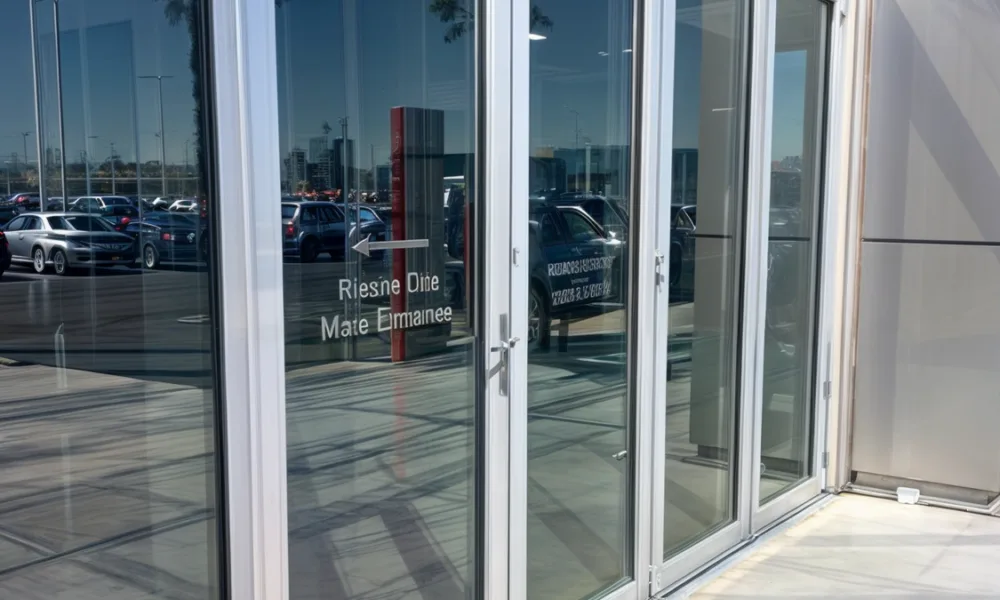
Thermally broken aluminum frames help reduce heat transfer in bifold glass doors by separating the exterior and interior metal sections with an insulating polyamide barrier.

Home / Design & Living / How to Enjoy Bifold Glass Doors Without Overheating Your Home

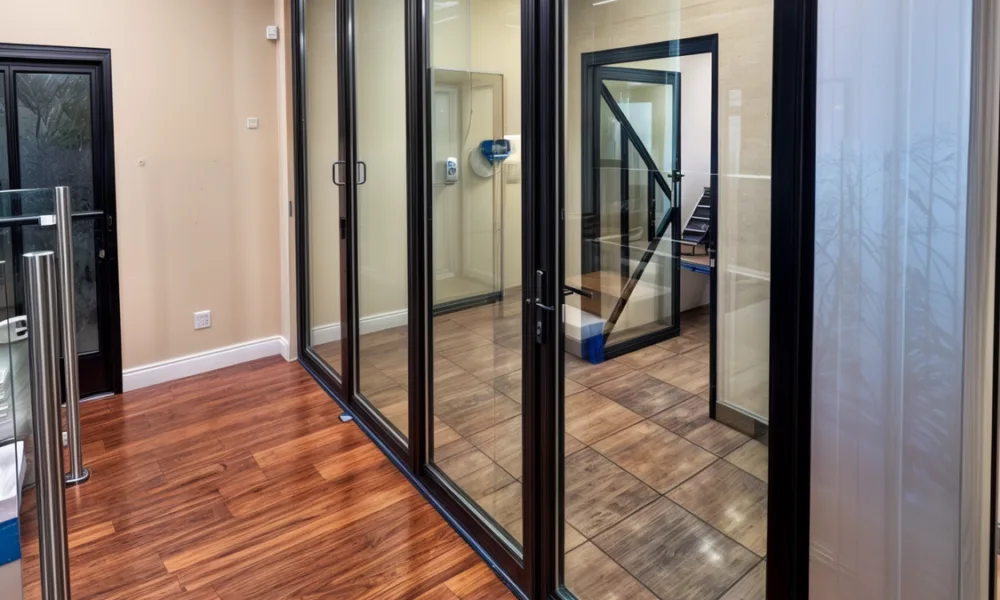
Integrating indoor and outdoor spaces with bifold glass doors has become a frequent choice in modern architecture. Unlike standard sliding doors, these systems fold multiple panels like an accordion, opening the space almost completely to one or both sides.

The result is a wider opening, more daylight, and a stronger visual connection between the living area and the terrace, patio, or garden.

However, in sun-drenched regions, a valid concern often arises: could all that glass and aluminum make a room harder to cool?

Understanding Thermal Performance in Bifold Systems

From a practical perspective, a folding door is more complex than a fixed window or a simple sliding system. Because multiple panels connect through hinges, tracks, hardware, and compression seals, the system naturally requires more aluminum profiles.

When the doors are closed, those profiles may create a larger exposed metal surface compared with other types of openings. Under direct sunlight, that matters. Aluminum is strong, lightweight, and durable, but it is also a highly conductive material.

On a hot afternoon, the interior profile can feel warm to the touch. That heat can then radiate into the room, causing the air conditioning system to work harder during peak sunlight hours.

So why is aluminum still widely used in these systems? Mainly because its strength-to-weight ratio allows for tall, heavy glass panels that can fold, glide, and stack with stability. The key is not avoiding aluminum altogether, but improving how the frame manages heat.

Bifold glass doors can increase natural light and create wide indoor-outdoor openings, but their thermal performance depends on the frame design, sealing system, and quality of the aluminum profiles.

The Engineering Solution: Thermal Breaks

To help bifold doors perform better in intense climates, manufacturers often use a thermally broken design. Instead of allowing the frame to behave like one continuous piece of metal, the system separates the exterior aluminum from the interior aluminum.

Between both sections, engineers place a polyamide barrier, an insulating material that does not conduct heat the way metal does.

This barrier creates a physical interruption in the path of heat. As a result, the interior side of the profile can maintain a more moderate temperature, even when the exterior is exposed to direct sunlight.

In daily use, this can help reduce the radiant heat felt near large-format glass installations, making the space more comfortable without sacrificing the open, transparent look that makes bifold doors so appealing.

Efficiency and Thermal Load

Choosing a thermally broken bifold system is one of the most practical ways to make large glass openings more comfortable in hot climates. It allows homeowners to enjoy expansive views, natural light, and indoor-outdoor living without placing unnecessary stress on the home’s cooling system.

The lesson is simple: large glass doors do not have to turn a room into a heat trap. With the right frame design, proper sealing, and thermal break technology, bifold doors can offer both openness and performance.

Leave a Reply

Your email address will not be published. Required fields are marked *

Exit mobile version