What Is Privacy Glass Film?
Privacy glass film is a thin material applied to the surface of existing glass. It is often used on windows, glass doors, storefront glass, office partitions and residential openings to make the glass harder to see through.
Depending on the product, film may create a frosted, tinted, reflective or decorative effect. Some options are mainly designed for privacy, while others may also reduce glare or change the appearance of the glass.
Because it can be added to glass that is already installed, privacy film is often used for simple upgrades, temporary needs or budget-conscious improvements. Its final result depends on the quality of the film, the installation and the conditions around the glass.
What Is Switchable Privacy Glass?
Switchable privacy glass is designed to change between clear and opaque states. Instead of adding privacy to the surface, the privacy function is built into the glass system.
This type of glass is often called electric privacy glass because the transition is controlled electrically. Depending on the project, it can be operated with a wall switch, remote control, smartphone or automation system.
When clear, the glass allows visibility through the opening. When opaque, it limits direct views while still letting light pass through. That flexibility matters in rooms that are open most of the day but occasionally need discretion.
Main Differences Between Privacy Glass and Privacy Film
Privacy film and switchable privacy glass address the same concern, but they are specified in different ways.
Privacy film creates a fixed visual effect on glass that is already in place. Once installed, the surface usually remains frosted, tinted, reflective or decorative unless the film is removed or replaced.
Switchable privacy glass gives the user more control. The same opening can stay transparent during normal use and become opaque for a meeting, consultation, guest stay or private moment.
This affects more than appearance. It also changes how the glass is planned, installed, cleaned and used day to day.
Appearance and Design
Privacy film can improve an existing glass surface when the goal is to add basic coverage or a decorative finish. For many spaces, especially when replacing the glass is not part of the project, that may be enough.
However, film can sometimes look like an added layer. Edges, seams, bubbles or surface wear may become visible over time, especially in high-use areas or installations exposed to heat, moisture or frequent cleaning.
Switchable privacy glass keeps the privacy function inside the glass system. The opening can remain clear when transparency is part of the design, then turn opaque when privacy is needed.
For new office buildouts, hospitality interiors, clinics, storefront entries or higher-end residential work, this can make the final result feel more intentional.
Durability and Maintenance
Privacy film can perform well when properly selected and installed, but it remains exposed on the surface. Over time, it may be affected by peeling, bubbling, scratching, edge wear, heat, moisture or cleaning methods.
That does not make film a poor option. For existing glass, temporary privacy or lower-traffic areas, it can be practical.
Electric privacy glass is usually considered when the project requires a more permanent solution. Since the privacy function is part of the glass system, it is better suited for new construction, remodels, commercial spaces and applications where the opening needs to keep its appearance over time.
Privacy Control
One of the biggest differences is control.
Privacy film usually provides one level of coverage. If the film is frosted, the glass stays frosted. If it is tinted or reflective, it keeps that effect throughout the day, although visibility may change depending on the lighting.
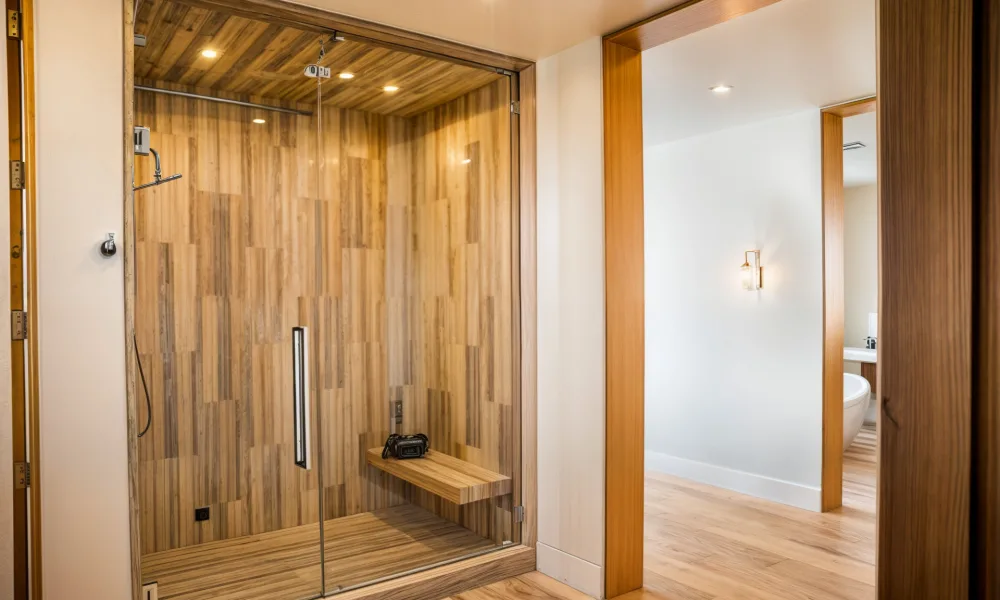
Electric privacy glass can change depending on how the space is being used. A meeting room can stay clear when open visibility is preferred and turn opaque during a private discussion. A bathroom window can allow daylight in while limiting direct views. A front door or interior glass opening can provide privacy without adding blinds or curtains.
This makes switchable glass useful when privacy is not needed all the time.