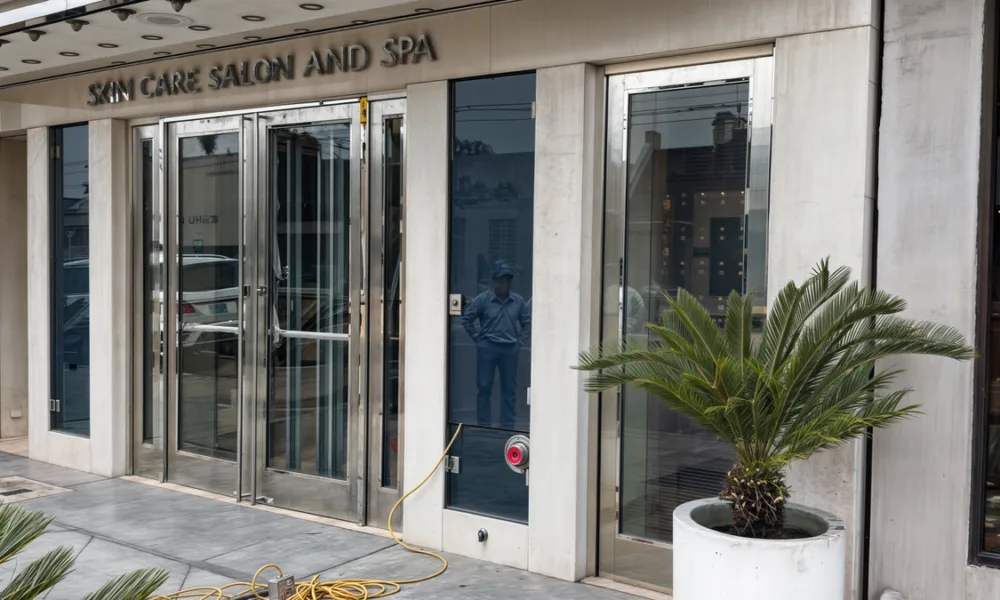
At the end of the day, almost every business pulls down a metal shutter out of pure habit. It provides peace of mind and deters break-ins, but it comes with a major downside: the moment the shutter closes, the store completely vanishes from the streetscape.
Protecting a storefront by completely blanketing it means missing out on potential customers at night—the exact time when people stroll by at a leisurelier pace and are naturally drawn to bright, well-lit window displays.
The Problem with Traditional Metal Shutters
The way people shop has fundamentally changed. Today, businesses invest heavily in designing attractive storefronts and elevating their brand image. Competition to catch the eye of passersby is fierce, and metal shutters disrupt that entire strategy. While they secure the premises, they also render the investment in design completely useless by hiding products and lighting the moment the business closes.
Storefronts Are Now Working Overtime
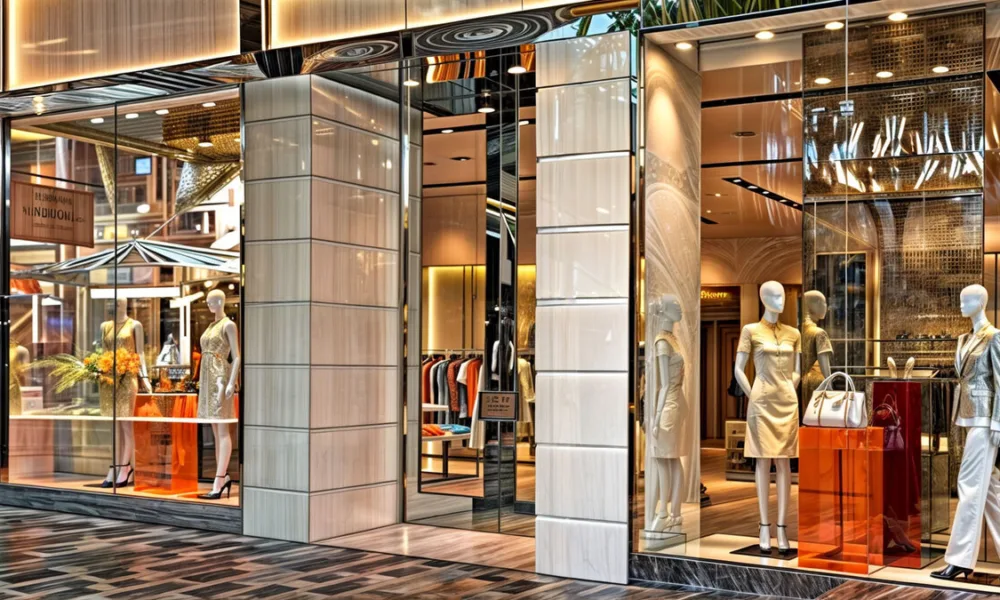
This raises an important question: does a store really need to be open to make a sale? At night, with fewer distractions on the street, a well-lit storefront stands out even more. It’s the prime window of time when people walk slower and pay closer attention to local shops.
High-end brands have been leveraging this for years, never turning off their display lights. They view their storefronts as 24-hour advertising, subtly convincing customers to return and buy the next day.

Retail Security Is About Delaying Entry, Not Being Invincible
Securing a business doesn’t require hiding it or turning it into a fortress; smart security is all about buying time. Most retail burglaries are crimes of opportunity. Intruders look for quick, hassle-free access. If they strike the storefront and the glass holds, time works against them—drawing unwanted attention and increasing their risk of getting caught during those crucial seconds of resistance.
The Frame Matters Just as Much as the Glass
When a storefront withstands an impact, our first instinct is to credit the glass. However, the glass is only one piece of a larger system.
What actually holds everything together under pressure is the combination of laminated glass, reinforced systems, and high-strength framing profiles. By installing frames and hardware engineered to match the glass’s strength, the impact energy is distributed evenly. This is how these reinforced storefronts achieve true balance: a crystal-clear view of the products, backed by a high-resistance structure.
The Ultimate Goal: Opening the Next Morning
Approaching security from this angle shifts the focus beyond just surviving a break-in—it’s about business continuity. If an incident occurs, the glass might crack or shatter, but when the frame and hardware keep it firmly in place, the interior remains untouched. Consequently, the issue stays purely cosmetic rather than becoming an operational nightmare.
For many business owners, the real headache of an attempted burglary isn’t just the repair costs; it’s being forced to close down for a day to clean up and handle emergency fixes. Losing a day of business and disrupting customer routines carries a heavy financial toll—one that insurance doesn’t always cover immediately.
That is why more and more projects are shifting away from seeing security as merely isolating a store from the outside world. Today’s trend leans toward balanced solutions that protect merchandise while maintaining a strong street presence, ensuring the business can open the next morning without major interruptions.