Sustainability and Environmental Benefits
Sustainability is now one of the most important criteria in architecture and industry. Glass stands out not only for its energy performance, but also for its ability to integrate into more responsible production and consumption models.
100% Recyclability
One of the greatest environmental benefits of glass is that it can be recycled indefinitely without losing quality or purity.
Unlike many other materials, glass does not degrade during the recycling process. Recycled glass (known as cullet) can be melted and transformed into new products with the same properties as the original material.
This process reduces the need for virgin raw materials and lowers energy consumption during manufacturing.
Reduced Carbon Impact
Using recycled glass in production significantly reduces the CO₂ emissions associated with the melting process.
In addition, when glass is incorporated into high-performance systems (such as Low-E or solar control units), it helps decrease a building’s operational energy use, directly contributing to a lower long-term carbon footprint.
Long Service Life
Glass is a durable material that resists environmental degradation. It does not oxidize, does not corrode, and is not affected by UV radiation under normal conditions.
Its long service life reduces the need for frequent replacements, minimizing waste and lowering maintenance or renovation costs.
Contribution to Green Building Standards
The thermal performance, recyclability, and durability of glass make it a key component in projects pursuing sustainable building certifications.
Safety and Security Advantages
Although glass has traditionally been associated with fragility, technical advancements have transformed its performance under impact, structural loads, and extreme conditions. Today, glass can play a key role in safety and protection.
Tempered Glass
Tempered glass undergoes a controlled heating and cooling process that significantly increases its mechanical strength.
It can be four to five times stronger than conventional glass of the same thickness. In addition, when it breaks, it shatters into small, relatively blunt fragments, reducing the risk of serious injury.
For these reasons, it is commonly used in:
- Commercial façades and doors
- Railings and interior partitions
- Vehicles
- Furniture
Laminated Glass
Laminated glass consists of two or more layers of glass bonded together with an interlayer, typically made of PVB or similar materials.
If the glass fractures, the interlayer holds the fragments in place, preserving the integrity of the assembly. This makes it an effective solution for:
- Impact protection
- Security against forced entry
- Protection against flying debris
- Applications in seismic or high-risk zones
In addition, laminated glass can incorporate added properties such as acoustic insulation or UV filtering.
Impact and Load Resistance
When properly specified, glass can withstand wind loads, structural pressure, and significant thermal variations.
In modern architectural applications, structural glass calculations allow its use in large panels, full façades, and even load-bearing elements in specialized systems.
Fire and Specialized Safety Glass
There are also glass compositions engineered to resist fire, high temperatures, or controlled explosions, commonly used in industrial environments and buildings with strict regulatory requirements.
Health, Daylighting and Human Performance
Beyond its physical properties, one of the less discussed (yet increasingly important) benefits of glass is its impact on health and human performance.
Access to natural light and visual connection to the outdoors directly influence physical and mental well-being. In this context, glass plays a strategic role in the design of healthier spaces.
Key contributions include:
- Circadian rhythm regulation: Exposure to natural daylight helps synchronize the body’s biological cycles, improving sleep quality and hormonal balance.
- Improved mood: Spaces with greater daylight access are often associated with reduced stress and a stronger sense of well-being.
- Increased productivity and concentration: In offices and educational environments, natural lighting and exterior views can positively influence cognitive performance.
- Reduced visual fatigue: Properly specified glass with solar control or anti-reflective treatments helps minimize glare.
- Visual connection to the environment: Glass façades and partitions maintain sightlines to the outside, reducing feelings of confinement.
Design Flexibility and Architectural Innovation
One of the most notable benefits of glass is its ability to adapt to different design requirements without compromising technical performance. Over the past decades, its evolution has expanded the boundaries of contemporary architecture.
Glass can be manufactured in various thicknesses, sizes, and formats, including large panels that reduce visible joints and create cleaner, more continuous surfaces. It can also be curved, tempered, laminated, or combined with other structural materials to meet specific performance demands.
Among its main design advantages are:
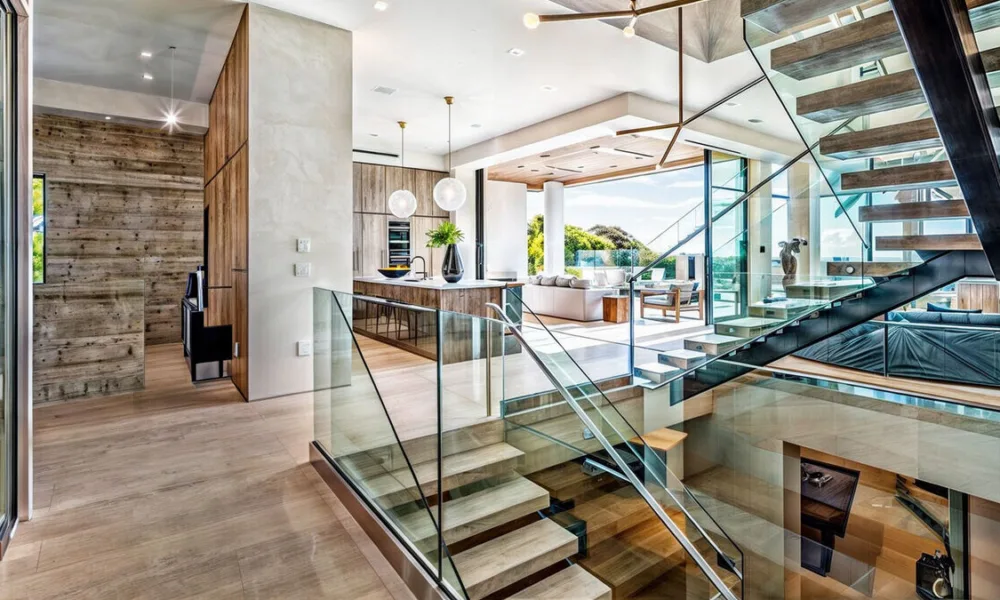
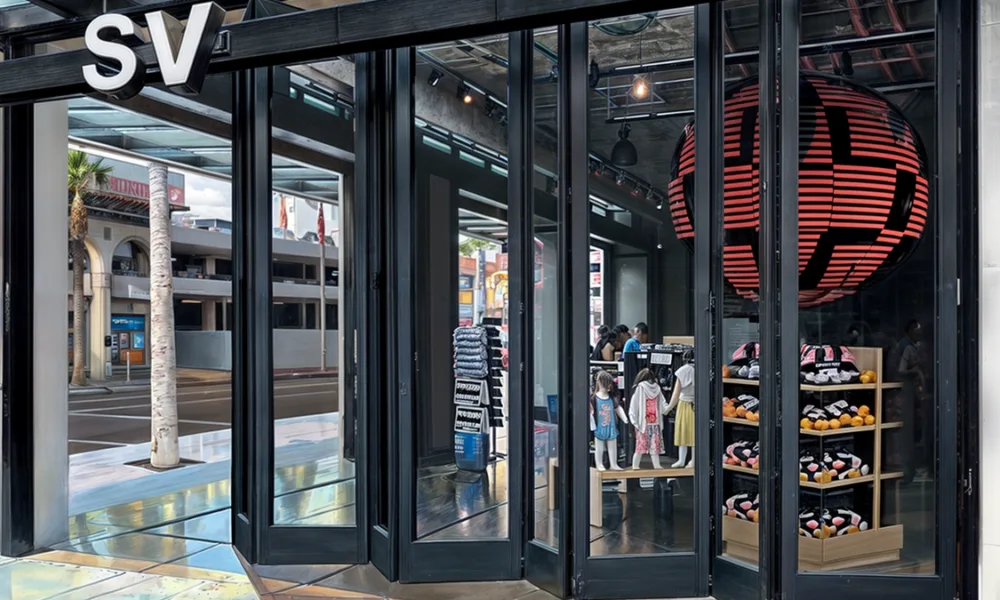
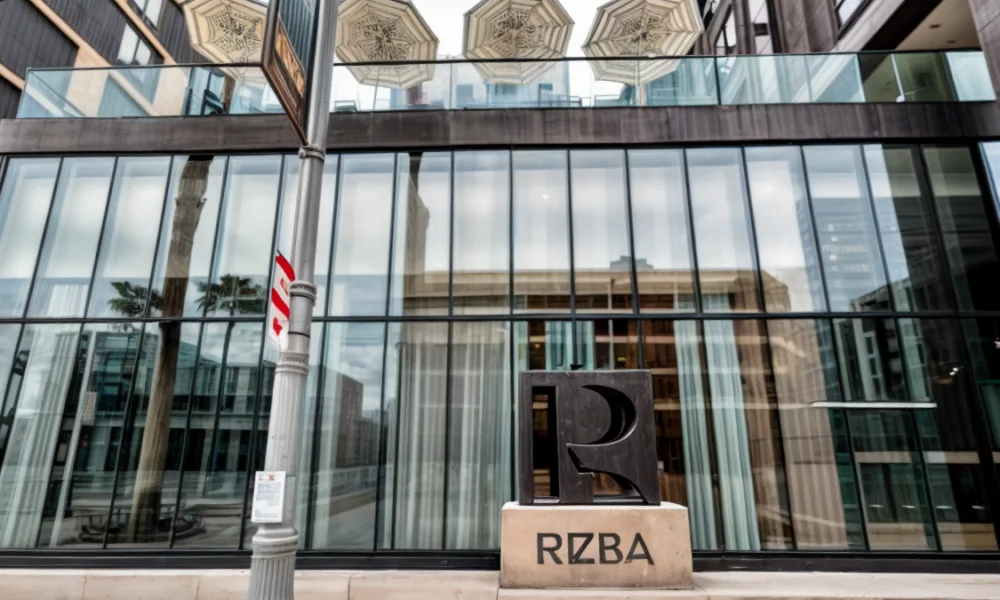
- The ability to create fully glazed façades
- Integration into curtain wall systems
- Use in interior partitions without blocking natural light
- Application in skylights and overhead glazing
- Incorporation of decorative, fritted, or privacy-control finishes
Glass also allows designers to work with different levels of transparency, reflectivity, and color. It can remain fully clear to maximize views or become translucent to provide privacy without sacrificing daylight.
In addition, advances in structural engineering have enabled glass to participate in specialized load-bearing systems, expanding its role beyond that of a simple enclosure.
In modern architecture, glass is not merely a finishing material. It is an active component in both the visual language of a building and its technical performance.
Industrial, Packaging and Technological Applications
Although glass is most commonly associated with architecture, its industrial and technological applications are just as significant. In fact, many of its fundamental properties (such as chemical stability and electrical resistance) make it indispensable across multiple sectors.
In the food and pharmaceutical industries, glass is widely used for packaging due to its chemical inertness. It does not alter flavor, does not release substances, and does not interact with its contents, ensuring high standards of purity and safety.
In laboratories and chemical processes, its resistance to corrosion and its ability to withstand controlled temperature changes make it suitable for containers, specialized equipment, and observation systems.
In the technological field, glass plays a central role in:
- Electronic device screens
- Fiber optics for telecommunications
- Solar panels
- Insulating components in electrical systems
Its transparency, combined with its ability to be surface-treated, enables applications in touchscreens, protective coatings, and high-precision optical systems.
In the energy sector, glass also functions as an electrical insulator and as a protective barrier in critical infrastructure.
These applications demonstrate that the benefits of glass extend far beyond design or construction. Its technical performance positions it as a strategic material in industries where precision, safety, and stability are essential.
Conclusion: Why Glass Remains Essential in Modern Construction and Industry
As this analysis demonstrates, the benefits of glass extend far beyond transparency. Its amorphous structure, chemical stability, electrical resistance, and capacity for technical adaptation make it a unique material within both industrial and architectural landscapes.
In construction, glass does more than allow natural light to enter a space. It enhances energy performance, contributes to thermal and acoustic comfort, and fulfills key structural safety functions. In industry, it ensures purity, durability, and stability in applications where precision is essential.
Its ability to be recycled indefinitely and its long service life further reinforce its role in more sustainable development models.
What truly distinguishes glass is its versatility. It can be treated, reinforced, laminated, curved, or coated to meet specific conditions without losing its fundamental properties. This combination of clarity, engineering potential, and durability explains why it remains a critical component in buildings, technological devices, and essential infrastructure.