Many of the most recognizable commercial buildings in modern cities share one common element: large surfaces of reflective glass integrated into their façades.
Beyond its contemporary appearance, the use of reflective glass responds to very specific architectural design needs. In commercial projects, façade systems must manage factors such as solar radiation, interior comfort, energy efficiency, and the visual identity of the building.
Reflective glass allows architects to address these challenges simultaneously. Thanks to its reflective coating, this type of glass helps reduce solar heat gain, control glare, and create visually dynamic architectural envelopes.
For this reason, it has become a common material in many types of commercial projects, from office towers and mixed-use developments to institutional buildings and retail spaces.
In this article, we will explore where and why reflective glass is specified in commercial architecture, examining its most common applications in façade systems, its relationship with climate-driven building design, and how it integrates with modern aluminum and glass structures.

Reflective Glass in Curtain Wall Systems
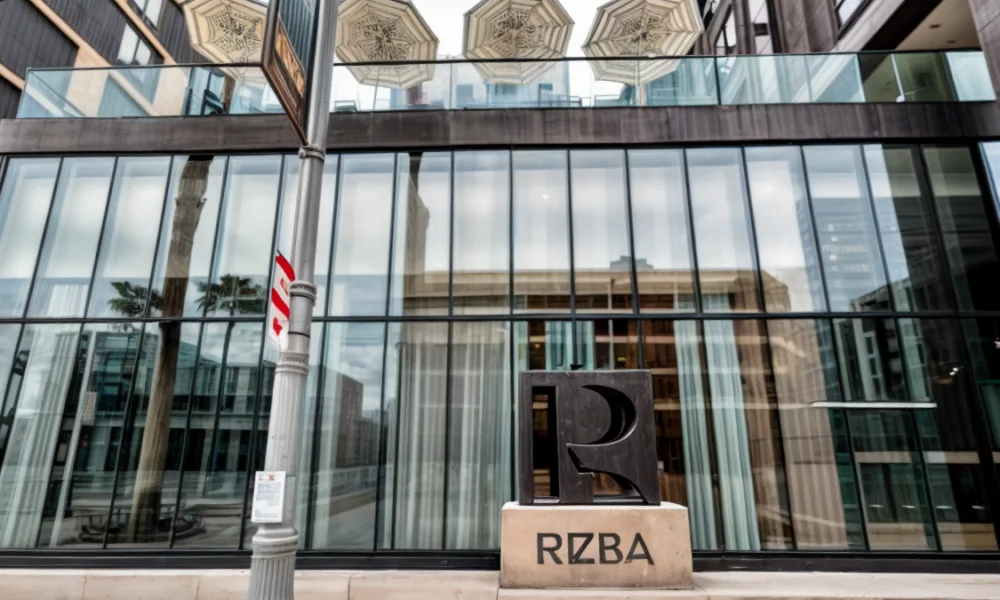
One of the most common uses of reflective glass in commercial architecture is in curtain wall systems. In this type of façade, large glass panels form part of the building’s exterior envelope, making solar control and the thermal performance of the glass especially important, particularly when compared with tinted glass.
Reflective glass helps reduce the amount of solar radiation that enters the building, which is crucial in office towers and corporate buildings with extensive glazed surfaces. By reflecting part of the sun’s energy outward, the glass helps maintain more stable indoor temperatures and contributes to improving the building’s overall energy efficiency.
In addition to its technical benefits, reflective glass also influences the visual identity of the project. Reflective surfaces create uniform and contemporary façades that interact with the urban environment, mirroring the sky, nearby buildings, and the changing conditions of natural light.
For these reasons, they have become a common solution in high-rise commercial buildings, corporate centers, and modern urban developments where the façade serves both a technical and architectural role.
Reflective Glass in Storefront Systems
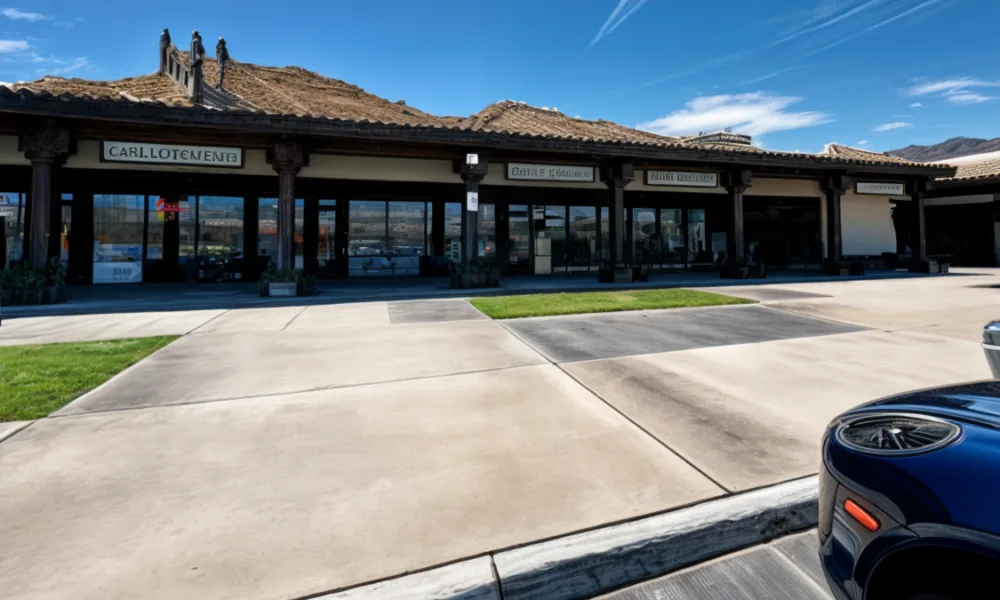
Another common application of reflective glass in commercial architecture is in storefront systems, particularly in urban buildings where glass façades play an important role in the visual identity of the space.
In retail stores, restaurants, hotels, and corporate spaces located at street level, glass serves a dual purpose: allowing visibility into the establishment while also managing the impact of solar radiation and glare.
Reflective glass can help balance these factors. Its ability to reflect part of the sunlight contributes to improving indoor comfort, which is especially important in areas with strong sun exposure or along avenues with large glazed surfaces.
At the same time, its reflective finish provides a contemporary appearance that integrates easily into modern commercial projects, where façade design plays a key role in the overall visual experience of the building. For this reason, it can also function as an effective marketing tool.
Because of these advantages, many storefront systems in urban developments, shopping centers, and mixed-use buildings incorporate reflective glass as part of their architectural design and performance strategy.
Reflective Glass in Office Buildings and Corporate Towers
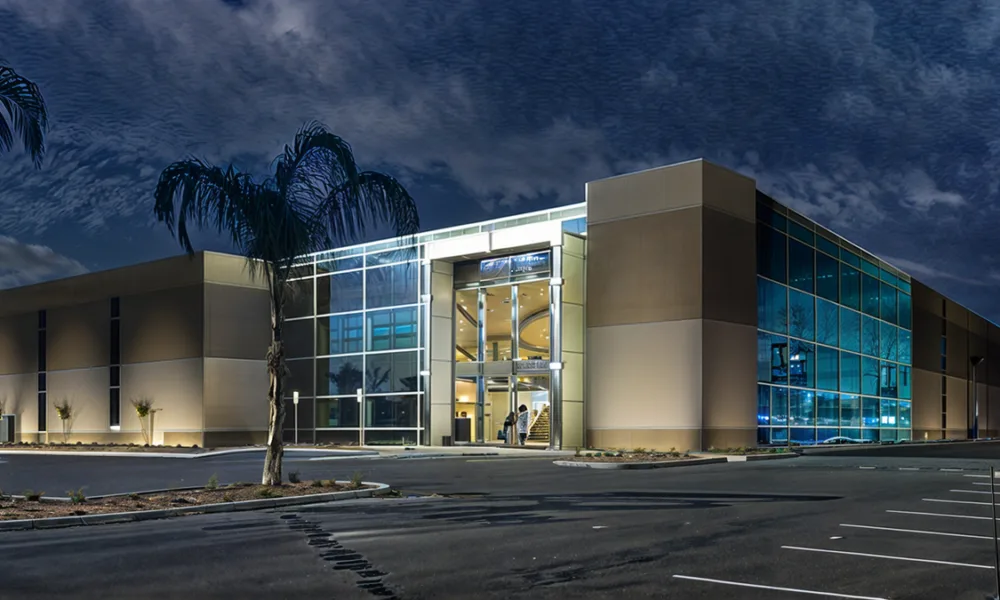
Reflective glass is also widely used in office towers and corporate buildings, where glass façades play a key role in both the building’s performance and its architectural identity.
In these types of projects, glazed surfaces often occupy a large portion of the exterior envelope. This means that factors such as solar radiation, natural lighting, and indoor temperature must be carefully managed from the façade design stage.
Reflective glass helps address these challenges by reflecting a significant portion of solar energy before it enters the building. As a result, it contributes to maintaining more stable indoor conditions and can help reduce the demand for air conditioning in buildings with large glass areas.
At the same time, the reflective finish has become a defining feature of many modern corporate towers. Mirrored façades allow the building to visually interact with its surroundings, reflecting the sky, the urban landscape, and the changing conditions of natural light throughout the day.
Thanks to this, a better energy balance can be achieved, allowing large corporate buildings to save substantial costs on air conditioning, as interior temperatures remain stable for longer periods.
Reflective Glass in Mixed-Use Developments and Institutional Buildings
Reflective glass is also commonly used in mixed-use developments and institutional buildings, where a single structure may combine offices, retail spaces, hospitality, or public areas.
In these types of projects, façades must respond to different building functions at the same time. Commercial areas require visibility and an attractive design, while office spaces or guest rooms need to control solar radiation and maintain comfortable indoor conditions.
Reflective glass helps balance these needs by providing solar control, natural lighting, and a consistent aesthetic across the building envelope. This allows complex projects to maintain a cohesive architectural identity even when they integrate multiple functions.
This type of glass is also frequently used in universities, hospitals, airports, and institutional buildings, where glazed façades help maximize natural daylight while controlling solar heat gain.
Reflective Glass Options for Architectural Projects
In commercial architecture, reflective glass is not a single solution. There are different variants that allow the performance of the glass and its visual appearance to be adjusted according to the needs of each project.
Architects typically choose between different tones, levels of reflectivity, and solar performance, depending on the climate, the building’s orientation, and the aesthetic goals of the façade.
Some options feature blue or blue-green tones, which create highly reflective and contemporary façades commonly seen in office towers and modern urban developments. Other variants incorporate bronze or gray tones, offering a warmer or more neutral appearance while still providing solar control and glare reduction.
There are also reflective glass options designed to create stronger mirror effects, often used in projects where the façade is intended to reflect the surrounding urban environment or landscape more prominently.
Specialized manufacturers such as PRL Glass & Aluminum offer a range of reflective glass solutions for architectural applications, including options like Bluegreen Eclipse, Bronze Eclipse, Solar Blue, Solar Gray, Pacifica, Azuria, and Mirro Pane.
These variants allow architects and developers to select the glass that best fits the goals of their project, balancing solar performance, aesthetic appearance, and compatibility with modern façade systems.
Reflective glass has become one of the most widely used materials in contemporary commercial architecture. Its ability to control solar radiation, improve interior comfort, and contribute to a distinctive visual identity makes it a key element in modern façade design.
From curtain wall systems and storefronts to corporate towers, mixed-use developments, and institutional buildings, this type of glass helps balance energy performance, natural lighting, and architectural aesthetics.
In addition, the variety of tones, levels of reflectivity, and performance options available allows each project to select the glass that best fits its climate conditions and design objectives.
For this reason, reflective glass continues to be a relevant solution in projects where glazed façades play a central role in building performance.
Specialized manufacturers such as PRL Glass & Aluminum provide different reflective glass options designed for architectural applications, allowing architects, developers, and contractors to integrate high-performance solutions into commercial projects of various scales.