5. Check for Air Leaks Around Windows and Doors
Sometimes, the problem is not only the sun coming in directly but also the hot air that slips through small gaps around windows and doors. In very hot areas, humidity and warm air can make their way inside from places you would not expect.
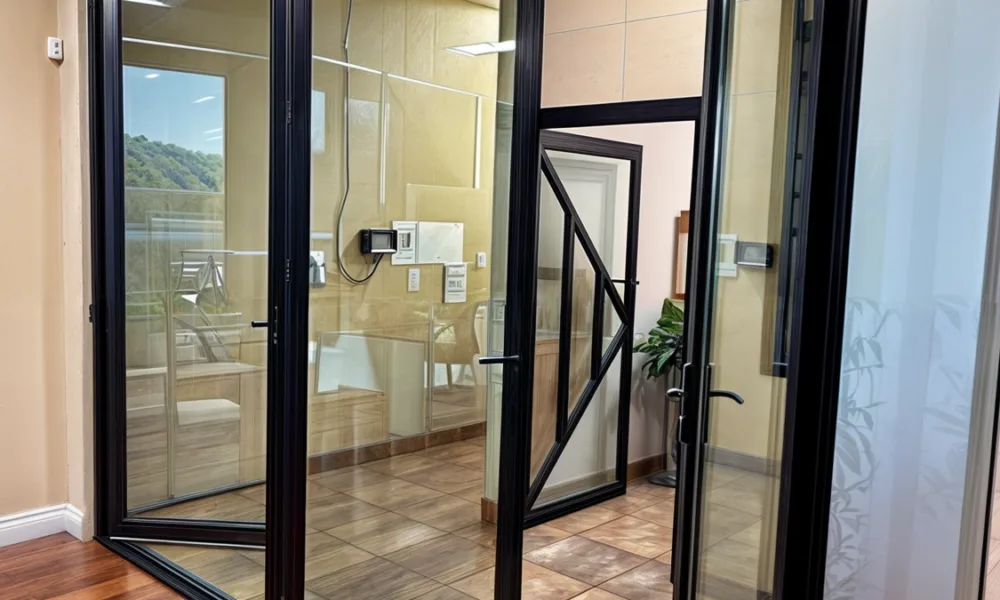
Checking frames, joints, and seals can help you identify spots where cool indoor air is escaping or outdoor heat is entering without being immediately noticeable.
Fixing these leaks is often one of the simplest and most cost-effective improvements. Often, replacing the weather stripping or improving the sealing around certain areas can help maintain a more stable indoor temperature and reduce the strain on the air conditioning system.
6. Improve Door Performance, Not Just Windows
When trying to reduce heat inside the home, it is common to think about windows first. However, doors can also become an important entry point for heat, especially if they include large glass areas or are exposed to direct sunlight for much of the day.
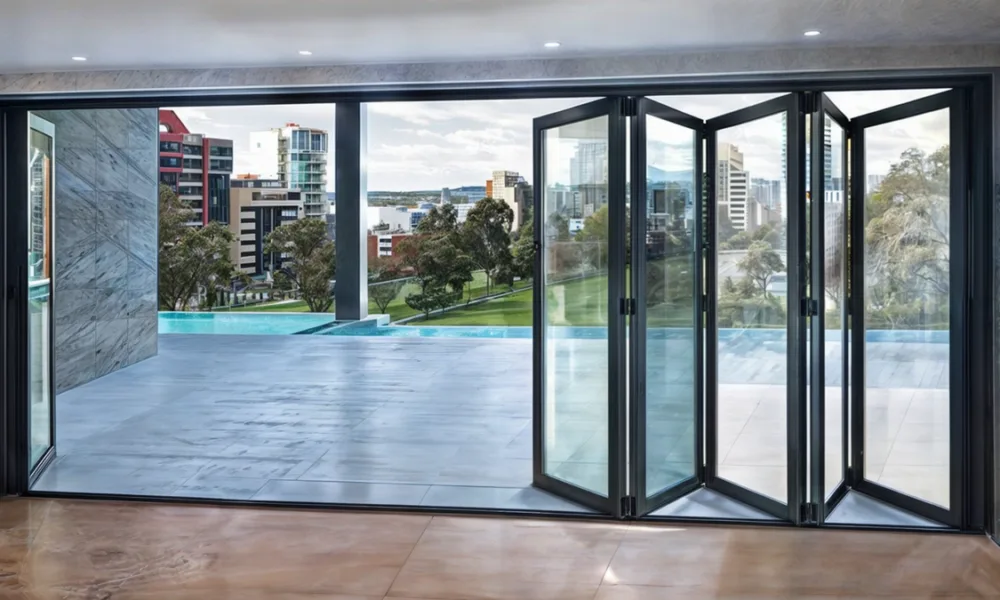
That is why, in addition to looking at the type of glass, it is worth considering the overall performance of the door system. A better-insulated design can help limit heat transfer and improve indoor comfort, especially at main entrances, patio doors, or spaces with heavy sun exposure.
7. Consider Thermally Broken Doors and Systems for Better Thermal Protection
If you are looking for a more complete upgrade, doors and systems with thermally broken technology can help reduce heat transfer between the exterior and the interior. This is because they include a barrier inside the frame that helps limit how heat moves through the material, which is especially useful in hot climates or in areas with strong sun exposure.
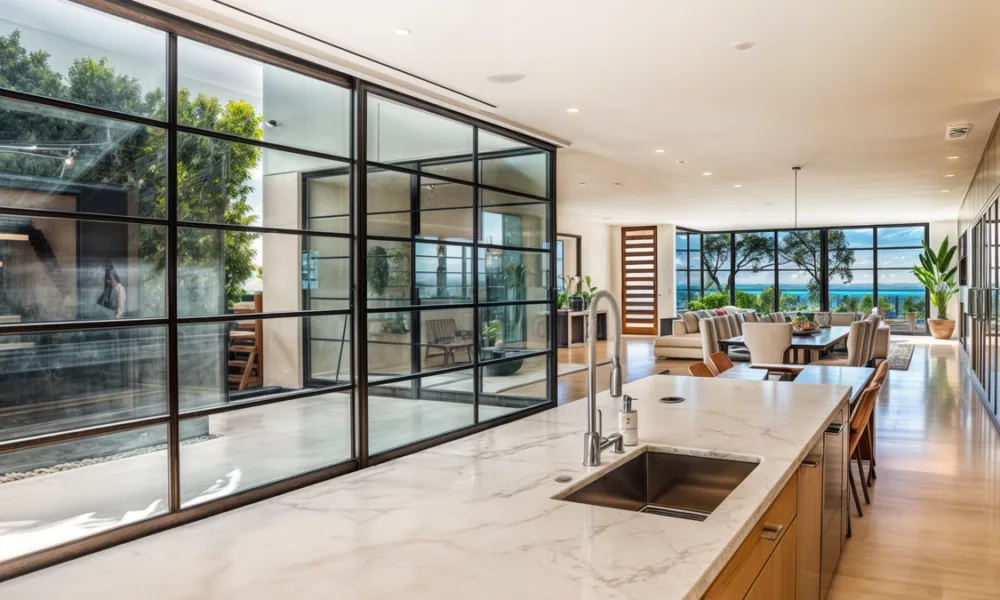
This can make a more noticeable difference in projects where long-term comfort and efficiency are a priority. In addition to helping maintain a more stable indoor temperature, thermally broken systems can also better complement the performance of the glass, creating a more balanced solution for windows and doors exposed to the sun.
Many of these systems also include added protection against heavy rain, hurricane conditions, or even certain security risks.
8. Use Exterior Shade Whenever Possible
Exterior shade can be a great ally in reducing solar heat before it reaches the glass or the door. Elements such as awnings, pergolas, overhangs, louvers, or even well-placed trees can help block part of the sun’s direct radiation and keep certain areas of the home from overheating during the day.
In fact, well-planned shade not only improves visual comfort but can also have a real impact on temperature and energy use. The U.S. Department of Energy notes that a well-placed tree, shrub, or vine can help reduce the energy consumption of a typical household by up to 25%, while shade and evapotranspiration from trees can lower the surrounding air temperature by as much as 6°F.
Unlike interior solutions, exterior shade works before the heat enters the space. That is why it can be a very effective improvement for windows with heavy sun exposure, patio doors, or façades that receive intense sunlight for several hours a day.
9. Open and Close Windows at the Right Time
On hot days, it is not always a good idea to keep windows open for long periods. If the temperature outside is higher than it is indoors, opening them can let heat in faster and cause the home to lose its cool air in a short time. That is why a simple strategy is to keep them closed during the hottest hours of the day and use the early morning or nighttime hours for ventilation.
This small habit can help maintain a more stable indoor temperature without requiring expensive changes. While it will not solve the problem of solar heat on its own, it works very well alongside other solutions such as exterior shade, curtains, or upgrades to glass and door systems.
In fact, this is often the first step you can take to begin improving the situation.
10. Combine Quick Fixes With Long-Term Upgrades
Some measures can help right away, such as closing curtains, sealing air leaks, or making better use of natural ventilation. However, when solar heat is a constant problem, it may also be worth thinking about more durable improvements that help keep the home comfortable over time.
Combining simple solutions with upgrades such as reflective glass, tinted glass, or thermally broken systems can provide a more complete result. This way, you are not only reducing heat during certain parts of the day but also improving the overall performance of windows and doors against continued sun exposure.